
The Perfect Stone Veneer Color for Your House: Tips for Choosing the Right Look
Share
Originally posted June 24, 2023, updated January 6, 2026.
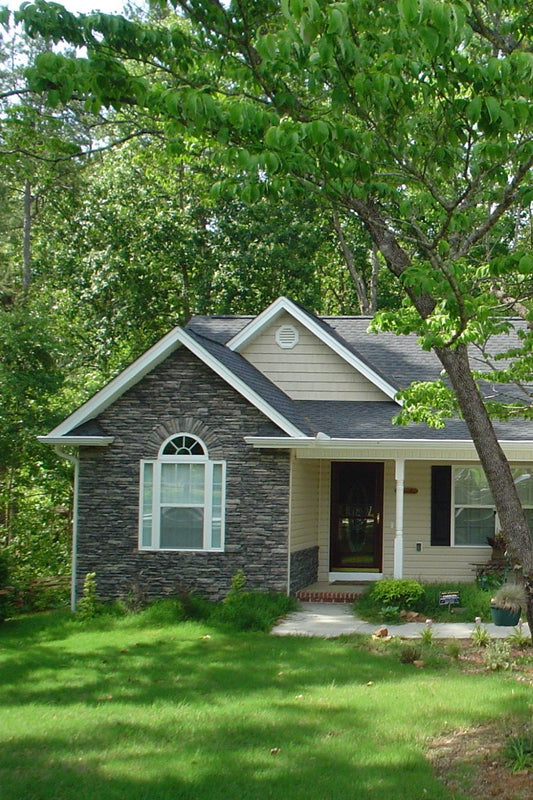
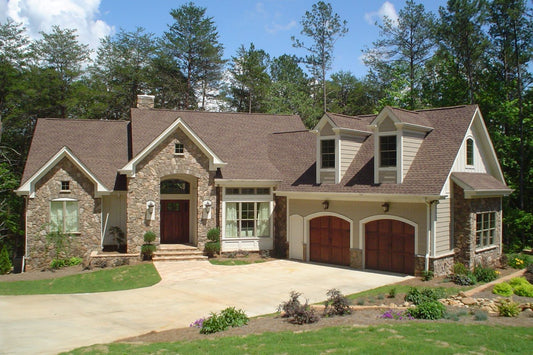
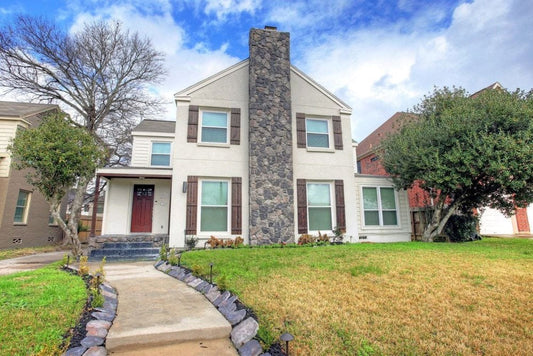
Choosing the right manufactured stone veneer color is essential for achieving a cohesive and visually appealing design. The ideal color should complement your home’s architecture, existing materials, and surroundings while enhancing depth, contrast, and long-term curb appeal.
Color is only one part of the decision when choosing manufactured stone veneer, but it plays a defining role in the final result. As outlined in our manufactured stone veneer buying guide, selecting the right stone involves balancing style, profile, installation, and budget alongside color. While texture and profile establish the structure of the design, color ultimately determines how the finished space feels and how well it integrates with the rest of your home. The right choice can elevate a project, highlight architectural features, and create a timeless appearance, while the wrong one can feel disconnected or overpowering.
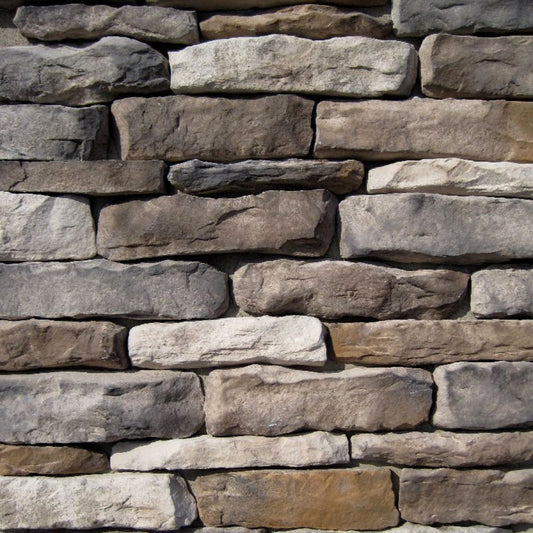
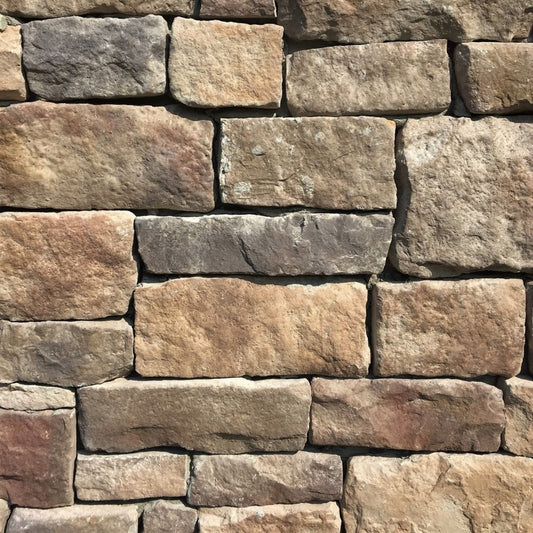
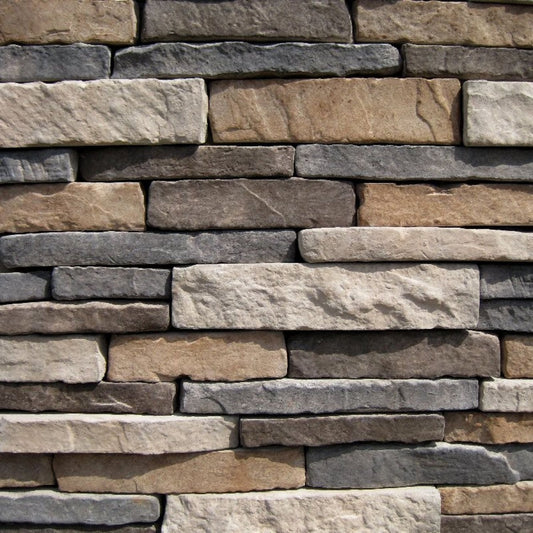
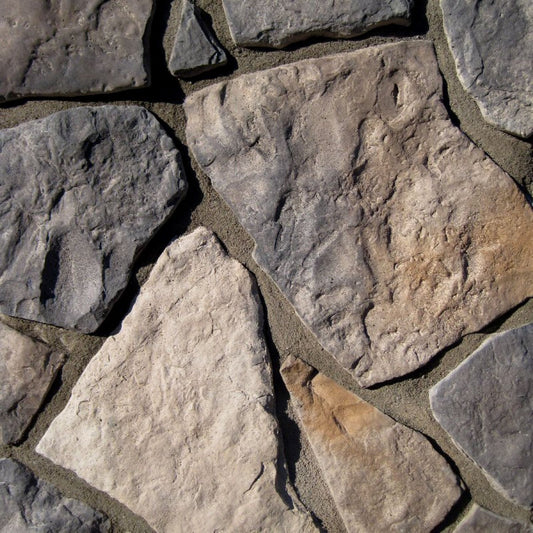
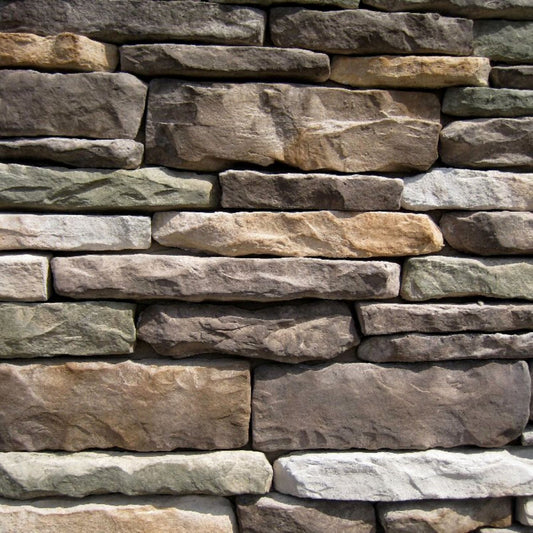
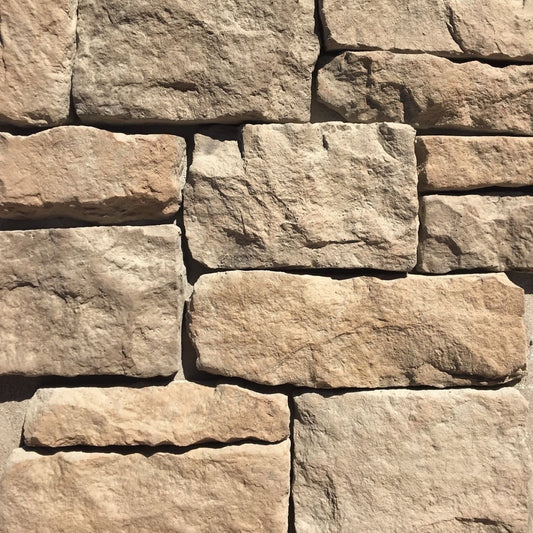
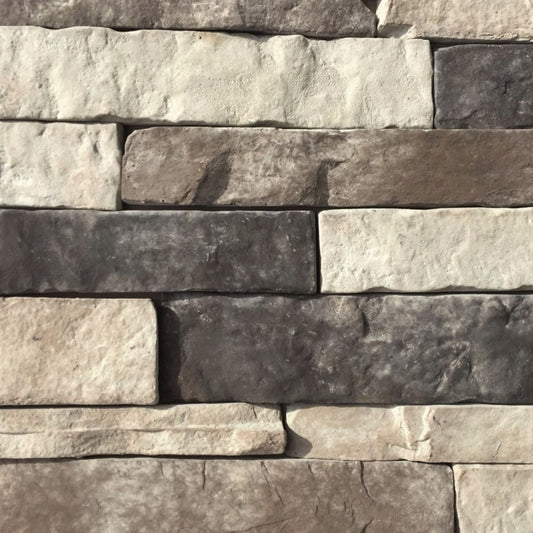
Manufactured stone veneer is available in a wide spectrum of colors, ranging from warm, natural earth tones to cooler contemporary grays. Because it is designed to replicate natural stone, these colors often include subtle variation and depth, which are essential for achieving a realistic and visually dynamic finish. Understanding how color interacts with your home’s overall design will help ensure a cohesive and well-balanced result.
How Color Shapes the Overall Design
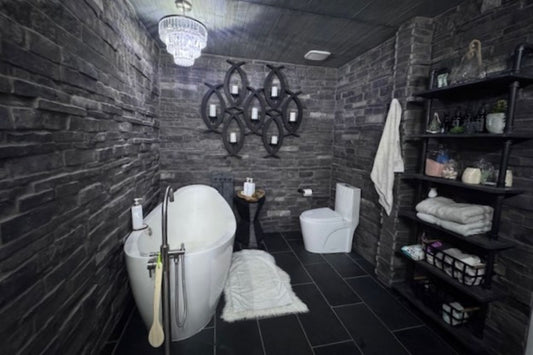
Color has a powerful influence on how a space is perceived. In manufactured stone veneer, it can affect everything from the apparent size of a surface to the mood and style of the home. Lighter tones tend to make spaces feel larger, brighter, and more open, while darker tones create contrast, depth, and a more dramatic visual impact.
The choice of color can also reinforce architectural style. Traditional homes often benefit from warm, natural palettes that reflect classic stonework, while contemporary designs tend to lean toward cooler, more uniform tones. Transitional styles may blend both approaches, using balanced color palettes that bridge traditional and modern elements.
Because stone veneer is often used as a focal point, whether on a fireplace or exterior facade, the color you choose will draw attention and define the visual hierarchy of the space. A well-chosen color enhances the design, while a mismatched one can disrupt the overall balance.
The type of siding material you choose also plays a key role in shaping the overall design, influencing texture, depth, and visual interest. For a detailed comparison of how natural stone, manufactured veneer, and faux panels impact both style and performance, see our guide on comparing manufactured stone veneer, which helps homeowners select the ideal material for their project.
Stone Veneer Increases Home Value: Why Color Selection Matters
Stone veneer is one of the most effective upgrades for enhancing a home’s aesthetic appeal and perceived value. As discussed in does stone veneer increase home value?, a well-installed stone veneer feature can dramatically improve curb appeal, elevate interior spaces, and create a sense of craftsmanship that resonates with buyers. Homes with thoughtfully chosen stone accents often feel more luxurious and finished, which can lead to faster sales and higher resale prices.
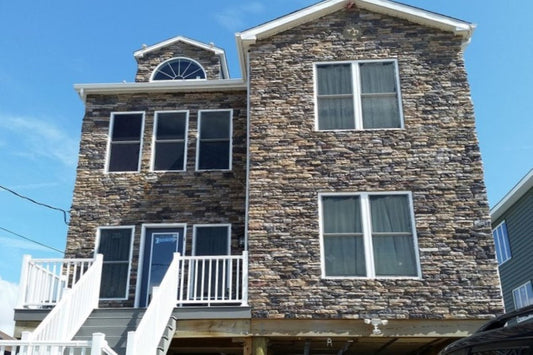
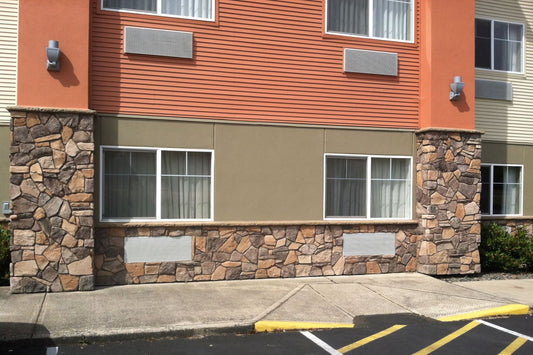
Color selection plays a critical role in maximizing the impact of stone veneer. The right color palette can complement a home’s architectural style, harmonize with existing exterior materials, and highlight key design features such as entryways, fireplaces, or accent walls. Lighter tones can create a modern, clean feel, while deeper hues add warmth, contrast, and a sense of permanence. Choosing a cohesive color that works with landscaping, siding, and roofing not only enhances visual appeal but also reinforces the perception of quality, which buyers tend to value highly.
Ultimately, stone veneer is not just a decorative upgrade, it is a strategic investment. By carefully selecting colors that suit both the home and the surrounding environment, homeowners can boost curb appeal, reinforce interior design, and maximize the long-term value of their property. When done correctly, the combination of high-quality stone and thoughtful color choices ensures that your home makes a lasting impression while contributing to its overall marketability.
Matching Stone Veneer Color to Your Home’s Exterior
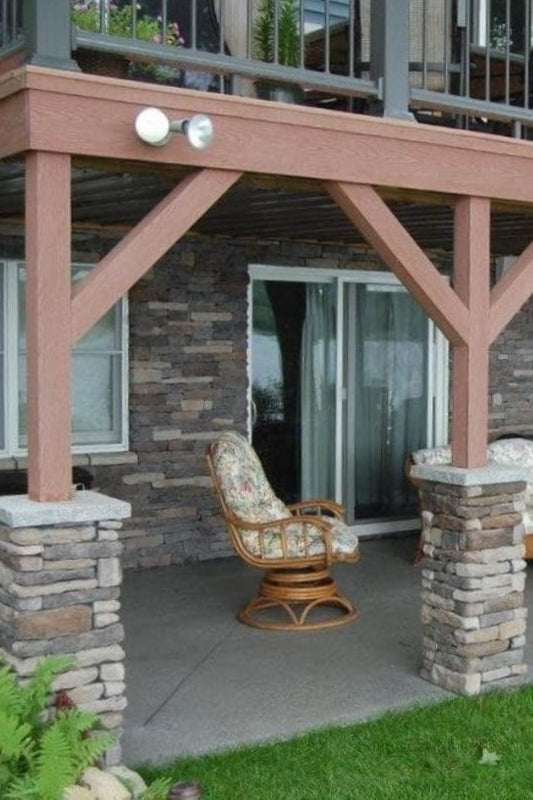
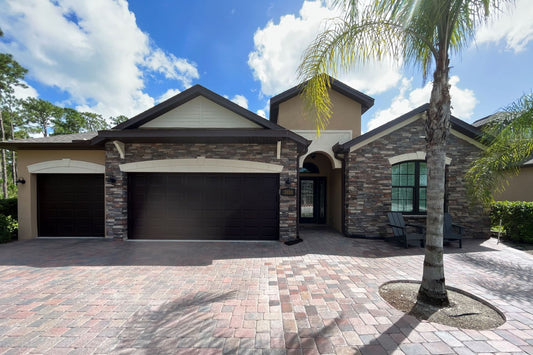
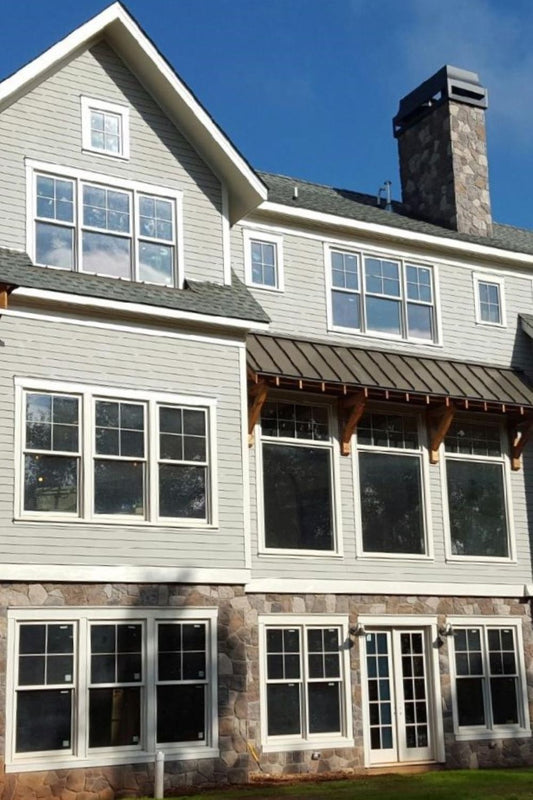
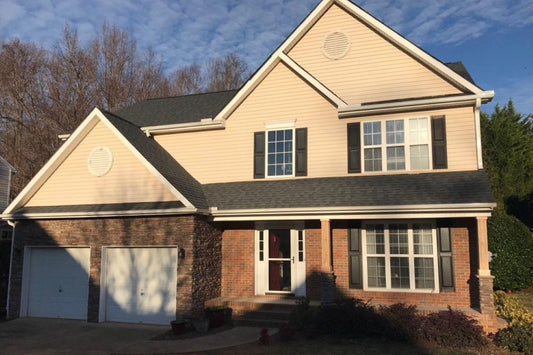
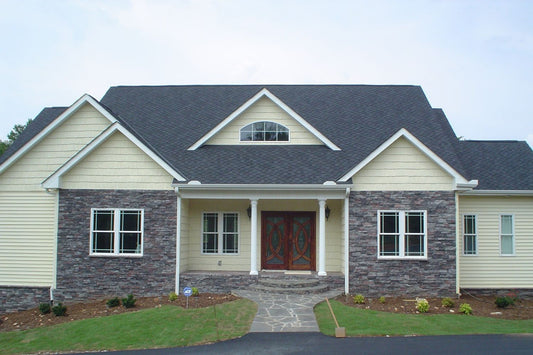
One of the most important considerations when selecting a stone veneer color is how it will interact with your home’s existing exterior elements. Roofing, siding, trim, windows, and doors all contribute to the overall color palette, and the stone should complement rather than compete with these features. For more guidance on choosing the right color for your project, see our complete guide to manufactured stone veneer colors.
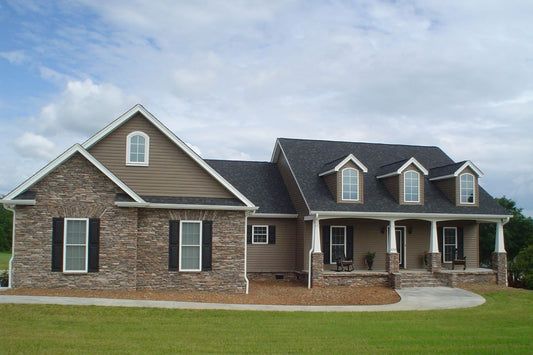
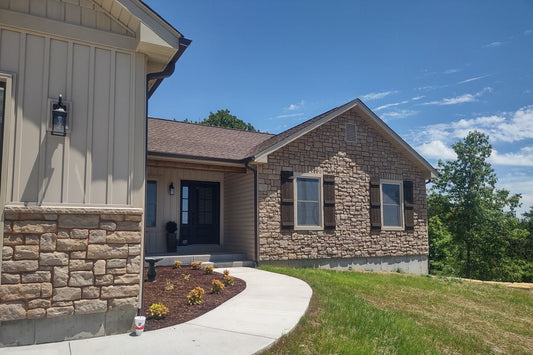
A cohesive design does not necessarily mean everything must match exactly. Instead, the goal is to create harmony through coordination. For example, a stone veneer color that picks up undertones from your siding or roof can create a seamless transition, while a slightly contrasting tone can add visual interest without feeling out of place.
It is also important to consider fixed elements that cannot easily be changed, such as brickwork or hardscaping. Choosing a stone veneer color that works with these permanent features will ensure a consistent look that stands the test of time.
The Role of Lighting in Color Perception
Lighting plays a significant role in how stone veneer color is perceived. Natural light, shadows, and even the direction your home faces can dramatically alter how a color appears throughout the day. A stone that looks warm and inviting in direct sunlight may appear cooler or more muted in shade.
Interior applications are also influenced by artificial lighting. Warm lighting can enhance earthy tones, while cooler lighting may emphasize gray or blue undertones. Because of this, it is essential to evaluate stone veneer samples in the actual environment where they will be installed.
Viewing samples at different times of day provides a more accurate understanding of how the color will perform. This step helps prevent surprises and ensures the final result aligns with your expectations.
Considering Surroundings and Environment
The surrounding environment should also influence your color selection. Landscaping, neighboring homes, and natural features all contribute to how your home fits within its setting. A stone veneer color that complements nearby trees, soil tones, or natural stone elements can create a more integrated and harmonious appearance.
In some cases, homeowners prefer their stone veneer to blend into the environment, creating a subtle and natural look. In other cases, a contrasting color may be used to make the home stand out as a focal point. Both approaches can be effective when executed thoughtfully.
Climate and regional influences can also play a role. Certain color palettes may feel more appropriate in specific environments, helping the home feel connected to its location and architectural context.
Balancing Color Variation and Realism
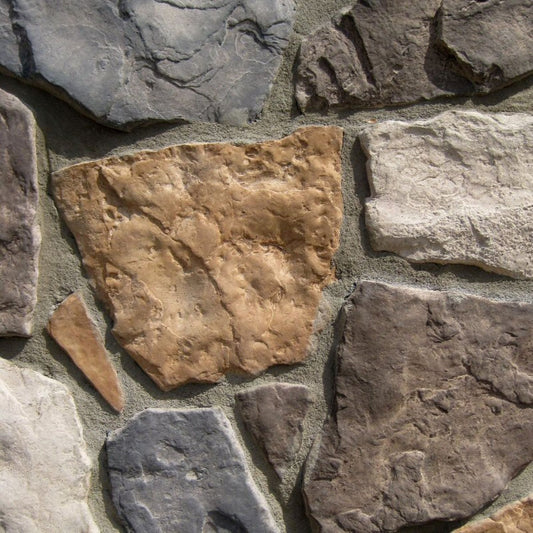
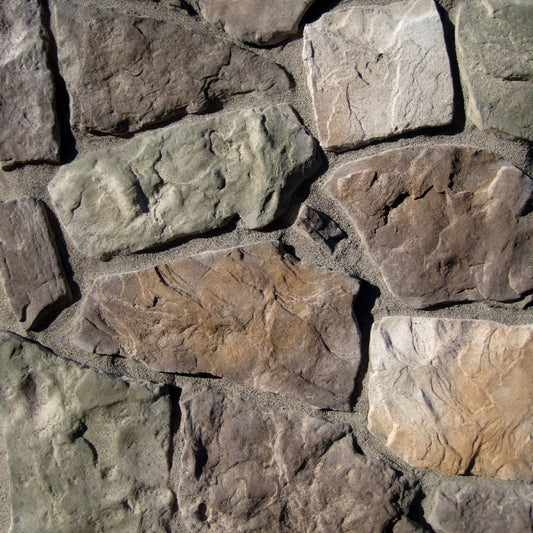
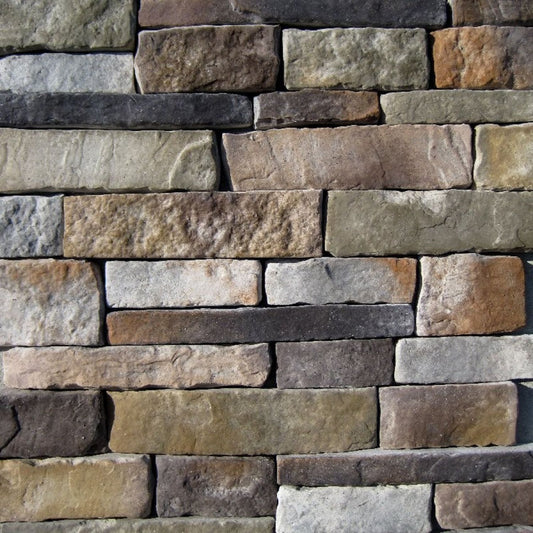
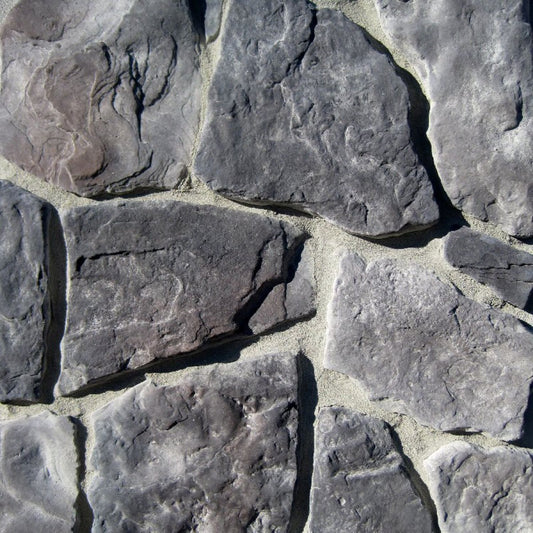
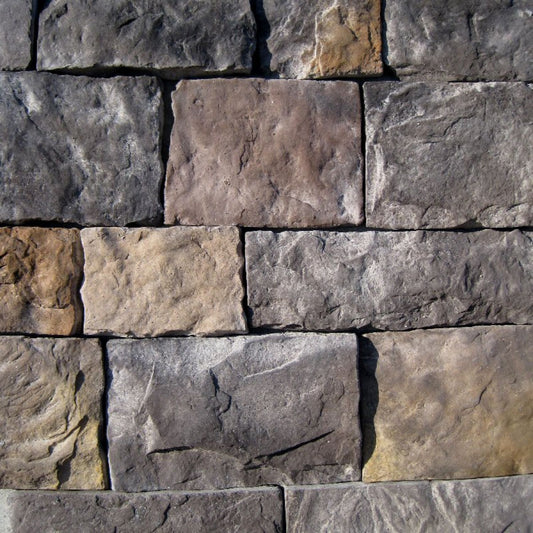
One of the defining characteristics of manufactured stone veneer is its color variation. Unlike flat or uniform materials, stone veneer typically includes multiple tones within each piece, creating depth and realism. This variation is essential for achieving a natural appearance, but it must be balanced carefully.
Too little variation can make the surface appear flat or artificial, while too much variation can feel chaotic or inconsistent. High-quality manufactured stone veneer is designed to strike this balance, offering subtle shifts in color that mimic natural stone without overwhelming the design.
When selecting a product, it is important to review multiple samples or larger panels to understand the full range of color variation. This helps ensure the final installation will have the desired level of depth and cohesion.
Longevity, Maintenance, and Color Performance
Color selection should also take long-term performance into account. Over time, exposure to sunlight, weather, and environmental conditions can affect how stone veneer appears. Lighter colors tend to reflect more light and may show less visible fading, while darker tones can create stronger visual impact but may require more attention to maintain their appearance.
Because manufactured stone veneer is typically surface-colored, the quality of the pigmentation and manufacturing process plays a critical role in durability. High-quality products are designed to maintain their color and resist fading, ensuring the installation continues to look its best for years to come.
Considering maintenance and environmental exposure during the selection process can help you choose a color that not only looks great initially but continues to perform well over time.
Testing Samples Before Making a Final Decision
Seeing stone veneer in person is one of the most important steps in the selection process. Digital images and showroom displays can provide a general idea, but they cannot fully replicate how the material will look in your specific space.
Placing samples against your home’s exterior or interior walls allows you to evaluate color, texture, and variation in real-world conditions. This hands-on approach helps you visualize the final result and make adjustments before committing to a full order.
Testing samples also provides an opportunity to compare different options side by side. Subtle differences in tone or variation can have a significant impact once installed, making this step essential for achieving the desired outcome.
When to Seek Professional Input
While many homeowners feel confident selecting stone veneer colors, there are situations where professional guidance can be valuable. Designers, contractors, and experienced suppliers can offer insights based on past projects, helping you refine your choices and avoid common pitfalls.
Professional input can be especially helpful for larger projects, complex designs, or when coordinating multiple materials. Their expertise can ensure that the final result aligns with your vision while maintaining balance and cohesion across the entire space.
The Perfect Stone Veneer Color for Your House
Choosing the perfect manufactured stone veneer color is a balance of design vision, practical considerations, and environmental context. The right color enhances architectural features, creates visual harmony, and adds lasting value to your home.
By carefully evaluating your home’s style, existing materials, lighting conditions, and long-term performance needs, you can select a stone veneer color that delivers both immediate impact and enduring appeal. Whether you are aiming for a bold statement or a subtle, natural look, thoughtful color selection is the key to transforming your space with manufactured stone veneer.
From Mountain View Stone: What You Should Know
At Mountain View Stone, we’ve found that selecting the right stone veneer color is one of the most important decisions in any project. The best results come from balancing your home’s style, existing materials, and surroundings with the stone’s tones and variations. Lighting, both natural and artificial, can dramatically change how a color appears, so testing samples in the actual space is essential. We also see that subtle variation within each stone adds realism and depth, but it should be balanced to avoid a chaotic look. Ultimately, thoughtful color selection combined with high-quality stone ensures a cohesive, visually striking result that enhances your home’s curb appeal and long-term value.
Frequently Asked Questions About The Perfect Stone Veneer Color for Your House
How do I choose the right stone veneer color for my home's style?
Start by considering your home’s architectural style. Earthy tones like beige, brown, or tan suit traditional or rustic homes, while grays and charcoals complement modern or contemporary designs. Matching the color to the overall style ensures a harmonious look.
Should my stone veneer color match or contrast with my existing exterior?
It depends on the effect you want. Harmonizing with roof, siding, and trim creates a cohesive appearance, while a contrasting color can create a bold focal point. Testing samples in natural light helps visualize the impact.
Can surrounding landscaping and neighborhood influence my color choice?
Yes. Consider the natural environment and neighboring homes. A color that complements trees, shrubs, or stone pathways can create a natural blend, while a distinct color may make your home stand out.
How can I test stone veneer colors before making a final decision?
Order physical samples from suppliers or manufacturers. Place them on your exterior in various lighting conditions and at different times of day. This helps you see how color, texture, and shading interact with your home.
Are lighter or darker stone veneer colors better for long-term maintenance?
Lighter colors tend to hide dirt, fading, and weathering more effectively, while darker colors can make a striking statement but may require more upkeep to maintain their appearance over time.
Should I consult a professional before selecting a stone veneer color
Yes. Designers, suppliers, or manufacturers can offer expert guidance based on experience, trends, and the specifics of your project, ensuring your color choice enhances your home’s aesthetic and architectural appeal.
What's Next?
Upgrade your space with our stone veneer! Shop now to view our selection or order a sample to experience the quality firsthand!
Have a Question?
Please see our full terms of service or check out our frequently asked questions.
For general information and questions please call: (864) 882-8960 Mon. - Fri. 8am - 5pm (EST) or email: info@mountainviewstone.net we are more than happy to help you.
Or you can submit your questions via our contact us page.
We look forward to working with you on your upcoming project.
The Mountain View Stone Team
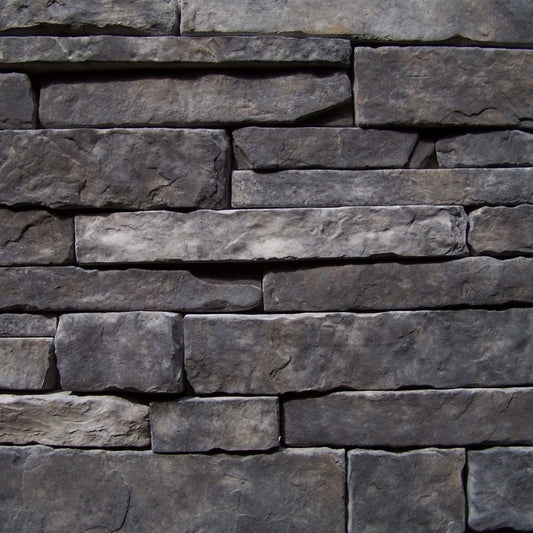
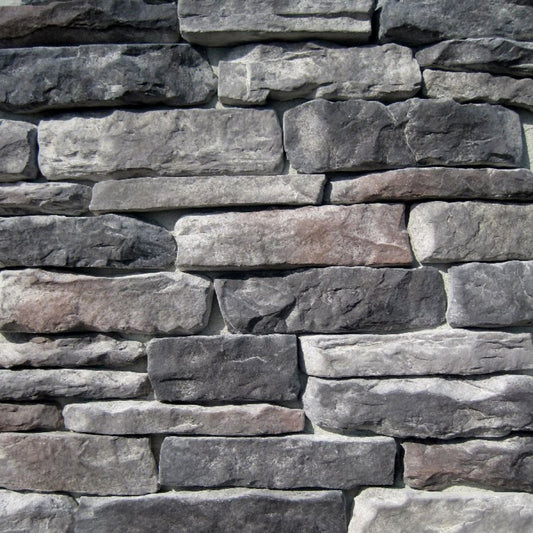
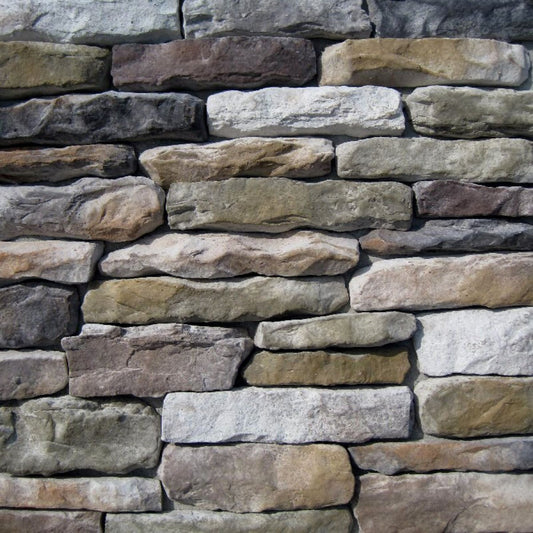
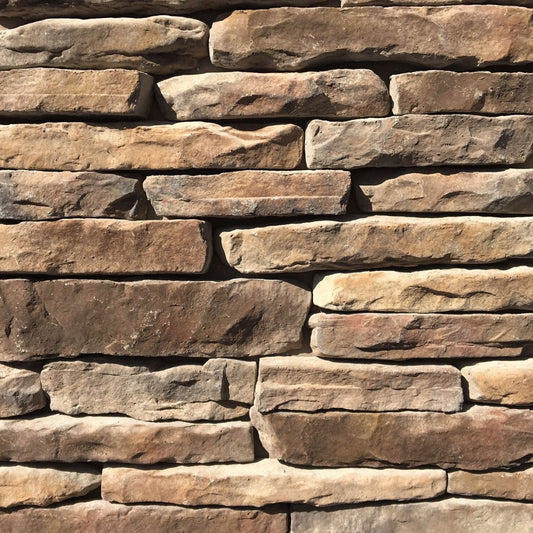
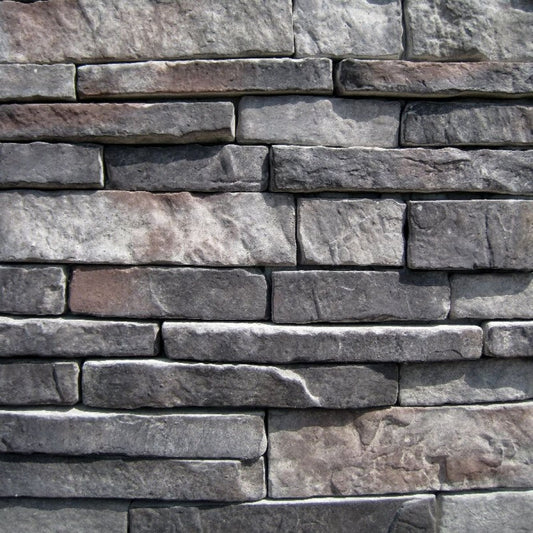
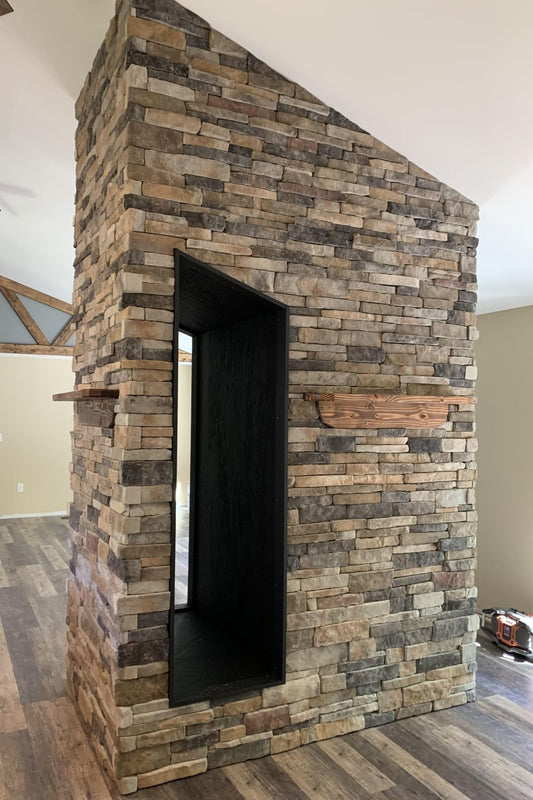
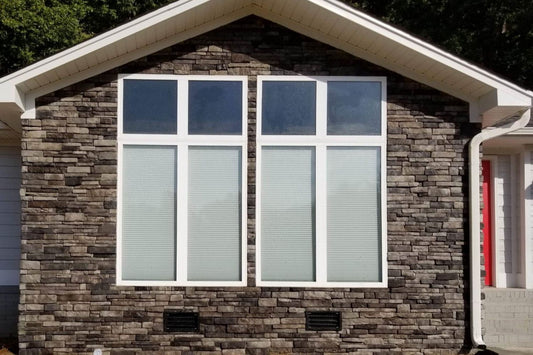
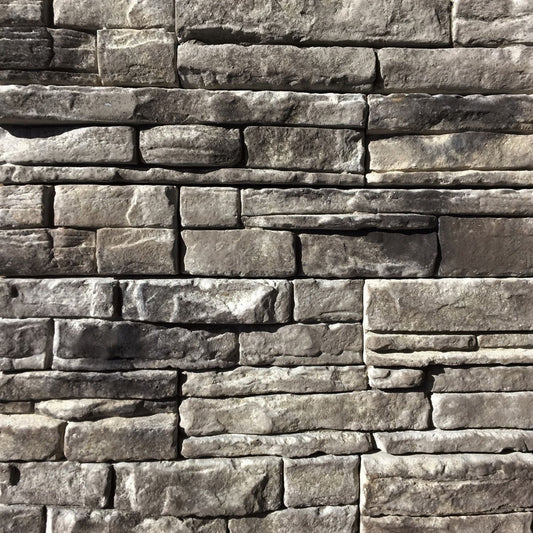
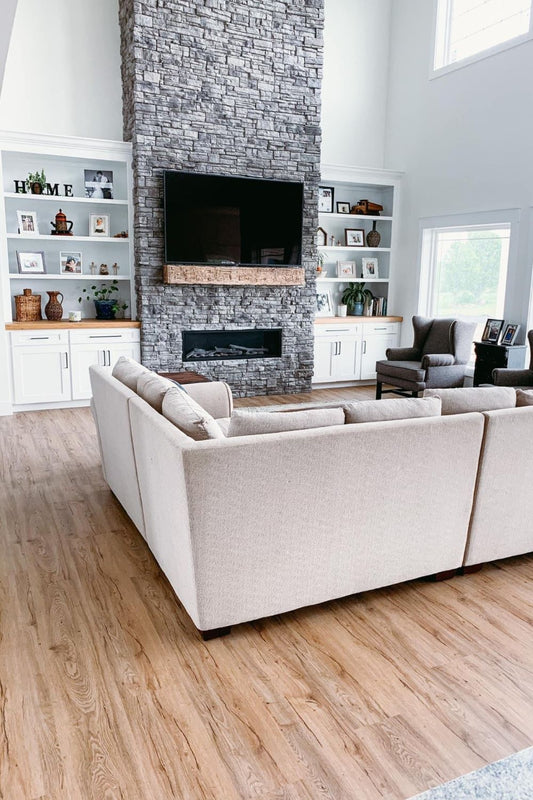
Pictured is ready stack black forest.