
Fieldstone vs. Ledgestone: Which Stone Veneer is Right for Your Home
Share
Originally posted January 5, 2024, updated January 23, 2026.
Discover the key differences between fieldstone and ledgestone veneer. Learn how shape, texture, and style impact your home’s interior and exterior design.
When it comes to enhancing the aesthetic appeal of your home or landscape, stone veneer delivers a balance of durability, texture, and design flexibility that few materials can match. If you’re comparing styles, our manufactured stone veneer profiles guide is a great place to start, outlining how different profiles influence the finished look of a space. Among the most popular choices are fieldstone and ledgestone, each offering distinct characteristics that shape the overall feel of a project. The right selection can define everything from a fireplace or accent wall to a garden feature or exterior facade.
While both fieldstone and ledgestone bring a natural, rustic appeal, they differ significantly in shape, texture, and installation style. These differences impact not only the visual depth and shadowing of a surface but also how structured or organic a design feels. Understanding how each profile performs in real applications is essential for making the right choice and creating a space that feels intentional, cohesive, and built to last.
Fieldstone: Rustic Charm in Every Piece
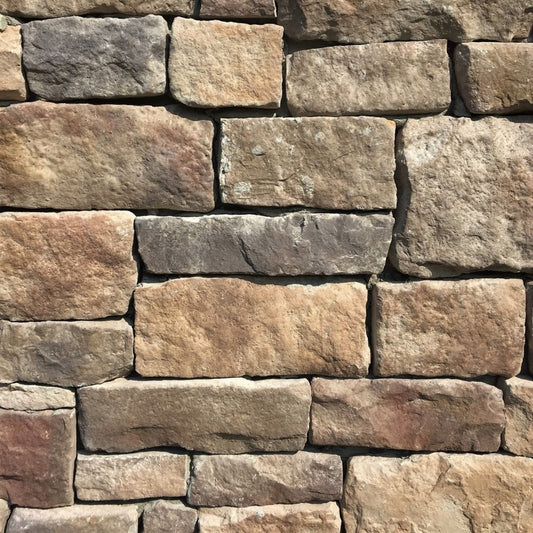
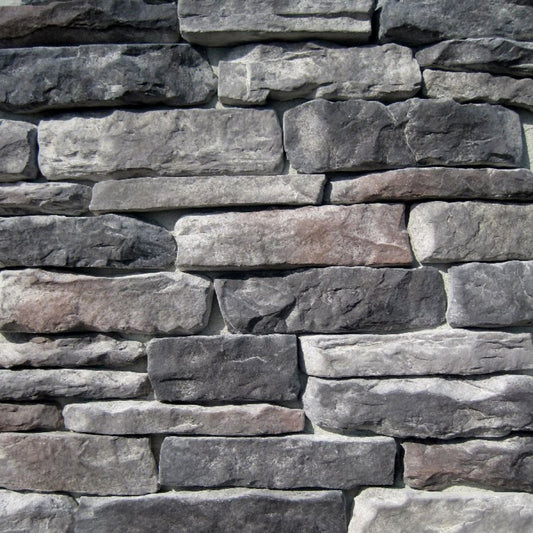
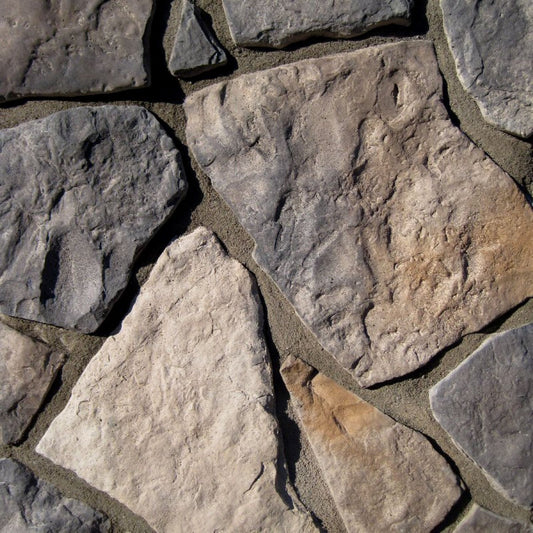
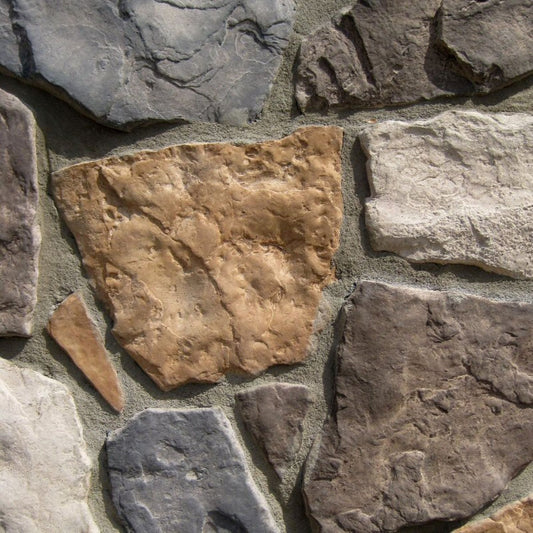
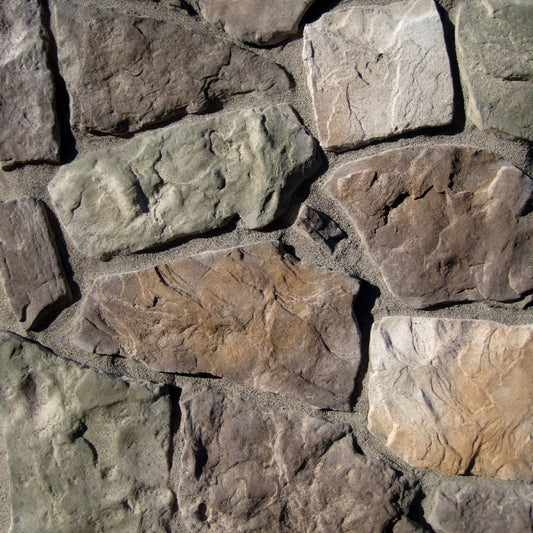
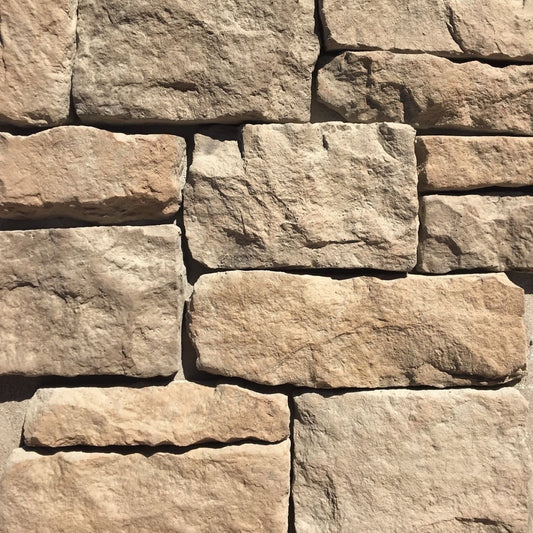
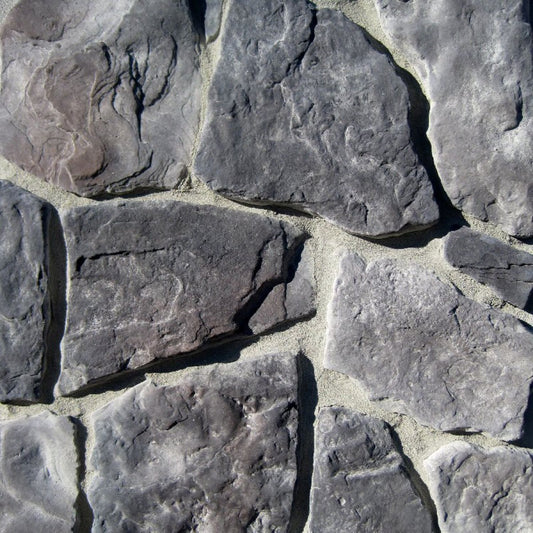
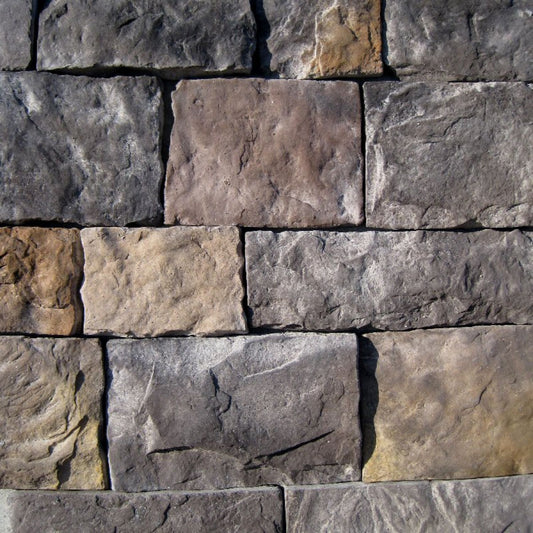
Fieldstone veneer is designed to replicate the organic, irregular charm of natural fieldstone while offering the practical advantages of manufactured stone. Each piece is molded to mimic the varied shapes, sizes, and textures found in nature, creating a surface that feels handcrafted and authentic. The irregularity in shape and size allows fieldstone to convey a relaxed, unstructured aesthetic that works particularly well for rustic and natural design styles.
One of the major benefits of manufactured fieldstone is its lightweight construction, which makes it easier to handle and install than natural stone. This feature allows homeowners and designers to achieve the look of full-size stone without needing extensive structural support. Fieldstone can be used in a wide variety of applications, including exterior walls, interior feature walls, fireplaces, garden walls, and landscape elements. Its versatility allows it to complement both traditional and modern designs while adding character and depth to any space.
While the irregular shapes may require thoughtful planning during installation, the end result is a distinctive surface that draws the eye and creates a sense of organic beauty. The natural variations in size, texture, and color ensure that no two installations look exactly alike, giving each project a unique and personal touch. With proper care, manufactured fieldstone can provide lasting appeal and functionality for decades, making it an excellent choice for homeowners looking to invest in a long-term design solution.
Ledgestone: Layered Texture and Linear Elegance
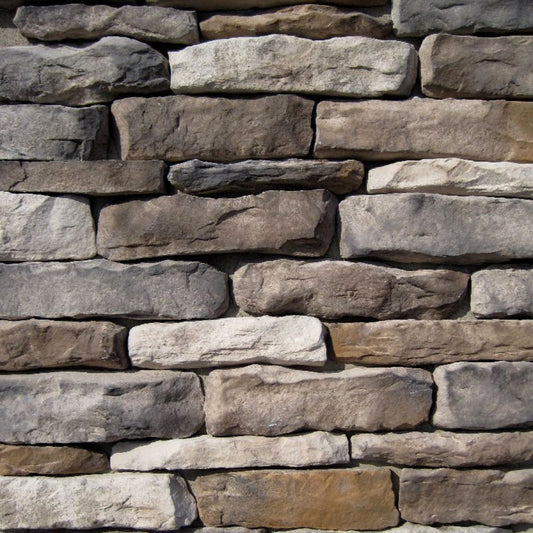
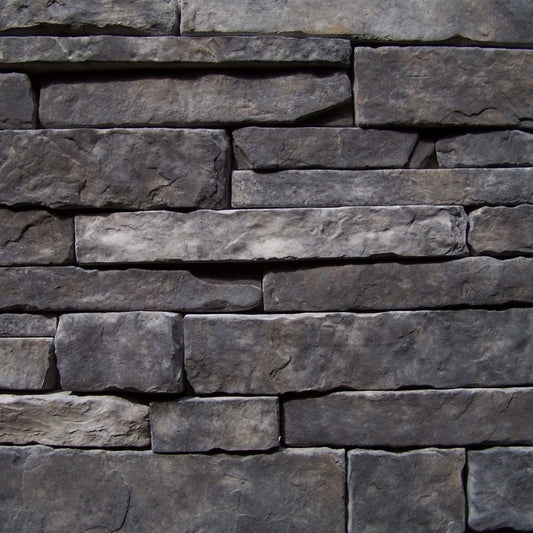
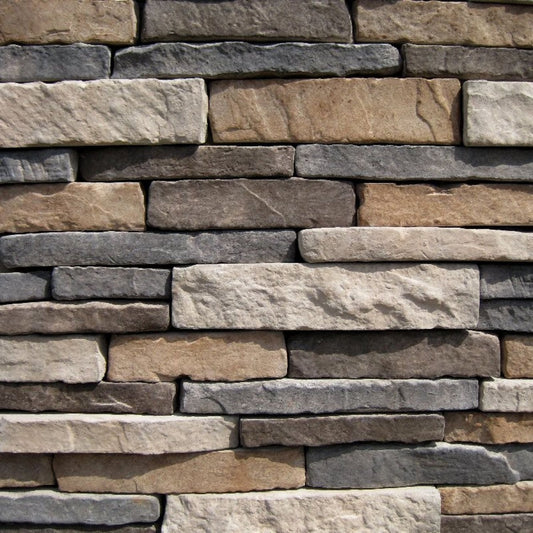
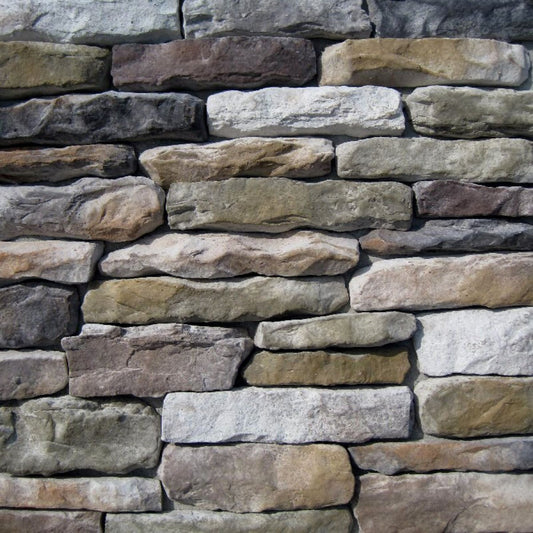
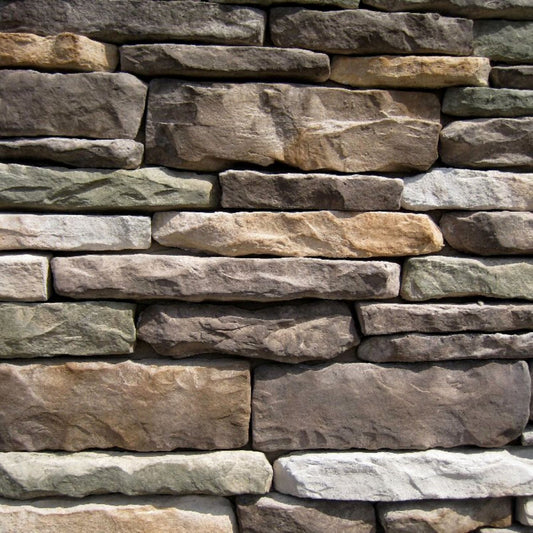
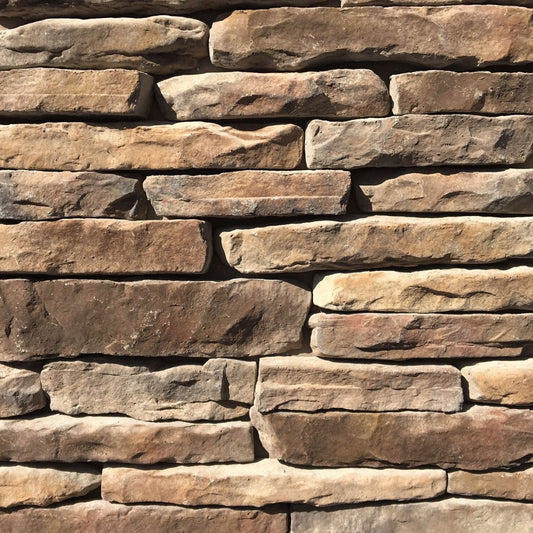
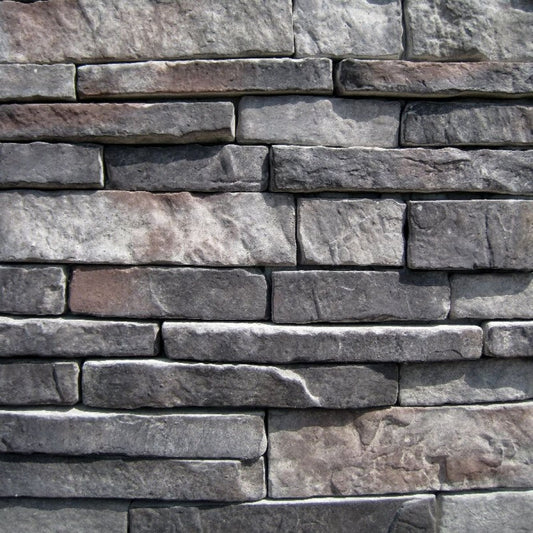
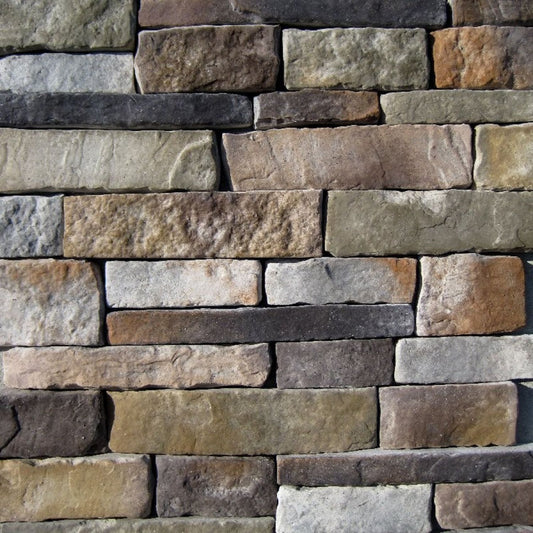
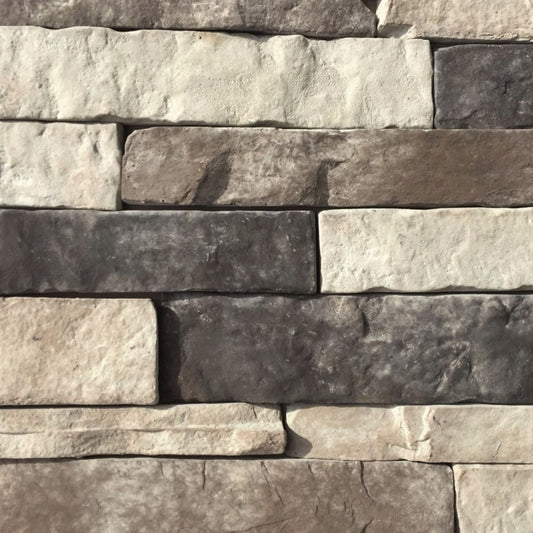
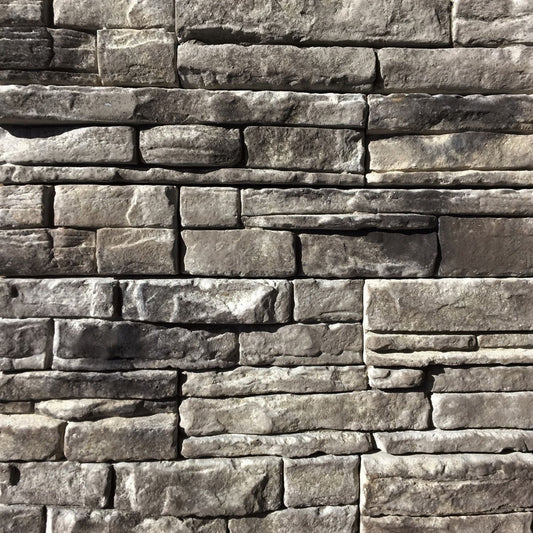
Ledgestone veneer offers a different type of rustic charm, emphasizing linearity and layered texture. Each piece is rectangular and varies in length and depth, creating a natural, handcrafted appearance that adds visual depth and sophistication. Unlike fieldstone, which relies on irregularity, ledgestone's beauty comes from its uniformity in shape combined with subtle variations in size and thickness. This creates a surface that feels structured yet organic, making it ideal for projects where a more refined, dimensional look is desired.
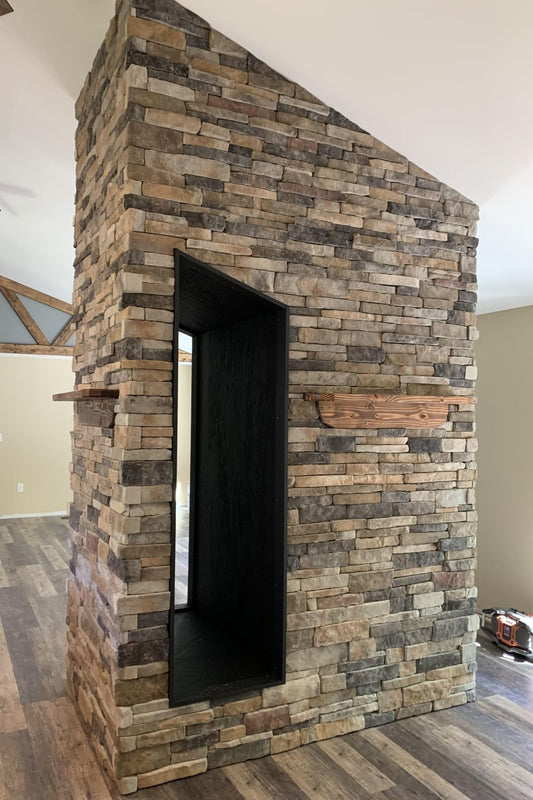
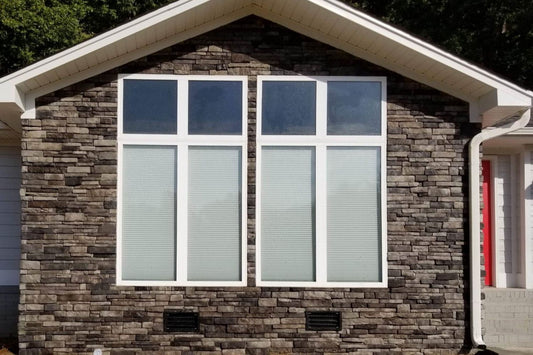
The linear arrangement of ledgestone can accentuate the horizontal lines of a space, giving walls a sense of length and continuity. Its natural layering effect provides depth and shadow, enhancing the overall visual impact of both interior and exterior applications. Popular uses for ledgestone include fireplace surrounds, accent walls, columns, outdoor living spaces, and exterior cladding.
Although ledgestone is straightforward in its rectangular profile, careful placement is essential to highlight its unique texture and depth. By varying the arrangement of the pieces, designers can prevent the wall from appearing too mechanical or repetitive. Like fieldstone, ledgestone is manufactured to be lightweight and durable, making installation faster and more manageable while ensuring that the finished project maintains the aesthetic and practical benefits of natural stone.
Choosing Between Fieldstone and Ledgestone
Selecting between fieldstone veneer and ledgestone veneer ultimately depends on the desired look and feel of your project. Fieldstone’s irregular shapes and larger sizes produce a relaxed, unstructured aesthetic that is ideal for garden walls, fireplaces, and accent walls with a highly textured, handcrafted appearance. It conveys a natural, countryside charm and works well in spaces where an organic, rustic atmosphere is desired.
In contrast, ledgestone’s rectangular, linear pieces create a layered, textured effect that adds depth and dimension while maintaining a rugged yet organized appearance. This type of veneer is perfect for accent walls, columns, and exterior features that require visual structure and a dramatic effect. The stacked, elongated shapes of ledgestone mimic natural rock formations, giving the space a timeless, rugged elegance without compromising practicality.
Both stone types are made from lightweight, durable manufactured materials, which simplifies installation and reduces costs compared to natural stone. The decision comes down to the overall aesthetic you want to achieve: fieldstone for a more relaxed and organic style, or ledgestone for a structured, layered appearance with pronounced texture.
Combining Fieldstone and Ledgestone for a Unique Look
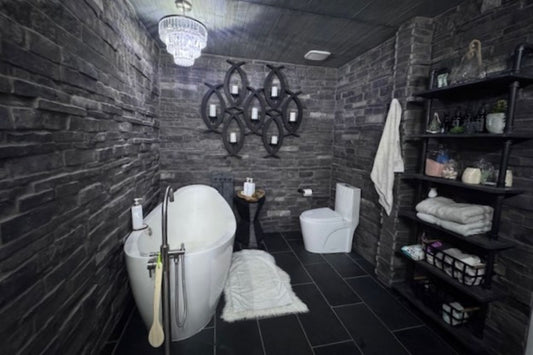
Blending fieldstone and ledgestone is an effective strategy to create walls that are visually engaging, textured, and full of depth. Fieldstone brings irregularity and an organic feel, while ledgestone adds structure, linearity, and dimensional layering. This combination allows designers to craft a unique surface that balances natural variation with architectural interest.
Applications for blending these two veneers include fireplaces, accent walls, exterior facades, and landscape features. By combining the unstructured charm of fieldstone with the layered elegance of ledgestone, homeowners can achieve a look that is both dynamic and timeless. Additionally, using manufactured stone veneer ensures that projects remain lightweight, durable, and easier to install than natural stone, without compromising on authenticity or visual appeal.
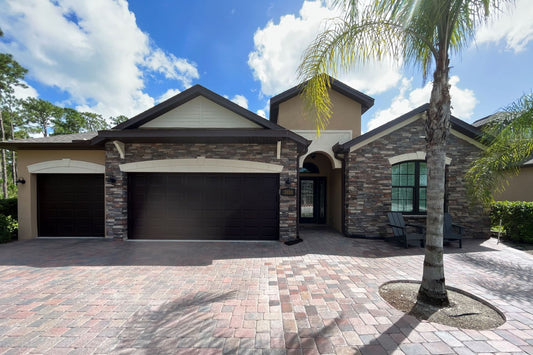
The flexibility of combining these stone types allows for creative freedom in design. For example, a fireplace can feature a fieldstone base for a rustic touch while using ledgestone above to create horizontal layering that emphasizes height and texture. Similarly, exterior walls can alternate between the two veneers to break up large surfaces and add interest, producing a one-of-a-kind look that stands out.
Durability and Maintenance Considerations
Both fieldstone and ledgestone veneers are designed for longevity and low maintenance. Because they are manufactured, they resist the weight, cracking, and weathering issues associated with natural stone. Routine cleaning with gentle methods is usually sufficient to maintain their appearance, and both materials perform well in a variety of climates and exposure conditions.
Long-term performance is influenced more by proper installation and environmental conditions than by the choice between fieldstone or ledgestone. Ensuring adequate support, proper mortar application, and moisture management is essential for both types of stone veneer. With attention to these details, either option can provide decades of aesthetic and functional benefits, enhancing the value and beauty of your home.
Fieldstone vs. Ledgestone
Choosing between fieldstone and ledgestone can dramatically impact the visual identity of a home or outdoor space. Fieldstone offers a more relaxed, organic style with irregular shapes and natural textures. Ledgestone provides a layered, structured aesthetic with linear lines and dimensional depth. Both options are durable, lightweight, and easy to install, making them excellent alternatives to natural stone.
Consider the atmosphere you want to create, the design of your project, and your personal style when selecting your stone veneer. Whether used alone or in combination, these materials offer timeless appeal, long-lasting beauty, and the ability to transform ordinary walls into captivating focal points.
From Mountain View Stone: What You Should Know
At Mountain View Stone, we often see homeowners and designers weigh the choice between fieldstone and ledgestone when planning a project. Fieldstone offers an organic, unstructured look with irregular shapes that create a relaxed, natural aesthetic. Ledgestone, on the other hand, provides a layered, linear appearance that emphasizes texture, shadow, and structure. Both options are manufactured to be lightweight, durable, and easier to install than natural stone, making them suitable for interior and exterior applications. The best results come from selecting the style that aligns with your design goals, whether you want the cozy, rustic charm of fieldstone, the dramatic, dimensional effect of ledgestone, or a combination of both. Proper planning, professional installation, and thoughtful placement ensure your stone veneer project is visually striking, functional, and long-lasting.
Frequently Asked Questions About Fieldstone vs. Ledgestone
What is the main difference between fieldstone and ledgestone?
The main difference is the shape and overall visual pattern. Fieldstone features rounded or irregular stones of varying sizes, creating a natural, organic appearance. Ledgestone consists of long, narrow, irregular stone pieces that are stacked horizontally, producing a layered and textured look.
Is ledgestone more rustic than fieldstone?
Both offer rustic appeal, but in different ways. Fieldstone has a softer, weathered appearance that feels natural and unstructured, while ledgestone creates a rugged, linear texture with depth and shadow. Ledgestone often feels more dramatic and dimensional due to its stacked, elongated pieces.
Which stone veneer is better for natural-looking designs?
Both fieldstone and ledgestone are excellent for natural-looking designs. Fieldstone works well when you want an organic, countryside feel, while ledgestone mimics natural rock outcroppings and cliff faces, making it ideal for accent walls, fireplaces, and exterior features that need strong visual impact.
Are fieldstone and ledgestone suitable for interior and exterior use?
Yes, both stone types can be used indoors and outdoors. Fieldstone is commonly used for fireplaces, garden walls, and landscape features, while ledgestone is popular for accent walls, outdoor living spaces, columns, and exterior cladding.
Does ledgestone require more maintenance than fieldstone?
No, maintenance requirements are similar for both. Routine cleaning with gentle methods and avoiding harsh chemicals is usually sufficient. Long-term performance depends more on proper installation and exposure conditions than on the stone style itself.
How do I choose between fieldstone and ledgestone?
Choose fieldstone if you prefer a softer, more random and traditional look. Choose ledgestone if you want a bold, textured appearance with strong horizontal lines and depth. Both styles offer timeless appeal and can dramatically enhance interior or exterior spaces.
What's Next?
Enhance your project with our high-quality stone veneer! Shop now to view our stunning collections or order a sample to experience the quality for yourself!
Have a Question?
Please see our full terms of service or check out our frequently asked questions.
For general information and questions please call: (864) 882-8960 Mon. - Fri. 8am - 5pm (EST) or email: info@mountainviewstone.net we are more than happy to help you.
Or you can submit your questions via our contact us page.
We look forward to working with you on your upcoming project.
The Mountain View Stone Team
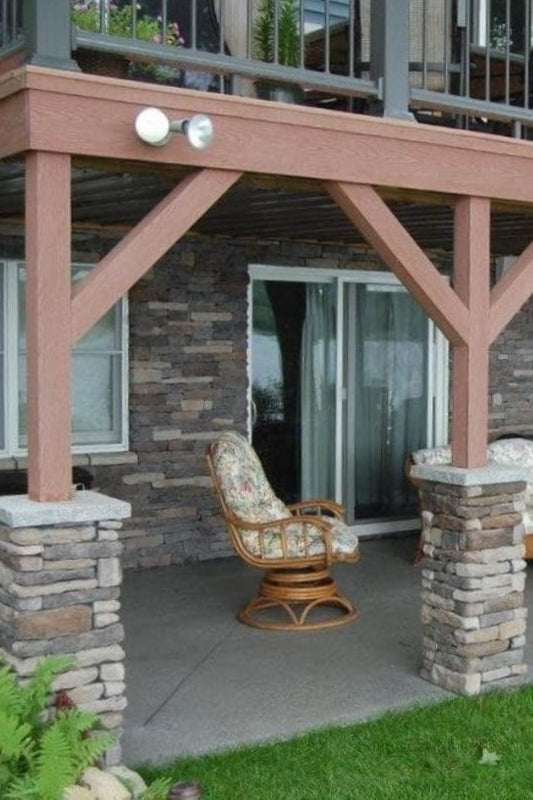
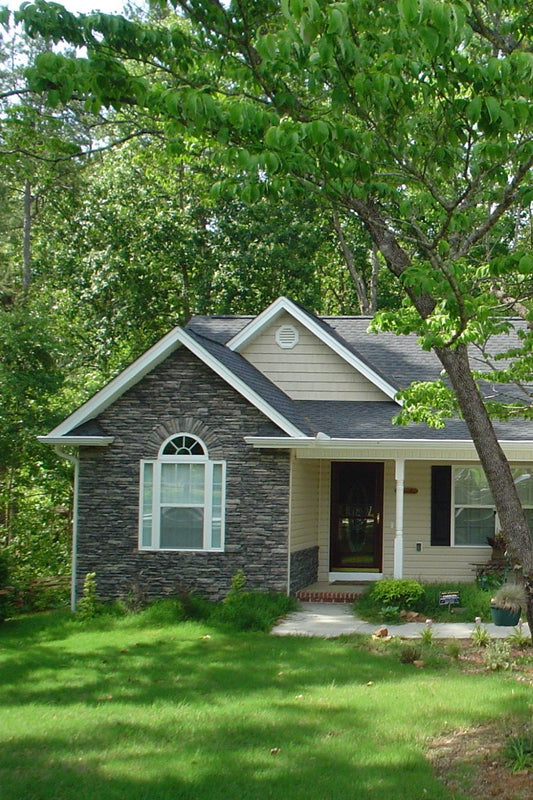
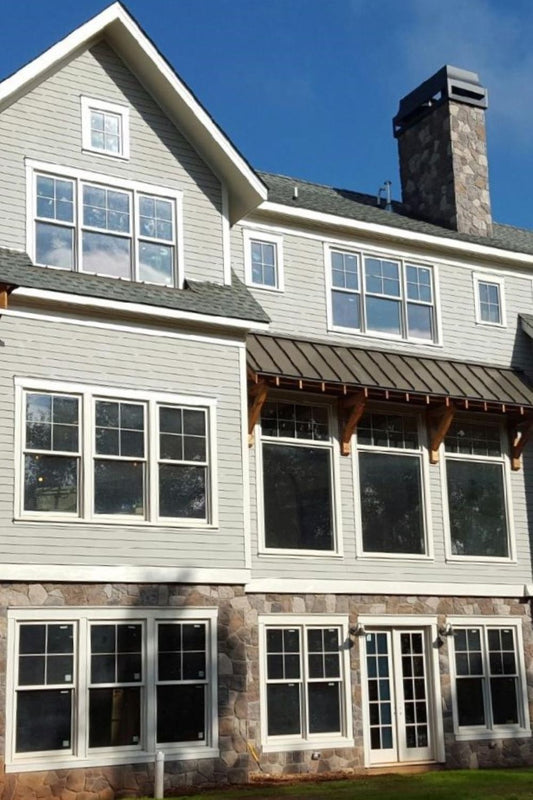
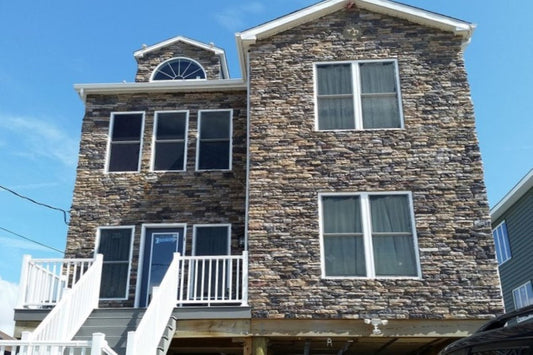
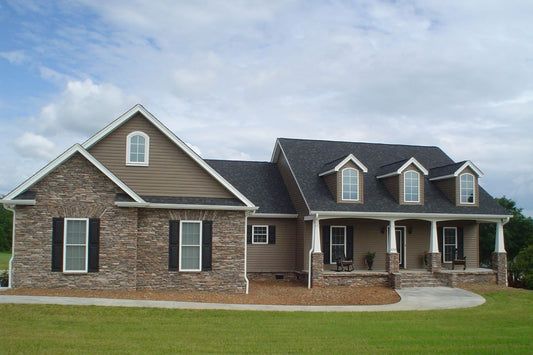
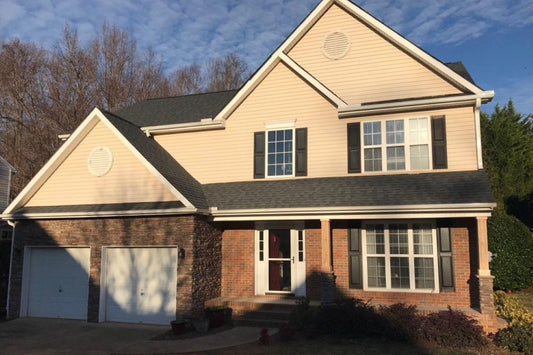
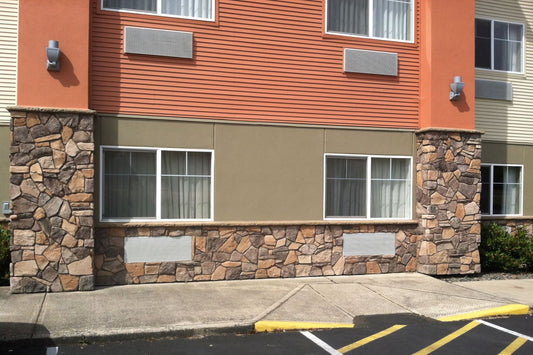
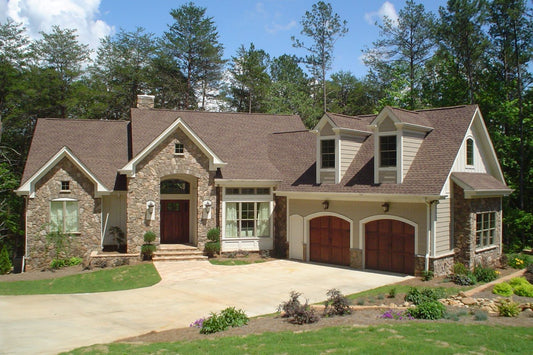
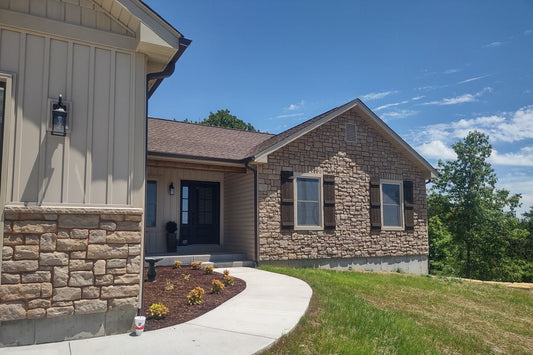
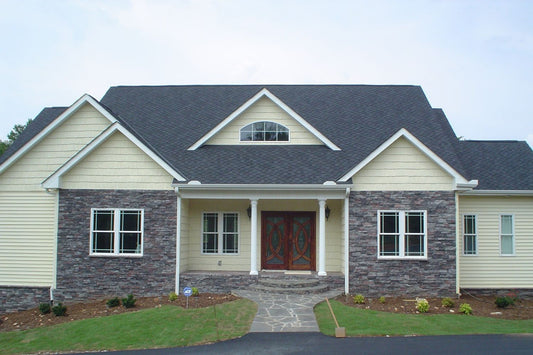
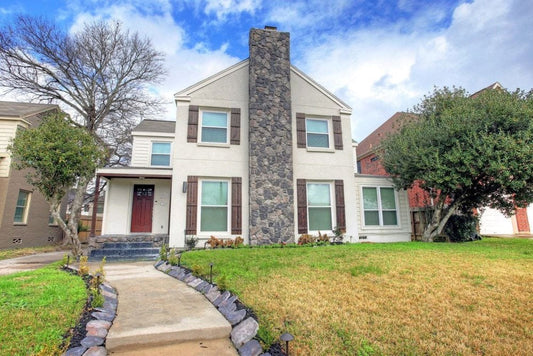
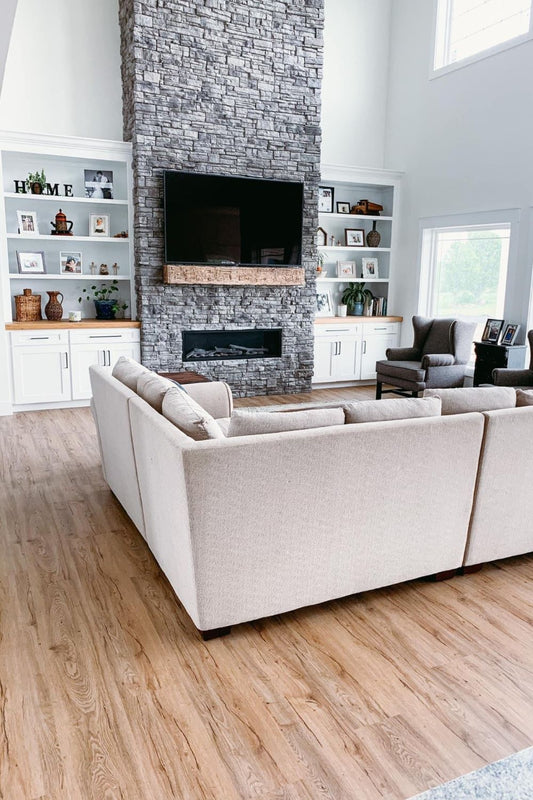
Pictured is field stone mossy creek blended with ledge stone tuscany.