
Is Stone Veneer Waterproof? A Guide to Moisture Resistance and Humidity
Share
Originally posted January 20, 2025, updated May 13, 2026.
Manufactured stone veneer is not naturally waterproof, but proper installation with moisture barriers, flashing, and sealers makes it highly water-resistant for lasting durability indoors and outdoors.
When planning a stone veneer project for your home or commercial space, one of the most common questions is whether the material can handle moisture. Manufactured stone veneer offers the timeless look of natural stone while being lighter and easier to install, but unlike full-thickness stone, it is not inherently waterproof. Understanding how manufactured stone veneer reacts to water and humidity is essential to ensure your installation remains durable, attractive, and problem-free for years. For a complete breakdown of lifespan, performance, and long-term durability, see our full guide on is manufactured stone veneer durable?
Understanding manufactured stone veneer
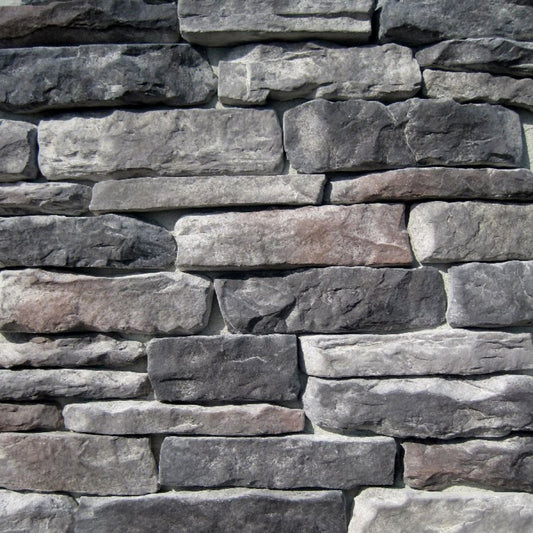
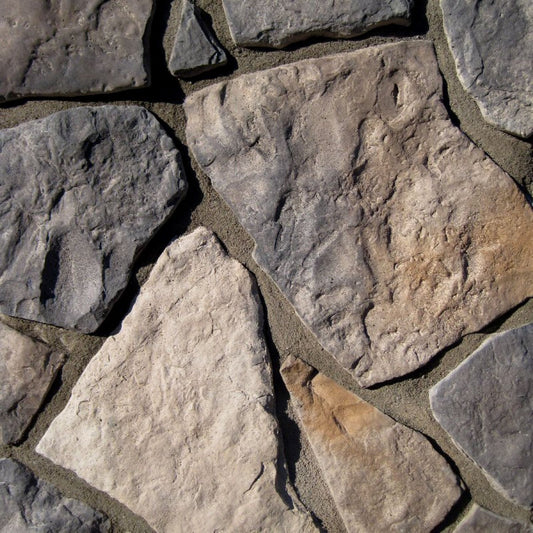
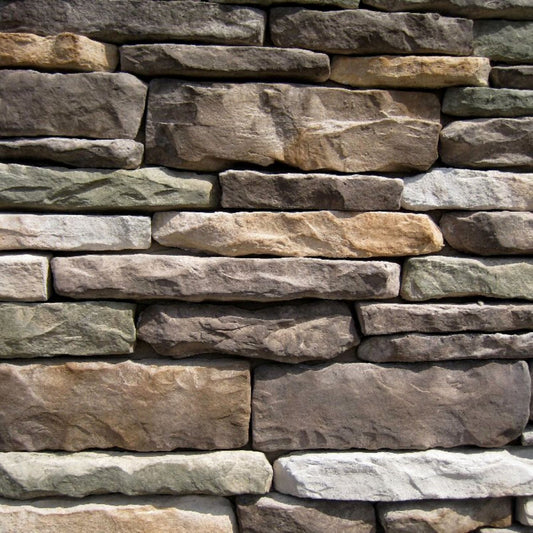
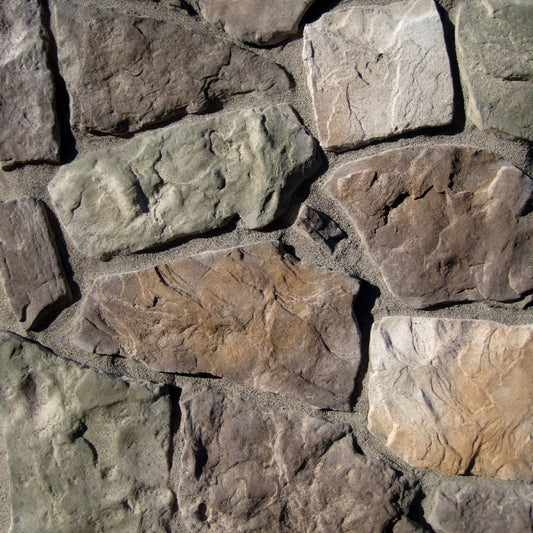
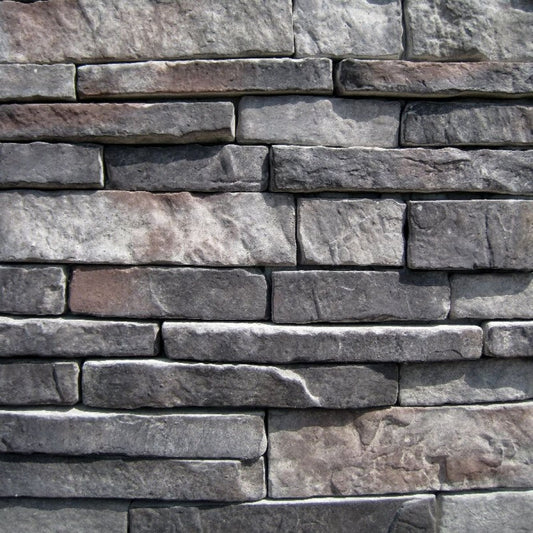
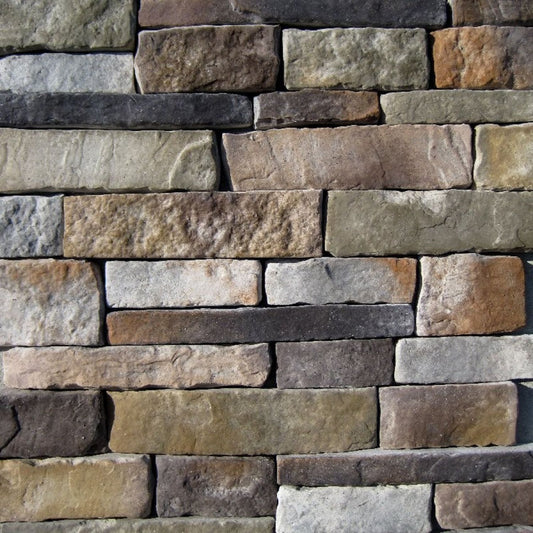
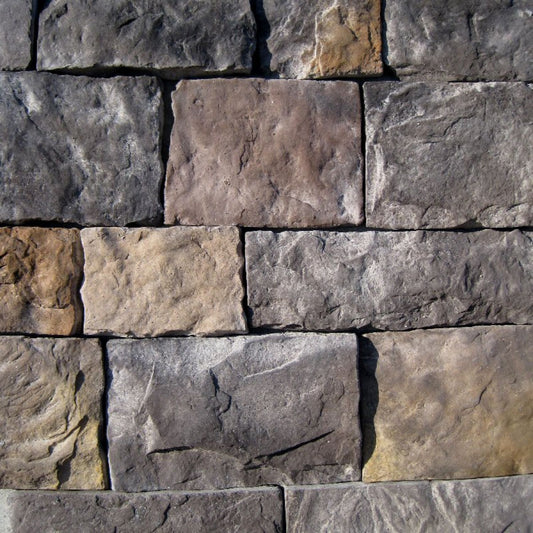
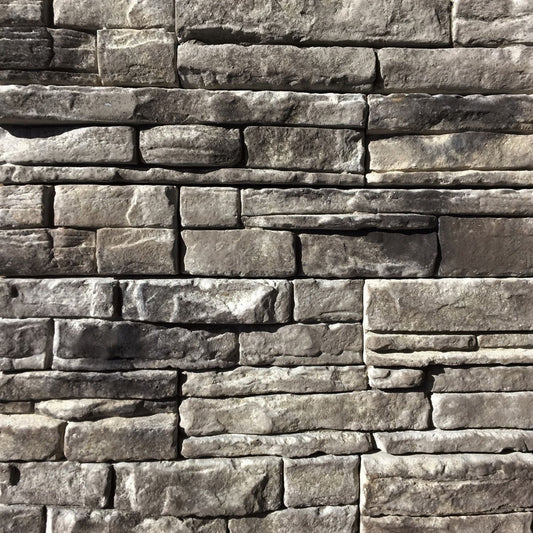
Manufactured stone veneer is composed of cement, lightweight aggregates, and iron oxide pigments, designed to mimic the texture, color, and natural variation of real stone. Its lightweight nature allows for easier handling and installation on walls, fireplaces, columns, or exterior facades. The consistent manufacturing process ensures uniformity in size, shape, and color, unlike natural stone, which varies depending on quarry and cut.
While durable and weather-resistant, manufactured stone veneer is slightly porous, meaning it can absorb water if not installed with proper protective measures. This absorption is minimal but significant enough to require attention in areas exposed to rain, high humidity, or freeze-thaw cycles. Understanding these limitations allows homeowners to plan installations that protect both aesthetics and structural integrity.
Water resistance of stone veneer
Although stone veneer can withstand normal weather exposure, it is not completely waterproof. Without proper installation techniques, prolonged exposure to water or high humidity can lead to problems such as moisture infiltration behind the veneer, staining, efflorescence, or even freeze-thaw damage in colder climates. Water that penetrates joints or behind the veneer can cause mortar deterioration, structural issues, and potential mold growth, particularly in enclosed or poorly ventilated areas.
In addition, improper installation can exacerbate these issues. For example, leaving gaps in the mortar joints, using non-breathable sealers, or failing to incorporate flashing around windows and doors can allow water to seep behind the veneer. Over time, trapped moisture can compromise the adhesive bond between the stone and the substrate, leading to stone loosening or even surface damage. These risks highlight the importance of careful planning, proper materials, and correct techniques.
Best practices for moisture protection
Proper installation is the foundation of water-resistant stone veneer. A weather-resistant barrier is essential, acting as a shield that prevents water from reaching the underlying structure. This barrier is typically applied to exterior walls before any veneer is attached and should cover the entire substrate, including areas prone to water exposure. Flashing must be installed at all vulnerable points such as windows, doors, roof intersections, and ledges to direct water away from the wall, preventing pooling or infiltration behind the veneer.
The mortar used to set the veneer should be of high quality and fully fill the joints, creating a tight bond that minimizes gaps. Using polymer-modified mortar can increase adhesion and flexibility, accommodating slight substrate movement without cracking. Additionally, creating a drainage plane behind the veneer allows any infiltrating water to escape safely, reducing the risk of trapped moisture that could damage the wall or stone.
In high-humidity or frequently wet environments, applying a breathable masonry sealer adds another layer of protection. Unlike non-breathable coatings, breathable sealers allow moisture that does enter to escape, while minimizing additional water absorption from rain, sprinklers, or condensation. By combining these strategies, stone veneer installations can resist water damage and maintain their appearance for decades.
Stone veneer in humid environments
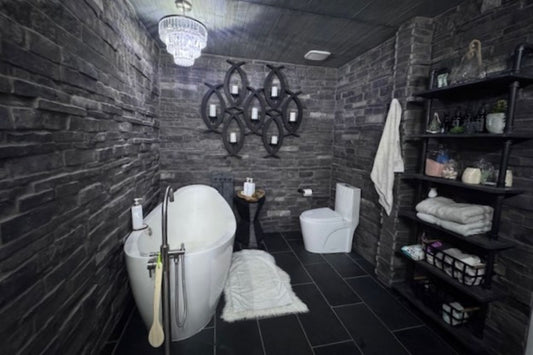
Humidity affects both indoor and outdoor stone veneer installations. In indoor spaces like bathrooms, kitchens, or basements, excessive moisture can create damp conditions that may encourage mold growth on mortar joints if ventilation is inadequate. High indoor humidity can also lead to minor staining or efflorescence if the stone veneer absorbs moisture over time, although these issues are usually cosmetic and preventable with proper airflow.
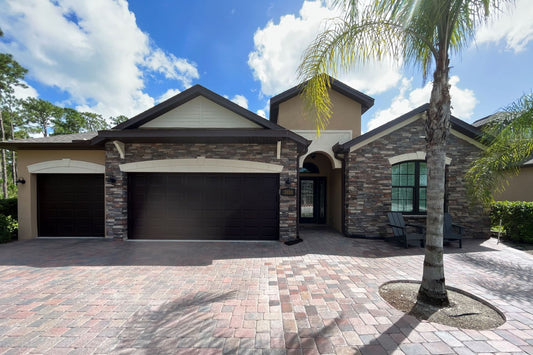
For outdoor applications, regions with high humidity or frequent rainfall require extra attention to moisture barriers, flashing, and drainage systems. Properly installed stone veneer can thrive in these conditions, maintaining both its aesthetic appeal and structural integrity. For example, in tropical or coastal climates where rain is frequent and humidity is high, manufacturers often recommend combining metal lath, polymer-modified mortar, and masonry sealers to achieve optimal moisture resistance. Ensuring airflow behind exterior veneer walls and avoiding trapped water are key steps to long-term success in humid environments.
Interior vs. exterior applications
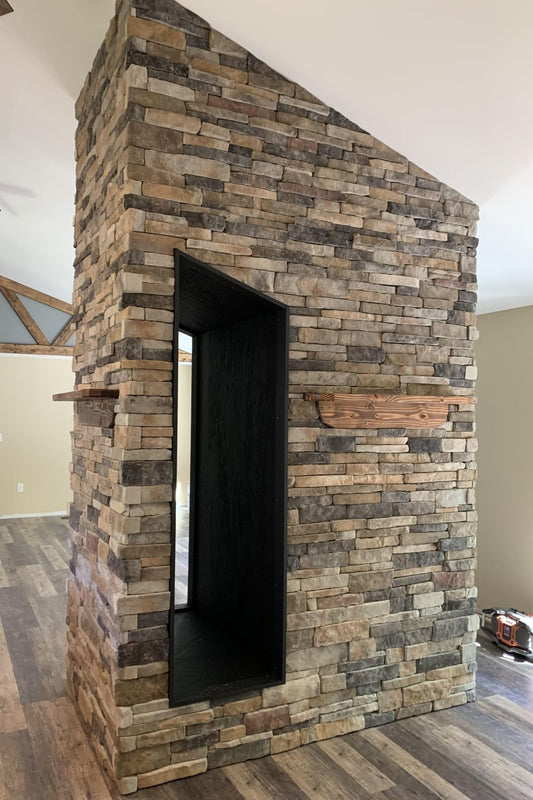
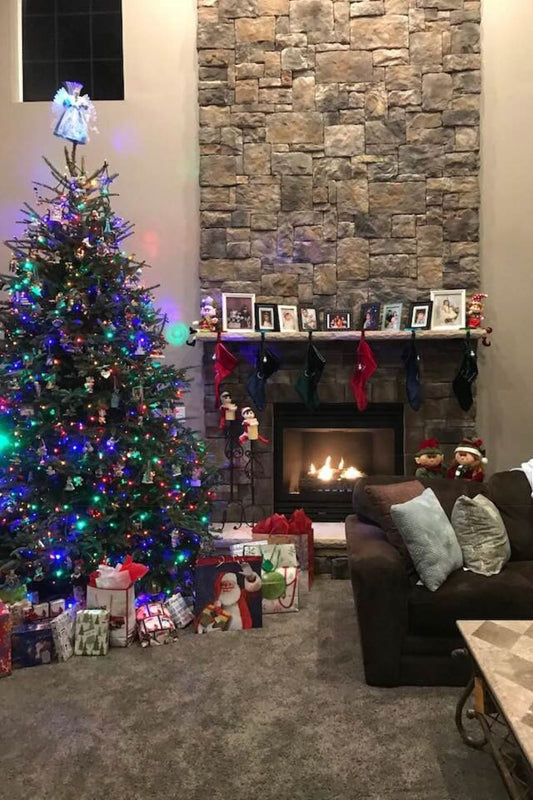
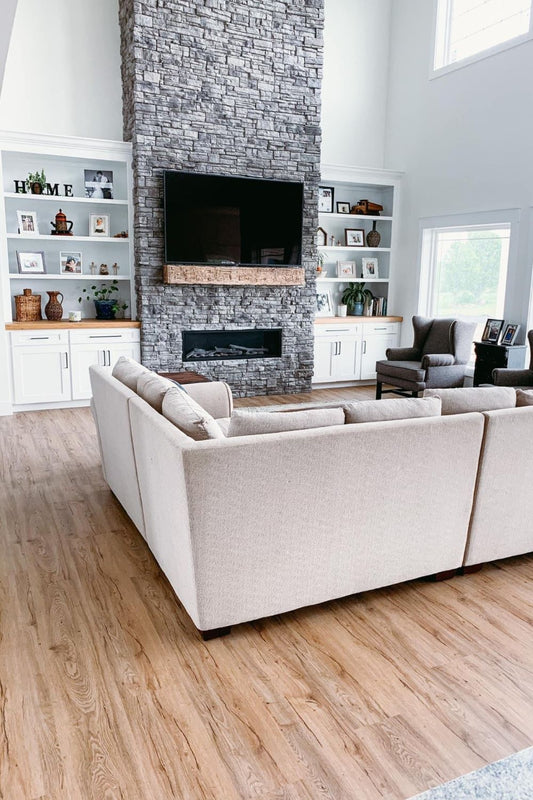
For interior walls, fireplaces, or accent walls, stone veneer generally faces less water exposure. Still, in humid rooms or areas with occasional water contact, such as near sinks or shower surrounds, additional precautions like ventilation and optional sealing are recommended. Properly installed interior stone veneer typically lasts decades without moisture-related issues, but areas with persistent dampness may benefit from a breathable masonry sealer to maintain the stone’s appearance and prevent minor staining. For more information on stone veneer inside your home see our complete guide: manufactured stone veneer for indoors.
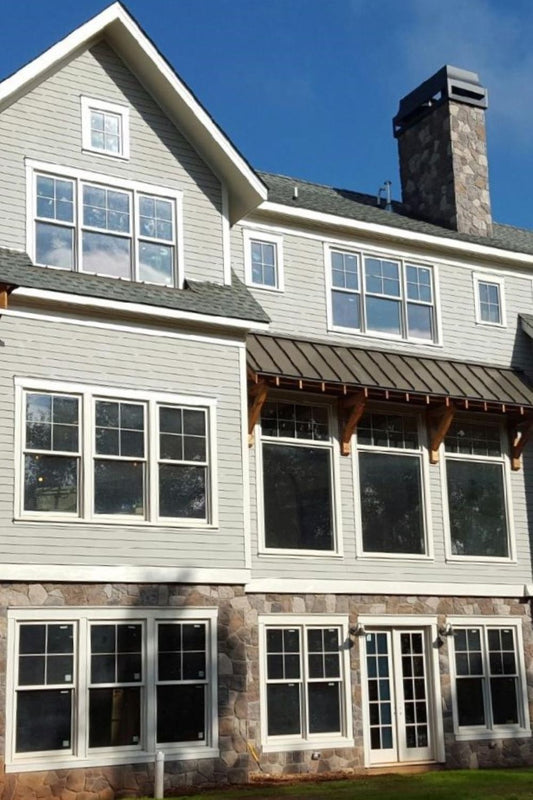
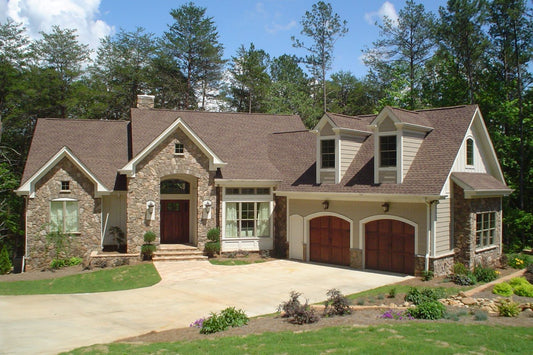
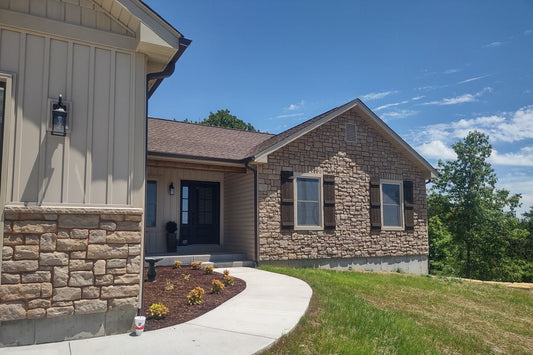
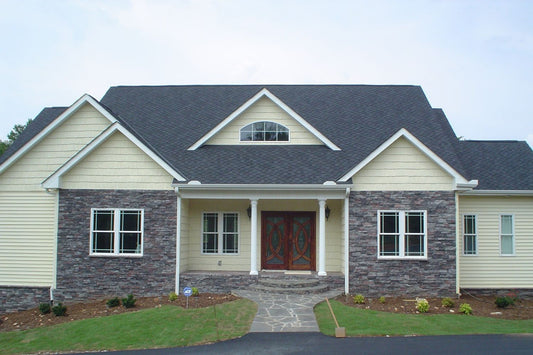
Exterior installations, however, require full attention to moisture protection because walls are exposed to rain, snow, and seasonal freeze-thaw cycles. Properly installed veneer with flashing, weather-resistant barriers, and drainage planes ensures water does not penetrate behind the stone, preventing damage over time. Adding capstones or drip edges on horizontal surfaces further protects against water infiltration and helps maintain the stone’s longevity.
Maintenance for longevity
Maintaining your stone veneer installation is essential for keeping it looking beautiful and ensuring its durability. Periodic inspections of mortar joints help identify cracks or gaps that could allow moisture infiltration. Minor issues should be repaired promptly to avoid larger problems. In humid or high-moisture environments, applying a breathable masonry sealer can further reduce water absorption.
Cleaning should be done gently, avoiding harsh chemicals or high-pressure washing that could damage the stone surface or mortar. Simple maintenance, such as rinsing with water and scrubbing with a soft brush, is typically sufficient. For outdoor installations, check areas around windows, ledges, and intersections with other materials for signs of water pooling or seepage. By staying proactive with maintenance, your stone veneer will retain its charm and performance for decades.
For a broader overview of protecting, cleaning, and maintaining your installation, see our stone veneer care and maintenance guide, along with answers to frequently asked questions about stone veneer and humidity.
Is stone veneer waterproof?
Manufactured stone veneer is not naturally waterproof, but with thoughtful installation and routine maintenance, it can be made highly water-resistant and suitable for a variety of indoor and outdoor applications. Using moisture barriers, proper flashing, drainage planes, and optional breathable sealers ensures long-lasting performance and beauty. Whether you are enhancing your home’s exterior, installing a fireplace surround, or designing a humid indoor space, following best practices will help your stone veneer project succeed for years to come.
From Mountain View Stone: what you should know
At Mountain View Stone, we’ve seen that the success of any stone veneer project comes down to proper installation and moisture management. Manufactured stone veneer is not waterproof, but when installed with the right barriers, flashing, and drainage, it performs reliably for decades. Most issues, like staining or loose stones, are caused by skipped steps, not the product itself. Treat stone veneer as part of a complete wall system, and follow proven installation practices to ensure long-term durability and performance.
Frequently asked questions
1. Can stone veneer be used in bathrooms or showers? Yes, but it is essential to have proper ventilation. For areas with direct water contact, such as showers, a waterproofing system and breathable masonry sealer are strongly recommended to prevent moisture-related issues.
2. Does stone veneer crack or peel from humidity? Humidity alone typically does not cause cracking or peeling. Most problems arise from improper installation, poor drainage, or missing moisture barriers behind the veneer.
3. Should I seal my stone veneer in high-humidity areas? Sealing is optional but can be beneficial in humid or damp environments. Using a breathable masonry sealer helps reduce water absorption and staining while allowing the stone to breathe.
4. How does stone veneer perform outdoors in wet climates? When installed with proper weather-resistant barriers, flashing, and drainage planes, stone veneer performs well in wet climates. Moisture management is key to preventing water infiltration and freeze-thaw damage.
5. Will stone veneer promote mold growth? The veneer itself does not promote mold. Mold may appear only if water becomes trapped behind the stone or if ventilation is poor. Regular inspections and cleaning prevent mold accumulation.
6. Is stone veneer suitable for coastal or tropical environments? Yes, with the correct installation, including moisture barriers, flashing, and proper drainage, manufactured stone veneer can withstand high humidity and coastal conditions without damage.
What's next?
Elevate your space with the perfect stone veneer! Shop now to find the style that suits your project or order a sample to experience the look and feel before you buy. Start creating your dream design today!
Have a question?
Please see our full terms of service or check out our frequently asked questions.
For general information and questions please call: (864) 882-8960 Mon. - Fri. 8am - 5pm (EST) or email: info@mountainviewstone.net we are more than happy to help you.
Or you can submit your questions via our contact us page.
We look forward to working with you on your upcoming project.
The Mountain View Stone Team
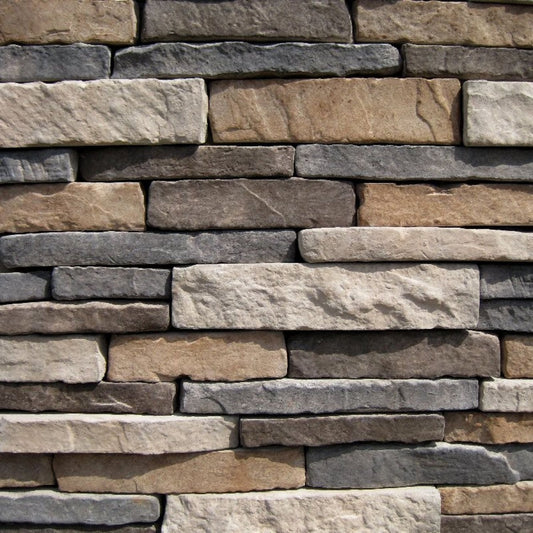
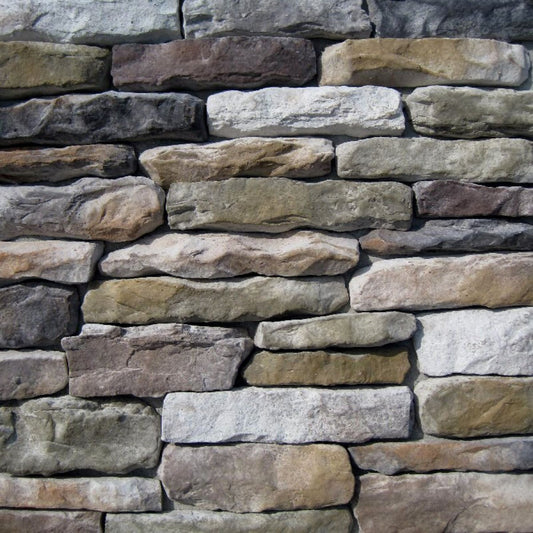
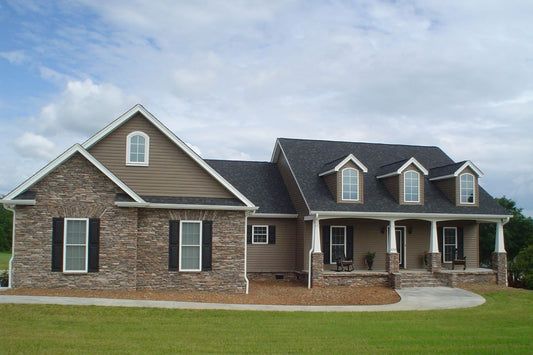
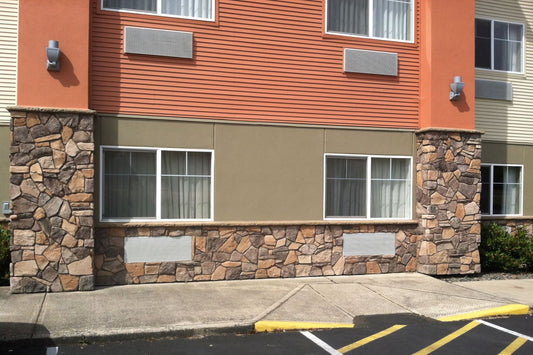
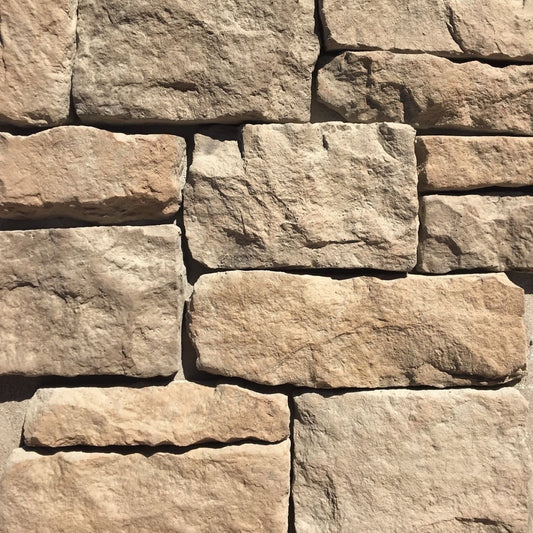
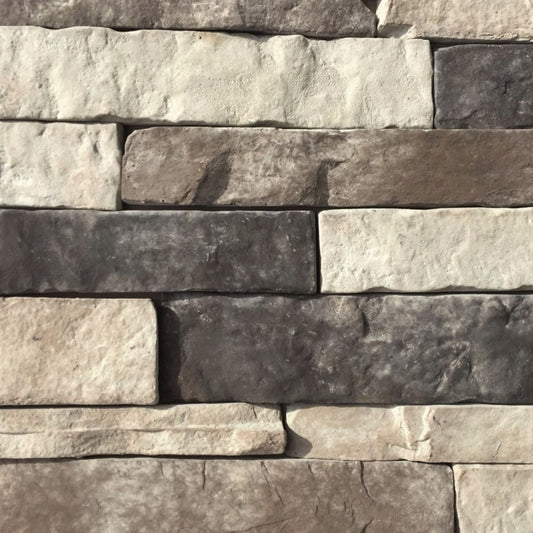
Pictured is lime stone white oak.