
Does Exterior Stone Veneer Need to Be Sealed? Benefits, Tips, and Best Practices
Share
Originally posted May 23, 2024, updated February 12, 2026.
Sealing exterior manufactured stone veneer is optional but recommended in wet or cold climates. Proper sealers protect against moisture, stains, and efflorescence while enhancing durability.
Manufactured stone veneer has become a favorite choice for homeowners and builders thanks to its aesthetic appeal, durability, and cost-effectiveness compared to natural stone. One common question that arises for exterior installations is whether this type of stone veneer needs to be sealed. In this post, we’ll break down the reasons for and against sealing exterior manufactured stone veneer and provide guidance to help you make the best decision for your project. If you’re planning an outdoor project, such as a facade, chimney, or foundation wall, it’s worth exploring the ultimate guide to manufactured stone veneer for exterior spaces to understand the full range of options and design considerations.
Understanding Manufactured Stone Veneer
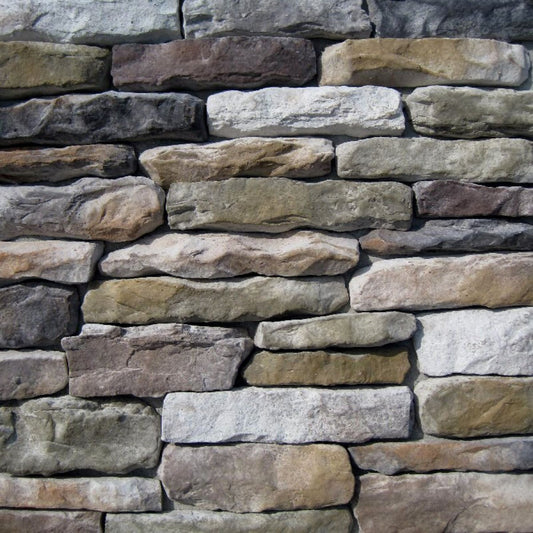
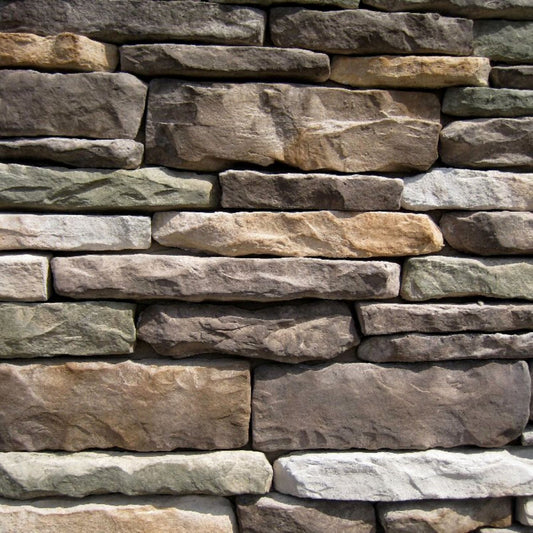
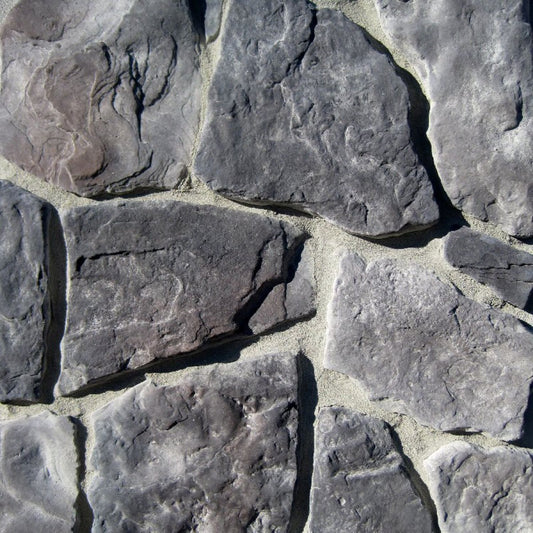
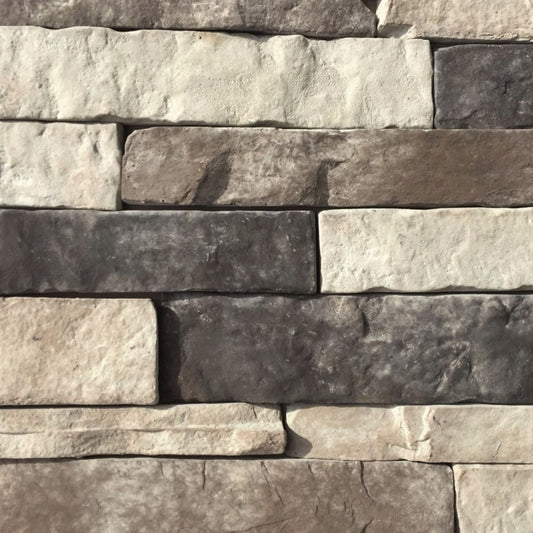
Manufactured stone veneer, often referred to as cultured stone, faux stone, or artificial stone, is a carefully engineered product designed to emulate the look and texture of natural stone. It is typically made from a blend of Portland cement, lightweight aggregates, and mineral pigments. During production, the mixture is poured into molds derived from real stone to capture natural textures, edges, and color variations.
This process allows manufactured stone veneer to deliver the authentic appearance of stone at a fraction of the weight and cost of quarried material. Its lightweight composition simplifies installation, reduces structural requirements, and makes it feasible for a variety of applications, both interior and exterior.
Unlike natural stone, which can require significant structural support and mortar work, manufactured stone veneer is easier to handle while still providing realistic visual depth and long-lasting durability. Despite these benefits, exterior applications remain exposed to the elements, which is why questions about sealing often arise.
Factors to Consider When Deciding to Seal
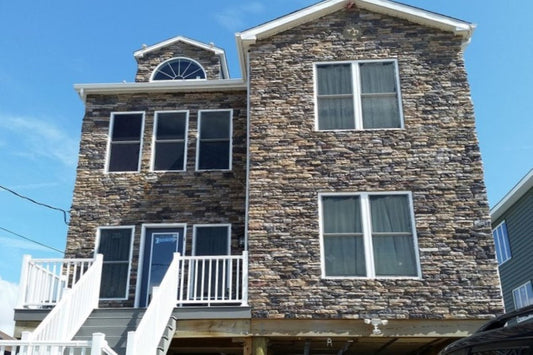
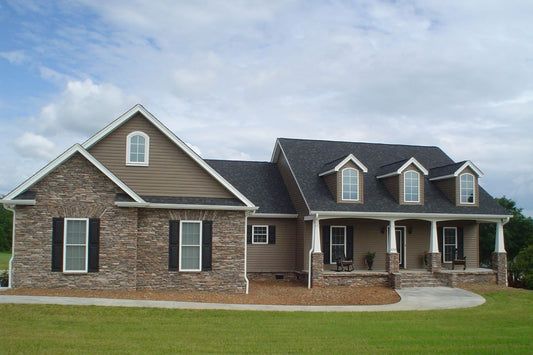
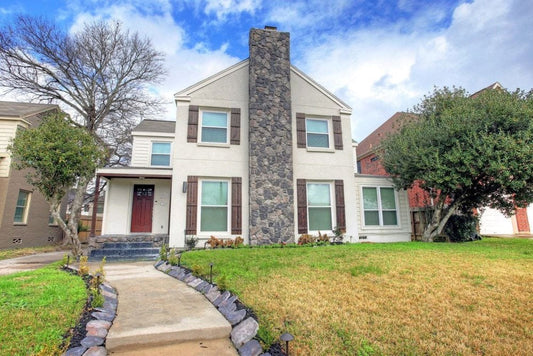
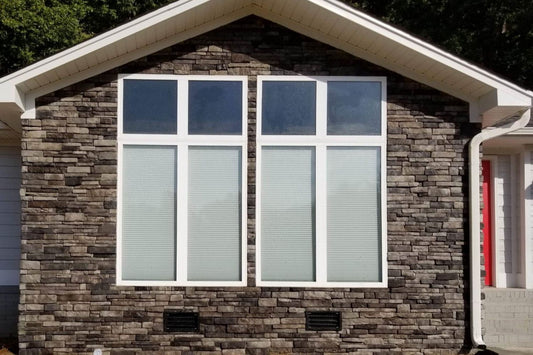
Whether or not to seal exterior stone veneer depends largely on environmental exposure and intended use. For instance, stone veneer installed on chimneys, facades, and foundation walls is more vulnerable to moisture intrusion, freeze-thaw cycles, and UV damage. Coastal areas with salt air or regions with heavy rainfall and snow can particularly benefit from a protective sealer.
Even though many manufactured stone veneers are engineered to withstand weathering without mandatory sealing, applying a breathable, water-repellent sealer adds an extra layer of protection. Homeowners often notice the benefits in the form of reduced staining, minimized efflorescence, and enhanced color retention.
Other indicators that sealing may be advantageous include frequent wetting of the surface, noticeable darkening after rain, or areas prone to dirt accumulation. In these cases, a sealant can improve both aesthetics and performance while reducing the effort required for cleaning and maintenance.
Benefits of Sealing Exterior Stone Veneer
Sealing exterior manufactured stone veneer provides several significant advantages. One of the primary benefits is protection from moisture. While the stone itself is typically non-porous, the mortar and grout used during installation can absorb water. Over time, this can lead to efflorescence, the white, powdery residue that sometimes appears on masonry surfaces, or freeze-thaw damage in colder climates. A breathable sealer helps prevent water infiltration while allowing trapped moisture to escape, reducing these risks.
In addition to moisture protection, sealing enhances stain resistance. Exterior stone veneer is exposed to dirt, oil, pollen, and other environmental contaminants. A properly applied sealer can prevent these substances from penetrating the surface, making the stone easier to clean and maintain.
Sealing also contributes to overall durability. By creating a protective barrier against harsh weather conditions, sealers can help preserve the stone’s structural integrity and visual appeal for decades. This is particularly important in climates where freeze-thaw cycles, heavy rainfall, or high humidity could otherwise accelerate wear and deterioration.
Considerations Against Sealing
While sealing has clear advantages, it also comes with considerations that homeowners should weigh carefully. Maintenance is one such factor. Sealants are not permanent and wear off over time, especially in areas exposed to heavy rainfall, snow, or sun. This necessitates periodic reapplication, typically every three to five years, which adds ongoing effort and cost.
Sealing can also subtly alter the appearance of the stone. Some sealers may darken the stone slightly or produce a sheen that may not align with your desired aesthetic. It is crucial to select a sealer designed to maintain the natural appearance of manufactured stone veneer, and testing a small, inconspicuous area before full application is always recommended.
Best Practices for Sealing Manufactured Stone Veneer
If you choose to seal your exterior stone veneer, following best practices ensures the product performs optimally. The first step is selecting the right sealant. A breathable, water-repellent masonry sealer is ideal because it prevents water from penetrating the surface while allowing trapped moisture to escape. This helps reduce the risk of freeze-thaw damage and efflorescence.
Preparation is also critical. The stone surface should be clean and dry before application to ensure proper adhesion and coverage. Following manufacturer instructions regarding tools, application techniques, and drying times is essential for achieving long-lasting protection. Most sealers are applied with brushes, rollers, or sprayers, and multiple coats may be recommended for optimal performance.
Testing a small area first helps you confirm that the sealer does not alter the stone’s natural color or texture in an undesirable way. Once applied, regular inspections are necessary to determine when reapplication is needed. Depending on the climate and environmental exposure, most sealers last between three and five years before a new coat is advisable.
How Often Should Exterior Stone Veneer Be Sealed?
The longevity of a sealant depends on environmental conditions, product quality, and application technique. Most breathable masonry sealers last between three to five years under normal conditions. Areas subjected to heavy rainfall, snow, or direct sunlight may require more frequent inspection and reapplication to maintain protection.
Regular maintenance is essential to ensure the stone veneer continues to perform optimally. This includes cleaning dirt and debris, checking for signs of wear, and reapplying sealant when necessary. Proactive care helps preserve both the structural integrity and visual appeal of the stone over time. For a complete overview of cleaning, upkeep, and long-term care, see our stone veneer care and maintenance guide.
Making the Decision to Seal
Deciding whether to seal exterior manufactured stone veneer involves weighing the benefits against the potential drawbacks. Sealing offers protection from moisture, enhances stain resistance, and simplifies maintenance, but it requires periodic upkeep and careful product selection to avoid unwanted changes in appearance.
Climate, exposure, and the specific use of the stone should guide your decision. In wetter climates, coastal regions, or areas with frequent freeze-thaw cycles, sealing is often the best choice to maximize longevity. Conversely, in drier regions with minimal environmental stress, sealing may be optional, though still beneficial for stain resistance and ease of cleaning.
Consulting with a professional or the product manufacturer can help determine the best course of action for your particular installation. By considering these factors, you can ensure that your stone veneer remains attractive, durable, and long-lasting.
Does Exterior Stone Veneer Need to Be Sealed?
Exterior manufactured stone veneer does not always require sealing, but applying a high-quality, breathable masonry sealer can provide significant benefits, particularly in environments with moisture, harsh weather, or high exposure. Sealing helps protect against water infiltration, staining, and efflorescence while enhancing the overall durability and appearance of the installation.
By understanding the advantages, potential drawbacks, and best practices for sealing, homeowners and builders can make informed decisions that extend the lifespan and beauty of their stone veneer projects. Proper maintenance, careful product selection, and timely reapplication of sealers ensure that exterior stone veneer continues to perform well and look stunning for years to come. For a broader look at the finishing details that help protect and complete a stone veneer installation, see our complete guide to finishing manufactured stone veneer.
From Mountain View Stone: What You Should Know
At Mountain View Stone, we recommend considering sealing for exterior manufactured stone veneer, especially in wet, coastal, or cold climates. While sealing is optional, a high-quality, breathable masonry sealer adds an extra layer of protection against moisture, freeze-thaw cycles, stains, and efflorescence, helping your installation maintain its beauty and durability over time. Proper application, using a sealer designed for stone veneer, ensures that color, texture, and natural appearance are preserved while extending the life of your exterior walls, chimneys, and facades.
Frequently Asked Questions About Does Exterior Stone Veneer Need to Be Sealed?
Do you need to seal exterior manufactured stone veneer?
Sealing exterior manufactured stone veneer is not always mandatory, but it is highly recommended in many environments. Homes exposed to rain, snow, freeze-thaw cycles, coastal air, or heavy moisture can benefit from sealing to reduce water absorption, staining, and efflorescence while extending the lifespan of the installation.
What happens if you don’t seal exterior stone veneer?
If exterior stone veneer is left unsealed, it can still perform well, but it may be more vulnerable to moisture penetration through grout and mortar joints. Over time, this can lead to staining, dirt buildup, or white efflorescence, especially in wet or cold climates.
Will sealing manufactured stone veneer change its appearance?
Some sealers can slightly darken the stone or create a sheen, depending on the product used. Breathable, penetrating sealers are designed to preserve the natural look of manufactured stone veneer without creating a glossy finish. Testing the sealer on a small area first is always recommended.
How often should exterior stone veneer be sealed?
Most exterior stone veneer sealers last between 3 to 5 years, depending on climate, sun exposure, and product quality. Areas exposed to harsh weather or frequent moisture may require more frequent reapplication to maintain protection.
What type of sealer is best for exterior manufactured stone veneer?
A breathable, water-repellent masonry sealer is the best choice for exterior manufactured stone veneer. These sealers prevent water intrusion while allowing trapped moisture to escape, reducing the risk of damage from freeze-thaw cycles.
Can you seal stone veneer right after installation?
It’s best to wait until the stone veneer and mortar have fully cured before applying a sealer, typically at least 28 days after installation. Sealing too early can trap moisture and interfere with proper curing.
What’s Next?
Elevate your project with our stunning stone veneer! Shop now to discover our wide selection or order a sample today to see and feel the quality for yourself!
Have a Question?
Please see our full terms of service or check out our frequently asked questions.
For general information and questions please call: (864) 882-8960 Mon. - Fri. 8am - 5pm (EST) or email: info@mountainviewstone.net we are more than happy to help you.
Or you can submit your questions via our contact us page.
We look forward to working with you on your upcoming project.
The Mountain View Stone Team
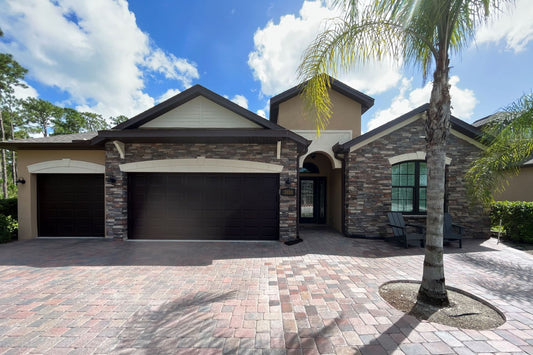
Pictured is an AI generated image of sealing an exterior stone veneer installation.