
Does Stone Veneer Fade? Color Retention, UV Resistance, and Long-Term Performance
Share
Originally posted July 1, 2024, updated February 16, 2026.
Manufactured stone veneer is designed to resist fading, but long-term color retention depends on UV exposure, material quality, installation, and maintenance practices.
Manufactured stone veneer is widely chosen for its ability to replicate the natural beauty of real stone while offering greater affordability, lighter weight, and easier installation. It’s also known for its long-term performance, and if you’re evaluating how it holds up over time, our post on is manufactured stone veneer durable? takes a deeper look at its strength and resilience in real-world conditions.
A common concern among homeowners and builders is whether manufactured stone veneer will fade over time and lose its visual appeal. Understanding how color is created in manufactured stone, what environmental factors influence fading, and how proper care can preserve its appearance is essential for making a confident, long-term investment. While some degree of change may occur over time, modern manufacturing techniques have significantly improved color durability, making fading far less of a concern than many expect.
What Gives Manufactured Stone Veneer its Color?
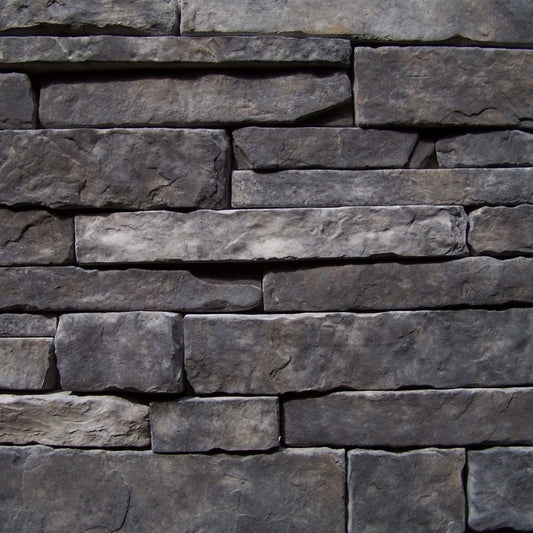
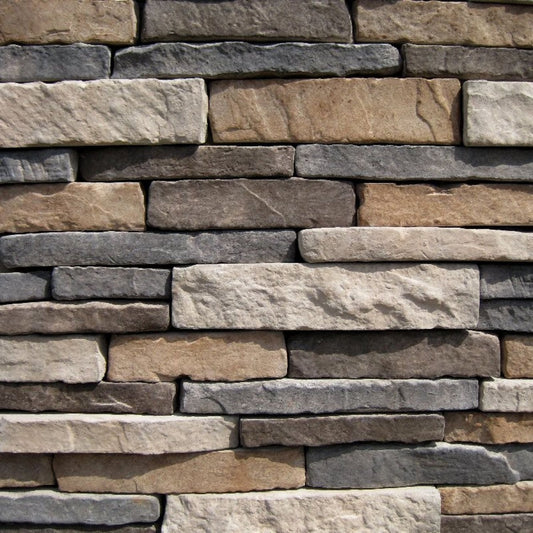
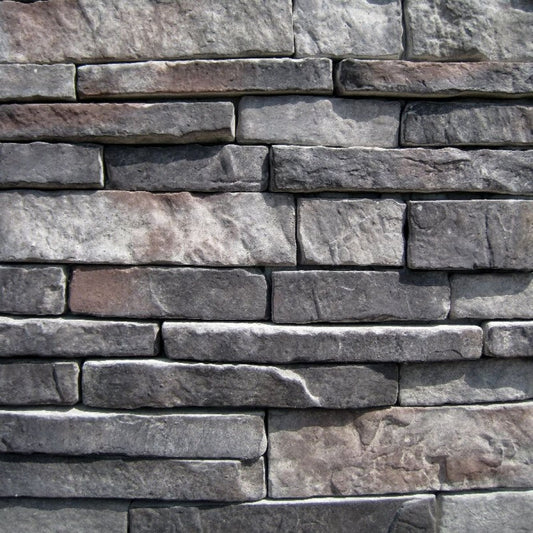
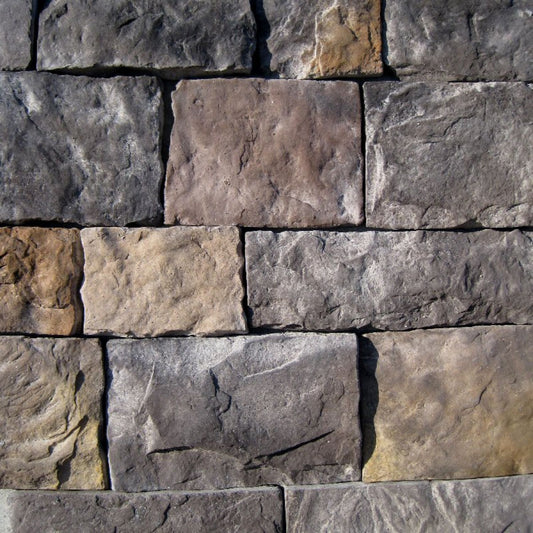
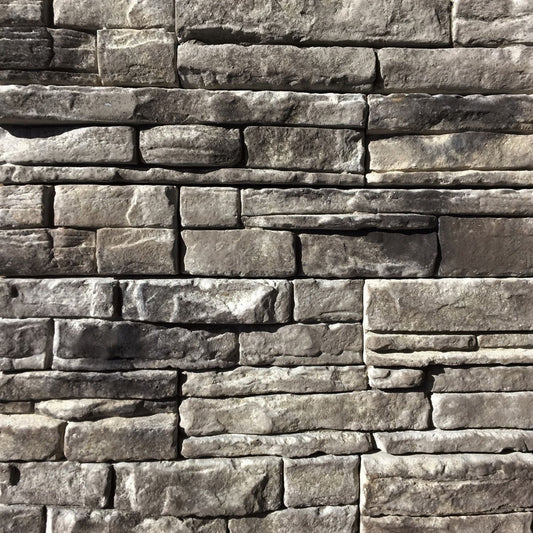
To understand whether manufactured stone veneer fades, it’s important to first understand how it gets its color. For a deeper look at how different colors are created and the options available, see our complete guide to manufactured stone veneer colors. Manufactured stone veneer is produced using a blend of cement, lightweight aggregates, and iron oxide pigments. These pigments are carefully selected and mixed to replicate the natural tones and variations found in real stone.
Unlike painted surfaces, which rely on a thin coating that can peel or wear away, manufactured stone veneer uses mineral-based pigments that are integrated into the surface during production. These pigments are designed to be UV stable and resistant to weathering, which is why high-quality stone veneer maintains its color far longer than many other exterior materials.
The result is a product that offers rich, natural color variation and depth while maintaining durability in a wide range of environments. However, as with any building material exposed to the elements, certain factors can influence how well that color holds up over time.
Does Manufactured Stone Veneer Actually Fade?
In most cases, high-quality manufactured stone veneer does not noticeably fade, especially when compared to materials like painted wood or vinyl siding. The use of iron oxide pigments gives the stone excellent resistance to ultraviolet radiation, which is one of the primary causes of fading in outdoor materials.
That said, subtle changes in appearance can occur over long periods, particularly in areas with intense sun exposure or harsh environmental conditions. These changes are typically gradual and often go unnoticed, blending naturally with the stone’s textured surface and color variation. In many cases, what appears to be fading is actually surface buildup from dirt, dust, or mineral deposits rather than a true loss of pigment.
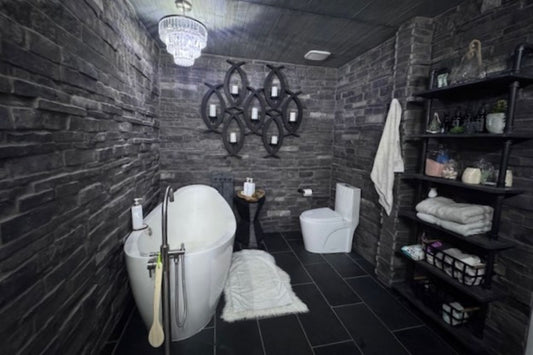
For interior applications, fading is rarely a concern at all. Without constant exposure to sunlight and weather, manufactured stone veneer used indoors tends to retain its original color for decades with minimal maintenance.
How Sunlight and UV Exposure Affect Color
Sunlight is one of the most significant environmental factors that can influence the appearance of manufactured stone veneer over time. Prolonged exposure to UV rays can gradually break down pigments in many materials, but modern stone veneer is specifically engineered to resist this process.
Advancements in pigment technology have made it possible for manufacturers to produce stone veneer with enhanced UV resistance. Even in sunny climates, high-quality products maintain their color integrity far better than earlier generations of manufactured stone.
However, surfaces that receive constant, direct sunlight throughout the day may experience slightly more change than shaded areas. This is particularly true for darker color profiles, which tend to absorb more heat and UV radiation. Even so, the effect is usually minimal and occurs over many years rather than quickly.
The Role of Weather and Environmental Exposure
In addition to sunlight, environmental conditions such as rain, snow, humidity, and temperature fluctuations can impact the appearance of stone veneer. Freeze-thaw cycles, in particular, can cause expansion and contraction within the material, which may contribute to minor surface wear over time.
Moisture exposure can also play a role, especially if the installation allows water to penetrate behind the veneer. This can lead to issues such as efflorescence, where mineral deposits rise to the surface and create a white, chalky residue. While this is not fading in the traditional sense, it can make the stone appear discolored if not addressed.
Proper installation is critical in preventing these issues. Ensuring that the stone veneer is installed with appropriate moisture barriers, drainage systems, and ventilation helps protect both the structure and the appearance of the material.
Material Quality and Why it Matters
Not all manufactured stone veneer products are created equal, and the quality of materials used during production has a direct impact on color longevity. High-quality stone veneer uses premium iron oxide pigments and carefully controlled manufacturing processes to ensure consistent color and durability.
Lower-quality products may use inferior pigments or less precise production methods, which can result in reduced resistance to UV exposure and weathering. This can increase the likelihood of noticeable fading or discoloration over time.
Choosing a reputable manufacturer is one of the most important steps in ensuring long-term performance. Investing in a higher-quality product upfront often leads to better results, both in terms of appearance and durability, reducing the need for repairs or replacement down the line.
Maintenance and its Impact on Appearance
Regular maintenance plays a key role in preserving the look of manufactured stone veneer. Dirt, algae, dust, and environmental pollutants can accumulate on the surface, creating the impression that the stone has faded when, in reality, it simply needs cleaning. For a more detailed breakdown of proper cleaning methods and long-term upkeep, see our stone veneer care and maintenance guide.
Routine cleaning with a mild detergent and a soft brush helps remove surface buildup and restore the stone’s original appearance. Avoiding harsh chemicals and high-pressure washing is important, as these can damage the surface and potentially affect the color.
In some cases, applying a breathable, penetrating sealer can provide additional protection against moisture and contaminants. While sealing is not always required, it can help maintain color consistency and make ongoing maintenance easier, particularly for exterior applications in harsh climates.
Interior vs. Exterior Applications
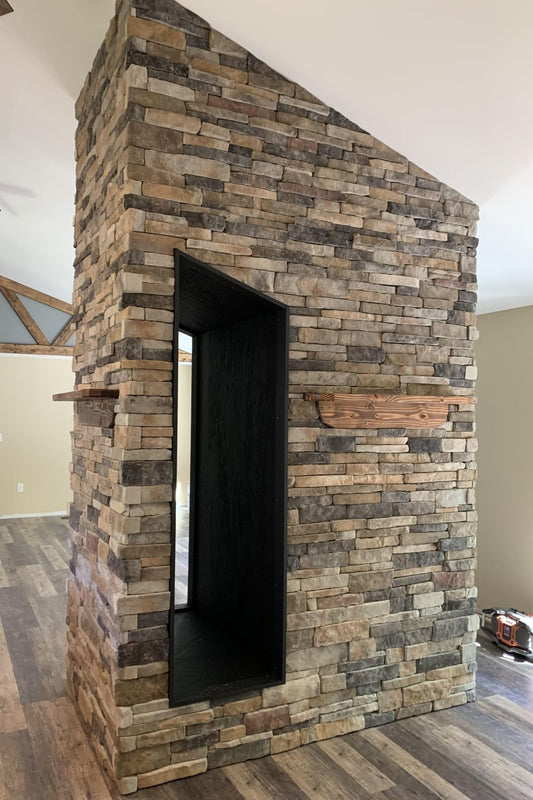
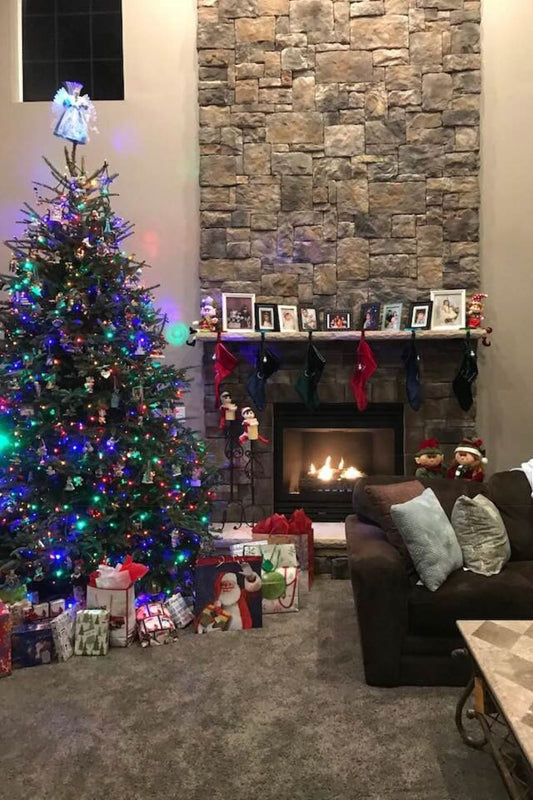
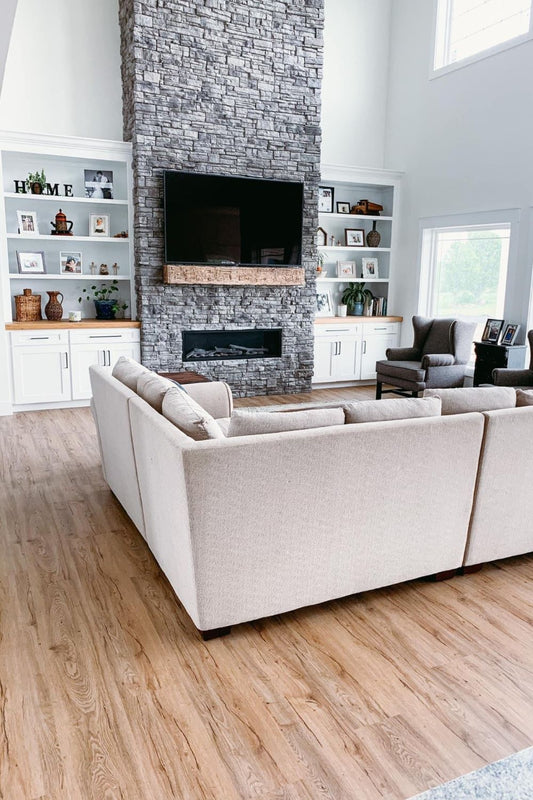
The location of your stone veneer installation plays a significant role in how well it retains its color. Interior stone veneer is largely protected from environmental factors such as UV radiation, rain, and temperature fluctuations. As a result, it typically maintains its color and appearance for decades with very little maintenance.
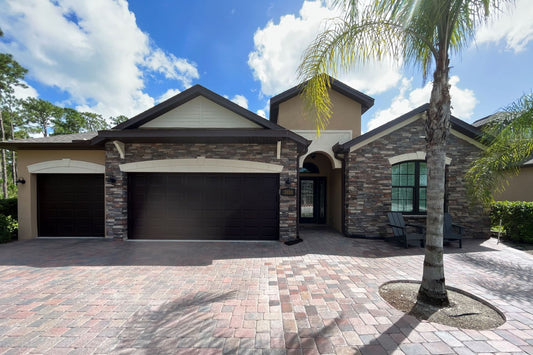
Exterior installations, on the other hand, are exposed to the full range of environmental conditions. While high-quality stone veneer is designed to withstand these challenges, some gradual change over time is natural. Proper installation, material selection, and maintenance can significantly reduce the impact of these factors and help preserve the stone’s appearance.
How to Minimize Fading Over Time
Although manufactured stone veneer is highly resistant to fading, there are several steps you can take to ensure it retains its color for as long as possible. Selecting a high-quality product is the most important factor, as better materials provide stronger resistance to UV exposure and weathering.
Ensuring proper installation is equally critical. A well-installed stone veneer system prevents moisture intrusion and reduces the risk of surface damage that could affect appearance. Working with experienced professionals or following manufacturer guidelines closely helps ensure long-term performance.
Ongoing care also makes a difference. Keeping the surface clean, addressing any buildup promptly, and applying a compatible sealer when appropriate can all contribute to maintaining the stone’s vibrant look. These simple steps help protect your investment and ensure the material continues to enhance your space.
Common Causes of Discoloration Mistaken for Fading
It’s important to distinguish between true fading and other forms of discoloration. In many cases, what appears to be fading is actually caused by surface conditions rather than a loss of pigment. Dirt accumulation, algae growth, hard water deposits, and efflorescence can all change the appearance of the stone without affecting its actual color.
These issues are typically easy to address with proper cleaning and maintenance. Identifying the cause of discoloration ensures that the correct solution is applied, restoring the stone’s original look without unnecessary concern about fading.
Does Stone Veneer Fade?
Manufactured stone veneer is engineered for long-term performance, and when high-quality materials are used, noticeable fading is uncommon. While environmental exposure can lead to subtle changes over time, these are usually gradual and often overshadowed by the natural variation in the stone’s design.
With proper installation, thoughtful product selection, and regular maintenance, manufactured stone veneer can maintain its color and visual appeal for decades. For homeowners and property owners looking for a durable, low-maintenance, and visually striking material, stone veneer remains a reliable choice that delivers lasting beauty without the drawbacks often associated with other exterior finishes.
From Mountain View Stone: What You Should Know
At Mountain View Stone, we know that long-lasting color is a top concern for homeowners and builders. Manufactured stone veneer is engineered with high-quality pigments designed to resist fading, even in sunlight and harsh weather. While subtle changes can occur over many years, proper installation, maintenance, and occasional sealing help preserve the stone’s vibrant, natural appearance. Choosing a reputable product ensures your stone veneer remains a durable, visually striking feature for decades.
Frequently Asked Questions About Does Stone Veneer Fade?
Does manufactured stone veneer fade over time?
Manufactured stone veneer may experience minimal fading over many years, but high-quality products made with iron oxide pigments are designed to be highly resistant to UV exposure and weathering. When properly installed and maintained, noticeable fading is uncommon.
Is manufactured stone veneer color-through or surface colored?
Most manufactured stone veneer is surface colored, with pigments applied to the face of the stone to replicate the natural variations of real stone. High-quality iron oxide pigments are used to ensure strong color durability, and when properly installed and maintained, the surface coloring remains vibrant for many years.
Does sealing stone veneer prevent fading?
Sealing manufactured stone veneer can help slow fading by providing additional protection from UV rays, moisture, and environmental contaminants. While sealing isn’t always required, it’s often recommended for exterior installations or areas exposed to harsh weather.
Is exterior stone veneer more likely to fade than interior stone veneer?
Yes, exterior stone veneer is more exposed to sunlight, moisture, and temperature fluctuations, which can increase the risk of fading over time. Interior stone veneer typically maintains its color longer due to limited UV and weather exposure.
How can I maintain the color of manufactured stone veneer?
To maintain color, choose a high-quality product, ensure proper installation, clean the surface periodically with mild detergent, and apply a compatible sealer as recommended. Avoid harsh chemicals and pressure washing, which can damage the surface.
What causes stone veneer to look faded or discolored?
Discoloration is often caused by surface dirt, algae, mineral deposits, or improper cleaning rather than true fading. Regular maintenance and proper drainage can help prevent these issues and keep the stone looking vibrant.
What's Next?
Transform your space with our beautiful stone veneer! Shop now to explore our collections or order a sample today to experience the quality for yourself!
Have a Question?
Please see our full terms of service or check out our frequently asked questions.
For general information and questions please call: (864) 882-8960 Mon. - Fri. 8am - 5pm (EST) or email: info@mountainviewstone.net we are more than happy to help you.
Or you can submit your questions via our contact us page.
We look forward to working with you on your upcoming project.
The Mountain View Stone Team
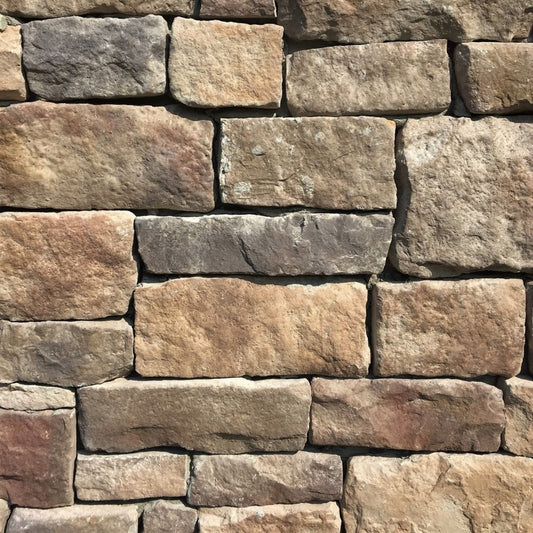
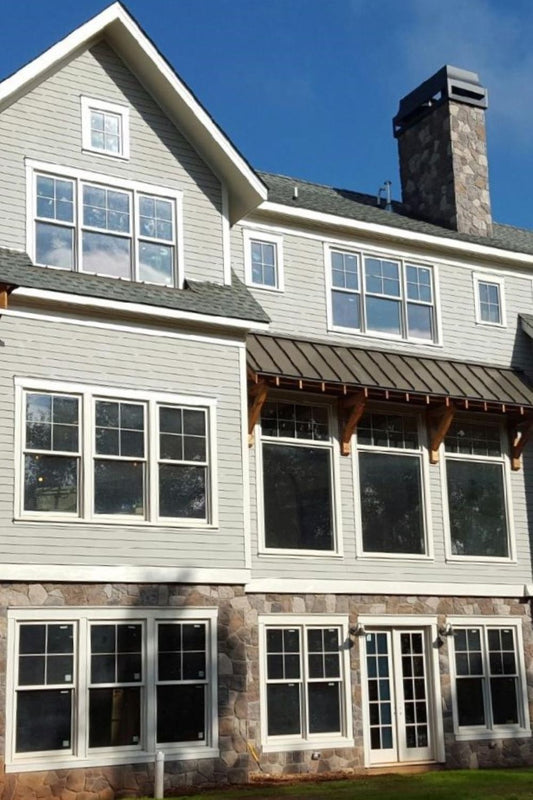
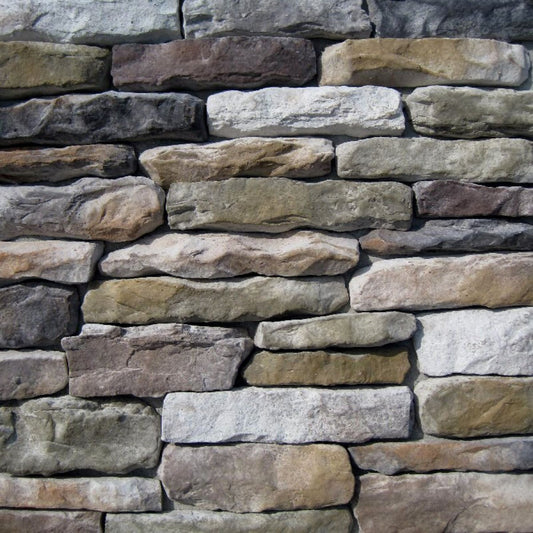
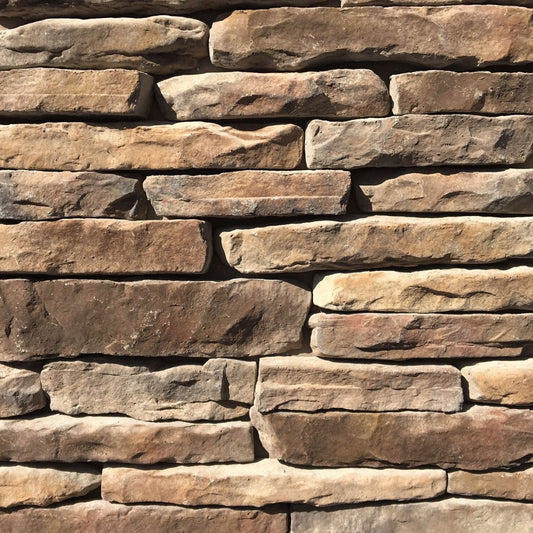
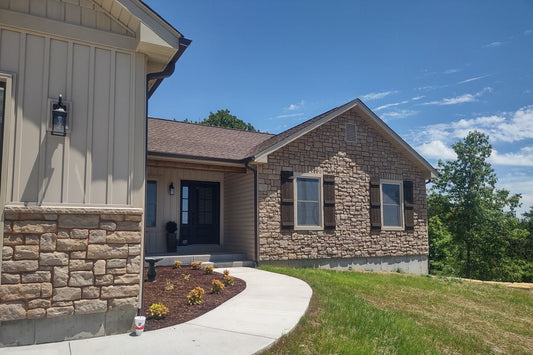
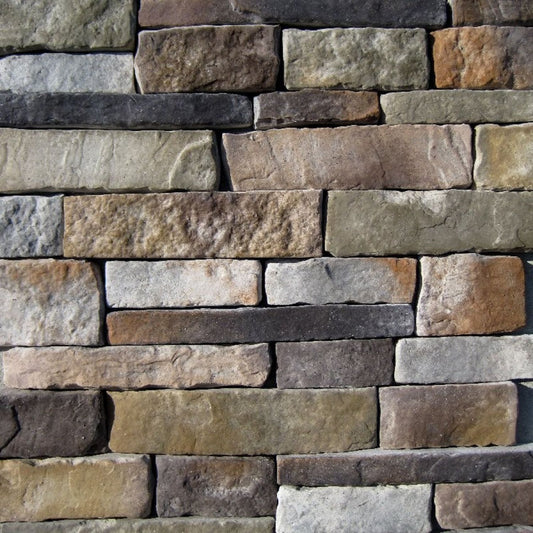
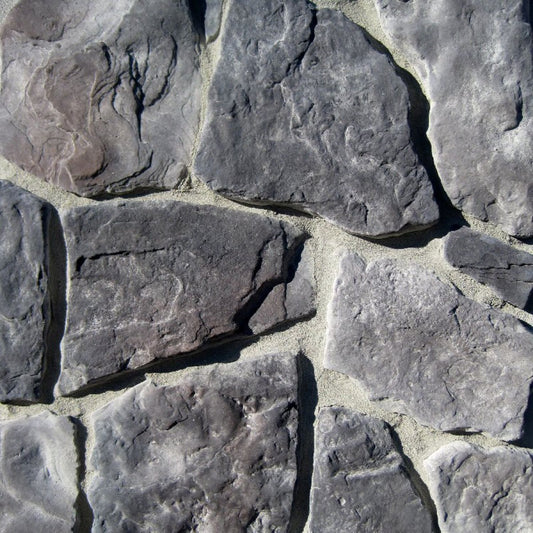
Pictured is hackett stone outback.