

How Long Does Manufactured Stone Veneer Last? Lifespan, Durability, and Performance
Share
Originally posted February 5, 2024, updated January 27, 2026.
Manufactured stone veneer typically lasts 30 to 50 years or more when properly installed and maintained. Its longevity depends on material quality, installation practices, moisture management, and environmental exposure, allowing it to maintain its appearance and structural integrity for decades in both interior and exterior applications.
Manufactured stone veneer has become one of the most popular cladding materials in residential and commercial construction. Designed to replicate the appearance of natural stone, it offers a lightweight, cost-effective solution for achieving high-end architectural finishes without the structural demands of full-thickness masonry. Despite its widespread use, one of the most common questions homeowners and builders ask is how long manufactured stone veneer actually lasts. The answer is not defined by a single number. Instead, it depends on how the material performs over time under real-world conditions, including exposure to moisture, temperature changes, and installation quality. For a complete guide on durability, lifespan, and long-term performance, see is manufactured stone veneer durable?
Understanding the lifespan of manufactured stone veneer requires looking at both the material itself and the system it is part of. When properly installed and maintained, it is a highly durable solution that can perform reliably for decades.
Understanding the lifespan of manufactured stone veneer
Manufactured stone veneer is engineered using a blend of cement, lightweight aggregates, and mineral-based pigments. These materials are molded from real stone to create realistic textures and shapes while maintaining consistent quality. Unlike natural stone, which varies in density and composition, manufactured veneer is designed to deliver predictable performance across different environments.
In most applications, manufactured stone veneer has a life expectancy of 30 to 50 years or more. In some cases, it can exceed this range when installed under optimal conditions and maintained properly. Its longevity is comparable to many other exterior cladding materials and is more than sufficient for the lifespan of most residential and commercial structures.
It is important to recognize that manufactured stone veneer is not a structural material. It functions as a cladding system applied over a properly prepared substrate. Because of this, its durability is closely tied to the performance of the wall system behind it.
Why installation quality has the biggest impact
One of the most important factors influencing how long manufactured stone veneer lasts is installation quality. Even the highest-quality materials can fail prematurely if they are not installed correctly.
Proper installation includes the use of a weather-resistant barrier, metal lath, and appropriate mortar to create a strong bond between the veneer and the substrate. Equally important is the inclusion of drainage components that allow moisture to escape rather than becoming trapped behind the veneer.
When installation shortcuts are taken, problems such as poor adhesion, cracking, or moisture intrusion can occur. These issues are often mistaken for material failure, but they are almost always the result of improper installation practices.
A well-installed stone veneer system forms a durable, stable surface that can withstand environmental stress for decades. This is why working with experienced installers or following manufacturer guidelines closely is critical for long-term performance.
The role of material quality in longevity
The quality of the manufactured stone veneer itself also plays a significant role in how long it lasts. Reputable manufacturers use carefully controlled mixes of cement, aggregates, and pigments to produce a dense, durable product that resists wear over time.
High-quality manufactured stone veneer is built for long-lasting durability, resisting UV exposure, moisture, and temperature fluctuations. Its color is applied and bonded to the surface layer, providing reliable color retention even though it isn’t integrated throughout the full thickness of the stone.
Lower-quality products may be more susceptible to issues such as surface deterioration, inconsistent coloring, or reduced resistance to weathering. Choosing a trusted manufacturer with a proven track record helps ensure that the material performs as expected over its lifespan.
Environmental exposure and climate conditions
Manufactured stone veneer is designed for use in a wide range of climates, but environmental conditions still influence its longevity. Exposure to heavy rainfall, prolonged sunlight, high humidity, or freeze-thaw cycles can all impact long-term performance.
In colder climates, freeze-thaw cycles are a key consideration. When moisture enters small pores or joints and freezes, it expands, creating pressure that can lead to cracking over time. Proper installation, including effective drainage and breathable construction, helps prevent this by allowing moisture to escape before it can freeze.
In warmer climates, prolonged UV exposure can affect some materials, but high-quality stone veneer is formulated with UV-resistant pigments that minimize fading. While slight changes in appearance may occur over many years, significant color loss is uncommon.
Overall, manufactured stone veneer performs well in most environments when it is installed with appropriate detailing and moisture management.
Moisture management and long-term performance
Water management is one of the most critical aspects of stone veneer durability. Manufactured stone veneer is not waterproof, but it is designed to be water resistant. This means it can shed water effectively, but it is not intended to act as the primary barrier against moisture.
A properly constructed wall system includes a weather-resistant barrier and, in many cases, a drainage plane behind the veneer. These components work together to prevent water from reaching the underlying structure and to allow any moisture that does get behind the veneer to drain away safely.
When moisture is not properly managed, issues such as staining, efflorescence, or deterioration of underlying materials can occur. These problems can shorten the effective lifespan of the system if not addressed.
By contrast, a well-designed and properly installed system allows manufactured stone veneer to perform reliably for decades, even in environments with frequent exposure to rain or snow.
Maintenance and its impact on lifespan
One of the advantages of manufactured stone veneer is that it requires relatively little maintenance compared to many other exterior finishes. However, regular care can help extend its lifespan and preserve its appearance.
Routine cleaning to remove dirt, debris, or organic growth helps maintain the look of the veneer. Inspections can also identify minor issues such as small cracks or loose stones before they develop into larger problems.
While sealing is not always necessary, it may be recommended in certain environments to provide additional protection against moisture or staining. Following manufacturer recommendations ensures that any maintenance steps taken are appropriate for the specific product being used.
Overall, manufactured stone veneer is considered a low-maintenance material, and even minimal upkeep can contribute to decades of reliable performance.
Comparing manufactured stone veneer to natural stone
Natural stone is often associated with extreme longevity, with some installations lasting a century or more. While manufactured stone veneer may not always match that lifespan in every condition, it offers a highly competitive alternative with several practical advantages.
Manufactured stone veneer is significantly lighter than natural stone, making it easier to install and suitable for a wider range of applications. It is also more cost-effective, both in terms of material and labor.
In terms of durability, manufactured stone veneer performs very well when installed correctly. It is engineered to resist cracking, chipping, and weather-related wear, making it a reliable option for most residential and commercial projects.
For many homeowners and builders, the balance of durability, affordability, and design flexibility makes manufactured stone veneer an excellent long-term investment.
How stone veneer increases value through lasting durability
One of the key ways manufactured stone veneer adds value to a home is through its long-lasting durability. As highlighted in does stone veneer increase home value?, stone veneer not only elevates curb appeal and interior aesthetics but also communicates quality and craftsmanship to potential buyers. Its engineered resilience ensures that these visual and functional benefits endure for decades, making it a smart investment for homeowners seeking both beauty and longevity.
Because stone veneer is designed to withstand a wide range of climates and environmental conditions, its impact on value is more than cosmetic. The combination of timeless aesthetic appeal and enduring performance ensures that a home remains attractive, functional, and marketable for years to come. When homeowners choose stone veneer, they are investing in a material that not only enhances immediate curb appeal but also delivers long-term, measurable value through its durability and lasting quality.
Warranties and real-world expectations
Most reputable manufacturers offer warranties on manufactured stone veneer products, often ranging from 10 to 50 years. These warranties reflect confidence in the material’s durability when installed according to guidelines.
It is important to understand that warranties typically cover manufacturing defects rather than issues related to installation. This reinforces the importance of proper installation practices in achieving the expected lifespan.
In real-world applications, well-installed manufactured stone veneer often meets or exceeds its expected lifespan. Many installations continue to perform beyond 50 years with minimal maintenance, particularly when environmental conditions are moderate and the system is properly designed.
How long does manufactured stone veneer last?
Manufactured stone veneer is a durable, long-lasting cladding material that offers decades of reliable performance when installed and maintained correctly. While its typical lifespan ranges from 30 to 50 years or more, the actual longevity depends on a combination of factors including installation quality, material selection, moisture management, and environmental exposure.
By taking a system-based approach and ensuring that each component of the wall assembly is properly designed and installed, homeowners and builders can maximize the lifespan of stone veneer. With its balance of durability, aesthetic appeal, and cost efficiency, manufactured stone veneer remains one of the most practical and attractive solutions for both interior and exterior applications.
From Mountain View Stone: what you should know
At Mountain View Stone, we know that the longevity of manufactured stone veneer depends as much on proper installation and moisture management as it does on the quality of the stone itself. High-quality veneer, when installed over a well-prepared substrate with attention to drainage, weather-resistant barriers, and mortar techniques, can last 30 to 50 years or more, even in challenging climates. While manufactured stone is not structural, its lightweight, durable design ensures it performs reliably for decades with minimal maintenance. Choosing a trusted product and following best practices during installation are the keys to maximizing durability and preserving the beauty, texture, and color of your stone veneer over time. This balance of craftsmanship, material quality, and installation expertise is what allows homeowners to enjoy long-lasting elegance and value in both interior and exterior applications.
Frequently asked questions
1. How long does manufactured stone veneer typically last? High-quality manufactured stone veneer can last 50 years or more when properly installed and maintained. Many reputable manufacturers, including Mountain View Stone, back their products with long-term warranties, reflecting their durability and performance over time.
2. Does manufactured stone veneer last as long as natural stone? While natural stone can last longer in ideal conditions, manufactured stone veneer offers excellent longevity at a lower cost and weight. When installed correctly and maintained, manufactured stone veneer provides decades of reliable performance with minimal visual degradation.
3. What factors affect the lifespan of manufactured stone veneer? The lifespan of manufactured stone veneer depends on several factors, including product quality, proper installation, climate conditions, and regular maintenance. Exposure to extreme weather, freeze-thaw cycles, and moisture intrusion can impact longevity if installation guidelines are not followed.
4. Can manufactured stone veneer fade over time? Quality manufactured stone veneer is designed to resist fading. Products made with advanced color-bonding technologies help protect against UV exposure, harsh weather, cleaning agents, and pressure washing, ensuring long-lasting color retention.
5. Does manufactured stone veneer require a lot of maintenance? Manufactured stone veneer is relatively low maintenance. Periodic cleaning to remove dirt, algae, or debris and addressing minor issues early can help preserve both appearance and durability. Sealing is typically not required unless specified by the manufacturer.
6. Is manufactured stone veneer durable in cold or wet climates? Yes, manufactured stone veneer can perform well in cold and wet climates when installed correctly. Proper drainage, moisture barriers, and adherence to installation guidelines are essential to protect against freeze-thaw damage and moisture-related issues.
7. Does installation quality really impact how long stone veneer lasts? Absolutely. Improper installation is one of the leading causes of premature failure. Following manufacturer installation instructions, or hiring experienced professionals, ensures proper adhesion, moisture management, and long-term durability.
What's next?
Transform your space with our stunning stone veneer! Shop now to find your perfect match or order a sample to experience the quality firsthand!
Have a question?
Please see our full terms of service or check out our frequently asked questions.
For general information and questions please call: (864) 882-8960 Mon. - Fri. 8am - 5pm (EST) or email: info@mountainviewstone.net we are more than happy to help you.
Or you can submit your questions via our contact us page.
We look forward to working with you on your upcoming project.
The Mountain View Stone Team
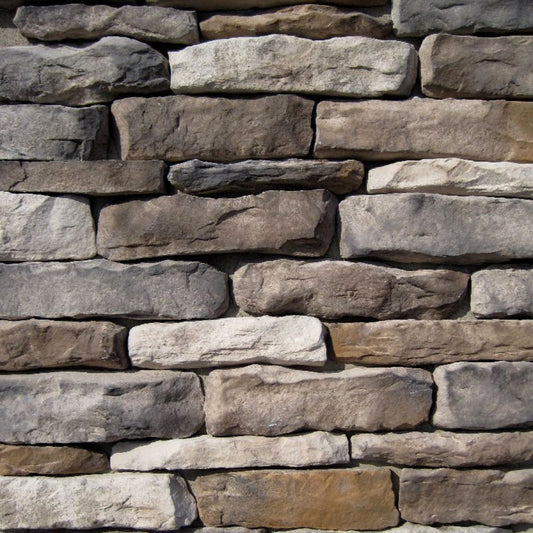
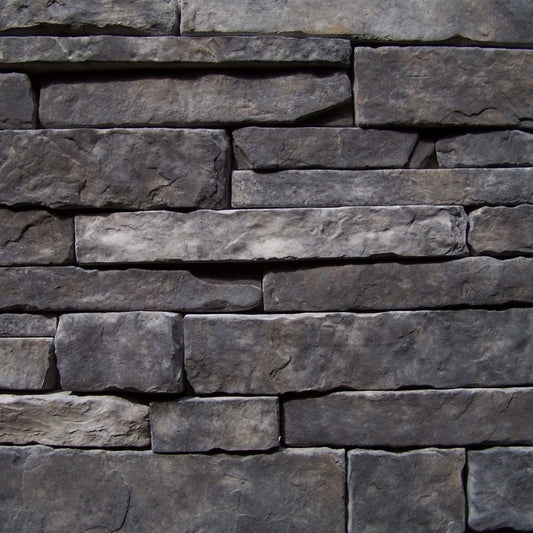
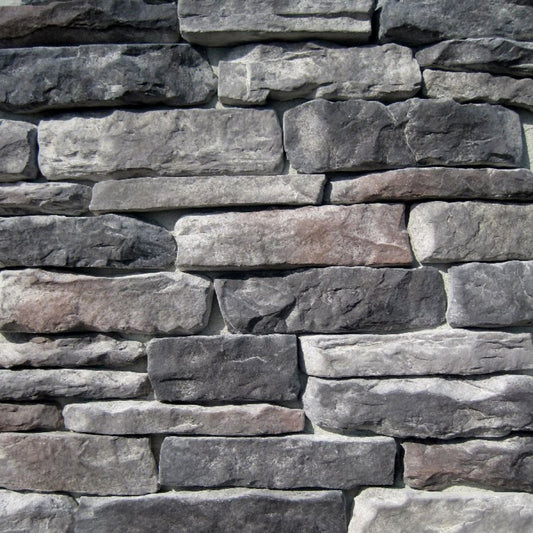
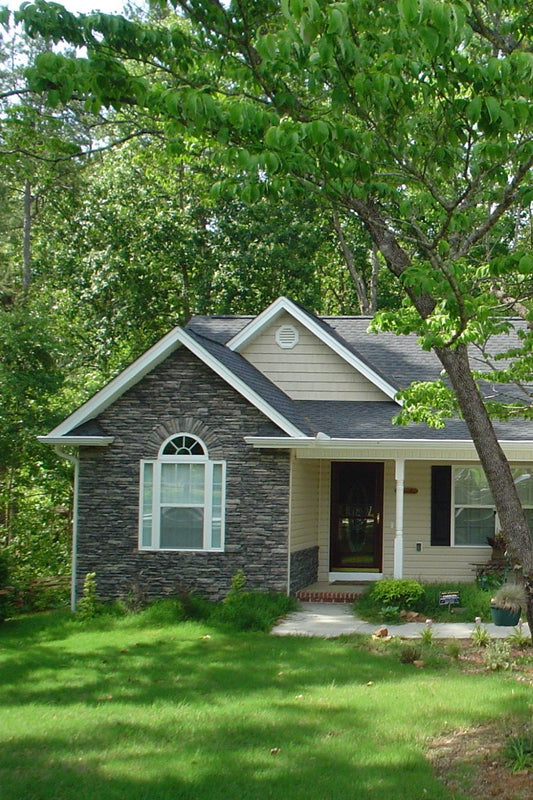
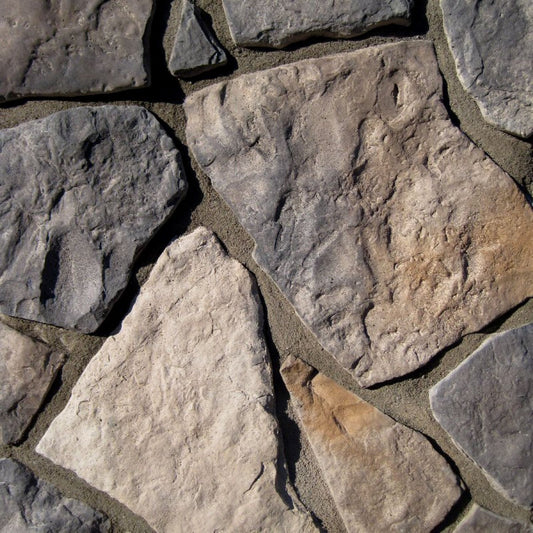
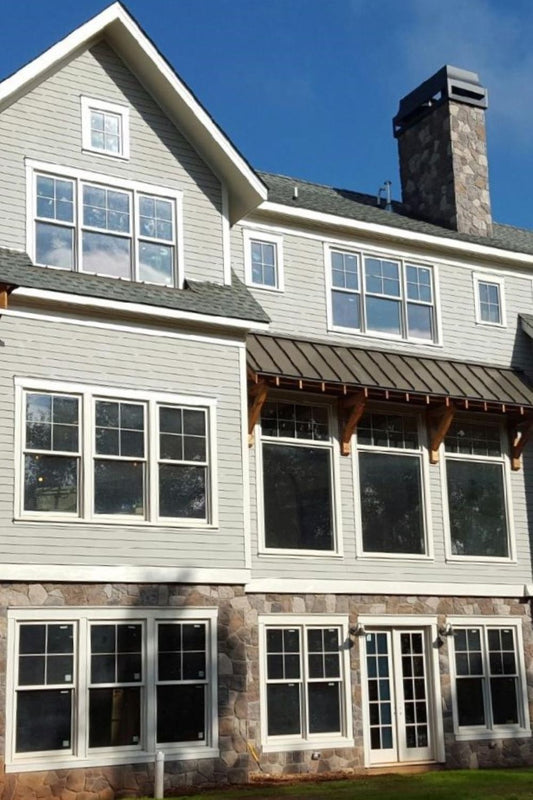
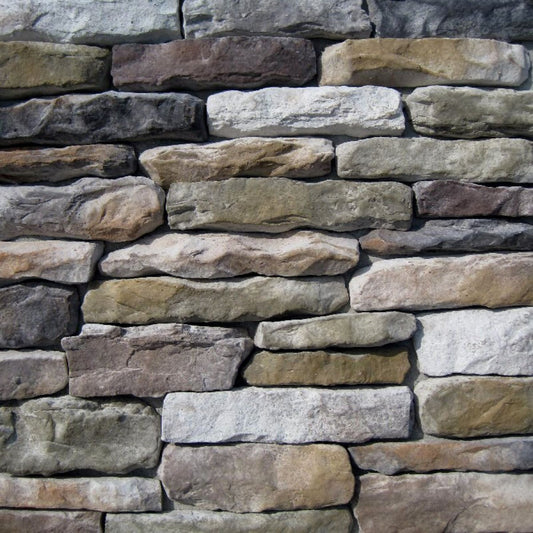
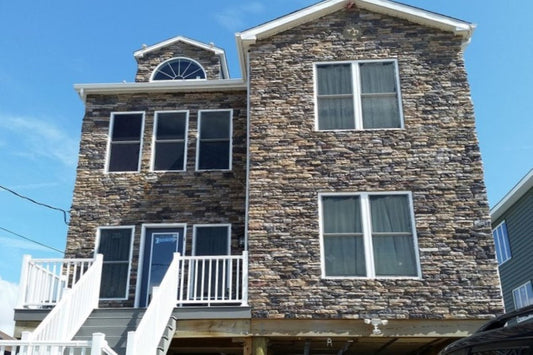
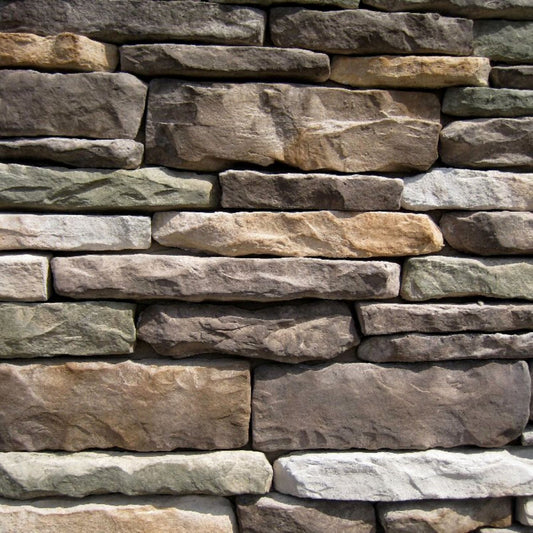
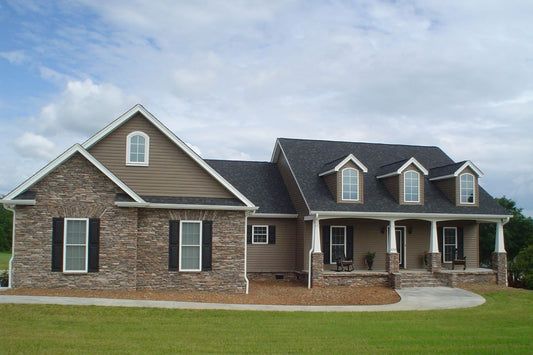
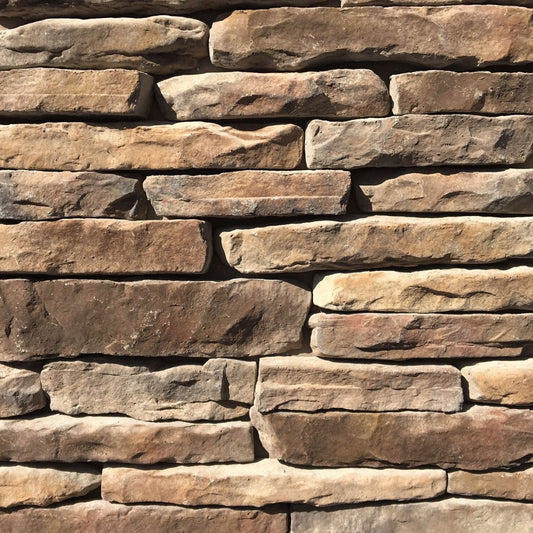
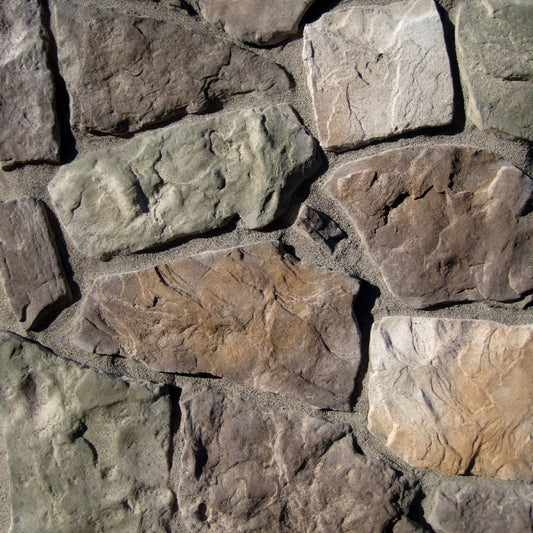
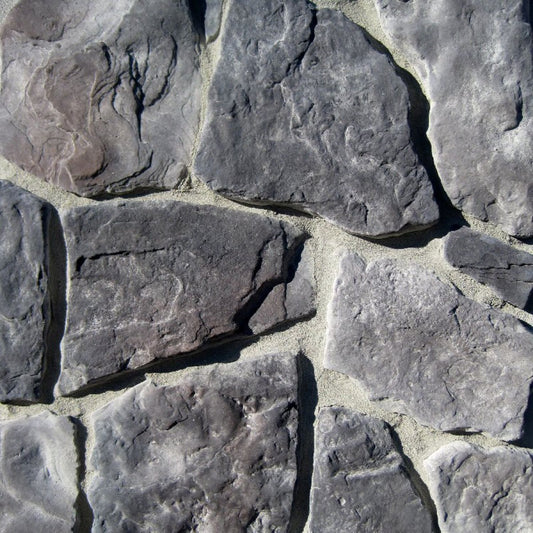
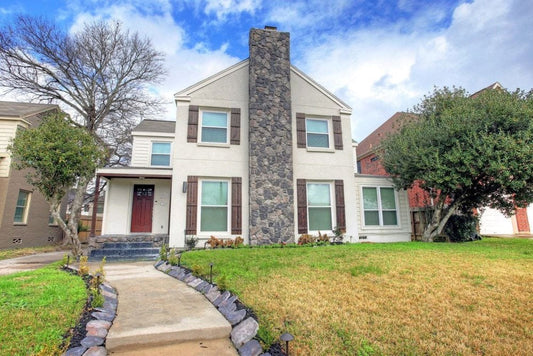
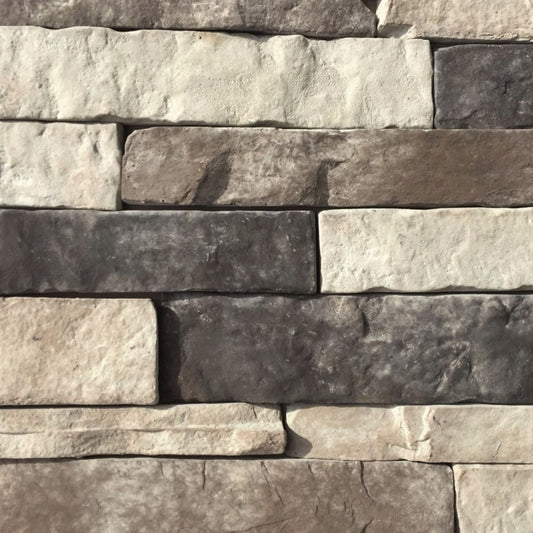
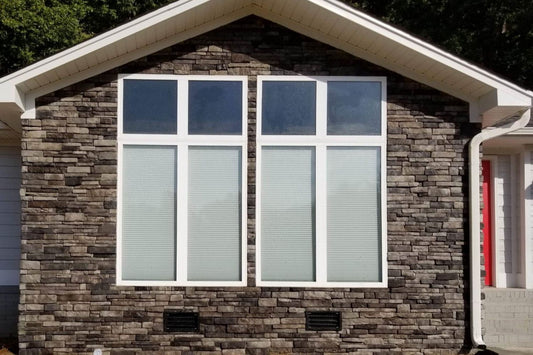
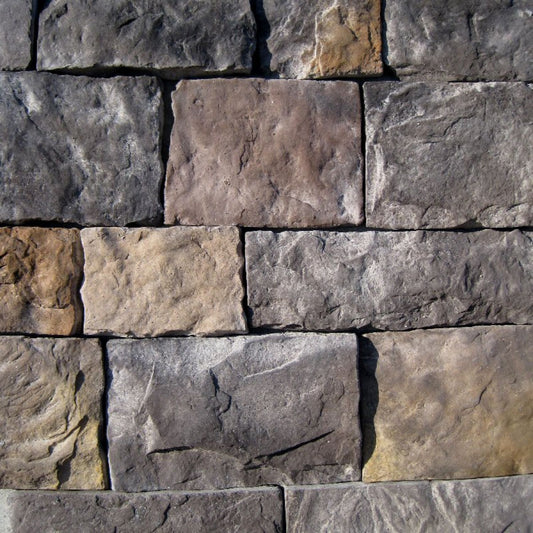
Pictured is hackett stone buck mountain.


4 comments
Hi Bob,
Thank you for your question and interest in our stone veneer.
A concrete sealer is not required, however, sealing with a concrete sealer will add protection especially over the mortar joints. Please keep in mind that different concrete sealers will affect the appearance of the stone veneer. A matte (or flat) finish will have little to know impact to the finished look of the stone veneer whereas a gloss finish will darken the stone veneer and have a wet look. We recommend testing your concrete sealer on a piece of stone veneer that has not been installed to ensure you are happy with the finished appearance after applying concrete sealer.
Please let us know if you have any more questions!
What’s the best sealers to use for sealing faux stone outdoor fireplaces
Updated May 5th, 2025:
Hi Randall,
Thank you for your question and interest in our stone veneer.
The majority of our stone profiles are individual stone and they are made of Portland cement. The individual stones will vary in size, shape, and thickness. To achieve the desired natural stone finish as shown in our images it is up to the installer to arrange the individual stones in the correct pattern and install each stone one at a time. We call this out on our website in several places, but it can be missed. As stone veneer is made out of Portland cement, manufacturing it in sheets/panels is just not reasonable as the weight of the finished product would make it very difficult for the end user to install/work with, therefore the majority of manufactured stone veneer available in the market today will be individual stones.
If you are looking for a panel system, our ready stack profile is a mini panel stone product and is installed in sections at a time https://mountainviewstone.net/collections/ready-stack. Each panel measures 4” high but will vary in length (5.5”, 8.25”, 11”, 16.5”) and thickness (1.5”-2.5”). Each ready stack panel has multiple stones on each panel face. To achieve the desired finish as shown in our images it is up to the installer to arrange the panels in the correct pattern and install each panel one at a time.
On each product page there is a section to the right of the images and below the product overview titled “dimensions”, if you expand that section you can see the flats and corner dimensions for every product we sell.
Please let us know if you have any more questions!
how big are panels