
Is Manufactured Stone Better Than Real Stone? Differences, Costs, and What to Choose
Share
Originally posted April 15, 2024, updated February 9, 2026.
Manufactured stone veneer is better than real stone for affordability, ease of installation, and design flexibility, while natural stone is better for authenticity, longevity, and premium resale appeal.
Choosing between manufactured stone veneer and real stone is one of the most common decisions homeowners face when planning a fireplace, feature wall, or exterior project. Both materials offer the timeless appeal of stone, but they differ significantly in cost, installation, durability, and overall performance. For a detailed side-by-side look at the pros and cons, see our guide on comparing manufactured stone veneer. So, is manufactured stone better than real stone? The answer depends on what matters most for your project.
Understanding how these materials compare will help you make a more informed decision and ensure the final result aligns with your budget, design goals, and long-term expectations.
What is manufactured stone veneer?
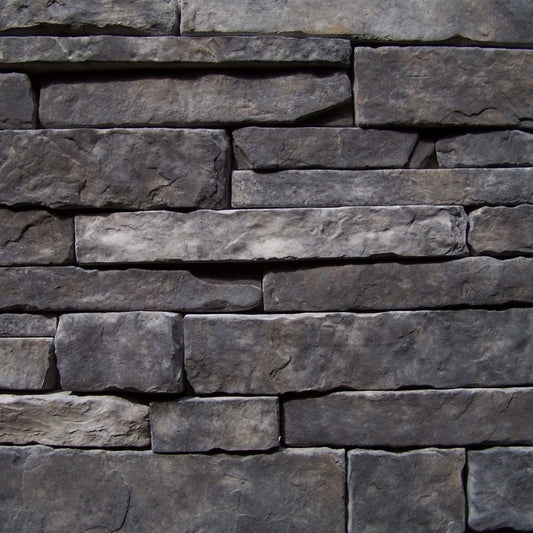
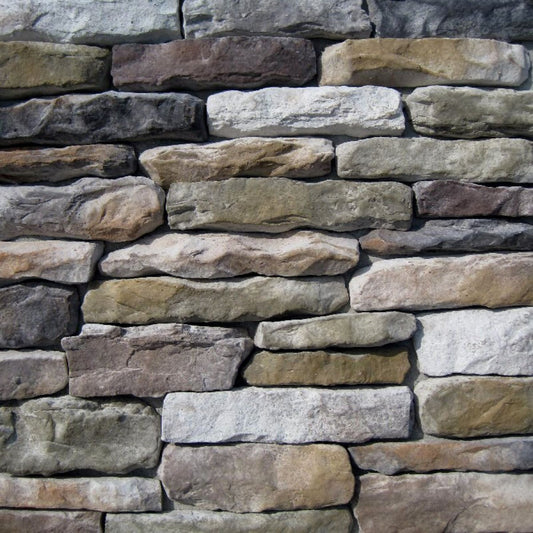
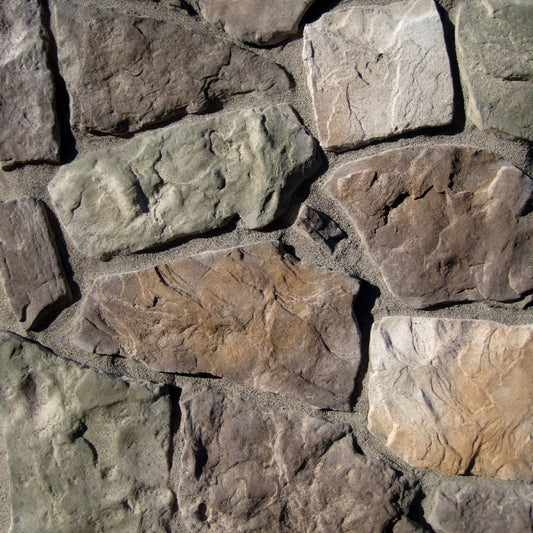
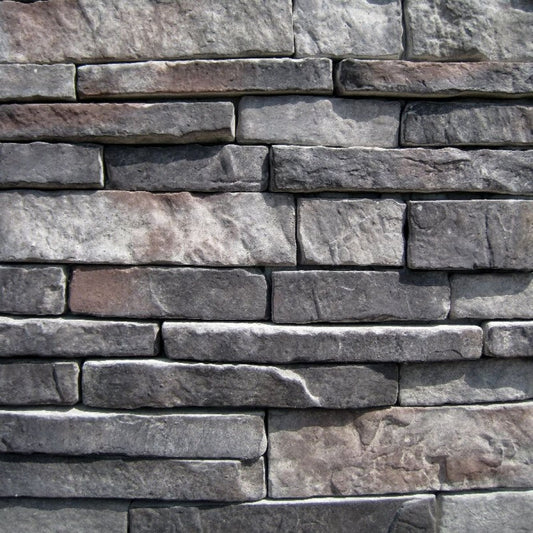
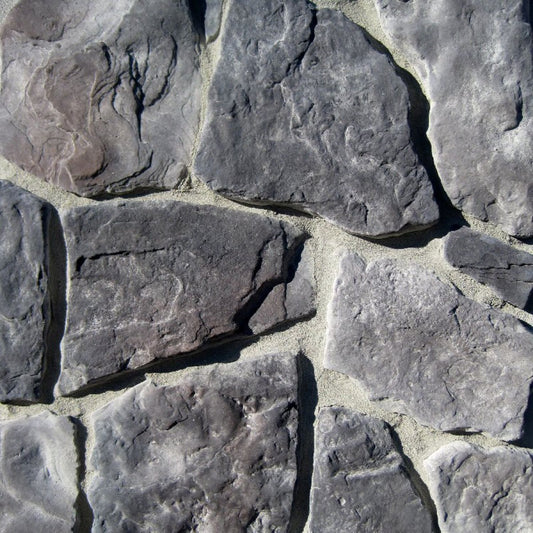
Manufactured stone veneer, often referred to as faux stone or cultured stone, is a man-made material designed to replicate the appearance of natural stone. It is typically made from a blend of Portland cement, lightweight aggregates, and iron oxide pigments. These ingredients are poured into molds taken from real stone, allowing the finished product to capture realistic textures, shapes, and color variation.
Once cured, manufactured stone veneer becomes a lightweight cladding material that can be applied to a wide range of surfaces. Unlike full-depth stone, it is not structural, but rather a decorative facing that delivers the look of stone without the weight and complexity.
What is real stone?
Real stone, also known as natural stone, is quarried directly from the earth. Common types include granite, limestone, sandstone, and slate, each offering distinct visual characteristics formed over thousands of years. Because it is naturally occurring, no two pieces are exactly alike, giving real stone its signature depth and authenticity.
Real stone can be used as both a structural material and a veneer, depending on the application. Its density and durability have made it a trusted building material for centuries.
Is manufactured stone veneer real stone?
Manufactured stone veneer is not real stone in the traditional sense because it is not quarried from the earth. Instead, it is engineered to replicate natural stone using cement-based materials and molds derived from real stone surfaces.
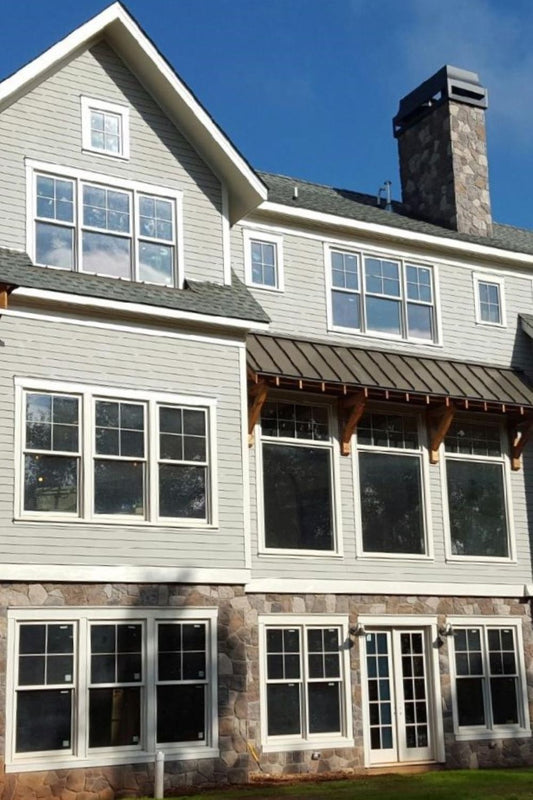
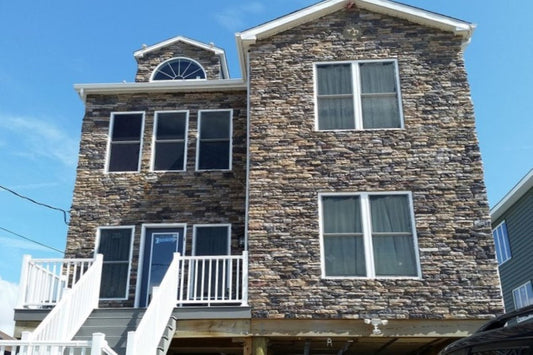
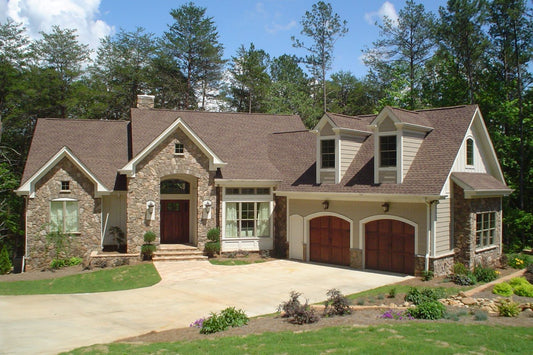
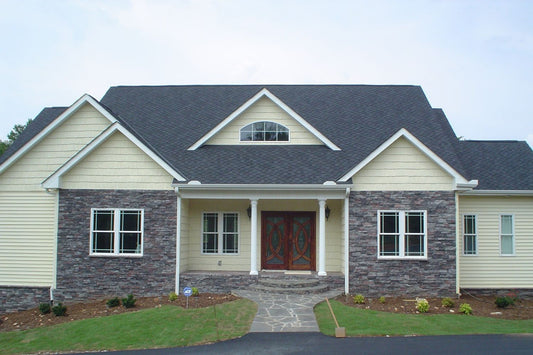
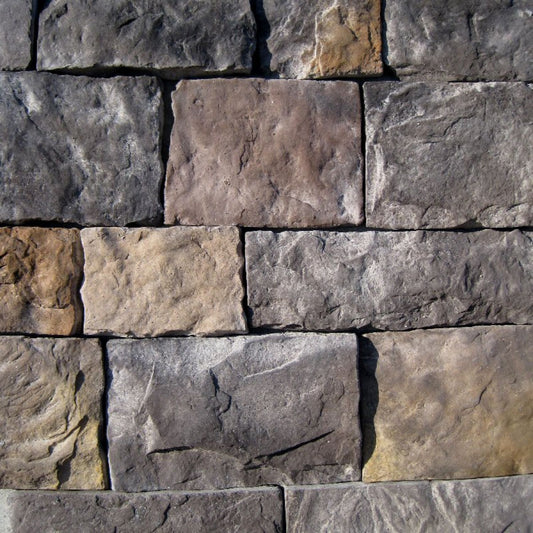
Despite this distinction, high-quality manufactured stone veneer can look remarkably similar to natural stone once installed. For many homeowners, the visual difference is minimal, especially at standard viewing distances. The key difference lies in composition and performance rather than overall appearance.
Appearance and design
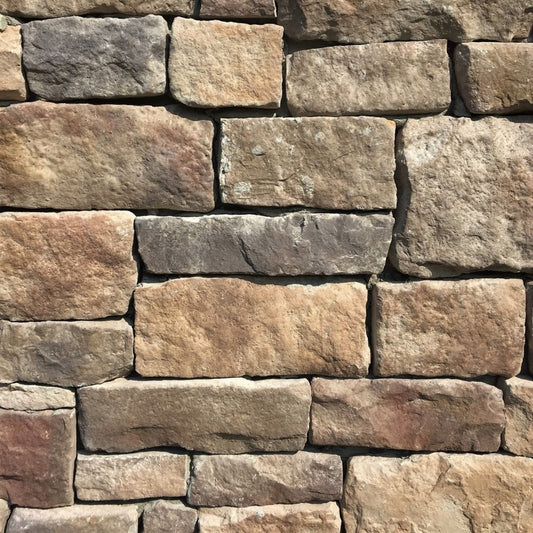
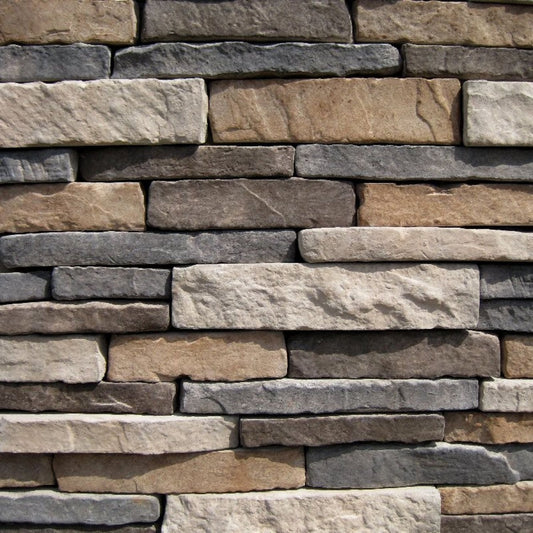
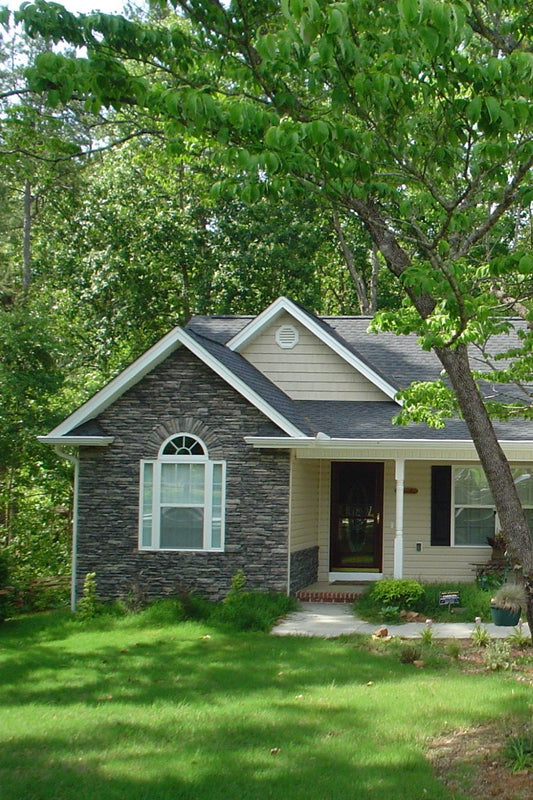
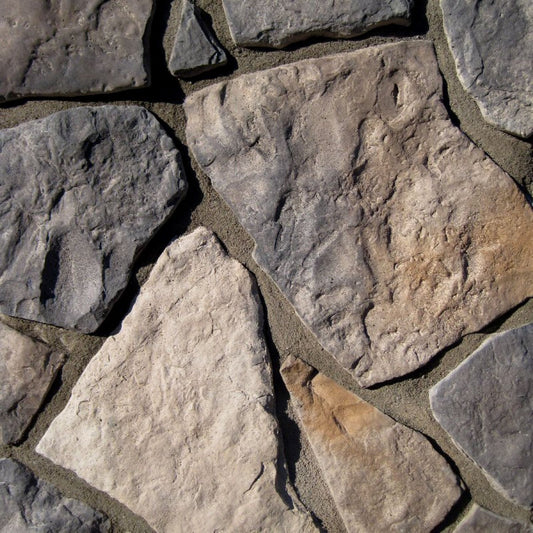
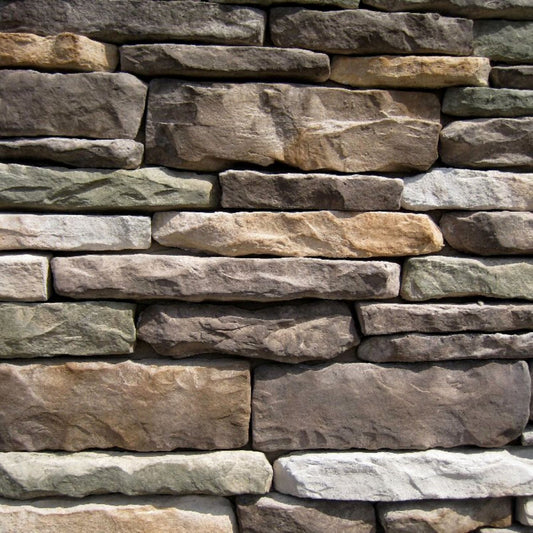
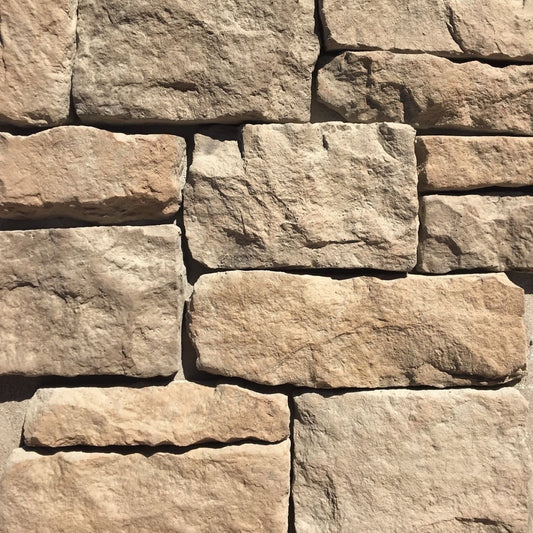
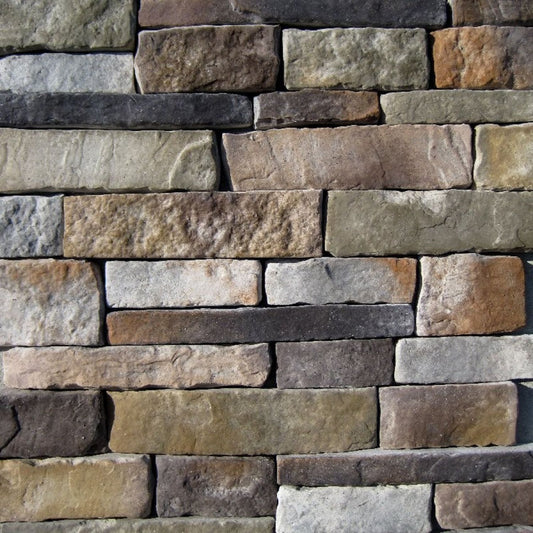
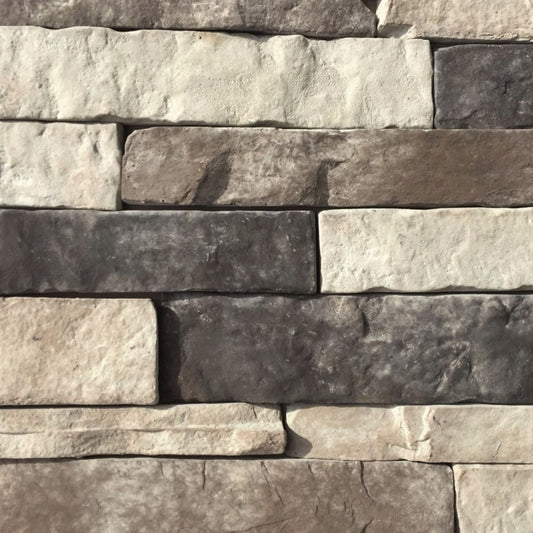
Both manufactured stone veneer and real stone offer strong visual appeal, but they achieve it in different ways. Manufactured stone is designed for consistency and versatility, with a wide range of colors, profiles, and styles available. Whether you want a rugged fieldstone look or a clean, contemporary stacked stone finish, manufactured options provide flexibility that is difficult to achieve with natural materials.
Real stone, on the other hand, offers unmatched authenticity. Its variations in color, veining, and texture are entirely natural, creating a one-of-a-kind look that cannot be perfectly replicated. This organic variation is often considered its greatest strength, especially in high-end or custom projects.
While manufactured stone has come a long way in terms of realism, subtle repetition or uniformity may be noticeable under close inspection, particularly with lower-quality products.
Cost differences
Cost is often the deciding factor when comparing manufactured stone veneer to real stone. Manufactured stone is generally much more affordable, both in terms of material and installation.
Natural stone involves quarrying, cutting, and transportation, all of which contribute to its higher price. Its weight also increases shipping costs and often requires additional structural support during installation. Skilled masonry labor is typically needed, further increasing the overall investment.
Manufactured stone veneer is lighter and easier to handle, which simplifies installation and reduces labor time. It can often be installed without the need for structural reinforcement, making it a more budget-friendly option for many homeowners.
Installation and labor
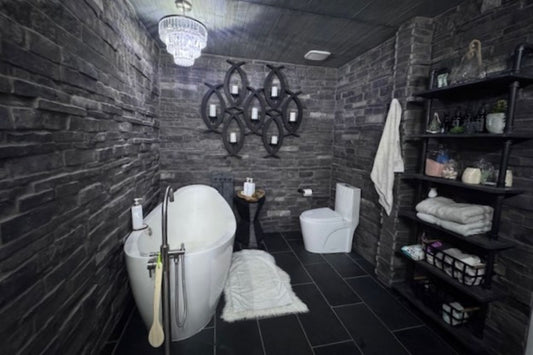
Installation is another area where manufactured stone veneer stands out. Its lightweight design makes it easier to cut, handle, and install, allowing for faster project completion and lower labor costs. It can be applied to properly prepared interior and exterior surfaces without the need for heavy-duty support systems.
Real stone is significantly heavier and more difficult to work with. Its irregular shapes and weight require skilled masons and more time-intensive installation techniques. In some cases, additional structural considerations are necessary to support the load, which can increase both cost and complexity.
For projects where efficiency and ease of installation are priorities, manufactured stone veneer offers a clear advantage.
Durability and long-term performance
Both materials are durable when installed correctly, but they differ in longevity and structural properties. Natural stone is inherently dense and can last for generations with minimal maintenance. Its durability makes it suitable for structural applications as well as cladding.
Manufactured stone veneer is engineered to perform well in typical residential and commercial environments. It is designed to withstand temperature changes, moisture exposure, and UV conditions when properly installed. While it may not have the same lifespan as full-depth natural stone, it offers reliable performance for most applications.
The long-term success of either material depends heavily on proper installation, including moisture management, drainage systems, and adherence to manufacturer guidelines.
Resale value and perception
Real stone is often perceived as a premium material, which can contribute to higher resale appeal in some markets. Its authenticity and long-standing reputation make it a desirable feature for potential buyers, particularly in high-end homes.
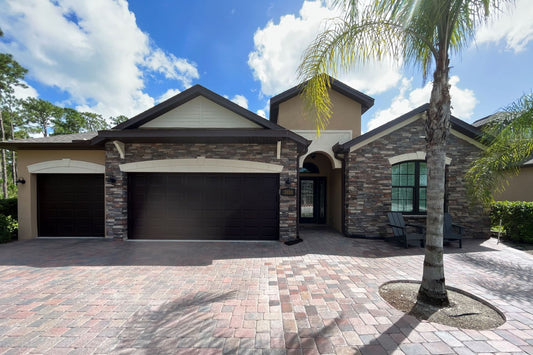
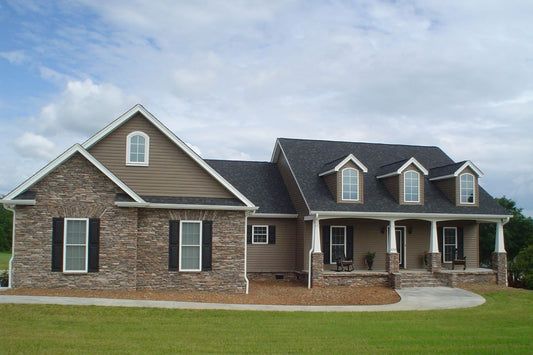
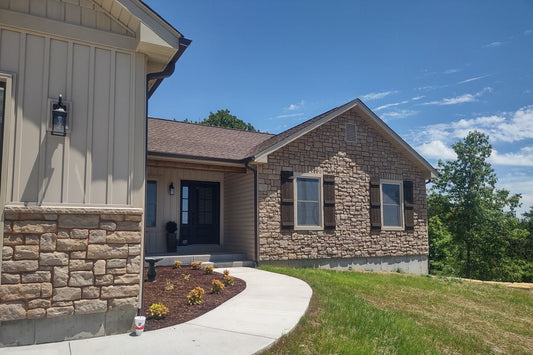
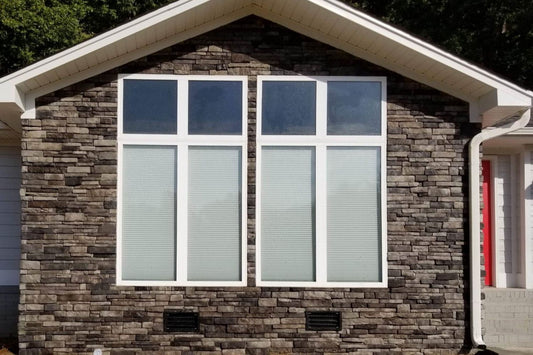
Manufactured stone veneer can also enhance curb appeal and interior aesthetics, offering a strong return on investment relative to its cost. While it may not carry the same prestige as natural stone, a well-executed installation can still significantly improve the overall look and value of a property.
Sustainability considerations
Manufactured stone veneer can offer environmental advantages due to its lighter weight and efficient production process. Reduced transportation weight can lower emissions, and manufacturing processes often minimize material waste.
Natural stone, while a natural material, requires quarrying and transportation, which can be energy-intensive. However, its long lifespan can offset some of these environmental impacts over time.
Is manufactured stone better than real stone?
Manufactured stone veneer and real stone both offer compelling advantages, and the better choice depends entirely on your project priorities. Manufactured stone provides a cost-effective, versatile solution that delivers the look of natural stone with fewer installation challenges. Real stone offers unmatched authenticity, durability, and long-term appeal.
By understanding the key differences in cost, installation, appearance, and performance, you can choose the material that best aligns with your design vision and budget. Whether you opt for manufactured stone veneer or real stone, both can create beautiful, lasting results when selected and installed with care.
From Mountain View Stone: what you should know
At Mountain View Stone, we understand that choosing between manufactured stone veneer and real stone is about more than just looks, it’s about balancing budget, installation, durability, and long-term value. Manufactured stone veneer offers affordability, lighter weight, and design flexibility, making it easier to install on both interior and exterior surfaces while still delivering a realistic stone appearance. Real stone provides unmatched authenticity, longevity, and premium resale appeal, but it comes with higher material and labor costs. The right choice depends on your project priorities: whether you want the efficiency and versatility of manufactured stone or the timeless prestige of natural stone, understanding each material’s strengths ensures your project meets both aesthetic and practical goals.
Frequently asked questions
1. Is manufactured stone veneer real stone? Manufactured stone veneer is not quarried from the earth like natural stone. Instead, it is made from cement, aggregates, and pigments that are molded from real stone. While it isn’t "real stone" in the traditional sense, it is designed to closely replicate the appearance, texture, and depth of natural stone.
2. What is manufactured stone veneer made of? Manufactured stone veneer is typically made from Portland cement, lightweight aggregates, iron oxide pigments, and water. These materials are cast into molds taken from natural stone, allowing the finished product to achieve realistic shapes, textures, and color variation.
3. Does manufactured stone veneer look like natural stone? Yes. High-quality manufactured stone veneer is crafted to closely resemble natural stone, including its color variation, texture, and dimensional depth. Many homeowners and designers find it difficult to distinguish manufactured stone veneer from real stone once installed.
4. Is manufactured stone veneer cheaper than natural stone? In most cases, yes. Manufactured stone veneer is generally more affordable than natural stone due to lower material, transportation, and installation costs. It provides the look of stone without the expense associated with quarrying and heavy masonry labor.
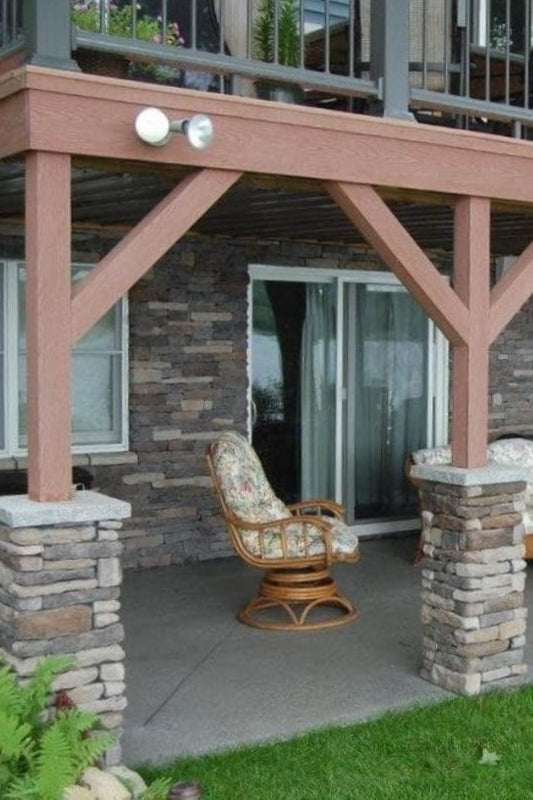
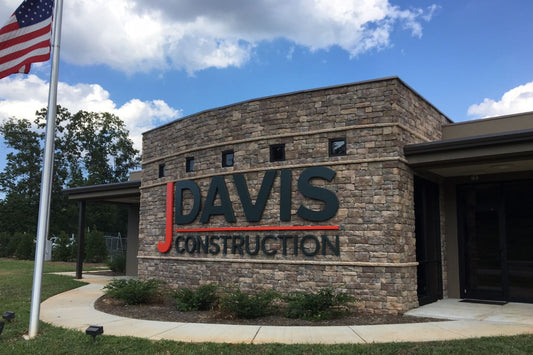
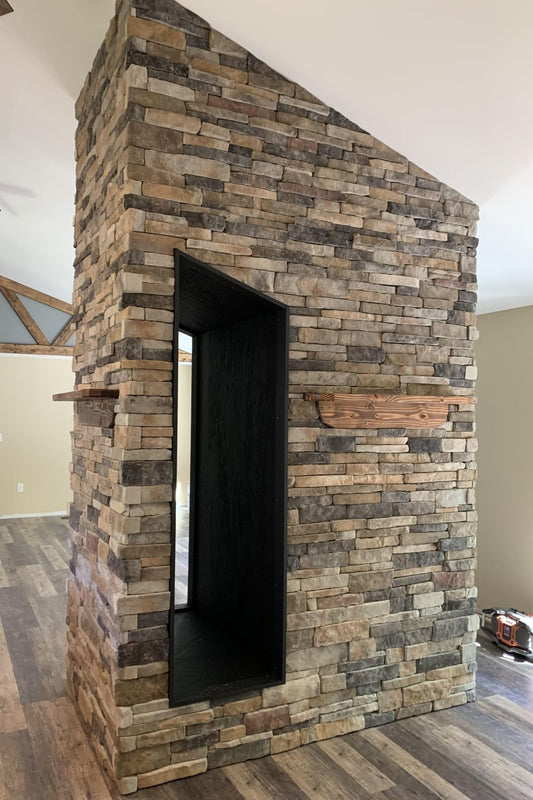
5. Is manufactured stone veneer suitable for outdoor use? Yes, manufactured stone veneer is suitable for both interior and exterior applications when installed correctly. It is commonly used on home facades, fireplaces, outdoor kitchens, and accent walls, offering durability and weather resistance when paired with proper installation techniques.
6. Is manufactured stone veneer durable? Manufactured stone veneer is designed to be durable and long-lasting. While it may not match the lifespan of full-depth natural stone, it performs well in residential and commercial applications and offers excellent resistance to everyday wear when properly installed and maintained.
What's next?
Shop now to elevate your space or order a sample today to experience the exceptional quality and texture for yourself!
Have a question?
Please see our full terms of service or check out our frequently asked questions.
For general information and questions please call: (864) 882-8960 Mon. - Fri. 8am - 5pm (EST) or email: info@mountainviewstone.net we are more than happy to help you.
Or you can submit your questions via our contact us page.
We look forward to working with you on your upcoming project.
The Mountain View Stone Team
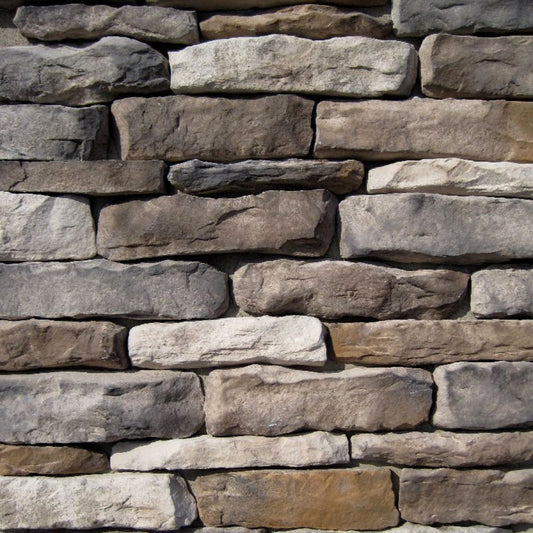
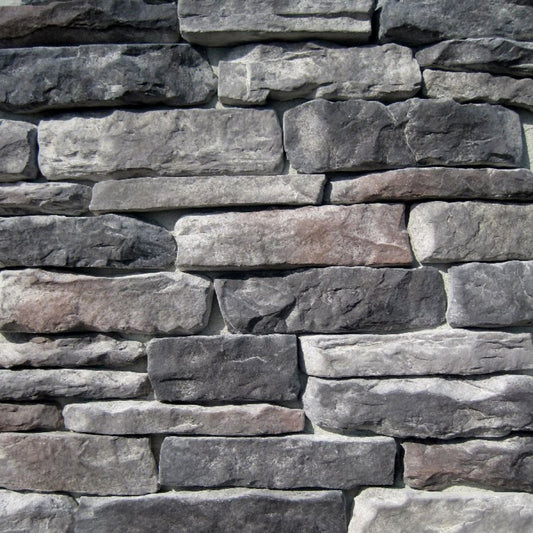
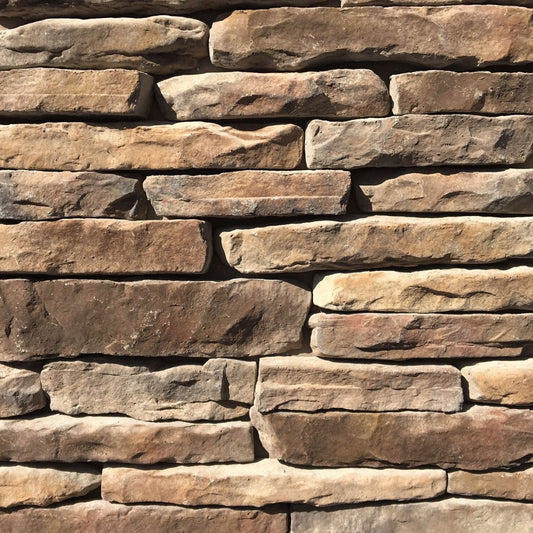
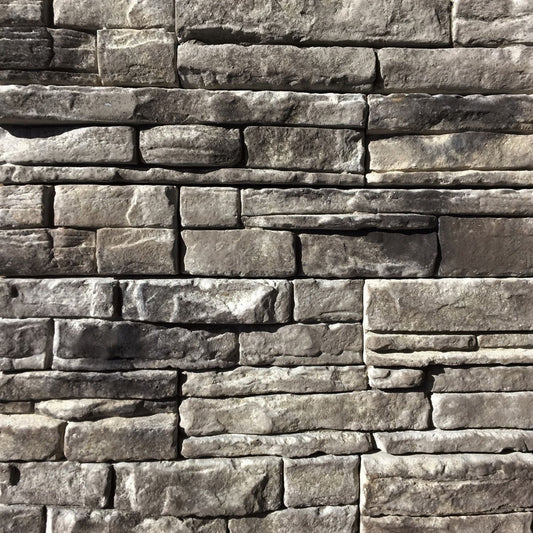
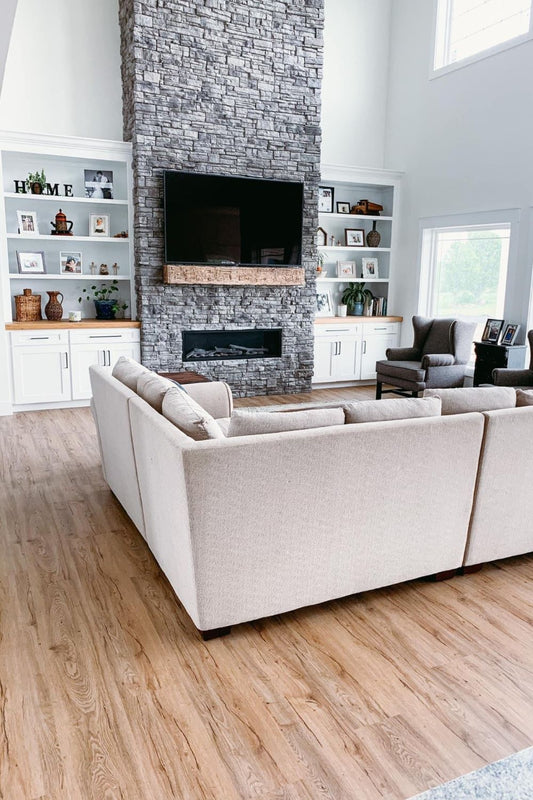
Pictured is ledge stone aspen.