
Is Stone Veneer a Good Investment? Benefits, Value, and Impact on Home Resale
Share
Originally posted June 11, 2024, updated February 13, 2026.
Investing in manufactured stone veneer can boost home aesthetics, durability, and resale value. Learn the cost-benefit analysis to see if it’s a smart investment.
When it comes to home improvements, homeowners and property investors are constantly seeking upgrades that not only enhance aesthetic appeal but also offer a solid return on investment. One popular option that often comes under consideration is stone veneer. Manufactured stone veneer combines the timeless beauty of natural stone with lower weight and cost, making it a versatile choice for both interior and exterior applications. Beyond its visual appeal, many homeowners also wonder how stone veneer affects resale potential, our post on does stone veneer increase home value? explores this in great detail, offering insights into how this investment can impact your property’s long-term value. Let’s explore the benefits, potential drawbacks, and overall value of incorporating stone veneer into your home or business.
What is manufactured stone veneer?
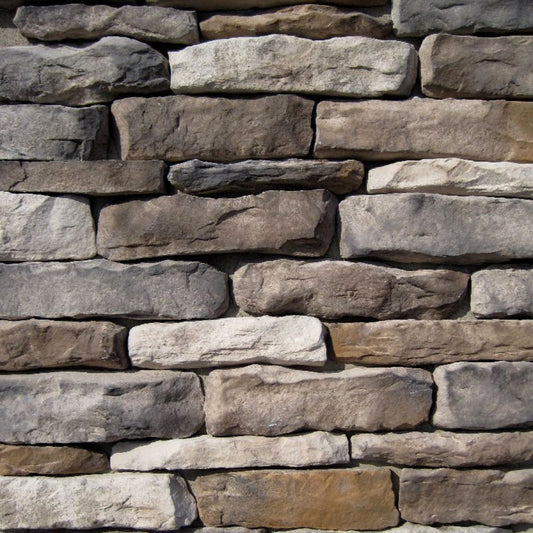
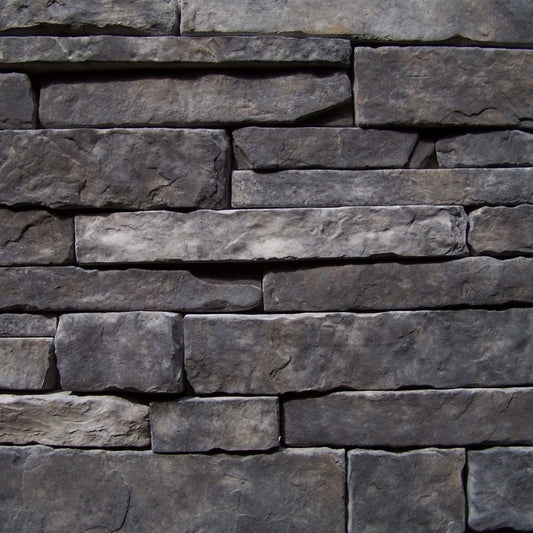
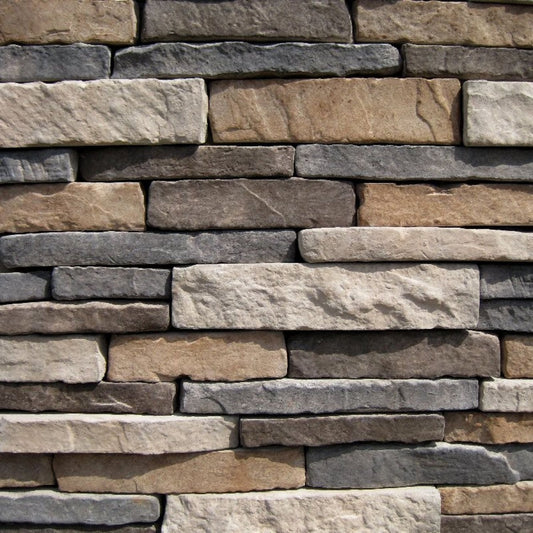
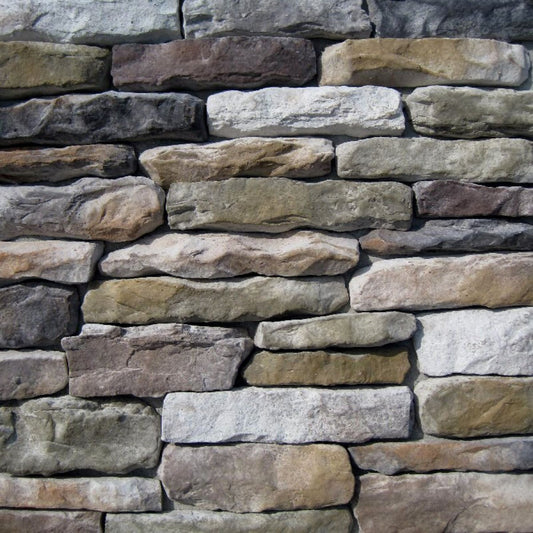
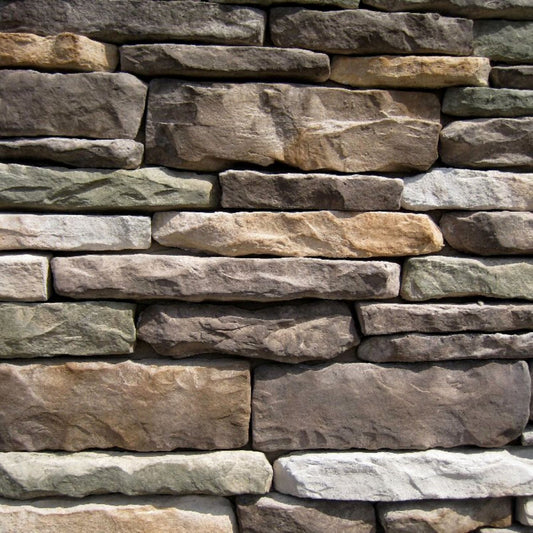
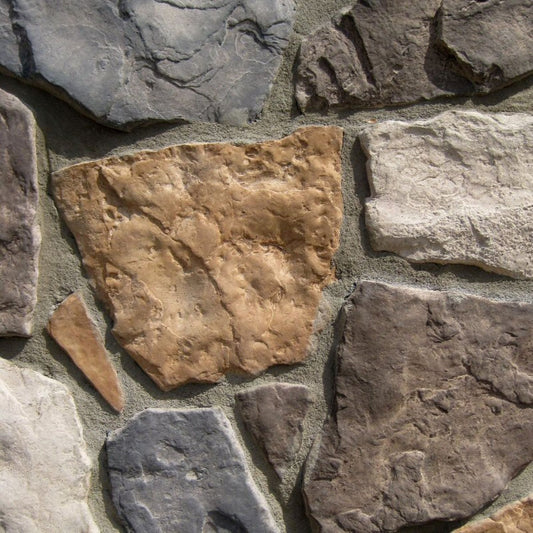
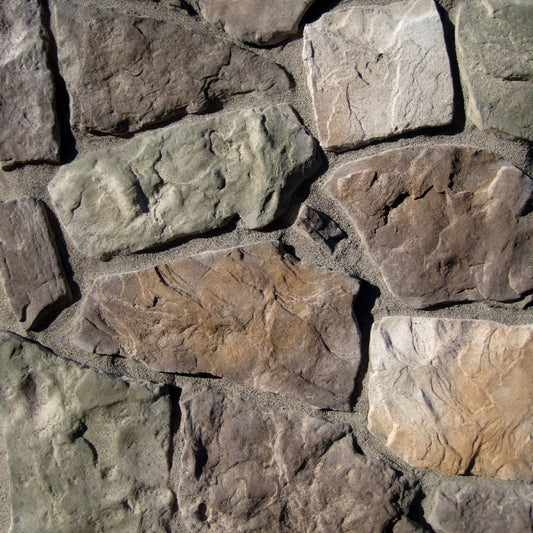
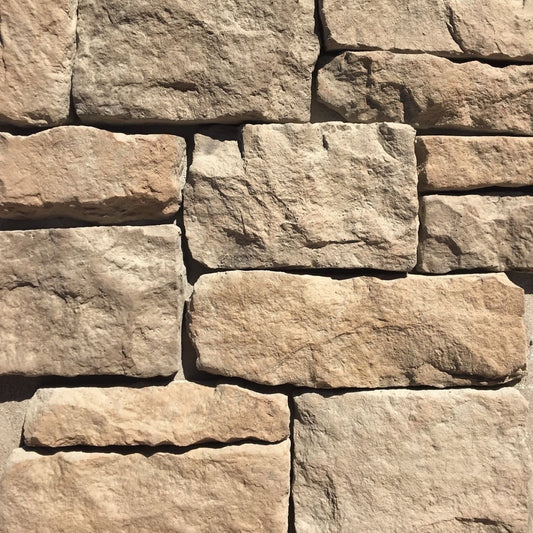
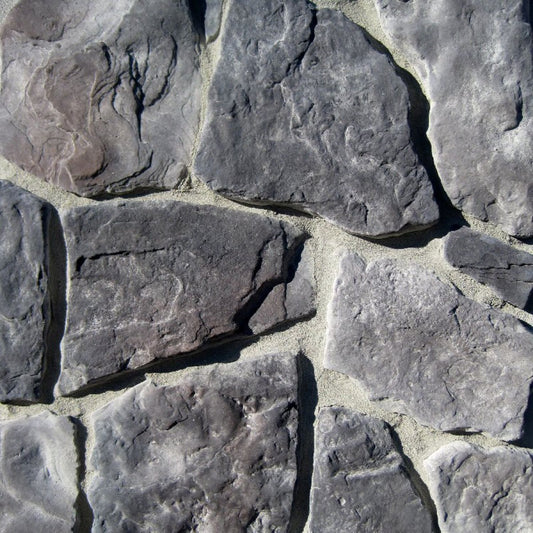
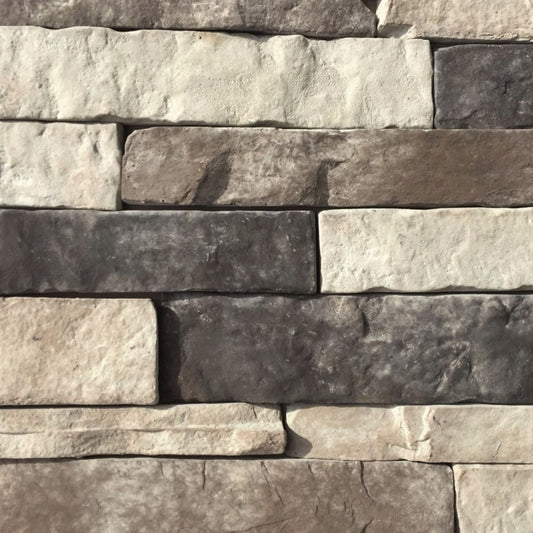
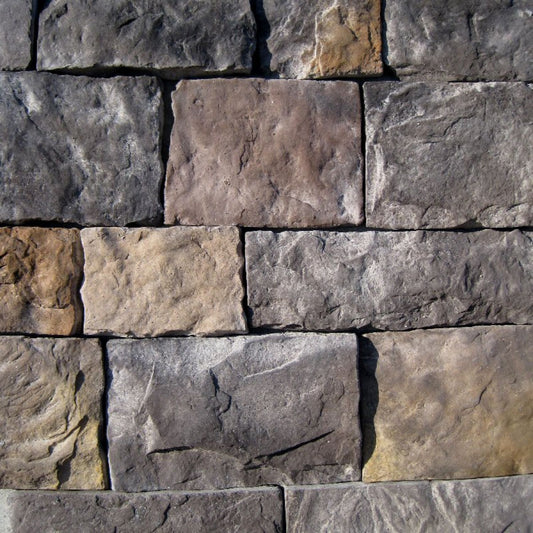
Manufactured stone veneer, sometimes called cultured stone or faux stone, is a lightweight, durable material designed to replicate the look and texture of natural stone. Unlike traditional full-bed natural stone, which can be heavy and difficult to install, stone veneer is engineered from a blend of cement, aggregates, and iron oxide pigments. These materials are poured into molds taken from real stone to capture authentic textures, shapes, and color variations.
This manufacturing process allows for highly realistic, three-dimensional stones that can be installed on walls, fireplaces, facades, foundations, and outdoor features without the need for structural reinforcement. The reduced weight and uniform sizing of manufactured stone veneer simplify installation, reducing labor costs while maintaining the visual appeal of natural stone.
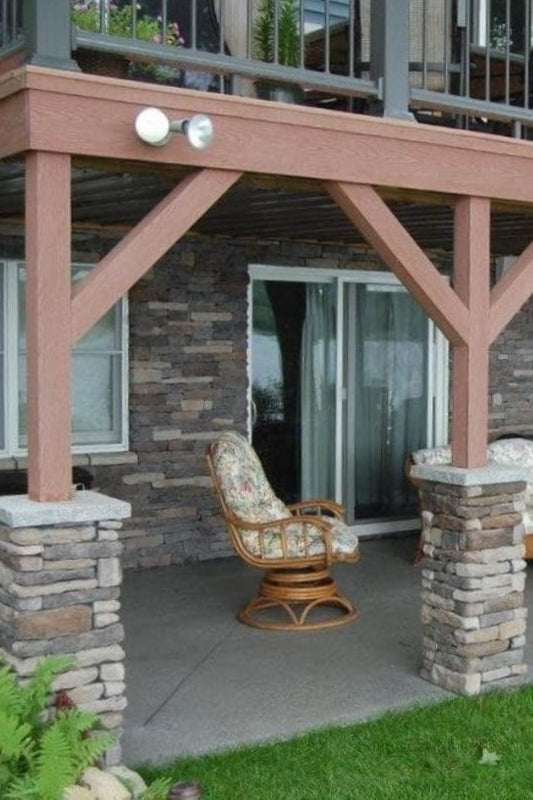
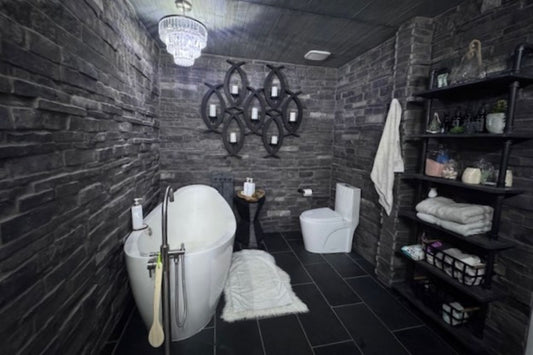
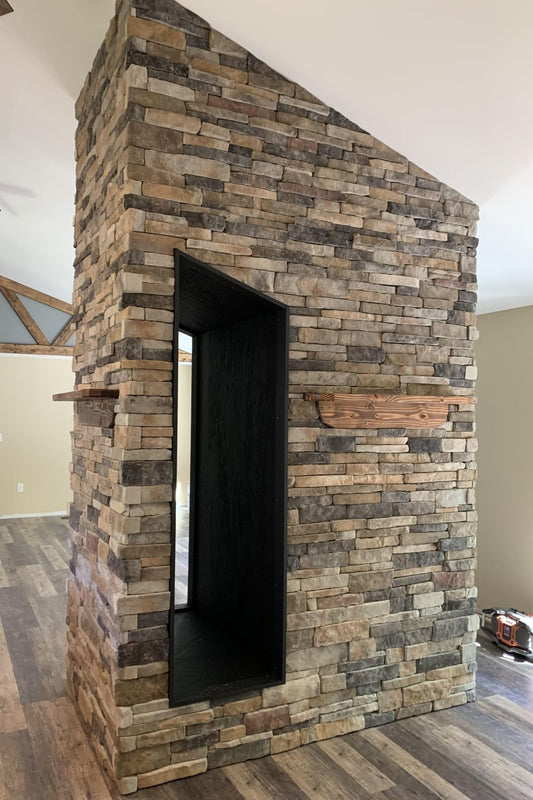
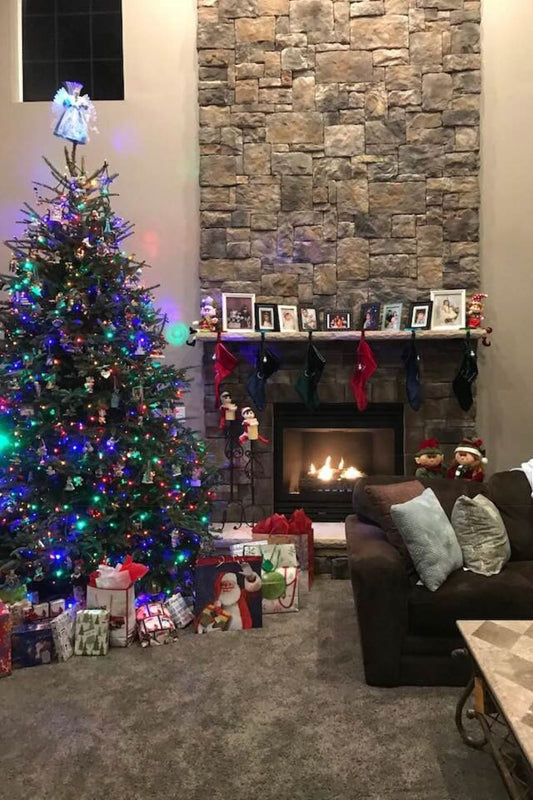
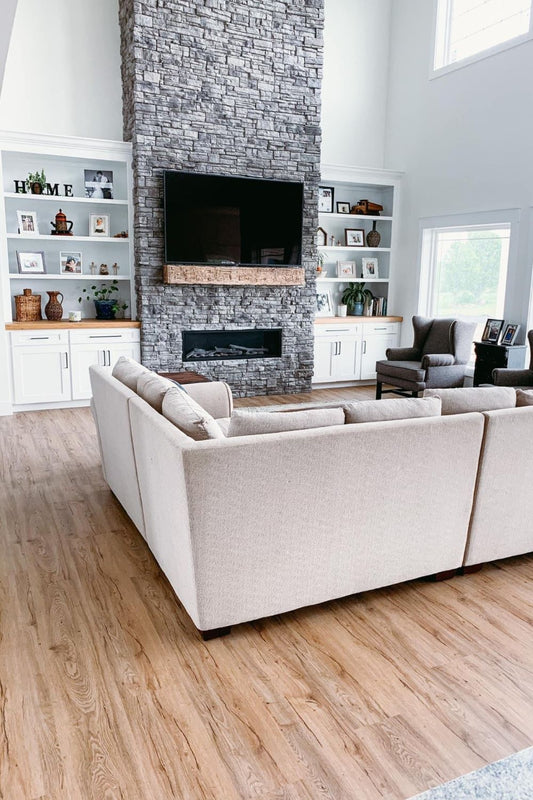
The versatility of stone veneer also makes it suitable for both interior and exterior applications. Interior walls, kitchen islands, and fireplace surrounds can achieve a luxurious, high-end look, while exterior facades gain curb appeal and increased protection against the elements. For commercial properties, stone veneer offers architectural sophistication that attracts tenants or customers while minimizing long-term maintenance.
The aesthetic and visual appeal of stone veneer
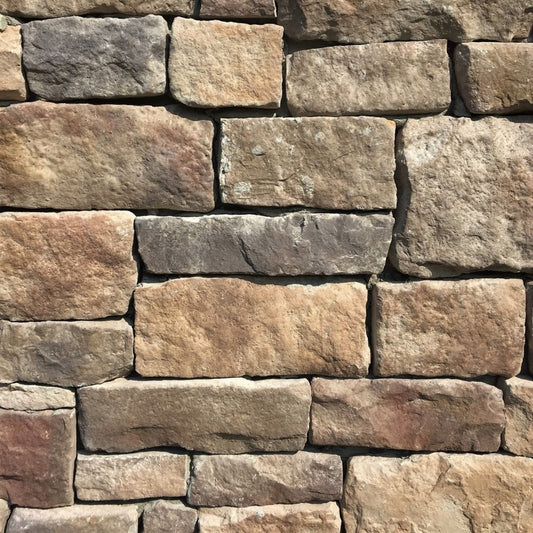
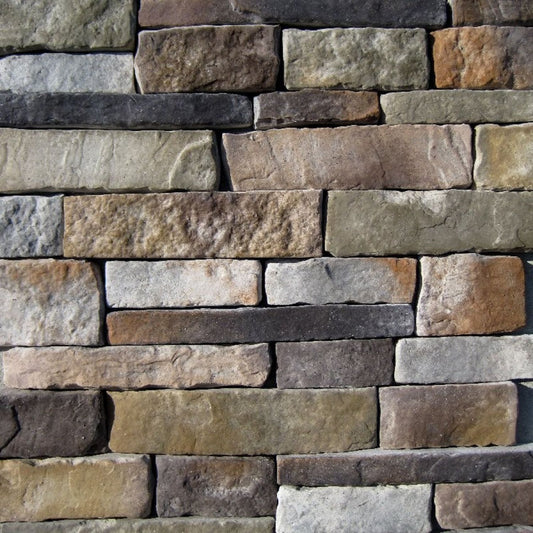
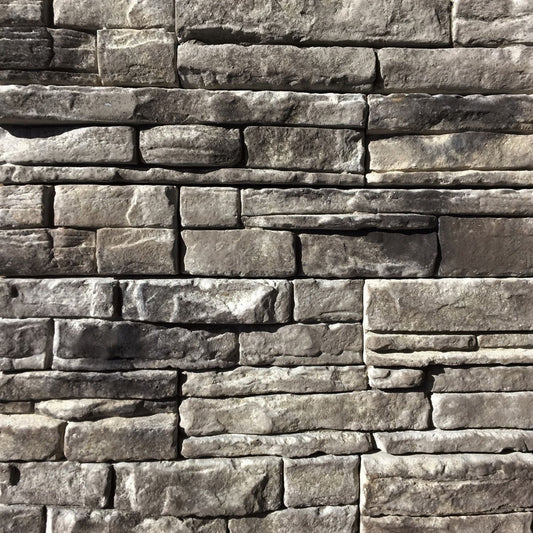
One of the most significant advantages of manufactured stone veneer is its aesthetic impact. Whether installed inside a home or on an exterior wall, stone veneer instantly adds texture, depth, and visual interest. Modern manufacturing techniques replicate the irregularities, shadow lines, and color variations of natural stone, creating an authentic appearance that elevates the overall design of a space.
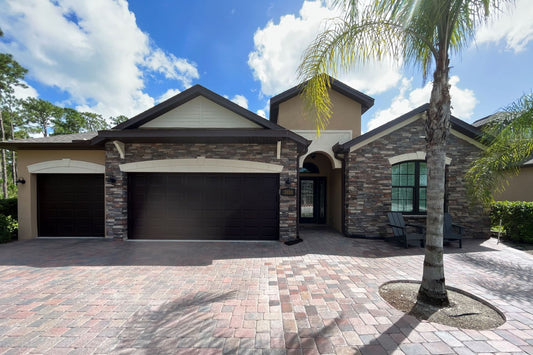
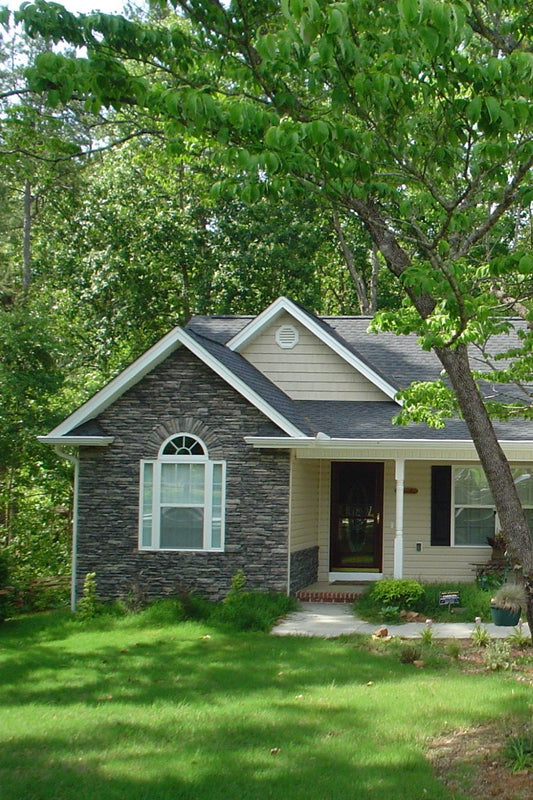
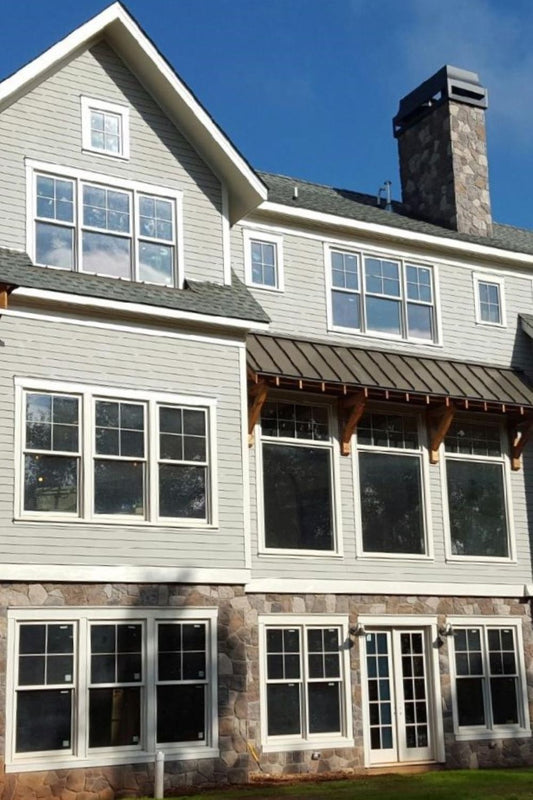
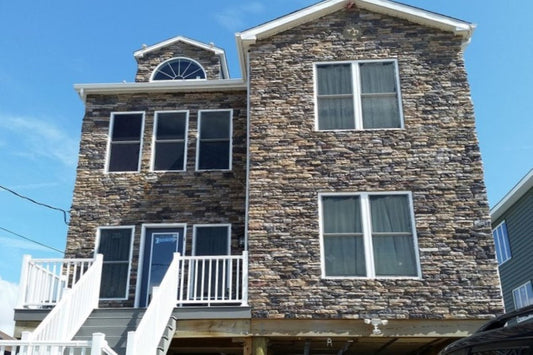
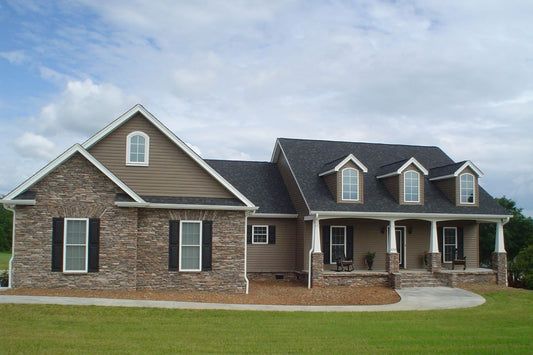
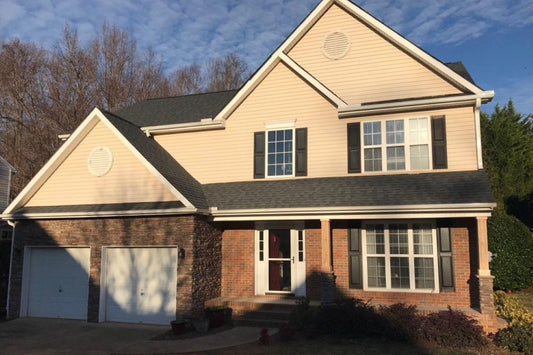
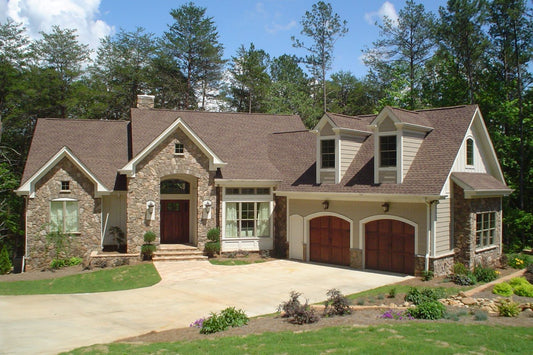
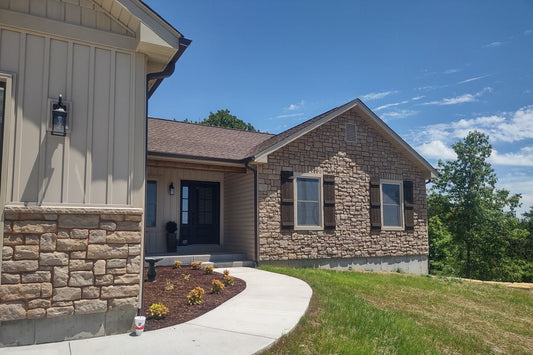
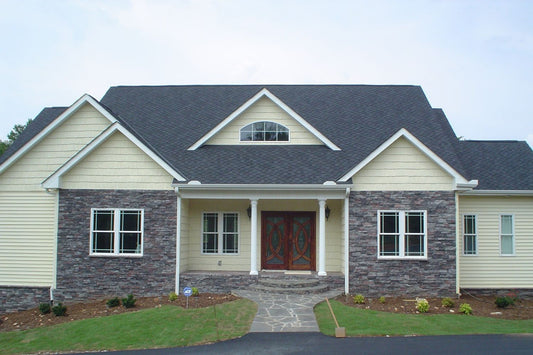
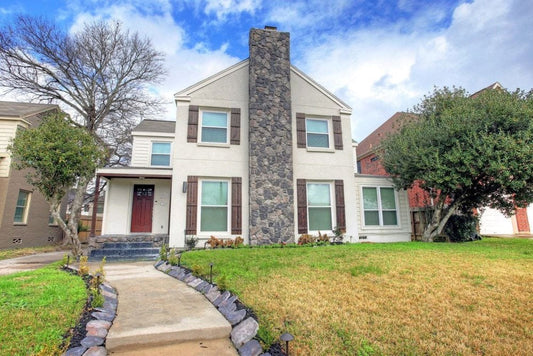
For homeowners, stone veneer enhances curb appeal, giving homes a polished and timeless look. This can be particularly valuable in competitive real estate markets, where first impressions often determine buyer interest. On interior projects, stone veneer provides an elegant focal point for living rooms, kitchens, and bathrooms, complementing both traditional and contemporary design styles.
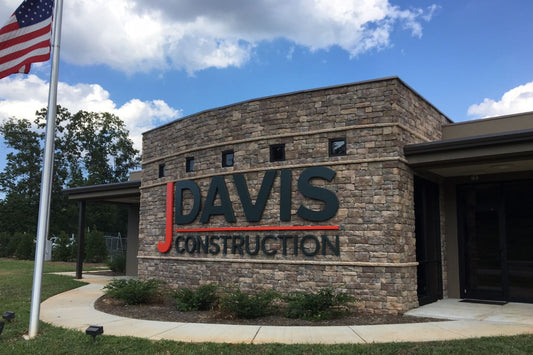
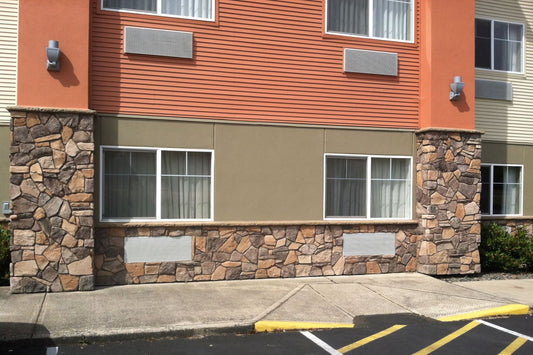
Commercial properties also benefit from the architectural value of stone veneer. Retail storefronts, office buildings, and hospitality venues can use stone veneer to project a sense of permanence and luxury, helping attract customers and tenants. In both residential and commercial settings, the natural look of stone veneer can set a property apart from similar spaces, creating a lasting impression.
Durability and long-term performance
Beyond aesthetics, manufactured stone veneer delivers impressive durability. Engineered as a masonry product, it withstands temperature fluctuations, freeze-thaw cycles, moisture exposure, and everyday wear. Unlike synthetic panel alternatives, which may warp, fade, or crack over time, stone veneer retains its structural integrity and appearance for decades when installed correctly.
The durability of stone veneer also reduces long-term maintenance costs. Unlike wood siding or vinyl, it does not rot, warp, or require frequent painting. Periodic cleaning and occasional sealing in certain climates are generally sufficient to maintain its appearance, making it a cost-effective option over the lifetime of the property. For exterior walls in areas with heavy rainfall, snow, or coastal exposure, stone veneer offers reliable protection while enhancing thermal insulation, potentially contributing to energy savings.
Cost considerations for manufactured stone veneer
The upfront cost of stone veneer is higher than some other siding or wall finishes, such as vinyl or fiber cement. This is due to the manufacturing process, the materials used, and the labor required for proper installation. However, the overall cost should be evaluated in the context of long-term value rather than initial expense alone.
While vinyl siding or synthetic paneling may offer lower installation costs, these materials typically do not provide the same level of aesthetic realism or durability. Over time, synthetic alternatives may require repairs, replacement, or repainting, which can offset initial savings. In contrast, stone veneer combines visual appeal with longevity, often reducing ongoing maintenance expenses and increasing the property’s overall worth.
Proper installation is also critical for cost-effectiveness. Adequate moisture barriers, proper drainage, and attention to detail during installation ensure that the stone veneer performs as intended. Poor installation can lead to water damage, cracking, or efflorescence, which diminishes both the beauty and value of the material. Working with experienced installers may increase upfront costs slightly but helps secure the long-term benefits of the investment.
Return on investment (ROI) for stone veneer
When evaluating the value of stone veneer, one of the most compelling factors is its potential return on investment. According to the "Remodeling 2023 Cost vs. Value Report", adding stone veneer to a property’s exterior can recoup up to 95% of the installation cost at resale. This makes it one of the highest-performing exterior home improvement projects in terms of ROI.
The impact of stone veneer on resale value is closely tied to its ability to enhance curb appeal. Buyers often perceive homes with stone veneer as higher quality, more aesthetically appealing, and better maintained. This perception can lead to faster sales, higher offers, and an overall increase in market value. For commercial properties, stone veneer can similarly boost perceived prestige, making spaces more attractive to tenants and clients.
Additionally, stone veneer offers non-monetary returns in the form of long-term durability, low maintenance, and aesthetic satisfaction. Unlike short-lived or low-quality finishes, stone veneer maintains its appearance and performance for decades, reinforcing its value over time.
Considerations before investing in stone veneer
While the benefits are substantial, there are several factors to consider before committing to stone veneer. The initial cost may be higher than alternative siding options, but this is often balanced by durability and return on investment. Homeowners and investors should also account for installation requirements, ensuring proper moisture management and structural support when necessary.
Climate can play a role in determining the best installation methods and maintenance routines. In freeze-thaw environments or regions with high humidity, additional care may be required to protect the veneer and maintain its appearance. Selecting high-quality materials and following manufacturer guidelines can mitigate potential issues and enhance longevity.
Maintenance is minimal compared to other finishes, but it is not entirely hands-off. Routine cleaning, inspection for cracks or damage, and occasional sealing are recommended to preserve both aesthetic appeal and structural integrity. By planning for these considerations, property owners can maximize the return on their investment while minimizing future costs.
Is stone veneer a good investment?
Manufactured stone veneer represents a balance of beauty, durability, and financial value. Its realistic appearance elevates both interior and exterior spaces, while its structural performance ensures it withstands years of environmental exposure. With proper installation and maintenance, stone veneer offers a compelling return on investment, enhancing resale value and increasing buyer interest.
For property investors and homeowners seeking upgrades that combine immediate visual impact with long-term benefits, stone veneer is often a smart choice. By carefully weighing initial costs, installation requirements, and maintenance expectations, you can make an informed decision that strengthens both the aesthetic and financial value of your property.
Adding manufactured stone veneer to your home or business is more than a design decision, it is a strategic investment. With advantages in curb appeal, durability, low maintenance, and resale value, stone veneer offers a high ROI while providing timeless beauty. For those looking to enhance the look and value of their property, it remains one of the most effective exterior and interior upgrades available today.
From Mountain View Stone: what you should know
At Mountain View Stone, we see manufactured stone veneer as more than a decorative choice, it’s a smart investment in your home or property. Its realistic appearance, durability, and low-maintenance design can enhance both interior and exterior spaces while boosting curb appeal and resale value. While upfront costs may be higher than some siding options, the long-term benefits, including low maintenance, longevity, and strong ROI, make stone veneer a practical, high-impact upgrade for homeowners and property investors alike.
Frequently asked questions
1. Is stone veneer a good investment for resale value? Yes, stone veneer is widely considered a strong investment for resale. Exterior stone veneer, in particular, can deliver an excellent return on investment by boosting curb appeal and increasing buyer interest, often helping homes sell faster and at higher prices.
2. Does manufactured stone veneer add value to your home? Manufactured stone veneer can significantly increase home value by enhancing both interior and exterior aesthetics. Its high-end appearance, durability, and low maintenance requirements make it an attractive feature for potential buyers and property investors alike.
3. How long does stone veneer last? When properly installed and maintained, manufactured stone veneer can last for decades. Its resistance to weather, impact, and fading makes it a long-term upgrade that continues to add value well beyond the initial installation.
4. Is stone veneer expensive compared to other siding options? While stone veneer typically has a higher upfront cost than vinyl or fiber cement siding, it often outperforms those materials in terms of longevity, visual impact, and resale value. Over time, the high ROI can offset the initial investment.
5. Does stone veneer require a lot of maintenance? No, stone veneer is considered a low-maintenance material. Routine cleaning and occasional inspections are usually sufficient, with sealing recommended in some environments to preserve appearance and performance.
6. Can stone veneer be installed in cold or freeze-thaw climates? Yes, stone veneer can perform well in cold climates when installed correctly. Proper moisture management, drainage, and adherence to manufacturer installation guidelines are essential to prevent damage caused by freeze-thaw cycles.
What's next?
Enhance your space with our premium stone veneer! Shop now to explore our collections or order a sample to experience the quality up close!
Have a question?
Please see our full terms of service or check out our frequently asked questions.
For general information and questions please call: (864) 882-8960 Mon. - Fri. 8am - 5pm (EST) or email: info@mountainviewstone.net we are more than happy to help you.
Or you can submit your questions via our contact us page.
We look forward to working with you on your upcoming project.
The Mountain View Stone Team
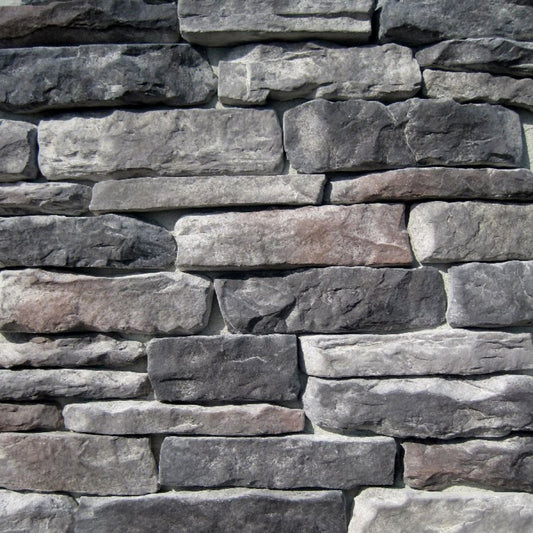
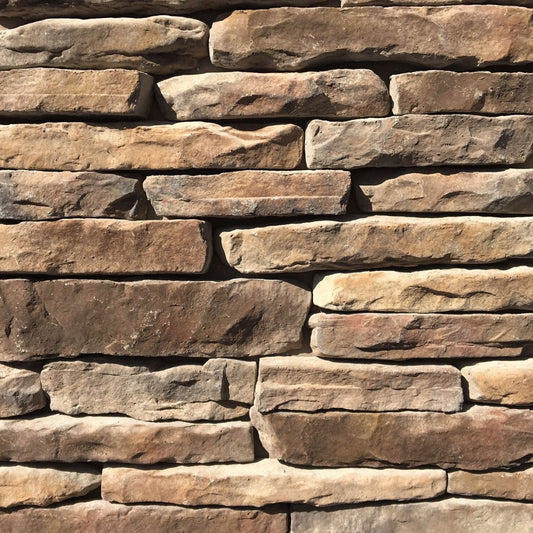
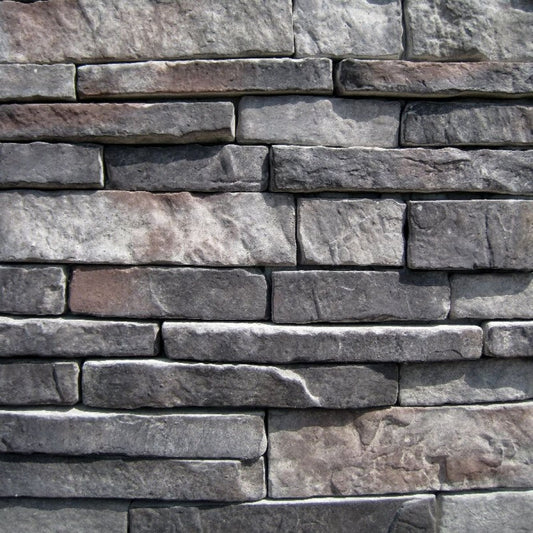
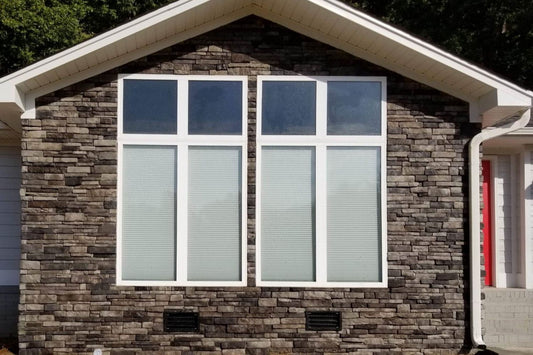
Pictured is stack stone death valley.