
Is Stone Veneer Better Than Vinyl Siding? Comparing Durability, Cost, and Curb Appeal
Share
Originally posted November 7, 2024, updated April 1, 2026.
Manufactured stone veneer offers a premium, natural look with strong resale value, while vinyl siding is more affordable and low-maintenance. The best choice depends on your budget, desired appearance, climate, and long-term goals. Stone veneer excels in aesthetics and value, while vinyl siding is ideal for cost-conscious homeowners seeking durability and easy upkeep.
Choosing the right exterior cladding is one of the most important decisions you can make for your home, influencing everything from curb appeal to durability and long-term value. If you’re still exploring your options, it’s worth starting with our complete guide on comparing manufactured stone veneer, which breaks down how this versatile material stacks up across a range of applications. When narrowing your choices specifically to manufactured stone veneer and vinyl siding, the decision becomes more nuanced, as both materials offer distinct advantages depending on your priorities.
Manufactured stone veneer has become a popular choice for homeowners seeking a high-end, natural look without the cost and structural demands of full-thickness stone. Vinyl siding, meanwhile, continues to be one of the most widely used exterior finishes thanks to its affordability and ease of maintenance. By comparing these two options across key factors like appearance, durability, energy efficiency, and resale value, you can determine which solution best aligns with your home, your climate, and your budget.
Appearance and aesthetic appeal
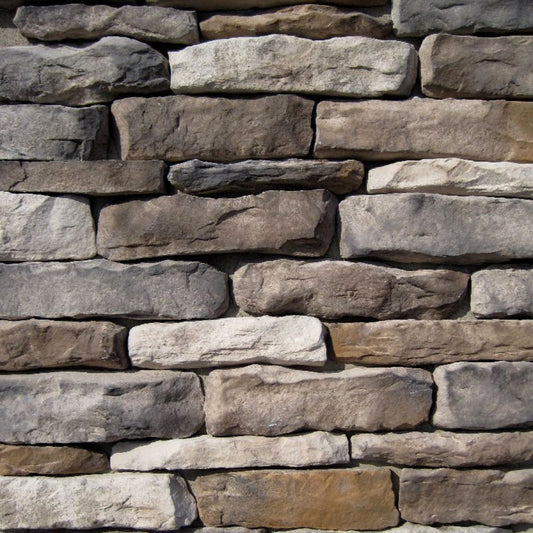
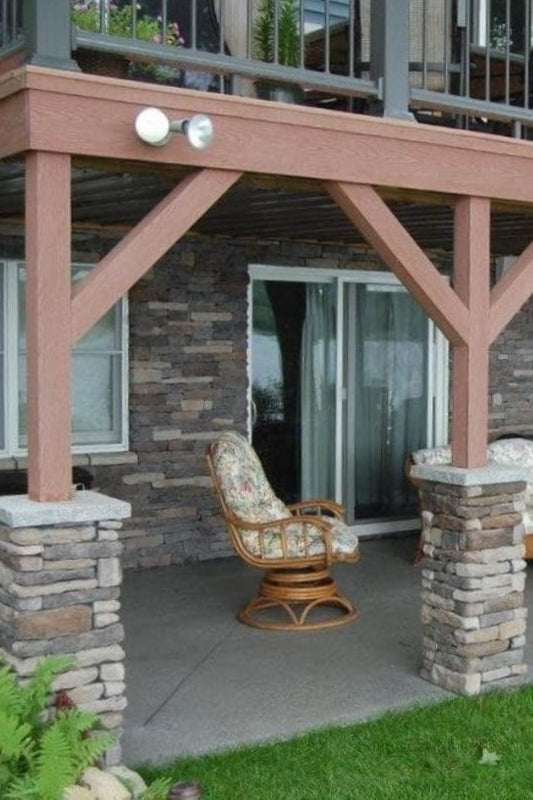
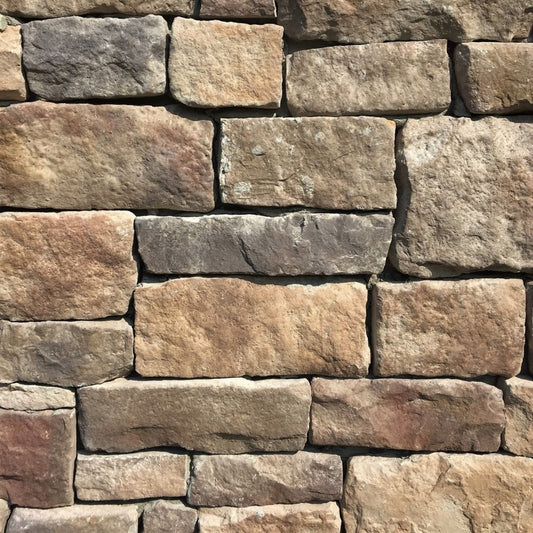
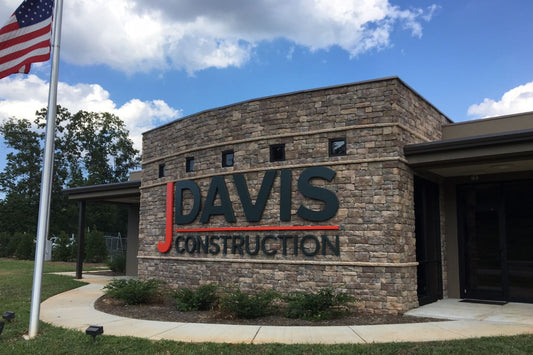
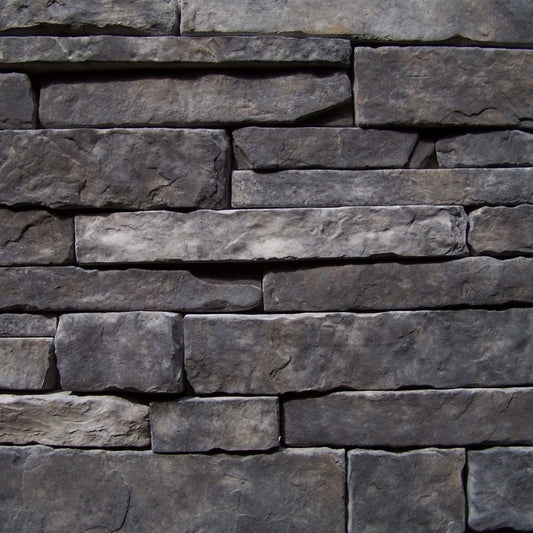
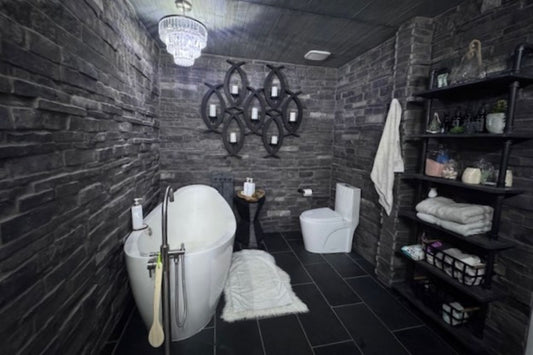
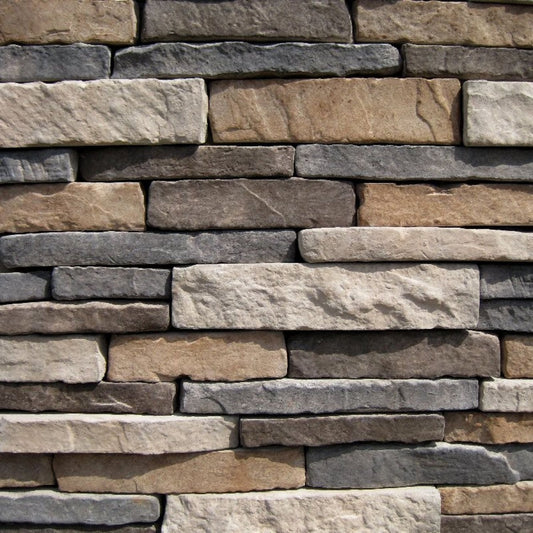
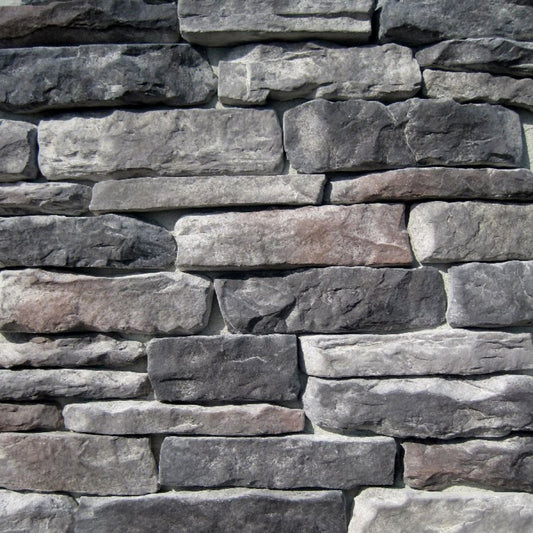
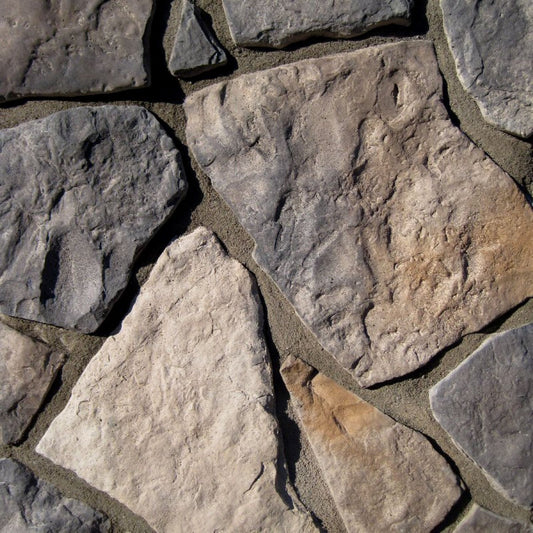
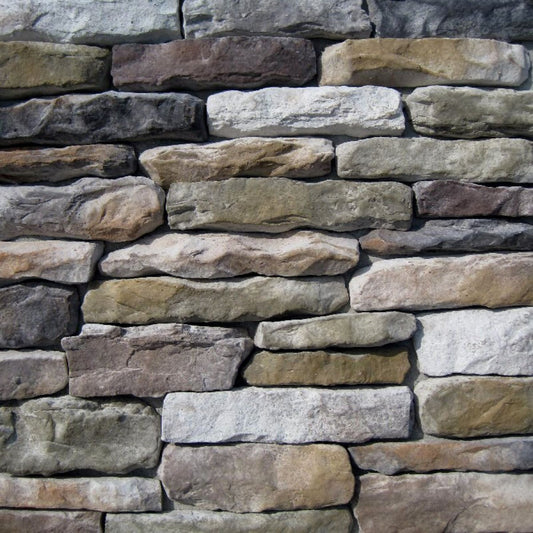
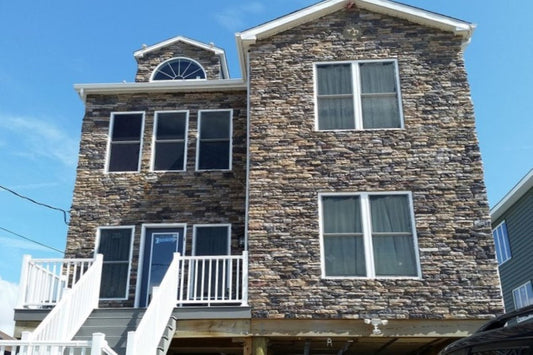
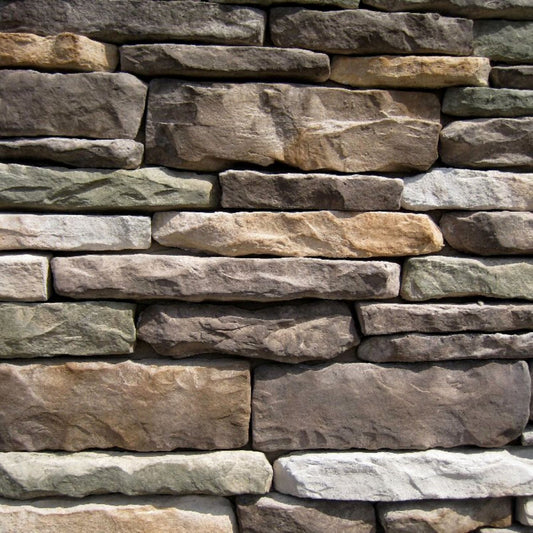
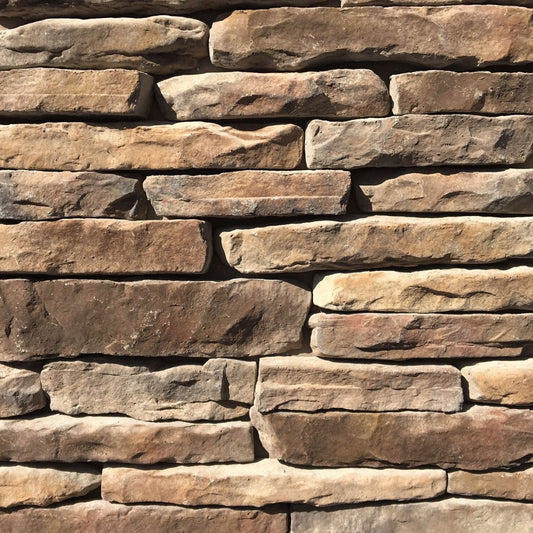
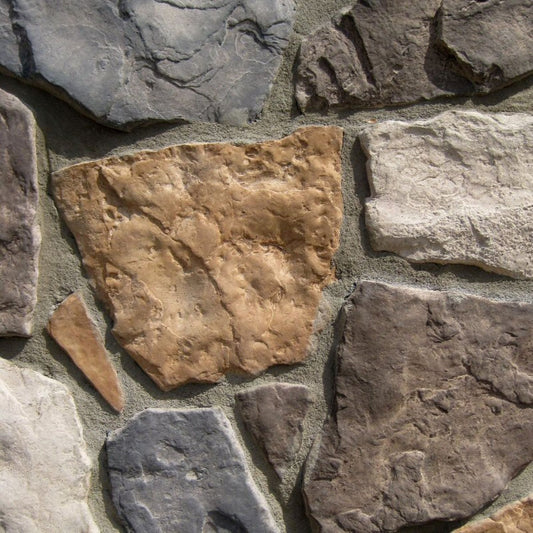
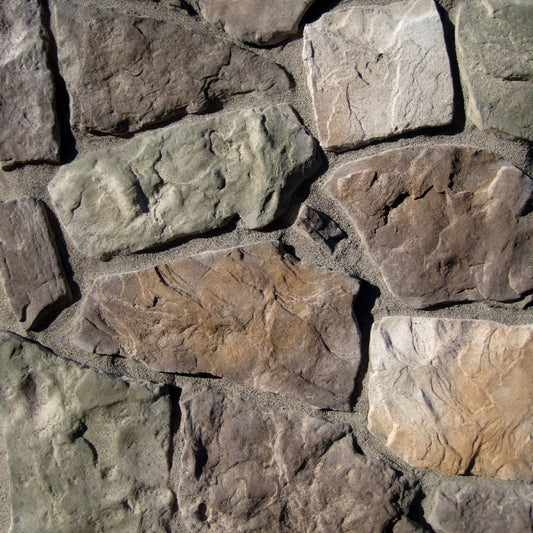
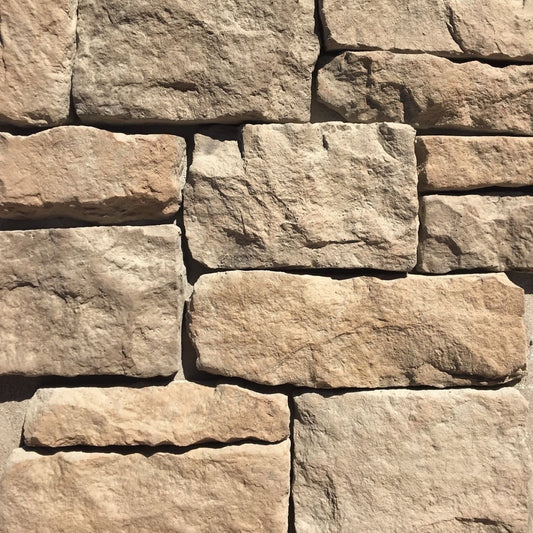
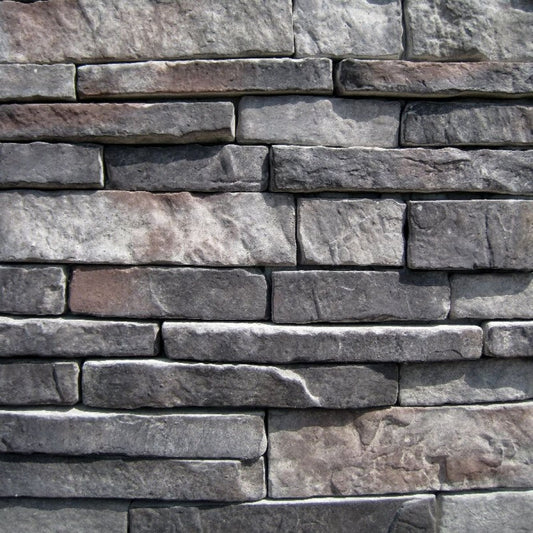
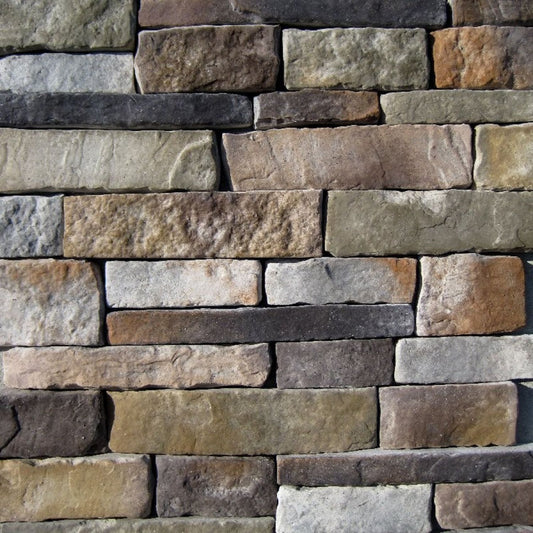
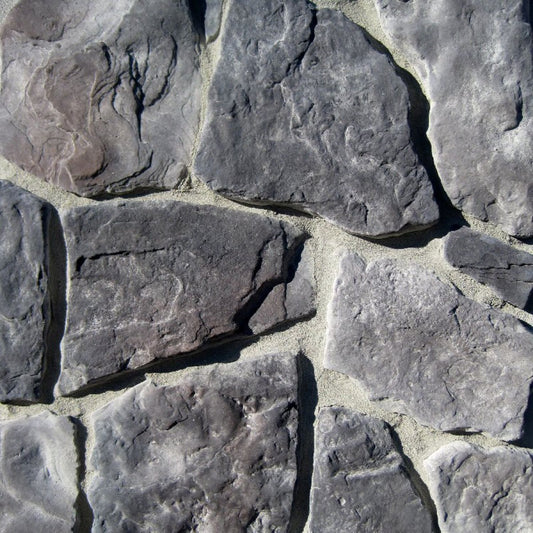
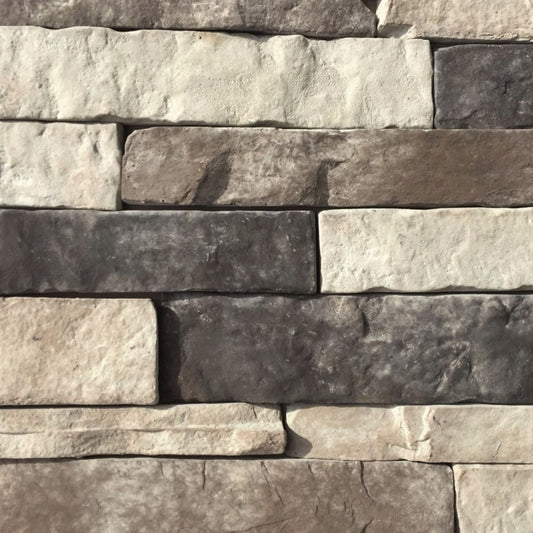
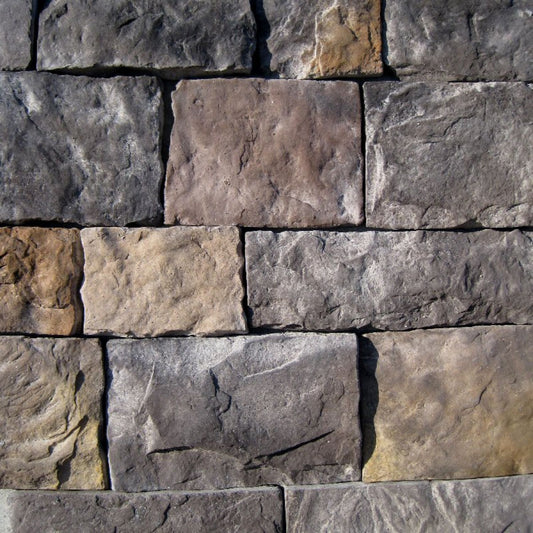
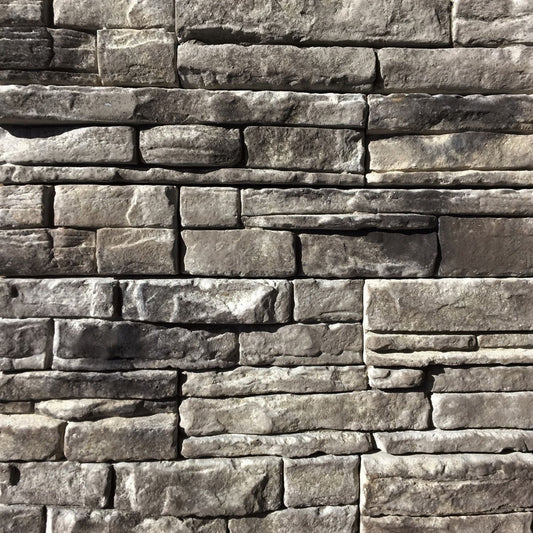
When it comes to visual impact, manufactured stone veneer stands out as a premium exterior finish. Designed to replicate the texture, depth, and color variation of natural stone, it delivers a timeless and sophisticated look that elevates the overall design of a home. Whether used as a full exterior cladding or as an accent on columns, entryways, or lower facades, stone veneer creates a sense of craftsmanship and permanence that few materials can match.
Vinyl siding has improved significantly over the years and now comes in a wide range of colors, profiles, and even wood-look textures. It offers a clean and consistent appearance that works well across many architectural styles, from traditional to modern. However, despite these advancements, vinyl siding still lacks the dimensional depth and natural variation that make stone veneer so visually compelling.
For homeowners prioritizing curb appeal and architectural character, manufactured stone veneer is the clear winner. It brings a richness and authenticity that vinyl siding simply cannot replicate.
Durability and weather resistance
Both manufactured stone veneer and vinyl siding are designed to withstand the elements, but they perform differently depending on the climate and installation quality. Manufactured stone veneer is highly durable and can last for decades when properly installed and maintained. It resists fading from UV exposure and holds up well against rain, wind, and heat. In colder climates, including regions that experience freeze-thaw cycles, proper installation is critical to prevent issues such as cracking or moisture intrusion.
Vinyl siding is also known for its resilience. It is resistant to moisture, insects, and rot, making it a practical option for many homeowners. It performs well in a variety of weather conditions, but in extremely cold temperatures, vinyl can become brittle and more susceptible to cracking. In high heat, lower-quality vinyl may warp or expand.
In terms of overall durability, the comparison is relatively even. Both materials can perform exceptionally well when installed correctly, though each has vulnerabilities depending on environmental conditions.
Insulation and energy efficiency
Energy efficiency is an increasingly important consideration for homeowners, especially in climates with significant temperature fluctuations. Manufactured stone veneer offers some inherent thermal mass, which can help regulate indoor temperatures by absorbing and slowly releasing heat. However, it is typically installed as part of a larger wall system that includes insulation layers to achieve optimal performance.
Vinyl siding on its own provides minimal insulation. That said, insulated vinyl siding options are available and can significantly improve a home’s energy efficiency. These systems include built-in foam backing that reduces thermal bridging and helps maintain more consistent indoor temperatures.
When comparing standard materials, manufactured stone veneer has a slight advantage due to its density and thermal properties. However, insulated vinyl siding can outperform both in terms of pure energy efficiency, making it the better option for homeowners focused specifically on reducing heating and cooling costs.
Cost and long-term value
Cost is often one of the most influential factors in choosing exterior cladding. Vinyl siding is widely recognized for its affordability, both in terms of material and installation. It is one of the most budget-friendly ways to update a home’s exterior, making it especially appealing for large-scale projects or investment properties.
Manufactured stone veneer typically comes with a higher upfront cost. The material itself is more expensive than vinyl, and installation often requires skilled labor to ensure proper placement and long-term performance. Despite the higher initial investment, stone veneer delivers significant value in other ways. Its high-end appearance can dramatically enhance curb appeal and contribute to a higher perceived home value.
Over time, many homeowners find that the investment in stone veneer pays off, particularly when it comes to resale. Vinyl siding remains a practical and cost-effective solution, but it does not offer the same level of visual impact or return on investment.
Maintenance requirements
One of the reasons both materials are so popular is their relatively low maintenance requirements. Manufactured stone veneer requires occasional cleaning to remove dirt and debris, as well as periodic inspections to ensure there are no cracks or signs of wear. In some cases, sealing may be recommended depending on the application and climate.
Vinyl siding is also easy to maintain and typically only requires a simple rinse with water to keep it looking clean. It resists mold, pests, and rot, making it an attractive option for homeowners seeking a hassle-free exterior solution.
In terms of maintenance, both materials perform similarly. Neither requires intensive upkeep, and both are well-suited for homeowners looking for long-lasting, low-maintenance finishes.
Environmental impact
Sustainability is becoming a more important factor in building and renovation decisions. Manufactured stone veneer has an advantage in this area due to its longevity. Because it can last for decades without needing replacement, it contributes less waste over time.
Vinyl siding, made from PVC, has a more complex environmental profile. Its production process is resource-intensive, and while recycling options exist, they are not as widely accessible. Vinyl is also not biodegradable, which raises concerns about long-term environmental impact.
For homeowners who prioritize sustainability and long-term environmental considerations, manufactured stone veneer is generally the more eco-friendly choice.
Resale value and buyer appeal
The exterior of a home plays a major role in first impressions, and this directly influences resale value. Manufactured stone veneer is widely associated with luxury and quality, making it highly attractive to potential buyers. Homes with stone accents or full stone veneer exteriors often stand out in the market and can command higher asking prices.
Vinyl siding improves curb appeal and provides a clean, well-maintained look, but it is generally seen as a more standard or utilitarian option. While it can certainly enhance a home’s appearance, it does not carry the same premium perception as stone.
For homeowners thinking long-term or planning to sell in the future, manufactured stone veneer offers a stronger return in terms of buyer appeal and resale value.
Is stone veneer better than vinyl siding?
The answer ultimately depends on your priorities. Manufactured stone veneer is the better choice for homeowners who value aesthetics, long-term value, and a high-end exterior finish. It delivers unmatched visual appeal and can significantly enhance both curb appeal and resale potential.
Vinyl siding, on the other hand, is ideal for those working within a tighter budget or seeking a simple, low-maintenance solution. With the option of insulated vinyl siding, it can also be a strong contender for energy efficiency.
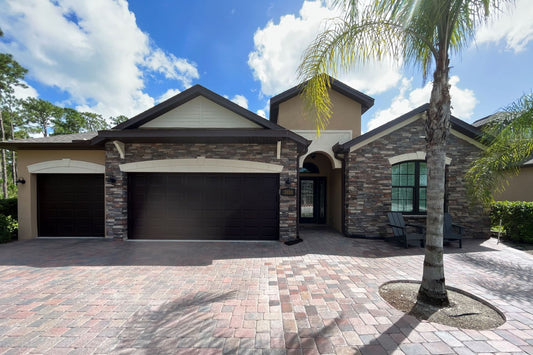
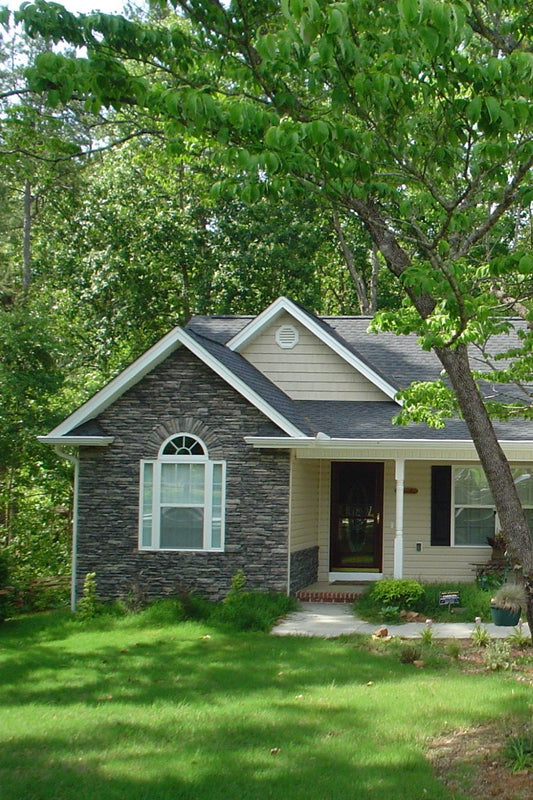
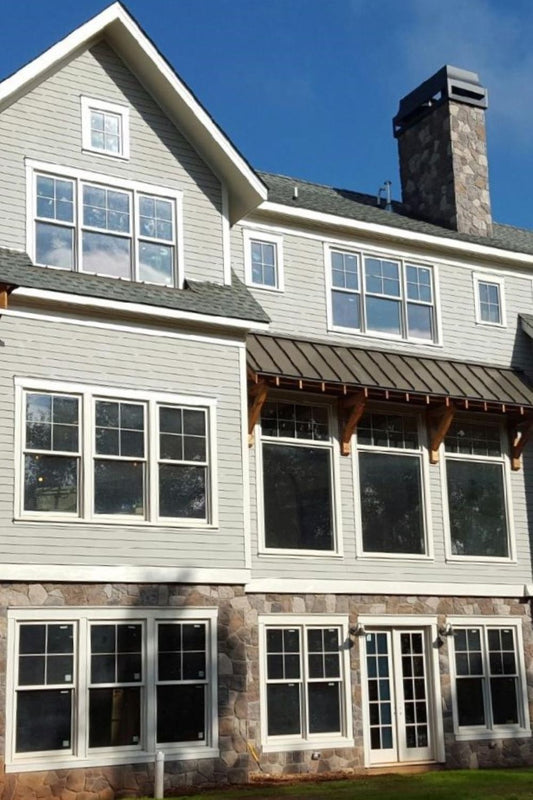
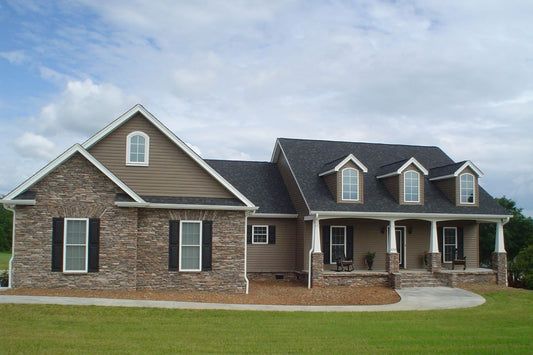
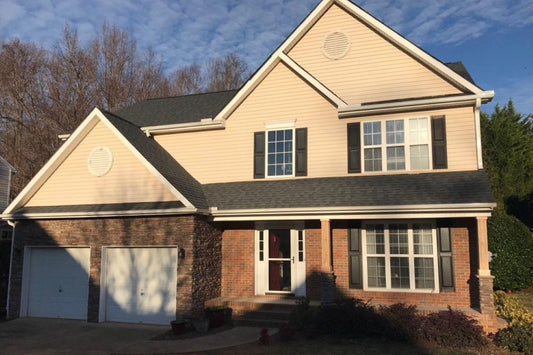
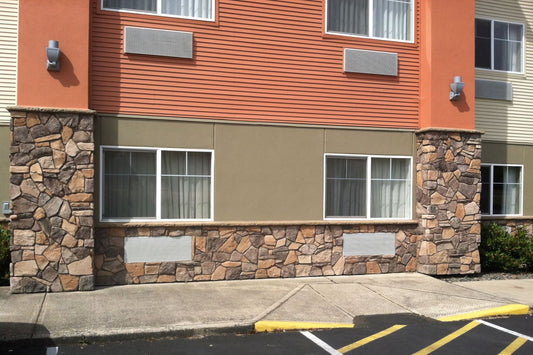
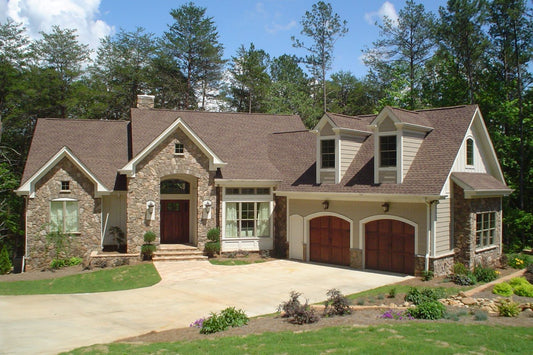
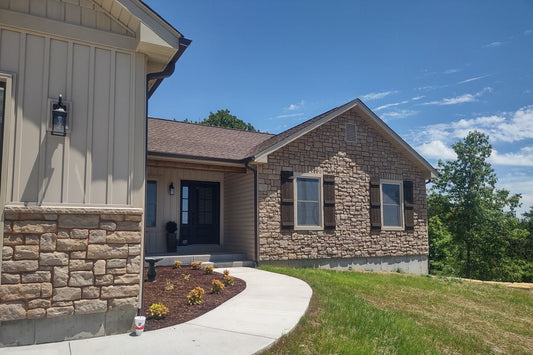
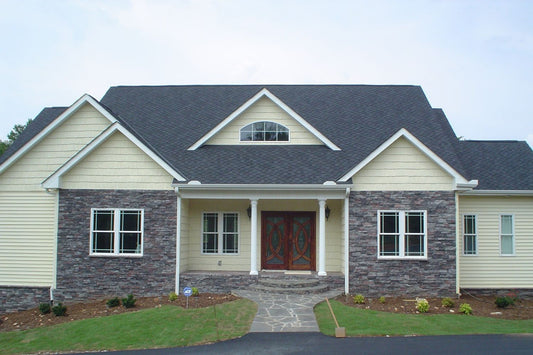
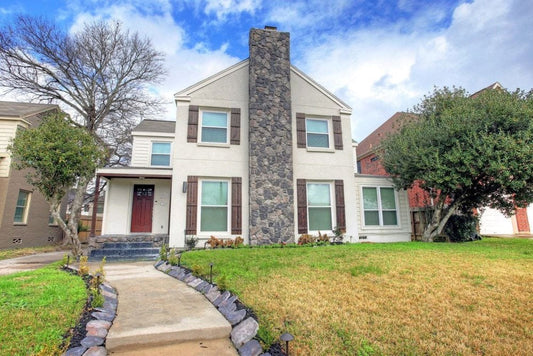
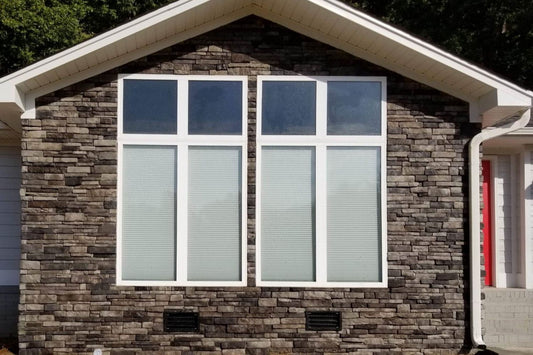
In many cases, the best solution is not choosing one over the other, but combining them. Using manufactured stone veneer as an accent alongside vinyl siding can create a balanced design that maximizes both style and cost efficiency.
From Mountain View Stone: what you should know
At Mountain View Stone, we often tell homeowners that choosing between manufactured stone veneer and vinyl siding isn’t about which material is better, but about how you want your home to look and perform over time. Vinyl siding offers a practical, budget-friendly solution with minimal upkeep, while stone veneer delivers a level of depth, texture, and architectural character that significantly elevates curb appeal. In many cases, the best results come from combining the two, using stone veneer in key areas like entryways, columns, or lower facades to create a strong visual foundation, while vinyl siding provides efficient coverage elsewhere. It’s also important to factor in your local climate, installation quality, and long-term goals, as these will ultimately determine how well either material performs. When thoughtfully planned, both options can work together to create a durable, balanced, and visually striking exterior.
Frequently asked questions
1. Is manufactured stone veneer more expensive than vinyl siding? Yes. Stone veneer usually has a higher upfront cost due to materials and installation, but it adds lasting visual appeal, durability, and potential resale value, making it a worthwhile investment.
2. Does stone veneer last longer than vinyl siding? Stone veneer generally outlasts vinyl siding when properly installed and maintained. It resists cracking, fading, and weather damage, while vinyl can warp or discolor over time, especially in extreme climates.
3. Can vinyl siding mimic wood or stone? Vinyl can imitate wood grain and textures, but it lacks the depth, variation, and three-dimensional realism of high-quality stone veneer, which provides a more authentic, luxurious exterior look.
4. Which performs better in cold climates? Both materials can work in cold climates if installed correctly. Stone veneer requires proper sealing and attention to freeze-thaw cycles, while vinyl siding can become brittle in extreme cold. Many homeowners combine both for durability and style.
5. Is insulated vinyl siding worth it? Yes. Insulated vinyl siding improves energy efficiency, reduces drafts, and adds a more substantial look that pairs well with stone veneer, making it a practical and stylish upgrade.
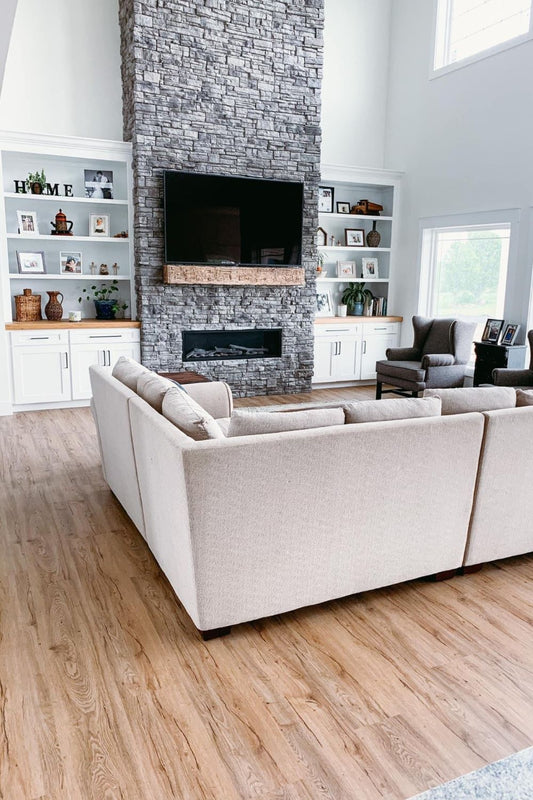
6. Can I combine stone veneer and vinyl siding? Absolutely. Stone veneer is often used as an accent on entryways, fireplaces, or lower walls, while vinyl siding covers the rest. This combination adds depth, curb appeal, and a luxurious look without the cost of full stone coverage.
What's next?
Upgrade your space with our beautiful stone veneer! Shop now to explore our assortment or order a sample to experience the quality firsthand!
Have a question?
Please see our full terms of service or check out our frequently asked questions.
For general information and questions please call: (864) 882-8960 Mon. - Fri. 8am - 5pm (EST) or email: info@mountainviewstone.net we are more than happy to help you.
Or you can submit your questions via our contact us page.
We look forward to working with you on your upcoming project.
The Mountain View Stone Team
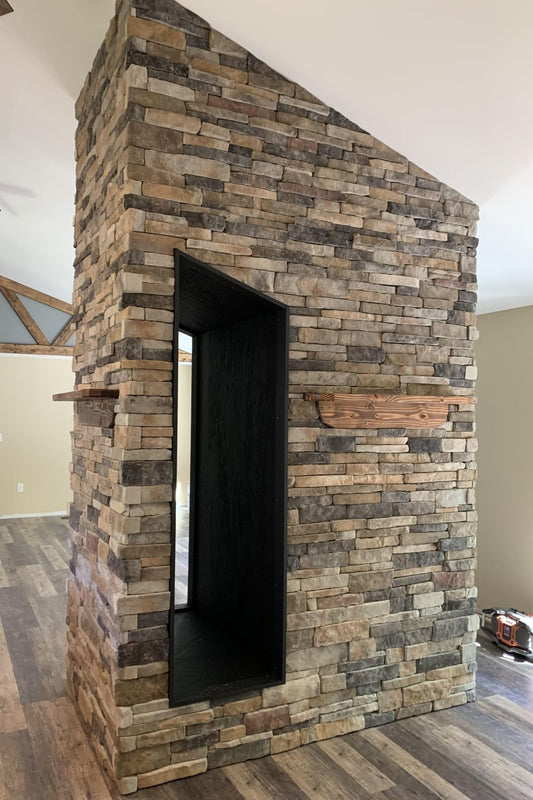
Pictured is ready stack alabama.