
Is Stone Veneer Hard to Install? Tips for DIY and Professional Installations
Share
Originally posted October 21, 2024, updated March 24, 2026.
Installing manufactured stone veneer is easier than full-thickness stone. With proper surface prep, mortar techniques, and cutting methods, you can achieve professional results.
Thinking about upgrading your home with stone veneer but unsure about the installation process? Many homeowners ask, is stone veneer hard to install? With the right guidance, it can be a manageable and rewarding project. Our DIY stone veneer installation guide provides step-by-step advice for homeowners who want to tackle stone veneer installation themselves, covering everything from surface preparation to cutting, mortar application, and finishing techniques.
So, is stone veneer hard to install? While it does require proper preparation, attention to detail, and some patience, manufactured stone veneer is much easier to work with than full-thickness stone. With the right tools, techniques, and careful planning, even a DIYer can achieve professional-looking results. This post will walk you through the key steps, common challenges, and expert tips to help you transform your walls, fireplace, or exterior surfaces with confidence.
Why Choose Manufactured Stone Veneer?
Manufactured stone veneer has become a go-to material for homeowners, designers, and contractors alike due to its unique combination of beauty, versatility, and practicality. Unlike natural stone, which can be heavy, expensive, and labor-intensive to install, manufactured stone veneer is lightweight and easier to handle. This means your walls, fireplaces, or exterior surfaces do not require extensive structural reinforcement, reducing both cost and complexity.
Affordability is another major advantage. Manufactured stone veneer offers the luxurious aesthetic of real stone without the high material or labor costs. Homeowners can enjoy the elegance of natural stone finishes while staying within budget. Beyond cost and weight, manufactured stone veneer is highly customizable. Available in countless colors, textures, and styles, it can complement almost any architectural style, from modern homes to rustic cabins. Whether used for a striking fireplace, a backyard accent wall, or the exterior facade of your home, stone veneer provides versatility and design freedom.
Preparing for Stone Veneer Installation
Proper surface preparation is the foundation of a successful stone veneer project. The type of surface you are applying the veneer to, whether drywall, wood, concrete, or masonry, dictates how you prepare it. For wood and drywall, installation requires a water-resistant barrier followed by metal lath to create a stable surface for mortar. Concrete or masonry walls often allow veneer to be applied directly, provided the surface is clean and primed. In cases where the concrete or masonry is uneven or compromised, adding a water-resistant barrier and metal lath is recommended.
Surface preparation is not just a step in the process, it’s critical to ensuring the longevity and adhesion of your veneer. Skipping or rushing this step can lead to mortar failure or stones shifting over time. Taking the time to prep your surfaces correctly prevents future issues and ensures a professional-looking installation.
Mortar Application and Stone Placement
Once the surface is prepared, the next step is mortar application. Mortar acts as the adhesive that bonds the stone veneer to your walls. Begin with a scratch coat applied to the prepared surface and allow it to cure according to manufacturer instructions. Each stone piece is then "buttered" with a layer of mortar on the back before being pressed firmly into place.
This step requires patience and attention to detail. Even minor inconsistencies in mortar thickness or pressure can affect how stones sit and adhere. Some modern manufactured stone panels are designed to interlock, reducing the need for excessive mortar and helping achieve a seamless, uniform appearance. While mortar work can be messy, following proper techniques ensures a strong, durable bond that will last for years.
Cutting and Fitting Stone Veneer
Stone veneer installation almost always involves some cutting, especially around windows, doors, corners, or other architectural obstacles. Cutting veneer pieces requires precision but is manageable with the right tools. A wet saw or angle grinder fitted with a diamond blade provides clean, accurate cuts.
Safety is crucial during this step. Wearing protective gear such as goggles, gloves, and a dust mask is essential to prevent injuries. Measuring carefully before each cut ensures a natural, cohesive appearance and minimizes waste. Precision in cutting is not just about aesthetic,; it also helps maintain the structural integrity of the installation.
Grouting: Optional but Impactful
Some stone veneer installations call for grouting between stones, while others are designed to be dry-stacked for a more rustic look. When grouting is required, it involves filling the joints with mortar using a grout bag, a process that requires steady hands and attention to consistency. Properly grouted installations provide a finished, polished appearance and help lock the stones in place, adding durability and longevity to your walls or fireplace.
Common Challenges and How to Overcome Them
Even though stone veneer is more manageable than natural stone, there are several challenges homeowners may face. Time is a notable factor; while the process itself isn’t complex, larger walls or exterior projects can take several days to complete. Planning your project timeline ensures you can work efficiently without rushing.
Mortar consistency is another common issue. Too thick, and the stones may not adhere properly; too thin, and they can sag or slip. Testing small batches and adjusting as needed can prevent these problems. Achieving a natural, seamless look also requires careful measurement and cutting. Taking your time and using the right tools makes a significant difference in the final result.
Stone Panels vs. Individual Stones
For homeowners concerned about the complexity of installation, manufactured stone veneer panels offer a helpful alternative. Stone panels are pre-arranged sections of veneer that cover larger areas and are designed to interlock seamlessly. They reduce installation time, provide consistent spacing, and simplify alignment. Panels are especially useful for large exterior walls or fireplaces where speed, uniformity, and efficiency are priorities.
Professional Installation: When it Makes Sense
Although many DIYers successfully install stone veneer, hiring a professional may be the best choice for certain projects. Complex surfaces, large-scale installations, or intricate designs often benefit from the expertise of an experienced mason. For those looking to achieve a flawless, professional finish, check out our guide on how to install manufactured stone veneer like a pro which highlights techniques and tips for achieving expert-level results. Professionals have the tools, experience, and knowledge to troubleshoot challenges and ensure a flawless finish. While hiring a contractor increases cost, it provides peace of mind and often speeds up the project timeline.
Is Stone Veneer Hard to Install?
The answer depends on your experience level and the complexity of the project. For those comfortable with basic masonry and construction techniques, installing manufactured stone veneer is a rewarding and manageable project. With the right tools, preparation, and patience, you can transform your home’s look without the need for heavy natural stone. However, if you’re short on time or uncertain about the process, professional installation is always a reliable option. Either way, manufactured stone veneer offers a beautiful, durable, and cost-effective solution for upgrading the look of your home. Whether you’re creating an inviting fireplace surround or a stunning exterior feature wall, manufactured stone veneer can provide that timeless stone appearance with a lot less hassle than you might expect.
From Mountain View Stone: What You Should Know
At Mountain View Stone, we’ve seen that the difference between a good stone veneer installation and a great one almost always comes down to preparation and patience. While manufactured stone veneer is designed to be more DIY-friendly than full-thickness stone, skipping steps like proper surface prep, using the right mortar consistency, or planning your layout can lead to issues down the road. For many homeowners, starting with a smaller project, like a feature wall or fireplace, is a smart way to build confidence before tackling larger areas. It’s also worth considering stone veneer panels for faster, more uniform results. Whether you choose to DIY or hire a professional, taking the time to do it right ensures a finished look that feels natural, durable, and built to last.
Frequently Asked Questions About Is Stone Veneer Hard to Install?
Is stone veneer difficult to install for beginners?
While stone veneer requires proper surface preparation and attention to detail, it is easier to work with than full-thickness stone. Homeowners with basic DIY skills can successfully install it with the right tools and guidance.
Can stone veneer be installed over any surface?
Yes, stone veneer can be applied to wood, drywall, concrete, or masonry surfaces. However, proper preparation, such as a water-resistant barrier, and metal lath and scratch coat for wood or drywall, is essential for a strong, long-lasting installation.
Do I need special tools to cut and shape stone veneer?
Cutting stone veneer typically requires a wet saw or an angle grinder with a diamond blade. Using the correct tools along with protective gear ensures clean cuts and a safe installation process.
Are stone veneer panels easier to install than individual stones?
Yes, stone panels are pre-arranged sections that cover larger areas, making installation faster and more uniform. They are especially useful for large walls or exterior projects where consistency and speed are important.
How long does it take to install stone veneer?
Installation time depends on the project size and complexity. Smaller accent walls may take a day or two, while full exterior walls or large fireplaces could take several days. Planning ahead helps manage time effectively.
Is it worth hiring a professional to install stone veneer?
If you’re short on time, working with complex surfaces, or lack the necessary tools, professional installation is a reliable option. Experienced contractors can ensure a flawless, long-lasting finish.
What's Next?
Elevate your project with our premium stone veneer! Shop now to browse our beautiful selection or order a sample to see and feel the quality for yourself!
Have a Question?
Please see our full terms of service or check out our frequently asked questions.
For general information and questions please call: (864) 882-8960 Mon. - Fri. 8am - 5pm (EST) or email: info@mountainviewstone.net we are more than happy to help you.
Or you can submit your questions via our contact us page.
We look forward to working with you on your upcoming project.
The Mountain View Stone Team
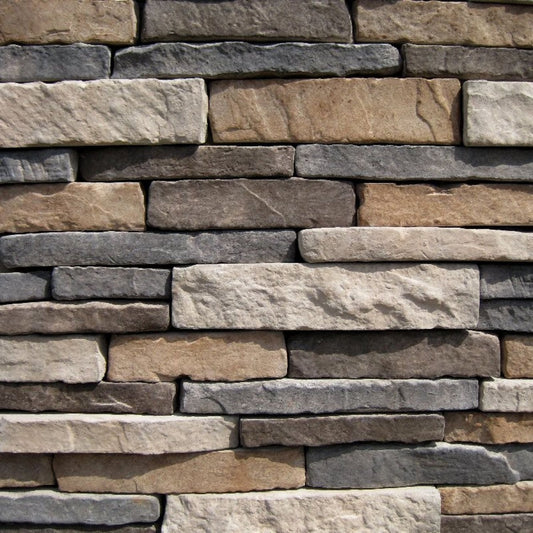
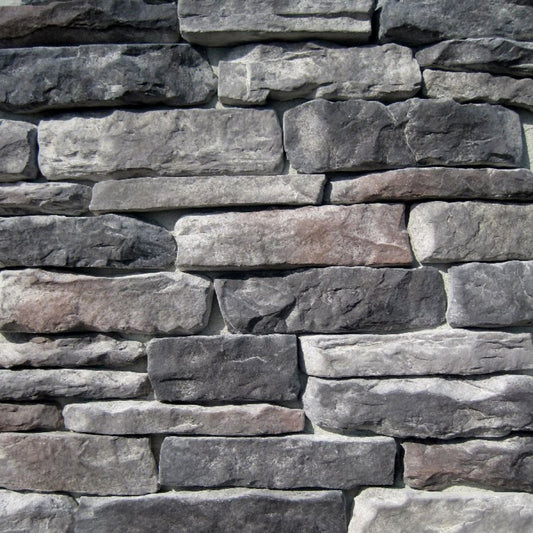
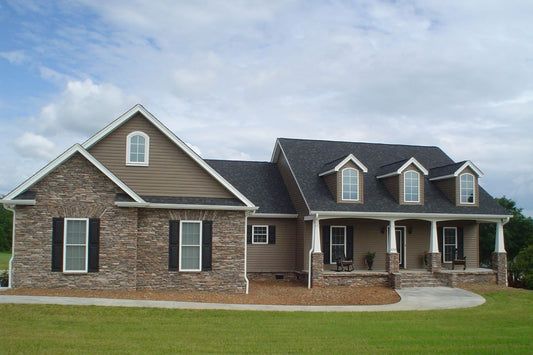
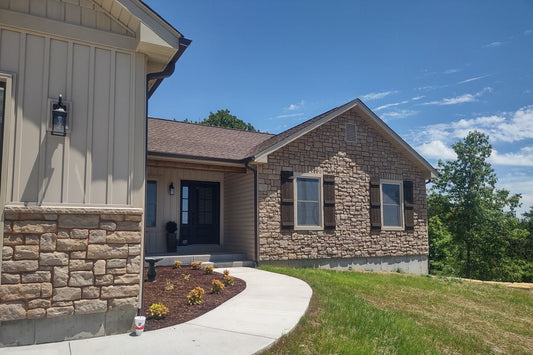
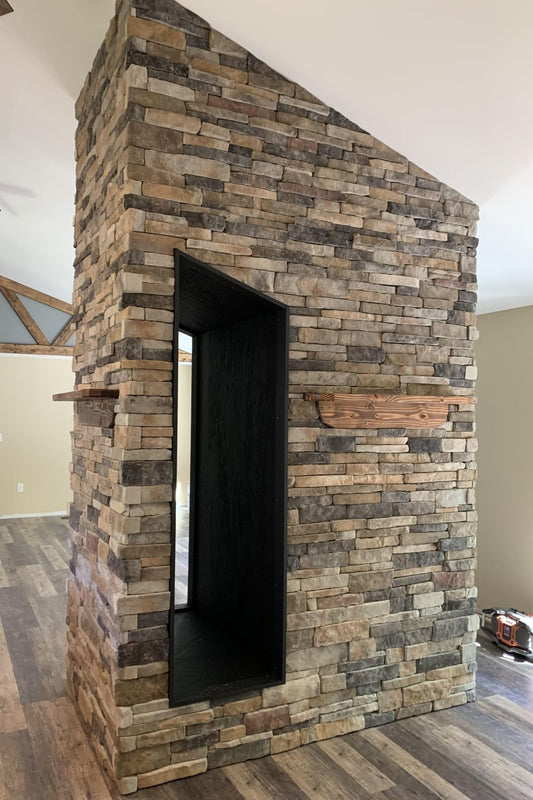
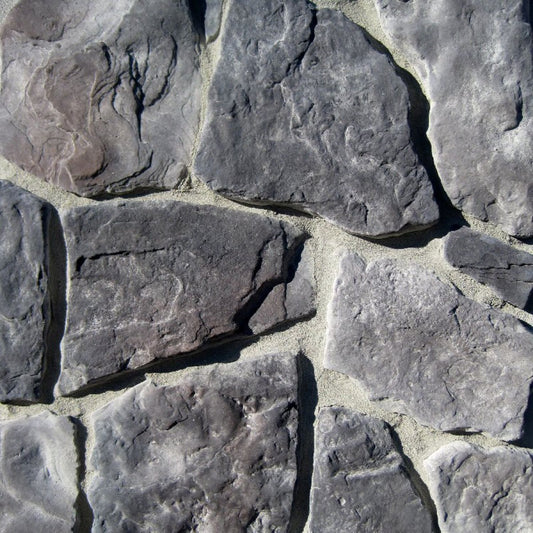
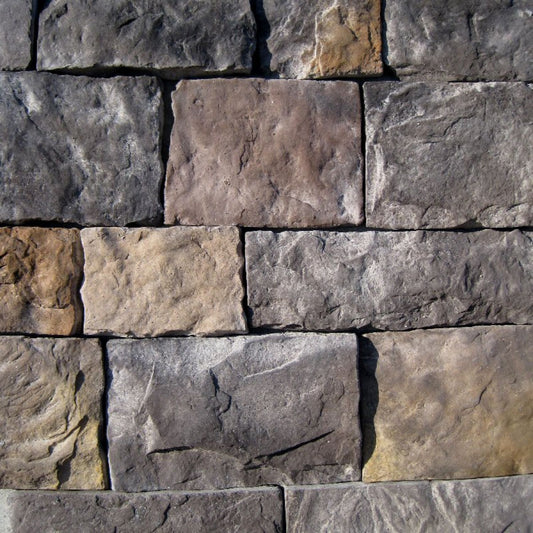
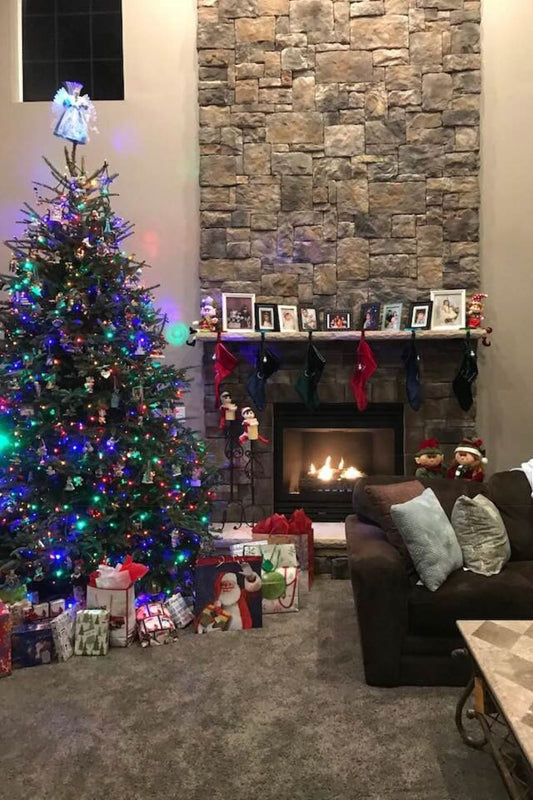
Pictured is hackett stone kona.