
Manufactured Stone Veneer and Efflorescence: Causes, Prevention, and Removal
Share
Efflorescence on manufactured stone veneer is a white, powdery residue caused by moisture drawing salts to the surface. While not structurally harmful, it can be prevented with proper installation, drainage, and breathable sealers, and removed using gentle cleaning methods.
Manufactured stone veneer has become one of the most popular materials for both interior and exterior design, offering the timeless appearance of natural stone at a more accessible price point. Its lightweight composition, ease of installation, and impressive durability make it a preferred choice for homeowners, builders, and designers alike, especially when paired with proper upkeep as outlined in our stone veneer care and maintenance guide. However, like all masonry-based materials, manufactured stone veneer is not completely immune to environmental effects, and one of the most common concerns that can arise over time is efflorescence.
Efflorescence is often unexpected and can be frustrating for homeowners who have invested in the aesthetic appeal of stone veneer. It appears as a white, chalky residue on the surface, sometimes shortly after installation or following periods of wet weather. While it does not typically indicate a structural problem, it can diminish the visual impact of an otherwise beautiful installation. Understanding why efflorescence occurs, how to prevent it, and how to remove it safely is essential for maintaining the long-term performance and appearance of manufactured stone veneer.
What is efflorescence on manufactured stone veneer?
Efflorescence is a natural process that occurs in many masonry materials, including manufactured stone veneer, brick, and concrete. It is the result of water moving through porous materials and dissolving naturally occurring salts within them. As this moisture migrates to the surface and evaporates, it leaves behind a visible deposit of crystalline salts.
On manufactured stone veneer, efflorescence typically presents itself as a white or light gray powdery film. In some cases, it may appear streaky or patchy, depending on how water moves through the material. This can be especially noticeable on darker stone profiles, where the contrast makes the residue more visible.
Although efflorescence is primarily a cosmetic issue, it serves as an important indicator that moisture is present within or behind the veneer system. Persistent moisture intrusion, if left unaddressed, can lead to more serious concerns such as mold growth, deterioration of mortar joints, or damage caused by freeze-thaw cycles in colder climates.
What causes efflorescence to form?
The formation of efflorescence always involves three key elements: soluble salts, moisture, and a pathway for that moisture to travel to the surface. Manufactured stone veneer systems naturally contain small amounts of soluble salts, which means the primary driver behind efflorescence is almost always water.
Moisture intrusion can occur for several reasons. Improper installation is one of the most common causes, particularly when moisture barriers, flashing, or drainage systems are missing or incorrectly installed. Without these protective measures, water can easily penetrate behind the veneer and become trapped within the wall assembly.
Environmental exposure also plays a significant role. Exterior stone veneer installations are constantly subjected to rain, snow, and humidity. In regions with frequent precipitation or freeze-thaw cycles, the likelihood of efflorescence increases due to repeated wetting and drying. Additionally, landscaping practices such as placing soil or mulch directly against the veneer can introduce excess moisture into the system.
The materials used during installation can also contribute to the issue. Mortar mixes and other construction components may contain soluble salts that become mobilized when exposed to water. Over time, these salts migrate to the surface and create the visible residue associated with efflorescence.
Why efflorescence is more common than you think
Efflorescence is not unique to manufactured stone veneer and is widely recognized across the masonry industry. In fact, it is often considered a normal occurrence, particularly in new construction. As materials cure and release moisture, it is common for some level of efflorescence to appear during the early stages of a project.
This is especially true in climates where moisture levels fluctuate significantly throughout the year. Seasonal changes, heavy rainfall, and temperature variations can all accelerate the movement of moisture within masonry systems. As a result, even well-installed stone veneer can occasionally develop minor efflorescence under certain conditions.
The key distinction lies in whether the issue is temporary or persistent. Occasional, light efflorescence that appears and disappears with weather changes is generally not a cause for concern. However, recurring or heavy buildup may indicate an underlying moisture problem that should be addressed.
How to prevent efflorescence on stone veneer
Preventing efflorescence begins with proper planning and installation. A well-designed wall system is the most effective way to control moisture and minimize the risk of salt deposits forming on the surface. This includes the use of high-quality moisture barriers that protect the underlying structure from water intrusion while allowing vapor to escape.
Flashing and weep screeds are also critical components, as they help direct water away from the wall assembly. Without these features, moisture can accumulate behind the veneer and create ideal conditions for efflorescence to develop. Proper detailing around windows, doors, and transitions is equally important to prevent water from entering vulnerable areas.
Drainage plays a significant role in long-term performance. Ensuring that gutters, downspouts, and surrounding landscaping direct water away from the structure can greatly reduce the amount of moisture that comes into contact with the veneer. Avoiding direct ground contact and maintaining appropriate clearances at the base of walls further helps limit exposure to excess moisture.
The application of a breathable, water-repellent sealer can provide an additional layer of protection. These sealers are designed to reduce water absorption while still allowing trapped moisture to escape, which is essential for preventing buildup within the material. It is important to choose products specifically formulated for manufactured stone veneer to avoid altering its appearance or performance.
Safe and effective ways to remove efflorescence
When efflorescence does appear, it is usually manageable with the right approach. In many cases, the residue is temporary and may gradually diminish on its own as weather conditions change. However, if cleaning is desired, it is important to use methods that will not damage the surface of the stone.
The simplest and safest technique is dry brushing. A soft or medium-bristle brush can often remove loose, powdery deposits without the need for water or chemicals. This method is particularly effective for fresh efflorescence that has not yet bonded strongly to the surface.
For more stubborn cases, a gentle cleaning solution consisting of water and a mild detergent can be used. The area should be lightly scrubbed and then rinsed thoroughly with clean water to remove any remaining residue. Care should be taken to avoid excessive saturation, as introducing additional moisture can sometimes prolong the issue.
In situations where efflorescence is more persistent, specialized cleaners designed for masonry may be required. These products are formulated to dissolve salt deposits without harming the stone veneer. It is essential to follow manufacturer instructions carefully and test any cleaner in an inconspicuous area before applying it more broadly.
Harsh or acidic cleaners should be avoided, as they can damage the surface of manufactured stone veneer and negatively impact its color and texture. Using the wrong cleaning method can create more problems than it solves, making it important to take a cautious and informed approach.
The importance of ongoing maintenance
Maintaining manufactured stone veneer is relatively straightforward, but it requires consistency and attention to detail. Regular inspections can help identify early signs of moisture intrusion, allowing issues to be addressed before they lead to more significant problems.
Keeping the surface clean and free of debris helps prevent buildup that can trap moisture against the veneer. Addressing minor efflorescence promptly can also reduce the likelihood of it becoming more difficult to remove over time. Reapplying breathable sealers as recommended by the manufacturer ensures continued protection against water penetration.
It is also important to monitor surrounding elements such as gutters, downspouts, and landscaping. Small changes in drainage patterns can have a significant impact on how water interacts with the structure, making routine checks an essential part of long-term care.
Efflorescence and long-term performance
While efflorescence may be visually unappealing, it does not typically compromise the structural integrity of manufactured stone veneer. Its presence is primarily an indication of moisture movement, which can be managed through proper installation and maintenance practices.
By addressing the root causes of moisture intrusion and taking proactive steps to protect the veneer system, homeowners can significantly reduce the likelihood of recurring issues. In most cases, efflorescence is a temporary and manageable condition that can be resolved without extensive intervention.
Understanding how and why it occurs empowers homeowners to make informed decisions about their stone veneer installations. With the right approach, it is possible to preserve both the beauty and durability of the material for many years.
Manufactured stone veneer and efflorescence
Efflorescence is a common and often misunderstood aspect of working with manufactured stone veneer. Although it can affect the appearance of the surface, it is rarely a cause for alarm. By focusing on proper installation techniques, effective moisture management, and safe cleaning practices, homeowners can minimize its impact and maintain the visual appeal of their investment.
Manufactured stone veneer continues to be a reliable and attractive choice for a wide range of applications. With a clear understanding of efflorescence and how to manage it, you can ensure that your stone veneer remains a standout feature in your home or project for years to come.
From Mountain View Stone: what you should know
At Mountain View Stone, we want homeowners to enjoy the beauty of manufactured stone veneer with confidence. Efflorescence, the white, powdery residue that sometimes appears on stone surfaces, is a common, mostly cosmetic issue caused by moisture drawing salts to the surface. While it does not affect the structural integrity of your veneer, understanding its causes and prevention is key to long-term enjoyment. Proper installation, effective drainage, and breathable sealers are essential to minimize efflorescence, and routine maintenance ensures that any deposits can be safely removed without harming the stone. By addressing moisture management and using gentle cleaning techniques, your manufactured stone veneer will maintain its vibrant, natural look for years, delivering the durability, elegance, and low-maintenance performance that our products are known for.
Frequently asked questions
1. Is efflorescence harmful to manufactured stone veneer? No, efflorescence is primarily a cosmetic issue. It doesn’t compromise the structural integrity of the stone, but persistent moisture can lead to other problems if not addressed.
2. Why does efflorescence appear on my stone veneer suddenly? It usually appears after periods of heavy rain, snow, or high humidity. Moisture dissolves salts in the mortar or stone, which then migrate to the surface.
3. Can I prevent efflorescence on existing stone veneer? Yes. Applying a breathable water-repellent sealer and ensuring proper drainage can reduce the occurrence of efflorescence.
4. How do I safely remove efflorescence? For light deposits, a dry brush works well. For stubborn deposits, use water with mild detergent or a commercial efflorescence remover suitable for masonry.
5. Does sealing stone veneer stop efflorescence completely? Sealers reduce water penetration but do not guarantee zero efflorescence. Proper installation, drainage, and low-salt mortars are also essential.
6. Can winter weather make efflorescence worse? Yes. Freeze-thaw cycles combined with moisture can worsen efflorescence and lead to potential cracking if moisture is trapped behind the veneer.
7. Should I worry about efflorescence indoors? It’s less common indoors, but poor ventilation or plumbing leaks can cause it. Address moisture sources and clean deposits promptly.
What's next?
Ready to transform your space with stunning stone veneer? Shop now or order a sample to see and feel the quality, craftsmanship, and beauty for yourself. Experience firsthand how our products can bring lasting elegance and style to your home or project!
Have a question?
Please see our full terms of service or check out our frequently asked questions.
For general information and questions please call: (864) 882-8960 Mon. - Fri. 8am - 5pm (EST) or email: info@mountainviewstone.net we are more than happy to help you.
Or you can submit your questions via our contact us page.
We look forward to working with you on your upcoming project.
The Mountain View Stone Team
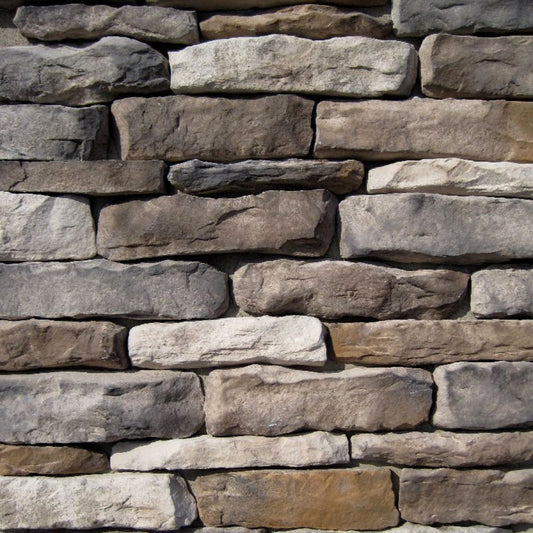
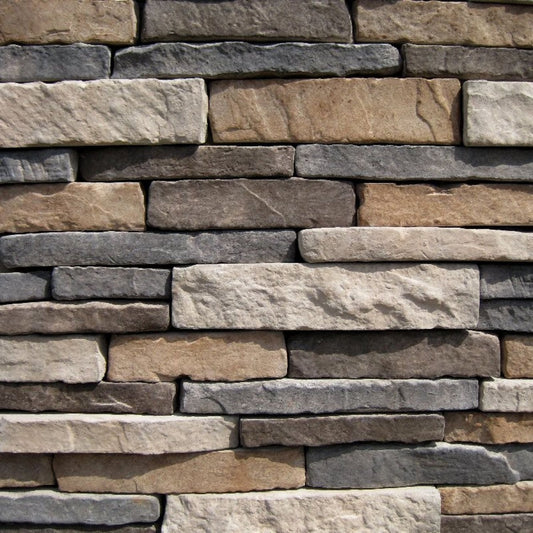
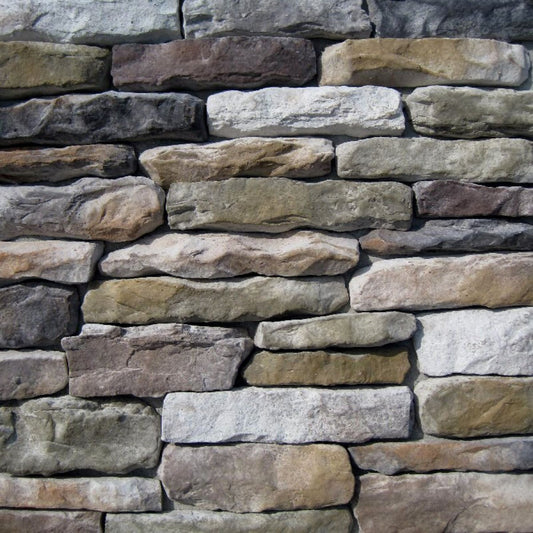
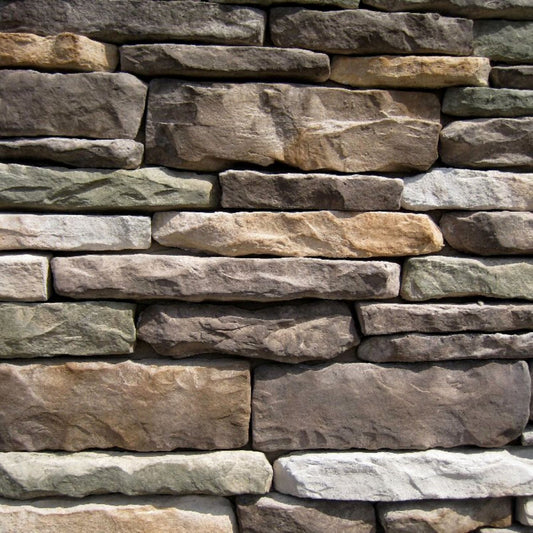
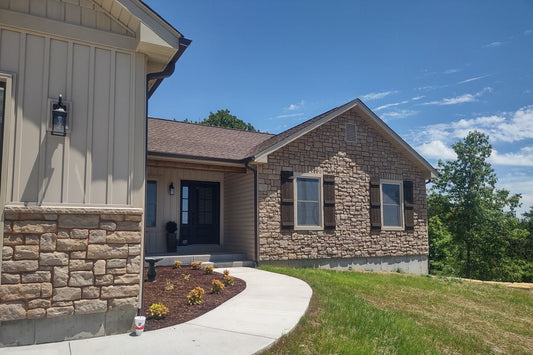
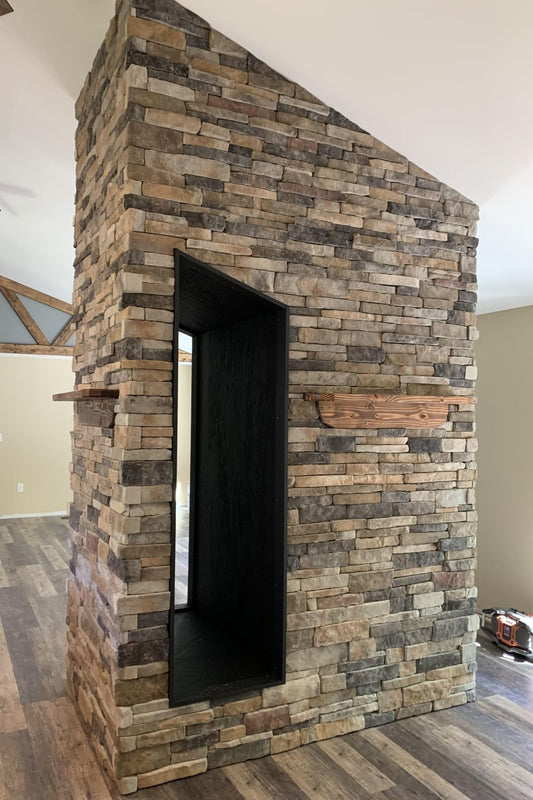
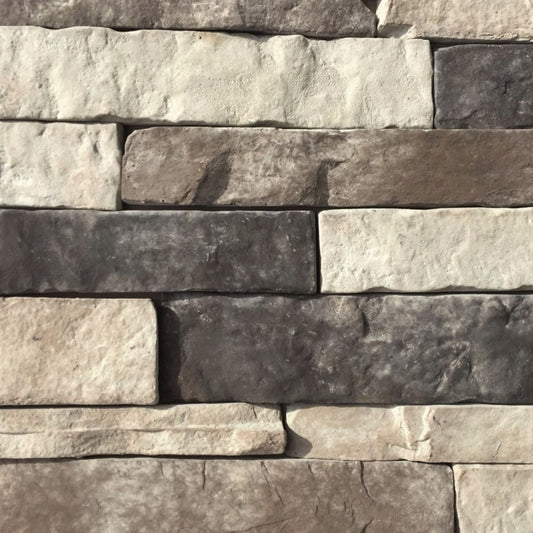
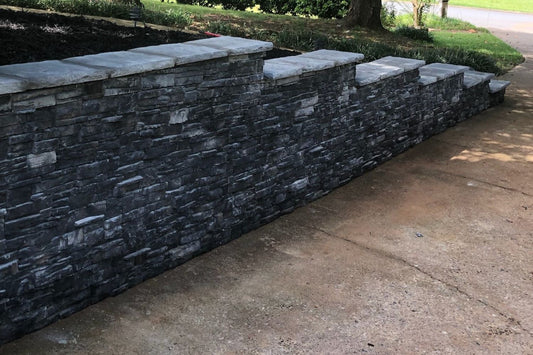
Pictured is ledge stone tuscany.