
How to Match New Manufactured Stone Veneer to Existing Stone Installations
Share
Originally posted January 17, 2025, updated May 6, 2026.
Seamlessly matching new manufactured stone veneer to an existing installation requires careful color, texture, and mortar matching. Learn expert tips for flawless results.
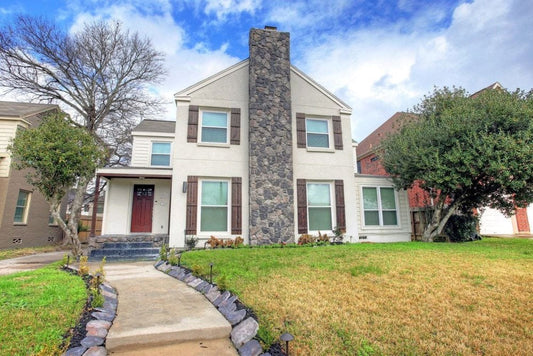
Manufactured stone veneer has become a popular choice for homeowners and builders alike, thanks to its realistic appearance, affordability, and versatility. It can transform interior and exterior spaces with the look of natural stone without the heavy cost. However, if you’re adding to an existing stone veneer installation, whether for an expansion, repair, or renovation, achieving a seamless match can be challenging. Differences in color, texture, pattern, and even mortar application can make new pieces stand out, disrupting the aesthetic of your space. Color is especially important when matching new and existing stone, so understanding how manufactured stone veneer colors are created and how they can vary is an important part of the process. For more information, see our complete guide to manufactured stone veneer colors. With careful planning and attention to detail, though, it is possible to make new stone look like it has always been part of your existing installation.
Identify the Original Manufacturer and Style
The first step in matching new stone veneer is identifying the original manufacturer and style of your existing installation. Many manufactured stone veneer brands offer extensive product catalogs with various textures, shapes, and color blends. If you still have leftover boxes from your initial project, receipts, or records from the installation, these can provide the exact product details.
If documentation is not available, contact the contractor, supplier, or installer who handled your original project. Even if the exact product is no longer in production, they may recommend a similar style that complements your existing stone. Knowing the brand and style gives you a starting point and helps narrow your options to ensure a closer match.
Match the Color and Texture
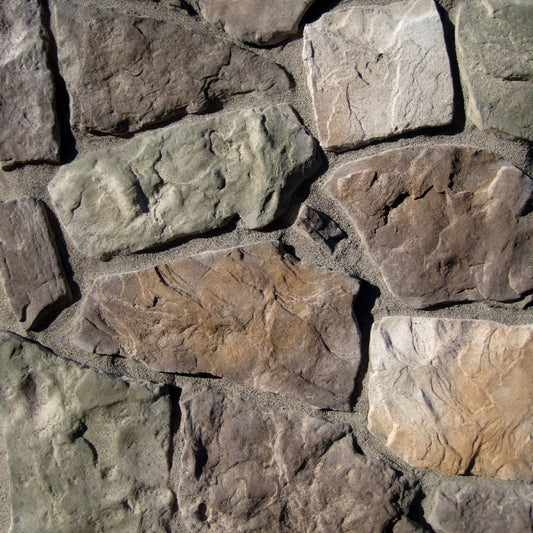
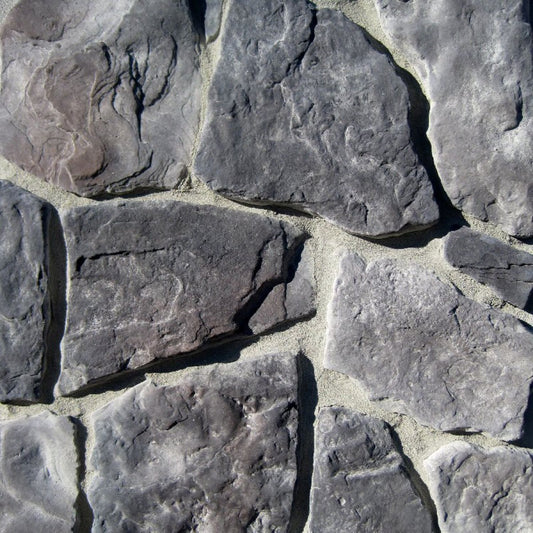
Even if you locate the same style from the original manufacturer, you may still notice color variations. These differences can result from batch inconsistencies, natural fading, or environmental exposure over time. If an exact match isn’t available, focus on selecting a veneer with similar tones and textures.
Many manufacturers provide sample boards or small individual pieces that can be compared directly against your current stone. This step allows you to see how the new stone interacts with the existing installation under your home’s lighting conditions. Testing several options ensures that you choose the closest possible match before committing to a full order.
Consider Custom Staining or Tinting
Sometimes, even the best match in style and batch won’t perfectly align with your older veneer. In these cases, custom staining or tinting can help blend the new stone with the existing surface. Masonry stains or tints can adjust the hue to account for fading or patina developed over time.
Before applying any stain, test it on a small, inconspicuous area to ensure it produces the desired effect. Working with a professional can be especially helpful when attempting color adjustments, as they can recommend the right type of stain and application technique to create a natural, cohesive finish.
Blend the Transition
One of the most common mistakes when adding new stone veneer is creating a straight, defined line where the old meets the new. This can make differences in color or texture stand out dramatically. Instead, try intermixing old and new stones in a staggered, irregular pattern.
This blending technique softens transitions, disguises slight variations, and helps the addition feel like a natural extension of the existing installation. Staggered placement, random orientation, and alternating stone sizes all contribute to a more seamless, organic appearance.
Match Mortar and Grout
The color and style of your mortar or grout are just as important as the stone itself. Even a perfectly matched veneer can look out of place if the mortar contrasts sharply with the existing installation.
Take a small sample of your current mortar to a masonry supply store to find a close match in color and texture. Be sure to replicate the joint style used in the original installation, whether recessed, flush, or overgrouted, so the new sections integrate naturally with the old.
Account for Weathering and Aging
Newly installed stone veneer often looks fresher and cleaner than older sections that have been exposed to weather over time. To help the new pieces blend, you can artificially age them using a diluted wash of water and masonry stain. This technique simulates natural weathering and softens stark contrasts between old and new stone.
Alternatively, allowing the new veneer to weather naturally for a few months before finalizing the installation can also create a more cohesive look. Patience and observation are key in this process, as environmental exposure gradually adjusts the stone’s appearance to match the surrounding veneer.
Consult a Professional
Even with careful planning, achieving a seamless match can be tricky, especially on larger projects or when exact color matching is critical. Working with a professional stone mason or veneer specialist can save time, reduce mistakes, and ensure that your new installation complements the existing work. Their experience allows them to identify subtle differences, recommend blending techniques, and execute the project with precision.
Order Samples Before You Commit
Matching existing stone veneer is not an exact science, and color, texture, and lighting can significantly affect perception. For this reason, it is highly recommended to order samples of your chosen veneer before placing a full order. Comparing multiple samples in your actual space allows you to make a confident selection and avoid costly mistakes. Keep in mind that customer returns for mismatched stone may not be accepted, so taking the extra step to test samples is a crucial part of planning a successful addition or repair.
How to Match New Manufactured Stone Veneer to Existing Stone Installations
Successfully matching new manufactured stone veneer to an existing installation requires careful planning and attention to detail. By identifying the original product, selecting closely matched colors and textures, considering custom stains, blending transitions, and matching mortar, you can achieve a seamless, natural appearance. With patience and professional guidance when needed, your addition or repair can look intentional and maintain the beauty and integrity of your stone veneer project.
Enhancing your space with stone veneer is not just about aesthetics, it’s about creating a cohesive design that feels timeless and natural. Take the time to plan carefully, order samples, and test materials so that your finished project is something you can enjoy for years to come.
From Mountain View Stone: What You Should Know
At Mountain View Stone, we strongly recommend ordering a sample before placing your full order. Matching existing stone, whether natural or manufactured, can be tricky due to differences in color, texture, age, and lighting. Reviewing a sample first ensures the best possible match and helps avoid costly mistakes. While we’re happy to offer guidance, the final decision is the customer’s responsibility, and returns without a prior sample cannot be accepted. For advice, email high-quality photos of your current stone to info@mountainviewstone.net and our team will help find the closest match. For small repairs, local sourcing may be more cost-effective due to minimum order requirements.
Frequently Asked Questions About How to Match New Manufactured Stone Veneer to Existing Stone Installations
How can I identify the style of my existing manufactured stone veneer?
Check for leftover boxes, receipts, or records from the original installation. If unavailable, contact the contractor or supplier for guidance on the brand and style.
What if I can’t find an exact match for my stone veneer?
Choose the closest color and texture and consider custom staining or tinting to blend new pieces with the old. Staggered placement can also help conceal differences.
Can I blend new stone with older veneer without professional help?
Yes, but working with a professional stone mason or veneer specialist ensures a more seamless match, especially for larger projects or critical aesthetic areas.
How important is matching the mortar?
Mortar color and joint style greatly affect the overall look. Matching them helps new veneer integrate naturally with existing stone.
Should I order samples before purchasing a large quantity of stone veneer?
Absolutely. Comparing samples in your space under actual lighting conditions ensures the closest match and helps avoid costly mistakes.
Can weathering help new stone match older sections?
Yes, either through natural exposure over time or using masonry stains to simulate aging, weathering helps blend new and existing veneer.
What's Next?
Enhance your space with the beauty of stone veneer! Shop now to find the perfect style or order a sample to see the quality up close before you buy. Start your project today!
Have a Question?
Please see our full terms of service or check out our frequently asked questions.
For general information and questions please call: (864) 882-8960 Mon. - Fri. 8am - 5pm (EST) or email: info@mountainviewstone.net we are more than happy to help you.
Or you can submit your questions via our contact us page.
We look forward to working with you on your upcoming project.
The Mountain View Stone Team
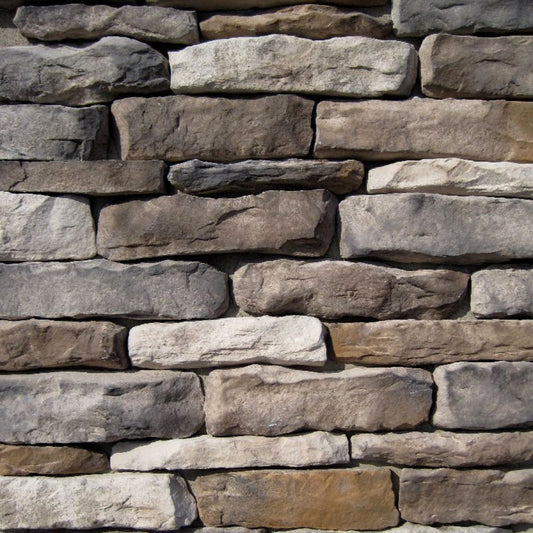
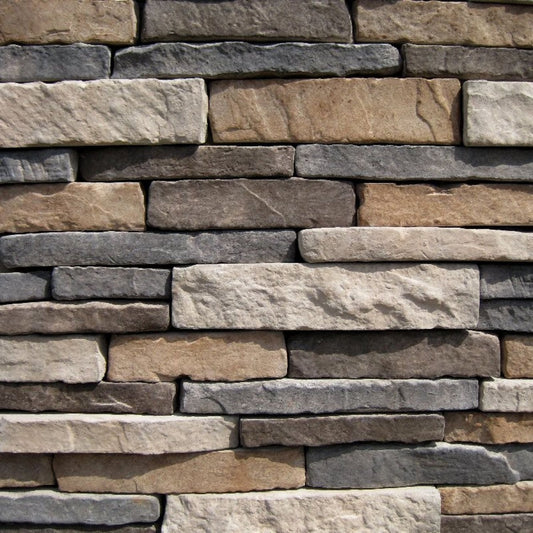
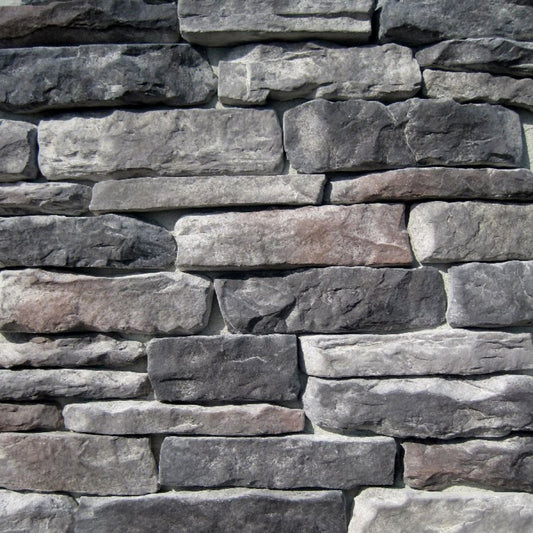
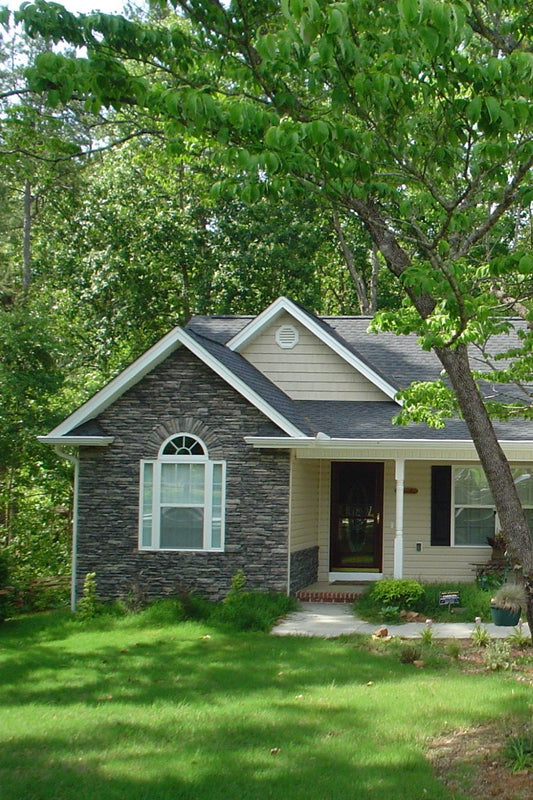
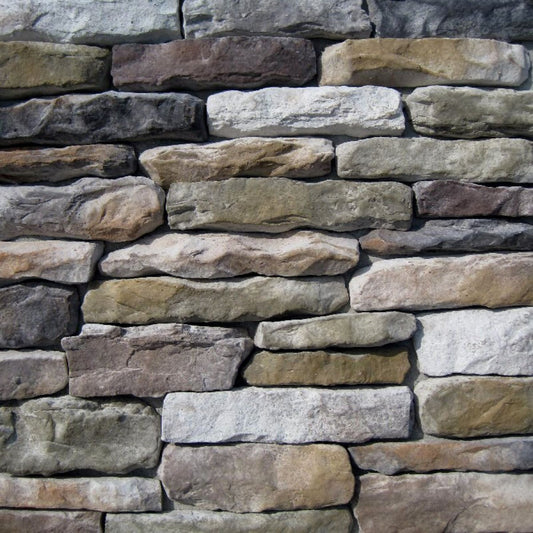
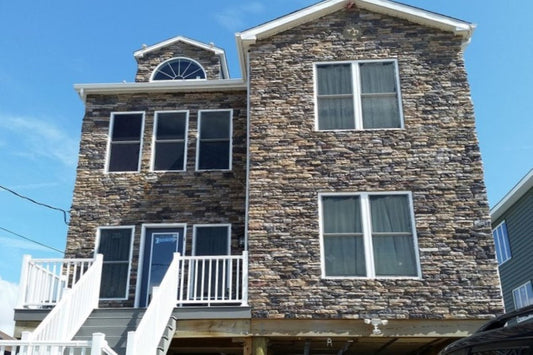
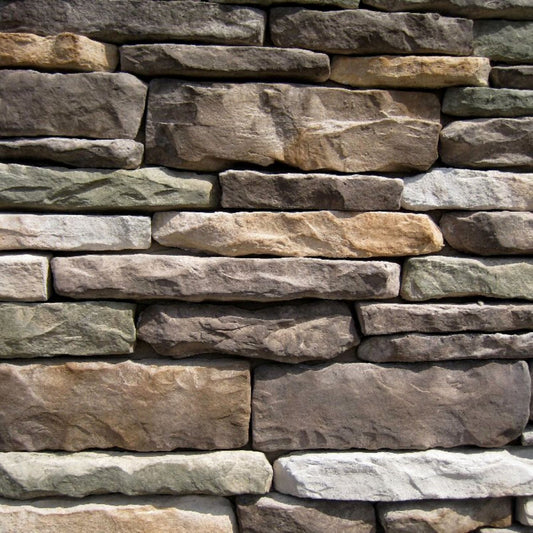
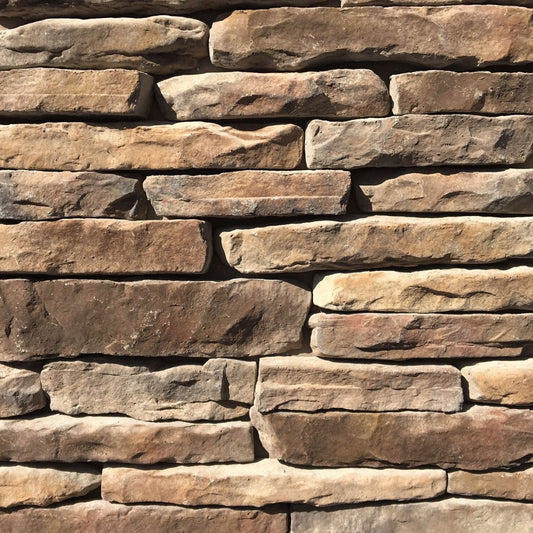
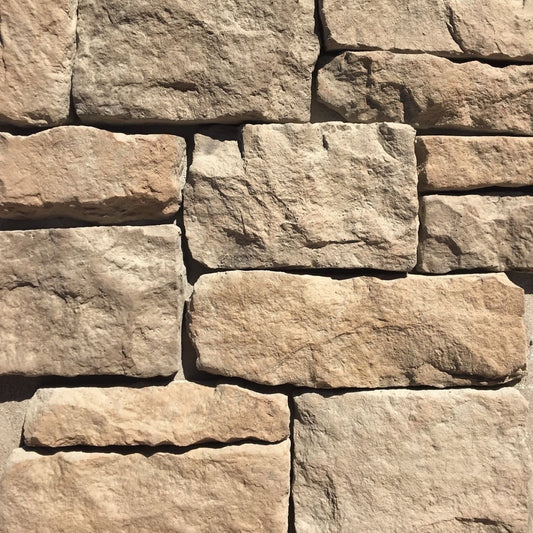
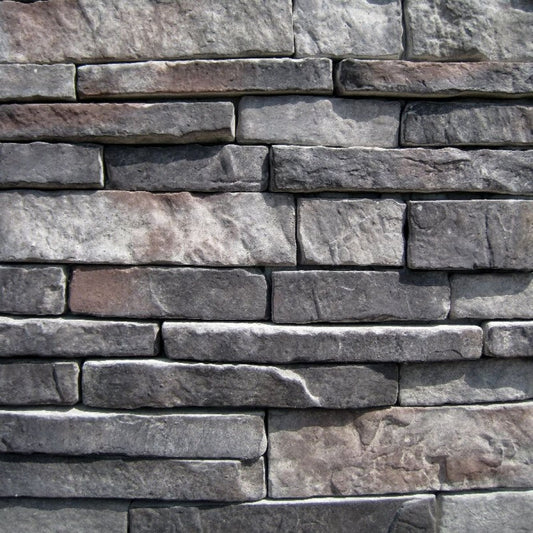
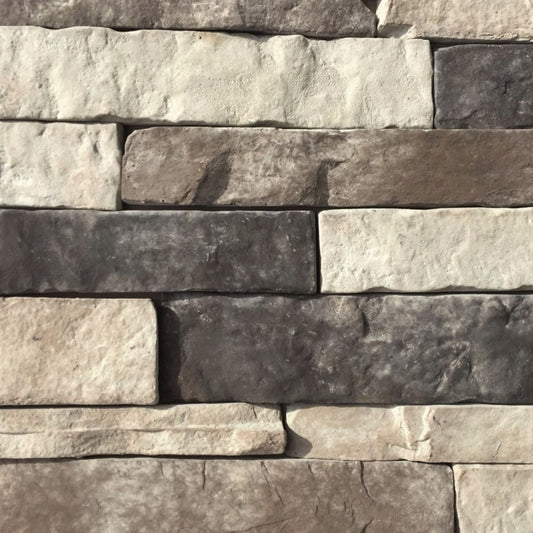
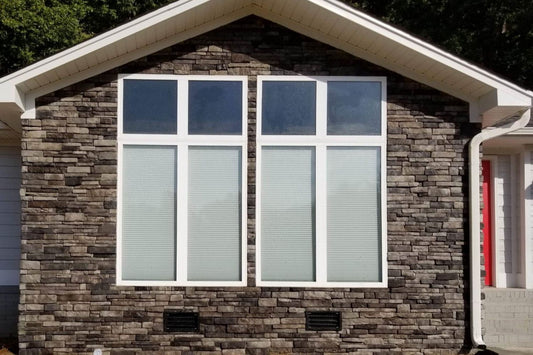
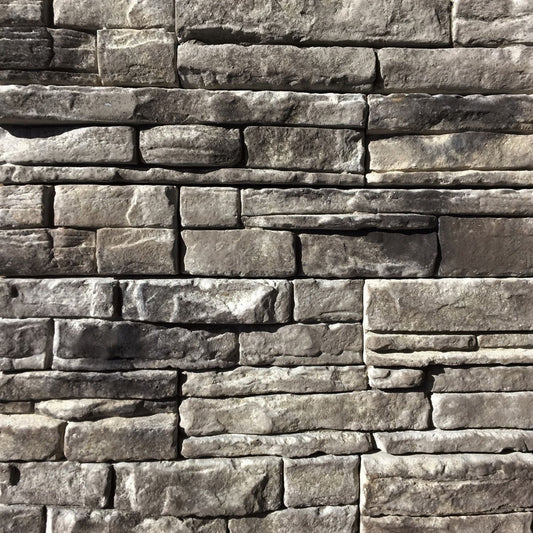
Pictured is ledge stone tuscany.