
Limewashing Manufactured Stone Veneer: What to Know Before You Start
Share
Originally posted July 23, 2025, updated September 1, 2026.
Limewashing manufactured stone veneer is a decorative finishing technique that uses a diluted lime-based solution to create a soft, matte, weathered appearance on stone surfaces. It enhances texture and character but typically alters the original surface and will void most manufacturer warranties, even though it does not usually affect the structural integrity of the veneer itself.
Limewashing manufactured stone veneer has become an increasingly popular design choice for homeowners and designers looking to achieve a soft, aged, and European-inspired aesthetic. Whether applied to a fireplace surround, interior feature wall, or exterior facade, limewash can dramatically transform the look of manufactured stone by muting harsh color contrasts and adding a timeless patina. If you’re exploring ways to customize the appearance and complete the look of a stone veneer installation, our complete guide to finishing manufactured stone veneer covers the finishing details and considerations you should know.
While the visual results are often striking, it is important to understand how limewash interacts with manufactured stone veneer as a building material. Unlike natural stone, manufactured stone products are engineered with specific coatings, color treatments, and performance characteristics. Applying a surface finish like limewash may change how the product behaves over time and can affect manufacturer warranty coverage.
This post explains what limewashing is, why homeowners choose it, how it is applied in principle, what alternatives exist, and what you need to know about warranties before making a decision.
What is Limewashing?
Limewashing is one of the oldest masonry finishing techniques in the world, originally developed using crushed limestone or hydrated lime mixed with water. The result is a thin, milky coating that is brushed onto porous surfaces such as brick, plaster, and stone.
Unlike modern paint systems that form a film on the surface, limewash behaves differently. It is partially absorbed into the substrate, allowing the natural texture beneath to remain visible. As it dries, it creates a soft, chalky, and matte finish that evolves over time as it weathers and ages.
Historically, limewashing was used for both functional and aesthetic purposes. It helped brighten dark masonry, provided mild antimicrobial properties, and allowed walls to remain breathable. Today, it is primarily used for its visual appeal, especially in design styles that emphasize rustic, Mediterranean, farmhouse, or old-world European architecture.
When applied to manufactured stone veneer, limewash does not behave exactly the same way as it does on natural limestone or brick, but it can still produce a distinctive, muted finish that softens the manufactured appearance of the stone.
Why Homeowners Choose Limewashing Manufactured Stone Veneer
The growing popularity of limewashing manufactured stone veneer comes down to its ability to completely transform a space without requiring demolition or replacement of existing materials. Many homeowners are drawn to the way limewash reduces visual contrast between stones, creating a more unified and aged appearance.
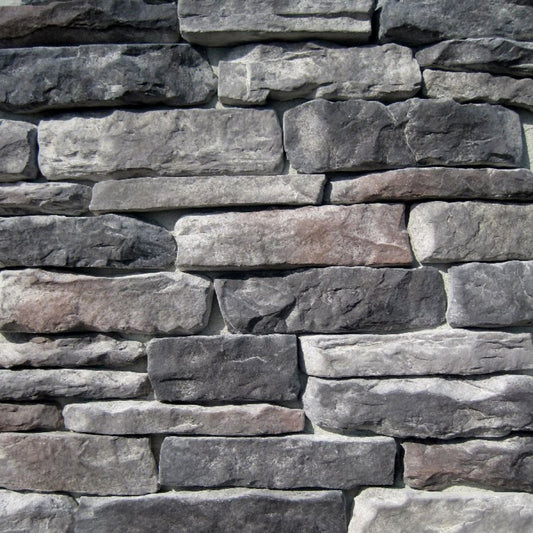
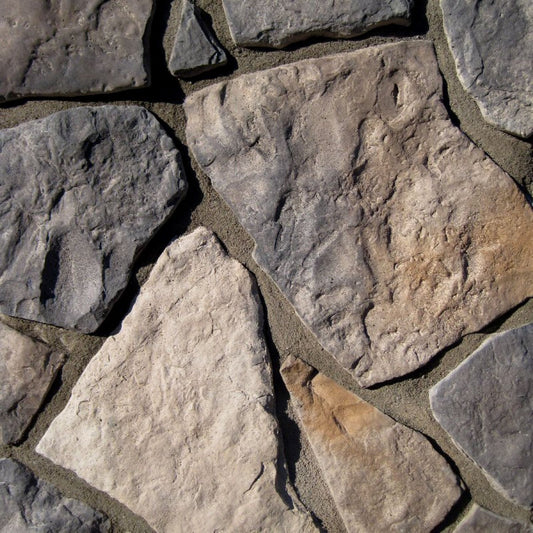
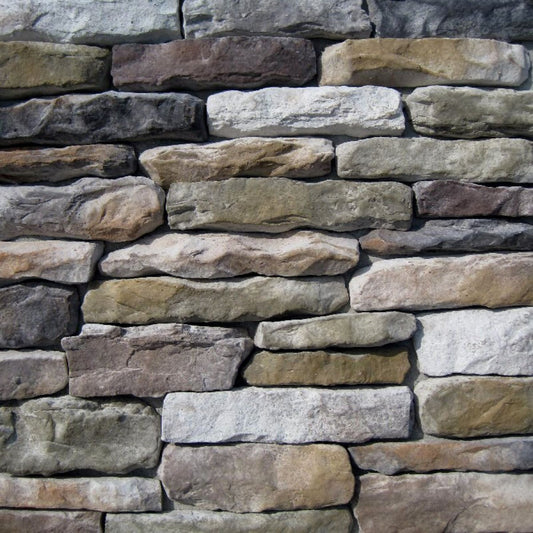
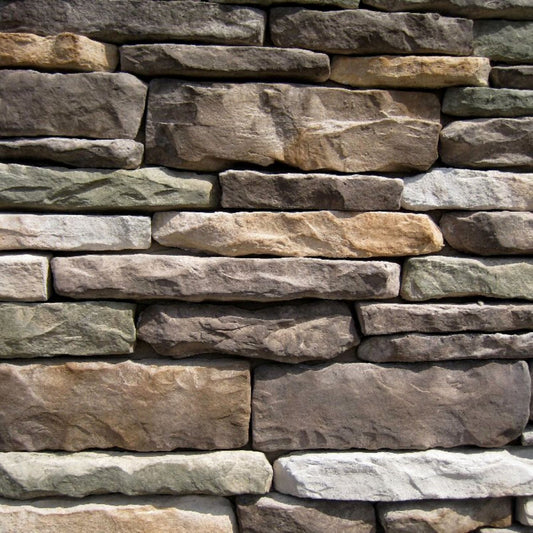
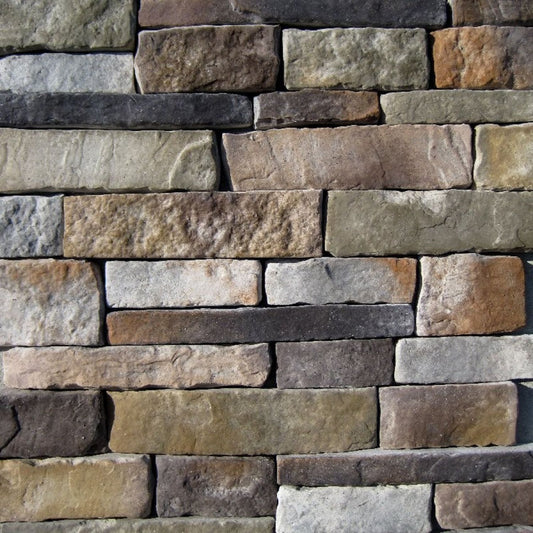
One of the main reasons people choose limewash is the unique, weathered aesthetic it produces. Manufactured stone veneer is often designed with strong color variation and crisp edges to mimic natural stone, but limewashing softens those features. The result is a surface that feels more organic, subtle, and established, as though it has been part of the home for decades.
Another important factor is customization. Limewash can be applied in varying levels of intensity depending on the desired effect. A light application allows much of the original stone color and texture to remain visible, while a heavier application creates a more opaque, painted look. This flexibility makes it appealing for both small interior updates and larger exterior transformations.
Homeowners also appreciate that limewash preserves the tactile character of the stone. Because it does not completely cover the surface in the same way paint does, the underlying texture of manufactured stone veneer still plays a role in the final appearance. Understanding the available manufactured stone veneer colors can also help homeowners determine how the original color palette may interact with a limewashed finish. This helps maintain depth and dimension, which is especially important in architectural focal points such as fireplaces or exterior feature walls.
How Limewashing Interacts with Manufactured Stone Veneer
Understanding how limewashing interacts with manufactured stone veneer is essential before beginning any project. Manufactured stone is typically produced using lightweight concrete mixtures, pigments, and sealers that are designed to control color consistency and moisture performance.
When limewash is applied, it bonds differently than it would on traditional masonry. Depending on the surface finish of the veneer, absorption may vary significantly from one stone to another, which can lead to subtle inconsistencies in tone and coverage. This variability is often part of the desired aesthetic, but it is still important to recognize that the final result may not be uniform.
Because manufactured stone veneer often includes factory-applied coatings or sealers, limewash may also sit more on the surface rather than fully absorbing. This can influence durability, especially in exterior applications exposed to rain, freeze-thaw cycles, and UV exposure. Over time, limewashed finishes may naturally soften, fade, or require maintenance reapplication depending on environmental conditions.
Application Considerations and Practical Tips
Successful limewashing of manufactured stone veneer begins long before the limewash is applied. Surface preparation plays a critical role in how well the finish adheres and how consistent the final appearance will be.
The stone surface should be clean and free of dust, dirt, and any efflorescence buildup that may interfere with adhesion. Even small amounts of residue can impact how evenly the limewash absorbs or sits on the surface.
It is also strongly recommended to test the limewash on a small, inconspicuous area first. This allows you to evaluate both color outcome and surface interaction before committing to a full application. Because manufactured stone veneer can vary in texture and coating, testing helps prevent unexpected results.
The mixing ratio of limewash to water will also influence the final appearance. A thinner mixture produces a more translucent, subtle finish that allows the original stone color to remain dominant. A thicker mixture creates a more pronounced, opaque coating that significantly alters the look of the veneer.
Once applied, limewash typically evolves as it dries. The color may appear different after full curing compared to initial application, so it is important to allow adequate drying time before making judgments about the final appearance.
Long-term maintenance is another consideration. In exterior environments, limewashed surfaces may gradually weather and lighten over time. Some homeowners choose to refresh the finish periodically to maintain consistency, especially in high-visibility areas.
Alternatives to Limewashing Manufactured Stone Veneer
For homeowners who are interested in updating the look of their manufactured stone veneer but are concerned about warranty implications, there are several alternatives worth considering.
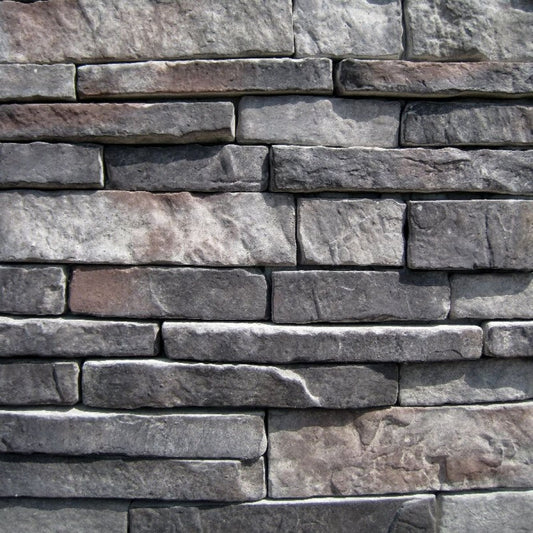
One of the most straightforward options is selecting a new manufactured stone veneer product in a color and texture that better matches the desired design direction. Modern stone veneer collections offer a wide range of tones, from light limestone-inspired finishes to darker, more contemporary blends that can achieve a similar aesthetic without surface alteration.
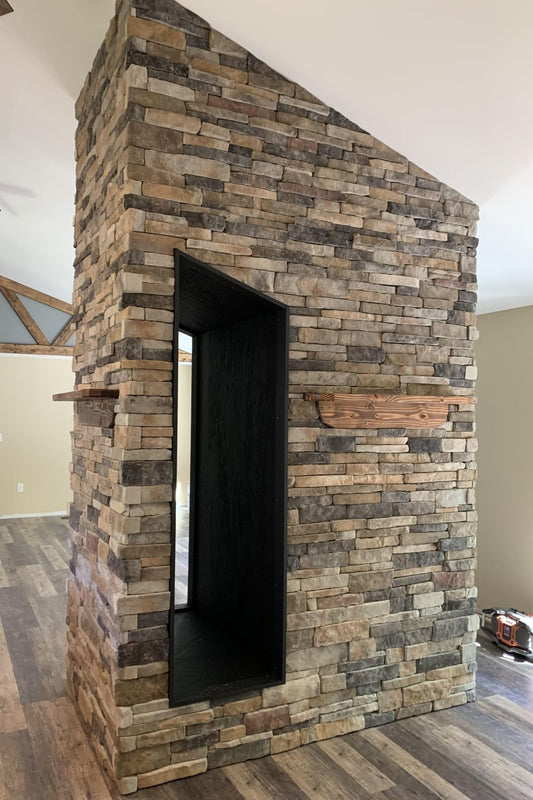
Another approach is to enhance the surrounding design elements rather than changing the stone itself. Adding features such as wood mantels, complementary trim work, updated lighting, or contrasting architectural accents can significantly change the visual impact of a stone surface without modifying its finish.
These alternatives allow homeowners to refresh a space while maintaining the original integrity and warranty of the manufactured stone veneer system.
Warranty Considerations for Limewashing
While limewashing does not typically affect the structural performance of manufactured stone veneer, it is important to understand its impact on manufacturer warranties. In most cases, applying limewash or any similar surface treatment will void the warranty.
The primary reason for this is that surface treatments can alter key performance characteristics of the product, including color stability, water repellency, and long-term weather resistance. Manufactured stone veneer is tested and warranted based on its factory-applied finish, and any modification introduces variables that fall outside those tested conditions.
For this reason, homeowners are strongly encouraged to review warranty documentation carefully before applying limewash. Consulting with the manufacturer or supplier can help clarify how specific products will respond to surface treatments and whether any exceptions apply.
Design Potential of Limewashing Stone Veneer
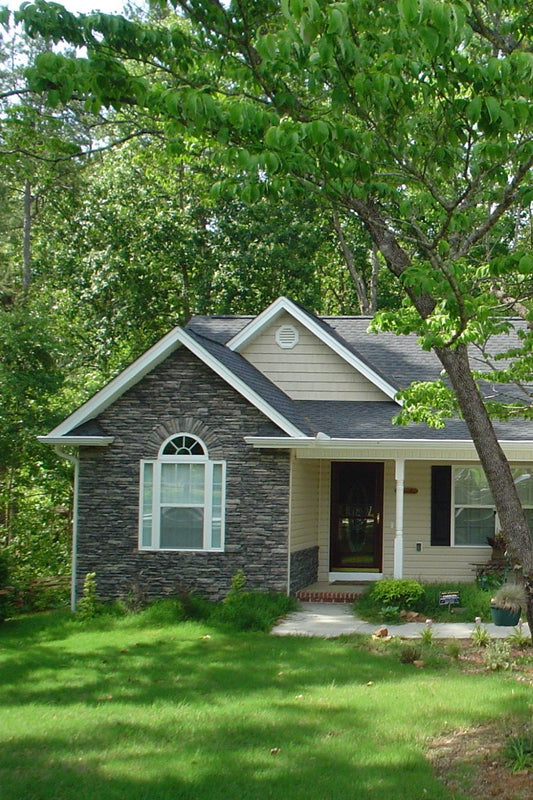
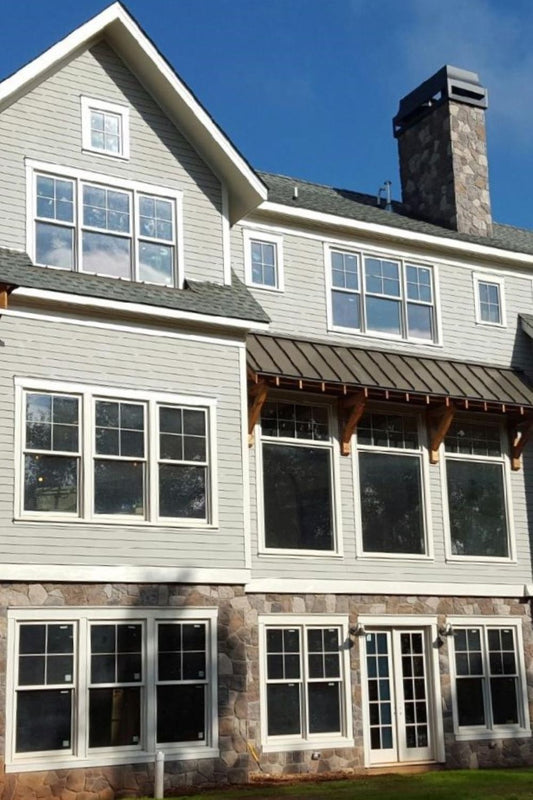
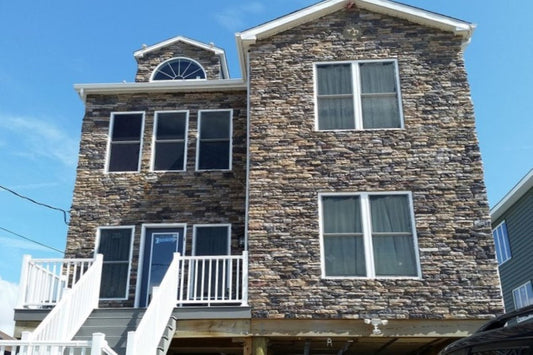
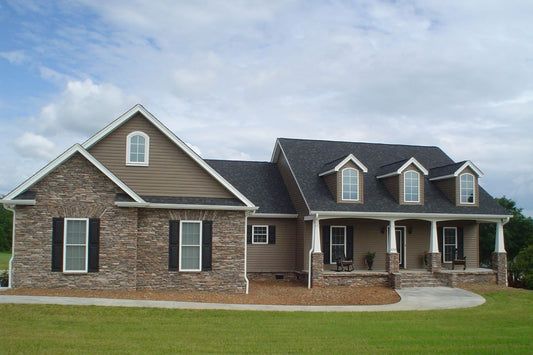
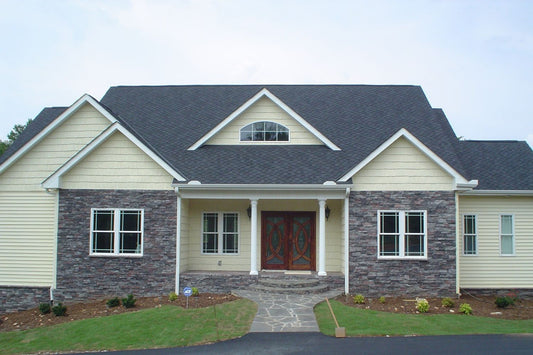
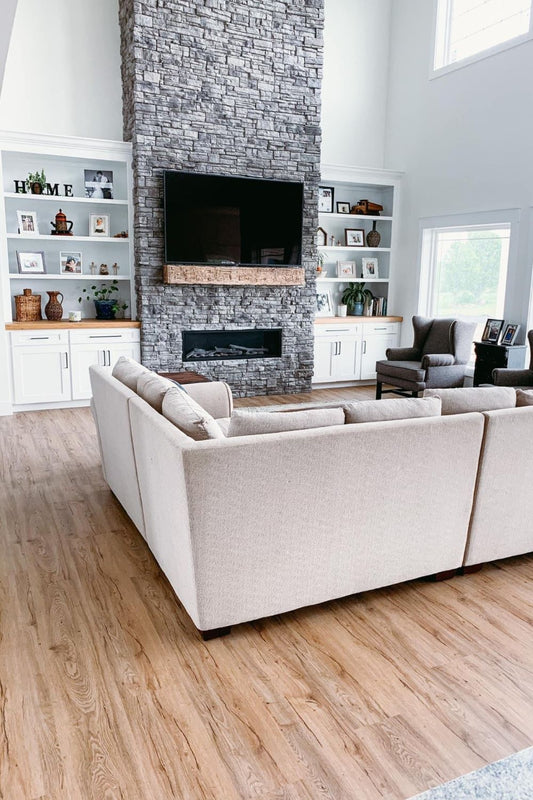
Despite warranty considerations, limewashing manufactured stone veneer remains an appealing option for many design projects. It is especially effective in spaces where a softer, more cohesive look is desired. Interior fireplaces benefit from the subdued texture, while exterior facades can take on a more historic and established appearance.
In modern design, limewash is often used to bridge the gap between contemporary architecture and traditional materials. It helps reduce the visual contrast of manufactured stone, making it feel more integrated into minimalist or transitional spaces. In rustic or farmhouse-style homes, it enhances authenticity by adding age and subtle imperfection.
The versatility of limewash is one of its strongest advantages, but it is also what makes careful planning so important. Because the finish is semi-permanent and interacts directly with the surface of the stone, it should be approached as a long-term design decision rather than a temporary change.
Limewashing Manufactured Stone Veneer
Limewashing manufactured stone veneer offers a powerful way to transform the character of a space, adding softness, depth, and timeless appeal. However, it is not a purely cosmetic decision. It changes how the surface behaves and is treated by manufacturers from a warranty perspective.
For homeowners who prioritize aesthetics and are comfortable with the long-term implications, limewash can be a beautiful design solution. For those who want to preserve warranty coverage and product consistency, alternative design approaches may be a better fit.
If you are considering a manufactured stone veneer project, choosing the right finish from the start can help you achieve your design goals with confidence and lasting performance.
From Mountain View Stone: What You Should Know
At Mountain View Stone, we do not recommend limewashing manufactured stone veneer. While we understand the appeal of achieving a soft, aged, and European-inspired finish, any surface treatment applied after installation, including limewash, can alter the performance characteristics of the product. Because of this, limewashing will void our manufacturer’s warranty. Our manufactured stone veneer is designed and tested to perform with its factory-applied finish, and modifying that surface introduces variables that fall outside of those tested conditions, including potential changes to color stability, moisture resistance, and long-term durability. If you are considering a different aesthetic, we strongly recommend selecting a stone profile and color that already achieves your desired look at the time of purchase.
Frequently Asked Questions About Limewashing Manufactured Stone Veneer
Can you limewash manufactured stone veneer?
Yes, manufactured stone veneer can be limewashed, but results will vary depending on the surface texture and coating of the stone. It is important to test first and understand that the finish is permanent in nature and may not be reversible.
Does limewashing damage manufactured stone veneer?
Limewashing does not typically damage the structural integrity of manufactured stone veneer. However, it can alter the surface characteristics and may affect moisture behavior and long-term performance depending on exposure conditions.
How long does limewash last on stone veneer?
The longevity of limewash depends on whether it is applied indoors or outdoors. Interior applications can last many years with minimal change, while exterior applications may gradually fade and require periodic reapplication.
Can limewashed stone veneer be repainted later?
Yes, it is possible to repaint limewashed stone veneer, but surface preparation is critical. The existing limewash may need to be cleaned or stabilized to ensure proper adhesion of new coatings.
Will limewashing affect my warranty?
In most cases, yes. Applying limewash to manufactured stone veneer will void the manufacturer warranty because it alters the original factory finish and tested performance characteristics.
What’s Next?
Upgrade your space with premium manufactured stone veneer. Shop now and bring your design vision to life with confidence or order a sample to see the authentic texture and rich colors up close.
Have a Question?
Please see our full terms of service or check out our frequently asked questions.
For general information and questions please call: (864) 882-8960 Mon. - Fri. 8am - 5pm (EST) or email: info@mountainviewstone.net we are more than happy to help you.
Or you can submit your questions via our contact us page.
We look forward to working with you on your upcoming project.
The Mountain View Stone Team
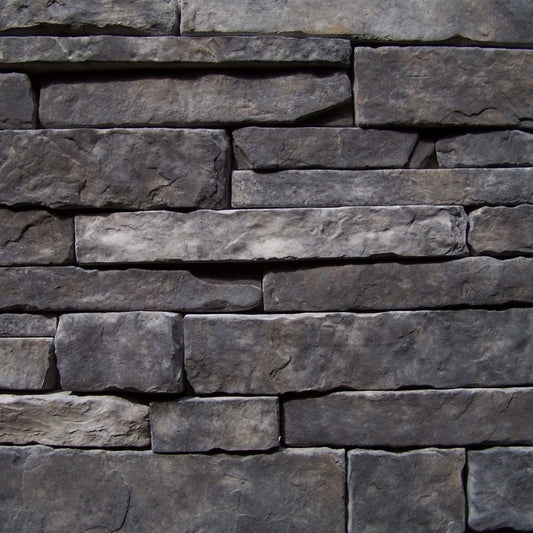
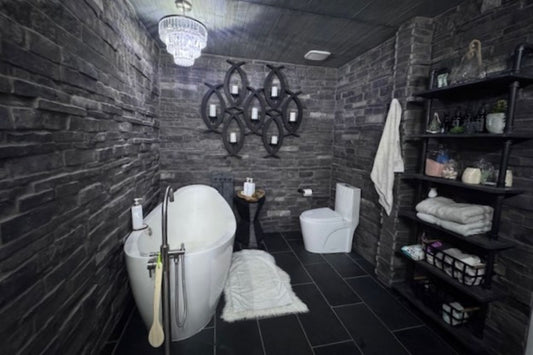
Pictured is brick veneer charleston limewashed.