
Is Manufactured Stone Veneer Durable? Lifespan and Long-Term Performance
Share
Originally posted June 12, 2025, updated August 11, 2026.
Manufactured stone veneer is a durable, long-lasting cladding material that replicates natural stone. Proper installation, moisture management, and quality materials allow it to resist weather, freeze-thaw cycles, and fading, providing a visually striking, low-maintenance solution for interior and exterior walls, fireplaces, and landscaping features for decades.
Stone veneer has become one of the most widely used architectural finishes for both residential and commercial projects. From exterior facades and foundation walls to fireplaces and accent walls, it delivers the look of full-thickness stone without the weight, cost, or structural demands. But one of the most common questions homeowners, builders, and designers ask is simple: how durable is it really?
Understanding the durability of stone veneer requires looking beyond a single factor. Performance is not defined by strength alone. Instead, it is shaped by a combination of lifespan, water resistance, climate performance, color stability, and installation quality. When these elements are aligned, stone veneer can perform exceptionally well for decades. When they are not, issues can arise that are often blamed on the material but are actually related to improper installation or unrealistic expectations.
This comprehensive guide explores the full picture of stone veneer durability so you can make informed decisions for your project and understand exactly what to expect over time.
What is Manufactured Stone Veneer?
Before evaluating durability, lifespan, and long-term performance, it’s important to understand what manufactured stone veneer actually is and how it differs from other building materials. Manufactured stone veneer is a lightweight cladding product designed to replicate the appearance of natural stone while offering greater consistency, easier installation, and reduced structural requirements. It is typically made from a blend of cement, lightweight aggregates, and mineral pigments, which are molded and colored to mimic the texture and variation of real stone.
Unlike full-thickness natural stone, which can be several inches thick and require structural support, manufactured stone veneer is much thinner and lighter. This allows it to be installed on a wide range of surfaces, including wood-framed walls, concrete, and existing masonry, making it a highly versatile option for both interior and exterior applications. Common uses include exterior facades, fireplaces, feature walls, columns, foundation cladding, and outdoor living spaces.
One of the key advantages of manufactured stone veneer is its engineered consistency. While natural stone can vary significantly in density, porosity, and color, manufactured veneer is produced under controlled conditions, resulting in predictable performance and uniform quality. This consistency plays a major role in its durability, particularly when combined with proper installation techniques and moisture management systems.
It is also important to understand that manufactured stone veneer is not a structural material. It functions as a decorative and protective outer layer within a larger wall assembly. That assembly typically includes a substrate, a weather-resistant barrier, metal lath, mortar, and sometimes a drainage plane. Because of this, the performance of stone veneer depends not only on the material itself but also on how well the entire system is designed and installed.
For a more detailed breakdown of materials, installation systems, and how manufactured stone veneer compares to natural stone, see our full post on what is manufactured stone veneer?
Understanding What Durability Means for Stone Veneer
Durability in stone veneer is not just about whether the material is strong. It refers to how well the system performs over time under real-world conditions. This includes exposure to moisture, temperature fluctuations, UV radiation, structural movement, and even everyday wear and tear. A durable veneer maintains its visual appeal while remaining structurally sound over decades.
Manufactured stone veneer is engineered from a blend of cement, aggregates, and mineral pigments. This composition creates a dense, resilient material designed to mimic natural stone while offering consistent quality and predictable performance. However, unlike full bed natural stone, veneer is part of a layered wall system. That system includes the substrate, weather-resistant barrier, metal lath, mortar, and sometimes drainage components.
Because of this, durability is both a material property and a system performance issue. The stone itself is highly durable, but its long-term success depends on how well the entire assembly is built. A poorly executed installation can cause problems that are mistakenly attributed to the veneer material, while a high-quality installation can make it virtually maintenance-free for decades. Understanding when a moisture barrier is required is a key part of that system design, and you can learn more in our post on when to use a moisture barrier behind manufactured stone veneer.
Lifespan of Stone Veneer
One of the most important aspects of durability is lifespan. A well-installed manufactured stone veneer system can last several decades, often in the range of 20 to 50 years or more. In many cases, it will continue performing beyond that with minimal maintenance.
The expected lifespan depends on several factors, including installation quality, environmental exposure, and maintenance practices. Properly installed veneer on a well-prepared surface with adequate drainage and moisture protection will significantly outlast veneer that is applied without attention to these details.
In real-world terms, homeowners who invest in high-quality veneer and follow best practices for installation often report that their walls, fireplaces, and exterior facades remain virtually unchanged even after 30 years. However, environmental factors such as coastal salt exposure, extreme temperature swings, or heavy rainfall can influence longevity. For a deeper look at longevity, including what affects lifespan and how it compares to other materials, see how long does manufactured stone veneer last?
Waterproofing and Moisture Management
A critical factor in long-term performance is how stone veneer handles water. One of the most common misconceptions is that stone veneer is waterproof. In reality, stone veneer is designed to be water resistant, not waterproof.
The material itself can shed water effectively, but it is not intended to act as a primary moisture barrier. Water can pass through mortar joints or behind the veneer under certain conditions. This is why proper installation includes a weather-resistant barrier and, in many cases, a drainage plane behind the veneer.
The design principle here is simple: let water escape before it can cause damage. Moisture management includes correctly flashing windows and doors, using weep screeds at the base of exterior walls, and allowing a small air gap behind the veneer to facilitate drying. Failing to incorporate these features can result in efflorescence, staining, or even structural damage over time. For homeowners and builders, understanding these details is essential. For more information on water management principles and installation recommendations, refer to is stone veneer waterproof?
Exposure to Water and Environmental Conditions
Stone veneer is widely used in environments where it is regularly exposed to water, including exterior walls, outdoor kitchens, and landscaping features. The key to success in these applications is not avoiding water but managing it properly. For a more in-depth look at moisture performance, installation considerations, and long-term durability, see our guide on can stone veneer be exposed to water?, where we break down how stone veneer performs in wet conditions and what to consider for your project.
Properly detailed exterior installations allow stone veneer to handle rain, snow, and splashes from garden irrigation or sprinklers without degrading. Conversely, areas with constant water exposure, such as near ponds, poorly graded soil, or below-grade surfaces, must be carefully designed to prevent trapped moisture.
Pool and hot tub environments introduce an additional layer of complexity because moisture exposure is combined with chemicals and frequent wetting and drying cycles. In these settings, stone veneer is often used on vertical surfaces such as spa surrounds, retaining walls, and poolside features, where it can perform well when properly installed. However, splash zones and areas with repeated chemical contact require extra attention to sealing, drainage, and material selection to prevent staining or surface wear over time. For a deeper look at these considerations, see stone veneer around pools and hot tubs, where we explore how moisture, heat, and chemical exposure impact long-term durability.
Stone veneer also responds differently depending on the climate. For example, hot, humid environments may accelerate biological growth like moss or algae if surfaces are shaded and damp, while extremely dry, sunny areas might challenge color retention. Understanding where and how stone veneer can be used safely is critical.
Performance in Freeze-Thaw Climates
In colder regions, freeze-thaw cycles are one of the most important durability considerations. When water enters small pores or joints and freezes, it expands, creating pressure that can lead to cracking or deterioration over time.
Manufactured stone veneer is engineered to withstand freeze-thaw conditions, but its performance depends heavily on installation. Proper drainage, breathable construction, and the use of appropriate mortars all play a role in preventing moisture from becoming trapped behind the veneer.
Examples of best practices include installing weep screeds at the base of walls, ensuring that mortar joints are correctly tooled and cured, and maintaining a well-sealed drainage plane. When these conditions are met, stone veneer performs well even in harsh winter climates. When they are not, repeated freeze-thaw cycles can accelerate wear, especially on corners and ledges exposed to ice accumulation.
For a deeper look at how cold weather impacts performance, see our post on stone veneer and freeze-thaw cycles, which explores durability and installation considerations in freezing conditions.
Color Stability and Fading
Another aspect of durability that is often overlooked is color stability. Stone veneer is designed to maintain its appearance over time, but exposure to sunlight and environmental conditions can raise questions about fading.
High-quality manufactured stone veneer uses mineral-based pigments that are integrated into the material during production. These pigments penetrate the veneer, making them far more resistant to UV degradation than surface-applied stains or paints. As a result, significant fading is uncommon when quality materials are used.
That said, subtle changes over time can occur, especially in areas with intense sun exposure or pollution. These changes are typically gradual and do not affect the structural integrity of the material. Maintaining the appearance of your veneer can be as simple as periodic cleaning and, in some cases, applying a breathable masonry sealer.
For a more detailed look at long-term color performance, visit our guide on does stone veneer fade?, where we explore UV resistance and what to expect over time.
Common Mistakes That Reduce the Lifespan of Stone Veneer
While manufactured stone veneer is designed for long-term durability, its lifespan can be significantly reduced by common installation and design mistakes. In many cases, when stone veneer shows signs of failure, the issue is not the material itself but how it was installed or integrated into the wall system. Understanding these mistakes helps highlight why proper installation is essential to achieving decades of performance.
One of the most frequent issues is inadequate surface preparation. Stone veneer relies on a strong bond between the mortar and the substrate, and if the surface is not properly cleaned, prepared, or reinforced with metal lath where required, that bond can weaken over time. This can lead to loose stones, cracking mortar joints, or sections of veneer detaching entirely. Closely related to this is the use of improper mortar mixes or application techniques, which can compromise adhesion and reduce the system’s ability to accommodate minor structural movement.
Moisture management errors are another leading cause of reduced lifespan. When weather-resistant barriers, flashing, or drainage components are missing or incorrectly installed, water can become trapped behind the veneer. Over time, this trapped moisture can lead to staining, efflorescence, mold growth, or deterioration of the underlying structure. In colder climates, it can also increase the risk of freeze-thaw damage, accelerating wear and reducing the overall lifespan of the installation. These issues are often preventable with proper detailing and adherence to established installation best practices.
Environmental conditions during installation can also play a role. Installing stone veneer in extremely hot, cold, or wet conditions without proper precautions can affect how mortar cures and bonds to the surface. For example, mortar that dries too quickly in hot weather may not achieve full strength, while freezing temperatures can disrupt the curing process entirely. These factors may not cause immediate problems but can shorten the lifespan of the veneer over time.
Another commonly overlooked issue is the failure to account for movement in the building structure. All buildings expand and contract with temperature changes, and without proper joints or flexible detailing, stress can transfer to the veneer, leading to cracks or separation. Corners, transitions, and areas around openings are especially vulnerable if not properly detailed.
Ultimately, most durability issues with stone veneer are preventable. When the system is installed correctly with proper attention to substrate preparation, moisture management, and environmental conditions, manufactured stone veneer performs reliably for decades. Recognizing these common mistakes reinforces the importance of treating stone veneer as a complete system rather than just a surface finish.
Structural Integrity and Risk of Failure
One of the biggest concerns homeowners have is whether stone veneer can fail or fall off over time. For a deeper look at what can go wrong and how to prevent it, see our post on can stone veneer fall off?, which explores the most common causes of failure and how proper installation ensures long-term performance. The reality is that properly installed stone veneer is very secure and long-lasting. Failures are rare and almost always linked to installation issues rather than the material itself.
Common causes of failure include poor surface preparation, inadequate bonding, lack of mechanical support, or missing moisture management components. When these elements are overlooked, the veneer system can become compromised, leading to loose stones or even detachment in extreme cases.
Understanding the causes of failure and how to prevent them is key to ensuring long-term durability.
Interior vs. Exterior Durability of Stone Veneer
The durability of manufactured stone veneer can vary significantly depending on whether it is used in interior or exterior applications. While the material itself remains the same, the conditions it is exposed to play a major role in how it performs over time.
Interior stone veneer installations tend to experience the least amount of stress and typically offer the longest lifespan. Inside a home or building, veneer is protected from moisture, ultraviolet radiation, temperature fluctuations, and freeze-thaw cycles. As a result, interior applications such as fireplaces, feature walls, and accent areas often maintain their appearance and structural integrity for decades with little to no maintenance. In many cases, interior stone veneer can last the lifetime of the structure without requiring significant repairs, provided it was installed correctly.
Exterior applications, on the other hand, must contend with a wide range of environmental factors. Rain, snow, wind-driven moisture, temperature changes, and UV exposure all place additional demands on the veneer system. These conditions make proper installation and moisture management critical for long-term durability. Exterior veneer must be able to shed water effectively, allow trapped moisture to escape, and accommodate expansion and contraction caused by temperature changes. When these factors are properly addressed, exterior stone veneer can still achieve a lifespan of several decades, but it requires more careful design and occasional maintenance compared to interior applications.
Certain exterior environments can be more demanding than others. For example, coastal regions expose veneer to salt-laden air, which can affect both the stone and mortar over time, while colder climates introduce freeze-thaw cycles that can stress the material if moisture is not properly managed. Similarly, areas with intense sunlight may experience gradual color changes over long periods, although high-quality manufactured stone veneer is designed to resist significant fading.
There are also hybrid applications that fall somewhere between interior and exterior conditions. Covered outdoor spaces, such as patios or outdoor fireplaces, may provide some protection from direct weather exposure while still being subject to humidity and temperature changes. These installations require careful planning to ensure durability, particularly when it comes to airflow and moisture management.
Understanding the differences between interior and exterior durability helps set realistic expectations for performance and maintenance. While manufactured stone veneer is inherently durable in both settings, interior applications benefit from controlled conditions that minimize wear, while exterior installations rely more heavily on proper system design and environmental considerations to achieve long-term success.
Heat Resistance and High-Temperature Applications
Another important factor in evaluating the durability of manufactured stone veneer is how it performs when exposed to heat. Stone veneer is commonly used in applications such as fireplaces, wood-burning stoves, outdoor kitchens, and BBQ surrounds, where temperatures can fluctuate significantly and surfaces may be exposed to sustained or intermittent heat. For a more detailed look at safe applications and performance, see our guide on stone veneer near heat sources?, which covers fire ratings, clearances, and installation best practices.
Manufactured stone veneer is generally well-suited for these environments because it is composed primarily of cement and aggregates, both of which are inherently non-combustible materials. This allows the veneer itself to withstand high temperatures without burning, warping, or releasing harmful emissions. In many interior applications, such as fireplace surrounds, stone veneer performs reliably for decades with little to no visible impact from heat exposure.
However, as with other aspects of durability, performance in high-temperature environments depends on proper installation and adherence to manufacturer guidelines. The areas directly adjacent to fireboxes or heat sources must be installed using appropriate materials, including heat-resistant mortars and substrates where required. Clearances must also be maintained according to building codes and appliance specifications to prevent excessive heat transfer to surrounding materials.
In exterior applications such as outdoor kitchens and fire features, stone veneer may also be exposed to cycles of heating and cooling, sometimes in combination with moisture and weather exposure. This combination can introduce additional stress on the system if not properly accounted for. For example, rapid temperature changes can cause expansion and contraction, which, when combined with trapped moisture, may increase the risk of cracking or joint deterioration over time.
It is also important to distinguish between decorative veneer and structural fire-rated assemblies. While manufactured stone veneer is non-combustible, it does not replace proper fire-rated construction where required. Installations around fireplaces and stoves should always follow local building codes and manufacturer recommendations to ensure both safety and long-term performance.
When installed correctly and used in appropriate applications, manufactured stone veneer performs exceptionally well in high-temperature environments, maintaining both its structural integrity and visual appeal over time.
Comparing Manufactured Stone Veneer to Natural Stone
Durability comparisons between manufactured stone veneer and natural stone are common. Natural stone is often perceived as more durable due to its origin, but manufactured stone veneer offers its own advantages.
Natural stone is inherently strong and can last for generations, but it is heavier, more expensive, and more variable in quality. It also requires more specialized installation techniques and structural support. Manufactured stone veneer, on the other hand, is engineered for consistency, ease of installation, and predictable long-term performance, while still providing excellent durability.
In many applications, manufactured stone veneer performs just as well as natural stone when installed correctly. Learn more about is stone veneer durable compared to natural stone? to see how it compares.
Factors That Affect Long-Term Performance
Several key factors determine how well stone veneer performs over time. Installation quality is the most important. Even the highest-quality materials can fail if they are not installed correctly. Proper substrate preparation, use of a moisture barrier, correct mortar mix, and attention to flashing and drainage are all critical.
Environmental conditions also play a significant role. Exposure to extreme temperatures, heavy rainfall, snow, salt, or UV radiation can all influence performance. Proper design and detailing help mitigate these effects, ensuring the veneer remains functional and visually appealing.
Maintenance is another consideration. While stone veneer is relatively low maintenance, periodic cleaning, visual inspections, and sealing in certain environments can help preserve its appearance and prevent long-term damage.
Warranty Coverage and What it Means for Durability
An often-overlooked aspect of stone veneer durability is the manufacturer’s warranty. Warranties provide homeowners and builders with a clear understanding of what the manufacturer guarantees in terms of material performance, and they reflect the confidence a company has in its product. Most high-quality manufactured stone veneer products come with warranties that cover material defects, color consistency, and sometimes structural performance for a specific number of years, often ranging from ten to fifty years depending on the manufacturer and product line.
A warranty does not replace proper installation or maintenance, but it does offer reassurance that the veneer has been engineered and tested to withstand typical environmental conditions, including exposure to rain, snow, UV light, and moderate freeze-thaw cycles. Homeowners should carefully review warranty terms to understand what is covered and what constitutes improper installation, which may void the warranty. For example, most warranties will not cover damage caused by water trapped behind the veneer due to missing flashing or failure to install a drainage plane. This reinforces the importance of professional installation as a key factor in long-term performance.
Understanding warranty coverage also helps when comparing different products. Some manufacturers offer extended coverage for residential applications, while commercial projects may have different terms. Reading the fine print provides insight into the expected lifespan and the conditions required to maintain coverage, offering a practical perspective on durability beyond material specifications.
Why Proper Installation Matters More Than the Material Itself
A common misconception is that durability is determined solely by the material. In reality, installation plays a much larger role in the long-term success of stone veneer.
The wall system behind the veneer must be properly prepared, including the use of a weather-resistant barrier, metal lath, and appropriate mortar. Drainage and flashing details must be carefully executed to prevent moisture buildup. Corners, ledges, and transitions are particularly vulnerable to water infiltration if not detailed correctly.
When these elements are in place, the veneer can perform exactly as intended. When they are not, even the best materials can experience issues. This is why working with experienced installers and following manufacturer guidelines is essential for achieving long-term durability.
Stone Veneer as a Long-Term Investment
Durability is closely tied to value. A material that performs well over time reduces maintenance costs, preserves aesthetic appeal, and contributes to the overall longevity of a structure.
Stone veneer offers a strong balance of durability, cost efficiency, and design flexibility. It provides the look of natural stone without the structural demands, making it accessible for a wide range of applications. From exterior facades to interior fireplaces, veneer can transform a space with long-lasting visual impact.
When properly installed and maintained, it can enhance both the appearance and performance of a property for decades, offering homeowners peace of mind and a strong return on investment.
Sustainability and Long-Term Appeal of Stone Veneer
Durability is an important part of sustainability because materials that remain functional and attractive for decades may not need to be replaced as frequently. Manufactured stone veneer is designed for long-term use, and when properly installed and maintained, it can provide a durable finish with relatively low maintenance requirements. Its cement-based construction, resistance to everyday weather exposure, and long service life all contribute to its long-term value.
The appeal of stone veneer also extends beyond performance. Stone has remained a popular architectural material across generations, and manufactured stone veneer can complement traditional, rustic, contemporary, and transitional designs. Choosing a profile and color with lasting architectural appeal can help a home maintain its character even as other finishes and design trends change.
For a closer look at the sustainability, durability, maintenance, and timeless design qualities of manufactured stone veneer, read our complete post to sustainability and long-term appeal of stone veneer.
Is Manufactured Stone Veneer Durable?
Manufactured stone veneer combines the timeless beauty of natural stone with modern engineering to deliver a durable, versatile, and visually striking cladding option. Its performance over decades depends not only on the quality of the material but also on proper installation, moisture management, and attention to environmental conditions. When these factors are addressed, stone veneer resists weathering, freeze-thaw cycles, and fading, making it an investment that enhances both the aesthetics and value of a property.
Whether used on exterior facades, interior accent walls, fireplaces, or landscaping features, stone veneer provides the look of real stone without the weight or cost, offering long-term satisfaction for homeowners, designers, and builders alike. By understanding the principles of durability and following best practices for installation and maintenance, you can ensure that your stone veneer project continues to perform beautifully for years to come.
From Mountain View Stone: What You Should Know
At Mountain View Stone, we often remind customers that manufactured stone veneer’s long-term durability comes down to more than just the product itself. While it is engineered to replicate the strength and appearance of natural stone, its real performance is determined by how well the full wall system is designed and installed. When high-quality materials are paired with proper moisture management, correct substrate preparation, and attention to installation details, stone veneer can deliver decades of reliable performance across both interior and exterior applications. In commercial and residential projects alike, we consistently see that issues attributed to "material failure" are most often the result of installation practices rather than the veneer itself. For homeowners, builders, and designers, understanding this distinction is key to achieving a durable, low-maintenance finish that maintains its appearance through changing climates, freeze-thaw cycles, and everyday wear over time.
Frequently Asked Questions About Is Manufactured Stone Veneer Durable?
How long does stone veneer typically last?
Manufactured stone veneer can last several decades, often between 20 and 50 years or more, depending on installation quality and environmental conditions. Proper drainage, weather barriers, and maintenance play a critical role in longevity.
Is stone veneer waterproof?
Stone veneer is not waterproof but is designed to be water resistant. Proper installation includes a moisture barrier and drainage system to manage water effectively, preventing common issues such as efflorescence or deterioration.
Can stone veneer be used in cold climates?
Yes, stone veneer can perform well in freeze-thaw climates when installed with proper drainage and moisture control. This prevents water from becoming trapped, which could otherwise lead to cracking or spalling.
Does stone veneer require maintenance?
Stone veneer requires minimal maintenance, but periodic cleaning and inspection help preserve its appearance and structural integrity. In some cases, applying a breathable masonry sealer can provide extra protection.
Can stone veneer fall off?
When installed correctly, stone veneer is very secure. Failures are typically the result of improper installation, poor bonding, or missing moisture management components rather than issues with the material itself.
Does stone veneer fade over time?
High-quality stone veneer uses UV-resistant mineral pigments, so significant fading is uncommon. Slight changes may occur over long periods, especially in areas with intense sun exposure, but these do not affect durability.
What’s Next?
Bring your vision to life with our premium stone veneer! Shop now to find the ideal style or order a sample to experience the texture and color up close. Start your project with confidence today!
Have a Question?
Please see our full terms of service or check out our frequently asked questions.
For general information and questions please call: (864) 882-8960 Mon. - Fri. 8am - 5pm (EST) or email: info@mountainviewstone.net we are more than happy to help you.
Or you can submit your questions via our contact us page.
We look forward to working with you on your upcoming project.
The Mountain View Stone Team
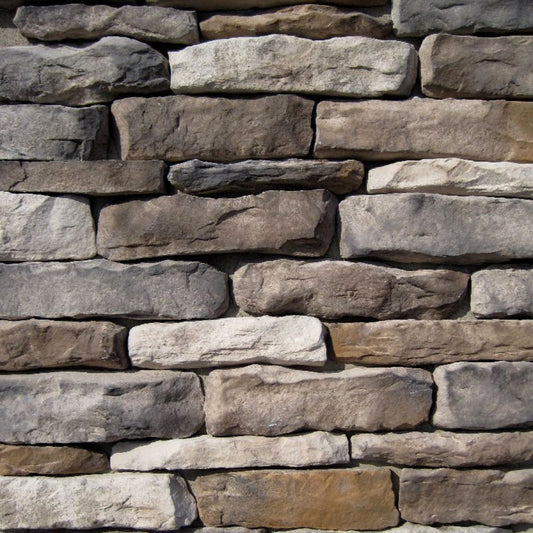
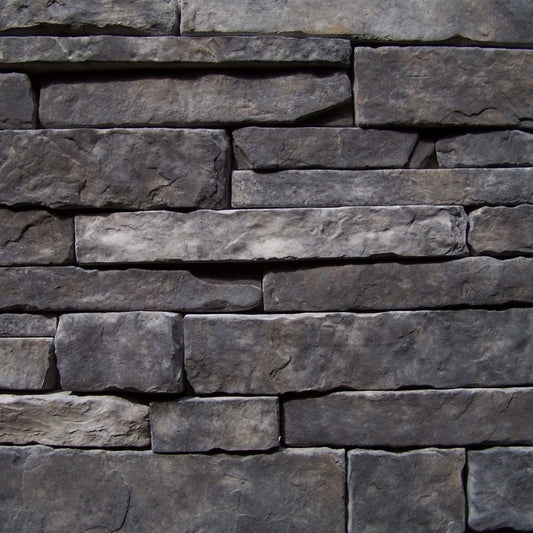
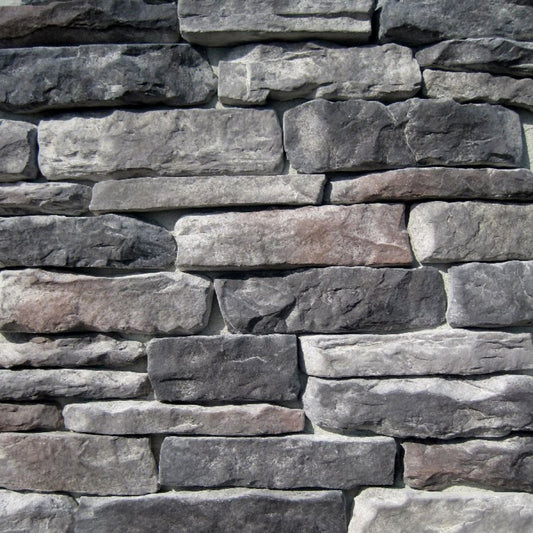
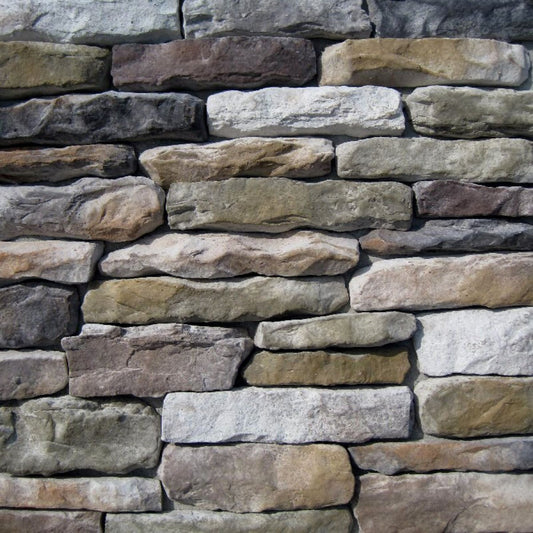
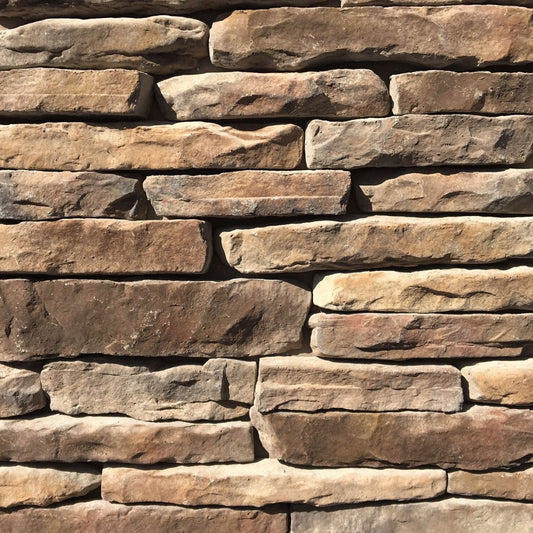
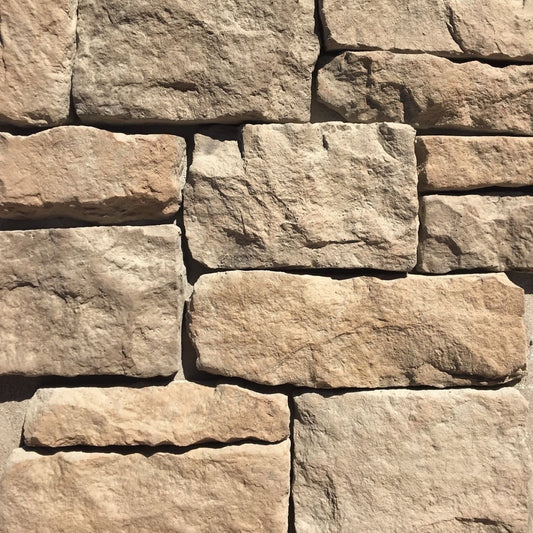
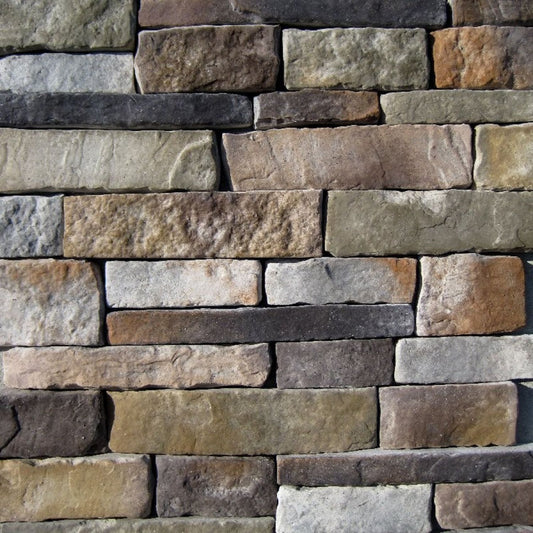
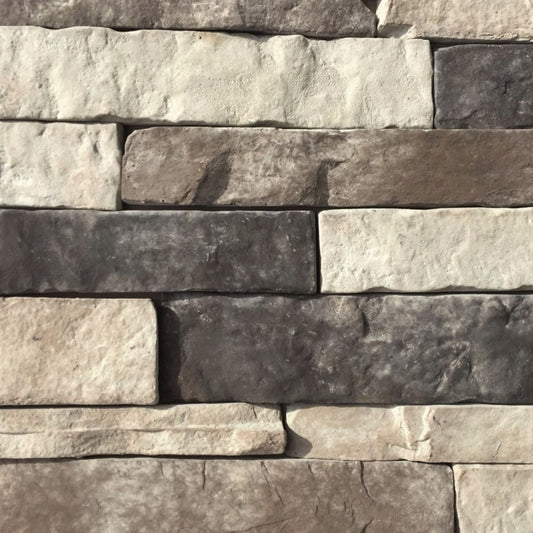
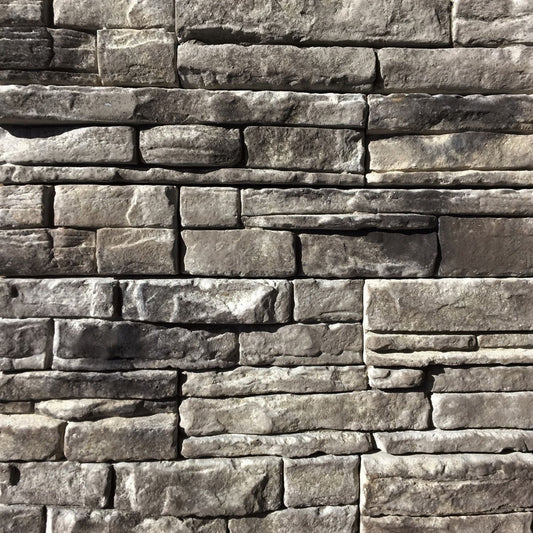
Pictured is ledge stone mossy creek.