
Can Stone Veneer be Exposed to Water? Water Exposure and Long-Term Durability
Share
Originally posted March 12, 2025, updated June 9, 2026.
Manufactured stone veneer is not waterproof because it is made from porous cement-based materials that can absorb moisture. However, when properly installed with a weather-resistant barrier, drainage system, and breathable sealers, it can perform well in rain, snow, and moisture-prone environments. The key to durability is not the stone itself but correct installation and moisture management behind the veneer.
Manufactured stone veneer is widely used on both interior and exterior surfaces because it delivers the look of natural stone while remaining lightweight and versatile. However, when it comes to exterior applications, one of the most common questions homeowners and builders ask is how the material holds up when exposed to moisture, rain, and long-term water contact. Understanding how stone veneer interacts with water, how proper drainage systems work behind the installation, and what is required to ensure long-term durability is essential for a successful project, which is why many professionals also refer to our complete guide on is manufactured stone veneer durable? before planning exterior installations.
In this post, we’ll take a closer look at how manufactured stone veneer performs in wet conditions, what role proper installation plays in preventing water damage, and how to ensure your system remains stable and attractive over time.
Is Manufactured Stone Veneer Waterproof?
Manufactured stone veneer is not waterproof. It is typically made from a blend of cement, lightweight aggregates, and mineral-based pigments, all of which create a porous structure. This means the material can absorb moisture to some degree, especially if it is exposed directly to water over time.
Unlike non-porous materials that naturally repel water, manufactured stone relies on proper installation techniques to manage moisture rather than block it entirely. The goal is not to make the stone itself waterproof but to ensure that water does not become trapped within or behind the system.
When installed without proper moisture protection, prolonged exposure to water can lead to staining, surface deterioration, or structural issues behind the veneer. However, when installed as part of a complete wall system that includes drainage and weather barriers, it performs very well in typical exterior environments.
Where Manufactured Stone Veneer is Commonly Exposed to Water
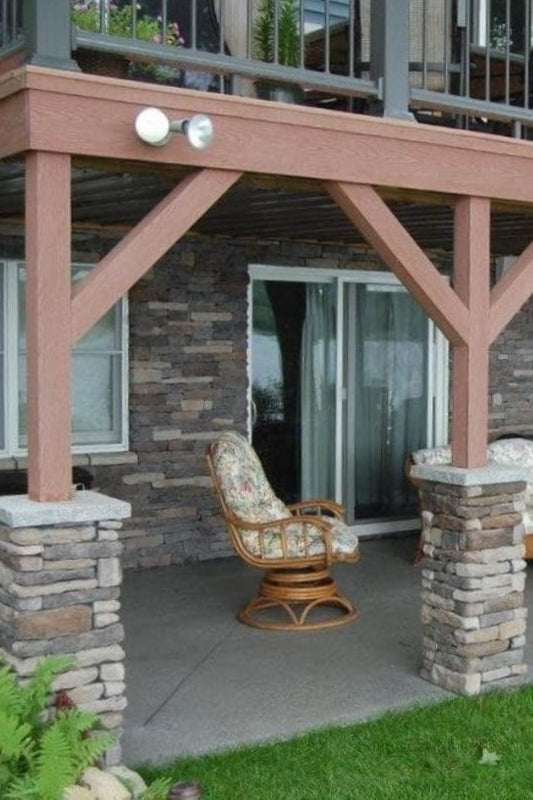
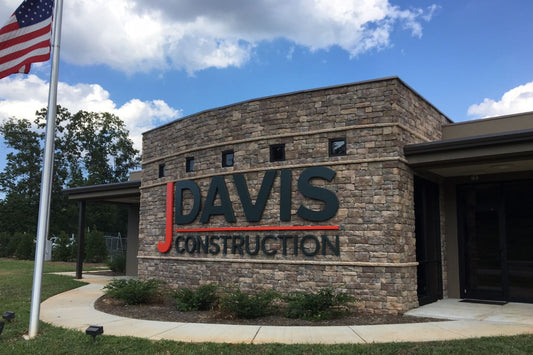
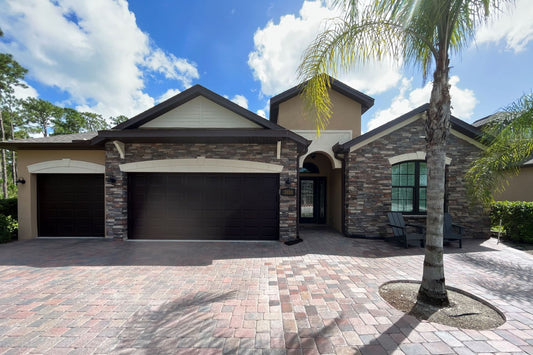
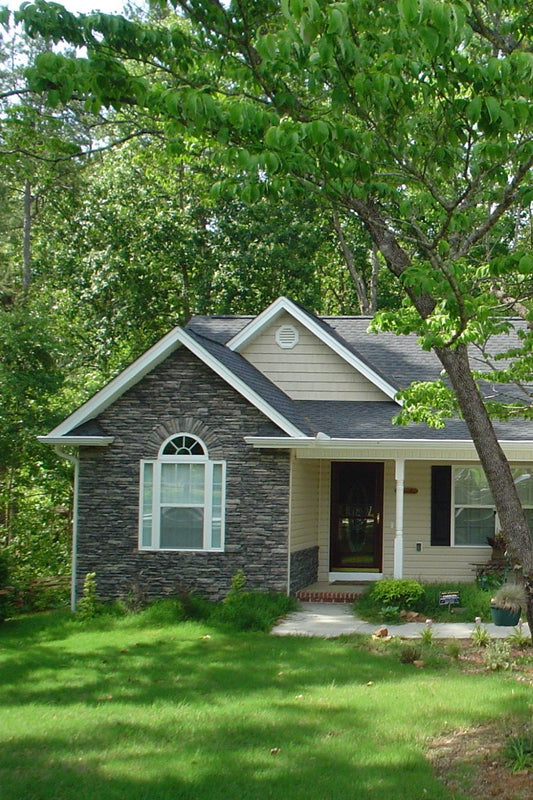
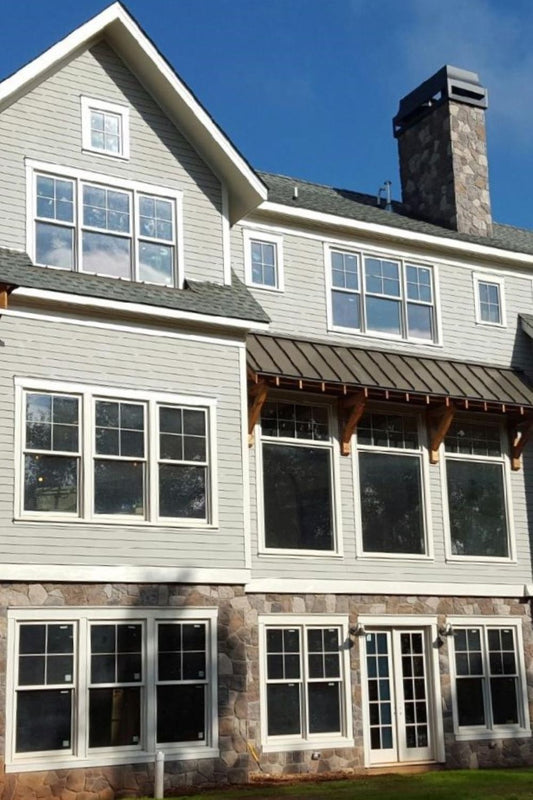
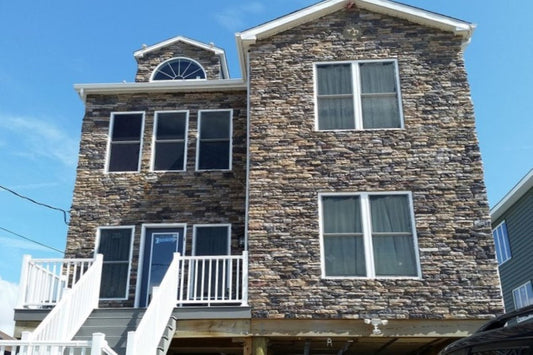
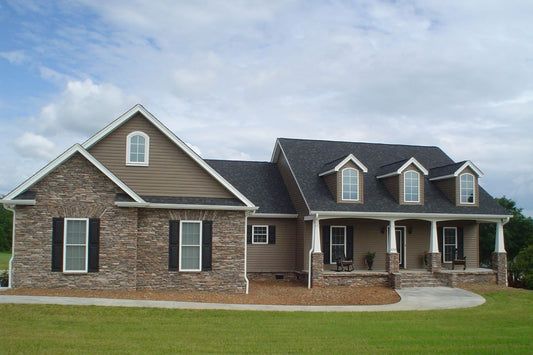
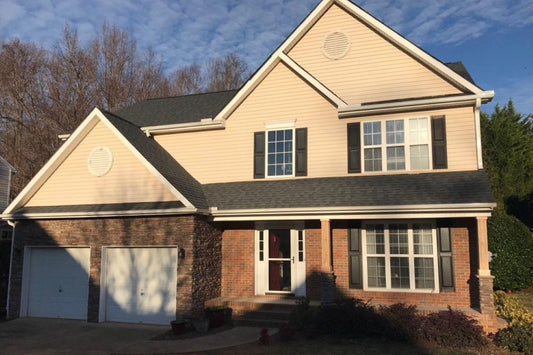
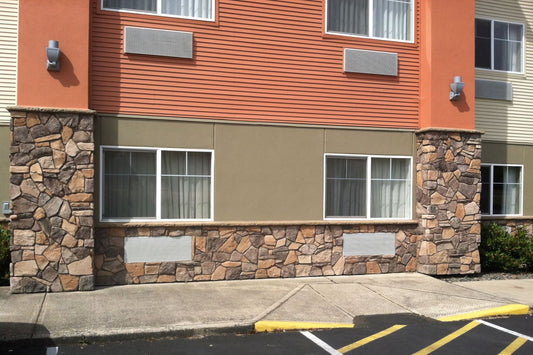
Manufactured stone veneer is frequently used in areas where moisture exposure is unavoidable, making proper installation practices especially important. Exterior walls are one of the most common applications, where the material is exposed to rain, snow, humidity, and seasonal temperature changes. In these environments, water management behind the veneer is essential for preventing long-term damage. For a broader look at design considerations, installation strategies, and best practices for exterior applications, see the ultimate guide to manufactured stone veneer for exterior spaces.
It is also commonly used around pools, waterfalls, and decorative water features, where splashing and constant humidity can affect surface performance. In these applications, careful detailing and sealing become even more important to minimize water absorption.
Foundation walls are another area where moisture exposure is a concern, particularly because they are close to soil that retains water. Without proper barriers, moisture can migrate through the substrate and impact the veneer system.
Outdoor kitchens, patios, and entertainment areas also see regular exposure to spills, cleaning water, and changing weather conditions. In all of these settings, manufactured stone veneer can perform well, but only when installed with moisture management in mind.
Risks of Water Exposure for Stone Veneer
While manufactured stone veneer is designed to withstand outdoor conditions, improper installation or poor moisture control can lead to a range of issues over time. One of the most common problems is water infiltration behind the veneer. When moisture becomes trapped within the wall assembly, it can create conditions that promote mold and mildew growth, which may compromise both the appearance and performance of the wall system.
Another frequent issue is efflorescence, which appears as a white, chalky residue on the surface of the stone. This occurs when water dissolves natural salts within the masonry materials and carries them to the surface as it evaporates. While not structurally damaging, it can affect the appearance of the installation.
In colder climates, freeze-thaw damage is also a concern. When absorbed moisture freezes, it expands, which can lead to cracking, surface spalling, or long-term deterioration of the veneer. This type of damage is usually the result of excessive water absorption combined with repeated temperature fluctuations.
Adhesion failure is another potential risk. If water becomes trapped behind the veneer due to poor drainage or improper flashing, it can weaken the bond between the stone and the substrate. Over time, this may lead to loosening or detachment of individual stones.
How to Protect Stone Veneer From Water Damage
Although manufactured stone veneer is not waterproof on its own, it can perform exceptionally well when installed with proper moisture management strategies. The most important factor is ensuring that the wall assembly is designed to handle water before it reaches the stone surface.
A key component of this system is the use of a weather-resistant barrier behind the veneer. This layer helps prevent moisture from penetrating the structural wall while allowing vapour to escape. When combined with a drainage plane, it ensures that any water that does get behind the system can safely exit rather than becoming trapped.
Flashing details around windows, doors, and roof intersections are also critical. These areas are common entry points for water, so proper flashing helps redirect moisture away from vulnerable sections of the wall.
Sealing the stone surface can also help reduce water absorption. Breathable sealers designed specifically for manufactured stone allow moisture vapour to escape while limiting liquid water penetration. This helps protect the surface without trapping moisture inside the material.
Proper mortar selection and application also play a role in water resistance. Using the correct mortar type and ensuring full coverage helps create a more secure bond and reduces potential entry points for moisture. In addition, properly finished grout joints contribute to overall system durability by limiting pathways for water intrusion.
Clearance from the ground is another important consideration. Keeping the veneer elevated above soil, mulch, and paved surfaces helps prevent moisture wicking, which can occur when water is absorbed upward from the ground. This simple detail significantly improves long-term performance.
Is Manufactured Stone Veneer Suitable for Wet Areas?
Manufactured stone veneer can be used successfully in wet or moisture-prone areas, provided it is installed with the correct systems in place. It performs well in environments such as exterior facades, outdoor living spaces, and landscape features where water exposure is intermittent and properly managed.
However, it is not intended for continuous submersion. Areas such as the interior of pools, fully submerged fountains, or structures with constant water contact require specialized materials designed specifically for underwater conditions. In these cases, natural stone or engineered products rated for submersion are typically more appropriate.
The key distinction is that manufactured stone veneer is designed to shed and manage water, not to function as a waterproof barrier or submerged surface.
Can Stone Veneer Be Exposed to Water?
Manufactured stone veneer can be safely exposed to water in most exterior and decorative applications when it is installed correctly. Its durability makes it suitable for a wide range of architectural uses, including areas that experience rain, snow, and occasional splashing.
The critical factor is not avoiding water exposure entirely but ensuring that water does not become trapped within the wall system. With proper drainage, flashing, and breathable materials, moisture can move through and away from the structure without causing damage. While it should not be used in fully submerged environments, it performs exceptionally well in rain, snow, and typical outdoor conditions when installed correctly.
Routine maintenance, such as checking sealants and ensuring drainage pathways remain clear, also helps extend the life of the installation and preserve its appearance over time.
Understanding how water interacts with manufactured stone veneer is essential for achieving a long-lasting, attractive installation that maintains its integrity for years to come.
From Mountain View Stone: What You Should Know
At Mountain View Stone, one of the most important considerations when working with manufactured stone veneer is understanding that moisture management is a system, not a single product feature. The performance of stone veneer in wet environments depends less on the stone itself and more on how the entire wall assembly is designed and installed. When proper barriers, drainage systems, and installation practices are used, manufactured stone veneer can perform reliably in a wide range of climates and applications while maintaining its natural, high-end appearance.
Frequently Asked Questions About Can Stone Veneer be Exposed to Water?
Is manufactured stone veneer waterproof?
No, it is not waterproof. It is porous and can absorb moisture, but proper installation prevents water-related damage.
Can manufactured stone veneer be used outside?
Yes, it is commonly used on exterior walls and performs well when installed with proper moisture protection systems.
What happens if water gets behind stone veneer?
Trapped moisture can lead to mold, efflorescence, freeze-thaw damage, or loss of adhesion if not properly managed.
Does manufactured stone veneer need to be sealed?
Sealing is optional but recommended in high-moisture areas to reduce water absorption and staining.
Can stone veneer be used around pools or waterfalls?
Yes, but it must be properly installed and detailed to handle splashing and humidity. It is not suitable for full submersion.
How do you prevent water damage in stone veneer installations?
Using weather barriers, drainage systems, flashing, proper mortar, and maintaining ground clearance are key to preventing water damage.
What's Next?
Transform your vision with our premium stone veneer! Shop now to find the ideal style or order a sample to feel the texture and see the color up close. Begin your project today!
Have a Question?
Please see our full terms of service or check out our frequently asked questions.
For general information and questions please call: (864) 882-8960 Mon. - Fri. 8am - 5pm (EST) or email: info@mountainviewstone.net we are more than happy to help you.
Or you can submit your questions via our contact us page.
We look forward to working with you on your upcoming project.
The Mountain View Stone Team
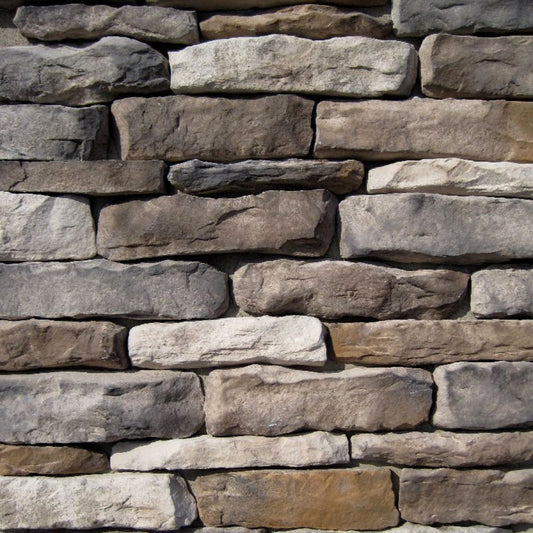
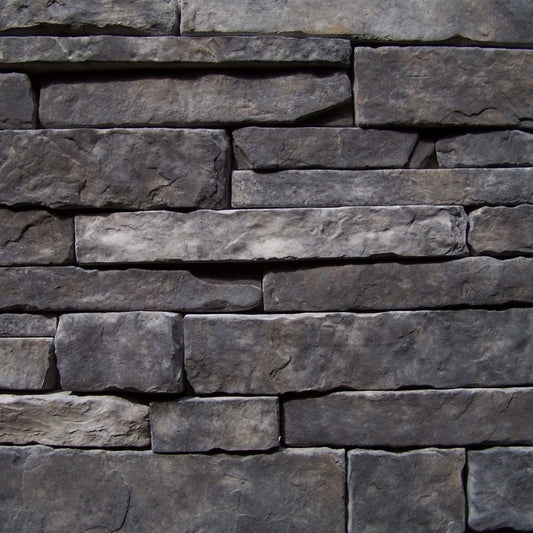
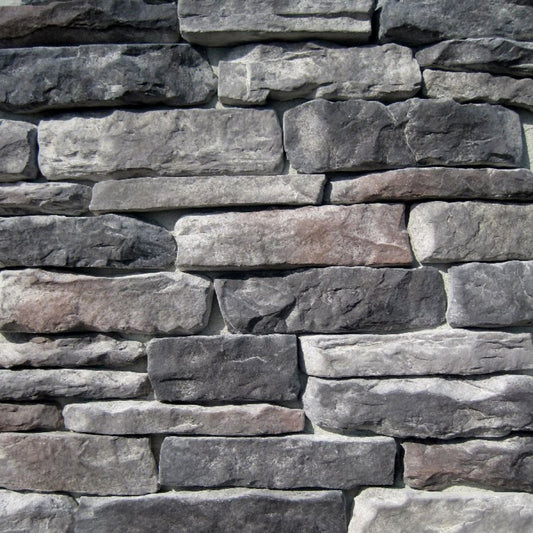
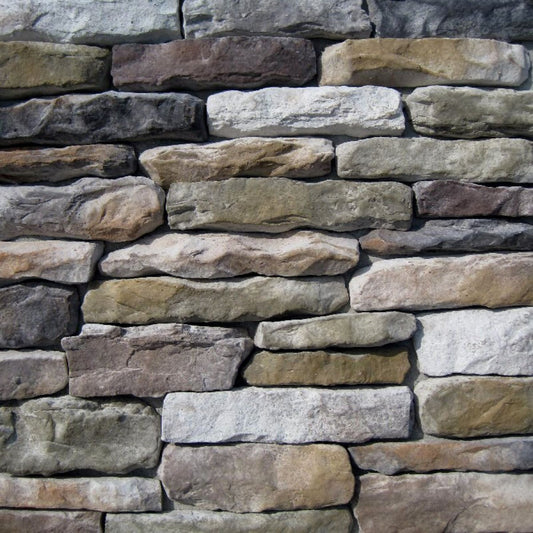
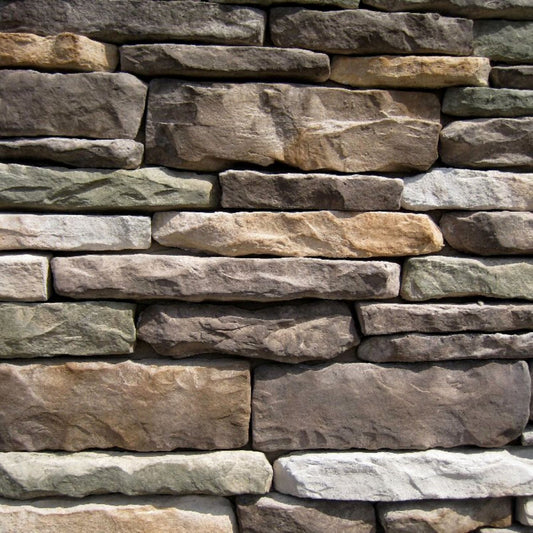
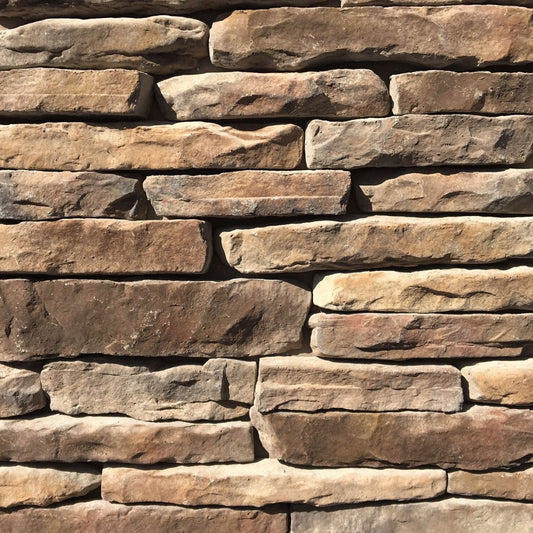
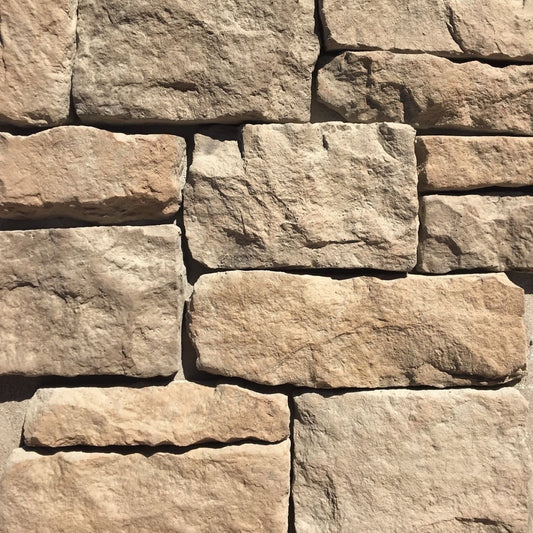
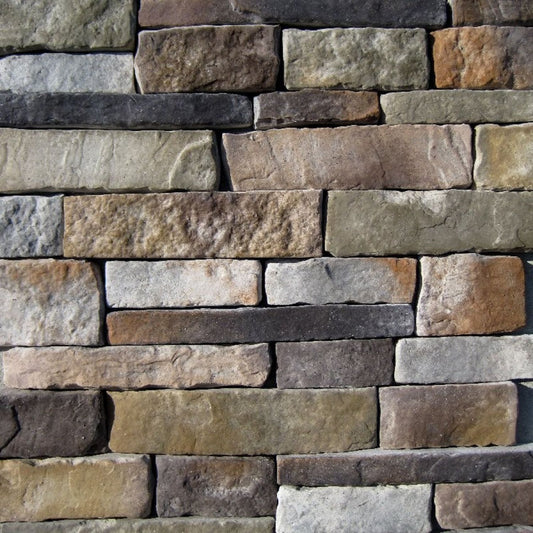
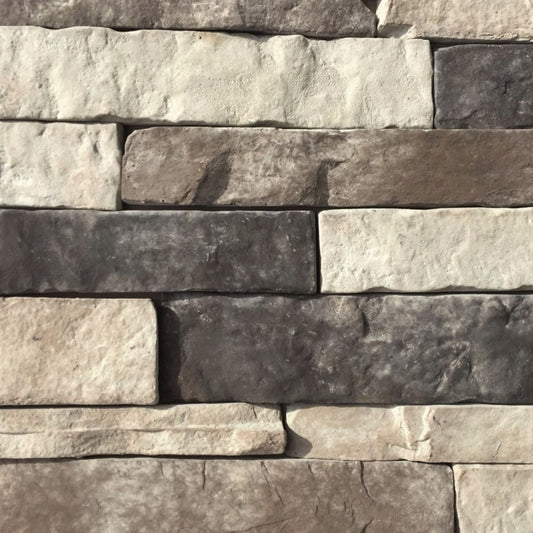
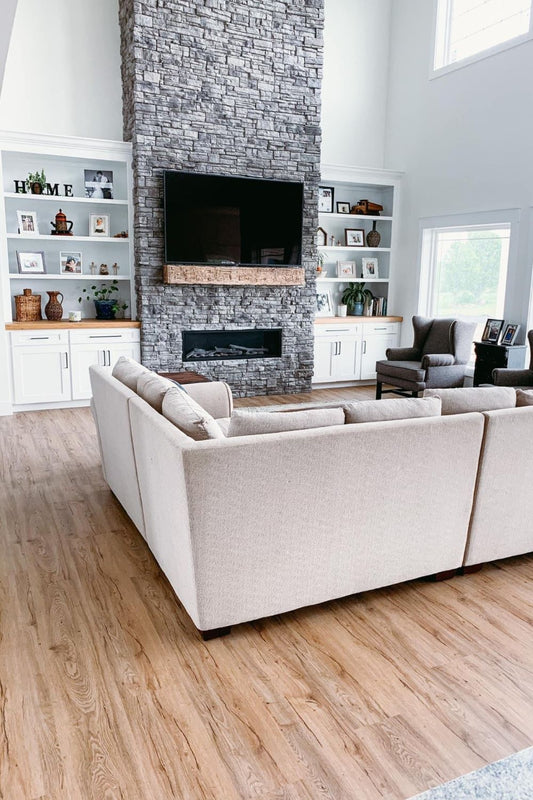
Pictured is ready stack mossy creek.