
Stone Veneer for Office Buildings and Interiors: Benefits, Uses, and Design Ideas
Share
Stone veneer is widely used in office buildings and interiors because it delivers the look of natural stone without the weight, cost, or structural demands. In commercial environments, it enhances exterior facades, lobbies, reception areas, and feature walls while offering durability, design flexibility, and lower installation requirements than full-bed masonry. It is especially popular in modern office design for creating high-end architectural impact at a controlled budget.
Stone veneer has become a defining material in modern commercial architecture, especially in office buildings where design, durability, and cost efficiency must all align. Whether used on exterior facades or interior feature walls, stone veneer offers the appearance of full natural stone while significantly reducing structural load and installation complexity. For a broader look at how manufactured stone veneer is used across retail, hospitality, office, and mixed-use projects, explore our guide to stone veneer for commercial applications.
For office buildings, first impressions matter. The exterior must communicate professionalism, stability, and brand identity. Inside, the environment should balance aesthetics with functionality, creating spaces that feel both welcoming and authoritative. Stone veneer bridges both needs seamlessly. It allows architects and developers to introduce texture, depth, and natural visual elements without the limitations of traditional masonry.
As commercial design continues to evolve toward more human-centered and visually engaging spaces, stone veneer has moved from a decorative option to a strategic architectural material.
Why Stone Veneer is Used in Office Buildings
The adoption of stone veneer in office buildings is driven by a combination of performance, aesthetics, and cost efficiency. Unlike full stone construction, which requires significant structural reinforcement, stone veneer provides a similar visual outcome at a fraction of the weight. This makes it suitable for both new builds and renovations where load-bearing capacity is limited.
From a design perspective, stone veneer helps establish a sense of permanence and credibility. In corporate architecture, materials play a subtle but powerful role in shaping perception. Stone textures often communicate stability, tradition, and trust, which is why they are frequently used in banks, corporate headquarters, and professional office complexes.
At the same time, modern manufactured stone veneer allows for a wide range of colors, profiles, and finishes. This flexibility enables designers to align the building’s exterior with branding or regional architectural styles without being constrained by natural stone availability or cost.
Exterior Applications in Commercial Office Design
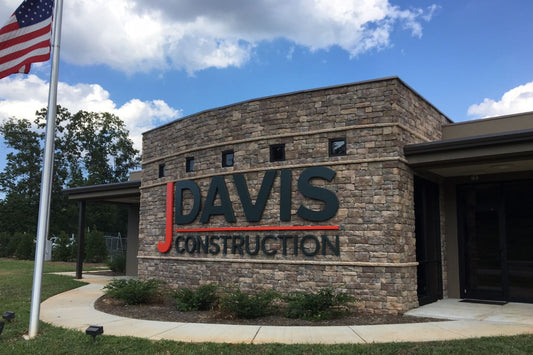
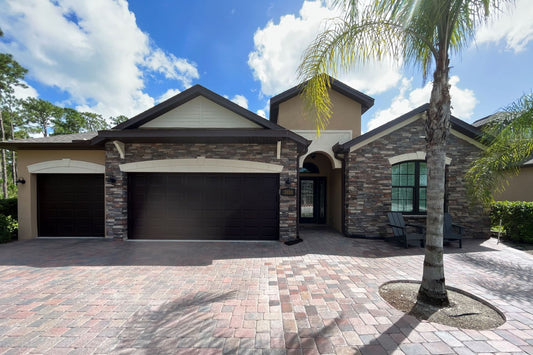
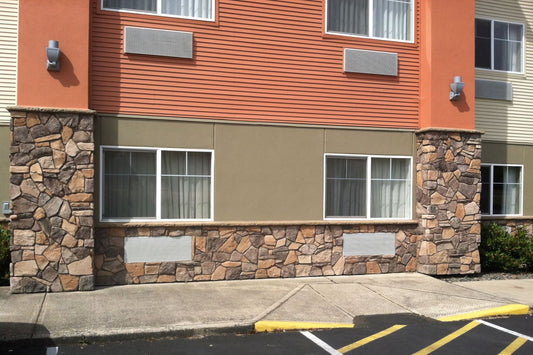
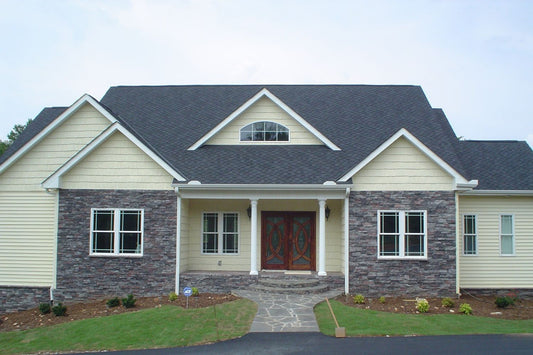
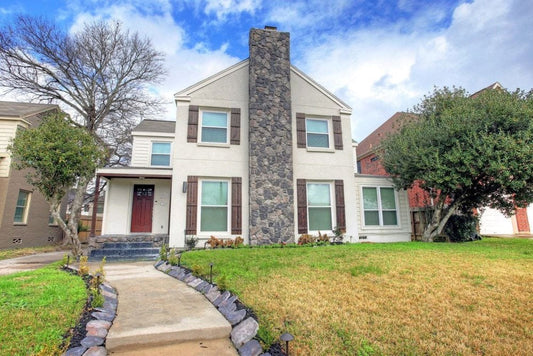
On the exterior of office buildings, stone veneer is commonly used to enhance facades, entrances, columns, and podium levels. These areas are particularly important because they form the visual identity of the building from street level.
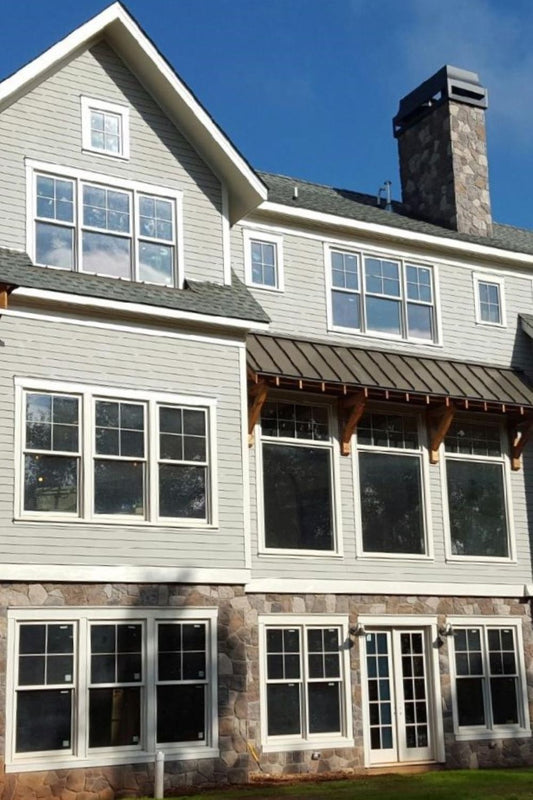
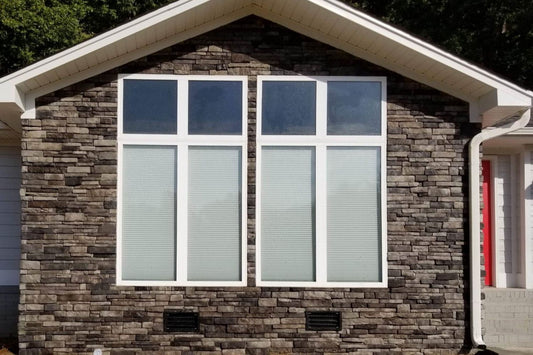
A stone veneer facade can soften the appearance of glass and steel structures, adding warmth and contrast to otherwise modern materials. It is often used at the base of taller buildings to create visual grounding, helping the structure feel anchored within its environment. Entryways are another key application, where stone veneer is used to highlight doors, signage, and architectural framing elements.
In multi-tenant office buildings, exterior stone veneer also contributes to wayfinding and differentiation. Subtle variations in color or texture can help distinguish different sections or entrances without disrupting overall architectural cohesion.
Beyond aesthetics, exterior stone veneer also performs well in diverse climates when properly installed. It resists freeze-thaw cycles, UV exposure, and moisture penetration when paired with appropriate weather-resistant barriers and installation systems, making it a reliable choice for long-term commercial use.
Interior Stone Veneer in Office Spaces
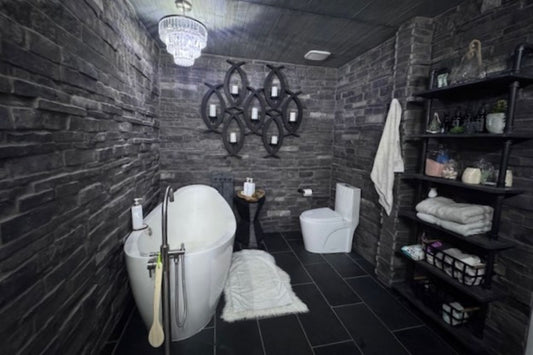
Inside office buildings, stone veneer is used to create focal points that elevate the overall interior design. Lobbies and reception areas are the most common locations, where the goal is to immediately communicate professionalism and brand identity.
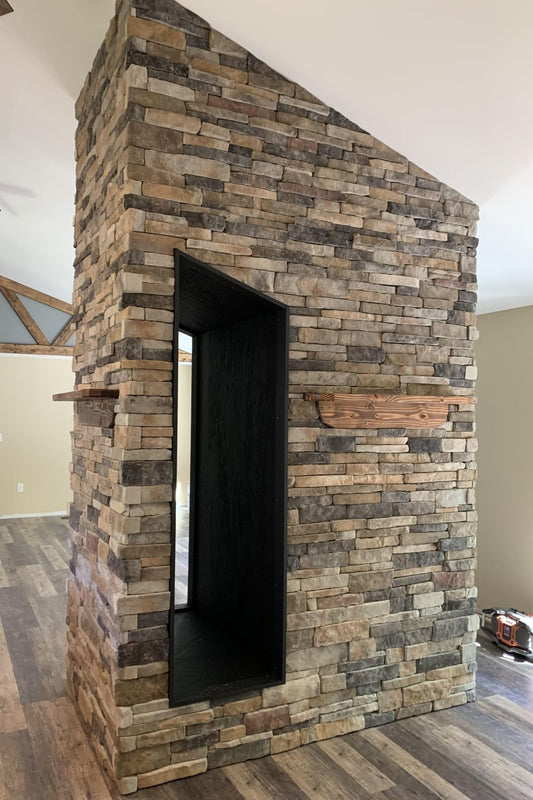
A stone veneer feature wall behind a reception desk can transform a simple entry space into a memorable architectural experience. It introduces texture and depth that contrast with glass partitions, metal finishes, and painted drywall. This balance helps soften corporate interiors, making them feel more inviting while still maintaining a professional tone.
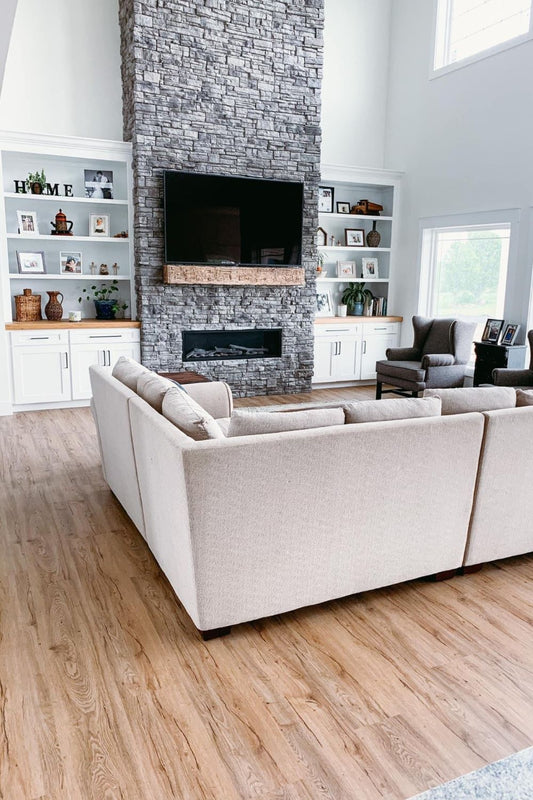
Stone veneer is also frequently used in boardrooms, conference spaces, and executive offices. In these settings, it helps reinforce a sense of authority and permanence. Even small applications, such as accent walls or fireplace surrounds in lounge areas, can significantly elevate the perceived quality of the space.
In modern workplace design, where employee experience is increasingly prioritized, stone veneer also contributes to creating more comfortable and visually engaging environments. It can be used alongside wood, greenery, and natural lighting to support biophilic design principles, which are widely adopted in contemporary office architecture.
Design Flexibility and Architectural Expression
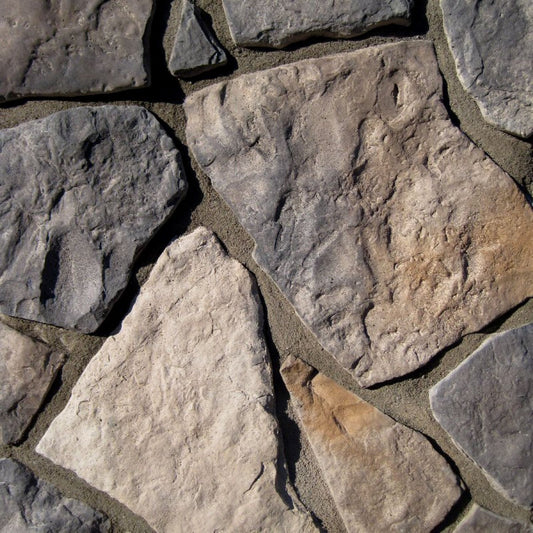
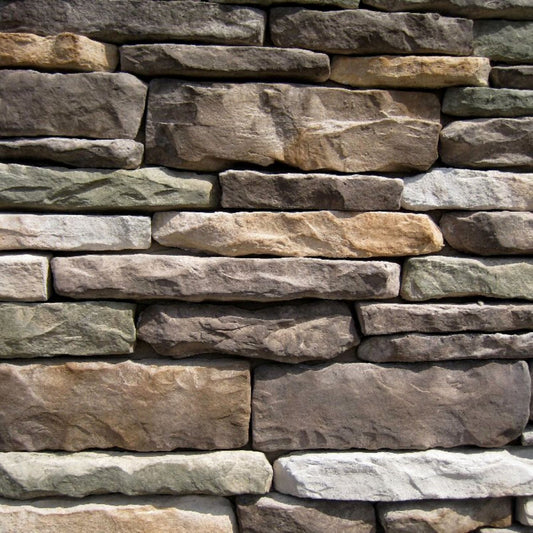
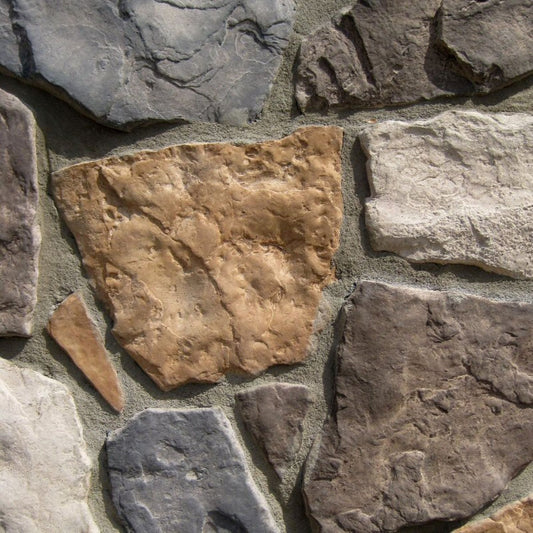
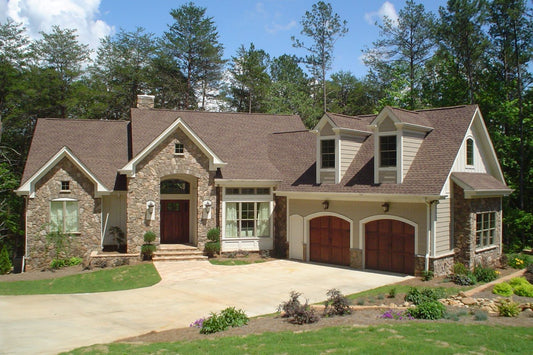
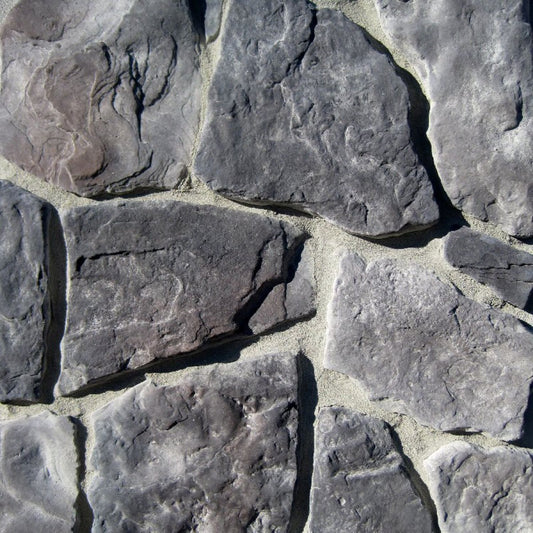
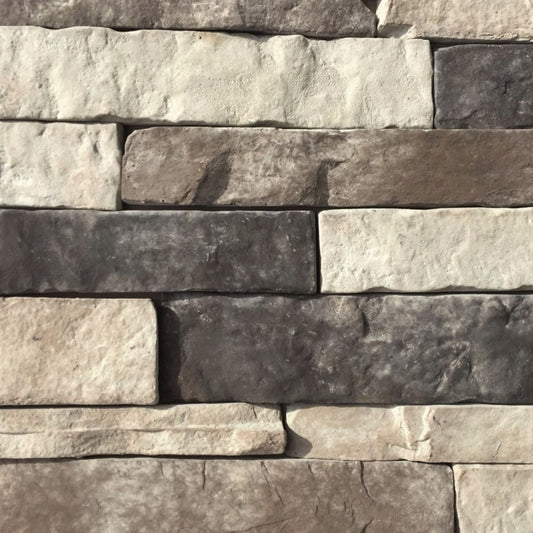
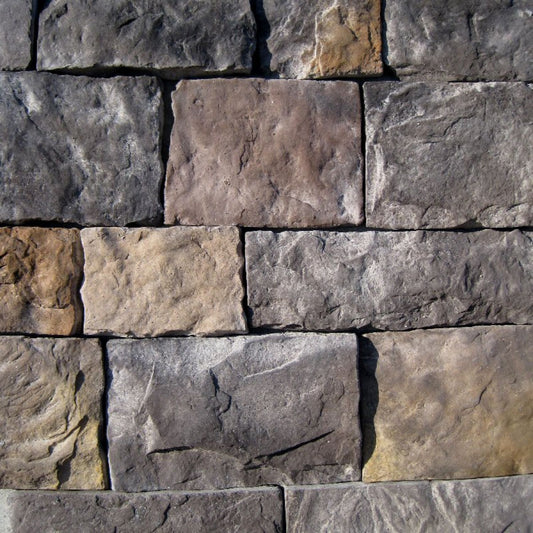
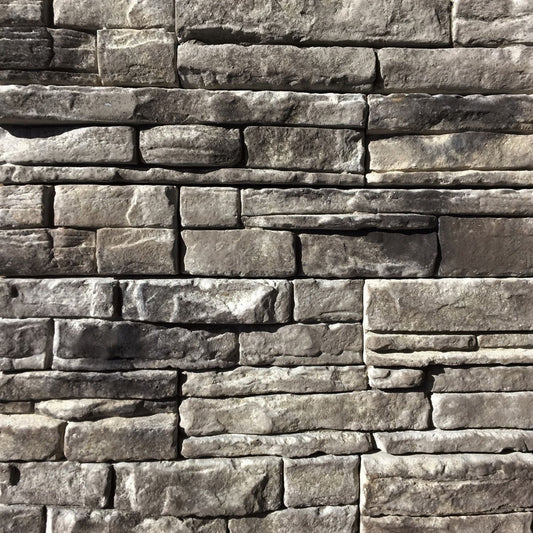
One of the most significant advantages of stone veneer in commercial office design is its versatility. It is available in a wide range of profiles, from sleek stacked stone to rugged fieldstone and traditional cut stone appearances. This allows architects to align material choices with specific design languages, whether the goal is a modern corporate headquarters or a more traditional professional office setting.
Stone veneer can also be used in combination with other exterior cladding systems such as metal panels, curtain wall glazing, and fiber cement boards. This layering of materials creates visual hierarchy and architectural interest, which is especially important in large-scale office developments that might otherwise appear monotonous.
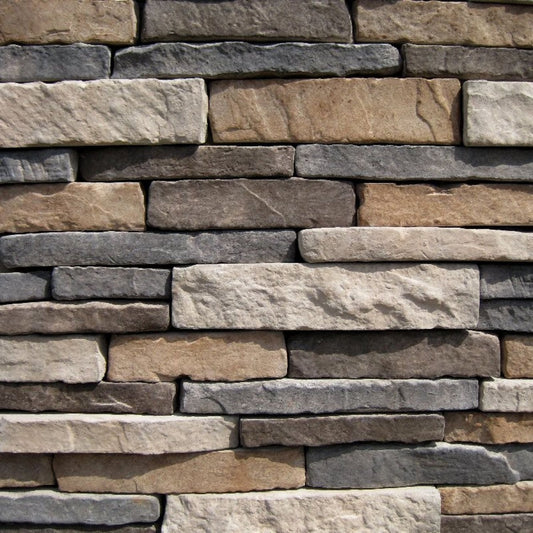
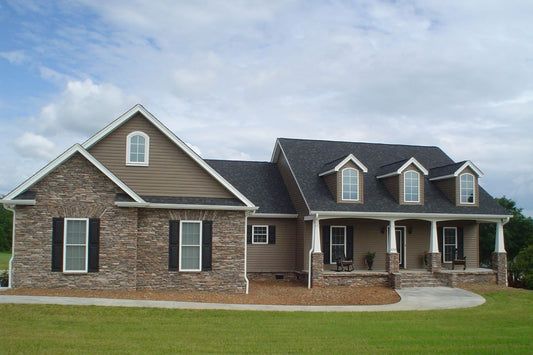
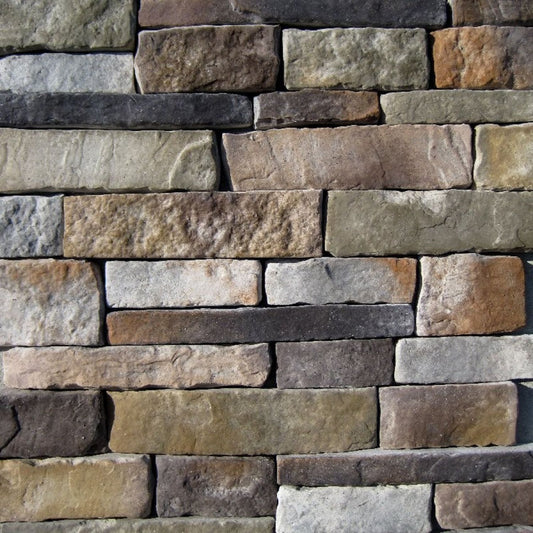
Color selection further enhances design flexibility. Lighter tones can be used to create a clean, contemporary aesthetic, while darker tones often convey strength and formality. Earthy blends are commonly used in suburban office parks to integrate buildings into natural surroundings.
Because manufactured stone veneer is produced in controlled environments, consistency across large commercial projects is easier to achieve compared to natural stone, which can vary significantly from batch to batch.
Durability and Maintenance in Commercial Settings
Office buildings require materials that can withstand heavy use and environmental exposure without excessive maintenance demands. Stone veneer is well-suited to this environment when properly installed and maintained.
On exteriors, it resists weathering, moisture, and temperature fluctuations, especially when installed with appropriate drainage planes and moisture barriers. Unlike painted surfaces or lighter cladding materials, stone veneer does not require frequent repainting or refinishing, which reduces long-term maintenance costs.
Internally, stone veneer is also relatively low maintenance. It does not easily scratch or wear down under normal conditions, making it ideal for high-traffic areas such as lobbies and corridors. Occasional dusting or gentle cleaning is typically sufficient to maintain its appearance.
For commercial property owners and facility managers, this durability translates into predictable lifecycle costs and reduced operational interruptions for maintenance work.
Cost Considerations for Office Building Projects
Cost is a key factor in any commercial construction decision, and stone veneer offers a compelling balance between appearance and affordability. While natural stone can be prohibitively expensive due to quarrying, transportation, and installation requirements, stone veneer provides a similar aesthetic at a significantly lower cost.
Savings are not only realized in material costs but also in structural engineering. Because stone veneer is lightweight, it reduces the need for reinforced foundations and support systems. This can be particularly beneficial in multi-story office buildings where load distribution is a critical design factor.
Installation efficiency also contributes to cost control. Stone veneer systems are generally faster to install than full masonry, which helps reduce labor expenses and shorten construction timelines. For developers working within tight schedules, this can be a decisive advantage.
Installation Considerations in Commercial Projects
Proper installation is essential to ensure the long-term performance of stone veneer in office buildings. Commercial installations typically require adherence to strict building codes and moisture management systems, especially for exterior applications.
A key consideration is the substrate preparation. Stone veneer must be installed over a suitable base system that supports adhesion and allows for proper drainage. In exterior applications, this often includes weather-resistant barriers and metal lath systems designed to manage moisture and prevent long-term structural issues.
In interior settings, installation is generally simpler but still requires attention to surface preparation and support conditions. Fire safety requirements may also influence material selection and installation methods, particularly in large public or multi-tenant office buildings.
When installed correctly, stone veneer integrates seamlessly into the building envelope and provides long-term performance comparable to more traditional masonry systems.
Stone Veneer for Office Buildings and Interiors
Stone veneer has established itself as a highly effective material in both the exterior and interior design of office buildings. It combines the visual strength of natural stone with the practical benefits of modern construction systems, including reduced weight, lower cost, and greater design flexibility.
As commercial architecture continues to prioritize both aesthetics and efficiency, stone veneer is likely to remain a preferred choice for developers, architects, and designers looking to create impactful office environments that balance form and function.
From Mountain View Stone: What You Should Know
At Mountain View Stone, we’ve seen growing demand for manufactured stone veneer in office buildings and commercial interiors because it offers the appearance of natural stone without the structural weight, installation complexity, or high costs associated with full masonry construction. Whether you’re designing a modern office facade, upgrading a reception area, or creating an executive feature wall, manufactured stone veneer provides a durable and professional finish that works across a wide range of architectural styles. Proper installation and moisture management are especially important in commercial applications, which is why working with experienced installers and choosing high-quality materials can make a significant difference in the long-term appearance and performance of the project.
Frequently Asked Questions About Stone Veneer for Office Buildings and Interiors
What is stone veneer used for in office buildings?
Stone veneer is used in office buildings to enhance exterior facades, entrances, and interior spaces such as lobbies and boardrooms. It provides a high-end stone appearance while being lighter and more cost-effective than natural stone.
Is stone veneer suitable for interior office design?
Yes, stone veneer is commonly used in interior office design for feature walls, reception areas, and executive spaces. It adds texture and visual interest while maintaining a professional aesthetic.
How long does stone veneer last in commercial applications?
When properly installed and maintained, stone veneer can last for decades in commercial settings. Its durability makes it suitable for both exterior and interior office environments.
Is stone veneer expensive for office construction projects?
Stone veneer is generally more cost-effective than natural stone. It reduces material costs, structural requirements, and installation time, making it a budget-friendly option for commercial projects.
Can stone veneer be used on high-rise office buildings?
Yes, stone veneer can be used on high-rise office buildings when installed with appropriate engineering systems. Its lightweight nature makes it suitable for vertical applications compared to full masonry.
Does stone veneer require a lot of maintenance in offices?
No, stone veneer requires minimal maintenance. Regular cleaning is usually sufficient, and it does not need repainting or resurfacing like many other exterior or interior finishes.
Are You a Pro?
At Mountain View Stone, we work closely with architects, designers, contractors, and builders who need more than just a material supplier, they need a reliable partner who understands commercial demands. From specification support to custom color development and project coordination, our focus is on helping professionals bring complex facade designs to life with confidence. Whether you’re working on a large-scale commercial development or a detailed architectural feature, we’re here to support your vision with consistent, made-to-order stone veneer solutions built for real-world performance.
We also have a dedicated team for trade and commercial professionals, so feel free to reach out directly at pros@mountainviewstone.net for project support, inquiries, or additional information about our verified pro program.
What’s Next?
Transform your space with our premium manufactured stone veneer. Shop now to explore our collections or order a sample and find the perfect color and texture for your next project with confidence.
Have a Question?
Please see our full terms of service or check out our frequently asked questions.
For general information and questions please call: (864) 882-8960 Mon. - Fri. 8am - 5pm (EST) or email: info@mountainviewstone.net we are more than happy to help you.
Or you can submit your questions via our contact us page.
We look forward to working with you on your upcoming project.
The Mountain View Stone Team
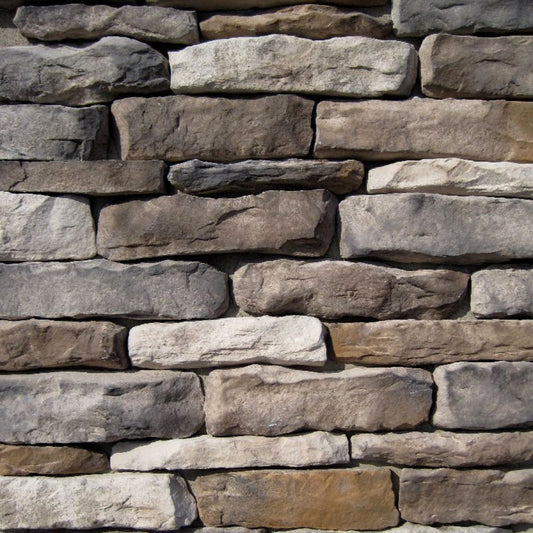
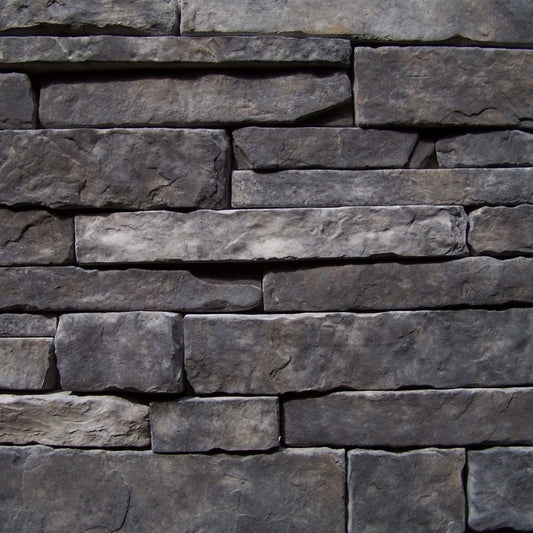
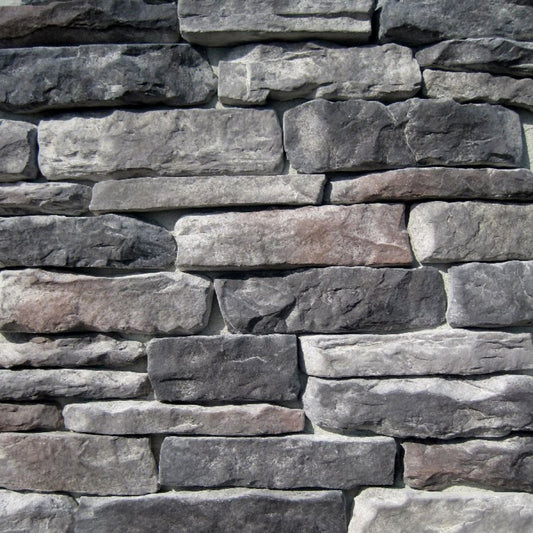
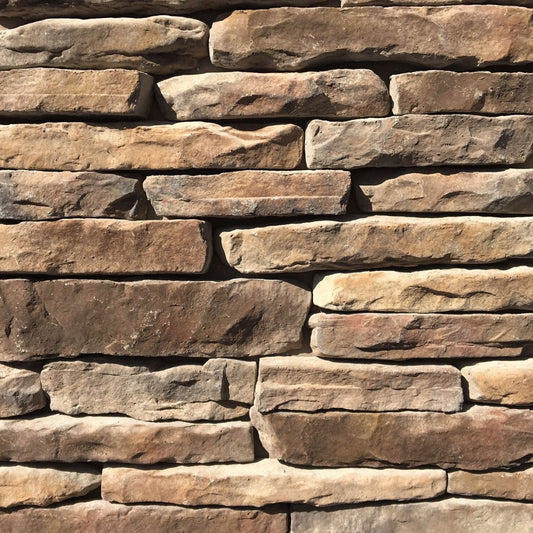
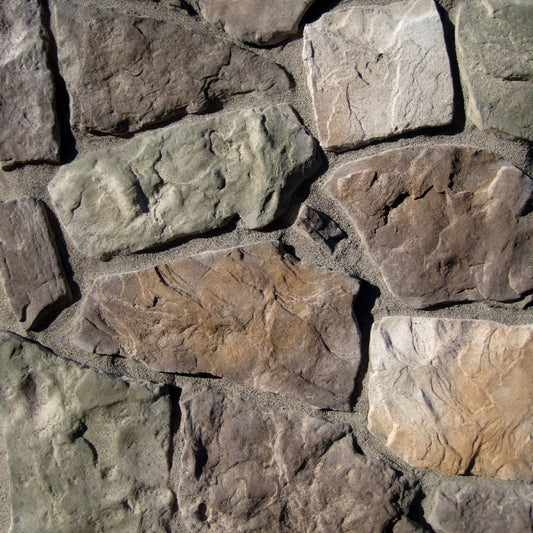
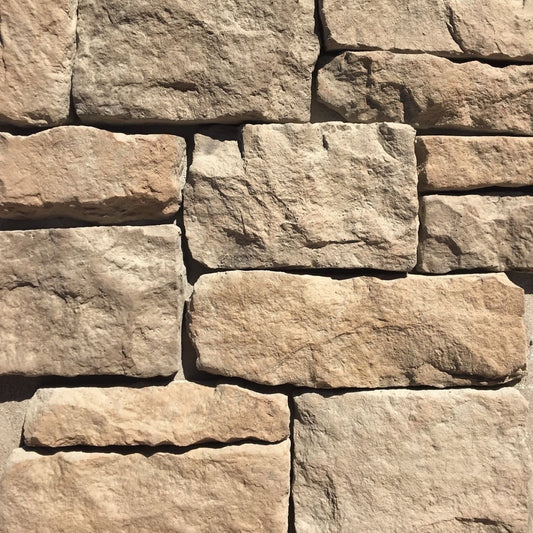
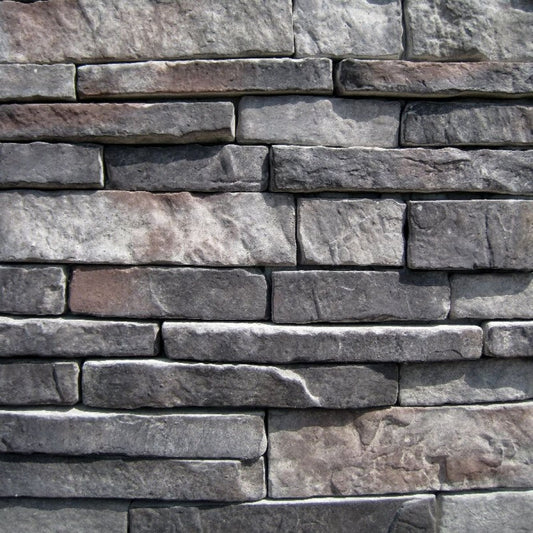
Pictured is ledge stone mountain mist.