
Should You Seal Stone Veneer Around a Fireplace? What Homeowners Need to Know
Share
Sealing stone veneer around a fireplace is not always necessary. Most manufactured stone veneer is designed to be durable without sealing, but a breathable, heat-safe sealer may be helpful in high-soot or high-traffic fireplaces. The key is choosing the right product and avoiding sealers that trap moisture or alter the stone’s appearance.
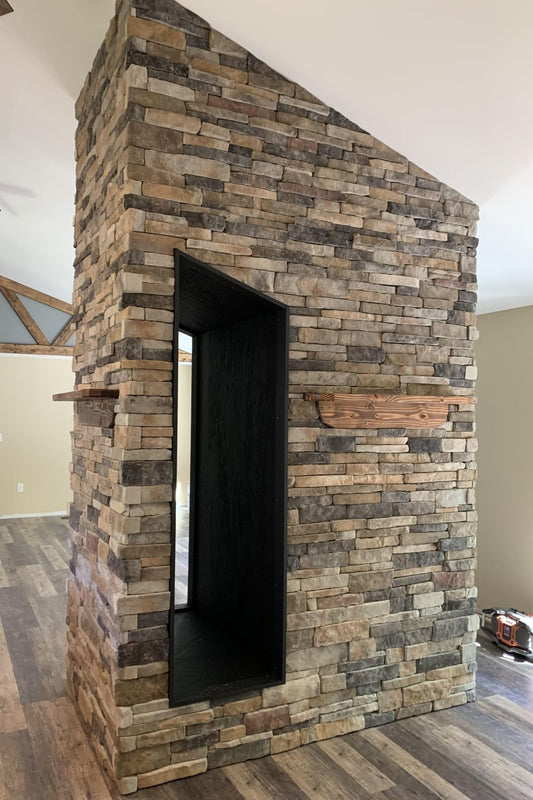
Stone veneer fireplaces have become one of the most popular interior design features in modern homes because they offer the look of natural masonry without the weight and cost of full-bed stone. Whether used in rustic, contemporary, or transitional designs, manufactured stone veneer provides texture, depth, and warmth that enhances any living space. For a deeper look at design ideas, installation considerations, and style inspiration, you can explore our complete guide on stone veneer fireplaces.
But once installation is complete, many homeowners begin asking an important question: should you seal stone veneer around a fireplace? The answer is not as straightforward as a simple yes or no. It depends on the type of veneer, the installation conditions, and how the fireplace is used. While sealing can offer benefits in some cases, it can also introduce unnecessary risks if done incorrectly.
Understanding how stone veneer behaves under heat, soot exposure, and interior conditions is key to making the right decision for long-term performance and appearance.
Should You Seal Stone Veneer Around a Fireplace?
In most cases, manufactured stone veneer installed around a fireplace does not require sealing. These products are designed to be durable, color-fast, and resistant to everyday indoor conditions. Unlike natural stone, which can vary significantly in porosity, manufactured veneer is engineered with controlled absorption rates and long-term stability in mind.
However, the decision changes slightly depending on the environment. Fireplaces that are frequently used, especially wood-burning units, tend to produce soot and fine particulate residue that can settle into textured stone surfaces. In these situations, sealing may be considered more for maintenance convenience than structural necessity.
Even then, sealing is not about making the surface completely waterproof or heatproof. It is about reducing surface porosity just enough to make cleaning easier and minimize long-term staining. The key is moderation and product selection, because over-sealing or using the wrong type of product can cause more harm than benefit.
Why Homeowners Consider Sealing Fireplace Stone Veneer
The idea of sealing often comes from concerns about soot buildup, staining, or long-term discoloration. Fireplace surrounds naturally collect airborne particles over time, especially in homes where the fireplace is used regularly. These particles can settle into grooves and textures, which makes the stone appear dull or darker than intended.
Another reason homeowners consider sealing is moisture control. While interior fireplaces are not typically exposed to direct rain or outdoor weather, humidity fluctuations and cleaning practices can still introduce moisture into the surface. Some homeowners believe sealing will protect the veneer from these small environmental changes.
Aesthetic preservation also plays a role. Many people want to maintain the “just installed” look of their fireplace as long as possible. They assume sealing will lock in the original color and texture, preventing any aging effects. While this can be partially true, it is not always necessary for achieving long-term visual appeal.
When Sealing Stone Veneer Makes Sense, and When It Doesn’t
The need to seal stone veneer depends heavily on the specific type of product and how it has been installed. Manufactured stone veneer is typically less porous than natural stone, meaning it already resists absorption to a certain degree. In many interior fireplace applications, this makes sealing optional rather than essential.
Sealing may be more appropriate when the fireplace surround is exposed to frequent soot, when lighter-colored stone is used, or when the surface has a more porous or rough texture that tends to trap dust. In these cases, a properly selected sealer can make routine cleaning easier and help maintain a more uniform appearance over time.
On the other hand, sealing is often unnecessary in low-use fireplaces or decorative surrounds where little to no combustion residue is present. Many modern gas and electric fireplaces produce minimal soot, which significantly reduces the need for surface protection. In these installations, the stone veneer is already performing within its intended design conditions.
One important consideration is breathability. Stone veneer systems are designed to allow some level of vapor movement. If a non-breathable sealer is applied, it can interfere with this balance and potentially trap moisture within the material or behind the installation layers. This is one of the main reasons professionals are cautious about sealing without a clear need.
Potential Downsides of Sealing Fireplace Stone Veneer
While sealing can seem like a protective upgrade, it is not without drawbacks. One of the most common issues is unwanted color change. Many sealers deepen or darken the stone’s appearance, which can alter the intended design effect. In some cases, this change is subtle, but in others it significantly shifts the tone of the entire fireplace feature.
Another concern is surface trapping. If a sealer creates a film over the stone rather than penetrating it properly, it can trap soot, dust, or moisture underneath. Over time, this can lead to uneven discoloration or a blotchy appearance that is difficult to correct without stripping the surface.
Heat exposure is another factor. Although fireplace surrounds do not typically reach extreme temperatures on the stone face itself, prolonged heat cycles can still affect certain sealers. Some products may degrade, haze, or lose effectiveness over time when exposed to repeated heating and cooling cycles.
Efflorescence can also become more noticeable if sealing is done incorrectly. When moisture is trapped within masonry systems, salts can migrate to the surface, leaving behind a white, chalky residue. While sealing is not always the direct cause, improper application can contribute to conditions that make efflorescence more likely.
Best Practices if You Decide to Seal
If sealing is chosen, the most important step is selecting a breathable, masonry-safe product that is appropriate for interior use. Not all sealers are designed for high-heat environments, and using the wrong type can compromise both appearance and performance.
It is also important to apply sealer only after the stone veneer and mortar have fully cured. Rushing this step can trap moisture that is still escaping from the installation process. Allowing proper cure time ensures the system is stable before any surface treatment is added.
Testing a small, inconspicuous area is another essential step. Because sealers can slightly alter color and sheen, testing allows homeowners to confirm the final look before committing to the entire fireplace surround. This is especially important for lighter or more variegated stone profiles.
Application should be light and controlled rather than heavy or saturated. The goal is not to coat the surface, but to enhance resistance just enough to reduce staining risk. Over-application is one of the most common mistakes and often leads to the problems homeowners are trying to avoid.
Cleaning and Maintenance Without Sealing
In many cases, proper cleaning and maintenance can eliminate the need for sealing altogether. Stone veneer fireplaces benefit from regular dusting or dry brushing to prevent soot buildup from settling deeply into surface textures.
For more noticeable residue, gentle cleaning methods using mild, non-acidic solutions are usually sufficient. Harsh chemicals should be avoided because they can dull the finish or affect the color integrity of the veneer. In many homes, periodic light cleaning is enough to maintain the original appearance for years. For a more complete breakdown of ongoing upkeep practices, see our full stone veneer care and maintenance guide.
Vacuum attachments designed for textured surfaces can also be helpful in removing dust from deeper grooves. This simple maintenance routine often provides the same visual benefits homeowners expect from sealing, without the risks associated with altering the surface chemistry of the stone.
Should You Seal Stone Veneer Around a Fireplace?
Sealing stone veneer around a fireplace is not a universal requirement, and in many homes it is not needed at all. Manufactured stone veneer is designed to perform well in interior environments without additional treatment. However, in certain situations, such as high soot exposure or lighter-colored, more porous profiles, sealing may offer convenience and easier maintenance.
The key is understanding that sealing is not a protective necessity in most cases, but a selective enhancement when conditions justify it. When done correctly, it can help with cleaning and surface upkeep. When done unnecessarily or incorrectly, it can change appearance or create long-term issues.
A thoughtful approach, based on usage, material type, and product selection, will always produce the best results for a fireplace that remains both beautiful and durable over time.
From Mountain View Stone: What You Should Know
In most interior fireplace applications, manufactured stone veneer does not require sealing to perform as intended. Modern stone veneer products are engineered for durability and are designed to maintain their appearance without additional surface treatments. If your fireplace is exposed to frequent soot from a wood-burning unit, a breathable masonry sealer may make cleaning easier, but sealing should never be viewed as a requirement. Before applying any sealer, always verify that it is compatible with manufactured stone veneer, will not alter the stone's appearance, and is suitable for use around heat-producing appliances. When in doubt, consult both the stone manufacturer and sealer manufacturer to ensure long-term performance and preserve your warranty coverage.
Frequently Asked Questions About Should You Seal Stone Veneer Around a Fireplace?
Is it necessary to seal manufactured stone veneer around a fireplace?
In most cases, sealing is not required because manufactured stone veneer is engineered to be durable and low-maintenance indoors. Sealing is optional and depends on exposure to soot and personal preference.
What type of sealer should be used on fireplace stone veneer?
If sealing is chosen, a breathable, masonry-specific sealer designed for interior use and heat-exposed environments is recommended. Avoid non-breathable or film-forming coatings.
Does sealing change the look of stone veneer?
Yes, it can. Some sealers slightly darken the stone or add a subtle sheen, which may alter the original color and texture. Testing a small area first is always advised.
Can sealing improve fireplace safety?
No, sealing does not improve fire safety. Stone veneer is already non-combustible, and sealers are for surface maintenance rather than heat protection.
How often does sealed stone veneer need to be resealed?
If sealed, reapplication depends on product type and exposure, but interior fireplace surrounds typically require minimal reapplication compared to exterior surfaces.
What is the best way to keep fireplace stone veneer clean without sealing?
Regular dry dusting, gentle vacuuming, and occasional light cleaning with mild solutions are usually enough to maintain appearance without the need for sealing.
What’s Next?
Bring your design ideas to life with premium manufactured stone veneer. Shop now or order a sample to experience the realistic textures and rich, natural-looking colors up close.
Have a Question?
Please see our full terms of service or check out our frequently asked questions.
For general information and questions please call: (864) 882-8960 Mon. - Fri. 8am - 5pm (EST) or email: info@mountainviewstone.net we are more than happy to help you.
Or you can submit your questions via our contact us page.
We look forward to working with you on your upcoming project.
The Mountain View Stone Team
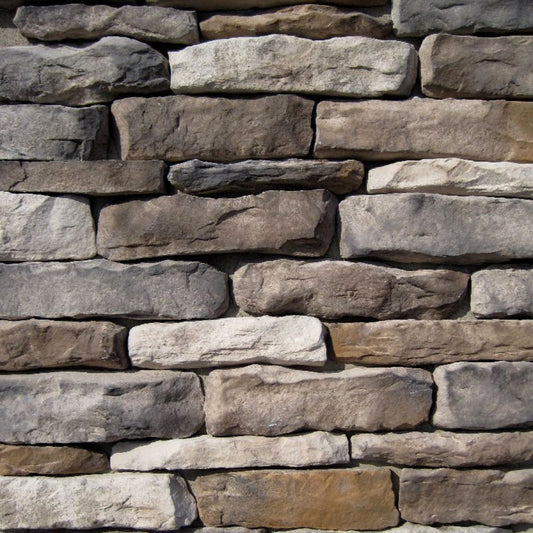
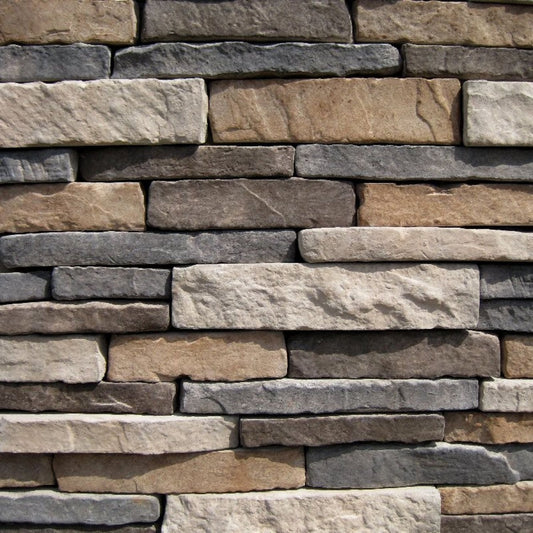
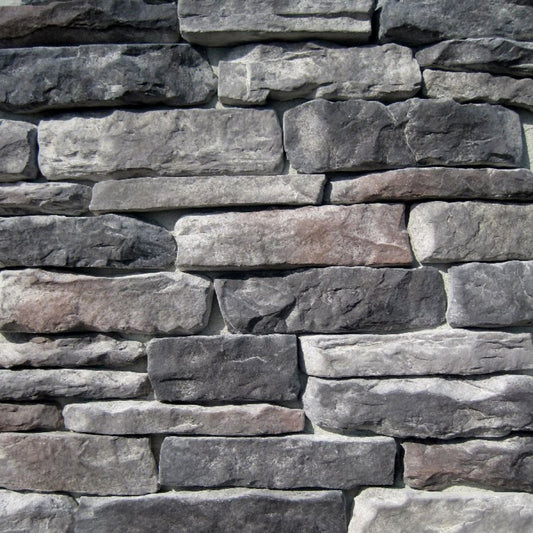
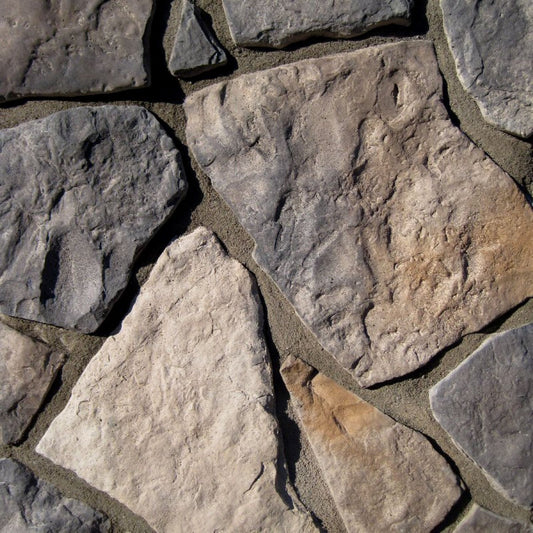
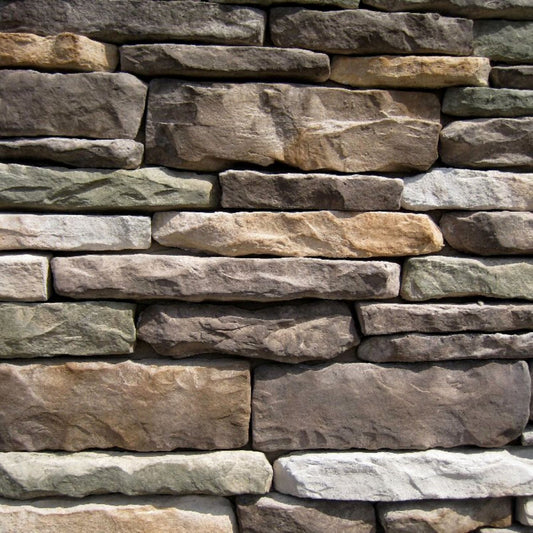
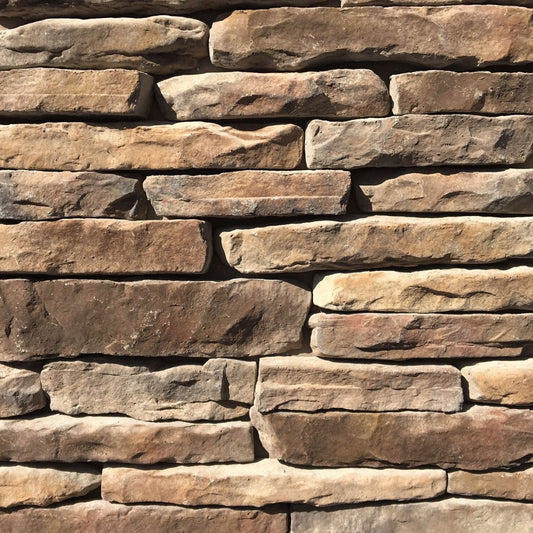
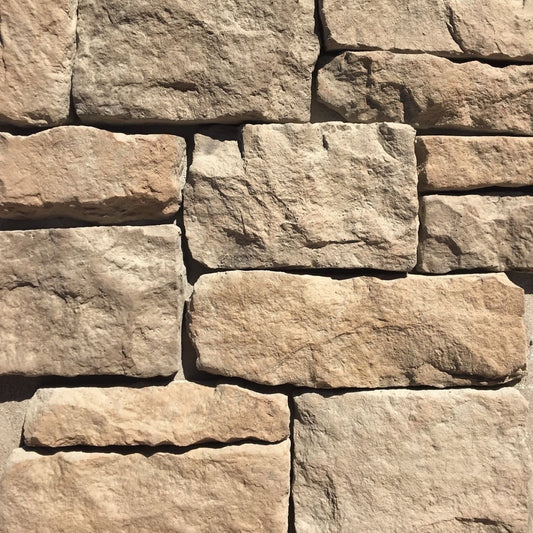
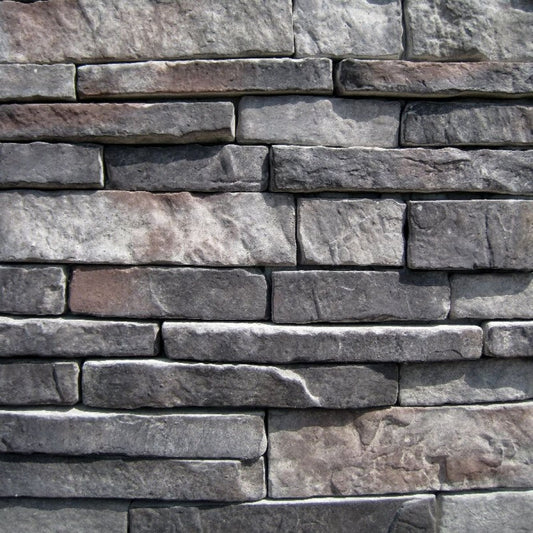
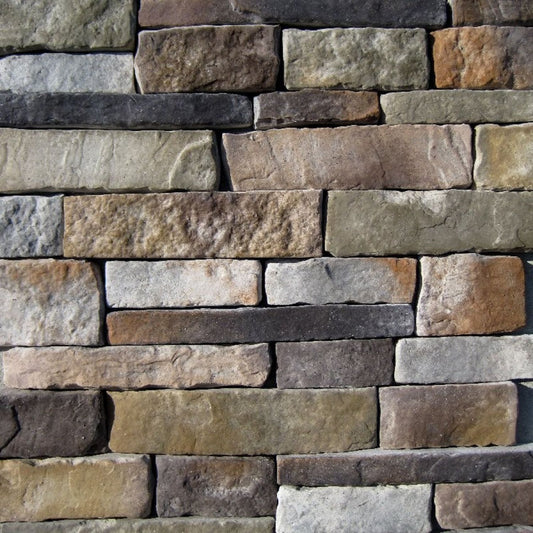
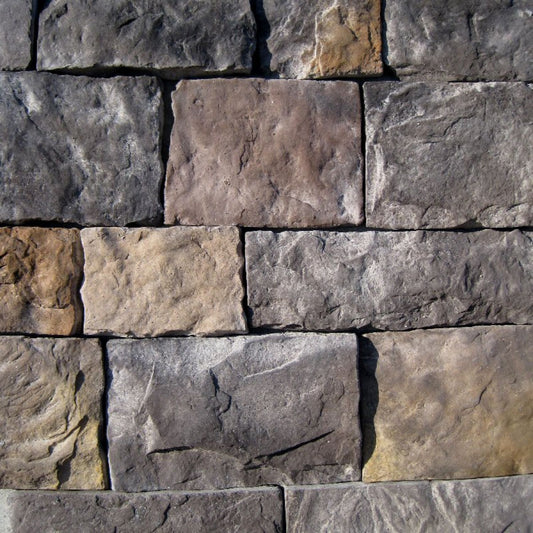
Pictured is hackett stone rustic.