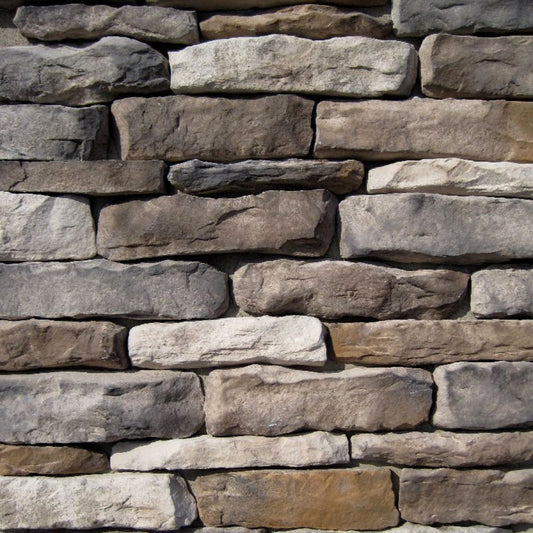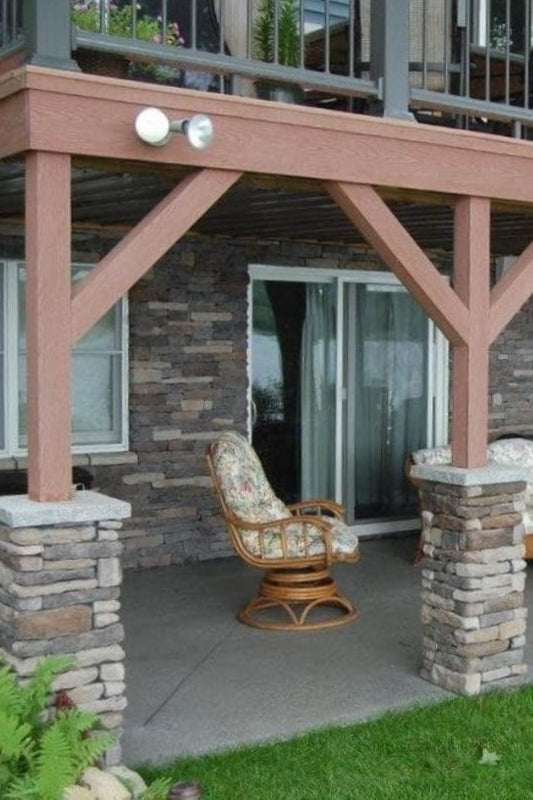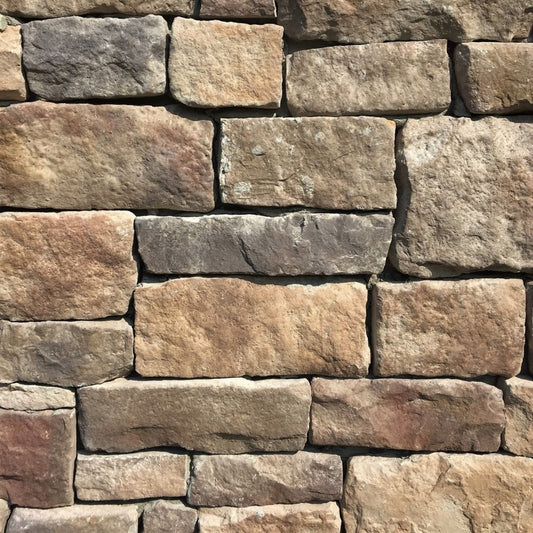

Stone Veneer Inspiration Guide: Creative Designs and Trendy Ideas for Every Home
Share
Stone veneer is one of the most versatile design materials for modern and traditional homes, offering the timeless appearance of natural stone with lighter weight, easier installation, and lower costs. From dramatic fireplace surrounds and luxury kitchen backsplashes to modern exterior facades and outdoor living spaces, manufactured stone veneer can transform nearly any residential design.
Stone has always been associated with timeless architecture, durability, and natural beauty. Whether featured on mountain lodges, historic homes, contemporary commercial buildings, or modern luxury interiors, stone surfaces create depth and character that few other materials can replicate. Today, manufactured stone veneer makes that aesthetic more accessible than ever by offering the appearance of natural stone in a lighter, more versatile format suitable for a wide range of residential applications.
Homeowners, designers, builders, and renovators continue to turn to manufactured stone veneer because it blends visual impact with flexibility. It can be used indoors or outdoors, on small accent walls or entire facades, in rustic settings or sleek contemporary homes. With so many styles, textures, colors, and layouts available, stone veneer allows homeowners to personalize spaces while increasing curb appeal and long-term value.
This stone veneer inspiration guide explores creative ways to use manufactured stone veneer throughout the home. From dramatic fireplaces and exterior facades to spa-inspired bathrooms and outdoor entertainment spaces, these ideas highlight how stone veneer can shape the mood and style of nearly any environment. Whether your design preferences lean modern, traditional, farmhouse, industrial, transitional, or luxury contemporary, stone veneer offers endless opportunities for creative expression.
Why Stone Veneer Continues to Dominate Residential Design
The popularity of manufactured stone veneer continues to grow because homeowners increasingly want materials that balance aesthetics, durability, and practicality. Real stone remains beautiful, but it can be heavier, more expensive, and more labor intensive to install. Manufactured stone veneer offers a similar visual effect while reducing many of the structural and installation challenges associated with full bed natural stone. As styles continue to evolve, many homeowners and designers also look to emerging ideas and finishes highlighted in our post stone veneer design trends for inspiration on how to incorporate stone veneer into modern and timeless home designs.
Modern manufacturing processes have also dramatically improved the realism of stone veneer products. High-quality manufactured stone veneer replicates the textures, shadows, color variation, and dimensional appearance of natural stone so effectively that many installations are difficult to distinguish from genuine quarried stone. This allows homeowners to achieve upscale architectural designs without exceeding renovation budgets.
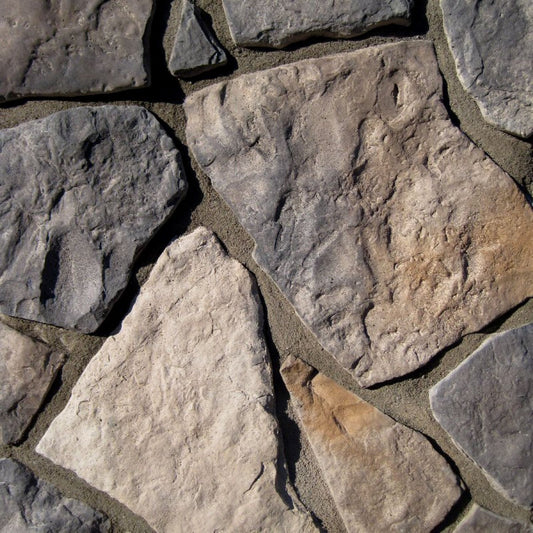
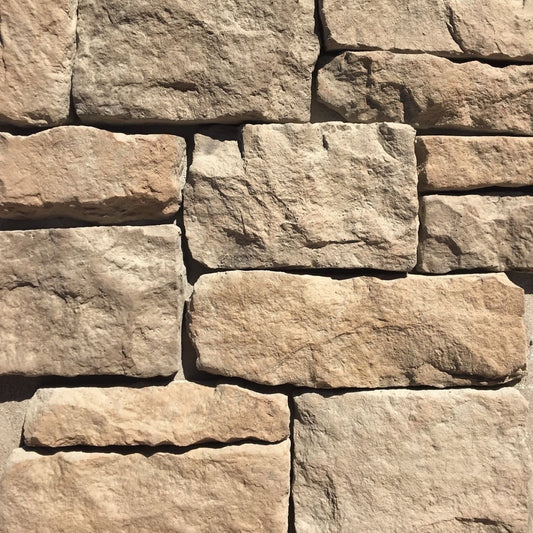
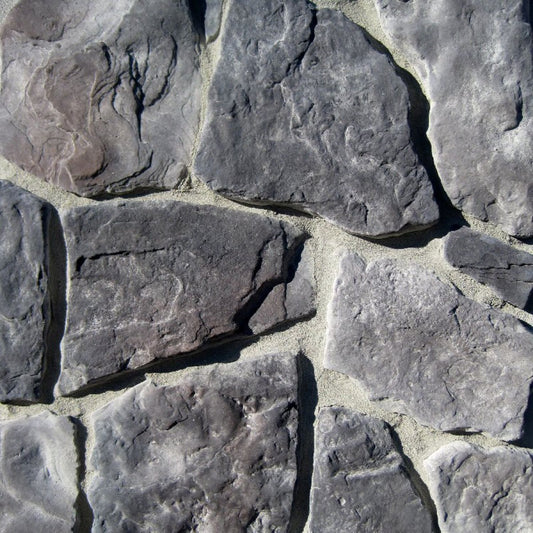
Another reason for stone veneer’s popularity is its versatility across architectural styles. Rustic ledgestone complements mountain homes and cabins, while clean-cut linear profiles suit modern contemporary projects. Limestone-inspired veneers create elegant traditional exteriors, and fieldstone profiles bring warmth and texture to transitional spaces. The flexibility of the material means it can adapt to nearly any design vision.
Beyond appearance, stone veneer also contributes to a sense of permanence and craftsmanship. Many modern homes rely heavily on flat surfaces and minimalist finishes. Stone introduces texture, shadow lines, and organic variation that soften spaces and make them feel more grounded and inviting. Even small stone veneer accents can dramatically change the personality of a room.
The growing demand for stone veneer is also closely tied to evolving architectural and interior design preferences. Homeowners today are looking for finishes that feel timeless yet current, blending natural textures with clean modern lines and warm, inviting spaces. Design professionals continue to push stone veneer into new applications, color palettes, and installation styles that redefine how the material is used in both contemporary and traditional homes. For a deeper look at the latest styles, finishes, and expert insights shaping the industry, explore our post stone veneer trends: insights from a top designer.
Modern Stone Veneer Exterior Inspiration
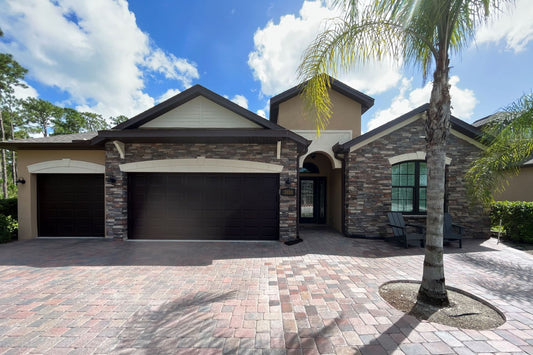
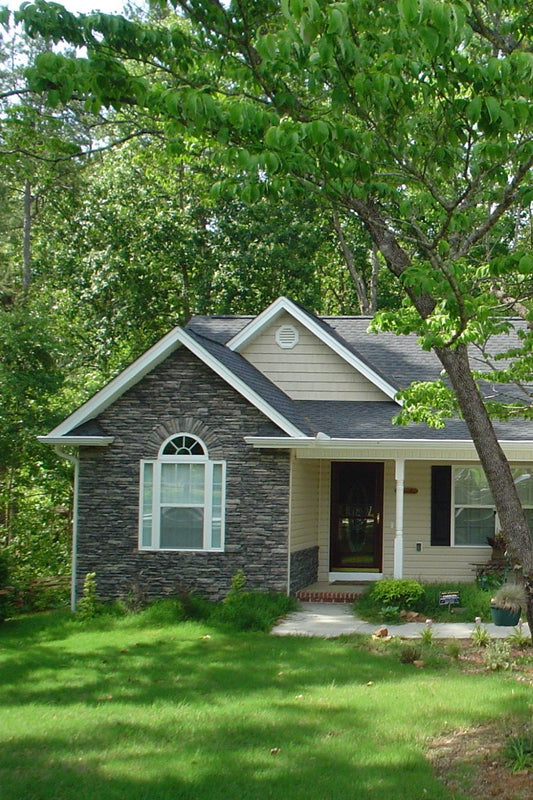
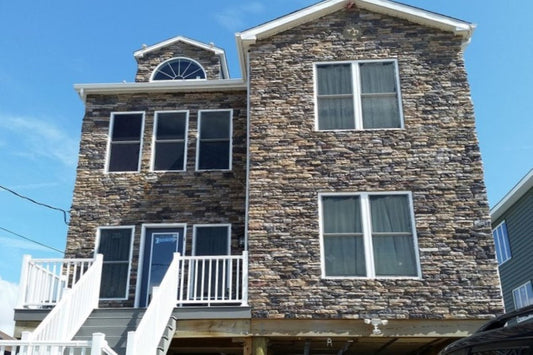
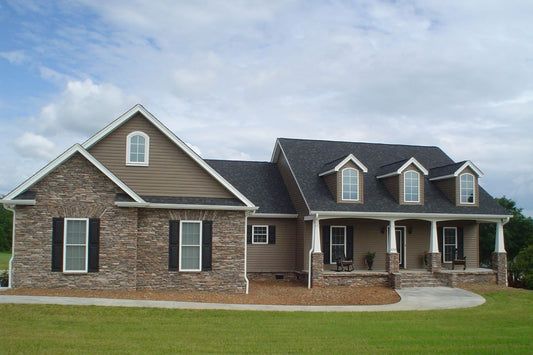
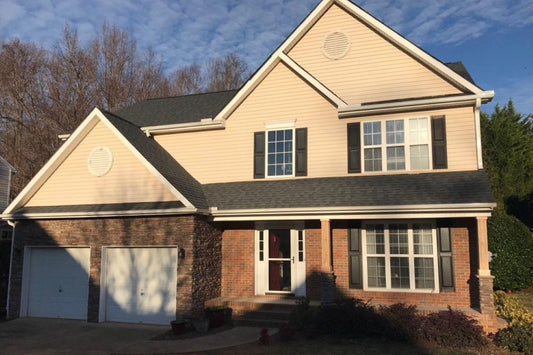
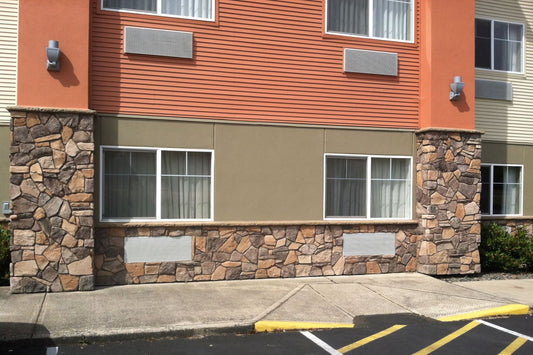
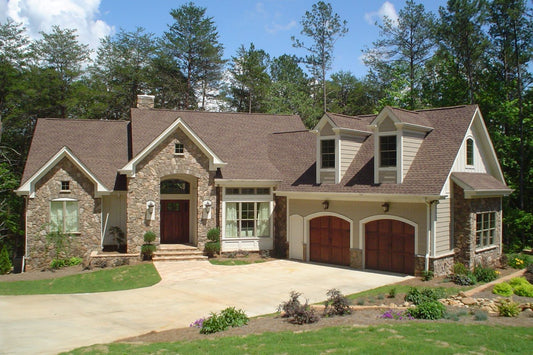
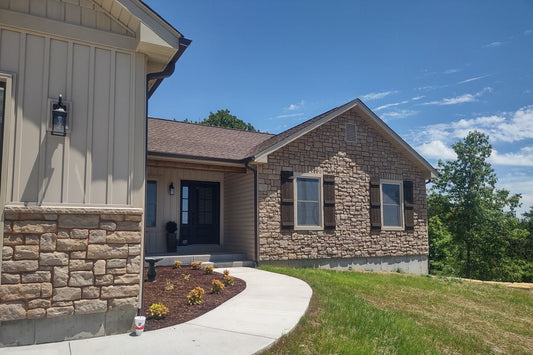
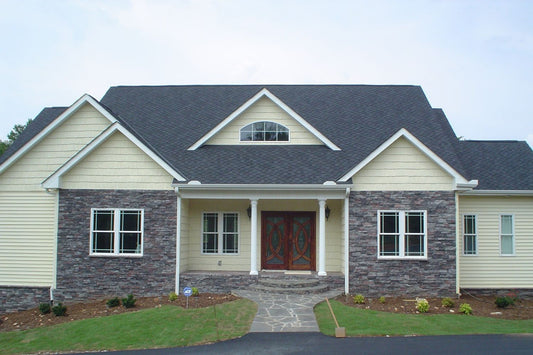
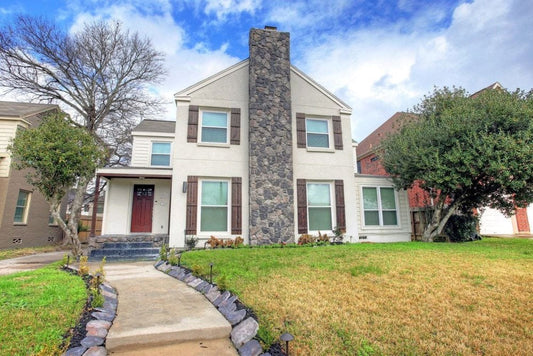
One of the most popular applications for manufactured stone veneer is residential exteriors. Exterior stone veneer instantly increases curb appeal and helps create a custom architectural appearance. Whether incorporated as an accent or used across an entire facade, stone veneer adds visual depth and contrast that elevates the design of a home. To explore ideas and inspiration for upgrading your exterior, read our post transform your home’s exterior with stone veneer.
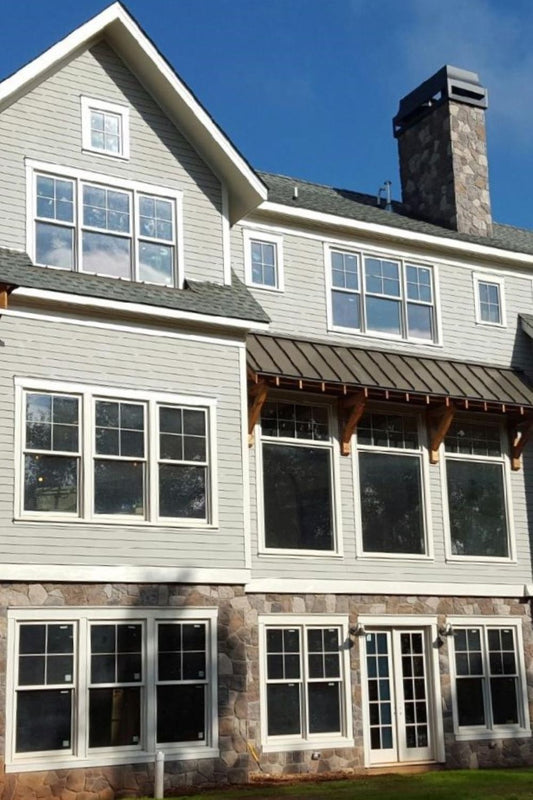
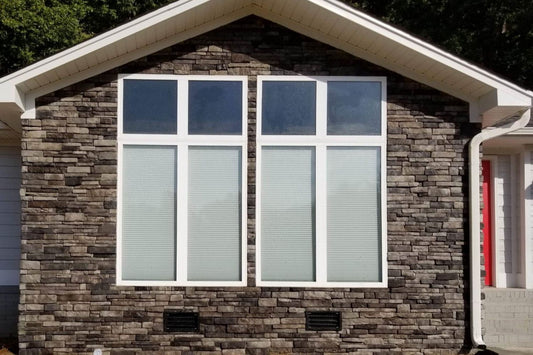
Modern exterior designs often combine stone veneer with materials such as fiber cement siding, wood accents, steel railings, black-framed windows, and oversized glass panels. This combination of natural texture and clean modern lines creates a balanced look that feels sophisticated yet warm. Gray and charcoal stone tones remain especially popular for contemporary homes because they pair well with black trim and minimalist landscaping.
For farmhouse-inspired exteriors, lighter stone colors such as cream, beige, and soft gray create a welcoming appearance that complements white siding and natural wood features. Stone veneer columns, lower wall sections, entry surrounds, and garage accents can all contribute to a cohesive farmhouse aesthetic.
Mountain-style and craftsman homes frequently use heavier textured stone veneer profiles to create a rugged and substantial look. Large fireplace chimneys, entry pillars, retaining walls, and full-height facade sections contribute to the lodge-inspired character that many homeowners desire.
Exterior stone veneer is also highly effective for creating focal points. A stone-clad entryway immediately draws attention to the front door and establishes a strong first impression. Even partial stone installations can make a home appear more luxurious and architecturally detailed.
Lighting also plays a major role in exterior stone veneer design. Uplighting and wall sconces emphasize texture and create dramatic nighttime shadows across the stone surface. Warm lighting tones enhance the natural depth of the veneer and help create a welcoming atmosphere.
Fireplace Stone Veneer Ideas That Transform Living Spaces
Few design features make as much visual impact as a stone veneer fireplace. Fireplaces naturally become focal points within living rooms, great rooms, and family gathering spaces, and stone veneer enhances that role by adding texture, scale, and architectural presence. For inspiration on layouts, styles, and finishing ideas, explore our post stone veneer fireplace designs.
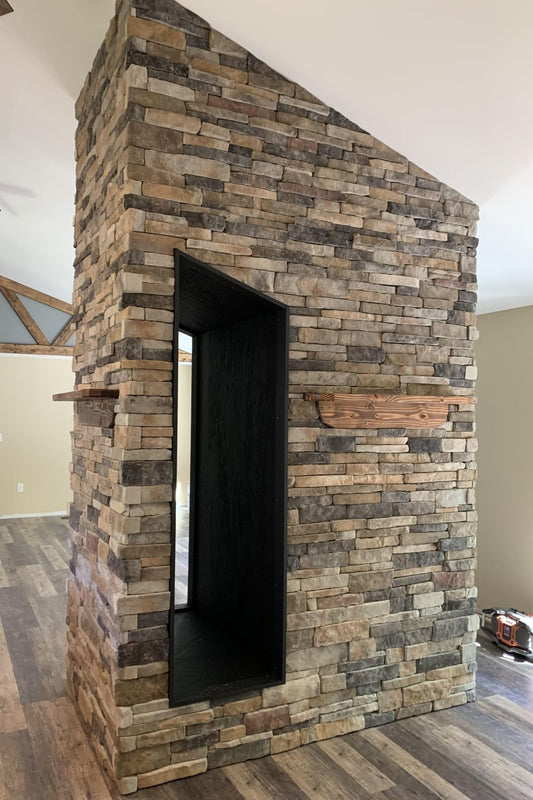
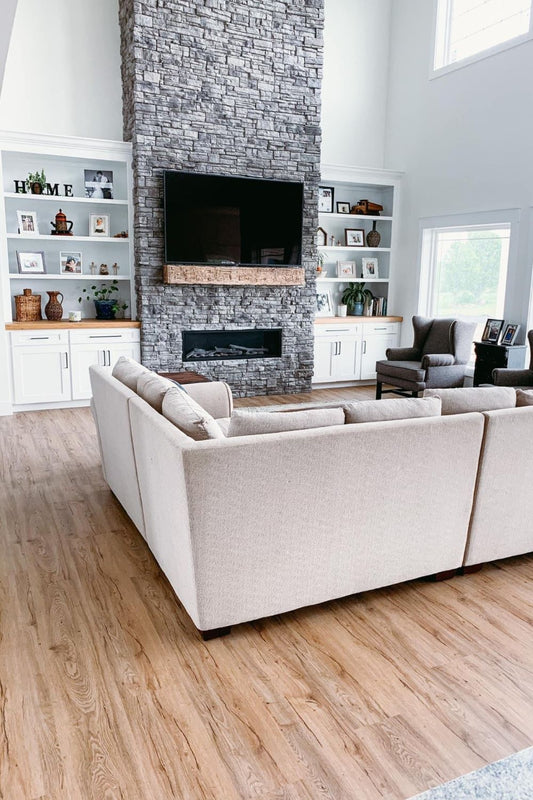
Floor-to-ceiling stone fireplaces remain one of the most requested design trends in modern residential construction. Extending stone veneer all the way to the ceiling creates vertical emphasis and makes rooms feel larger and more dramatic. This approach works particularly well in homes with vaulted ceilings or large open-concept living areas.
Contemporary fireplace designs often feature linear gas fireplaces paired with stacked stone or smooth-cut stone veneer profiles. These installations emphasize horizontal lines and clean geometry while maintaining warmth through natural texture. Dark gray, charcoal, and monochromatic stone palettes are especially popular in modern interiors.
Traditional fireplaces frequently incorporate rustic ledgestone, fieldstone, or limestone-inspired veneer to create warmth and timeless charm. Wood mantels combined with stone veneer produce a balanced contrast between rough and refined materials. The result feels comfortable, inviting, and visually rich.
Minimalist interiors can also benefit from stone veneer when the design is carefully executed. Instead of overwhelming the space with heavy textures, designers often choose subtle stone patterns with restrained color variation. This creates texture without competing against the clean lines of contemporary furniture and architecture.
Double-sided fireplaces clad in stone veneer are becoming increasingly common in luxury homes. These installations divide spaces while maintaining openness and continuity. The stone veneer acts as a sculptural centerpiece visible from multiple rooms.
Wood mantels and stone veneer are one of the most timeless fireplace combinations in residential design. The natural warmth and character of wood beautifully balance the texture and depth of stone, creating a focal point that feels both refined and inviting. Whether paired with rustic reclaimed beams, clean contemporary floating mantels, or traditional stained wood finishes, the combination adds contrast and architectural detail that elevates the entire room. For design inspiration, installation considerations, and style ideas, explore our post stone veneer and wood mantels.
Fireplace lighting is another important consideration. Recessed ceiling lights, integrated mantel lighting, or side sconces can enhance the texture of stone veneer and create dramatic shadows that highlight the dimensional qualities of the material.
Kitchen Stone Veneer Inspiration for Modern Homes
Kitchens are no longer purely functional spaces. They have become central gathering areas where design and atmosphere matter just as much as practicality. Stone veneer offers homeowners a way to introduce warmth, texture, and architectural character into kitchen environments.
Stone veneer backsplashes are one of the most visually striking applications in modern kitchens. Unlike traditional tile backsplashes, stone veneer creates depth and natural variation that transforms ordinary walls into statement features. Earth-toned stone works especially well in warm contemporary kitchens with wood cabinetry and matte finishes. For more inspiration and design considerations, explore our post stone veneer as a kitchen backsplash?
Range hood surrounds clad in stone veneer are another increasingly popular trend. These installations establish a strong focal point while adding old-world craftsmanship to the kitchen design. Rustic farmhouse kitchens often pair stone range hoods with reclaimed wood beams and oversized islands for a cozy, inviting appearance.
In modern luxury kitchens, designers frequently combine smooth stone veneer with sleek cabinetry and waterfall countertops. The contrast between polished surfaces and textured stone creates visual balance and prevents minimalist kitchens from feeling sterile.
Stone veneer islands are also gaining popularity because they help anchor large open-concept kitchens. Wrapping the island base in stone veneer introduces texture at eye level and creates continuity with adjacent fireplaces or feature walls.
Color selection plays a major role in kitchen stone veneer design. Lighter stones brighten the room and complement airy, Scandinavian-inspired interiors. Darker stone colors create drama and sophistication, especially when paired with black fixtures or walnut cabinetry.
Lighting is particularly important in kitchens because shadows and highlights significantly affect how stone textures appear. Under-cabinet lighting, pendant fixtures, and natural daylight all interact with the stone surface to create changing visual effects throughout the day.
Bathroom Stone Veneer Designs That Feel Like Luxury Retreats
Bathrooms have evolved into spa-inspired retreats where materials and textures help create calm, relaxing environments. Stone veneer is increasingly used in bathrooms because it introduces warmth and organic texture that contrasts beautifully with glass, tile, and polished fixtures. To learn more about design ideas, moisture considerations, and installation tips, read our post stone veneer for bathrooms and showers.
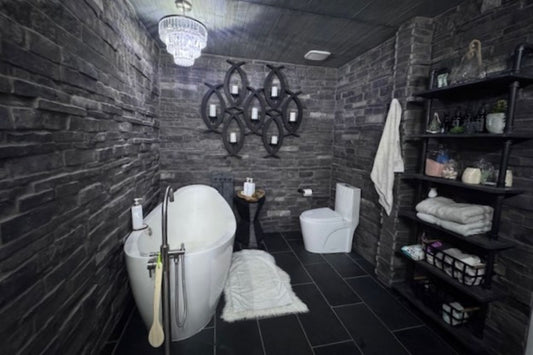
Accent walls behind freestanding bathtubs are one of the most elegant ways to incorporate stone veneer into bathroom design. The textured stone backdrop creates a luxurious focal point while enhancing the spa-like atmosphere of the room.
Stone veneer also works exceptionally well around bathroom fireplaces, vanity walls, and shower surrounds when properly installed and protected from moisture exposure. The dimensional surface adds richness and visual depth that flat painted drywall cannot achieve.
Natural earth tones remain popular in bathroom stone veneer applications because they create calming environments associated with wellness and relaxation. Soft grays, warm taupes, sandy beiges, and subtle whitewashed stone finishes contribute to a clean yet inviting aesthetic.
Modern bathroom designs often pair stone veneer with floating vanities, frameless glass showers, and matte black hardware. The combination of sleek contemporary elements and textured natural surfaces creates a balanced, high-end appearance.
Lighting dramatically influences how bathroom stone veneer is perceived. Soft ambient lighting enhances shadows and texture while maintaining a tranquil atmosphere. Back lit mirrors and integrated lighting can further highlight the dimensional qualities of the stone.
Because bathrooms experience high humidity and moisture exposure, proper installation practices are essential. Waterproofing systems, appropriate substrates, and quality mortar systems all contribute to long-term durability and performance.
Outdoor Living Spaces With Stone Veneer
Outdoor living design has become one of the largest trends in residential architecture. Homeowners increasingly want outdoor spaces that function as true extensions of the home, and stone veneer plays a major role in creating luxurious exterior environments.
Outdoor fireplaces clad in manufactured stone veneer create warm gathering spaces that extend the usability of patios and backyards throughout the year. Rustic stone textures complement natural landscaping while providing visual weight and permanence. For homeowners looking to create a cohesive outdoor living space, our post outdoor stone fire pits explores additional ideas for incorporating stone veneer into outdoor entertainment and gathering areas.
Outdoor kitchens are another ideal application for stone veneer. Grill islands, bars, pizza ovens, and dining areas wrapped in stone veneer feel cohesive and upscale while blending naturally with exterior surroundings. For more design inspiration and practical guidance, read our posts stone veneer BBQs and outdoor kitchens and stone veneer grills and BBQs.
Stone veneer retaining walls and garden features can also create visual continuity between landscaping and architecture. Using similar stone profiles across hardscape and facade elements ties the entire property together.
Poolside stone veneer installations remain particularly popular in luxury homes. Water features, privacy walls, and raised spa surrounds benefit from the texture and natural appearance of stone surfaces. Lighter stone colors are often chosen around pools because they help create bright, resort-inspired aesthetics.
Outdoor lighting becomes even more impactful when combined with textured stone veneer. Path lighting, uplighting, fire features, and integrated LED systems create dramatic nighttime ambiance while highlighting the depth of the stone surface.
Durability is an important consideration for exterior installations. Manufactured stone veneer products designed for outdoor use are engineered to withstand weather exposure, freeze-thaw cycles, and varying climate conditions when properly installed.
Stone Veneer Accent Walls That Add Instant Character
Accent walls remain one of the simplest yet most effective ways to incorporate stone veneer into residential design. A single stone wall can completely transform the atmosphere of a room by introducing texture, dimension, and architectural interest. For inspiration on layouts, styles, and applications throughout the home, explore our post stone accent walls.
Living room accent walls often feature stone veneer behind televisions, shelving systems, or fireplaces. These installations help create visual anchors within open-concept spaces while adding warmth and depth.
Bedroom stone veneer accent walls are becoming increasingly popular in modern interior design. Installing stone behind the bed creates a dramatic headboard effect that adds sophistication and texture without requiring additional artwork or decor.
Entryway accent walls establish strong first impressions and immediately communicate the home’s design style. Whether rustic, modern, or transitional, stone veneer helps create memorable entrances that feel elevated and custom designed.
Home offices also benefit from stone veneer accents because textured backgrounds create visually interesting environments for work and video conferencing. Warm natural textures can make office spaces feel more comfortable and inspiring.
Dining rooms are another excellent location for stone veneer feature walls. Combined with statement lighting and warm finishes, stone surfaces create intimate dining atmospheres that feel both elegant and inviting.
The scale and texture of the stone profile should match the size of the room. Large, heavily textured stone may overwhelm small spaces, while subtle linear profiles can complement minimalist interiors without feeling visually heavy.
Rustic Stone Veneer Design Inspiration
Rustic design continues to resonate with homeowners seeking warmth, comfort, and natural authenticity. Stone veneer plays a central role in rustic interiors because it reinforces connections to nature and traditional craftsmanship.
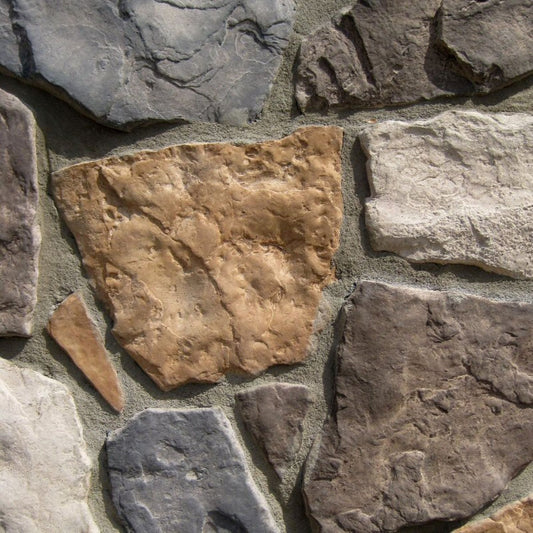
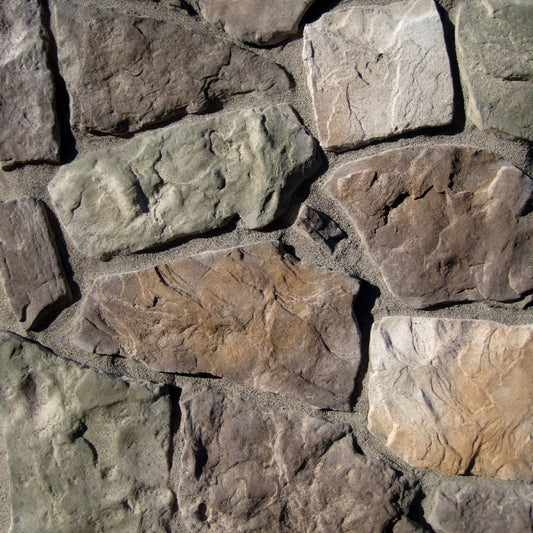
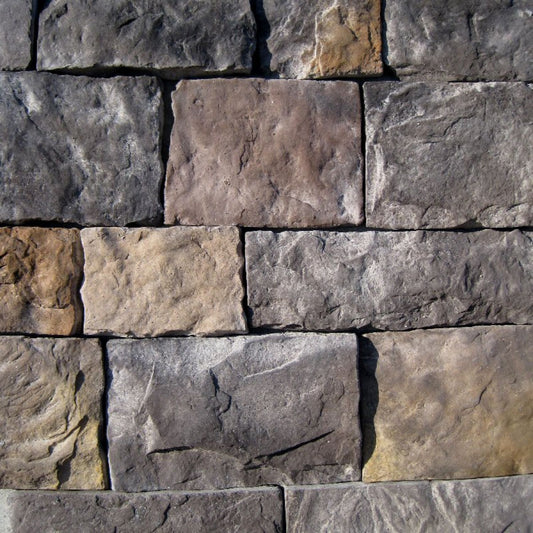
Rustic stone veneer designs often emphasize irregular textures, earthy color palettes, and rugged visual character. Fieldstone, ledgestone, and weathered stone profiles are commonly used to achieve this aesthetic.
Wood and stone remain one of the most timeless material pairings in rustic architecture. Exposed timber beams, reclaimed wood flooring, and stone veneer fireplaces work together to create inviting spaces filled with texture and visual depth.
Cabins, mountain homes, and lodge-inspired residences frequently use extensive stone veneer applications throughout both interior and exterior spaces. Large fireplaces, stair walls, columns, and exterior facades all contribute to the rugged charm associated with rustic design.
Rustic kitchens often incorporate stone veneer range hoods, backsplashes, and island accents to create old-world character. Combined with warm lighting and handcrafted finishes, these features produce welcoming gathering spaces.
Even in suburban homes, rustic stone veneer accents can add personality and warmth. Small feature walls or fireplace surrounds provide enough texture to influence the atmosphere of a space without overwhelming the overall design.
Contemporary and Minimalist Stone Veneer Trends
While stone veneer is often associated with rustic architecture, it also works exceptionally well in contemporary and minimalist environments. Modern designers increasingly use stone veneer to soften sleek interiors and add natural balance to clean-lined spaces.
Contemporary stone veneer applications typically feature linear patterns, monochromatic color schemes, and controlled texture variation. These installations prioritize simplicity and architectural clarity while still benefiting from the dimensional quality of stone.
Dark charcoal, cool gray, and white stone tones dominate many contemporary projects because they pair naturally with modern finishes such as black steel, concrete, glass, and matte cabinetry.
Minimalist homes frequently use stone veneer sparingly but strategically. A single textured wall or fireplace can become a sculptural focal point without disrupting the clean simplicity of the surrounding architecture.
Large-format windows combined with stone veneer create strong contrasts between natural textures and expansive smooth surfaces. Sunlight interacting with textured stone also introduces constantly changing shadows that add movement and visual interest throughout the day.
Modern exterior designs often combine stacked stone veneer with horizontal siding and geometric architectural forms. This layered approach creates homes that feel contemporary yet warm and inviting rather than cold or overly industrial.
Integrated lighting further enhances contemporary stone veneer designs. Hidden LED lighting, recessed fixtures, and architectural illumination emphasize texture while maintaining the refined atmosphere associated with modern spaces.
Farmhouse Stone Veneer Ideas That Feel Warm and Timeless
Farmhouse design continues to evolve, blending rustic charm with modern simplicity. Stone veneer naturally complements farmhouse aesthetics because it introduces warmth, authenticity, and handcrafted character. For more inspiration on achieving this popular design style, explore our post create a farmhouse look with stone veneer.
White and cream stone veneers remain especially popular in farmhouse homes because they brighten spaces while maintaining texture and depth. Combined with wood beams, black hardware, and neutral palettes, these stone tones create timeless interiors.
Farmhouse fireplaces frequently feature stone veneer extending from floor to ceiling, paired with substantial wood mantels that become central design features within the room.
Exterior farmhouse designs often use stone veneer around foundations, entryways, and columns to add architectural detail and visual contrast against white siding.
Open-concept farmhouse kitchens benefit from stone veneer range hoods and accent walls that create focal points without compromising the airy, welcoming atmosphere of the space.
Weathered textures and natural color variation are key characteristics of farmhouse-inspired stone veneer installations. These details reinforce the relaxed and approachable feel associated with modern farmhouse design.
Layering textures is particularly important in farmhouse interiors. Stone veneer works beautifully alongside shiplap, reclaimed wood, linen fabrics, and matte metal finishes to create balanced spaces filled with visual warmth.
Luxury Home Design With Stone Veneer
Luxury homes often rely on material contrast, scale, and architectural detail to create memorable spaces. Stone veneer contributes significantly to these goals by introducing texture and visual richness that elevate interior and exterior design.
Grand entryways clad in stone veneer create immediate impact and establish a sense of permanence and sophistication. Double-height walls, dramatic lighting, and oversized windows further amplify the visual effect.
Luxury interiors frequently use stone veneer in combination with premium materials such as marble, hardwood, brass, and glass. The interaction between smooth polished surfaces and textured stone creates depth and layered elegance.
Wine rooms, home theaters, and spa bathrooms are increasingly incorporating stone veneer to create immersive environments that feel distinctive and upscale.
Outdoor entertaining areas in luxury homes also rely heavily on stone veneer. Pool houses, outdoor kitchens, fireplaces, retaining walls, and covered patios benefit from the material’s ability to create cohesive architectural continuity.
High-end contemporary homes often use large expanses of glass and minimalist architecture, making textured stone veneer even more impactful as a grounding element within the overall design.
Luxury design also emphasizes customization. Mixing multiple stone profiles, incorporating unique lighting schemes, and blending stone with custom millwork allows homeowners to create one-of-a-kind spaces tailored to their personal style.
Choosing the Right Stone Veneer Style for Your Home
Selecting the right stone veneer style involves more than simply choosing a color or texture. The ideal stone profile should complement the home’s architecture, interior design direction, lighting conditions, and surrounding materials. For a closer look at how texture influences the appearance and character of manufactured stone veneer, explore our post on stone veneer texture.
Homes with traditional architecture often pair well with classic fieldstone or limestone-inspired veneers that reinforce timeless design elements. Contemporary homes usually benefit from cleaner linear profiles and restrained color palettes. For homeowners comparing different aesthetics, our post modern vs. rustic stone veneer explores how various stone profiles influence the overall style and personality of a home.
The scale of the stone also matters. Larger stones can make grand spaces feel substantial and dramatic, while smaller or more refined profiles may better suit compact rooms or minimalist interiors. For a deeper look at how stone size affects visual weight, scale, and the overall appearance of a space, see our post on how stone veneer size impacts your design.
Color selection should account for existing finishes such as flooring, cabinetry, roofing, and trim. Warm stone tones create cozy environments, while cooler grays and charcoals often support modern aesthetics.
Lighting conditions can significantly affect how stone veneer appears. Natural daylight enhances color variation and texture, while artificial lighting can emphasize shadows and dimensional depth.
Homeowners should also consider how stone veneer will interact with adjacent materials. Wood, metal, concrete, brick, and glass each create different visual relationships with stone surfaces.
Ultimately, the best stone veneer designs feel cohesive rather than forced. The material should support the overall architectural vision of the home while adding texture and character that enrich the living environment.
Stone Veneer Color Trends
Color plays one of the most defining roles in stone veneer design, influencing the mood, character, and overall appearance of a space. The right stone veneer color can complement surrounding materials, highlight architectural features, and create either a subtle backdrop or a dramatic focal point. Today’s manufactured stone veneer colors range from soft, light neutrals to rich, darker tones, providing options for nearly any interior or exterior design style.
Lighter stone veneer colors, including whites, creams, beiges, and soft grays, remain popular for their ability to create bright, open, and timeless spaces. These tones work particularly well with modern, farmhouse, coastal, and traditional designs, and they pair easily with materials such as natural wood, painted siding, metal, and glass. Lighter colors can also help smaller spaces feel more open while providing a clean foundation for other architectural and decorative elements.
Mid-tone stone veneer colors offer a balance between brightness and contrast. Warm and cool grays, taupes, browns, tans, and blended neutral tones can add depth and texture without overwhelming the overall design. These colors are especially versatile because they can complement both contemporary and traditional architecture while working with a wide range of exterior finishes, roofing colors, windows, doors, and landscaping.
Darker stone veneer colors create greater contrast and a stronger architectural presence. Charcoal, deep gray, brown, and other rich tones can be used to emphasize fireplaces, accent walls, columns, exterior facades, and other focal points. Darker colors can make a space feel more grounded and dramatic, particularly when contrasted with lighter siding, trim, cabinetry, or other surrounding materials.
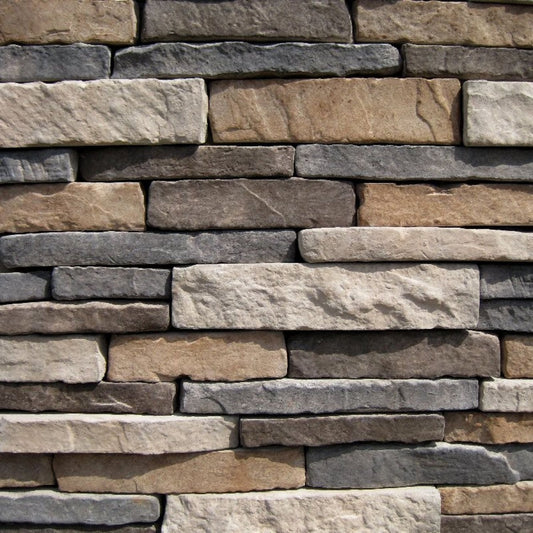
Blended and multicolor stone veneer options provide another way to add visual interest. Rather than relying on a single shade, these stones incorporate multiple complementary colors and tonal variations to create a more natural and dimensional appearance. This approach can help replicate the variation found in natural stone while giving homeowners and designers greater flexibility when coordinating the veneer with other materials.
Ultimately, stone veneer color trends tend to reflect a broader desire for materials that are both visually appealing and versatile. While particular colors may become more popular as design preferences change, choosing a color that complements the architecture, surrounding materials, and overall character of the space can create a look that remains appealing for years to come.
How Lighting Changes the Look of Stone Veneer
Lighting has a profound impact on how stone veneer is perceived. Because stone veneer contains texture, shadow lines, and dimensional variation, different lighting conditions can dramatically change its appearance throughout the day. For a deeper look at how illumination affects texture, color, and visual depth, explore our post how light and shadows work with manufactured stone veneer.
Natural sunlight often reveals the full depth and complexity of stone surfaces. Morning and evening light create elongated shadows that emphasize texture, while midday light can flatten certain details.
Interior lighting strategies should account for the stone’s dimensional qualities. Recessed ceiling lights angled toward the wall can create dramatic shadowing that highlights texture and variation.
Warm lighting temperatures generally enhance the inviting qualities of stone veneer, particularly in living rooms, bedrooms, and hospitality-inspired spaces. Cooler lighting temperatures may better support sleek contemporary interiors.
Exterior architectural lighting is especially effective when paired with stone veneer facades. Uplighting columns, chimneys, and entry walls creates visual drama and enhances nighttime curb appeal.
Integrated LED systems can also be used to highlight stone niches, floating shelves, and feature walls. Carefully designed lighting transforms stone veneer from a static surface into an active architectural element.
Because lighting and texture are so interconnected, homeowners should evaluate stone veneer samples under both natural and artificial lighting conditions before finalizing design decisions.
Mixing Stone Veneer With Other Materials
One of the reasons stone veneer remains so versatile is its ability to complement a wide variety of other materials. Thoughtful material combinations create layered, balanced spaces with depth and visual interest. For a closer look at how to pair stone with contemporary materials, explore our post to combining manufactured stone veneer with wood, metal, and glass.
Wood is perhaps the most classic companion to stone veneer. Whether through exposed beams, hardwood flooring, cabinetry, or exterior siding, wood softens stone surfaces and adds warmth.
Metal accents introduce contrast and modernity. Black steel railings, bronze fixtures, and matte hardware pair especially well with contemporary stone veneer installations.
Glass creates another compelling contrast with textured stone. Large windows adjacent to stone veneer walls allow natural light to enhance texture while maintaining openness and visual connection to outdoor spaces.
Concrete and stone veneer are increasingly paired in modern industrial design. The smooth minimalist quality of concrete contrasts beautifully against the dimensional character of stone.
Brick veneer and stone veneer can also work together when color palettes and textures are carefully coordinated. This layered masonry approach creates rich architectural character.
Fabric textures further contribute to the overall atmosphere of stone veneer interiors. Soft linens, wool textiles, and upholstered furniture help balance the rugged qualities of stone surfaces.
Successful material mixing depends on maintaining visual balance. Too many competing textures can feel chaotic, while carefully curated combinations create sophisticated, harmonious environments.
Stone Veneer for Small Spaces and Compact Homes
Stone veneer is not limited to large luxury homes. When thoughtfully incorporated, it can dramatically enhance smaller spaces and compact homes without overwhelming the design. Our post on stone veneer for small spaces and compact homes explores how homeowners can use stone veneer strategically in compact interiors, including fireplaces, accent walls, kitchens, and entryways.
In small living rooms, a single stone veneer fireplace wall often provides enough visual impact to define the entire space. Choosing lighter stone colors can help maintain openness while still introducing texture.
Compact kitchens benefit from small-scale stone veneer accents such as backsplashes or narrow feature walls. These installations add character without consuming valuable visual space.
Entryways and hallways are ideal locations for stone veneer in smaller homes because even limited wall areas can create memorable design moments.
Vertical stone veneer installations can also make rooms feel taller. Floor-to-ceiling applications draw the eye upward and create a stronger sense of architectural scale.
Minimalist stone profiles tend to work best in smaller spaces because they provide texture without appearing visually heavy. Subtle color palettes also help maintain brightness and openness.
Strategic lighting becomes even more important in compact interiors. Proper illumination prevents textured stone surfaces from making small rooms feel dark or enclosed.
With careful planning, stone veneer can add sophistication and warmth to homes of any size.
For a more focused look at using manufactured stone veneer throughout the exterior of tiny homes and accessory dwelling units, explore our post on manufactured stone veneer for tiny homes and ADUs.
Sustainability and Long-Term Appeal of Stone Veneer
Many homeowners today prioritize materials that combine durability with long-term design relevance. Stone veneer aligns well with these priorities because it offers timeless visual appeal and extended performance when properly installed.
Unlike highly trend-driven finishes that quickly become outdated, stone has remained desirable throughout centuries of architecture. This enduring appeal helps stone veneer installations retain aesthetic value over time.
Manufactured stone veneer can also contribute to more efficient transportation and installation compared to heavier natural stone products due to its lighter weight.
Durability is another key advantage. Properly installed stone veneer can withstand years of weather exposure, temperature fluctuations, and everyday wear while maintaining its appearance.
Because stone veneer works across so many architectural styles, homeowners are less likely to feel the need for future renovations simply to keep spaces visually current.
Low maintenance requirements further support the long-term practicality of stone veneer. Routine cleaning and occasional inspections are generally sufficient for preserving appearance and performance.
As homeowners increasingly focus on creating lasting, high-quality environments rather than chasing short-lived trends, stone veneer continues to stand out as a smart design investment.
For a deeper look at the environmental considerations, durability, and lasting design value of manufactured stone veneer, explore our complete post on sustainability and long-term appeal of stone veneer.
Stone Veneer Inspiration Guide
Stone veneer continues to be one of the most influential materials in residential design because it combines timeless beauty with modern versatility. From rustic cabins and farmhouse interiors to sleek contemporary homes and luxury outdoor spaces, manufactured stone veneer adapts to nearly every architectural style.
Its ability to introduce texture, warmth, and dimension makes it valuable in both large-scale renovations and small accent applications. Whether featured on fireplaces, facades, kitchens, bathrooms, or outdoor entertainment areas, stone veneer creates environments that feel more grounded, sophisticated, and visually engaging.
As homeowners continue seeking spaces that feel authentic, durable, and personalized, stone veneer remains a leading design solution. By carefully selecting stone styles, coordinating lighting, and integrating complementary materials, homeowners can create timeless interiors and exteriors that maintain their appeal for years to come.
From Mountain View Stone: What You Should Know
At Mountain View Stone, we understand that choosing the right stone veneer is about more than simply selecting a color or texture. Every project is an opportunity to create a space that feels timeless, welcoming, and uniquely personal. Whether you are designing a dramatic fireplace, upgrading your home’s exterior, building an outdoor living area, or adding texture to a modern interior, the right manufactured stone veneer can completely transform the atmosphere of a home. We encourage homeowners, designers, builders, and architects to explore how stone veneer can shape the overall experience of a space. The most successful projects are those where texture, color, lighting, and architecture work together to create balance and visual depth.
Frequently Asked Questions About Stone Veneer Inspiration
What is the most popular stone veneer style for modern homes?
Linear veneer profiles such as stacked stone are among the most popular options for modern homes because they create clean lines and contemporary texture. Gray, charcoal, and monochromatic color palettes are especially common in modern residential design.
Can manufactured stone veneer be used for both interior and exterior applications?
Yes, manufactured stone veneer is designed for both interior and exterior applications when installed correctly. Common uses include fireplaces, accent walls, exterior facades, outdoor kitchens, retaining walls, and bathrooms.
Can stone veneer increase the value of a home?
Stone veneer can improve curb appeal and enhance the perceived quality of a home, which may contribute to increased resale value. Exterior stone veneer projects are often viewed as attractive upgrades by buyers.
What is the durability of manufactured stone veneer over time?
High-quality manufactured stone veneer is engineered for long-term durability and can withstand weather exposure, temperature fluctuations, and normal wear when properly installed and maintained.
What colors of stone veneer are trending right now?
Current trends include warm earth tones, soft whitewashed finishes, charcoal grays, sandy beiges, and mixed neutral palettes. The best choice depends on the home’s architectural style and surrounding materials.
How do I choose the right stone veneer for my home?
Consider the architectural style of the home, lighting conditions, surrounding materials, room size, and overall design goals. Viewing large samples in the actual installation environment can help ensure the best selection.
What's Next?
Bring your vision to life with our premium stone veneer. Shop now to find the perfect fit for your project or order a sample to experience the texture and color firsthand. Start building your design today and turn inspiration into reality.
Have a Question?
Please see our full terms of service or check out our frequently asked questions.
For general information and questions please call: (864) 882-8960 Mon. - Fri. 8am - 5pm (EST) or email: info@mountainviewstone.net we are more than happy to help you.
Or you can submit your questions via our contact us page.
We look forward to working with you on your upcoming project.
The Mountain View Stone Team
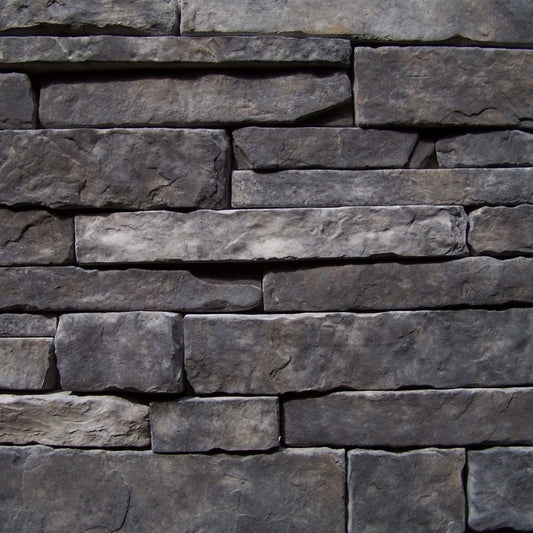
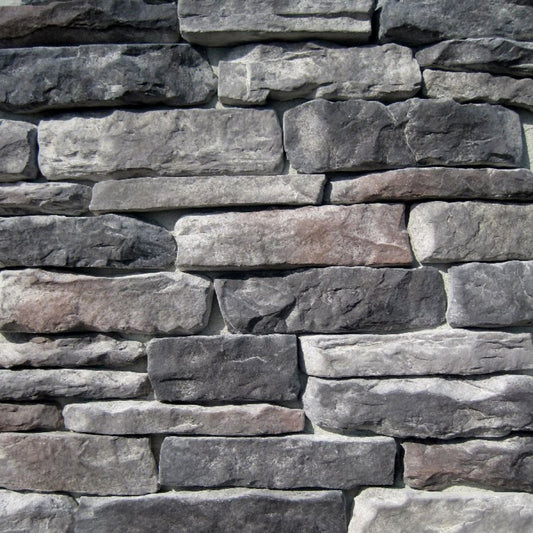
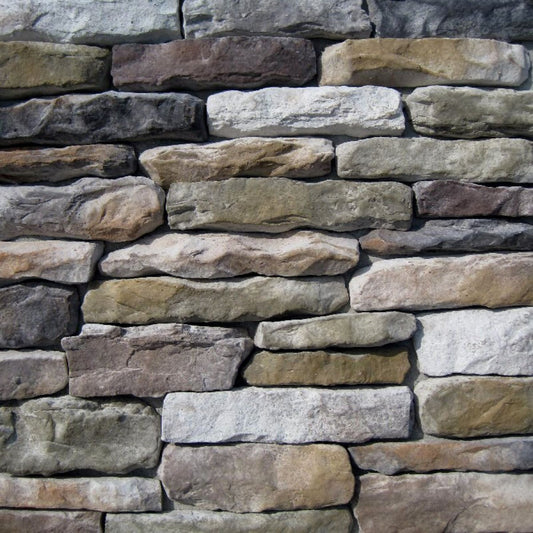
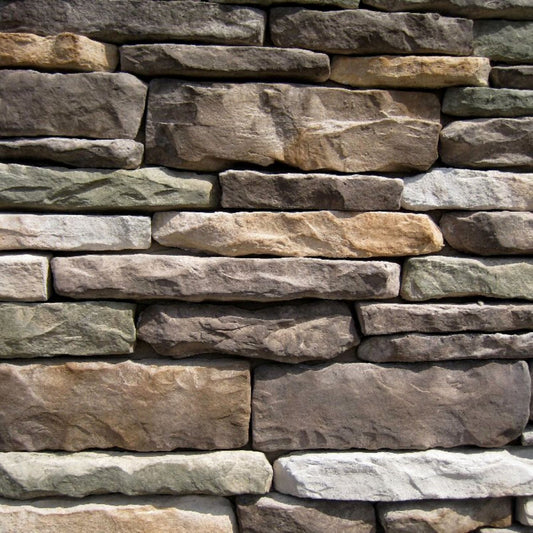
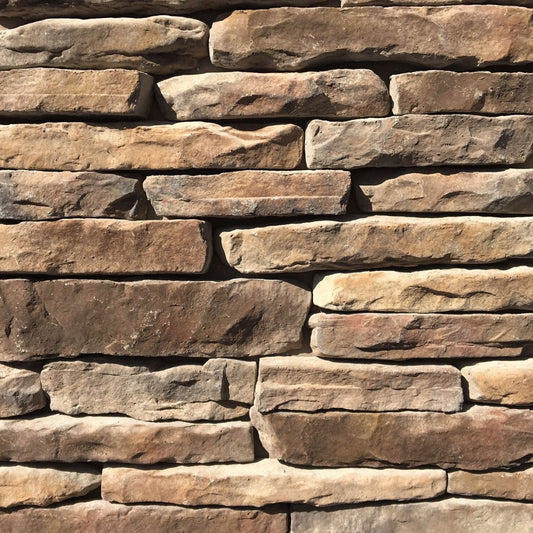
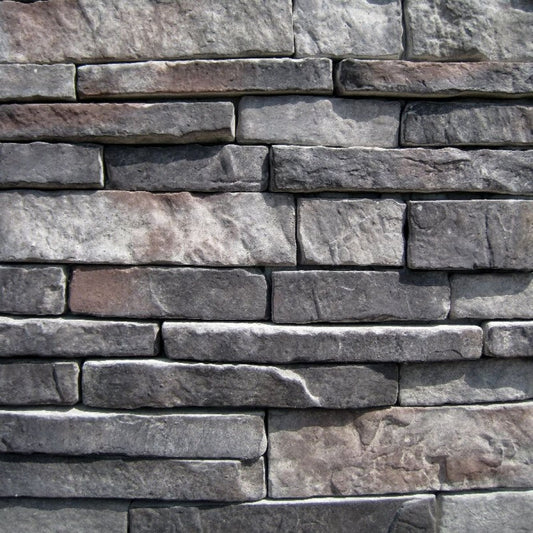
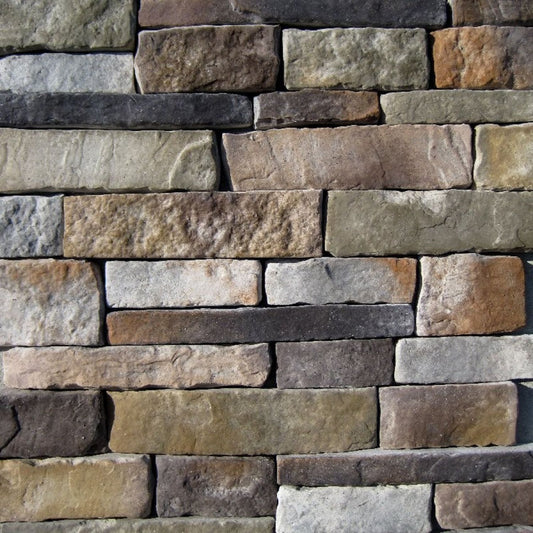
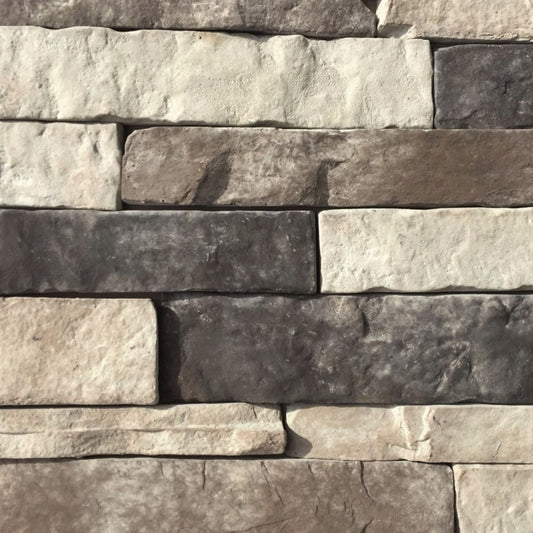
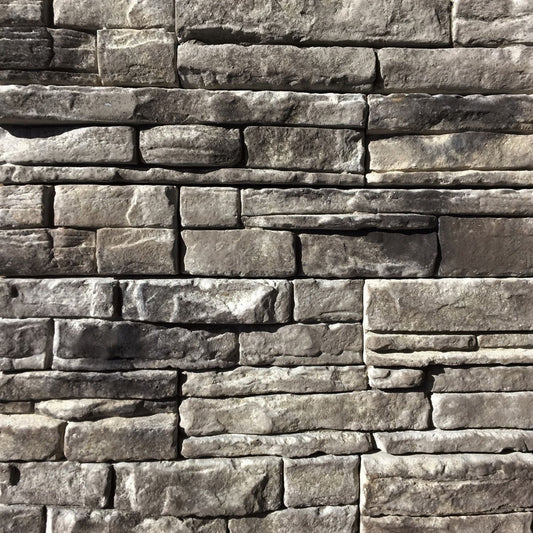
Pictured is ready stack black forest.