
How Light and Shadows Work with Manufactured Stone Veneer
Share
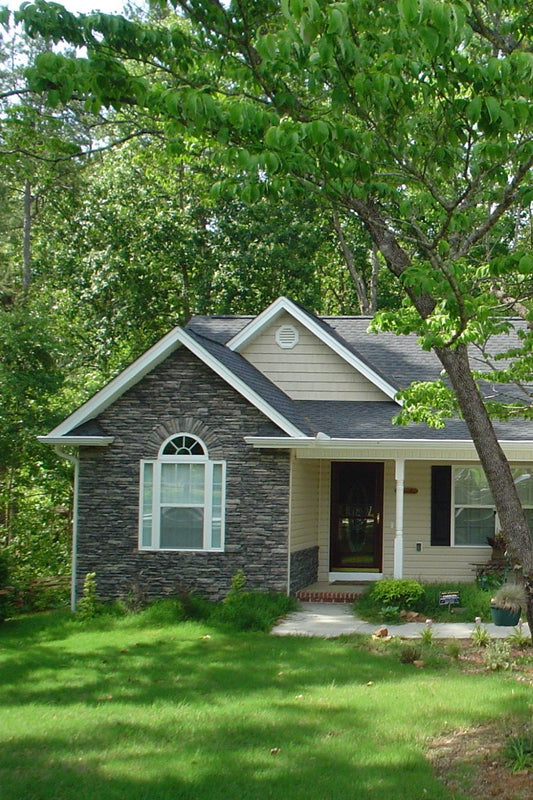
Light and shadows play a critical role in how manufactured stone veneer looks and performs visually. The texture, depth, and color variation of stone veneer interact with natural and artificial lighting to create highlights, contrast, and dimension. Proper lighting design can enhance realism, emphasize architectural features, and dramatically improve the overall aesthetic of both interior and exterior installations.
Manufactured stone veneer is designed to replicate the natural beauty of real stone, but its visual impact depends heavily on one often overlooked factor: lighting. The way light hits the surface of stone veneer determines how textures are perceived, how colors appear, and how shadows define depth. Without thoughtful lighting, even the highest-quality stone veneer can look flat or artificial. With the right lighting, however, it can feel incredibly realistic, dynamic, and visually striking. For more design insights like this, you can explore our stone veneer inspiration guide, where we cover practical tips and ideas to help you get the most out of stone veneer in any setting.
Understanding how light and shadows interact with manufactured stone veneer allows homeowners, designers, and builders to elevate their projects beyond simple surface finishes. Whether it’s a dramatic fireplace, a welcoming exterior facade, or a subtle interior accent wall, lighting transforms stone veneer from a material into a design feature.
The Relationship Between Texture and Light
As explored in our guide where can you install manufactured stone veneer? manufactured stone veneer is inherently textured, with ridges, crevices, and irregular surfaces designed to replicate the depth and character of natural stone across a wide range of interior and exterior applications. These variations are not only central to its aesthetic appeal but also play a major role in how the material performs visually in different installation settings.
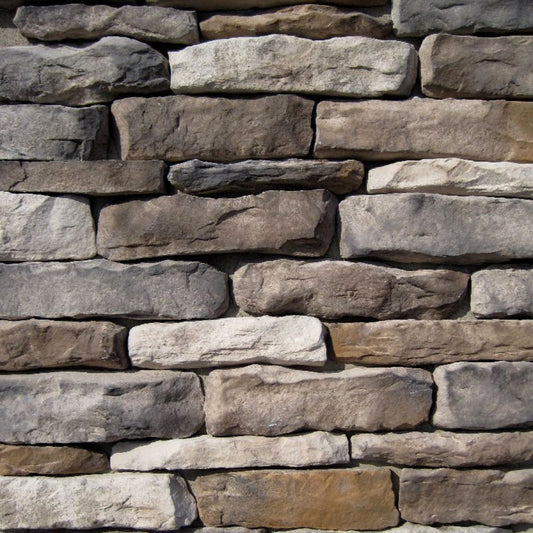
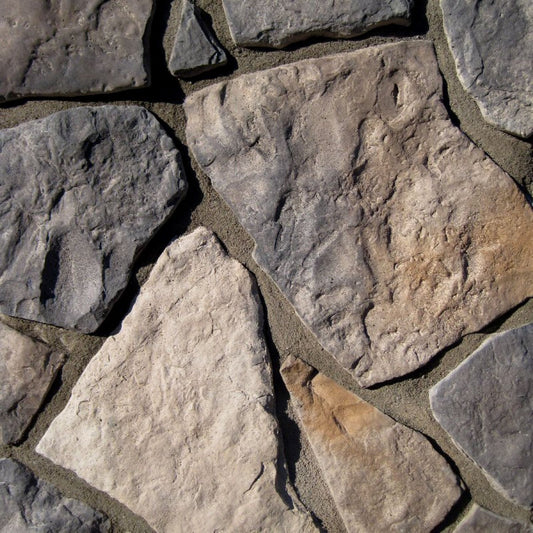
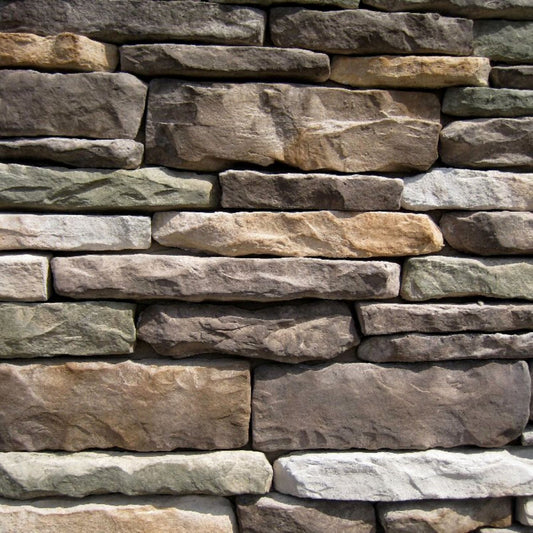
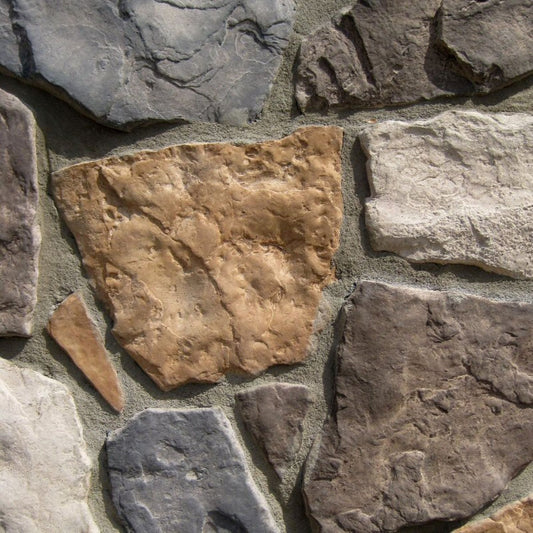
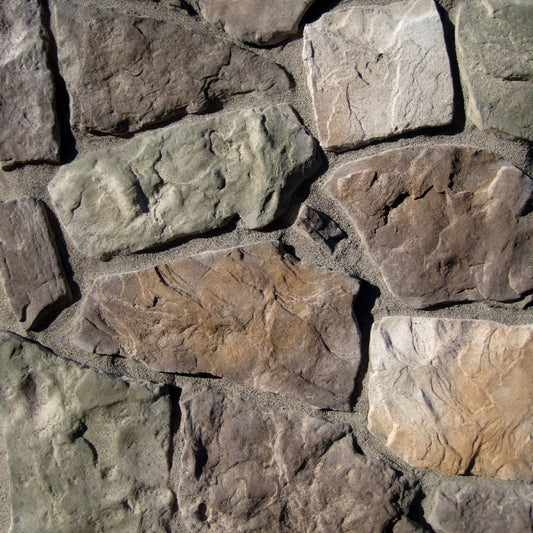
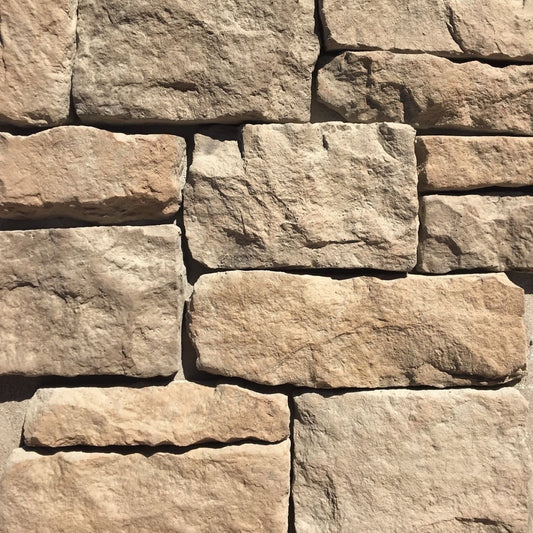
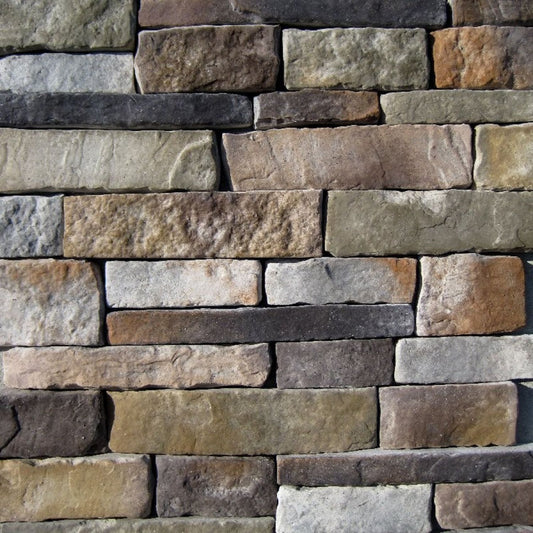
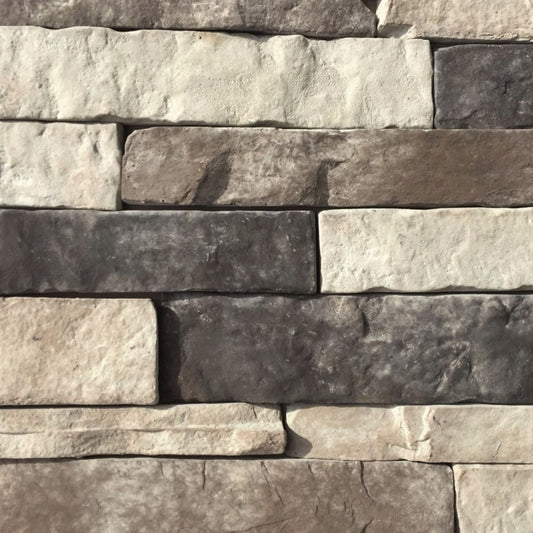
Smooth surfaces reflect light evenly, which can make them appear flat. In contrast, textured stone veneer breaks up light, scattering it in different directions. This creates a more dynamic visual effect that changes depending on the time of day or the angle of the light source.
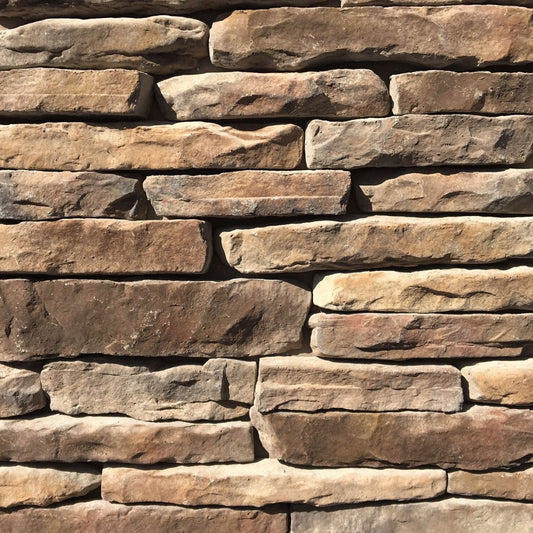
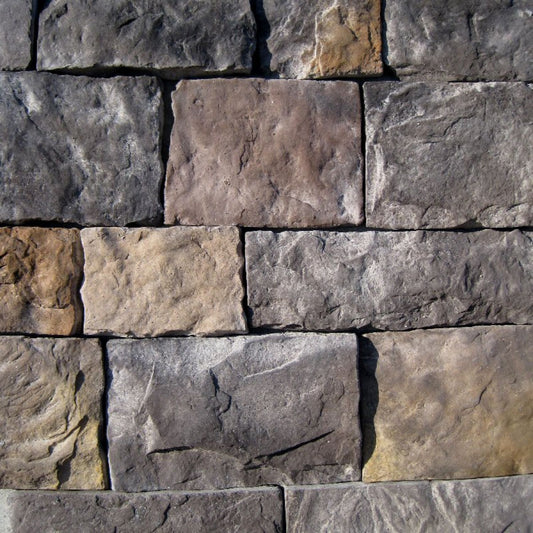
The deeper and more pronounced the texture, the stronger the shadow lines will be. Profiles with rugged, uneven surfaces tend to produce dramatic shadowing, while more uniform styles create softer, more subtle effects. Choosing the right stone profile and pairing it with appropriate lighting is key to achieving the desired look.
Natural Light: Changing Throughout the Day
One of the most compelling aspects of manufactured stone veneer is how it interacts with natural light. Unlike static materials, stone veneer can look completely different depending on the time of day, weather conditions, and seasonal changes.
Morning light tends to be soft and angled, creating long, gentle shadows that highlight surface details without overwhelming the space. Midday light is more direct and intense, reducing shadow depth and emphasizing color consistency. In the evening, warm, low-angle light creates dramatic contrasts, enhancing texture and giving the stone a richer, more dimensional appearance.
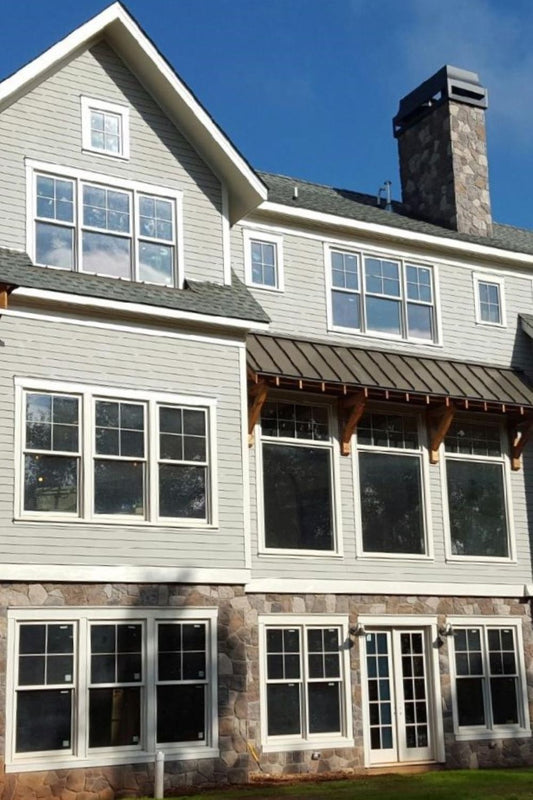
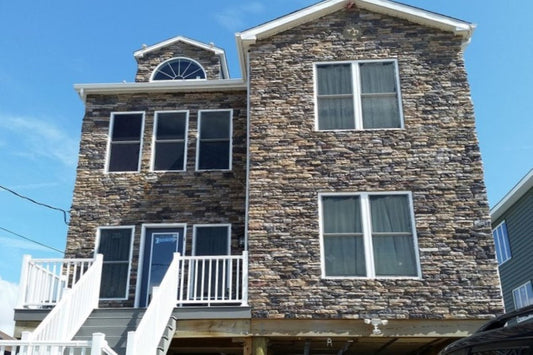
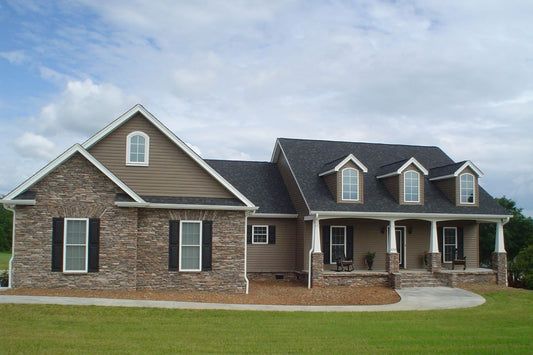
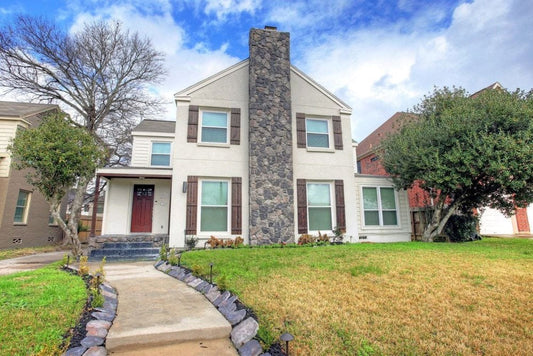
Exterior applications benefit the most from these natural changes. A stone veneer facade can appear bright and crisp during the day, then transform into a warm, shadow-rich surface at sunset. Interior applications near windows can also take advantage of shifting light patterns, adding movement and visual interest throughout the day.
Designing with natural light in mind means considering the orientation of the installation. South-facing walls receive more consistent light, while north-facing surfaces tend to have softer, more diffuse illumination. East- and west-facing walls experience stronger directional light at specific times, which can dramatically affect shadow patterns.
Artificial Lighting: Controlling the Effect
While natural light is dynamic and ever-changing, artificial lighting provides control and consistency. It allows designers to intentionally shape how shadows fall and how textures are perceived, regardless of the time of day.
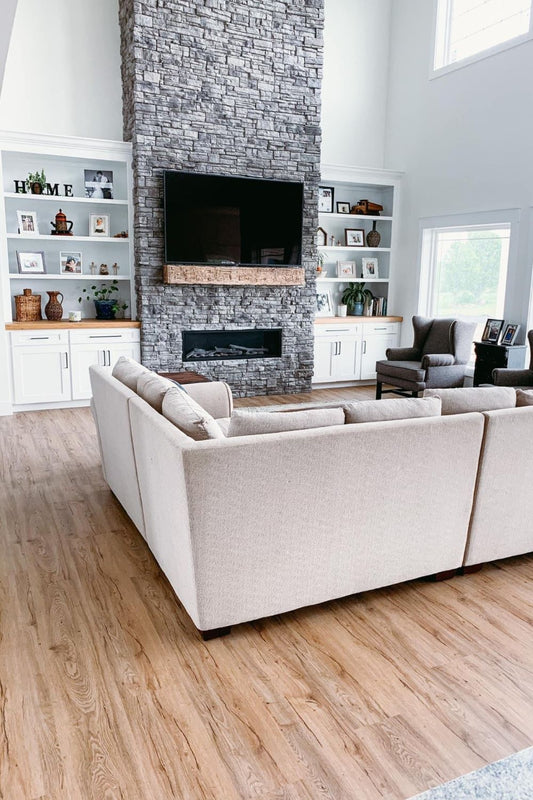
Directional lighting, such as spotlights or track lighting, can be used to emphasize the texture of stone veneer. When light is cast at an angle across the surface, it enhances shadow depth and highlights the irregularities that make the material look natural. This technique is often used in feature walls and fireplaces to create a dramatic focal point.
Even, diffused lighting produces a softer look, reducing harsh shadows and creating a more uniform appearance. This approach works well in spaces where a subtle, refined aesthetic is desired. The balance between directional and ambient lighting determines whether the stone veneer appears bold and textured or smooth and understated.
Wall washing is another technique that can be particularly effective. By placing lights close to the surface and directing them downward or upward, it is possible to create a gradient of light that accentuates vertical texture and adds depth. This method is commonly used in both residential and commercial applications to enhance architectural features.
Color Perception and Light Temperature
Lighting doesn’t just affect shadows; it also influences how colors are perceived. Manufactured stone veneer often includes a blend of tones designed to replicate natural variation. The type and temperature of light can either enhance or distort these colors. For more information about choosing and understanding stone veneer colors, see our complete guide to manufactured stone veneer colors.
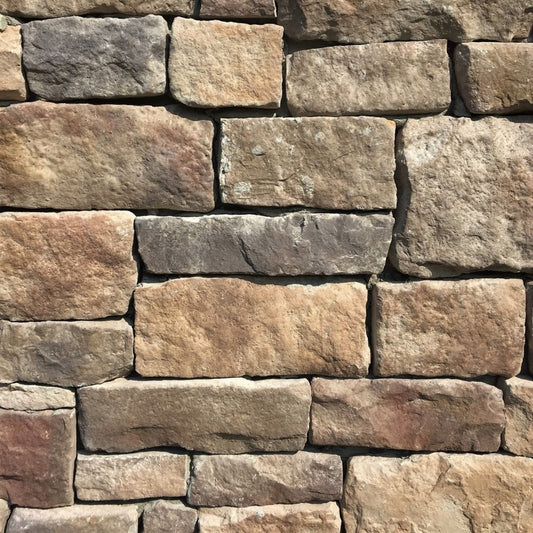
Warm lighting tends to bring out earthy tones such as browns, reds, and tans, making the stone feel more inviting and natural. Cool lighting, on the other hand, can emphasize grays and blues, creating a more modern and crisp appearance. The choice of lighting temperature should align with the overall design intent of the space.
Inconsistent lighting can lead to uneven color perception, where certain areas of the stone appear brighter or darker than others. This is especially important in large installations, where uniform lighting helps maintain visual consistency. Testing lighting conditions before final installation can help ensure the desired effect is achieved.
Shadows as a Design Element
Shadows are not just a byproduct of lighting; they are a design feature in their own right. The interplay between light and shadow is what gives manufactured stone veneer its sense of depth and authenticity.
Strong shadows can create a bold, dramatic look, making the stone a central feature of the space. This approach works well in areas where visual impact is a priority, such as entryways or feature walls. Softer shadows create a more subtle effect, allowing the stone to complement other design elements without dominating the space.
The direction of shadows also plays a role in how the installation is perceived. Vertical shadows can emphasize height, making walls appear taller. Horizontal shadows can highlight the length of a surface, creating a sense of width and continuity. Understanding these effects allows designers to use lighting strategically to influence spatial perception.
Interior Applications: Creating Atmosphere
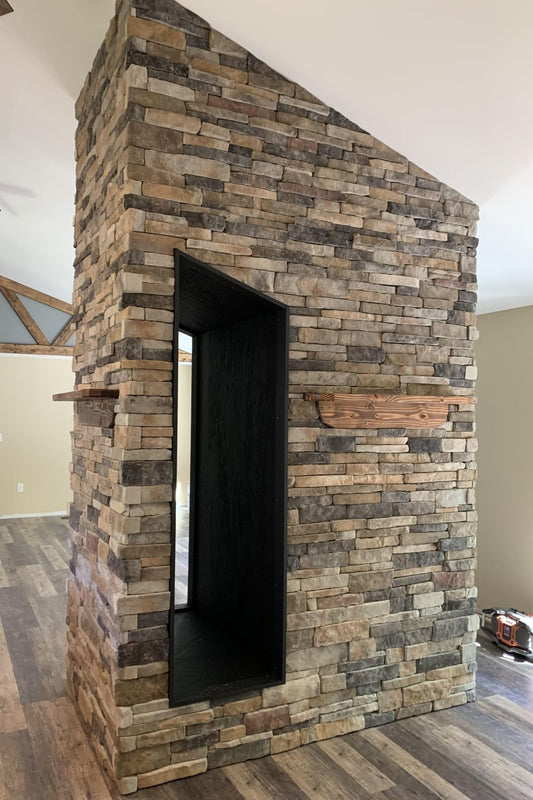
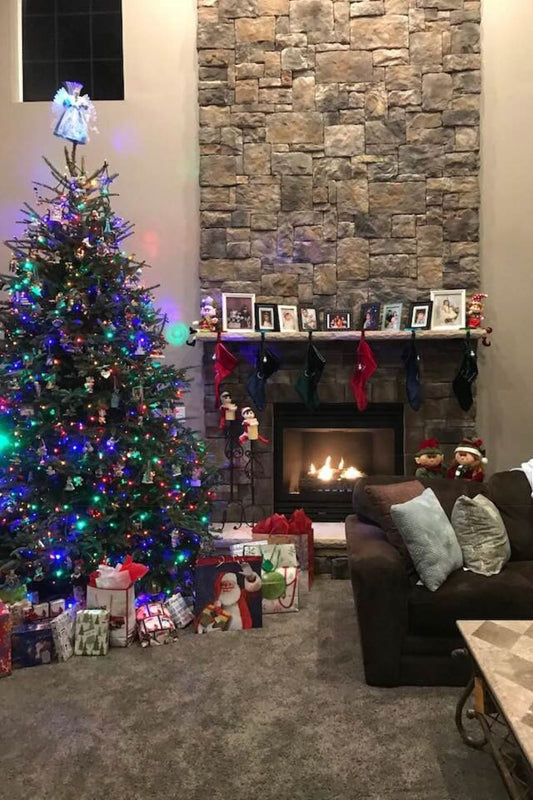
Inside the home, lighting and shadows can transform manufactured stone veneer into a powerful atmospheric element. Fireplaces are one of the most common applications, where lighting can enhance the natural flicker of flames and create a warm, inviting ambiance.
Accent walls benefit from carefully placed lighting that highlights texture without overwhelming the room. In living spaces, softer lighting can create a cozy environment, while in more modern settings, sharper lighting can emphasize clean lines and contrast.
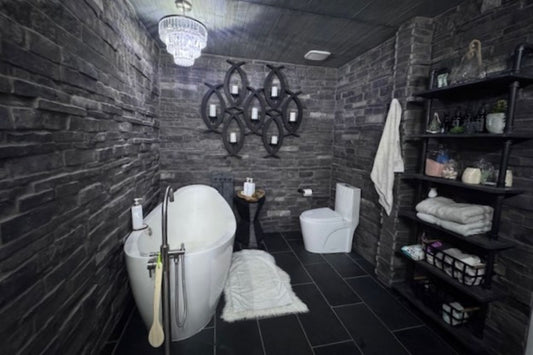
Bathrooms and spa-inspired spaces often use indirect lighting to create a calming effect. When paired with stone veneer, this approach can mimic the look of natural stone in a serene, controlled environment. The key is to balance light intensity and direction to achieve the desired mood.
Exterior Applications: Enhancing Curb Appeal
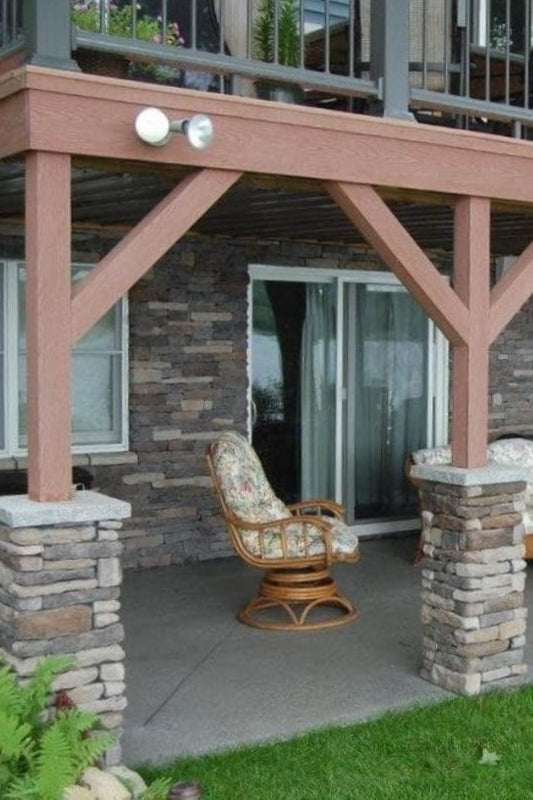
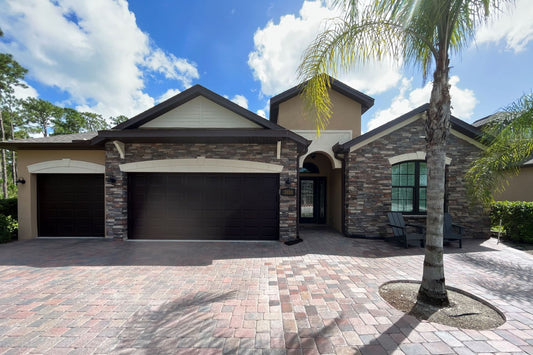
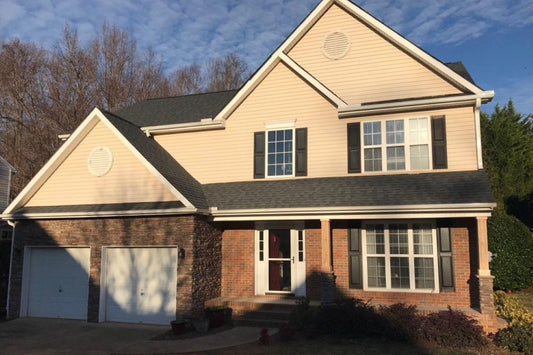
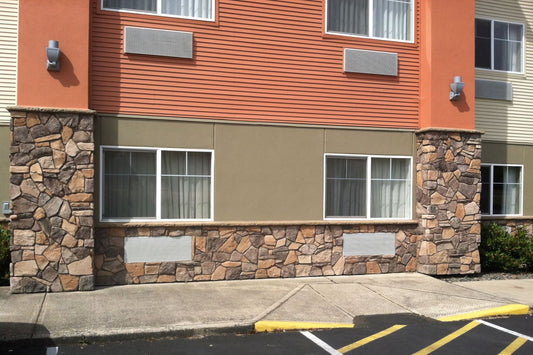
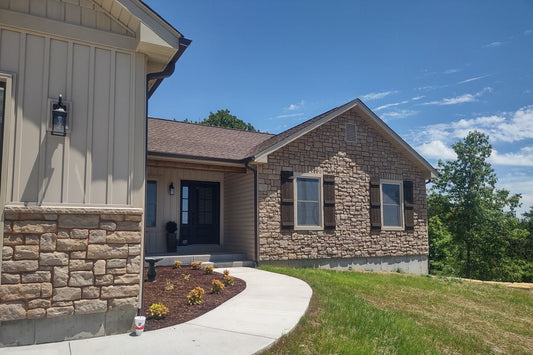
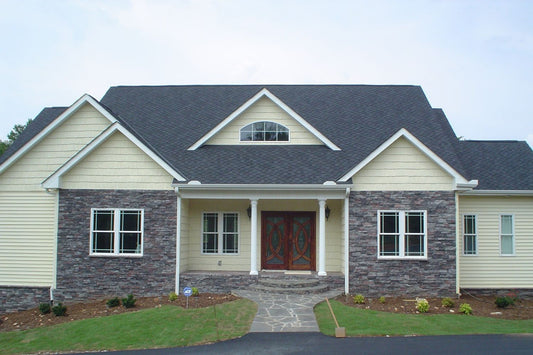
On the exterior, lighting plays a crucial role in how manufactured stone veneer is perceived after dark. Without proper lighting, the texture and detail of the stone can be lost, leaving the surface looking flat and unremarkable.
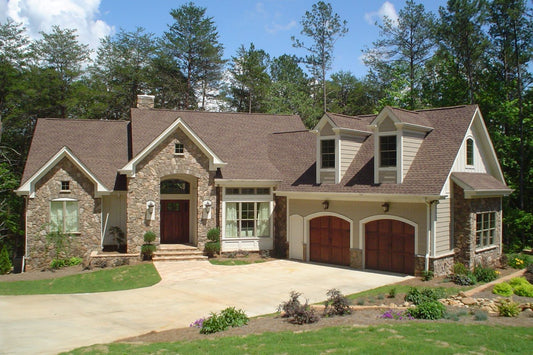
Strategic lighting can highlight architectural features, improve visibility, and enhance curb appeal. Uplighting is commonly used to emphasize vertical surfaces, casting shadows that accentuate texture and create a sense of depth. Downlighting can produce a more natural effect, mimicking the way sunlight interacts with the stone during the day.
Exterior lighting also adds a layer of safety and functionality, illuminating pathways and entry points while showcasing the design of the home. The combination of practical and aesthetic benefits makes lighting an essential component of any exterior stone veneer installation.
Common Mistakes to Avoid
One of the most common mistakes is using lighting that is too direct or too harsh, which can create overly sharp shadows and diminish the natural look of the stone. On the other hand, insufficient lighting can make the texture disappear entirely, resulting in a flat and lifeless appearance.
Another issue is inconsistent lighting placement, which can lead to uneven shadow patterns and visual imbalance. Careful planning and testing are essential to ensure that lighting enhances rather than detracts from the stone veneer.
Ignoring the interaction between light color and stone color can also lead to disappointing results. What looks perfect under showroom lighting may appear completely different in a home setting. Taking the time to evaluate lighting conditions in the actual installation space is crucial.
How Light and Shadows Work With Manufactured Stone Veneer
Lighting and shadows are fundamental to the visual success of manufactured stone veneer. They define texture, influence color, and create the depth that makes the material feel authentic. By understanding how light interacts with stone veneer, it becomes possible to design spaces that are not only visually appealing but also rich in dimension and character.
Whether using natural sunlight or carefully planned artificial lighting, the goal is to enhance the inherent qualities of the stone. When done correctly, the result is a surface that evolves throughout the day, offering a dynamic and engaging visual experience.
From Mountain View Stone: What You Should Know
At Mountain View Stone, we know that manufactured stone veneer is only as impactful as the environment it’s placed in. Lighting and shadows are essential to bringing out the texture, depth, and realism that make stone veneer such a sought-after material. When planning your project, it’s important to think beyond the stone itself and consider how natural and artificial light will interact with the surface throughout the day and night. A well-lit installation doesn’t just look better, it feels more natural, more dynamic, and more complete.
Frequently Asked Questions About How Light and Shadows Work with Manufactured Stone Veneer
How does lighting affect manufactured stone veneer?
Lighting determines how texture, color, and depth are perceived. It creates highlights and shadows that enhance the realism and visual impact of the stone.
What type of lighting is best for stone veneer walls?
Directional lighting works well for emphasizing texture, while diffused lighting creates a softer, more uniform look. The best choice depends on the desired aesthetic.
Does natural light make stone veneer look different?
Yes, natural light changes throughout the day, altering shadow depth and color perception. This creates a dynamic appearance that evolves over time.
What color temperature should I use with stone veneer?
Warm lighting enhances earthy tones and creates a cozy feel, while cooler lighting highlights gray tones and produces a more modern look.
Can poor lighting make stone veneer look artificial?
Yes, improper lighting can flatten texture or create harsh shadows, reducing realism. Thoughtful lighting design is essential for achieving a natural appearance.
What's Next?
Enhance your space with the beauty of stone veneer! Shop now to find the perfect style or order a sample to see the quality up close before you buy. Start your project today!
Have a Question?
Please see our full terms of service or check out our frequently asked questions.
For general information and questions please call: (864) 882-8960 Mon. - Fri. 8am - 5pm (EST) or email: info@mountainviewstone.net we are more than happy to help you.
Or you can submit your questions via our contact us page.
We look forward to working with you on your upcoming project.
The Mountain View Stone Team
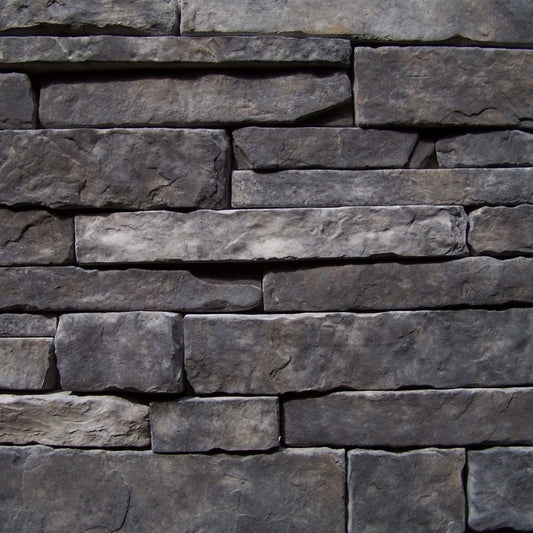
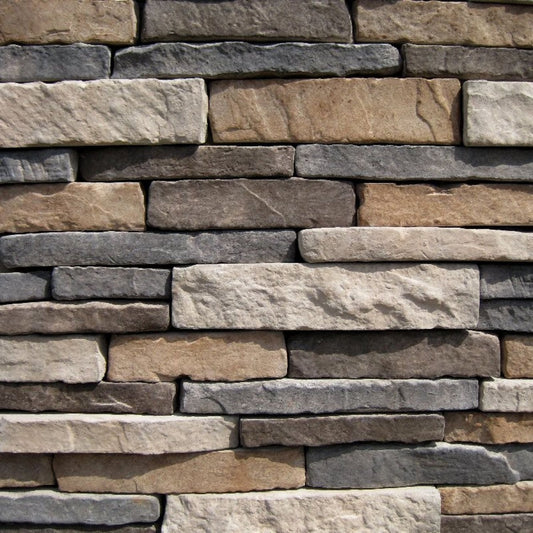
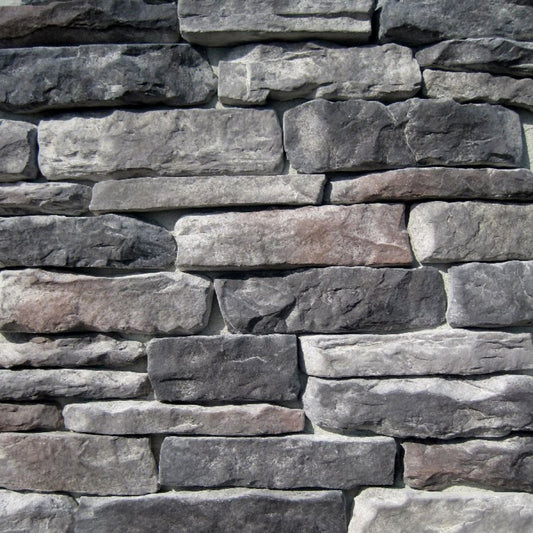
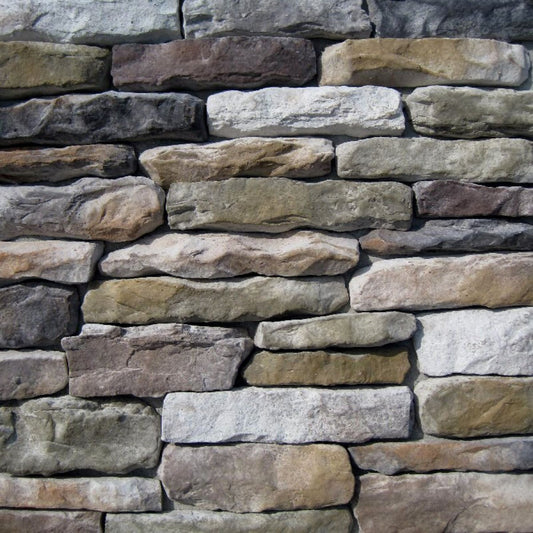
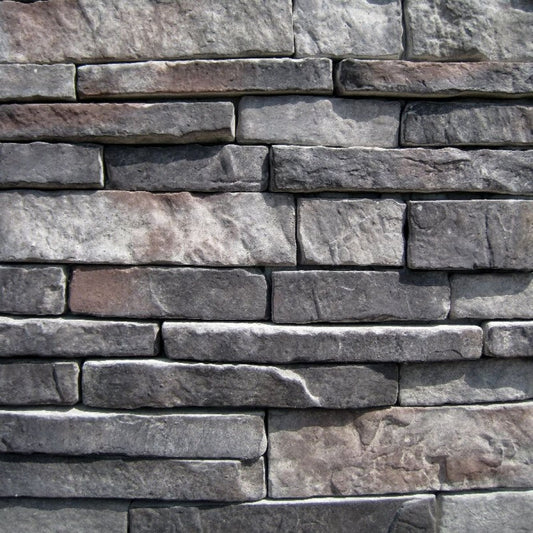
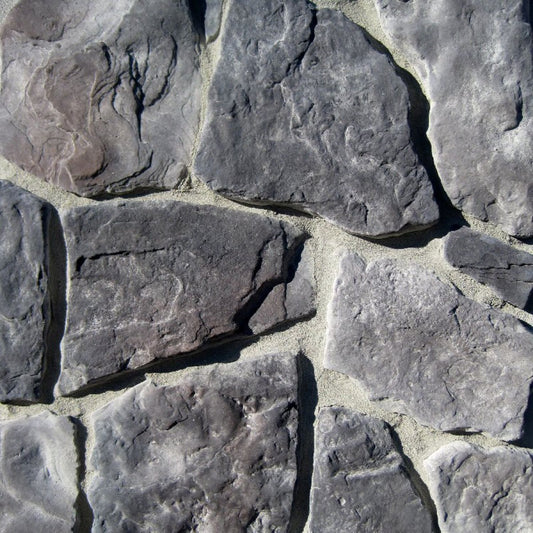
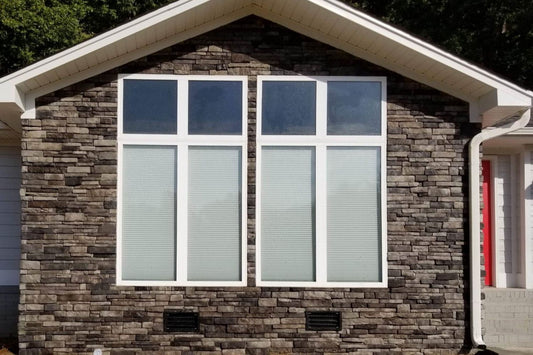
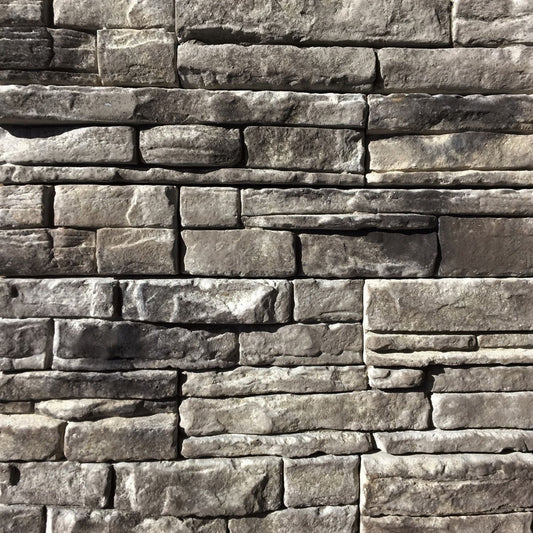
Pictured is ready stack cool gray.