
Where Can You Install Manufactured Stone Veneer? The Complete Guide
Share
Manufactured stone veneer can be installed on a wide variety of interior and exterior surfaces, including fireplace surrounds, kitchen feature walls, bathroom accents, exterior siding, foundation walls, chimneys, retaining walls, staircases, and outdoor living areas such as patios, pools, and hot tubs. It must always be installed over a properly prepared, structurally sound substrate with appropriate moisture protection and installation methods tailored to indoor or outdoor conditions.
Manufactured stone veneer has become one of the most widely used architectural surfacing materials in both residential and commercial construction because it offers the appearance of natural stone without the structural limitations, weight, and cost associated with full-bed masonry. Its rise in popularity is largely due to its versatility. It can be used in almost any environment where a durable, visually striking surface is desired, whether that surface is indoors, outdoors, structural, decorative, vertical, or horizontal.
Unlike traditional stone masonry, which often requires reinforced foundations and specialized structural support, manufactured stone veneer is a lightweight cladding system that can be applied to a wide range of properly prepared substrates. This flexibility opens the door to applications across nearly every part of a building envelope and interior design scheme.
However, that flexibility also comes with responsibility. Each installation environment introduces different considerations such as moisture exposure, temperature fluctuations, substrate type, and building code requirements. Understanding where manufactured stone veneer can be installed, and how performance changes depending on location, is essential to achieving long-term durability and visual success.
This guide explores the full range of installation environments, from interior feature walls to high-exposure exterior applications, with practical insight into how and why manufactured stone veneer performs so well in each setting.
Manufactured Stone Veneer for Interior and Exterior Spaces
One of the greatest advantages of manufactured stone veneer is its versatility. It can be used to create architectural interest inside the home while also carrying the same material and design language to exterior spaces. Interior applications can include fireplaces, accent walls, kitchens, bathrooms, entryways, and other architectural features, while exterior applications range from siding and foundations to chimneys, steps, retaining walls, and outdoor living areas.
Using manufactured stone veneer in both interior and exterior applications can help create a more cohesive design throughout a property. A stone veneer fireplace, for example, can establish a visual connection with an exterior stone entryway or foundation, while outdoor living spaces can extend the textures and colors used throughout the interior. For a closer look at the many ways manufactured stone veneer can be incorporated throughout a home, explore our complete post bring stone veneer inside and outside your house.
The key is to consider the requirements of each environment. Interior and exterior installations can differ significantly in their exposure to moisture, temperature changes, weather, and other environmental conditions. Selecting the appropriate application and following the installation requirements for that specific environment helps ensure the finished stone veneer performs as intended.
Interior Fireplace Surrounds and Feature Walls
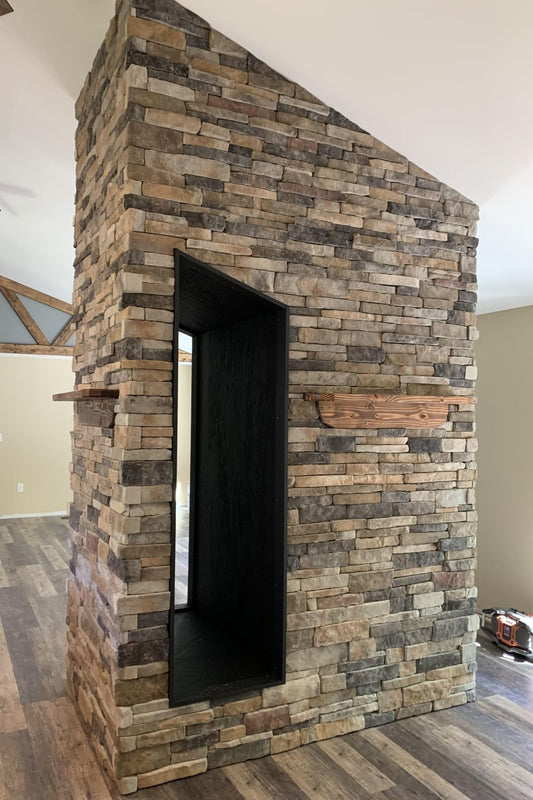
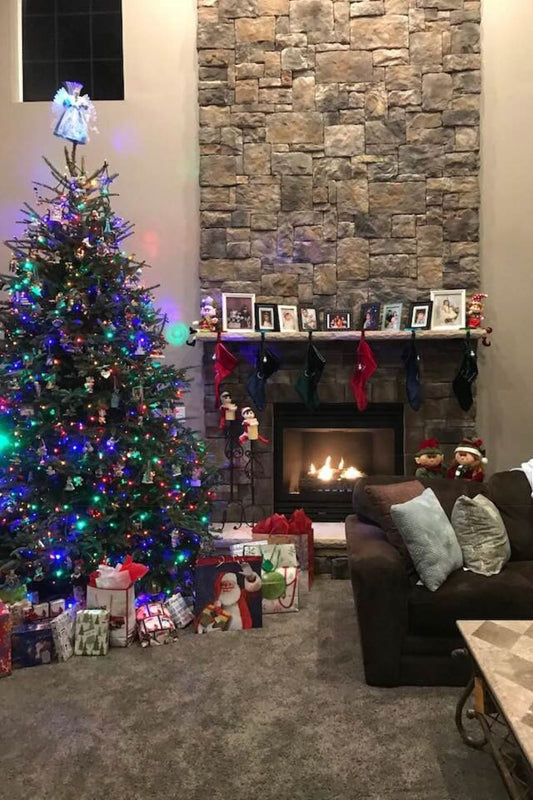
One of the most iconic uses of manufactured stone veneer is around interior fireplaces. Fireplaces naturally act as focal points in living spaces, and stone enhances that focal role by adding texture, depth, and architectural weight that drywall or tile alone cannot achieve. Upgrading an existing brick fireplace is also very common with manufactured stone veneer, offering a way to modernize outdated masonry without full demolition. You can see the full process in our complete post on installing stone veneer over a brick fireplace.
From a technical standpoint, fireplace installations require careful attention to heat exposure and substrate selection. While manufactured stone veneer is suitable for use around most residential fireplaces, it must be installed on non-combustible surfaces or on properly engineered fire-rated assemblies. Cement board, metal lath systems, and scratch coats are commonly used to ensure a stable bonding surface.
In climates with seasonal temperature variation, fireplaces also experience expansion and contraction cycles. Proper installation practices help ensure the veneer remains stable and crack-free over time, even with repeated heating and cooling cycles.
The result is a surface that not only performs well but becomes a defining architectural feature within the home.
Kitchen Applications and Interior Architectural Integration
Kitchens represent one of the most design-sensitive areas of the home, and manufactured stone veneer is increasingly used here not as a functional surface, but as an architectural accent material. Its role is typically focused on creating visual contrast and structural definition rather than serving as a traditional backsplash material behind sinks or cooking surfaces. For a deeper look at how this material can completely reshape kitchen design, see our post on stone veneer for kitchens. If you’re specifically considering it behind cooking or sink areas, our post stone veneer as a kitchen backsplash? breaks down what works, what doesn’t, and why careful placement is essential.
In open-concept kitchen layouts, stone veneer is often applied to island bases, column wraps, breakfast nook walls, and partial feature walls that visually separate functional zones without closing off space. This allows the kitchen to feel integrated into the broader living environment while still maintaining defined architectural moments.
The pairing of manufactured stone veneer with modern kitchen materials such as quartz countertops, flat-panel cabinetry, and matte fixtures creates a balanced contrast between organic texture and refined finishes. In more traditional kitchens, it blends seamlessly with wood cabinetry, warm metals, and natural flooring materials.
Because kitchens involve moisture, grease, and frequent cleaning, placement is critical. Manufactured stone veneer performs best when installed outside of direct splash zones unless properly sealed. Even then, its primary function remains decorative rather than utilitarian in high-contact areas.
Bathroom Feature Walls and Spa-Like Environments
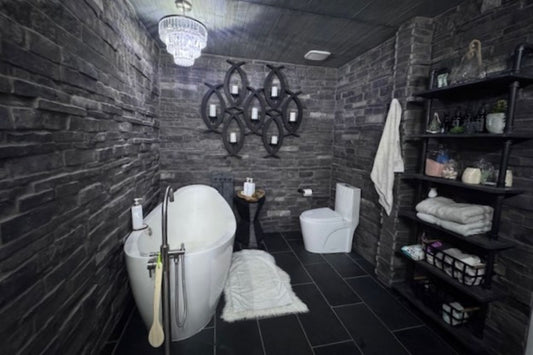
Bathrooms have evolved from purely functional rooms into wellness-focused spaces, and manufactured stone veneer plays a major role in that transformation. It introduces natural texture and warmth into environments typically dominated by tile, porcelain, and glass. For a deeper dive into design ideas, installation considerations, and moisture protection strategies, see our complete post stone veneer for bathrooms and showers.
In spa-inspired bathroom designs, stone veneer is commonly used on vanity feature walls, bathtub backdrops, and shower accent walls where it is not directly exposed to constant water flow. The visual effect is intended to mimic natural environments, creating a calming and organic atmosphere.
In wet environments, the technical requirements become significantly more important. Waterproofing membranes, vapor barriers, and proper substrate preparation are essential to ensure long-term performance. Cement backer boards are typically used as the base layer, and all penetrations must be carefully sealed to prevent moisture intrusion behind the veneer system.
When installed correctly, manufactured stone veneer performs well in humid conditions. It does not warp or rot, and its cement-based composition makes it naturally resistant to moisture-related degradation. This makes it suitable for long-term use in bathrooms, provided installation best practices are followed.
Can You Use Stone Veneer as Flooring?
Manufactured stone veneer is not designed or rated for use as a flooring material, and it should not be installed on horizontal walking surfaces such as interior floors, exterior patios, decks, or any area intended for regular foot traffic. While it shares the appearance of natural stone, it is fundamentally a lightweight cladding system intended for vertical applications like walls, facades, and architectural features. For a deeper breakdown of limitations and suitable alternatives, see our complete post can you use stone veneer as flooring?
The key limitation comes down to structure and performance. Manufactured stone veneer units are thinner and more porous than full-bed stone or purpose-built pavers, meaning they are not engineered to withstand repeated foot traffic, abrasion, or impact over time. Flooring systems require materials tested for compressive strength, slip resistance, and long-term durability, which falls outside the intended use of veneer products.
That said, stone veneer still plays an important role in flooring-adjacent design. It is commonly used on stair risers, sidewalls, landings, and other vertical transitions where it enhances visual continuity without bearing direct load.
For true walking surfaces, materials such as natural stone pavers, porcelain pavers, or concrete pavers are the appropriate choice, as they are engineered for structural and exterior performance.
Interior Accent Walls and Spatial Definition
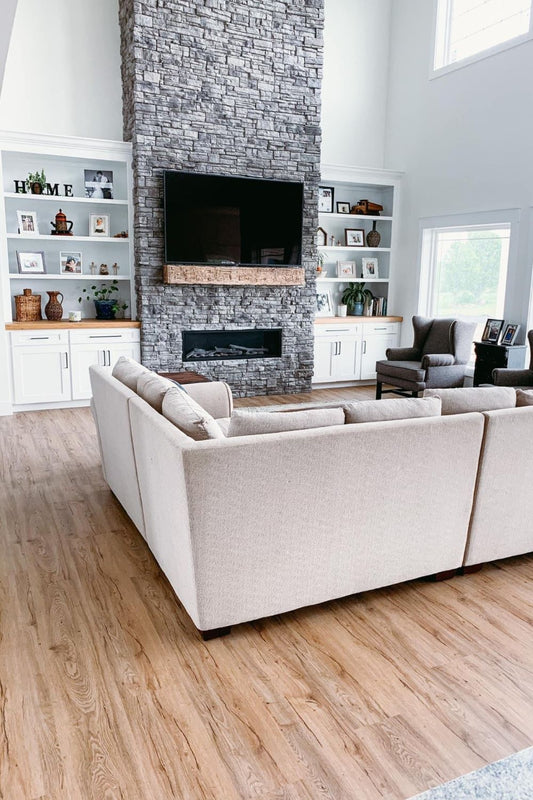
Inside the home, manufactured stone veneer is frequently used on accent walls beyond fireplaces and kitchens. These installations are common in hallways, entry foyers, stairwells, dining areas, bedrooms, and open-concept living spaces where homeowners want to introduce texture and architectural depth without overwhelming the room. For more inspiration and design considerations, see our complete post on stone accent walls.
Accent walls serve both aesthetic and functional roles within interior design. In larger open-concept layouts, they help visually anchor the space and define separate living zones without the need for physical partitions or walls. Stone veneer can also create a natural focal point within otherwise minimal or modern interiors, adding warmth and contrast to spaces dominated by drywall, glass, and smooth finishes.
Lighting plays a major role in how manufactured stone veneer is perceived indoors. Directional lighting, recessed fixtures, wall sconces, and natural daylight all interact with the textured surface to create shifting shadows and highlights throughout the day. This variation gives stone veneer a level of depth and dimensionality that flat wall finishes cannot replicate, helping accent walls feel more dynamic and visually engaging within the overall design of the home. For a deeper exploration of how illumination affects texture, tone, and architectural perception, see our complete guide on how light and shadows work with manufactured stone veneer.
Exterior Siding and Full Building Facades
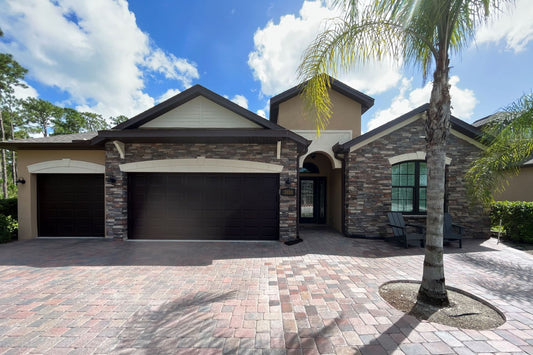
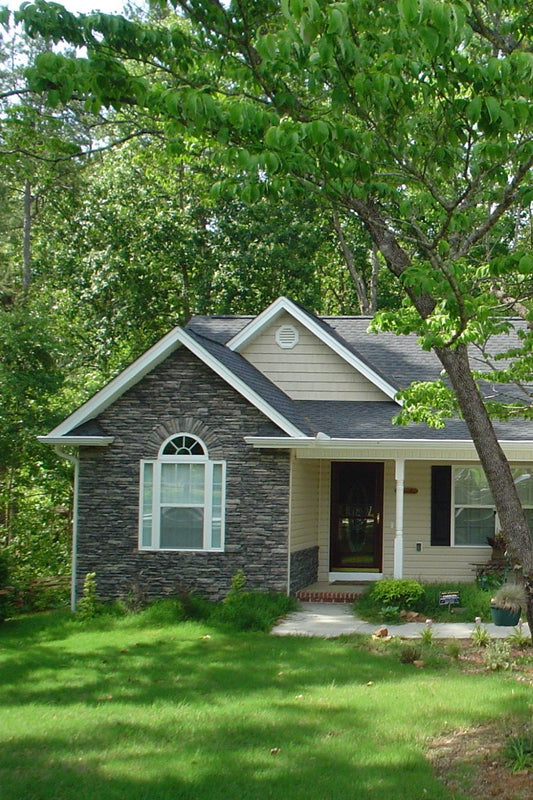
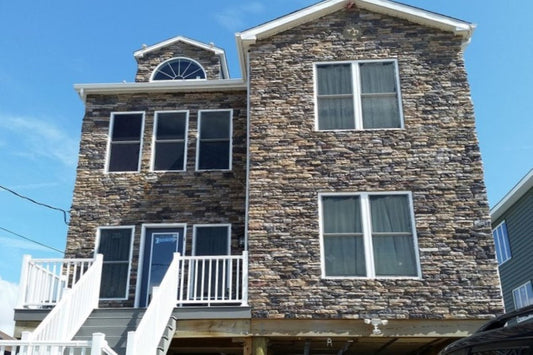
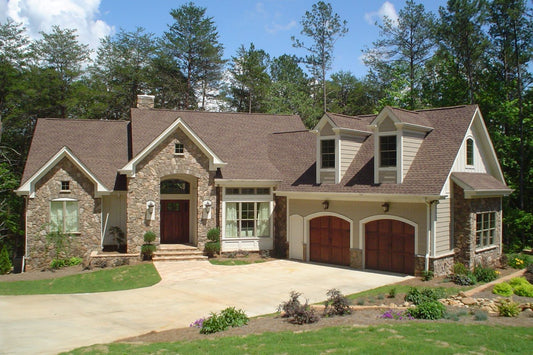
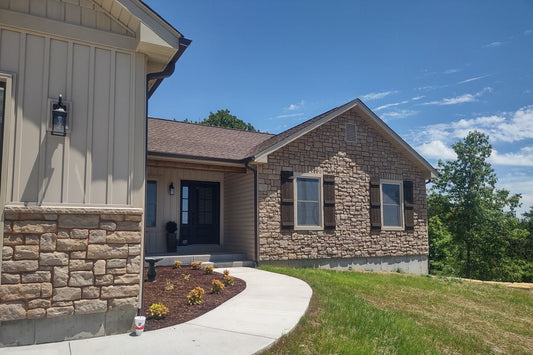
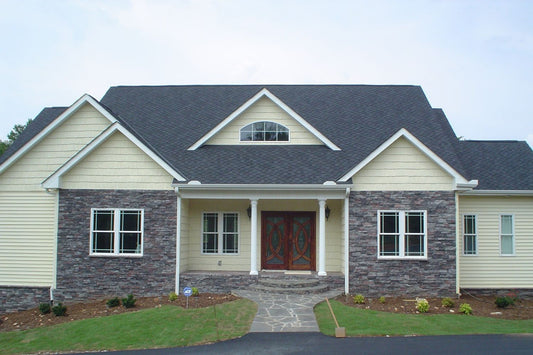
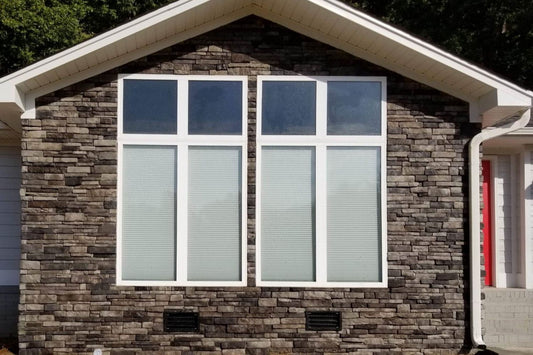
One of the most impactful uses of manufactured stone veneer is on exterior building facades. Whether used as a partial accent or full wall cladding system, it significantly enhances curb appeal and architectural presence.
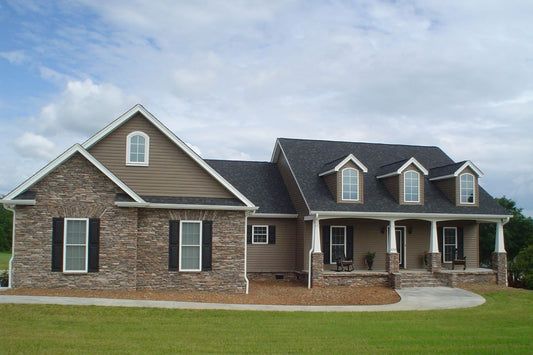
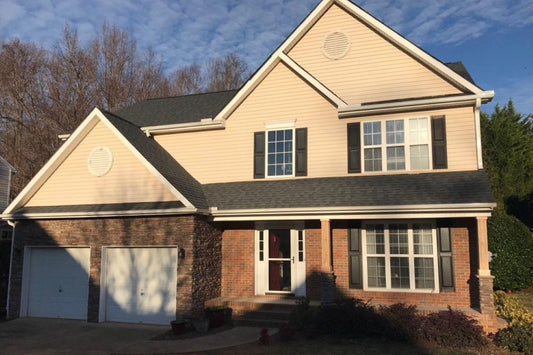
In residential construction, it is often used to highlight entryways, garage surrounds, dormers, and gable ends. Garages in particular benefit from manufactured stone veneer because they often make up a large visual portion of the front elevation; adding stone helps break up flat surfaces and ties the garage into the overall architectural design instead of letting it feel like a secondary structure. For a deeper look at how this can transform curb appeal, see our complete post upgrade your garage with stone veneer.
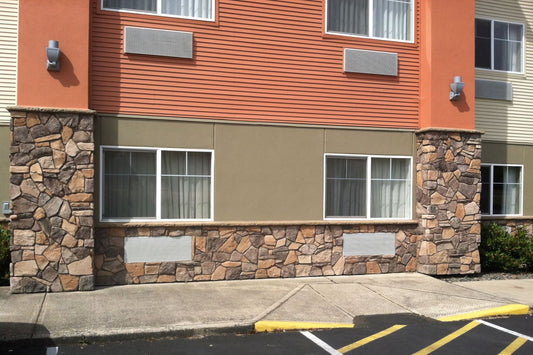
In commercial applications, it is frequently used to create a strong visual identity at storefronts and entry points.
Unlike full-bed stone masonry, manufactured stone veneer does not rely on structural load-bearing capacity. Instead, it is installed as a cladding system over properly prepared substrates such as wood framing, masonry, or concrete. This makes it ideal for retrofit projects where existing structures are being updated without major reconstruction.
Exterior performance depends heavily on moisture management. Weather-resistant barriers, proper flashing, drainage planes, and weep systems all play a role in ensuring water does not become trapped behind the veneer.
When installed correctly, manufactured stone veneer can withstand freeze-thaw cycles, UV exposure, wind-driven rain, and seasonal temperature fluctuations without significant degradation.
Foundation Walls and Exposed Concrete Transitions
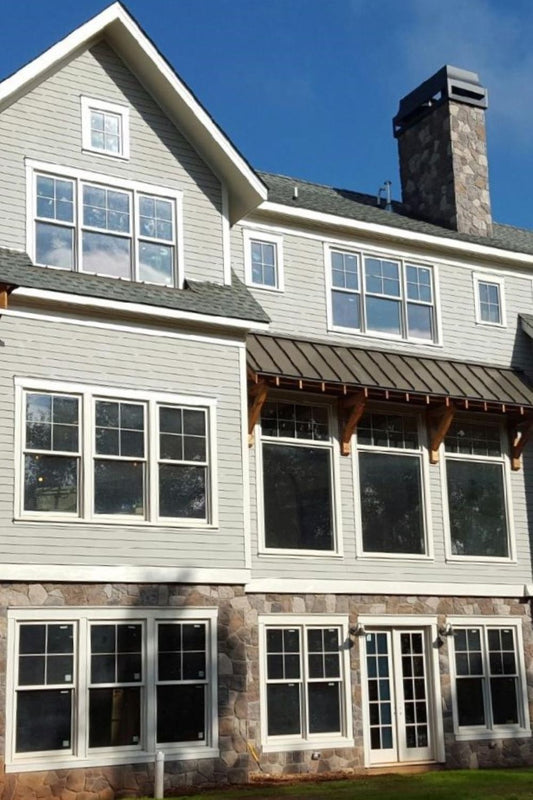
Foundation walls are often overlooked in architectural design, yet they play a major role in a building’s visual foundation. Exposed concrete can make even high-end homes appear unfinished, which is why manufactured stone veneer is frequently used to elevate these surfaces. For a more detailed breakdown of design approaches, installation considerations, and performance factors, see our complete post stone veneer for foundation walls.
By covering foundation walls with stone veneer, the transition between ground level and upper siding becomes intentional and visually cohesive. It helps anchor the building to the landscape while also improving perceived value.
Technically, foundation applications require careful attention to drainage and grade separation. Veneer must be kept above soil level to prevent moisture wicking, and proper drainage systems must ensure water does not accumulate at the base of the wall assembly.
In retrofit applications, foundation stone veneer is one of the most cost-effective ways to dramatically improve exterior aesthetics without structural modification.
Chimneys as Vertical Architectural Features
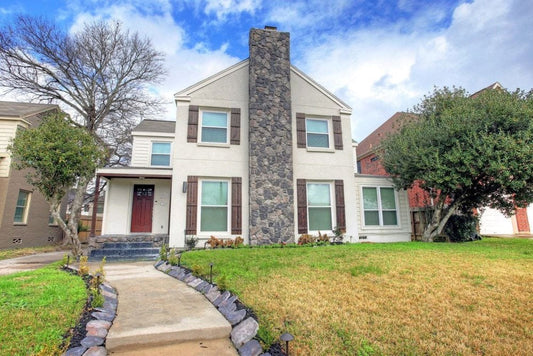
Chimneys are among the most visible vertical elements of a home, making them ideal candidates for manufactured stone veneer cladding. Because they extend above rooflines, they naturally draw attention and can either enhance or detract from overall architectural balance. For a more in-depth look at design options, installation requirements, and structural considerations, see our complete post stone veneer chimneys.
Wrapping a chimney in stone veneer helps integrate it into the overall design language of the home. It creates continuity with other exterior stone elements such as entryways or foundation accents.
From a technical perspective, chimneys present unique challenges due to heat exposure, wind loading, and movement caused by roof structures. Manufactured stone veneer must be installed in compliance with building codes and manufacturer guidelines, particularly regarding clearance from flue systems and heat-producing components.
When properly executed, a stone veneer chimney becomes a defining architectural feature that enhances both traditional and contemporary home designs.
Retaining Walls and Landscape Architecture
In landscape design, manufactured stone veneer is commonly used to transform structural retaining walls into integrated architectural features. Retaining walls are often necessary for grading and soil management, but without finish treatments they can appear utilitarian. For a more detailed look at design approaches, installation methods, and long-term performance considerations, see our complete post stone veneer for retaining walls.
Stone veneer allows these functional structures to blend seamlessly into the surrounding landscape. It is frequently used on garden walls, tiered terraces, raised planters, and entrance features where visual continuity is important.
Because retaining walls are subject to soil pressure and moisture exposure, drainage is the most critical factor. Weep systems, gravel backfill, and proper waterproofing layers are essential to prevent hydro static pressure from affecting the wall system behind the veneer.
When designed properly, these walls become part of the landscape architecture rather than separate structural elements.
Stone Veneer for Entryways and Walkways
Stone veneer is a highly effective way to enhance entryways by bringing texture, depth, and architectural definition to some of the most visible areas of a property. In entry applications, it helps elevate columns, walls, and surrounding features to create a stronger sense of arrival and curb appeal, making the entrance feel more intentional and visually striking.
Along walkways, stone veneer can be used to frame paths, define transitions between outdoor spaces, and guide movement through the landscape in a more cohesive way. Because manufactured stone veneer is lightweight and adaptable, it can be installed on a wide range of properly prepared surfaces, making it a practical solution for both new construction and renovation projects that aim to unify architecture and landscape design. For a deeper look at design ideas, applications, and installation considerations, see our complete post on stone veneer for entryways and walkways.
Exterior Steps and Staircases
Exterior steps and staircases are high-visibility zones that benefit greatly from manufactured stone veneer. These areas often form the transition between landscape and architecture, making them important from both a functional and aesthetic perspective. For a deeper breakdown of design considerations, installation methods, and durability factors, see our complete post can you use stone veneer on steps or stairs?
Stone veneer is commonly applied to stair risers, sidewalls, landings, and entry platforms. This creates a cohesive visual path that leads visitors from the exterior environment into the home. Because steps are subject to constant foot traffic and impact, installation must be carefully detailed to ensure durability. Edge protection, bonding strength, and substrate stability are particularly important in these applications.
When integrated with walkways, retaining walls, and entry facades, stone-clad steps help unify the entire exterior design.
Outdoor Living Spaces, Pools, and Hot Tubs
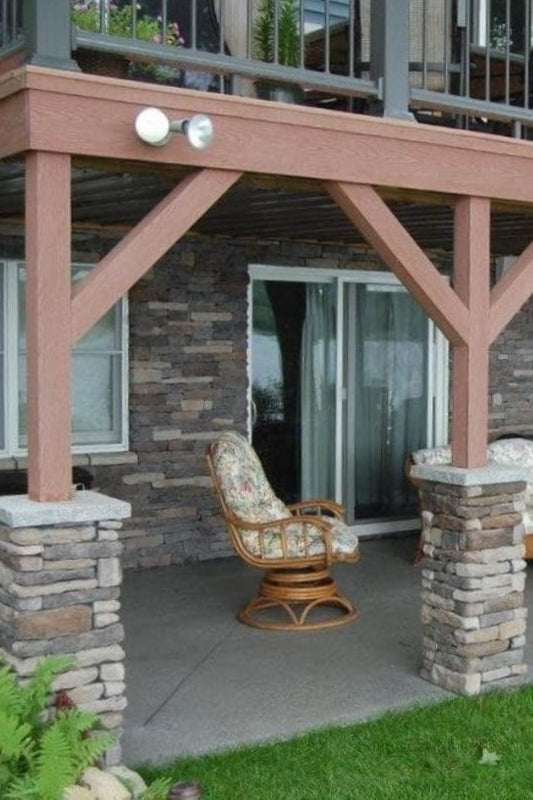
Outdoor living spaces have increasingly become extensions of the home, designed to provide comfortable areas for relaxing, entertaining, and spending time outdoors throughout the year. Manufactured stone veneer plays a major role in shaping these environments by adding texture, depth, and architectural character while maintaining the durability required for exterior applications. It is commonly used on outdoor fireplaces, seating walls, retaining walls, columns, privacy features, pool surrounds, and hot tub enclosures where homeowners want the appearance of natural stone without the structural weight and cost of full masonry construction.
One of the primary advantages of manufactured stone veneer in outdoor environments is its ability to create a cohesive connection between the home’s architecture and the surrounding landscape. Whether the design style is rustic, modern, traditional, or contemporary, stone veneer helps unify patios, decks, water features, and entertainment spaces into a visually consistent outdoor setting. When properly installed, it performs well under exposure to rain, UV exposure, freeze/thaw cycles, and changing seasonal temperatures.
Pool and spa applications are especially popular because stone veneer adds warmth and a resort-inspired appearance to outdoor spaces. It is often incorporated into raised pool walls, spillways, hot tub surrounds, outdoor fireplaces, and decorative water features that become focal points within the landscape design. These environments require careful attention to moisture management, substrate preparation, drainage, and sealing to ensure long-term durability and performance in wet conditions. Chlorine exposure, splash zones, and winter weather can all affect installation longevity if the system is not properly designed. For a deeper look at best practices and installation considerations, see our complete post to stone veneer around pools and hot tubs.
Manufactured stone veneer is also frequently used in more structured outdoor architectural features such as gazebos, where it is applied to base walls, support columns, and entry points to visually anchor the structure within the landscape. Because gazebos are often open-air and highly visible from multiple angles, stone veneer helps ground lightweight framing systems and gives them a more permanent, built-in architectural presence. This combination of wood framing and stone-clad bases creates a strong contrast that enhances both structural definition and aesthetic appeal. For a more detailed exploration of this application, see our post manufactured stone veneer gazebos.
When thoughtfully designed and professionally installed, manufactured stone veneer helps transform patios, pools, and backyard gathering spaces into durable, visually cohesive outdoor living environments that add both curb appeal and long-term value to a property.
Outdoor Kitchens, Grills, and BBQs
Outdoor kitchens have become one of the most sought-after features in modern backyard design, allowing homeowners to create fully functional entertainment spaces that extend everyday living beyond the interior of the home. Manufactured stone veneer is widely used in these applications because it delivers the appearance of traditional masonry while remaining lighter, more versatile, and easier to install over framed outdoor kitchen structures.
Stone veneer is commonly applied to grill islands, outdoor bars, cabinet bases, support columns, pizza oven surrounds, backsplashes, and seating areas where durability and aesthetics are equally important. The material helps create a permanent, high-end appearance that integrates naturally with patios, landscaping, pergolas, and other outdoor architectural elements. It also pairs well with concrete countertops, stainless steel appliances, wood accents, and paver systems to create custom outdoor entertainment spaces with a cohesive design.
One of the reasons manufactured stone veneer is so effective in outdoor cooking areas is its ability to add texture and visual depth while withstanding exposure to sun, moisture, grease, and changing temperatures. However, because these environments involve cooking equipment and heat-producing appliances, proper installation practices are critical. Areas surrounding grills, smokers, fireplaces, and pizza ovens must be constructed with appropriate clearances, ventilation, and heat-resistant substrates to ensure safe and durable performance over time.
Outdoor kitchens often become the visual centerpiece of the backyard, and stone veneer helps reinforce that focal point by creating the appearance of a professionally built masonry structure without the excessive weight associated with full-thickness natural stone. Whether used in a compact grilling station or a fully customized luxury outdoor kitchen, manufactured stone veneer contributes both architectural character and long-term durability to the space.
For more detailed guidance and inspiration, explore our complete posts on stone veneer BBQs and outdoor kitchens and stone veneer grills and BBQs.
Stone Veneer for Small Spaces and Compact Homes
In small homes, condos, and compact layouts, manufactured stone veneer works best as a strategic accent rather than a dominant surface. Because space is limited, its role is to add depth, texture, and architectural interest without overwhelming the room or reducing visual openness. For a deeper look at how to approach these applications, see our full post on stone veneer for small spaces and compact homes.
Used thoughtfully, stone veneer can help define zones in open-concept layouts, such as separating a living area from a dining nook or highlighting a fireplace as a central focal point. Even a single feature wall or partial application can create structure and visual hierarchy without taking up any physical space.
Scale and texture are especially important in smaller interiors. More refined stone profiles and lighter, neutral tones tend to perform better because they reflect light and help maintain a sense of openness. Heavier textures or overly dark finishes can feel visually dense if used too broadly.
Vertical applications are particularly effective in compact homes, as they draw the eye upward and help make ceilings feel taller. Fireplace surrounds, narrow accent walls, or entryway features can all enhance this effect.
In kitchens and bathrooms, stone veneer is best used sparingly as an accent on islands, vanities, or feature backdrops rather than full coverage surfaces. When paired with good lighting, even small applications can add strong dimensional impact.
Overall, manufactured stone veneer enhances small spaces most effectively when used with restraint, clarity, and purpose.
For homeowners building or renovating a tiny home or accessory dwelling unit, our post on manufactured stone veneer for tiny homes and ADUs provides more specific ideas for using stone veneer effectively in compact residential designs.
Commercial and Retail Applications
In commercial design, manufactured stone veneer is widely used for storefronts, office interiors, hospitality environments, and mixed-use developments. Its ability to deliver high-end visual impact at a lower cost than natural stone makes it a preferred material in commercial architecture.
Retail environments often use stone veneer to create strong brand identity and customer engagement at first glance. Interior commercial spaces use it to define reception areas, feature walls, and communal zones.
Durability and installation quality are especially important in these settings due to higher traffic levels and wear exposure.
Where Can You Install Manufactured Stone Veneer?
Manufactured stone veneer is one of the most adaptable architectural materials available today. Its ability to transition seamlessly between interior and exterior environments, from decorative accent walls to high-exposure outdoor applications, makes it an essential component of modern design.
Whether used in kitchens, bathrooms, fireplaces, foundations, chimneys, retaining walls, steps, or outdoor living spaces, it provides a consistent combination of durability and visual appeal. Its success depends not on the material alone, but on thoughtful placement and correct installation practices tailored to each environment.
When properly installed, manufactured stone veneer becomes more than a surface finish, it becomes part of the architectural identity of a building.
From Mountain View Stone: What You Should Know
At Mountain View Stone, what you should know is that manufactured stone veneer is one of the most flexible architectural materials available, but its long-term performance depends entirely on matching the installation method to the environment it’s being used in. While it can be applied across nearly every part of a home or building, from interior feature walls to high-exposure exterior facades, the key is understanding that each location comes with different demands for moisture control, substrate preparation, thermal movement, and code compliance. The material itself is durable and lightweight, but it is not one-size-fits-all in installation. Proper weather barriers, drainage systems, and correct bonding techniques are what allow it to perform reliably over decades, especially in challenging environments like bathrooms, exterior walls, chimneys, and outdoor living spaces. When homeowners and builders take the time to pair manufactured stone veneer with the right assembly for each application, they unlock its full potential as a high-impact, long-lasting design solution rather than just a decorative finish.
Frequently Asked Questions About Where Can You Install Manufactured Stone Veneer?
Where can manufactured stone veneer be installed in a home?
It can be installed on interior and exterior surfaces including fireplaces, kitchens, bathrooms, accent walls, foundations, chimneys, steps, and outdoor living areas.
Can manufactured stone veneer be used in wet areas like bathrooms or pools?
Yes, but it must be installed with proper waterproofing systems and used outside direct water flow zones unless specifically engineered for wet applications.
Can manufactured stone veneer be installed on existing concrete or brick?
Yes, it can be installed over structurally sound concrete or masonry with proper surface preparation and a suitable bonding system.
Does manufactured stone veneer work for fireplaces?
Yes, it is commonly used for fireplace surrounds as long as it is installed on non-combustible or properly fire-rated substrates.
What is the typical lifespan of manufactured stone veneer?
With proper installation and maintenance, it can last for decades and often matches the lifespan of the structure it is applied to.
What’s Next?
Bring your vision to life with our premium stone veneer. Shop now to find the right style for your project or order a sample to experience the quality firsthand. Get started on your project today.
Have a Question?
Please see our full terms of service or check out our frequently asked questions.
For general information and questions please call: (864) 882-8960 Mon. - Fri. 8am - 5pm (EST) or email: info@mountainviewstone.net we are more than happy to help you.
Or you can submit your questions via our contact us page.
We look forward to working with you on your upcoming project.
The Mountain View Stone Team
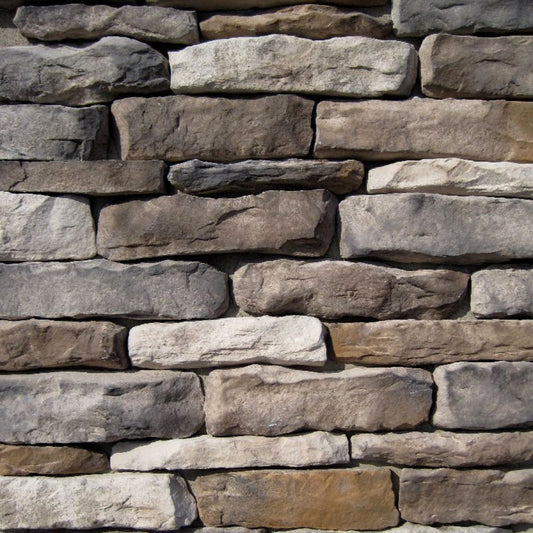
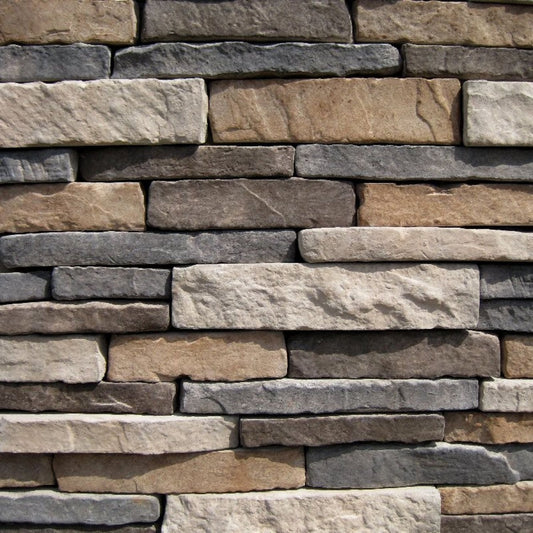
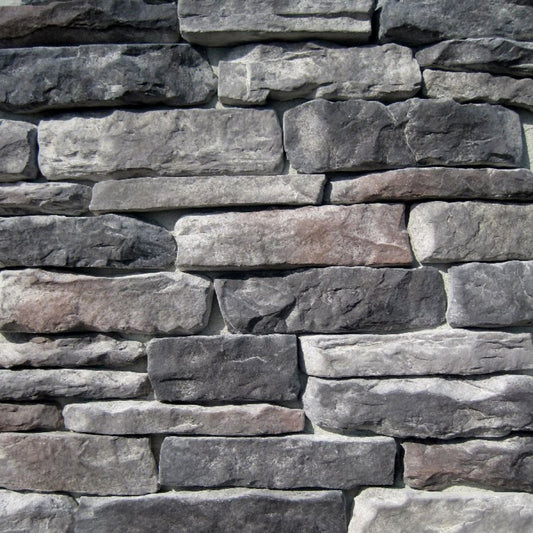
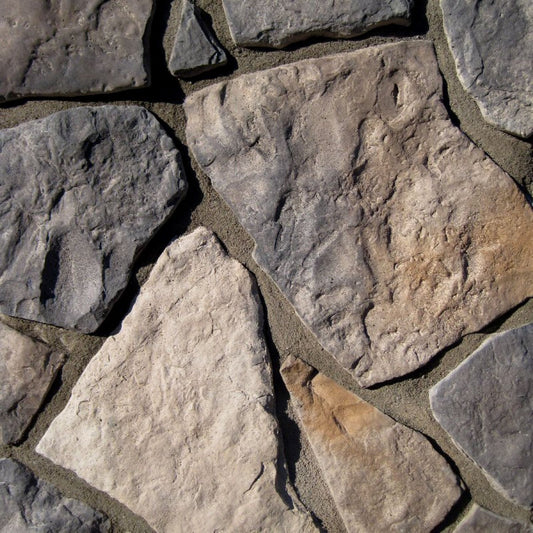
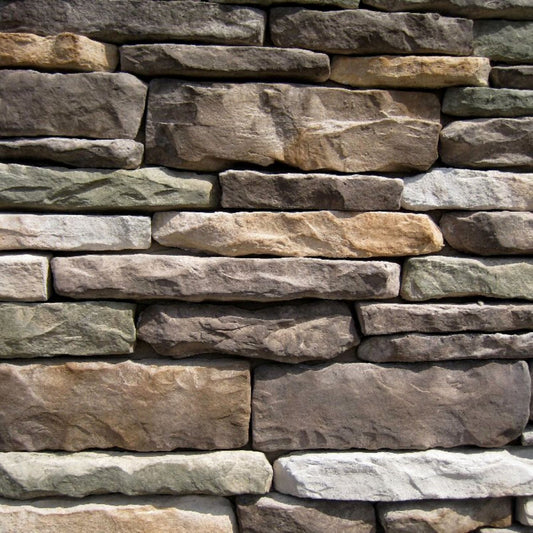
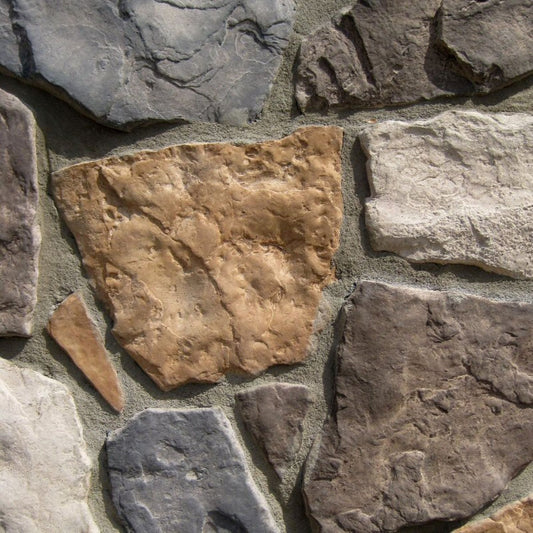
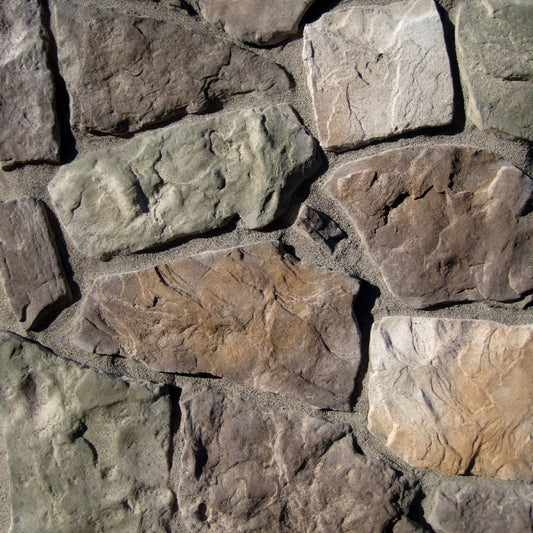
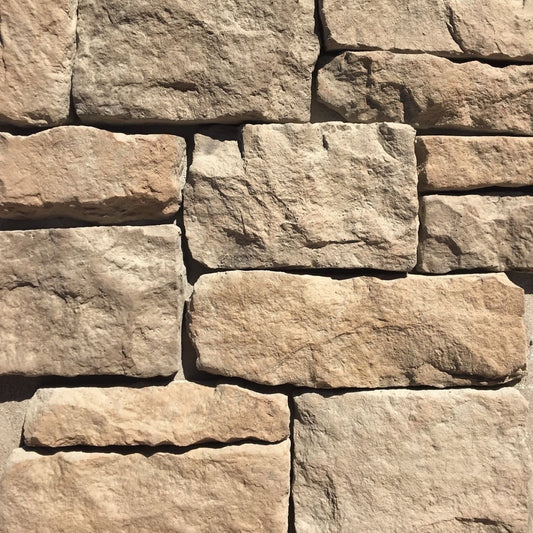
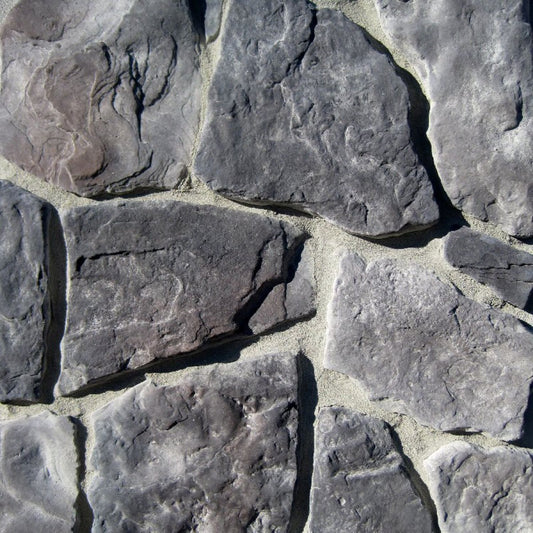
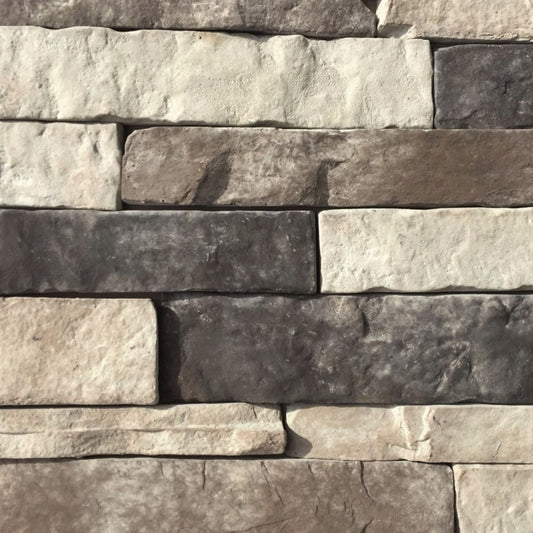
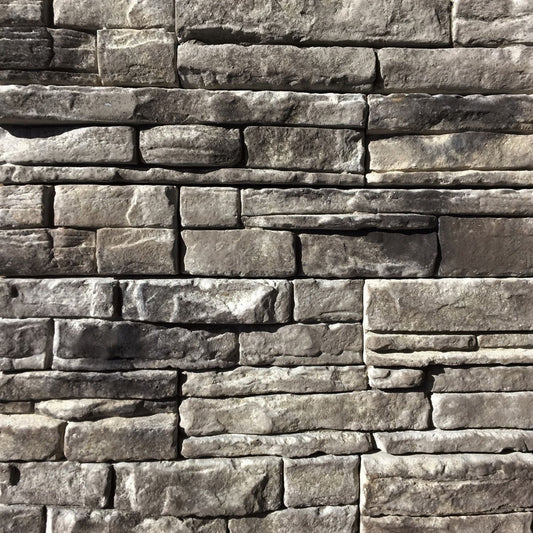
Pictured is field stone ash.