
Stone Veneer for Entryways and Walkways: Design and Installation Guide
Share
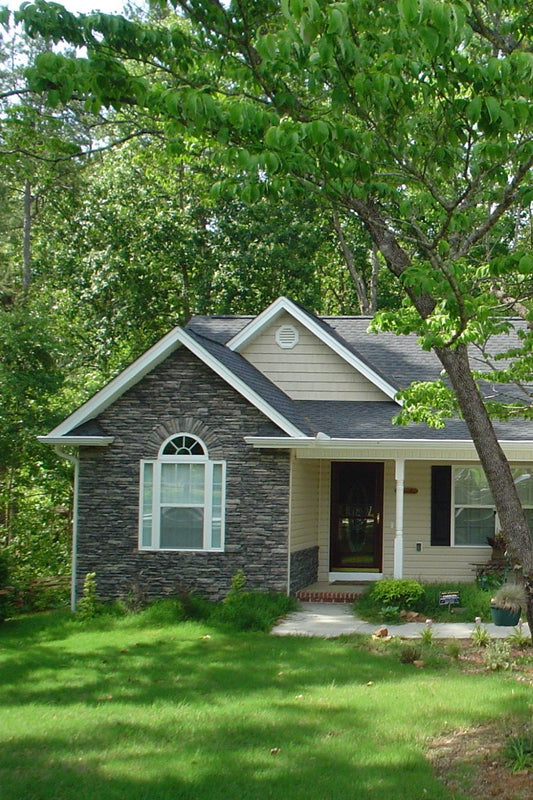
Stone veneer is a popular choice for entryways and walkways because it adds curb appeal, architectural character, and durability while remaining lighter and more affordable than full-bed natural stone. Manufactured stone veneer can be used on entry columns, walls, arches, landscape features, and adjacent architectural elements to create cohesive, welcoming entrances and attractive outdoor pathways. Proper design, material selection, and installation are essential for long-lasting performance.
The entryway is one of the most important areas of any home. It creates the first impression visitors receive and often sets expectations for the rest of the property. Likewise, walkways guide guests through the landscape, connect outdoor spaces, and contribute significantly to both functionality and aesthetics. Manufactured stone veneer has become one of the most effective ways to enhance these areas. Whether used on entry columns, surrounding walls, garden features, retaining walls, or architectural accents along pathways, stone veneer introduces texture, depth, and timeless appeal that few other materials can match. For a deeper look at how these elements work together across a full exterior design system, you can explore our complete guide on stone veneer columns, posts, pillars and arches.
Unlike full-bed natural stone, manufactured stone veneer delivers the appearance of authentic masonry while reducing installation complexity, structural requirements, and overall project costs. The result is a versatile design material that can complement virtually any architectural style, from traditional and rustic homes to modern and contemporary properties.
This post explores how stone veneer can be incorporated into entryways and walkways, design considerations that contribute to successful projects, and installation practices that help ensure long-term durability.
Why Stone Veneer Works So Well for Entryways and Walkways
Entryways and walkways serve both practical and visual purposes. They direct movement, define spaces, and create opportunities to showcase architectural details and landscaping. Because these areas are frequently seen and heavily used, material selection plays a major role in their long-term appearance and performance.
Stone veneer offers a unique combination of durability and visual richness. The texture and dimensional qualities of stone create natural shadow lines that add depth and interest throughout the day as lighting conditions change. This dynamic appearance helps entry features stand out while maintaining a timeless aesthetic.
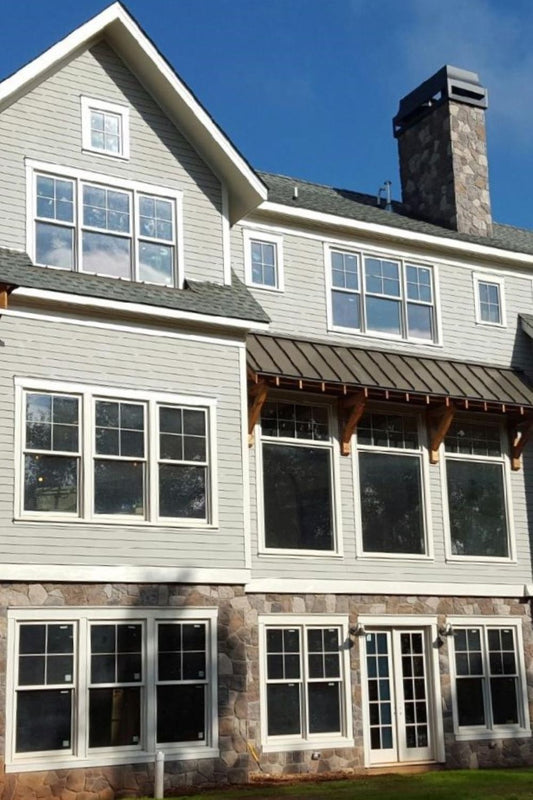
Stone veneer also works exceptionally well because it complements a wide range of building materials. It pairs naturally with siding, stucco, brick, wood, concrete, and metal accents. This versatility allows homeowners and designers to create cohesive exterior designs without being limited to a specific architectural style.
In addition to visual benefits, manufactured stone veneer is lighter than natural stone, making it easier to install on a variety of structures without extensive structural modifications.
Designing an Inviting Entryway With Stone Veneer
A thoughtfully designed entryway creates a sense of arrival and establishes the home's overall character. Stone veneer can help achieve this by emphasizing architectural features and adding visual weight where it matters most.
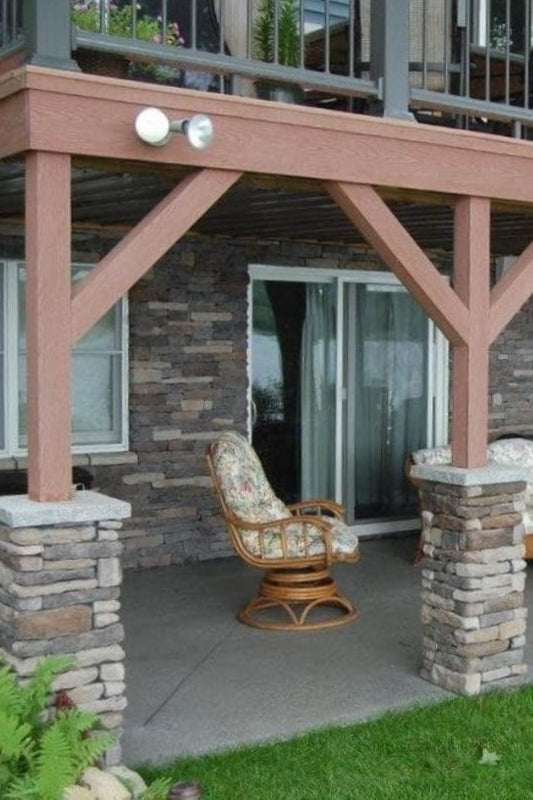
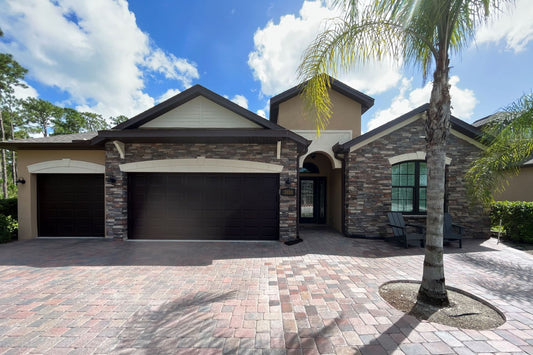
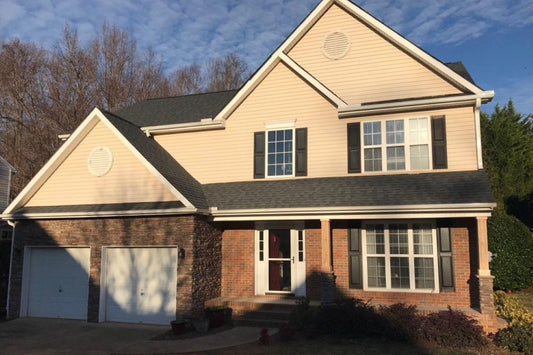
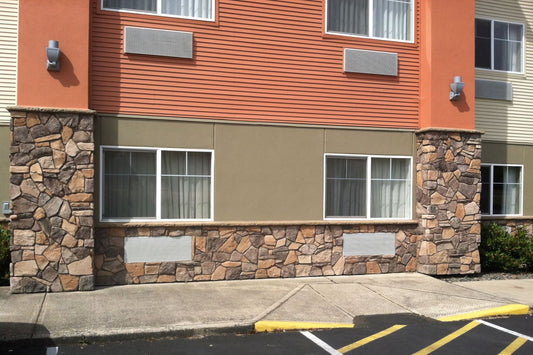
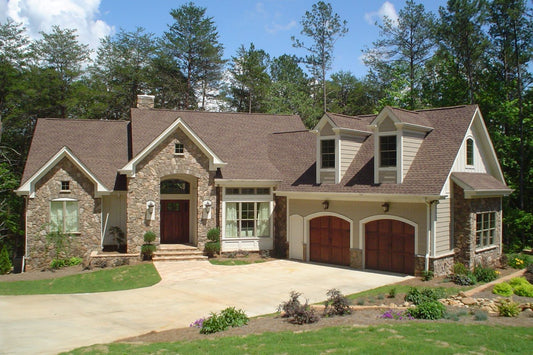
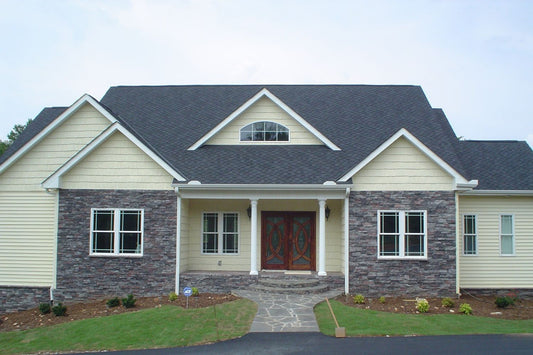
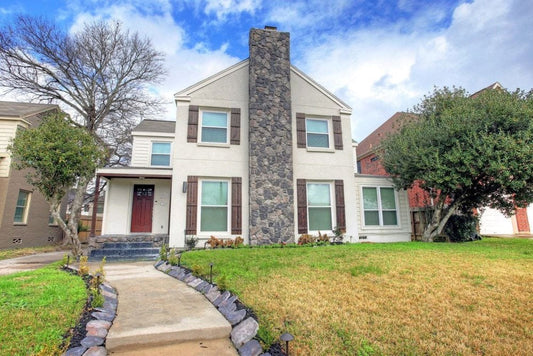
Entry columns are among the most common applications. Wrapping columns with stone veneer creates a substantial appearance that immediately enhances curb appeal. These columns can frame front doors, support porch roofs, or define gateway entrances leading to the property.
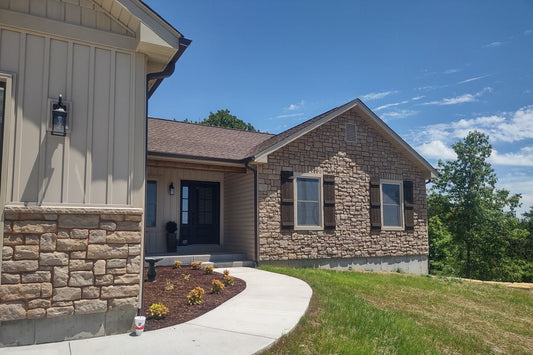
Stone veneer can also be incorporated into feature walls adjacent to the front entrance. These walls provide a backdrop that highlights doors, lighting fixtures, landscaping, and house numbers while creating a more sophisticated architectural composition.
Color and texture selection should complement existing exterior materials. Warm earth tones often create a welcoming appearance, while cooler gray palettes may reinforce contemporary designs. Matching or coordinating stone colors with roofing, trim, and landscaping elements helps create visual harmony throughout the property.
Scale is equally important. Larger homes often benefit from more substantial stone features, while smaller residences may achieve better balance with selective stone accents that enhance rather than overwhelm the architecture.
Enhancing Walkways With Stone Veneer Features
Walkways do more than connect one location to another. They shape how visitors experience a property and influence the perceived scale and organization of outdoor spaces.
Stone veneer can be used alongside walkways to create retaining walls, seat walls, planters, columns, and garden structures that add visual interest and define movement through the landscape. These features help transform simple pathways into intentional design elements.
Landscape designers often use stone veneer to establish transitions between outdoor spaces. A stone-clad column at the entrance to a garden, a low wall bordering a pathway, or a feature structure marking a courtyard entrance can make a property feel more organized and inviting.
The texture of stone also contrasts beautifully with surrounding landscape materials. Soft plantings, lawns, and decorative gravel benefit from the visual stability that stone features provide. This balance between natural and architectural elements creates outdoor environments that feel both welcoming and refined.
Walkway-adjacent stone features are particularly effective when they echo materials used elsewhere on the property, creating a unified design language that ties the entire landscape together.
Choosing the Right Stone Veneer Style
Manufactured stone veneer is available in a wide range of profiles, each offering a distinct appearance.
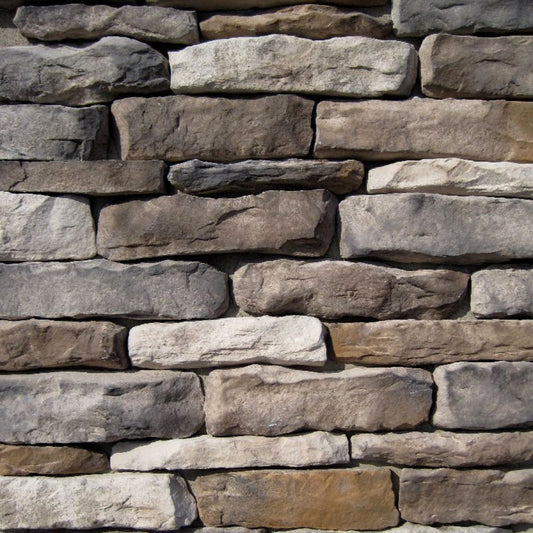
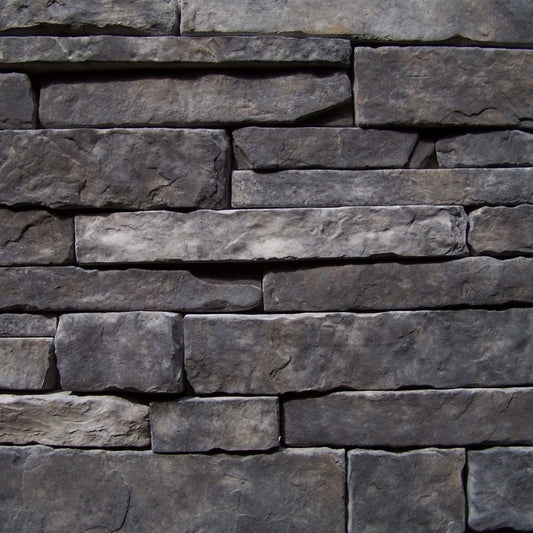
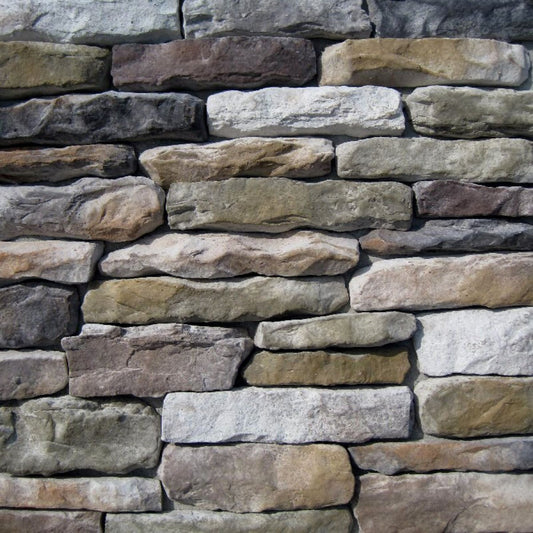
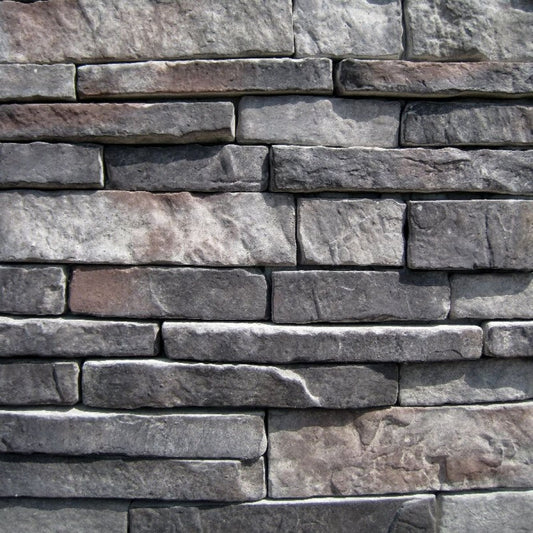
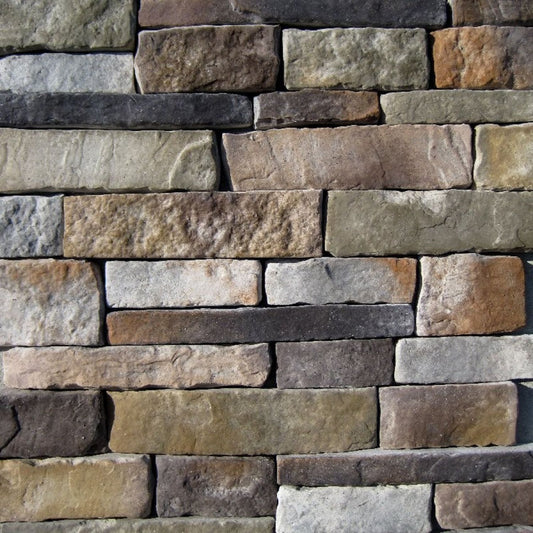
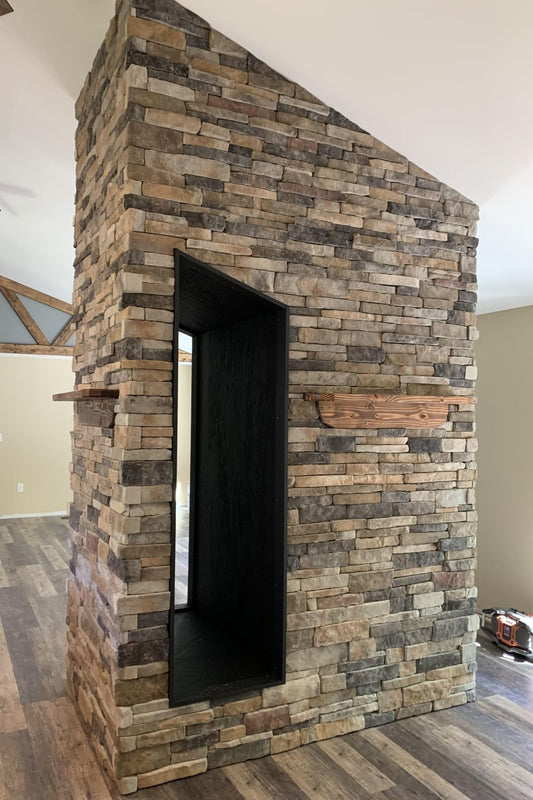
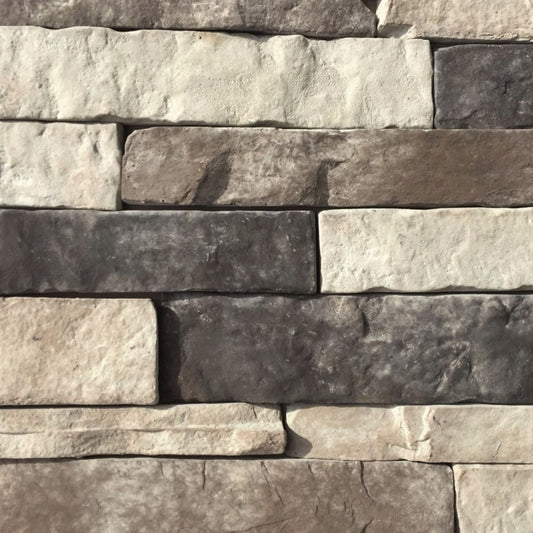
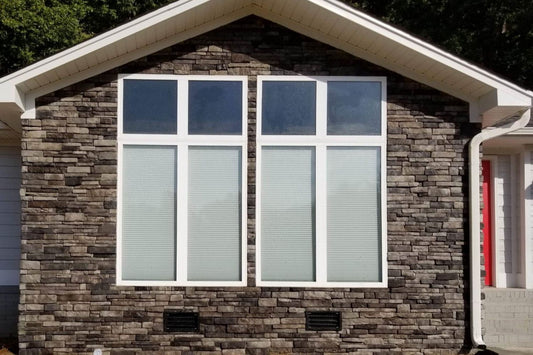
Stacked stone profiles are often selected for contemporary and mountain-inspired designs because of their linear appearance and rich texture. Their stacked arrangement creates strong horizontal lines that can visually widen a space.
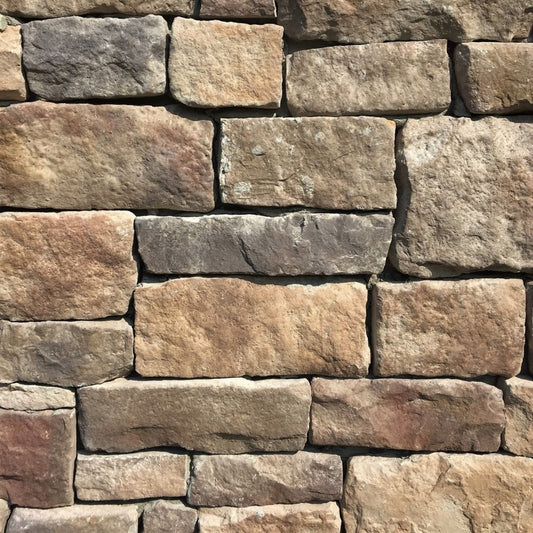
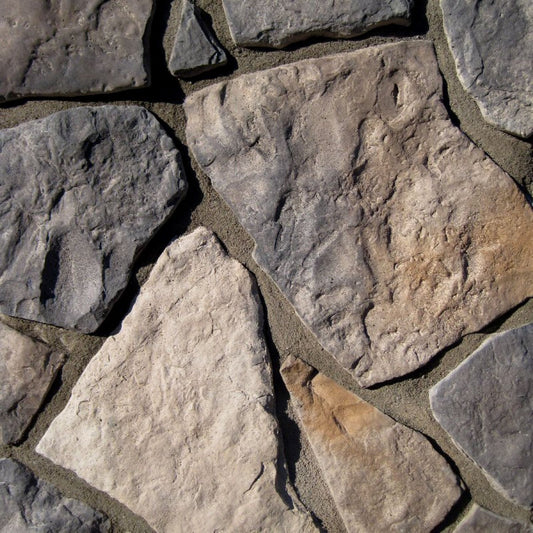
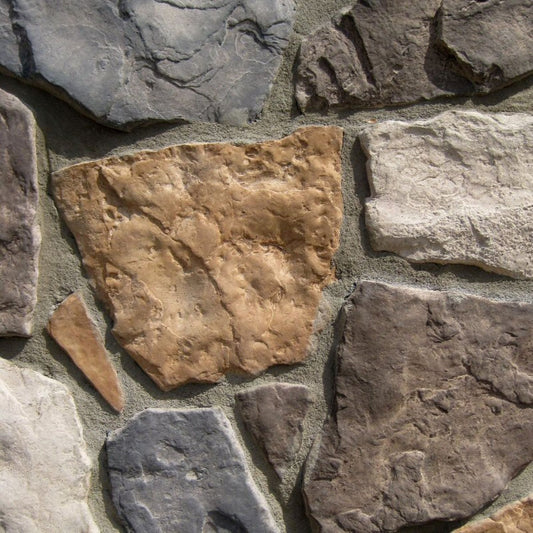
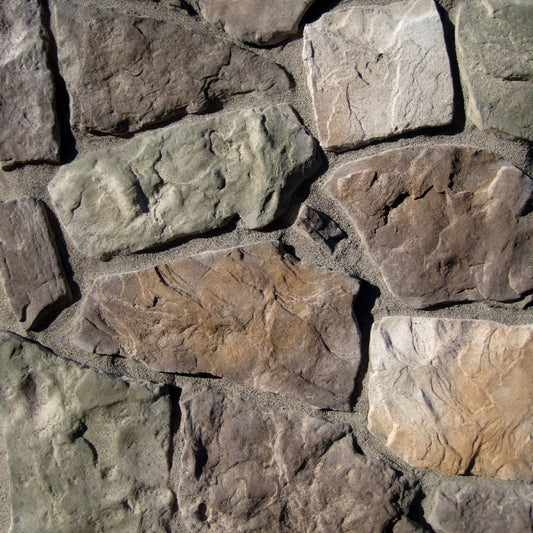
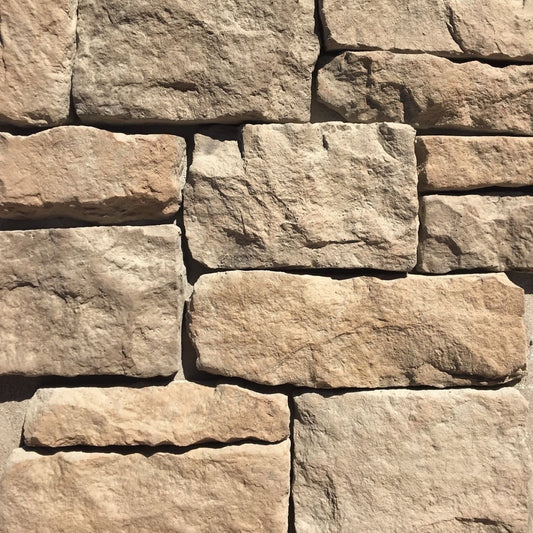
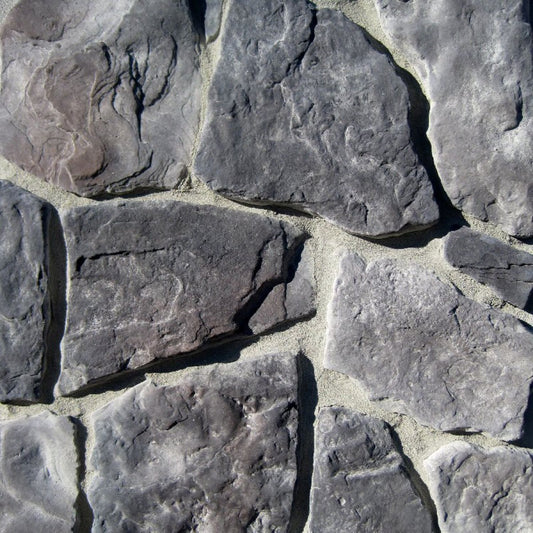
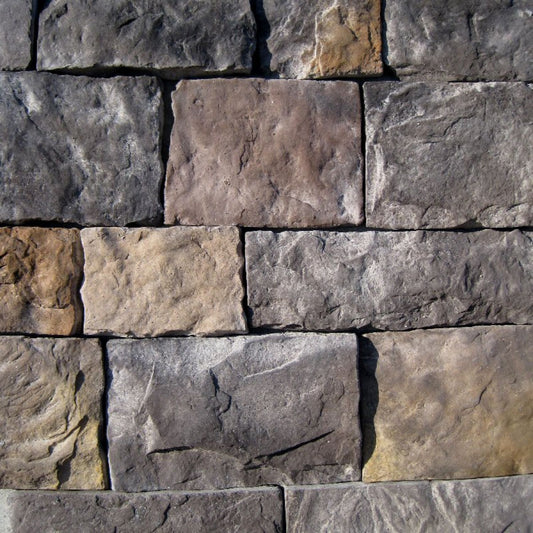
Fieldstone styles offer a more traditional and rustic character. The irregular shapes and varied sizes mimic natural field-collected stone and work particularly well in cottage, farmhouse, and craftsman-style homes.
Limestone stone profiles provide a more formal appearance. Their semi-rectangular shapes and orderly patterns create a refined look that complements traditional architecture and upscale residential projects.
The chosen profile should align with the home's architectural style and the overall design objectives for the property. Consistency between entry features, walkway elements, and other stone applications helps create a polished and professional result.
Installation Considerations for Entryway Applications
Successful stone veneer installations begin with proper preparation. Entryways are highly visible areas, making attention to detail especially important.
The substrate must be structurally sound and suitable for stone veneer installation. Exterior projects typically require weather-resistant barriers and drainage systems designed to protect the building envelope from moisture intrusion.
Accurate layout planning is essential. Installers should carefully evaluate transitions around doors, windows, corners, columns, and other architectural features before beginning installation. Proper planning helps maintain balanced stone patterns and minimizes awkward cuts.
Stone placement should appear natural rather than repetitive. Blending stones from multiple boxes during installation helps distribute color variations and creates a more authentic appearance.
Joint treatment also influences the final aesthetic. Depending on the stone profile and design objectives, joints may be recessed, flush, or slightly overgrouted to achieve different visual effects.
Professional installation techniques contribute significantly to both appearance and long-term durability.
Moisture Management and Long-Term Performance
Exterior entryways and walkway features are exposed to rain, snow, freeze-thaw cycles, and temperature fluctuations throughout the year. Proper moisture management is critical for ensuring long-term performance.
Manufactured stone veneer itself is highly durable, but the surrounding assembly must be designed to prevent water from becoming trapped behind the stone. Weather-resistant barriers, flashing, drainage planes, and proper detailing help protect the underlying structure.
In colder climates, freeze-thaw durability depends heavily on installation quality. Proper drainage allows moisture to escape rather than becoming trapped within the assembly where freezing temperatures could cause damage.
When installed according to manufacturer recommendations and industry best practices, stone veneer entry features can maintain their appearance and performance for decades.
Creating a Cohesive Exterior Design
One of the greatest advantages of stone veneer is its ability to unify multiple exterior elements.
A home that incorporates stone veneer at the entryway often benefits from extending the material to complementary features elsewhere on the property. Walkway walls, columns, landscape planters, outdoor kitchens, fireplaces, and foundation accents can all contribute to a cohesive design. For a more detailed look at all the different applications and possibilities, explore our complete guide on where can you install manufactured stone veneer?
Repeating stone textures and colors throughout the landscape creates continuity and reinforces architectural themes. This approach helps properties feel more intentional and professionally designed.
Rather than viewing the entryway as a standalone feature, homeowners should consider how stone veneer can contribute to the broader visual experience of the property. The most successful projects create a seamless connection between architecture and landscape.
Increasing Property Value and Curb Appeal
Curb appeal remains one of the strongest factors influencing a home's perceived value. Entryways and walkways play a major role because they are among the first features potential buyers and visitors encounter. For a closer look at how exterior upgrades like stone veneer can impact resale potential and overall market appeal, see our complete guide on does stone veneer increase home value?
Stone veneer consistently ranks among the most desirable exterior finish materials due to its upscale appearance and lasting appeal. Well-designed stone features can make a property appear more substantial, better maintained, and more architecturally distinctive.
Unlike many design trends that come and go, stone has maintained its popularity for generations. This timeless quality helps ensure that investments in stone veneer continue to contribute value over the long term.
For homeowners considering exterior improvements, upgrading entryways and walkway features with stone veneer often delivers both immediate visual impact and lasting benefits.
Stone Veneer for Entryways and Walkways
Stone veneer offers a versatile and attractive solution for enhancing entryways and walkways. Its ability to add texture, architectural character, and visual permanence makes it one of the most effective materials for creating welcoming outdoor spaces.
Whether used on entry columns, feature walls, landscape structures, retaining walls, or pathway accents, manufactured stone veneer provides the appearance of natural stone while remaining lighter, more affordable, and easier to install than traditional masonry.
With thoughtful design, proper material selection, and professional installation practices, stone veneer can transform ordinary entrances and walkways into standout features that improve curb appeal, enhance outdoor living spaces, and contribute lasting value to a property.
From Mountain View Stone: What You Should Know
At Mountain View Stone, stone veneer for entryways and walkways is one of the most effective ways to elevate curb appeal, but the best results always come from pairing design intent with proper installation planning. Entry features and pathway accents are highly visible and exposed to constant weathering, so attention to moisture management, substrate preparation, and correct detailing is essential for long-term performance. Just as important is choosing a profile and color that complements the home’s architecture and surrounding landscape, since these elements set the tone for the entire property. Taking time to review samples in natural light and consider scale relative to columns, walls, and walkways helps ensure the finished result feels balanced, intentional, and built to last.
Frequently Asked Questions About Stone Veneer for Entryways and Walkways
Is manufactured stone veneer suitable for exterior entryways?
Yes. Manufactured stone veneer is commonly used on exterior entryways because it provides the appearance of natural stone while remaining lightweight and durable when properly installed.
Can stone veneer be used along walkways?
Absolutely. Stone veneer is frequently used on retaining walls, landscape walls, columns, planters, and other architectural features that border or enhance walkways.
What stone veneer style works best for entryways?
The best style depends on the home's architecture. Stacked stone often suits contemporary designs, while fieldstone and limestone profiles are popular for traditional and rustic homes.
Does stone veneer require sealing in entryway applications?
Sealing is not always required. The need for sealing depends on the specific product, climate conditions, and manufacturer recommendations.
How long does manufactured stone veneer last outdoors?
When properly installed and maintained, manufactured stone veneer can provide decades of reliable performance in exterior applications.
Does stone veneer increase curb appeal?
Yes. Stone veneer is widely recognized for enhancing curb appeal by adding texture, visual depth, and a premium architectural appearance to homes and landscapes.
What's Next?
Upgrade your space with premium stone veneer. Shop now to explore our full range of styles or order a sample to see the quality and finish up close before you decide.
Have a Question?
Please see our full terms of service or check out our frequently asked questions.
For general information and questions please call: (864) 882-8960 Mon. - Fri. 8am - 5pm (EST) or email: info@mountainviewstone.net we are more than happy to help you.
Or you can submit your questions via our contact us page.
We look forward to working with you on your upcoming project.
The Mountain View Stone Team
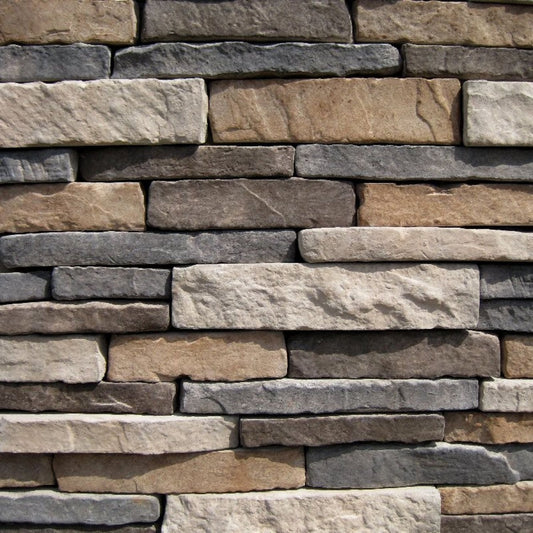
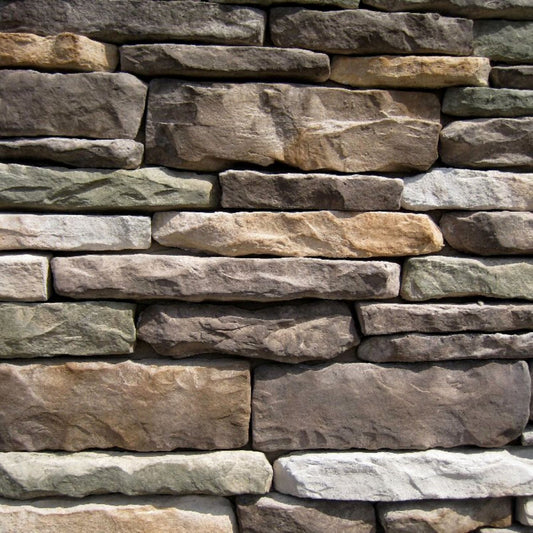
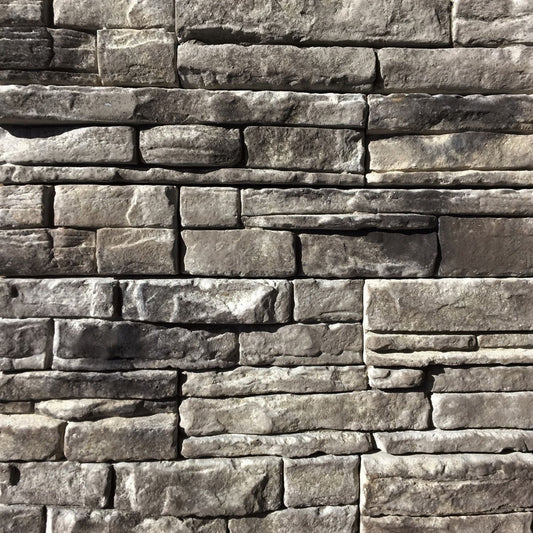
Pictured is stack stone ash.