
Manufactured Stone Veneer vs. Stucco: Which Exterior Finish is Right for Your Home?
Share
Manufactured stone veneer and stucco are both popular exterior finishes, but they provide very different appearances, performance characteristics, and maintenance requirements. Manufactured stone veneer creates the look of natural stone with individual textures, colors, and profiles, while stucco provides a smooth, continuous finish made from cement-based materials. The best choice depends on your desired style, climate, maintenance preferences, and the overall design of your home.
Choosing the right exterior finish is one of the most important decisions when building or renovating a home because it influences curb appeal, durability, maintenance, weather resistance, and the overall character of the property. Manufactured stone veneer and stucco are two popular options, each offering distinct advantages. Stucco creates a smooth, seamless appearance that complements Mediterranean and Southwestern architecture, while manufactured stone veneer delivers the rich texture and timeless beauty of natural stone without the weight and cost of full-depth masonry. If you're evaluating stone veneer against other exterior materials, be sure to read our complete guide comparing manufactured stone veneer, for a comprehensive look at how it compares to brick, natural stone, siding, stucco, and more.
Understanding the differences between manufactured stone veneer vs. stucco can help homeowners, builders, and designers choose the right material for their project.
What is Manufactured Stone Veneer?
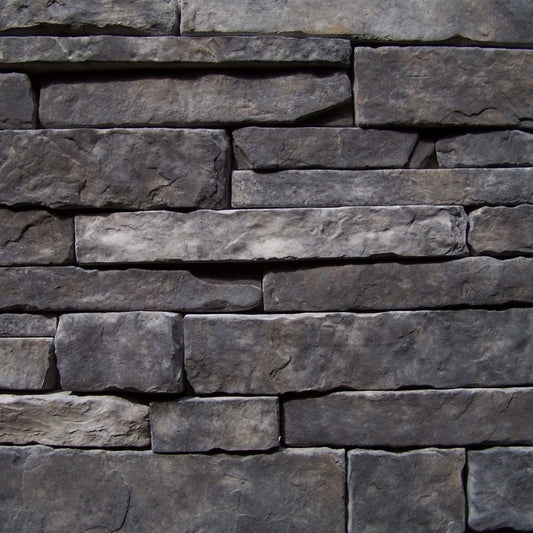
Manufactured stone veneer is a lightweight masonry product designed to replicate the appearance of natural stone. It is made using Portland cement, lightweight aggregates, and mineral-based pigments to create realistic stone shapes, textures, and colors.
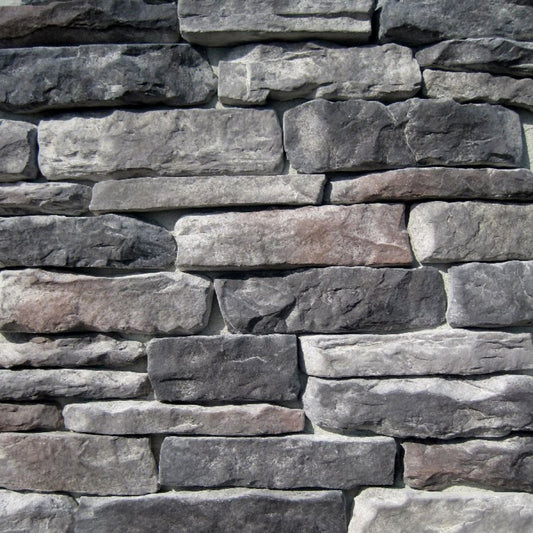
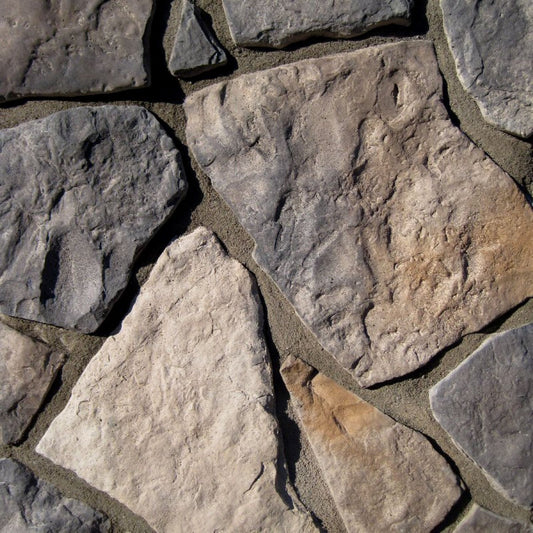
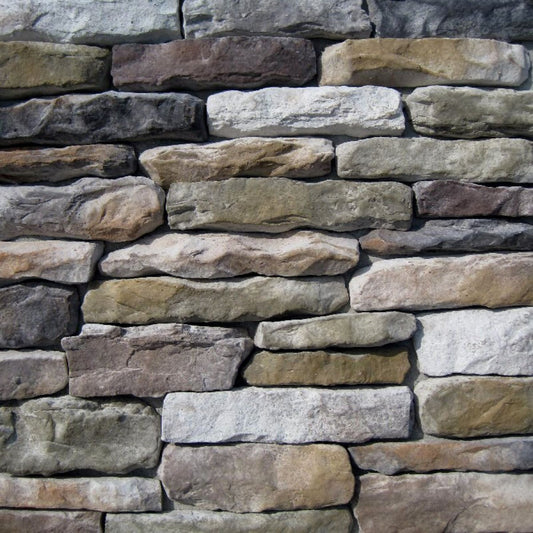
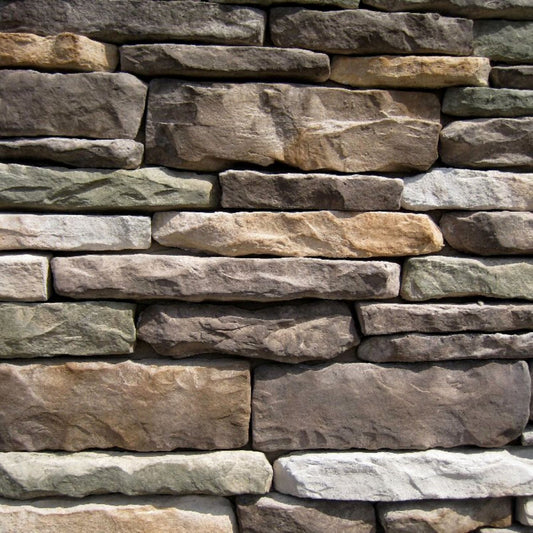
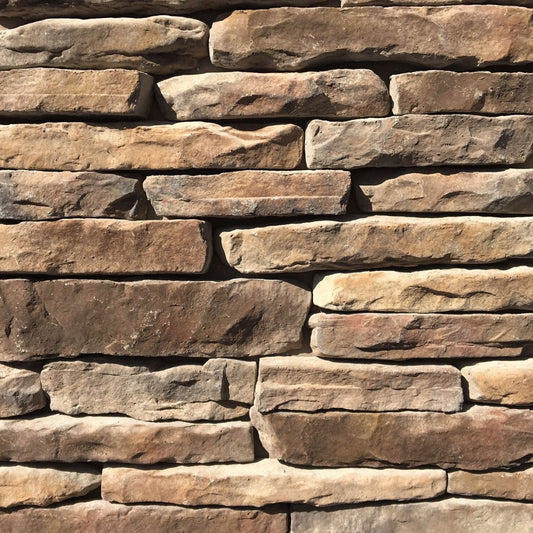
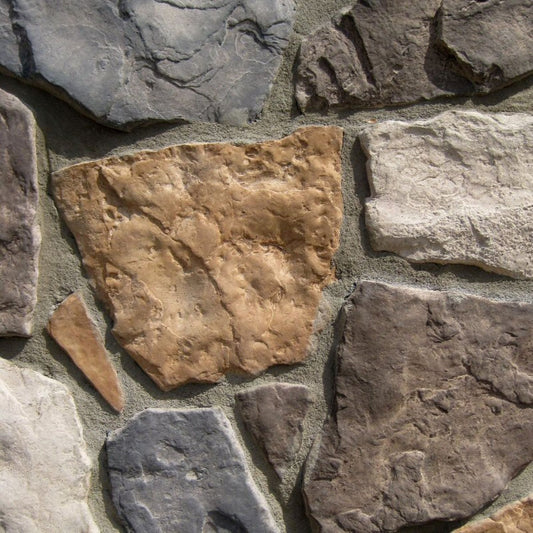
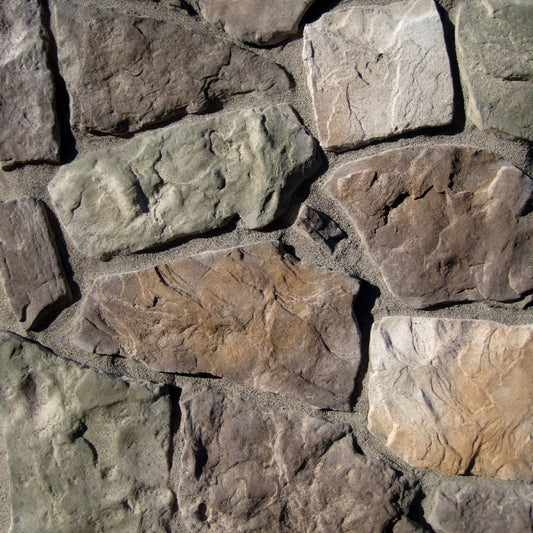
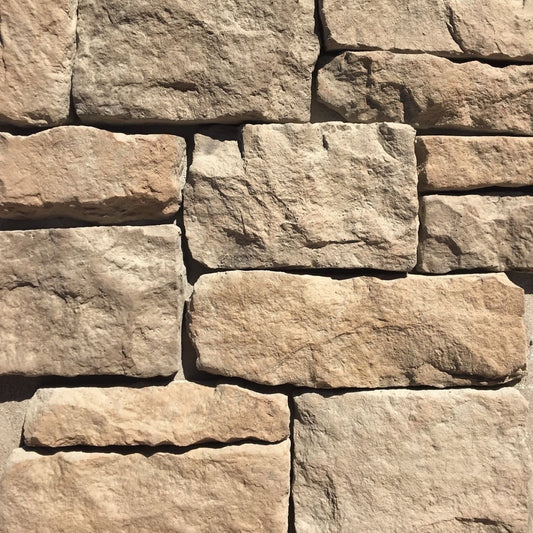
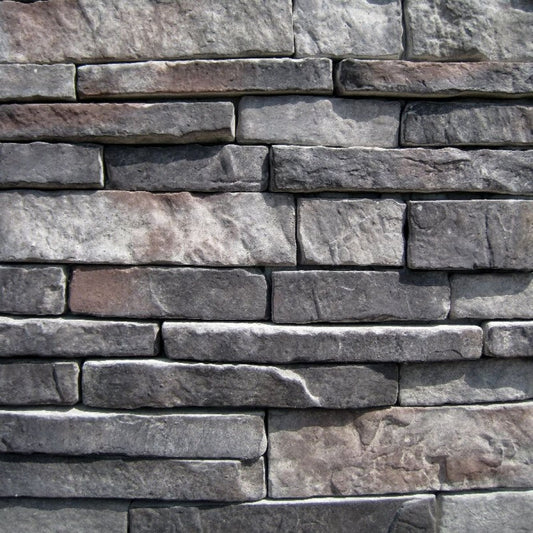
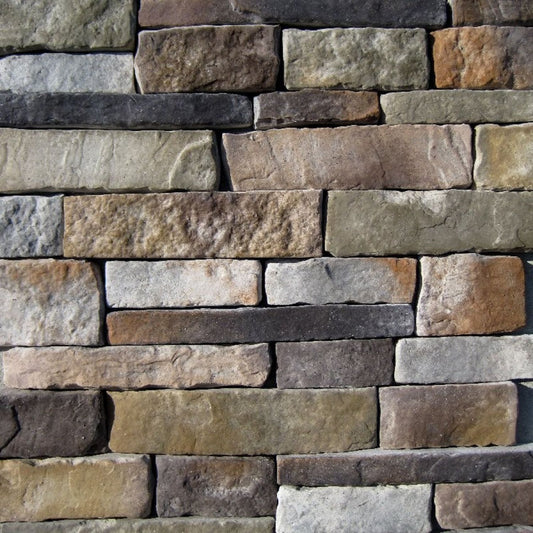
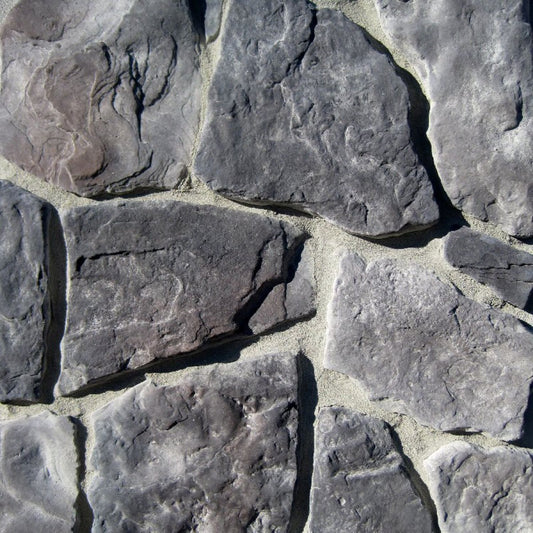
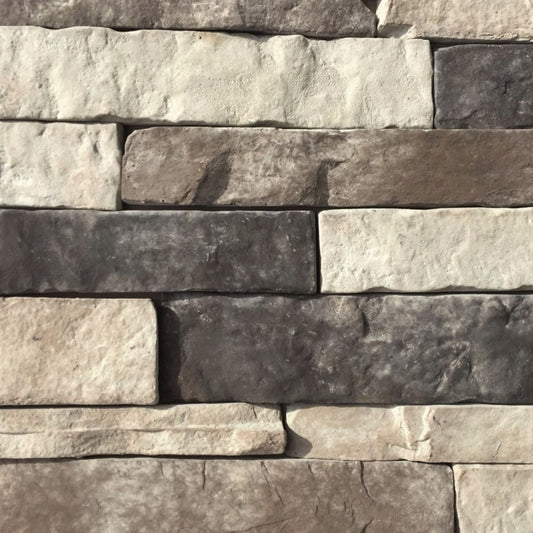
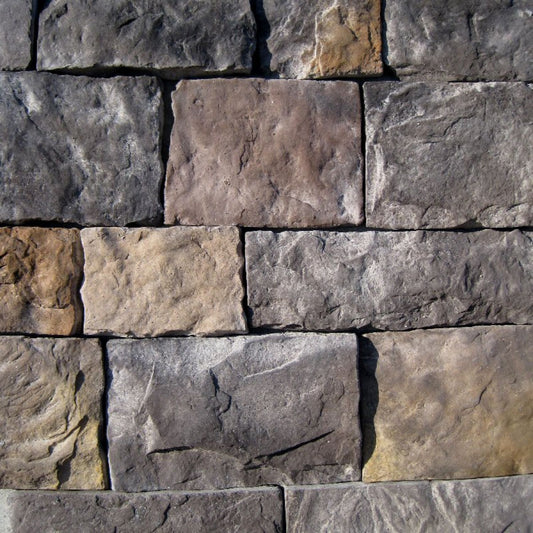
Unlike natural stone, which must be quarried and cut, manufactured stone veneer is produced in controlled molds that capture the details of real stone surfaces. This allows manufacturers to create a wide variety of profiles, including ledgestone, stacked stone, fieldstone, limestone, and castle rock styles.
Manufactured stone veneer is typically installed as individual stone pieces using Type S mortar over a properly prepared substrate. Exterior installations generally require a weather-resistant barrier, metal lath, a scratch coat, and mortar installation methods that follow building code requirements.
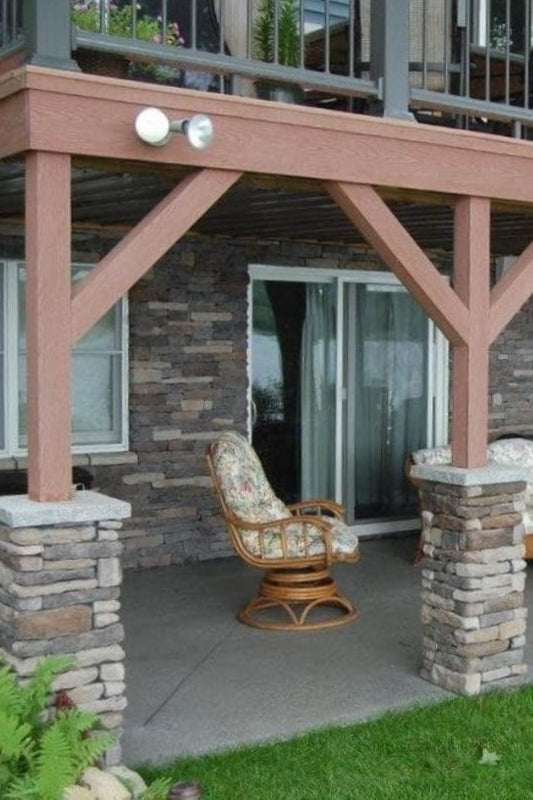
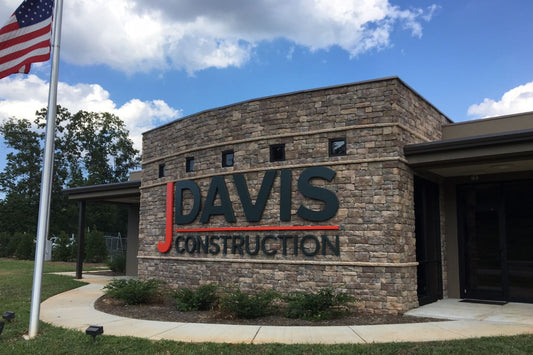
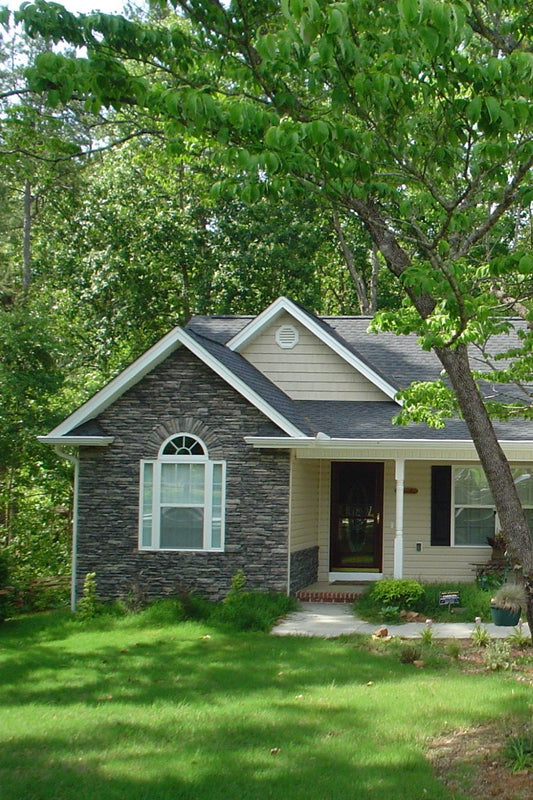
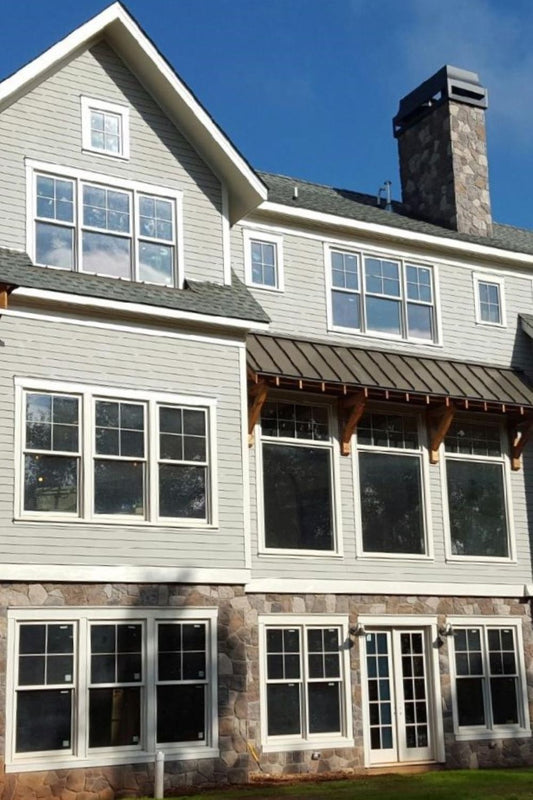
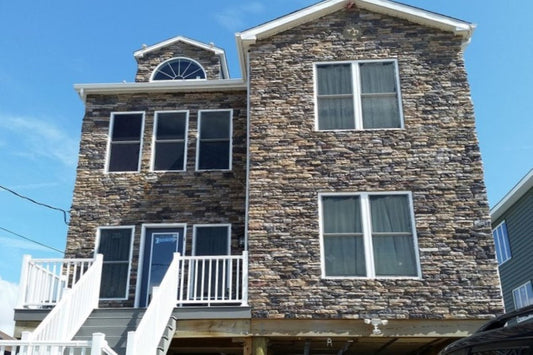
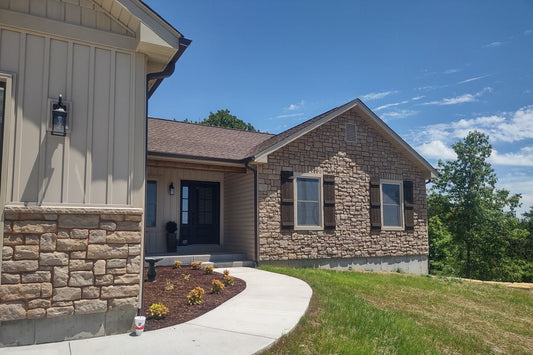
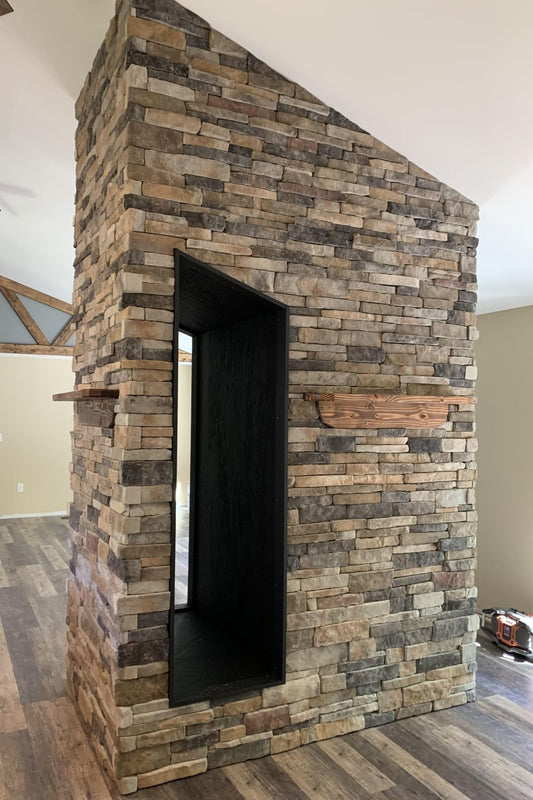
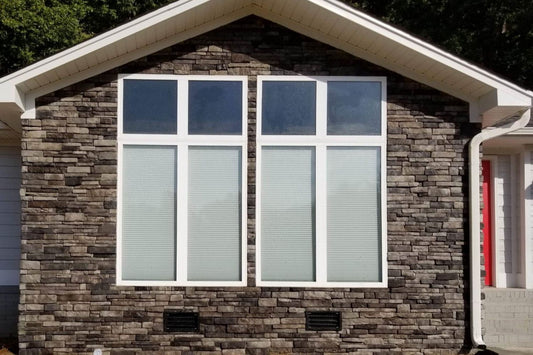
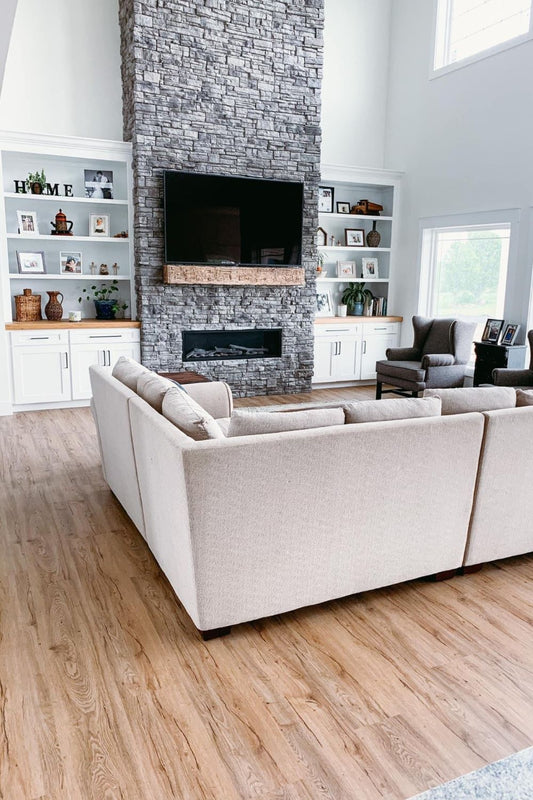
One of the biggest advantages of manufactured stone veneer is its design flexibility. Homeowners can use it across an entire exterior facade, as an accent wall, around fireplaces, on entry columns, or as a combination with other siding materials such as wood, fiber cement, or stucco.
What is Stucco?
Stucco is a cement-based exterior finish traditionally made from Portland cement, sand, lime, and water. Modern stucco systems may also include acrylic finishes and additional components designed to improve flexibility and moisture resistance.
Stucco is applied in layers over a prepared wall system, creating a continuous exterior surface. Once finished, it provides a smooth or textured appearance depending on the application technique and desired style.
Stucco has been used extensively in regions with warm, dry climates, particularly in Southwestern and Mediterranean-inspired architecture. Its seamless appearance allows builders to create curved walls, clean lines, and a minimalist exterior design.
Like any exterior finish, stucco performance depends heavily on proper installation. Drainage, flashing, moisture management, and correct application techniques are critical to preventing issues such as cracking or water intrusion.
Manufactured Stone Veneer vs. Stucco Appearance
The biggest difference between manufactured stone veneer and stucco is the visual impact each material creates.
Stucco provides a uniform, continuous surface. It can be finished in many colors and textures, but the overall appearance remains consistent and streamlined. This makes it a popular choice for modern, Southwestern, Mediterranean, and minimalist home designs.
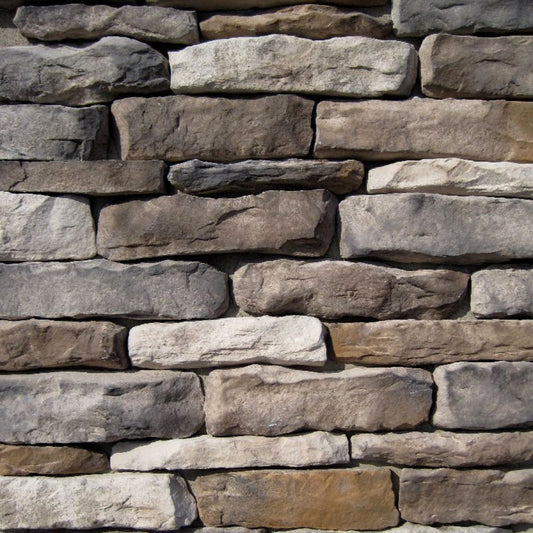
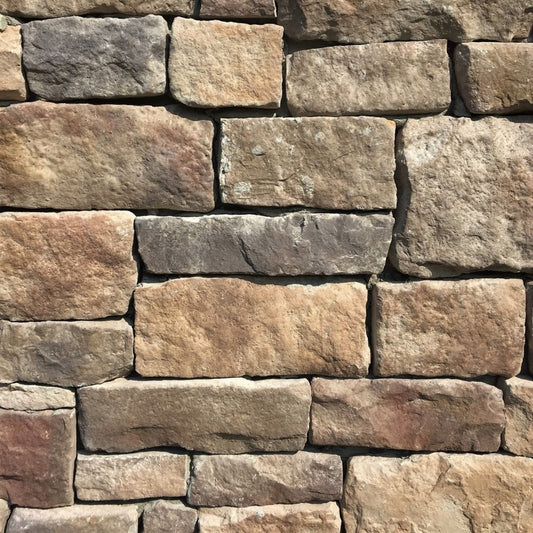
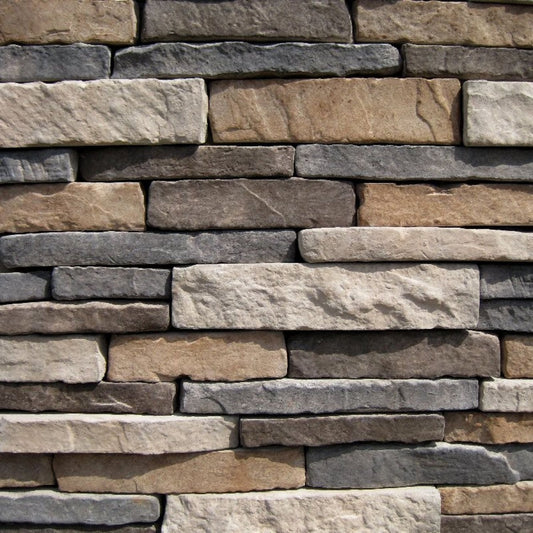
Manufactured stone veneer creates a more natural and dimensional appearance. Each stone piece has unique shapes, textures, and surface details that add depth and character to an exterior. Stone veneer can make a home feel more rustic, traditional, craftsman-inspired, or high-end depending on the selected profile and installation pattern.
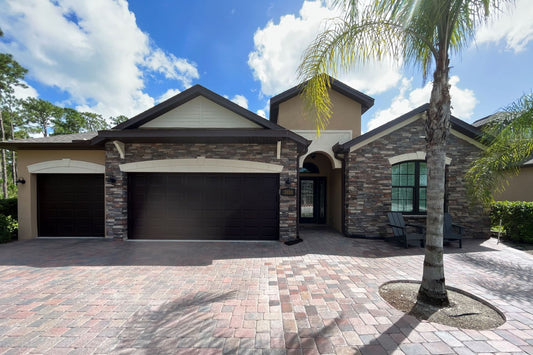
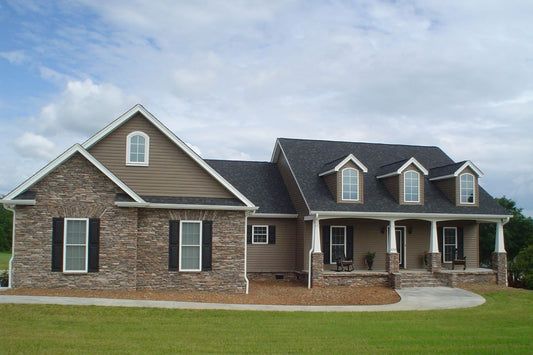
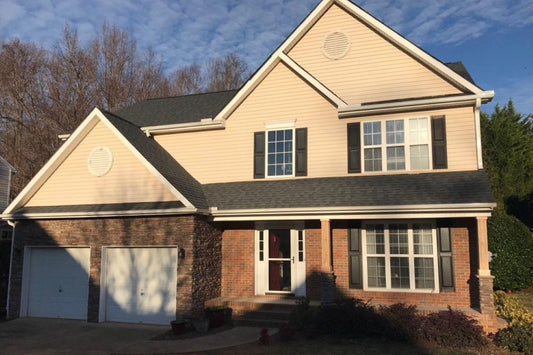
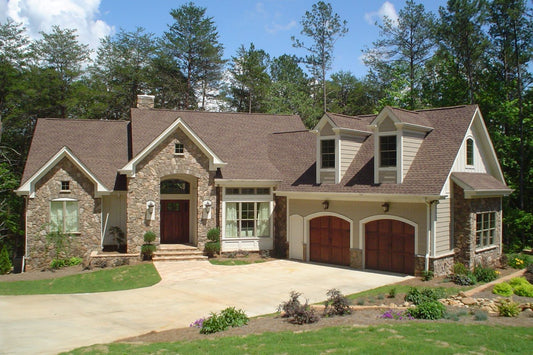
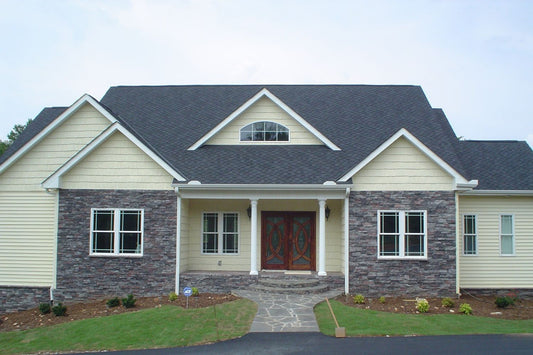
For homeowners looking to add architectural interest, manufactured stone veneer is often used strategically around entryways, garages, chimneys, columns, and lower portions of exterior walls. These applications can create visual contrast and highlight important design features.
Durability and Weather Resistance Comparison
Both manufactured stone veneer and stucco can provide long-lasting performance when installed correctly. However, they handle environmental exposure differently.
Manufactured stone veneer is a masonry product designed to withstand outdoor conditions, including temperature changes, moisture, and freeze-thaw cycles when installed according to manufacturer requirements. Because the material is made from cement-based components, it provides a durable exterior surface that performs well in a variety of climates.
Stucco is also a durable cement-based finish, but its long-term performance depends greatly on the underlying wall system and moisture management details. Small cracks can develop over time due to movement, temperature changes, or improper installation. While minor cracks can often be repaired, ongoing maintenance is important to prevent moisture-related problems.
The durability of either material is not determined only by the finish itself. Proper preparation, installation methods, flashing, drainage, and workmanship play a major role in how well an exterior performs over time.
Maintenance Requirements: Stone Veneer vs. Stucco
Maintenance is another important consideration when comparing manufactured stone veneer and stucco.
Manufactured stone veneer generally requires minimal maintenance once installed. Periodic cleaning with appropriate methods can help remove dirt and environmental buildup. Some homeowners choose to apply a breathable masonry sealer to help protect the surface, especially in areas exposed to heavy weather.
Stucco may require more regular attention because the surface can develop cracks or discoloration over time. Repairs are possible, but matching existing textures and finishes can sometimes be challenging because stucco surfaces are often custom textured during installation.
Neither material is maintenance-free, but manufactured stone veneer often appeals to homeowners who prefer a more natural masonry appearance with fewer visible repairs over time.
Cost Differences Between Manufactured Stone Veneer and Stucco
The cost of manufactured stone veneer and stucco varies depending on the size of the project, installation complexity, labor rates, and the specific products selected.
Stucco is often considered a cost-effective exterior finish because it covers large areas efficiently and provides a continuous surface. However, specialized textures, repairs, and maintenance can affect long-term costs.
Manufactured stone veneer typically has a higher material and installation cost than stucco because it involves individual stone placement and detailed masonry work. However, many homeowners choose stone veneer because it provides a premium appearance that can increase curb appeal and architectural value.
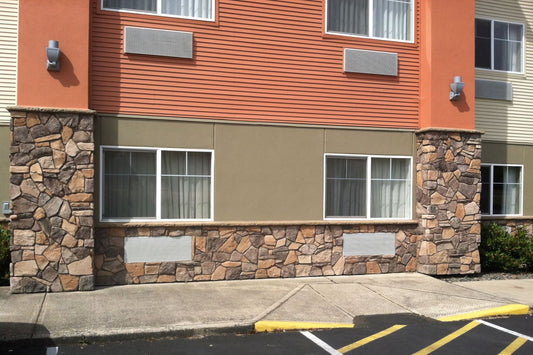
For many projects, the best solution is not choosing one material over the other but combining them. A home may use stucco as the primary exterior finish with manufactured stone veneer accents around architectural features to create a balanced and high-end appearance.
Installation Differences Between Manufactured Stone Veneer and Stucco
Installation methods for manufactured stone veneer and stucco are very different.
Manufactured stone veneer requires careful placement of individual stones using mortar. Exterior installations require proper substrate preparation, including moisture protection and metal lath systems where required. The stones are then set into mortar joints to create the desired pattern and appearance.
Stucco installation involves applying multiple layers over a prepared surface. These layers typically include a base coat and finish coat, with the final texture created by the installer.
Because both systems rely heavily on correct installation, choosing experienced contractors familiar with the specific material is essential. A high-quality product cannot compensate for improper preparation or installation practices.
Can You Use Manufactured Stone Veneer and Stucco Together?
Yes, manufactured stone veneer and stucco are commonly used together in residential and commercial design.
Many homes feature stucco walls combined with stone veneer accents around garages, fireplaces, entryways, retaining walls, and exterior columns. This combination creates contrast between smooth surfaces and natural textures.
Using both materials allows homeowners to achieve the architectural style they want while controlling project costs. Instead of covering an entire home with stone veneer, strategically placed stone accents can provide a high-end appearance while maintaining the efficiency of a stucco exterior.
Manufactured Stone Veneer vs. Stucco
The better choice depends on the goals of the project.
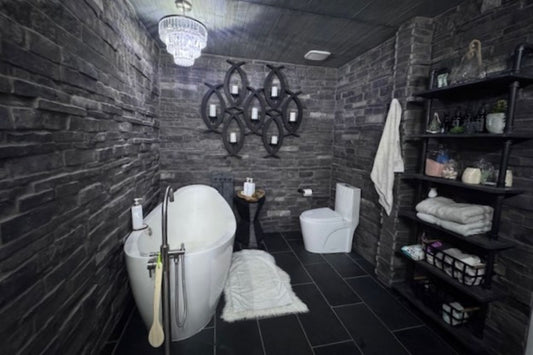
Manufactured stone veneer is often the preferred option for homeowners who want the appearance of natural stone, increased texture, and a distinctive architectural finish. It works well for adding character and creating focal points on exterior and interior spaces.
Stucco is a strong choice for homeowners who prefer a smooth, uniform appearance and a traditional stucco-style design. It can provide a clean exterior finish when properly installed and maintained.
For many homes, the ideal design incorporates both materials. Stucco provides a consistent background finish, while manufactured stone veneer adds depth, texture, and visual interest where it matters most.
From Mountain View Stone: What You Should Know
At Mountain View Stone, we believe choosing between manufactured stone veneer and stucco comes down to the look, performance, and design goals you want to achieve. Manufactured stone veneer provides the depth, texture, and natural character of stone while offering a lightweight, versatile alternative to full-depth masonry. Made from Portland cement, lightweight aggregates, and mineral-based pigments, our stone veneer is designed for lasting beauty when properly installed. While stucco remains a popular smooth exterior finish, manufactured stone veneer can add architectural detail and visual interest as a complete exterior application or as an accent alongside stucco, siding, and other materials. Proper installation using recommended masonry practices is essential to ensuring your stone veneer performs beautifully for years to come.
Frequently Asked Questions About Manufactured Stone Veneer vs. Stucco
Is manufactured stone veneer more durable than stucco?
Both manufactured stone veneer and stucco can be durable exterior finishes when properly installed. Manufactured stone veneer is a masonry product that provides a hard, textured surface, while stucco relies heavily on proper moisture management and installation techniques for long-term performance.
Does manufactured stone veneer cost more than stucco?
Manufactured stone veneer generally costs more than stucco because installation involves individual stone placement and detailed masonry work. However, many homeowners choose it because of its natural appearance and architectural impact.
Can you install manufactured stone veneer over stucco?
Manufactured stone veneer can sometimes be installed over existing stucco, but the surface must be evaluated to ensure it can properly support the veneer system. Proper preparation, moisture protection, and installation methods are required.
Does stone veneer require more maintenance than stucco?
Manufactured stone veneer typically requires minimal maintenance beyond occasional cleaning. Stucco may require more frequent repairs because cracks and surface damage can become visible over time.
Is manufactured stone veneer natural stone?
Manufactured stone veneer is not natural quarried stone, but it is a cement-based masonry product designed to replicate the appearance of real stone. Quality manufactured stone veneer uses molds, textures, and mineral-based pigments to create realistic stone profiles and colors.
Can stucco and stone veneer be used on the same house?
Yes. Combining stucco and manufactured stone veneer is a popular design approach. The two materials complement each other by combining the clean appearance of stucco with the texture and character of stone.
What's Next?
Transform your space with premium manufactured stone veneer. Shop now to start your project today with a durable, timeless design or order a sample to experience the authentic textures and natural color variations firsthand before making your selection.
Have a Question?
Please see our full terms of service or check out our frequently asked questions.
For general information and questions please call: (864) 882-8960 Mon. - Fri. 8am - 5pm (EST) or email: info@mountainviewstone.net we are more than happy to help you.
Or you can submit your questions via our contact us page.
We look forward to working with you on your upcoming project.
The Mountain View Stone Team
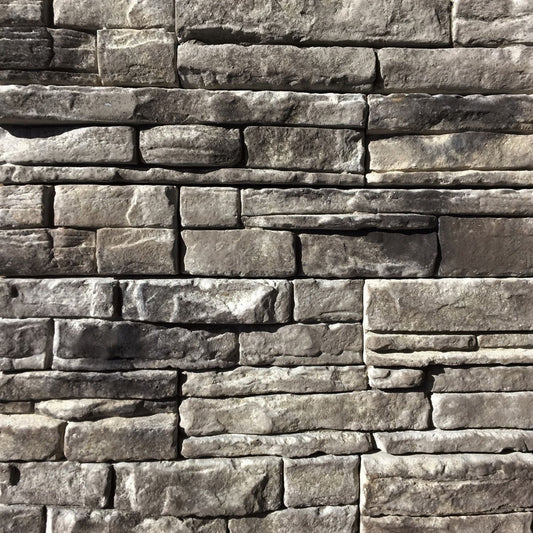
Pictured is lime stone tuscany.