
How Much Does Stone Veneer Weigh? Weight Guide by Square Foot, Box, and Pallet
Share
Originally posted October 25, 2025, updated July 29, 2026.
Manufactured stone veneer typically weighs 8 to 12 pounds per square foot, making it much lighter than natural stone veneer, which generally weighs 13 to 25 pounds per square foot, and full-bed natural stone, which can weigh 35 to 50 pounds per square foot or more. Its lighter weight makes manufactured stone veneer easier to ship, install, and use on a wide variety of interior and exterior applications without requiring structural reinforcement in most residential projects.
If you're planning a home renovation or building a new home, one of the first questions you'll likely ask is how much does stone veneer weigh? While color, style, and texture are often the biggest design considerations, weight plays an equally important role in determining installation requirements, shipping costs, and the types of surfaces the veneer can be installed on. For a complete overview of product dimensions, thickness, coverage, packaging, and other important details, see our stone veneer specifications guide.
Manufactured stone veneer has become one of the most popular exterior and interior cladding materials because it delivers the authentic appearance of natural stone while remaining significantly lighter. That lighter weight opens up more design possibilities and simplifies installation on everything from fireplaces and feature walls to exterior facades and foundation walls.
In this post, we'll explain how much manufactured stone veneer weighs, compare it to natural stone, discuss why weight matters during installation, and answer some of the most common questions homeowners have before starting their project.
How Much Does Manufactured Stone Veneer Weigh?
Most manufactured stone veneer weighs between 8 and 12 pounds per square foot, although the exact weight varies depending on the profile, texture, and thickness of the individual stones.
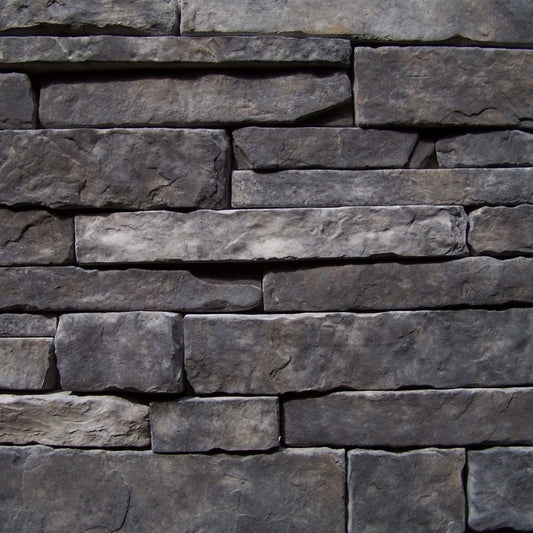
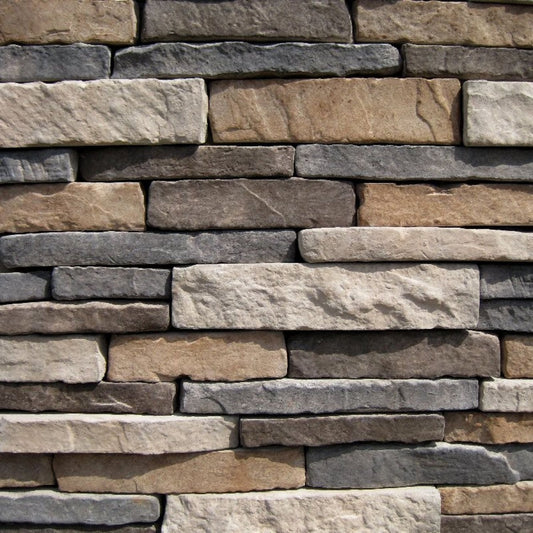
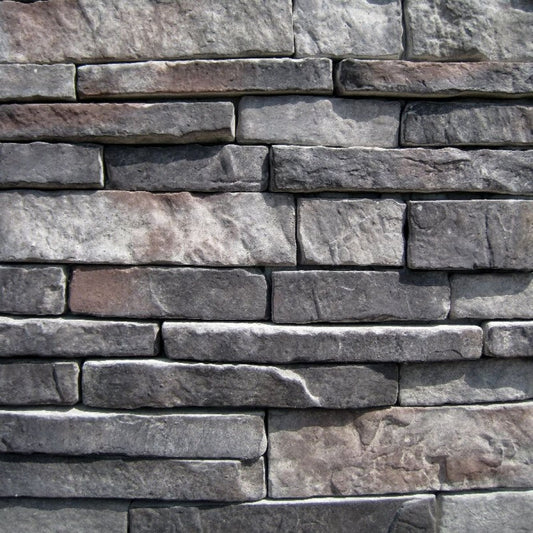
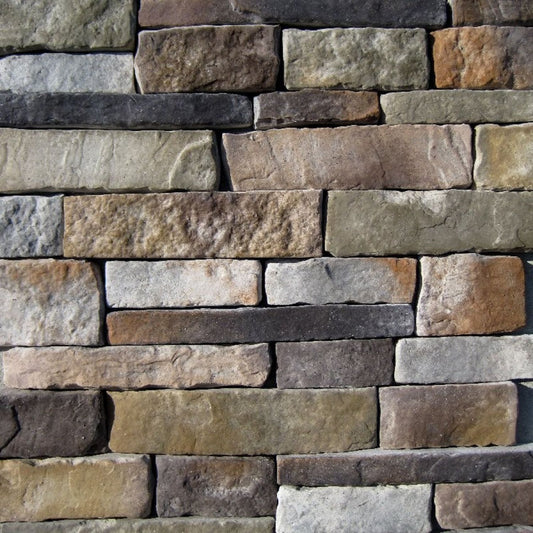
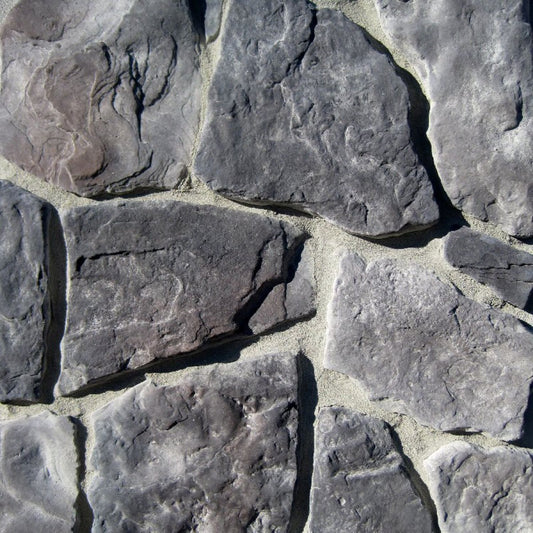
Manufactured stone veneer is produced using Portland cement, lightweight aggregates, iron oxide pigments, and carefully designed molds that replicate the appearance of natural stone. Because lightweight aggregates replace much of the heavy natural stone mass, the finished product provides realistic texture without placing excessive weight on the wall.
Some profiles with deeper textures or thicker pieces may fall near the upper end of the weight range, while flatter profiles can weigh slightly less. Regardless of style, manufactured stone veneer remains dramatically lighter than natural stone while maintaining the dimensional appearance homeowners expect.
This lower weight is one of the primary reasons manufactured stone veneer has become a preferred choice for residential and commercial construction.
How Heavy is Natural Stone Veneer?
Natural stone veneer varies considerably depending on the type of stone being quarried, how it is cut, and its thickness.
Thin natural stone veneer generally weighs between 13 and 25 pounds per square foot, making it noticeably heavier than manufactured stone veneer. Full-bed natural stone is substantially heavier, commonly weighing 35 to 50 pounds per square foot or even more.
That additional weight often requires stronger wall assemblies, increased structural support, specialized anchors, and more labor during installation. Transporting heavier materials also increases freight costs and makes handling more difficult on the job site.
While natural stone certainly has its place in construction, the additional weight can limit where it can be installed economically.
Why Stone Veneer Weight Matters
The weight of your stone veneer affects much more than simply moving boxes around a job site.
One of the biggest advantages of lighter manufactured stone veneer is easier handling. Individual pieces are more manageable for installers, allowing projects to move more efficiently while reducing physical strain. Homeowners tackling smaller projects also appreciate working with lighter materials.
Weight also affects shipping. Since manufactured stone veneer weighs considerably less than full-bed natural stone, freight costs are generally lower and pallets are easier to unload and distribute around the project.
Installation requirements are another important consideration. Heavy materials place greater demands on wall assemblies, foundations, and structural framing. Manufactured stone veneer provides the visual impact of natural stone without adding excessive dead load to the structure.
For remodels, renovations, and retrofits, this lighter weight often allows homeowners to achieve the appearance of natural stone without making expensive structural modifications.
Does Stone Veneer Weight Affect Installation?
Although manufactured stone veneer is lighter than natural stone, proper installation is still essential for long-term performance.
The installation method depends largely on the substrate rather than simply the weight of the stone. Masonry surfaces and framed wall systems each require different preparation procedures to ensure a durable installation.
On many exterior framed walls, a weather-resistant barrier, metal lath, and a properly applied scratch coat are required before setting the stone with Type S mortar. Interior applications frequently require similar preparation depending on the existing wall surface.
Using the proper installation system ensures the veneer develops a strong mechanical bond that can withstand weather, temperature changes, and decades of service.
The reduced weight of manufactured stone veneer makes handling easier, but it should always be installed according to the manufacturer's installation guidelines and applicable building codes.
Is Lightweight Stone Veneer Still Durable?
Many homeowners mistakenly assume that a lighter product must also be less durable. In reality, manufactured stone veneer is specifically engineered to provide outstanding long-term performance while reducing unnecessary weight.
High-quality manufactured stone veneer is designed to withstand rain, snow, freeze-thaw cycles, UV exposure, and normal weather conditions for decades when properly installed.
Its durability comes from the quality of the cement mixture, manufacturing process, proper curing, and correct installation, not simply from how much each square foot weighs.
When installed correctly with proper mortar coverage and appropriate surface preparation, manufactured stone veneer provides excellent long-term performance while maintaining its appearance for many years.
Where Weight Makes the Biggest Difference
One reason manufactured stone veneer is so versatile is its relatively low weight.
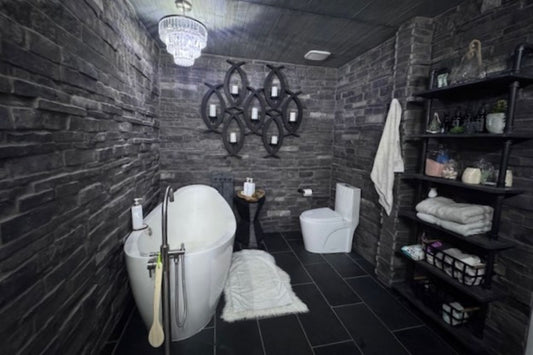
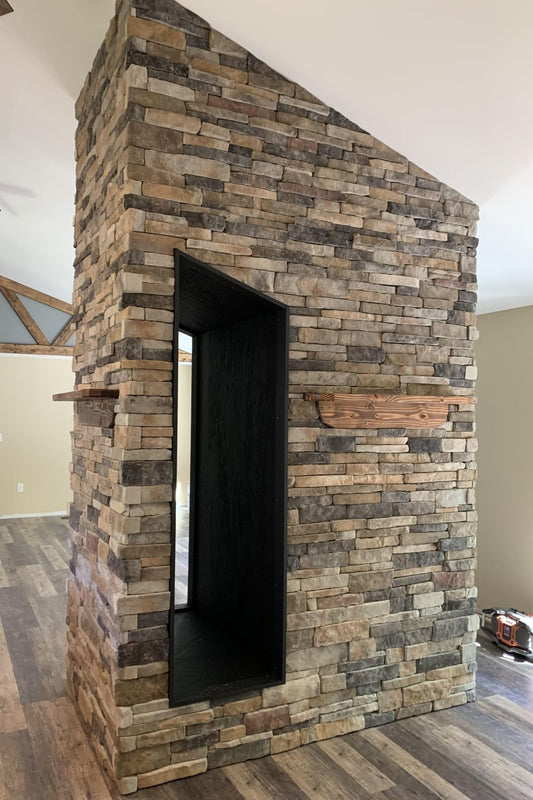
Interior feature walls are an excellent example. Because manufactured stone veneer weighs significantly less than natural stone, it can often be incorporated into renovation projects without major structural concerns.
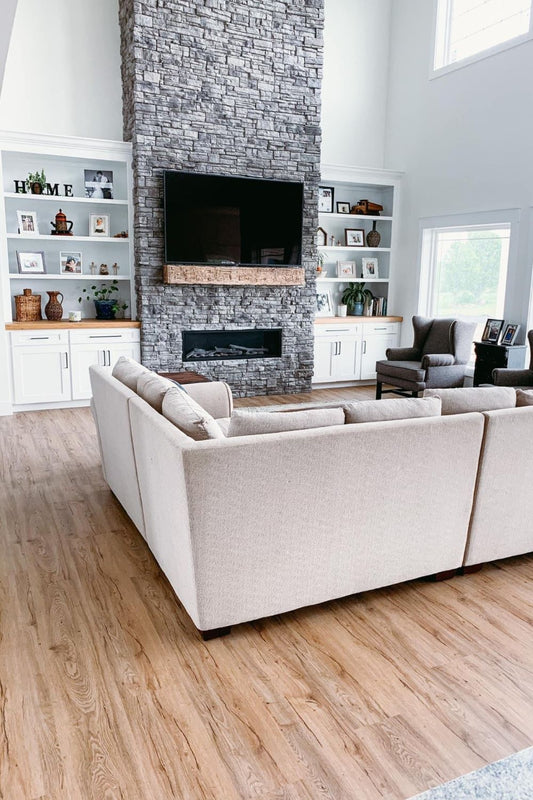
Fireplace surrounds are another popular application where lighter materials simplify installation while still delivering the dramatic appearance of natural stone.
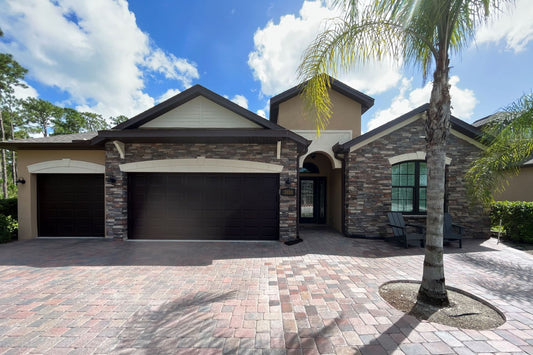
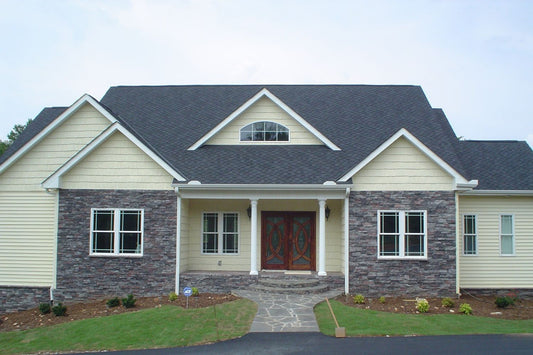
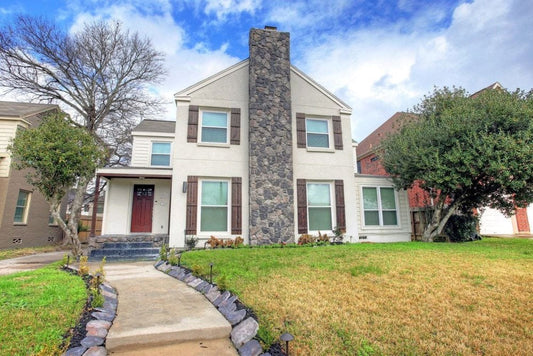
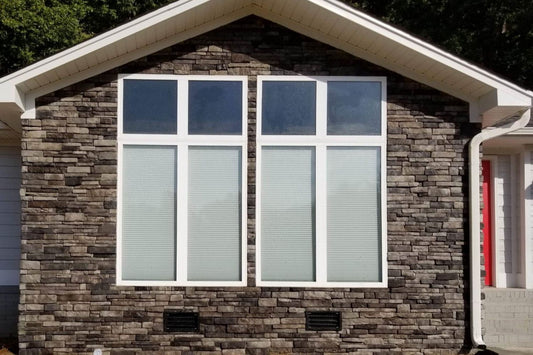
Exterior projects such as garage facades, foundation walls, entryways, porch columns, outdoor kitchens, and accent walls also benefit from the reduced load placed on the structure.
Commercial buildings frequently use manufactured stone veneer because it offers the appearance of traditional masonry while simplifying installation and reducing overall building weight.
Whether you're building a new home or updating an existing one, the lighter weight of manufactured stone veneer provides greater design flexibility across a wide variety of projects.
How Much Does a Box of Stone Veneer Weigh?
While weight per square foot is useful during planning, homeowners also frequently ask about shipping weights.
Most boxes of manufactured stone veneer weigh approximately 80 to 90 pounds, although this varies slightly depending on the product profile and coverage.
A typical pallet generally contains around 150 square feet of stone veneer and weighs approximately 1,400 to 1,500 pounds.
Understanding pallet weight is especially important when scheduling freight delivery, preparing unloading equipment, or planning storage before installation.
Choosing the Right Stone Veneer For Your Project
Weight is only one factor when selecting stone veneer, but it's an important one.
Manufactured stone veneer offers an excellent balance of authentic appearance, durability, and ease of installation. Its lighter weight helps reduce shipping costs, simplifies handling, and makes it suitable for many projects where heavier natural stone may require additional structural support.
Whether you're creating a welcoming front entrance, updating a fireplace, building an outdoor living area, or adding character to an interior accent wall, manufactured stone veneer delivers the timeless beauty of natural stone without many of the challenges associated with heavier masonry products.
For homeowners looking for realistic stone aesthetics combined with practical installation advantages, manufactured stone veneer continues to be one of the most versatile building materials available.
How Much Does Stone Veneer Weigh?
Understanding how much stone veneer weighs is an important step in planning a successful installation. While natural stone can create a beautiful, timeless appearance, its additional weight can increase installation challenges, shipping costs, and structural requirements. Manufactured stone veneer provides a practical alternative by delivering the texture and character of natural stone while weighing significantly less.
At approximately 8 to 12 pounds per square foot, manufactured stone veneer is lightweight enough for a wide range of interior and exterior applications while still providing excellent durability and long-term performance. With proper surface preparation, mortar installation, and maintenance, it can enhance your home for decades.
Whether you are updating a fireplace, adding an exterior accent wall, finishing a foundation, or creating a complete stone facade, choosing a lightweight manufactured stone veneer allows you to achieve the look of real stone with greater installation flexibility and fewer structural concerns. Understanding the weight, installation requirements, and benefits of each option will help you choose the right stone veneer for your project with confidence.
From Mountain View Stone: What You Should Know
At Mountain View Stone, all of our manufactured stone veneer is designed to provide the authentic appearance of natural stone while offering the advantages of a lighter, more versatile building material. Our stone veneer typically weighs approximately 8 to 12 pounds per square foot, making it easier to handle, transport, and install compared to many natural stone alternatives. Each piece is manufactured using Portland cement, lightweight aggregates, and mineral-based pigments to create realistic textures, natural color variation, and long-lasting performance. While the lighter weight makes manufactured stone veneer suitable for a wide range of applications, proper installation is still essential. Following recommended preparation methods, using Type S mortar, and installing the veneer according to our guidelines helps ensure a durable finish that will maintain its beauty for years to come.
Frequently Asked Questions About How Much Does Stone Veneer Weigh?
How much does manufactured stone veneer weigh per square foot?
Most manufactured stone veneer weighs between 8 and 12 pounds per square foot, depending on the profile, thickness, and texture.
Is manufactured stone veneer lighter than natural stone veneer?
Yes. Manufactured stone veneer is significantly lighter than natural stone veneer. Thin natural stone typically weighs 13 to 25 pounds per square foot, while full-bed natural stone often exceeds 35 pounds per square foot.
Does manufactured stone veneer require structural reinforcement?
In most residential applications, manufactured stone veneer does not require additional structural reinforcement because of its relatively light weight. Proper wall preparation and installation are still essential, however.
Can manufactured stone veneer be installed on drywall?
No. Drywall alone is not an approved substrate. Interior installations typically require appropriate preparation, including metal lath and a scratch coat where specified by the manufacturer's installation instructions.
How much does a pallet of manufactured stone veneer weigh?
A typical pallet contains approximately 150 square feet of manufactured stone veneer and weighs around 1,400 to 1,500 pounds, depending on the profile and packaging.
Does heavier stone veneer last longer?
Not necessarily. Durability depends on product quality, proper installation, and ongoing maintenance rather than weight alone. High-quality manufactured stone veneer is engineered for decades of long-term performance despite weighing substantially less than natural stone.
What's Next?
Transform your space with premium manufactured stone veneer. Shop now to begin your project and create a timeless, durable design or order a sample to see the authentic texture and natural color variations up close.
Have a Question?
Please see our full terms of service or check out our frequently asked questions.
For general information and questions please call: (864) 882-8960 Mon. - Fri. 8am - 5pm (EST) or email: info@mountainviewstone.net we are more than happy to help you.
Or you can submit your questions via our contact us page.
We look forward to working with you on your upcoming project.
The Mountain View Stone Team
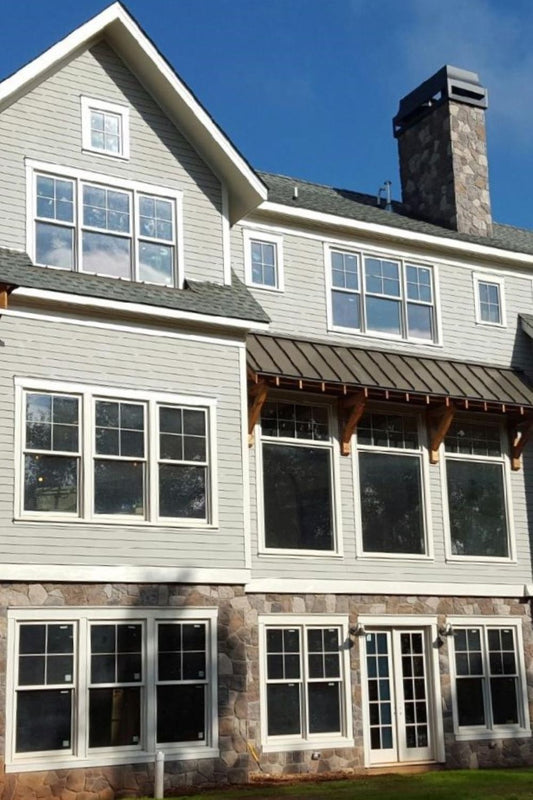
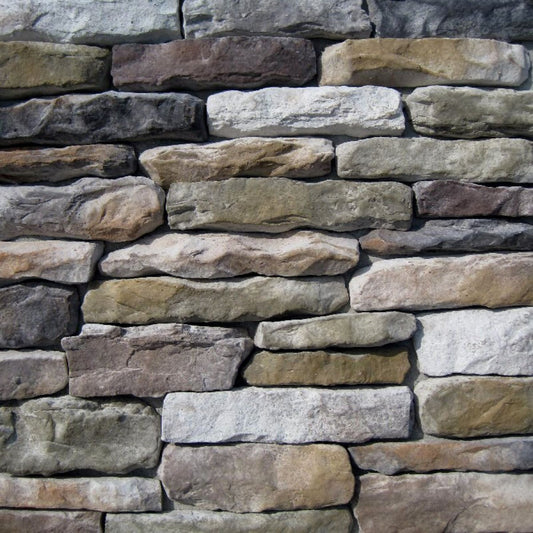
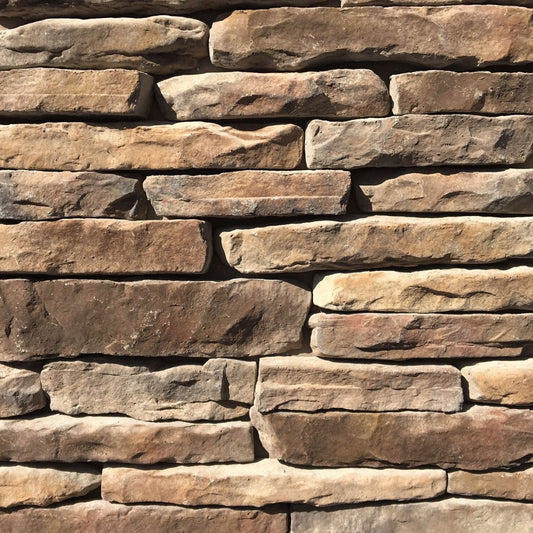
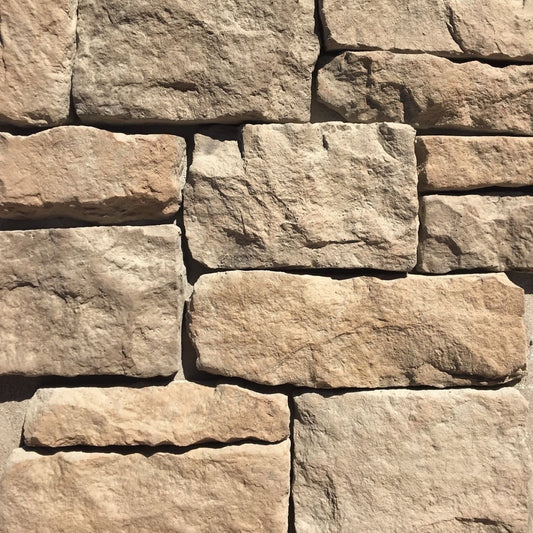
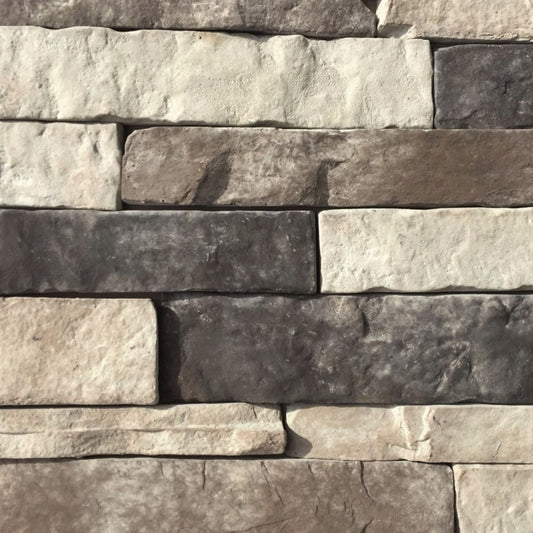
Pictured is lime stone white oak.