
Can You Install Stone Veneer Over Drywall? What You Need to Know
Share
Originally posted October 27, 2025, updated July 29, 2026.
Manufactured stone veneer can be installed over drywall, but it should never be applied directly to the drywall surface. A proper installation requires preparing the wall with a suitable backing system, including metal lath and a mortar scratch coat. This creates a strong, textured surface that allows Type S mortar to bond securely with the stone veneer for a durable, long-lasting installation.
Manufactured stone veneer is a popular way to bring the beauty of natural stone into interior spaces without the cost, weight, and complexity of traditional masonry. With realistic textures, natural color variation, and a wide range of styles, stone veneer can transform ordinary drywall walls into stunning architectural features. While manufactured stone veneer can be installed on walls with existing drywall, it should never be applied directly to the drywall surface. Drywall is not designed to support the weight of stone veneer or provide the proper bonding surface for mortar. Without proper preparation, direct installation can lead to poor adhesion, cracking, loose stones, and long-term problems. A successful installation requires a proper backing system, including metal lath and a mortar scratch coat, to create a durable surface for the stone veneer to bond securely. Manufactured stone veneer can be installed over many existing wall surfaces, including drywall, but proper preparation is essential for a long-lasting installation. Before beginning your project, review our complete guide to preparing your wall surface for stone veneer to learn how to properly prepare the substrate, install metal lath, apply a mortar scratch coat, and create the correct bonding surface for manufactured stone veneer.
With the correct preparation, however, drywall can serve as the existing wall surface behind a properly installed stone veneer system. By adding metal lath, a mortar scratch coat, and using the correct installation techniques, homeowners can safely create beautiful stone walls, fireplace surrounds, accent walls, and other interior features.
Why You Should Not Install Stone Veneer Directly Over Drywall
Drywall is designed to create a smooth interior finish, but it does not provide the strength, texture, or durability required for a masonry installation. Manufactured stone veneer is lightweight compared to natural stone, but it is still a cement-based product that requires a secure and properly prepared surface.
The smooth paper facing of drywall does not allow mortar to mechanically lock into the wall surface. Over time, changes in temperature, humidity, and normal movement within the home can weaken the bond between the veneer and the drywall.
This is especially important in areas where moisture or temperature changes are common, such as basements, kitchens, bathrooms, and fireplace surrounds. Without proper preparation, moisture can become trapped behind the veneer, potentially causing damage to the drywall and compromising the installation.
For these reasons, manufactured stone veneer should not be attached directly to drywall using mortar, thin-set, construction adhesive, or other shortcuts. A proper stone veneer installation requires a durable bonding surface that is specifically prepared to support the veneer.
How to Install Manufactured Stone Veneer Over Drywall
Installing manufactured stone veneer over an existing drywall wall requires creating a masonry-ready surface before the stone is applied. The process begins by inspecting the drywall and preparing the wall for the additional layers required for a successful installation.
First, make sure the drywall is secure, clean, dry, and free from damage. Any loose sections, holes, or damaged areas should be repaired before beginning the installation. The wall must be strong enough to support the added weight of the metal lath, mortar, and stone veneer.
Once the wall is prepared, install galvanized expanded metal lath over the drywall. The lath should be fastened securely into the wall framing using corrosion-resistant fasteners, ensuring the installation has the strength needed to support the veneer. The metal lath provides a textured surface that allows the mortar to grip and lock into place.
After the metal lath is installed, apply a mortar scratch coat. The scratch coat is typically a layer of Type S mortar applied over the lath and pressed firmly into the openings. Once applied, the surface is scratched horizontally to create a rough texture that improves bonding with the stone veneer.
The scratch coat should be allowed to properly cure before installing the manufactured stone veneer. This creates a strong foundation that helps ensure the stone remains securely attached for many years.
When installing the stone veneer, apply Type S mortar to the back of each stone piece and press it firmly onto the prepared scratch coat. Work from the bottom upward, maintaining consistent spacing and creating a natural appearance by varying stone sizes and patterns. Any mortar residue should be cleaned carefully before it hardens.
Following these steps creates a professional-quality installation that provides the appearance of natural stone while maintaining long-term durability.
Can Manufactured Stone Veneer be Installed on Interior Drywall Walls?
With the proper preparation, manufactured stone veneer can be installed on many interior drywall walls throughout a home. This makes it a versatile option for homeowners looking to add warmth, texture, and character to their living spaces.
One of the most common applications is a fireplace surround or feature wall. Stone veneer creates a natural focal point that can complement both traditional and modern home designs. It is also frequently used for living room accent walls, entryways, dining areas, and basement entertainment spaces.
Kitchen backsplashes and bar areas are another popular application. Stone veneer can add a rustic or upscale appearance while creating a unique design element that stands out from standard painted drywall.
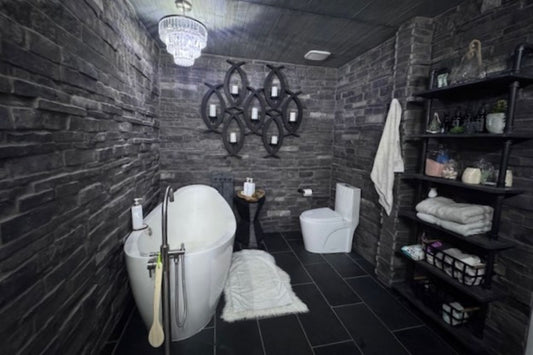
Bathrooms can also incorporate manufactured stone veneer when it is properly installed, sealed, and maintained. A quality sealer helps protect the surface from moisture and staining, making stone veneer a beautiful option for bathroom walls, accent areas, and other spaces where humidity is present. However, stone veneer should not be used as a replacement for a waterproof shower system or installed in areas with constant direct water exposure unless the installation is specifically designed and waterproofed for that application.
Is Manufactured Stone Veneer Too Heavy for Drywall?
Manufactured stone veneer is significantly lighter than natural stone, but it is still a masonry product that requires proper support. Most manufactured stone veneer weighs approximately 8 to 12 pounds per square foot depending on the style and thickness.
Although drywall can remain in place behind the installation, it should not be considered the structural support for the veneer. The metal lath, scratch coat, and mortar system create the proper foundation that distributes the weight and provides a secure bond.
This installation method is why proper preparation is so important. Skipping the required backing system may save time initially, but it can create expensive repairs if stones loosen or fall away later.
Can You Use Glue or Construction Adhesive to Install Stone Veneer Over Drywall?
Construction adhesive, glue, and similar products are not recommended for installing manufactured stone veneer over drywall. These products are not designed to provide the long-term strength, flexibility, and durability required for a masonry veneer installation.
A proper stone veneer installation uses Type S mortar applied over a properly prepared scratch coat. This traditional masonry method creates a mechanical bond that can withstand normal temperature changes, moisture exposure, and long-term use.
Using adhesive instead of mortar can also result in an installation that does not meet manufacturer recommendations and may void product warranties.
Can You Install Stone Veneer Over Drywall?
Manufactured stone veneer can transform plain drywall into a beautiful stone feature, but the success of the project depends on proper preparation. While drywall can remain behind the installation, it cannot serve as the direct bonding surface for stone veneer.
By installing galvanized metal lath, applying a mortar scratch coat, and using Type S mortar during installation, homeowners can create a durable stone veneer feature that adds character, warmth, and value to their home.
Whether you are updating a fireplace, creating an accent wall, or adding stone details throughout your home, following the correct installation process ensures your manufactured stone veneer will maintain its beauty for years to come.
From Mountain View Stone: What You Should Know
Manufactured stone veneer can be installed over interior drywall, but proper preparation is essential for a successful and long-lasting installation. At Mountain View Stone, we recommend following proven masonry installation practices by using galvanized metal lath, a mortar scratch coat, and Type S mortar to create a strong bonding surface for the veneer. While stone veneer can add beautiful texture and character to interior spaces such as fireplaces, accent walls, kitchens, basements, and bathrooms, it is important to understand that drywall alone is not a suitable surface for direct installation. Taking the time to prepare the wall correctly helps ensure your manufactured stone veneer remains secure, durable, and beautiful for years to come. Always follow local building codes and recommended installation guidelines for your specific project.
Frequently Asked Questions About Can You Install Stone Veneer Over Drywall?
Can you install manufactured stone veneer directly over drywall?
No. Manufactured stone veneer should not be installed directly onto drywall. The drywall must first be covered with a properly installed metal lath and mortar scratch coat to create a suitable surface for the stone veneer.
What type of mortar should be used for stone veneer over drywall?
Type S mortar should be used for manufactured stone veneer installations. Type S mortar provides the strength and bonding properties needed to securely attach stone veneer to a properly prepared surface.
Do I need a moisture barrier behind interior stone veneer?
A moisture barrier may not be necessary in dry interior areas, but additional moisture protection may be recommended in areas where humidity or moisture exposure is a concern. Proper installation practices should always be followed based on the specific application.
Can stone veneer be installed over painted drywall?
Painted drywall should be properly evaluated before installation. Because the stone veneer requires metal lath and a scratch coat, the paint itself should not be used as the bonding surface. The wall must be prepared with the correct masonry backing system before applying veneer.
How long does manufactured stone veneer last indoors?
When installed correctly using the proper materials and techniques, manufactured stone veneer can provide decades of durable performance indoors. Proper installation is the key factor in ensuring a long-lasting, attractive finish.
What's Next?
Transform your home with premium manufactured stone veneer that combines realistic texture and natural color variation. Shop now to start your project and create a timeless, durable finish that enhances any space or order a sample to see the authentic stone detail up close.
Have a Question?
Please see our full terms of service or check out our frequently asked questions.
For general information and questions please call: (864) 882-8960 Mon. - Fri. 8am - 5pm (EST) or email: info@mountainviewstone.net we are more than happy to help you.
Or you can submit your questions via our contact us page.
We look forward to working with you on your upcoming project.
The Mountain View Stone Team
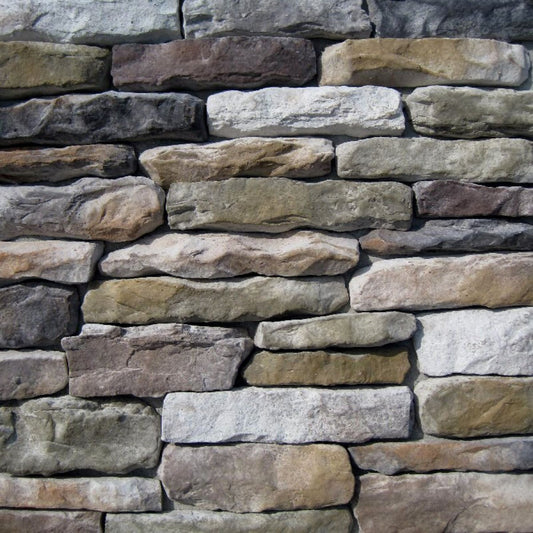
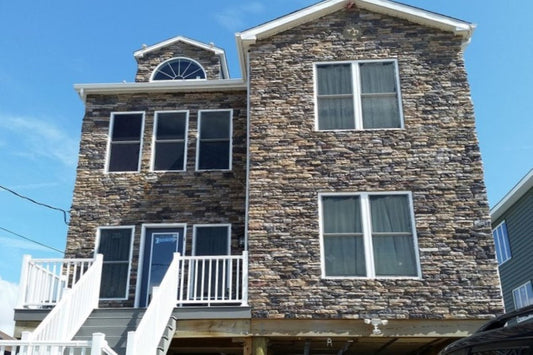
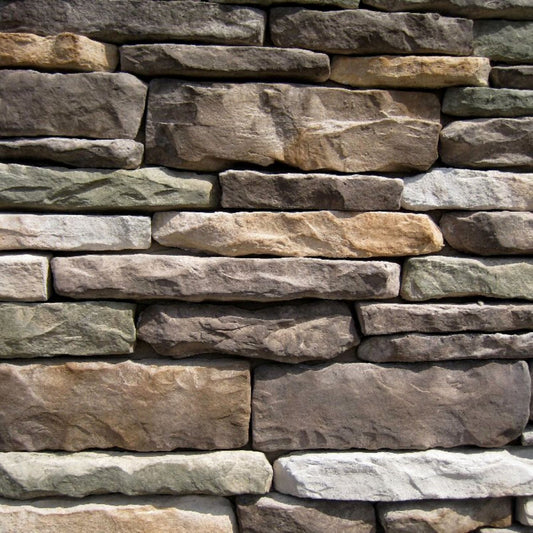
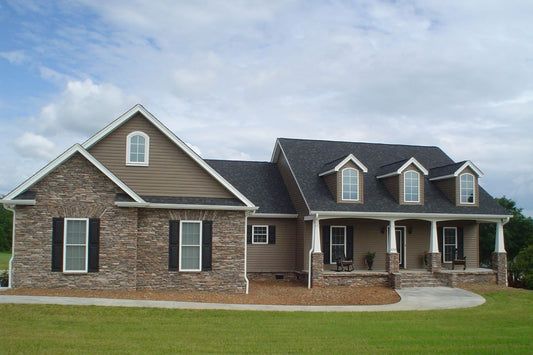
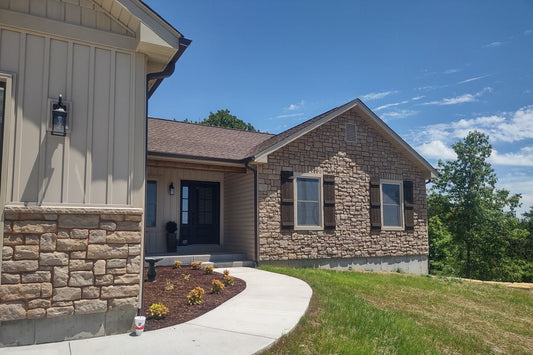
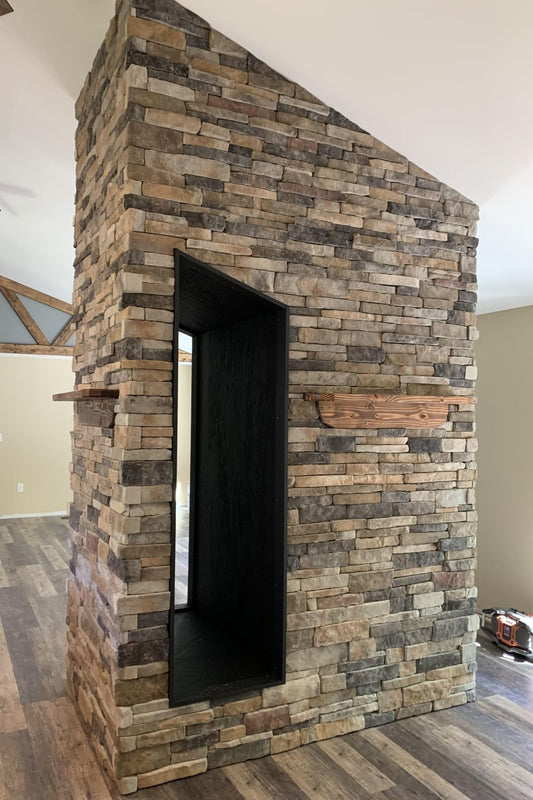
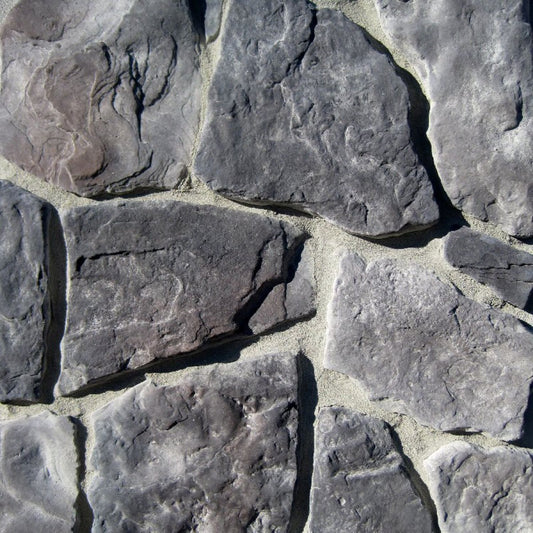
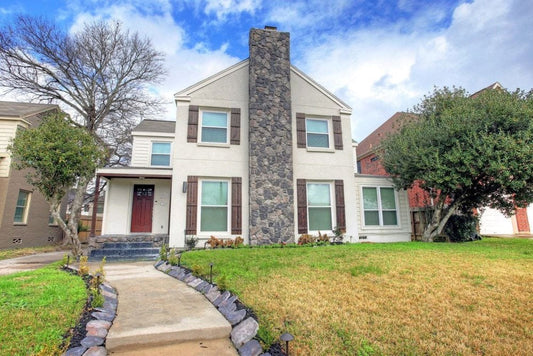
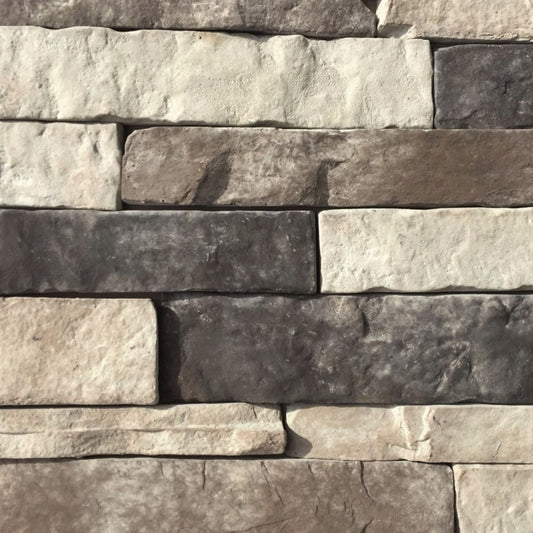
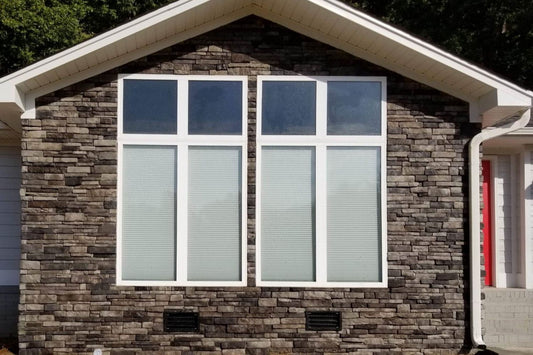
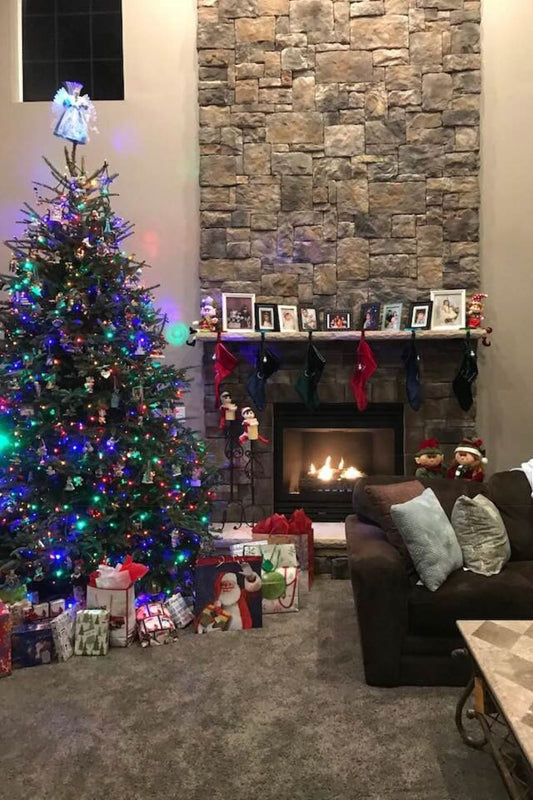
Pictured is an AI generated image of a stone veneer installation over drywall.