
Stone Veneer Specifications Guide: Dimensions, Weight, Thickness, and Product Details
Share
Manufactured stone veneer is typically made from Portland cement, lightweight aggregates, mineral-based iron oxide pigments, and bonding additives. Most manufactured stone veneer products have a thickness of approximately 1 to 2 inches, weigh significantly less than natural stone, and are produced as individual stones or panel systems in a variety of shapes, sizes, textures, and colors. Exact specifications vary by stone profile, manufacturer, and product style.
Manufactured stone veneer has become a popular alternative to natural stone because it provides the appearance, texture, and character of real stone while offering more predictable specifications for planning, transportation, and installation. Unlike natural stone, which can vary significantly in size, weight, and thickness depending on how it is quarried and processed, manufactured stone veneer is produced using controlled manufacturing methods that create consistent product characteristics.
Understanding stone veneer specifications is an important part of planning any project. Whether the material is being used on an exterior facade, fireplace surround, interior accent wall, outdoor kitchen, commercial building, or residential renovation, details such as thickness, weight, dimensions, coverage, and packaging affect everything from structural planning to installation requirements.
A complete understanding of manufactured stone veneer specifications helps homeowners, builders, architects, and designers accurately estimate materials, plan installation details, understand shipping requirements, and select the right product for their application.
This guide explains the primary characteristics that define manufactured stone veneer, including what it is made from, standard dimensions, thickness, weight, coverage, packaging, durability, and other technical details that influence how the product is used.
What is Manufactured Stone Veneer Made Of?
Manufactured stone veneer is a lightweight masonry product designed to replicate the appearance of natural stone. It is created by combining cement-based materials with lightweight aggregates, mineral pigments, and other additives that help produce a durable architectural finish. For a more detailed explanation of the materials, manufacturing process, and how each component contributes to the final product, see our complete post what is manufactured stone veneer made of?
The primary ingredient in most manufactured stone veneer is Portland cement. Cement provides the strength and durability needed for exterior and interior applications while creating the rigid masonry structure of each stone.
Lightweight aggregates are added to reduce the overall weight compared to full-depth natural stone. These aggregates allow manufactured stone veneer to maintain a realistic stone appearance while making transportation, handling, and installation easier.
Manufactured stone veneer colors are created using mineral-based iron oxide pigments that are applied to the surface of each stone during the manufacturing process. This surface coloring technique allows manufacturers to replicate the natural variation found in quarried stone by blending multiple tones, highlights, and shading across the visible face of each piece. Because the color is applied to the finished surface rather than running completely through the entire stone, handling, cutting, and abrasion can expose the underlying material and may affect the appearance.
Many manufactured stone veneer products also incorporate additives or bonding agents designed to improve consistency, color retention, and long-term performance. Manufacturing techniques allow producers to create molds from real stone textures, capturing the natural contours, edges, and surface details found in quarried materials.
The result is a masonry veneer product that combines the visual appeal of natural stone with more predictable specifications for construction planning.
How Manufactured Stone Veneer Differs from Natural Stone
Manufactured stone veneer is designed to replicate the appearance of natural stone while offering more consistent specifications and easier installation characteristics. Natural stone is quarried directly from the earth and then cut or shaped for use in construction, meaning each piece can vary significantly in color, texture, thickness, and weight. For a detailed comparison of the differences between these materials, including appearance, durability, weight, cost considerations, and installation requirements, see our complete post stone veneer vs. natural stone siding.
Manufactured stone veneer is produced using molds, cement-based materials, aggregates, and surface-applied pigments to create a controlled and repeatable product. This allows manufacturers to provide more predictable dimensions, coverage rates, and weight specifications while still maintaining the natural variation expected from stone.
Manufactured Stone Veneer Thickness Specifications
Thickness is one of the most important specifications when planning a stone veneer installation because it affects wall projections, trim details, clearances, and installation methods. For a more detailed look at standard veneer thickness ranges, installation considerations, and how thickness affects the final appearance of a project, see our complete post how thick is stone veneer?
Most manufactured stone veneer products have a thickness ranging from approximately 1 inch to 2 inches, although exact measurements vary depending on the stone profile. Some larger-format stones and specialty pieces may extend beyond this range.
Unlike full-depth natural stone masonry, which can require significant wall support because of its depth and weight, manufactured stone veneer is designed as a thin veneer product. This allows it to be installed over properly prepared substrates without requiring the same structural support as traditional stone construction.
The varying thickness of individual pieces is intentional. Natural stone does not have perfectly uniform dimensions, and manufactured stone veneer is designed to replicate this natural variation. Some pieces may project farther from the wall surface than others, creating shadows, texture, and a more realistic appearance.
Thickness also influences the final look of the installation. A thinner, flatter profile may create a cleaner and more contemporary appearance, while deeper stones provide more texture and a heavier masonry character.
When planning a project, installers should account for the thickness of the veneer, mortar joints, scratch coat, lath system, and any additional wall components that affect the finished wall projection.
Manufactured Stone Veneer Dimensions and Stone Sizes
Manufactured stone veneer is available in many different shapes and sizes depending on the selected profile. Unlike manufactured panels that repeat a fixed pattern, individual stone veneer pieces are produced in a variety of dimensions to create a more natural appearance. For a more detailed breakdown of standard stone sizes, profile dimensions, and how individual pieces vary between styles, see our complete post stone veneer dimensions.
Individual stone sizes commonly range from smaller pieces measuring only a few inches across to larger stones measuring more than a foot in length. The specific size distribution depends on the stone style. For a closer look at how stone dimensions, piece sizes, proportions, and layout choices influence the overall appearance of a project, see our complete post how stone veneer size impacts your design.
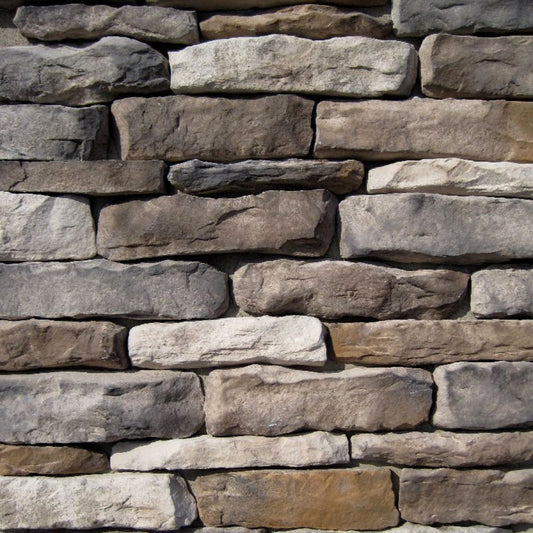
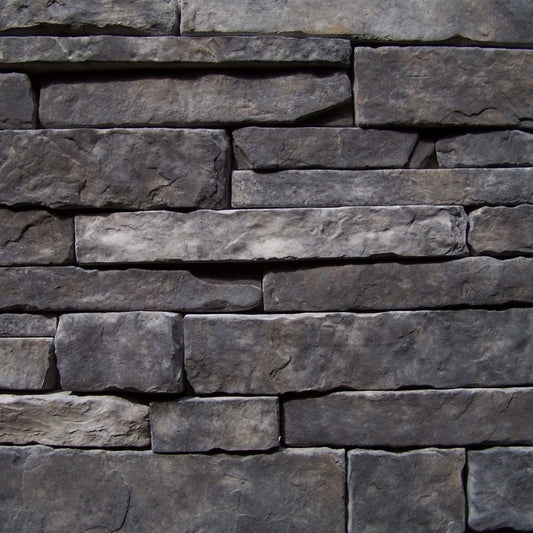
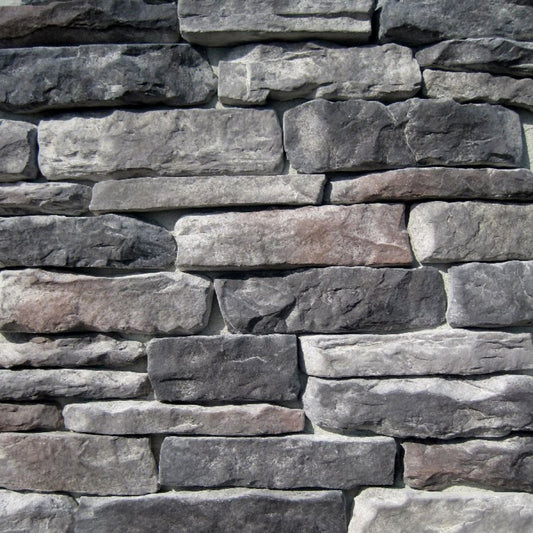
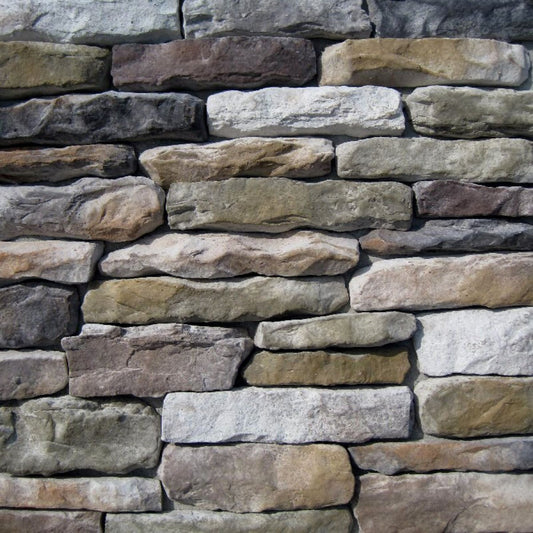
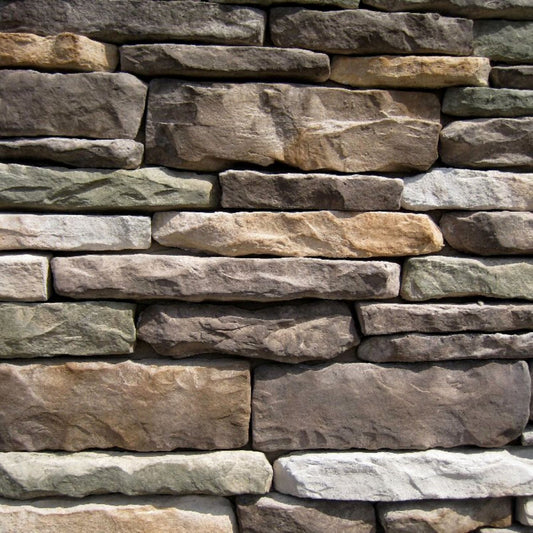
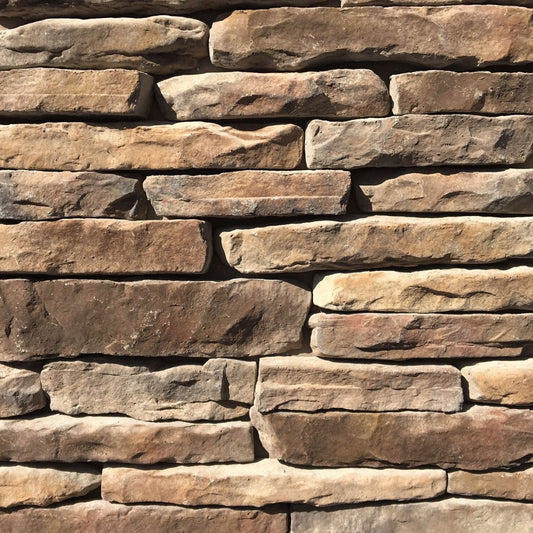
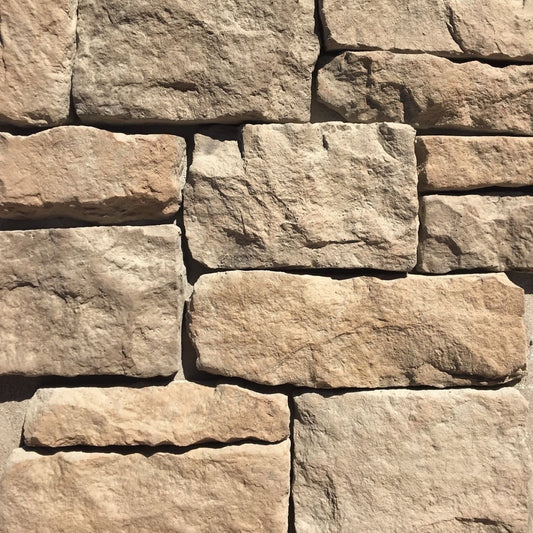
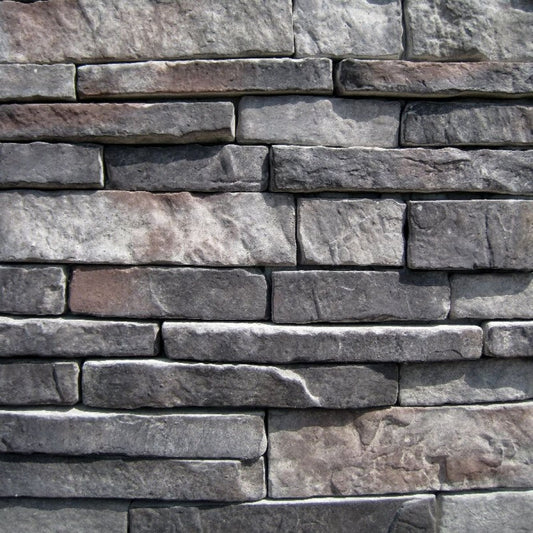
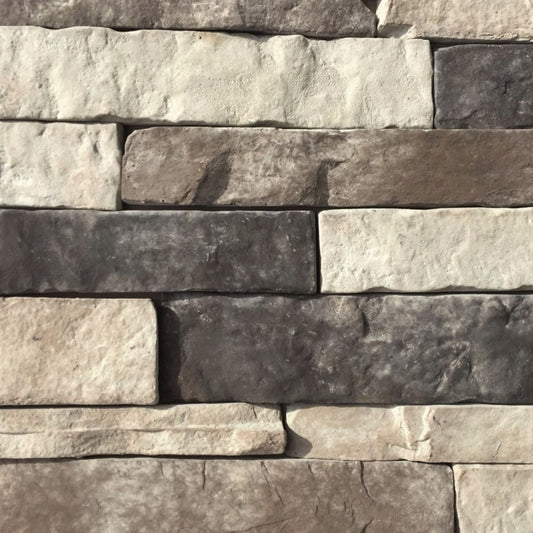
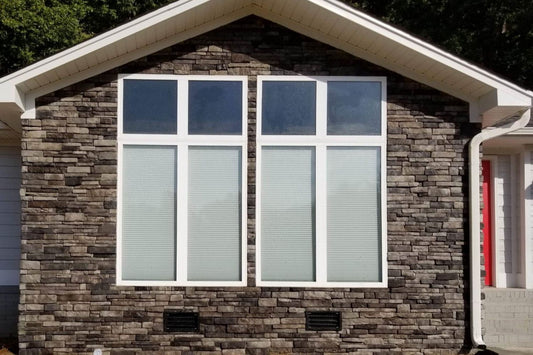
Linear profiles such as ledgestone and stacked stone typically feature longer, narrower pieces designed to create horizontal movement across a wall. These stones often include varying lengths and heights to prevent the installation from appearing repetitive.
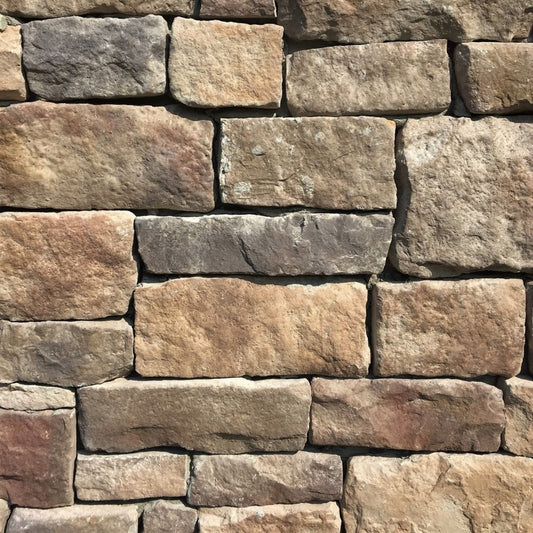
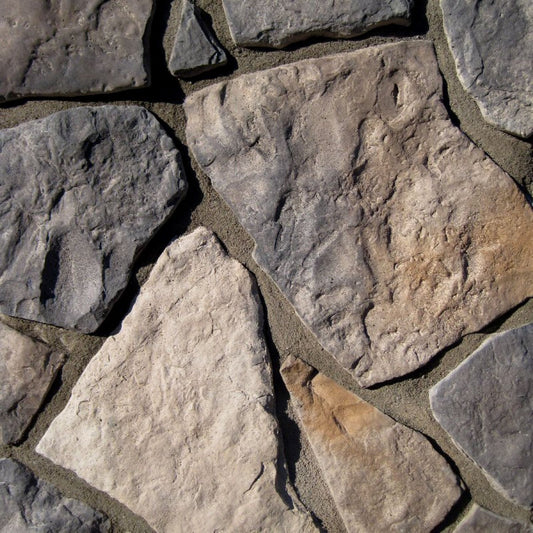
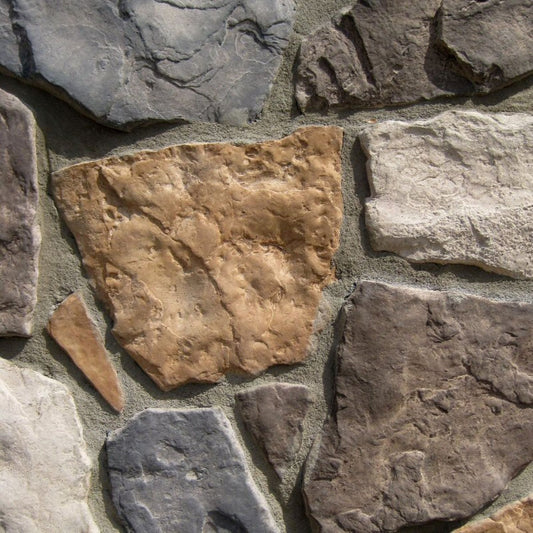
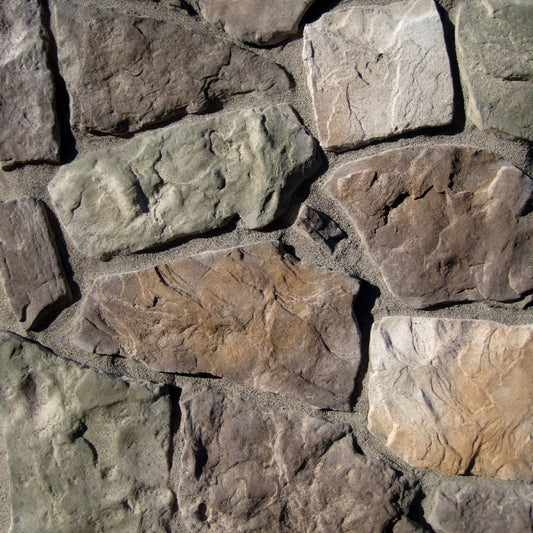
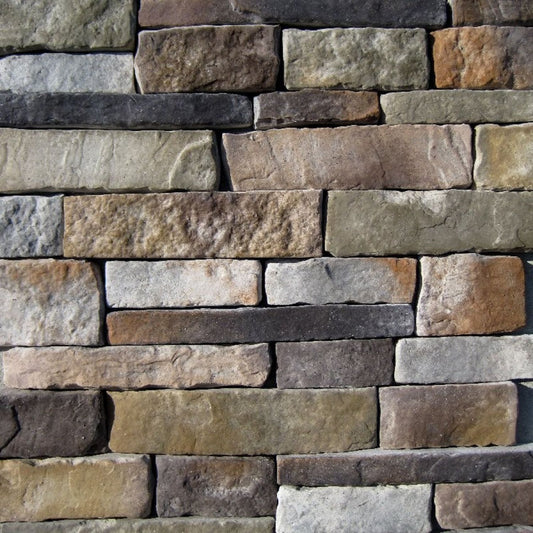
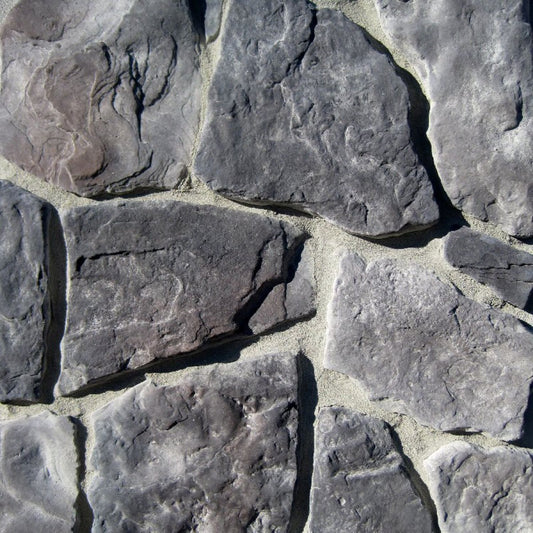
Fieldstone profiles generally include more irregular shapes with a wider range of dimensions. This variation helps recreate the appearance of naturally collected fieldstone, where no two pieces are identical.
Ashlar or limestone-style profiles typically feature more rectangular stones with more predictable dimensions. These profiles are often selected when a more structured masonry appearance is desired.
Large-format profiles, such as castle rock styles, use larger stones to create a substantial, heavy appearance similar to oversized natural masonry blocks.
Because manufactured stone veneer is designed to replicate natural stone, exact dimensions are not usually uniform across every piece. Instead, manufacturers provide general size ranges based on each profile.
Individual Stone Veneer vs. Stone Veneer Panels
Manufactured stone veneer is generally available in two primary formats: individual stones and panel systems. To better understand the differences between these options, including installation methods, appearance, flexibility, and project considerations, see our complete post stone veneer panels or individual stones.
Individual stone veneer consists of separate pieces that are installed one stone at a time. This format provides maximum flexibility because installers can arrange stones to create a more natural appearance, adjust spacing, and blend colors throughout the installation.
Individual stones are commonly preferred for traditional stone profiles such as fieldstone, ledgestone, and castle rock because the variation between each piece contributes to a more authentic masonry appearance.
Panel systems combine multiple stones into a manufactured section that speeds up installation. These systems typically feature smaller individual stones arranged on a backing panel, allowing larger areas to be installed more quickly.
Panel dimensions vary by manufacturer and product line. For example, some manufactured stone veneer panel systems are designed around smaller modular sections that can be handled easily by installers while maintaining the appearance of individual stones.
The choice between individual stones and panels depends on the project requirements, desired appearance, installation timeline, and profile selected.
How Much Does Manufactured Stone Veneer Weigh?
One of the biggest advantages of manufactured stone veneer is its reduced weight compared to natural stone. Understanding the weight of stone veneer is an important part of planning a project, especially when considering handling, shipping, and installation requirements. For a detailed breakdown of weight per square foot, box weights, pallet weights, and how manufactured stone veneer compares to other materials, see our complete post how much does stone veneer weigh?
The weight of manufactured stone veneer varies based on the profile, thickness, and packaging method. Most thin manufactured stone veneer products weigh approximately 6 to 10 pounds per square foot, although heavier profiles and accessories may vary.
For example, a typical box of manufactured stone veneer covering approximately 10 square feet may weigh around 80 to 90 pounds, depending on the product style. Corner pieces may weigh a similar amount because of their increased depth and additional material.
Pallet weights also vary depending on the amount of material shipped. A pallet containing approximately 150 square feet of manufactured stone veneer may weigh around 1,400 to 1,500 pounds.
Compared with natural full-depth stone, which can weigh many times more and require additional structural support, manufactured stone veneer provides a lighter alternative while maintaining the visual characteristics of masonry.
The reduced weight benefits both installation and transportation. Lighter materials are easier to handle on the job site, reduce shipping challenges, and allow stone veneer to be installed in applications where full-depth stone may not be practical.
Manufactured Stone Veneer Coverage and Packaging Specifications
Understanding coverage specifications is an important part of estimating how much manufactured stone veneer is needed for a project. Unlike traditional building materials that are often purchased by weight or volume, stone veneer is typically calculated by the square foot. For a complete guide to measuring wall areas, calculating coverage, accounting for corners and waste, and determining the right amount of material for your project, see our post how much stone veneer do I need to order?
Manufactured stone veneer is commonly packaged in boxes or bundles that include a specific amount of flat stone coverage. Coverage amounts vary depending on the stone profile, piece sizes, thickness, and how tightly the stones are arranged within the packaging.
A typical box of manufactured stone veneer may cover approximately 10 square feet of flat wall area, although exact coverage depends on the selected profile. Corner pieces are typically packaged separately because they are designed to wrap around outside corners and provide a finished appearance.
When calculating material requirements, it is important to account for additional material needed for cuts, adjustments, and installation waste. The amount of extra material required depends on the complexity of the project, the number of corners, the layout of the wall, and the selected stone profile.
Projects with many windows, doors, angles, or architectural details may require additional material compared with a simple rectangular wall. More irregular stone profiles may also require additional pieces because installers select and arrange stones to achieve the desired appearance.
Manufacturers typically provide coverage estimates based on the average installation method for each profile. Actual coverage may vary slightly depending on joint spacing, mortar application, and installer techniques.
Accurate measurement before ordering helps ensure the project has enough material from the same production batch, which can help maintain consistent color and texture throughout the installation.
Manufactured Stone Veneer Corner Stone Specifications
Corner pieces are an important component of many manufactured stone veneer installations because they create the appearance of full-depth masonry wrapping around outside corners.
Unlike flat stones, which are designed for wall surfaces, corner stones have two finished faces that meet at approximately a 90-degree angle. This allows the veneer to transition naturally around corners without exposing unfinished edges.
Corner pieces are typically manufactured with the same textures, colors, and thickness variations as the corresponding flat stone profile. They are designed to blend seamlessly with the rest of the installation.
Corner stone dimensions vary by profile. Some corner pieces include shorter returns, while others provide longer projections to create a more substantial masonry appearance.
Because corners require additional material and are packaged differently from flat veneer, they are usually calculated separately when estimating quantities. A project with many exterior corners will require more corner pieces than a simple flat wall installation.
Proper planning for corner specifications is especially important on exterior applications where exposed edges are highly visible. Using manufactured corner pieces creates a finished appearance that is difficult to replicate by cutting flat stones.
Manufactured Stone Veneer Color Specifications
Color is one of the most noticeable characteristics of manufactured stone veneer and plays a major role in the final appearance of an installation.
Manufactured stone veneer colors are created using mineral-based iron oxide pigments that are applied to the surface of each stone during the manufacturing process. This surface coloring technique allows manufacturers to create realistic blends that replicate the variation found in natural quarried stone. For a detailed explanation of how manufactured stone veneer is colored, how the pigments are applied, and how surface coloring differs from natural stone coloration, see our complete post is stone veneer colored all the way through?
Manufacturers typically combine multiple tones, highlights, and shading techniques across the visible face of each piece to create depth and a natural appearance. Because the color is applied to the finished surface rather than extending completely through the entire stone, cutting, abrasion, or damage to the face of the veneer may expose the underlying concrete material.
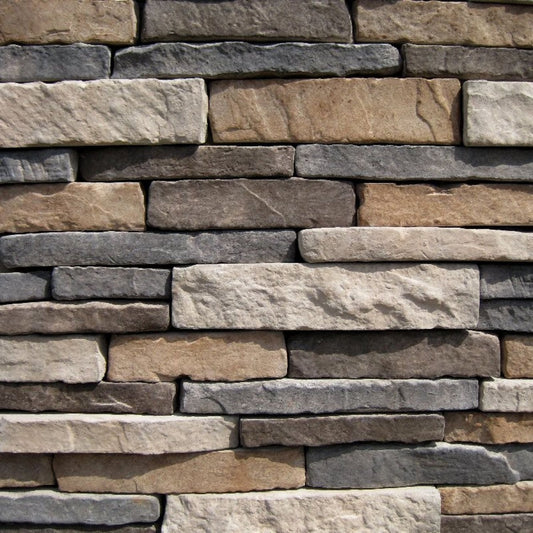
Stone veneer colors are usually created as blends rather than single colors. Natural stone rarely appears as one consistent shade, so manufacturers combine multiple tones to create realistic variation.
When selecting a color, reviewing physical samples is recommended. Digital images and monitors may not accurately represent the actual appearance of the product due to differences in lighting, screen settings, and photography conditions.
Manufactured Stone Veneer Texture Specifications
Texture is another important specification that determines how realistic manufactured stone veneer appears after installation. The surface texture, depth, and detail of each profile can significantly influence the overall character of a finished wall. For a closer look at how stone textures are created, the different texture styles available, and how texture affects the appearance of a project, see our complete post stone veneer texture.
Manufacturers create stone textures by molding products from natural stone surfaces or carefully designed patterns that replicate the characteristics of quarried materials.
The texture of a stone profile affects how light interacts with the wall surface. Deeper textures create stronger shadows and more visual depth, while smoother textures provide a cleaner, more refined appearance.
Texture selection should complement the architectural style of the project. Rustic homes, mountain-style properties, and traditional designs often benefit from more rugged textures, while contemporary buildings may use cleaner profiles with more controlled lines.
Strength, Durability, and Performance Specifications
Manufactured stone veneer is designed to provide long-lasting performance when properly installed according to manufacturer requirements and applicable building codes.
Because it is a cement-based masonry product, manufactured stone veneer is durable and capable of withstanding normal exterior exposure, including temperature changes, precipitation, and seasonal weather conditions.
Manufactured stone veneer is not a structural product. It is a decorative masonry veneer designed to be installed over an approved backing system. It does not provide structural support for walls, buildings, fireplaces, or other construction elements.
When properly installed, manufactured stone veneer can provide decades of service while maintaining its appearance and architectural character.
Fire and Heat-Related Specifications for Stone Veneer
Manufactured stone veneer is a cement-based masonry product and is generally considered non-combustible. However, installations near fireplaces, wood stoves, outdoor fire features, and other heat-producing appliances require careful consideration of the complete installation system. For more information about heat limitations, clearances, fireplace applications, and safety considerations, see our complete post stone veneer near heat sources?
The stone itself may withstand high temperatures, but surrounding materials such as substrates, adhesives, sealants, framing components, and installation materials may have specific temperature limitations. For a more detailed explanation of heat exposure, fireplace applications, installation considerations, and the difference between stone veneer and fire-rated assemblies, see our complete post is stone veneer fire resistant?
Manufactured stone veneer should not be installed inside a firebox or directly exposed to flames unless the product is specifically designed and approved for that application.
Applications involving fireplaces, wood stoves, outdoor fire features, and other heat sources should follow appliance manufacturer requirements and applicable building codes.
Proper clearances are essential to maintain a safe installation. The stone veneer material alone does not determine whether an installation is suitable for a specific heat application.
Exterior and Interior Manufactured Stone Veneer Specifications
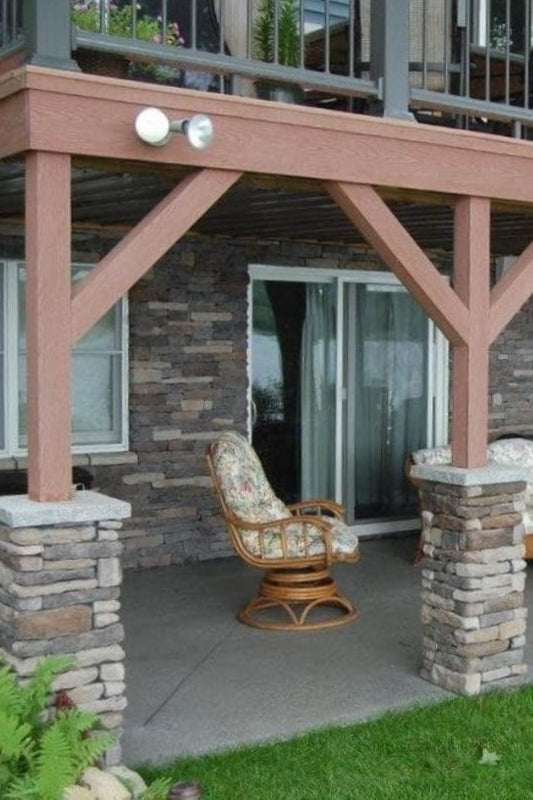
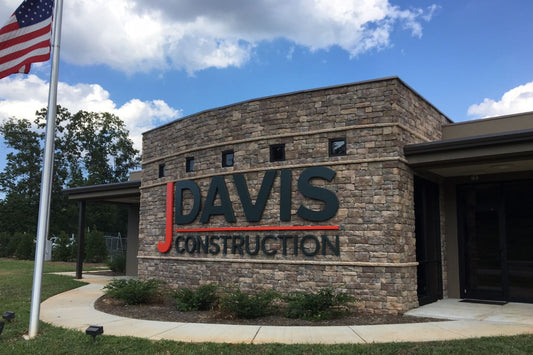
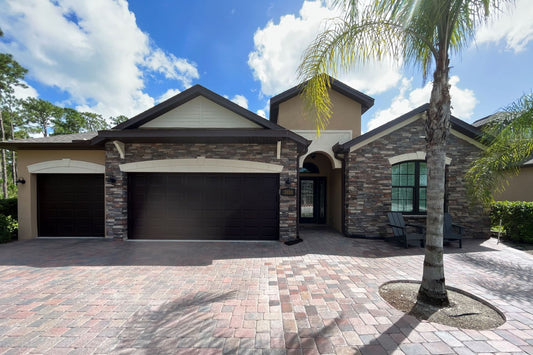
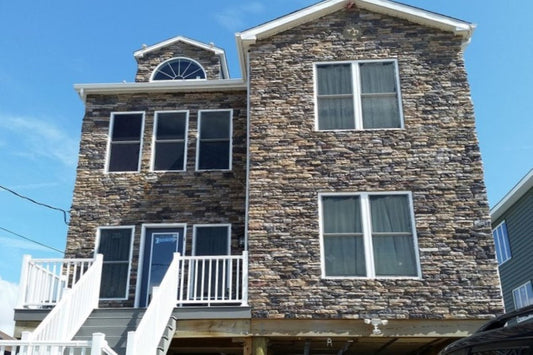
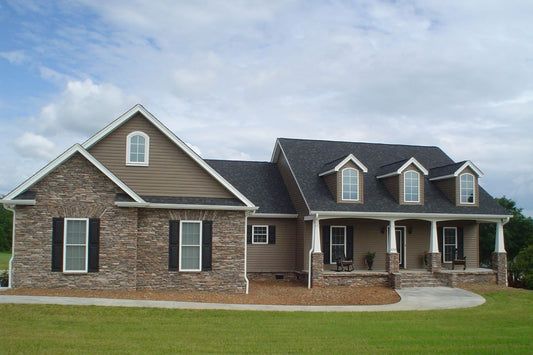
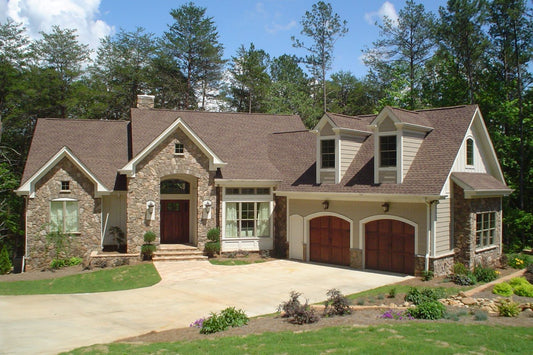
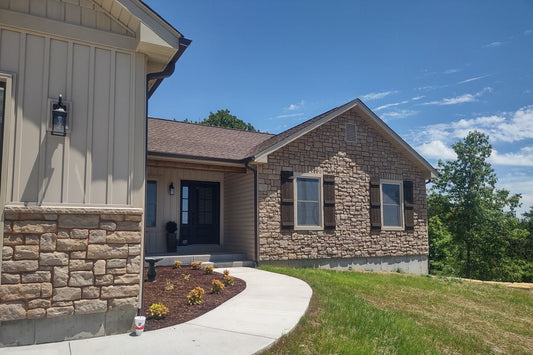
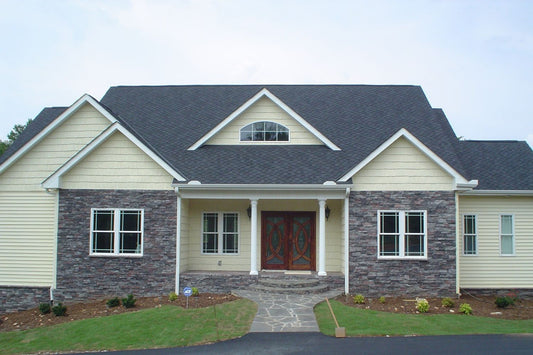
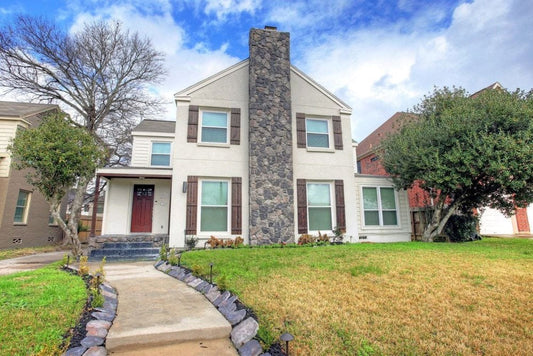
Manufactured stone veneer can be used in a wide variety of interior and exterior applications, but the installation requirements and specifications may vary depending on where the material is being installed. Exterior applications often include home exteriors, commercial building facades, entryways, columns, outdoor kitchens, and landscape features where the veneer is exposed to weather conditions and environmental changes.
Exterior installations require proper moisture management and preparation to help ensure long-term performance. This may include the use of appropriate weather-resistant barriers, metal lath systems, scratch coats, flashing details, and drainage considerations based on the substrate and application method.
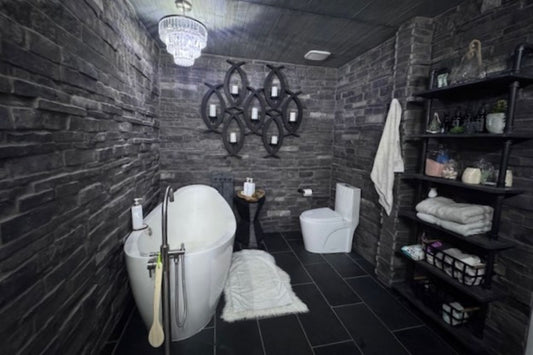
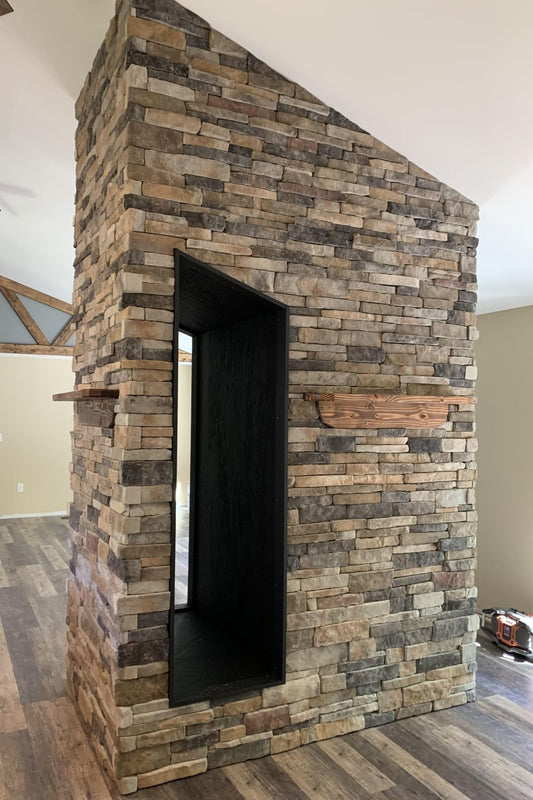
Interior applications commonly include fireplace surrounds, accent walls, entertainment walls, kitchen features, basement finishes, and commercial interior spaces. While interior installations are not exposed to rain, temperature changes, and other exterior conditions, proper substrate preparation and installation methods are still important for creating a secure and durable finished surface.
The selected manufactured stone veneer specifications, including the stone profile, thickness, weight, and installation requirements, should always be appropriate for the intended application and surrounding construction conditions.
Manufactured Stone Veneer Joint and Mortar Specifications
The appearance and performance of manufactured stone veneer are influenced not only by the stone itself but also by mortar selection and joint treatment. Depending on the selected profile and desired appearance, veneer can be installed with tight joints, traditional mortar joints, or a dry-stack appearance.
Mortar color, joint width, and tooling method can significantly affect the final appearance of the installation. A lighter mortar may create contrast and emphasize individual stones, while a darker mortar can create a more blended appearance.
Manufactured stone veneer installations typically require a compatible masonry mortar system, with Type S mortar commonly used for veneer applications. The correct mortar selection helps provide proper bonding strength and long-term durability.
Installation Specifications Related to Manufactured Stone Veneer
Although stone veneer specifications primarily describe the product itself, installation requirements are closely connected to the material specifications.
Manufactured stone veneer is typically installed using a mortar-based system rather than construction adhesives or similar products. Proper installation requires an appropriate substrate, moisture protection where needed, metal lath, scratch coat, and compatible mortar.
The thickness and weight of the veneer influence installation planning, but the supporting wall system must also be prepared correctly.
Manufactured stone veneer should not be installed directly over unsuitable surfaces without proper preparation. Approved installation methods vary depending on whether the substrate is concrete, masonry, wood framing, cement board, stucco, or another material.
Following manufacturer installation requirements helps ensure the veneer performs as intended and maintains warranty coverage.
How High Can You Install Manufactured Stone Veneer?
Manufactured stone veneer can be installed at a wide range of heights, including full exterior walls, multi-story buildings, chimneys, entry features, and large interior accent walls. However, the maximum installation height is not determined by the stone veneer itself. Instead, it depends on the supporting wall system, substrate preparation, attachment method, local building codes, and manufacturer installation requirements. For a more detailed explanation of height limitations, support requirements, and considerations for taller installations, see our complete post how high can you install stone veneer?
Because manufactured stone veneer is a thin masonry veneer and not a structural material, it must be installed over an approved substrate using the correct support system. Proper installation typically includes a weather-resistant barrier where required, corrosion-resistant metal lath, a mortar scratch coat, and an appropriate mortar setting bed. These components work together to support the veneer and manage moisture behind the installation.
For taller exterior applications, additional considerations may be required. Larger buildings or multi-story installations may require engineering review, expansion joints, additional attachment methods, or other detailing based on the height, wall construction, wind exposure, and local code requirements. Commercial projects and large-scale exterior applications should always be evaluated by qualified design professionals to ensure the installation meets applicable requirements.
Interior installations can also extend to significant heights, such as two-story fireplaces, great room accent walls, stairway features, and commercial interior spaces. Even in protected interior environments, the substrate and installation system must still be appropriate for the weight of the veneer and the intended application.
When properly specified and installed, manufactured stone veneer can be used on projects ranging from small accent areas to large exterior facades. The key factor is not simply the height of the installation, but ensuring the wall system, preparation methods, and installation details are designed to safely support the veneer for the life of the project.
Manufactured Stone Veneer Clearance Specifications
Manufactured stone veneer installations must account for required clearances around foundations, pavement, roofs, decks, and other building elements. These clearances help prevent moisture exposure, physical damage, and long-term performance issues.
Stone veneer should not extend below required clearance points or be installed in direct contact with soil, landscaping materials, or other surfaces that can trap moisture against the veneer. Proper separation from grade and adjacent materials helps protect the installation and allows water to drain properly.
Clearance requirements may vary depending on the application, substrate, climate, and local building codes. Following manufacturer installation guidelines and applicable code requirements helps ensure the veneer performs as intended.
Manufactured Stone Veneer Maintenance Specifications
Manufactured stone veneer is designed to require minimal maintenance when properly installed, but regular care helps preserve its appearance over time.
Routine maintenance typically involves removing surface dirt, dust, and debris using appropriate cleaning methods. Harsh chemicals, pressure washing at excessive pressures, or abrasive cleaning methods may damage the surface coloration or texture of the veneer.
Some installations may benefit from sealing depending on the application, environmental exposure, and manufacturer recommendations. However, coatings, sealers, painting, or other surface treatments should only be applied when approved because they may alter the appearance and affect warranty coverage.
Manufactured Stone Veneer Shipping and Packaging Specifications
Because manufactured stone veneer is a heavy masonry product, shipping specifications are an important consideration during project planning.
Most manufactured stone veneer orders are shipped on pallets using freight carriers. Palletized shipping helps protect the product during transportation while allowing large quantities of material to be delivered efficiently.
A typical pallet may contain approximately 150 square feet of veneer and weigh around 1,400 to 1,500 pounds depending on the product profile and packaging.
Shipments are usually delivered by LTL freight carriers with curbside delivery. Because stone veneer is heavy and palletized, delivery locations should have adequate access for freight trucks and unloading equipment.
Customers should inspect shipments upon delivery and note any visible damage before accepting the delivery. Early inspection helps address shipping-related concerns quickly.
Understanding shipping specifications helps contractors and homeowners plan storage, unloading, and installation logistics before the material arrives.
How Stone Veneer Compares to Natural Stone Specifications
One of the primary reasons manufactured stone veneer has become popular is its combination of a realistic stone appearance and more predictable product specifications. While natural stone offers unique character and authenticity, its physical properties can vary significantly depending on the quarry location, type of stone, and processing methods used. Thickness, weight, shape, and available sizes may differ considerably from one natural stone source to another. For a deeper comparison of performance, longevity, maintenance, and how manufactured stone veneer holds up over time, see our complete post is stone veneer durable compared to natural stone?
Manufactured stone veneer is produced using controlled molds and manufacturing processes, allowing for more consistent sizing, thickness, and weight characteristics. Compared with natural stone, manufactured stone veneer typically provides a lighter-weight option that is easier to handle, offers more predictable dimensions, maintains more consistent availability, and provides greater flexibility during installation. Because of its reduced weight and thinner profile, manufactured stone veneer can also be installed in applications where full-depth natural stone may require additional structural considerations.
While natural stone continues to be valued for its one-of-a-kind appearance and natural variation, manufactured stone veneer offers a practical alternative for many residential and commercial projects by combining the look of real stone with specifications that are easier to plan, transport, and install.
Stone Veneer Specifications Guide
Reviewing stone veneer specifications before purchasing helps ensure the selected product meets the needs and requirements of the project. Important details to confirm include the stone profile and style, color blend, individual stone dimensions, thickness range, weight per square foot, coverage per box, corner requirements, installation system, and shipping considerations.
Understanding these specifications before ordering helps prevent material shortages, reduces the risk of selecting an unsuitable product, improves project planning, and helps ensure the finished installation matches the intended design.
Manufactured stone veneer combines the appearance of natural masonry with more predictable product characteristics, making it suitable for a wide range of residential and commercial applications. By understanding factors such as dimensions, weight, thickness, materials, and performance specifications, builders, designers, and homeowners can make more informed decisions and create durable, visually appealing stone installations.
From Mountain View Stone: What You Should Know
At Mountain View Stone, all of our manufactured stone veneer is made in the USA using high-quality Portland cement, lightweight aggregates, and surface-applied mineral-based iron oxide pigments to create the realistic appearance of natural stone. The majority of our stone veneer is manufactured in individual stone pieces rather than full wall panels, allowing for a more authentic installation with greater flexibility during layout. Most profiles have a thickness of approximately 1 to 2 inches and are lightweight enough to be installed on properly prepared wall systems without the structural requirements of full-depth natural stone. Every order is made to order to help ensure consistent quality and color, and we recommend ordering all material for your project at the same time to maintain the most consistent blend possible. Before purchasing, always review the product specifications for your selected profile, verify your measurements, and follow our installation instructions to help ensure a beautiful, long-lasting installation.
Frequently Asked Questions About Stone Veneer Specifications
How thick is manufactured stone veneer?
Manufactured stone veneer is typically between approximately 1 inch and 2 inches thick, depending on the stone profile. Individual pieces may vary in thickness to replicate the natural variation found in real stone.
How much does manufactured stone veneer weigh?
Manufactured stone veneer commonly weighs about 6 to 10 pounds per square foot, depending on the profile and thickness. A typical 10-square-foot box may weigh approximately 80 to 90 pounds.
What are the standard sizes of manufactured stone veneer?
Manufactured stone veneer does not have one universal size. Individual stones vary by profile, with sizes ranging from small irregular pieces to larger stones measuring more than a foot in length.
What is manufactured stone veneer made from?
Manufactured stone veneer is generally made from Portland cement, lightweight aggregates, mineral-based pigments, and other additives used to create strength, durability, and natural-looking colors.
Does manufactured stone veneer weigh less than natural stone?
Yes. Manufactured stone veneer is significantly lighter than full-depth natural stone because it uses lightweight aggregates and a thinner profile designed specifically for veneer applications.
How much stone veneer comes in a box or pallet?
Coverage varies by product profile, but many manufactured stone veneer products are packaged in boxes covering around 10 square feet. Pallets commonly contain approximately 150 square feet, although exact amounts vary by product.
What's Next?
Transform your space with the timeless look of manufactured stone veneer. Shop now to eExplore our collection to find the perfect style for your project or order a sample to experience the quality, texture, and color before you buy.
Have a Question?
Please see our full terms of service or check out our frequently asked questions.
For general information and questions please call: (864) 882-8960 Mon. - Fri. 8am - 5pm (EST) or email: info@mountainviewstone.net we are more than happy to help you.
Or you can submit your questions via our contact us page.
We look forward to working with you on your upcoming project.
The Mountain View Stone Team
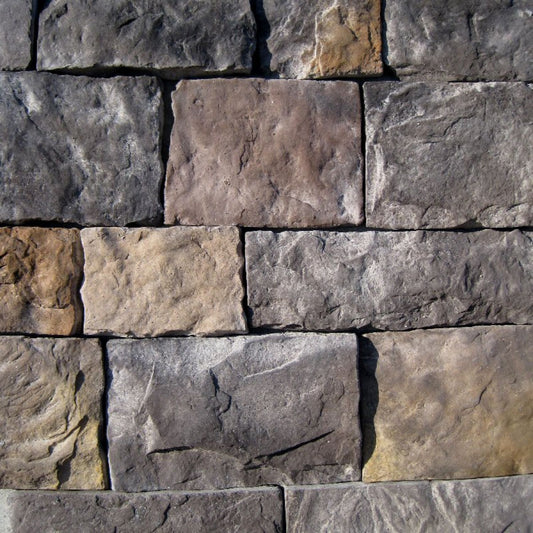
Pictured is field stone kona.