
How Stone Veneer Size Impacts Your Design: Scale, Style and Visual Effect Explained
Share
Originally posted March 17, 2025, updated June 19, 2026.
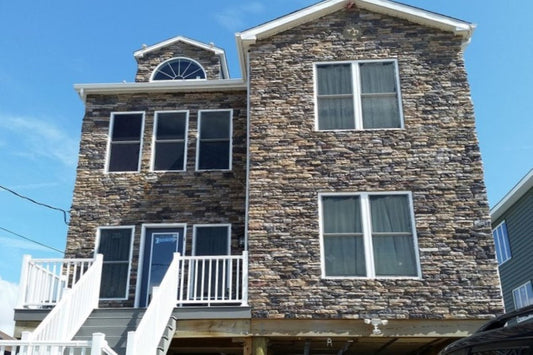
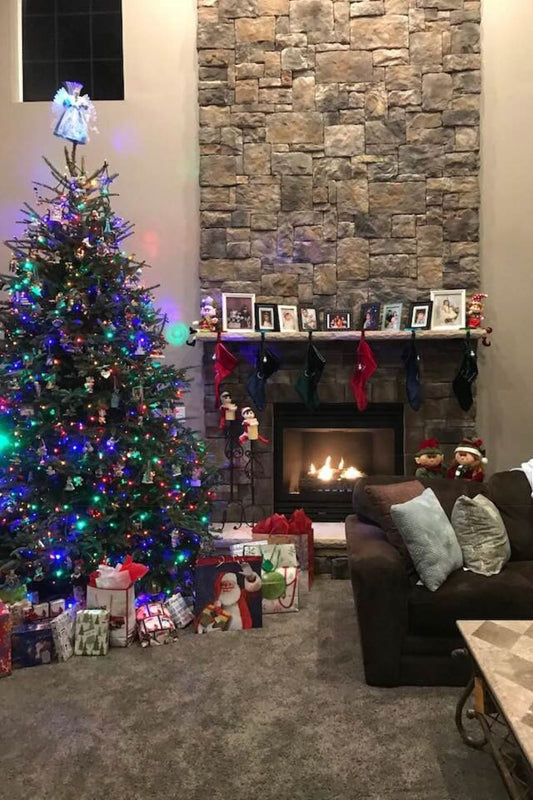
The size of manufactured stone veneer significantly impacts a project’s overall design. Larger profiles like fieldstone and castle rock create a bold, rustic, and traditional appearance suited for expansive exteriors and feature walls, while smaller profiles such as ledgestone and stacked stone offer a cleaner, more modern aesthetic with tighter lines and a more refined finish. Choosing between large and small stone veneer depends on the scale of your space, architectural style, and the visual impact you want to achieve.
When selecting manufactured stone veneer for a project, colour and texture often get most of the attention, but stone size plays an equally important role in shaping the final design. The difference between large, rugged profiles and smaller, more refined stones can completely change the personality of a space. Whether you are working on a residential exterior, an interior feature wall, or a fireplace surround, understanding stone dimensions, profile characteristics, and product specifications can help you make informed design decisions. For a complete overview of stone veneer sizes, thickness, weight, coverage, and other important product details, see our stone veneer specifications guide.
Manufactured stone veneer is available in a wide range of profile sizes, from bold fieldstone and castle rock styles to sleek ledgestone and stacked stone designs. Each option brings its own architectural language, affecting everything from visual weight to perceived space and installation pattern. Choosing the right size is not just a stylistic decision, it is a foundational design choice that impacts the entire project.
How Stone Veneer Size Impacts Overall Design
Stone veneer size directly affects how a surface is perceived visually. Larger stones tend to create a sense of strength, permanence, and traditional craftsmanship. They draw attention and establish a strong focal point, which makes them ideal for feature areas that are meant to stand out. In contrast, smaller stone profiles create a more controlled and detailed surface appearance, often contributing to a cleaner and more contemporary aesthetic.
Scale also influences how a space feels. Large stone veneer can make an area feel grounded and substantial, but if used in confined spaces it may feel visually heavy. Smaller profiles tend to open up a surface visually, adding texture without overwhelming the surrounding architecture. This is why scale selection should always be considered in relation to the size of the wall, room, or exterior facade being designed.
Beyond aesthetics, stone size also affects installation patterns and visual flow. Larger stones require more deliberate placement to maintain balance, while smaller stones often create a more uniform and structured surface. These differences influence not only the final look but also how the material interacts with light, shadow, and surrounding design elements. For a deeper breakdown of styles and how each profile affects overall aesthetics, see our manufactured stone veneer profiles guide.
The Bold Character of Larger Stone Veneer Profiles
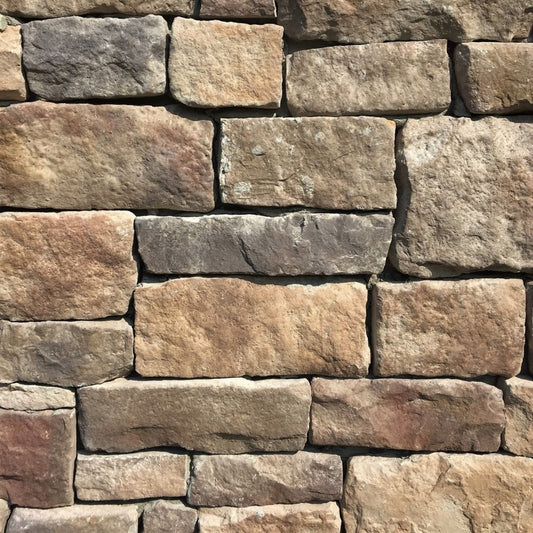
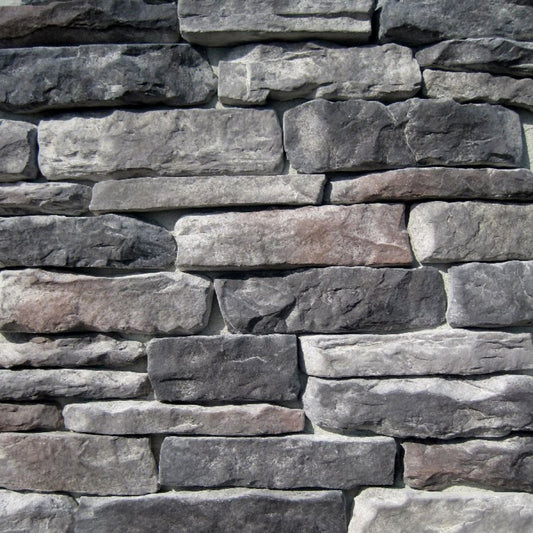
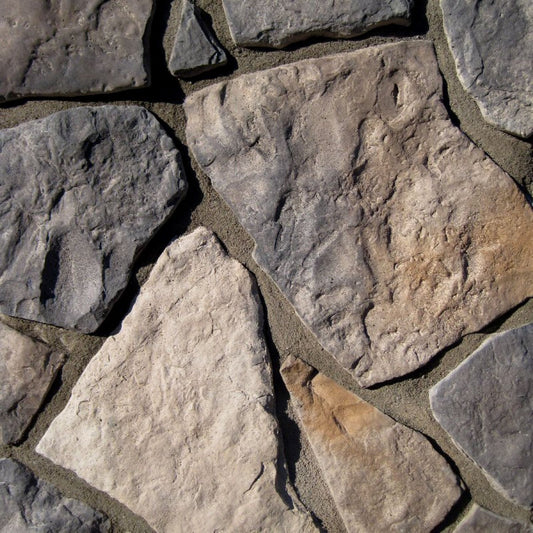
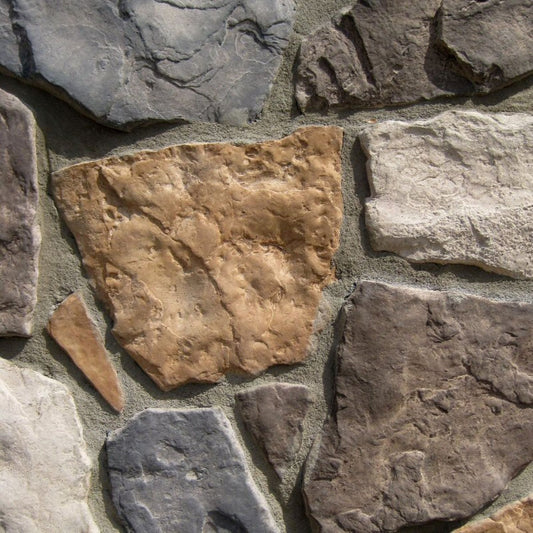
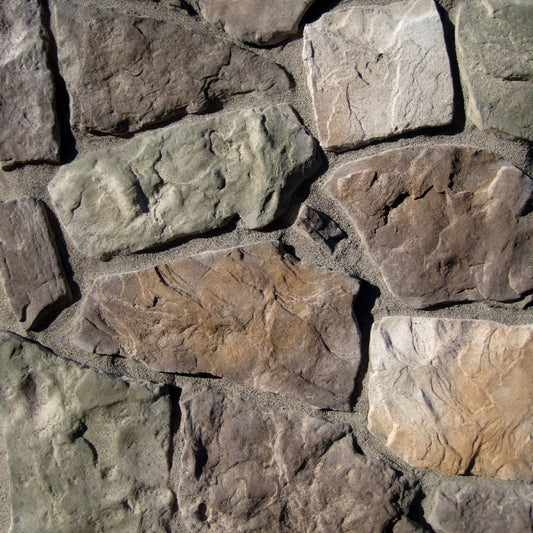
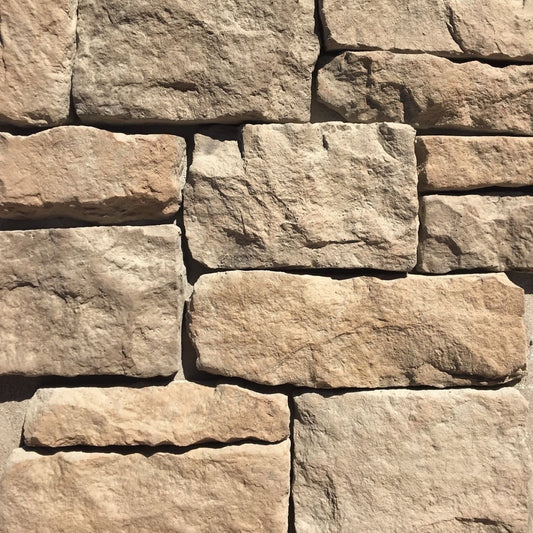
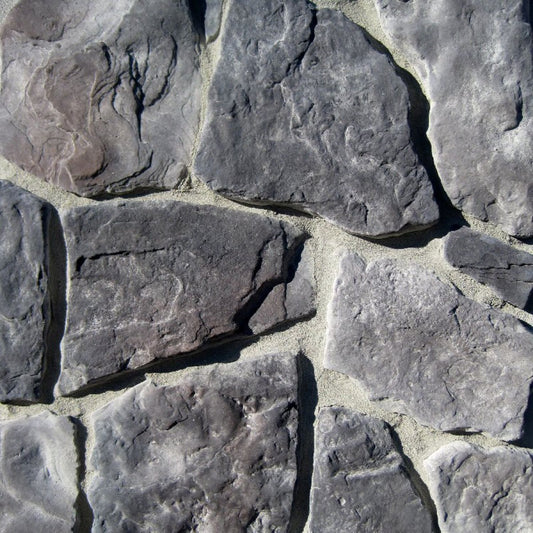
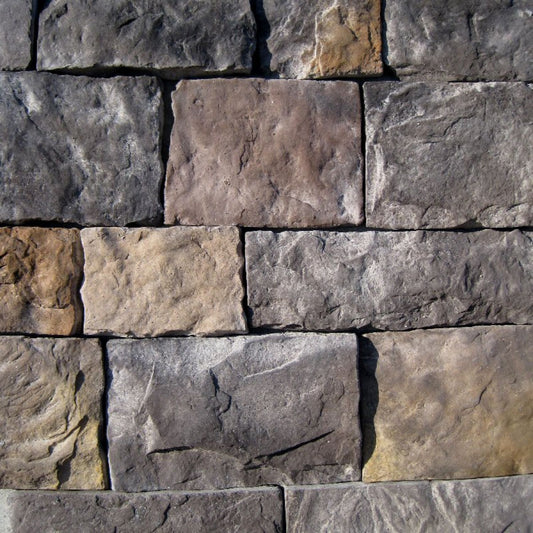
Larger manufactured stone veneer profiles such as fieldstone and castle rock are known for their bold, traditional presence. These styles are inspired by natural stone formations and historic masonry, giving them a timeless, handcrafted appearance that feels substantial and grounded.
Because of their size, larger stones naturally become the focal point of a design. They work especially well in applications where visual impact is a priority, such as grand exterior facades, large fireplaces, and prominent architectural feature walls. Their irregular shapes and varied proportions help create a rugged, organic feel that closely resembles natural quarried stone.
However, this visual strength requires careful consideration. In smaller or more confined spaces, large stone profiles can dominate the design and make the area feel compressed. They are most effective when there is enough surface area to allow the pattern to breathe and develop naturally across the wall.
Larger stone veneer also enhances traditional and rustic architectural styles. Homes with farmhouse, craftsman, or lodge-inspired designs often benefit from the depth and weight that these profiles provide. The result is a strong, grounded aesthetic that feels both enduring and authentic.
The Clean, Refined Look of Smaller Stone Veneer Profiles
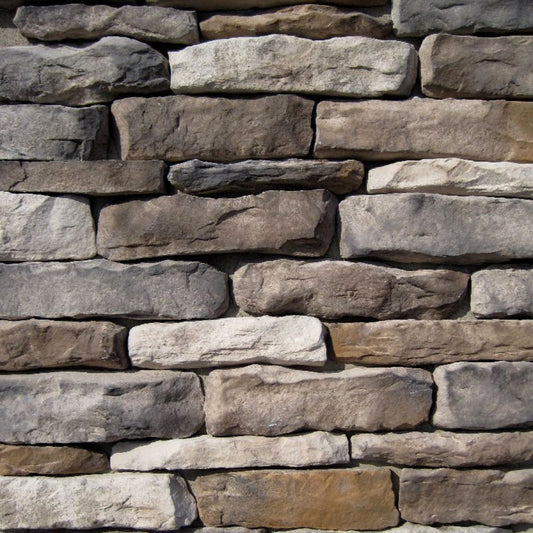
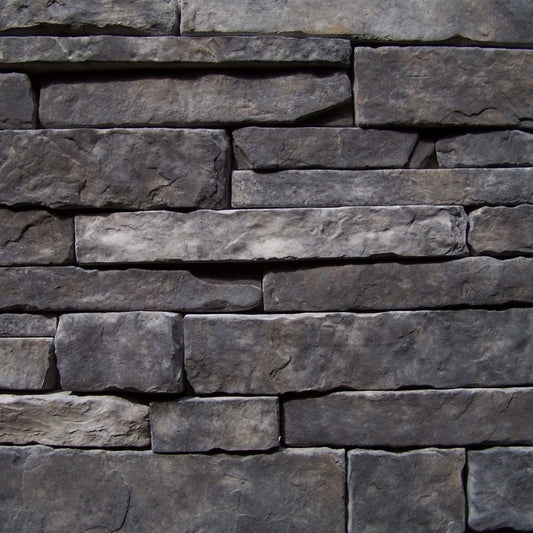
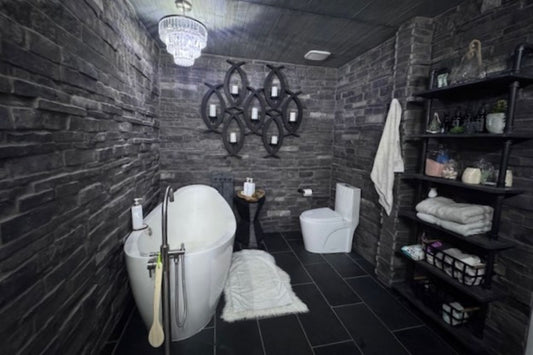
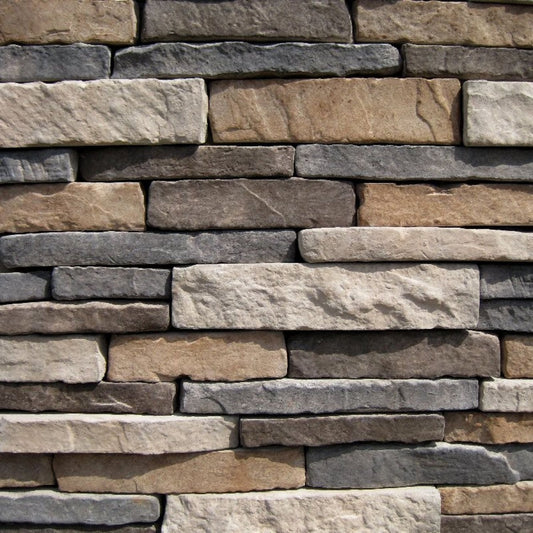
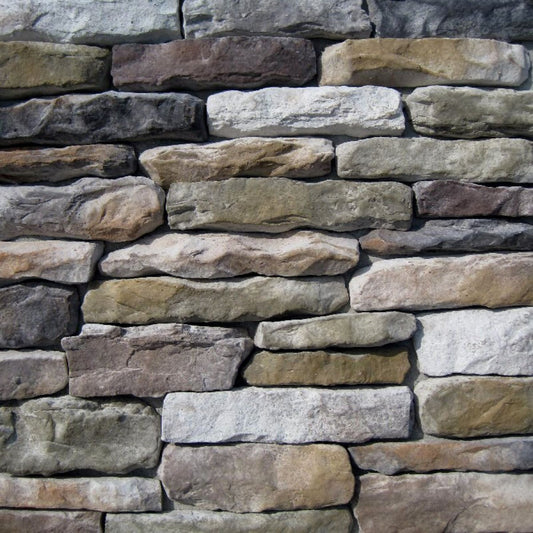
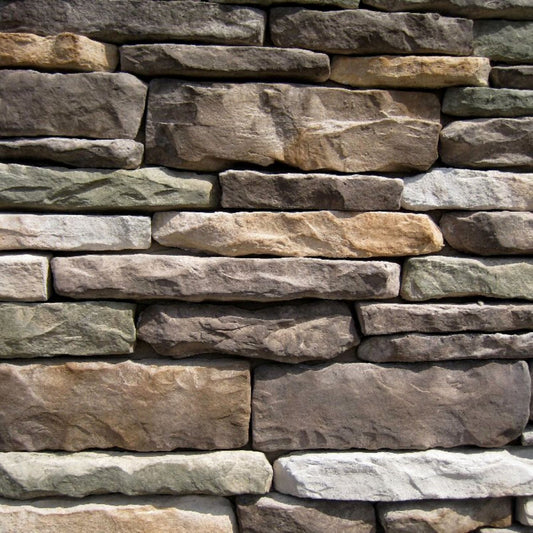
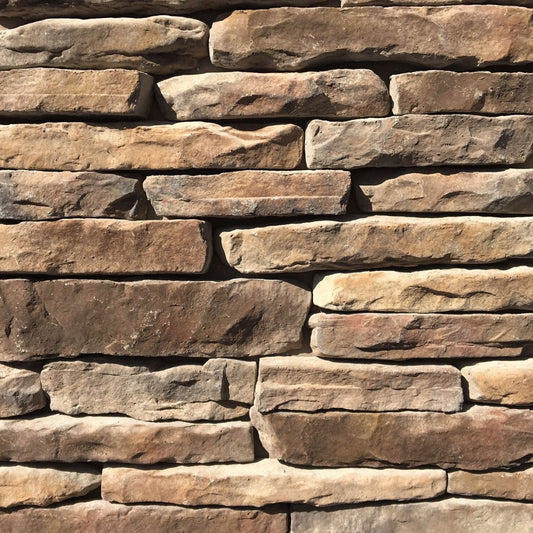
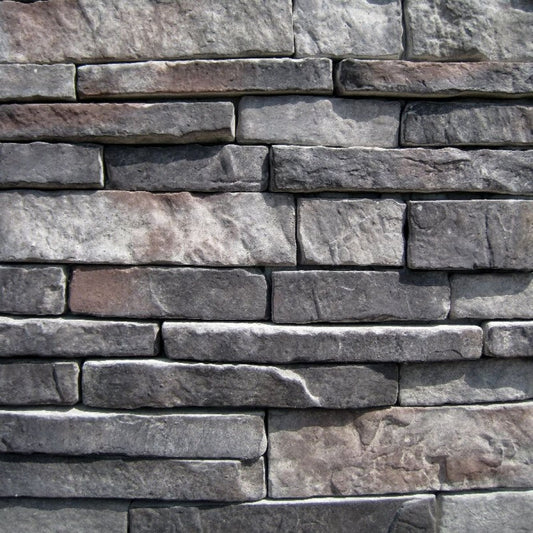
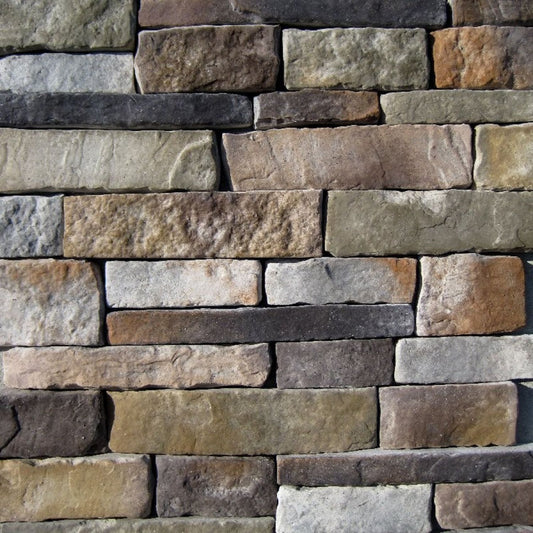
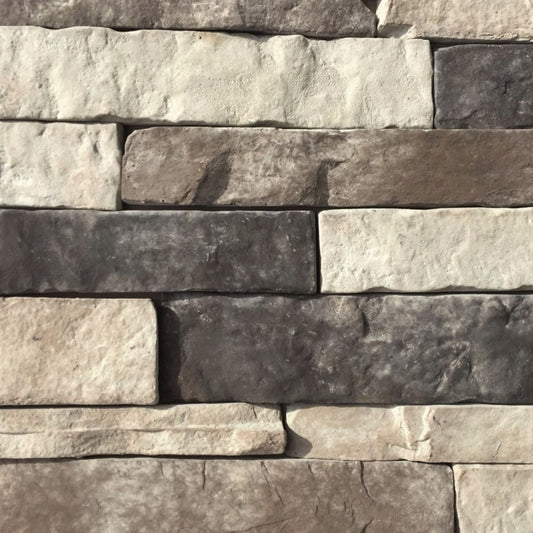
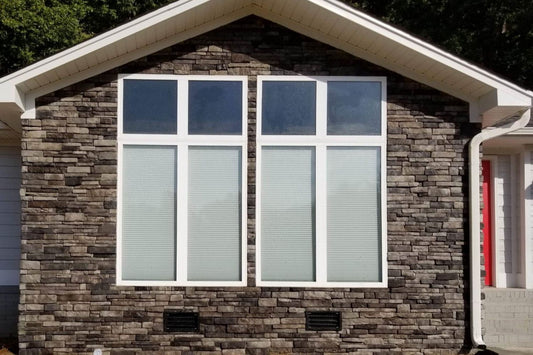
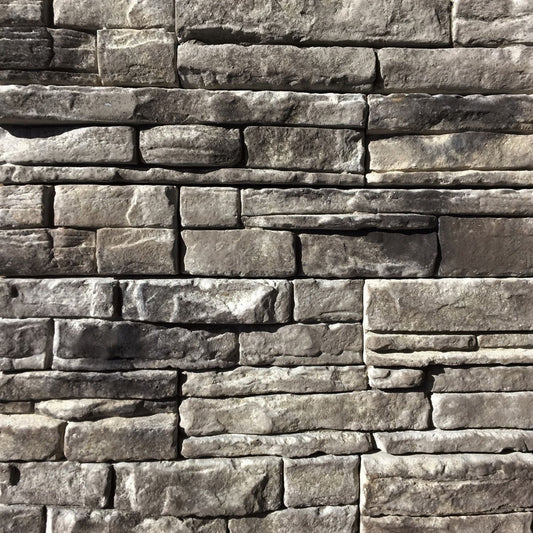
Smaller manufactured stone veneer profiles, including ledgestone and stacked stone, offer a very different design experience. These styles are defined by tighter proportions, more linear arrangements, and a more structured visual rhythm. The result is a surface that feels refined, balanced, and often more contemporary in character.
Because of their smaller scale, these profiles work well in both interior and exterior applications where subtle texture is preferred over bold statement. They are frequently used in modern homes, commercial spaces, and interior feature walls where a clean architectural finish is desired.
Smaller stone veneer also has the advantage of making spaces feel more open. The tighter joints and more uniform layout reduce visual heaviness, allowing walls to appear smoother and more continuous. This makes them particularly effective in smaller rooms, narrow hallways, or spaces where maintaining a sense of openness is important.
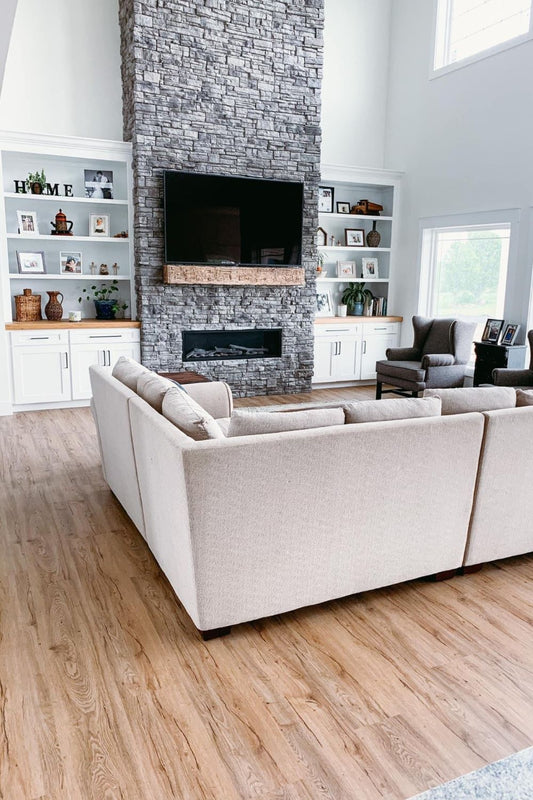
In modern design, stacked stone and ledgestone are often used to complement minimalist architecture. Their structured appearance pairs well with glass, metal, and smooth surface materials, helping to create a balanced contrast between natural texture and contemporary finishes.
Choosing Between Large and Small Stone Veneer
Selecting between larger and smaller stone veneer ultimately depends on how you want the space to feel and function. Larger profiles are ideal when you want to create impact, establish a focal point, or reinforce a sense of tradition and permanence. They are especially effective in large-scale applications where their natural variation can be fully appreciated. For more ideas on choosing stone veneer styles and creating a cohesive look, see our stone veneer inspiration guide.
Smaller profiles, on the other hand, are better suited for spaces where subtlety, refinement, and modern simplicity are the goal. They work well when the design calls for texture without overwhelming visual complexity.
Architectural style also plays a significant role in this decision. Traditional homes often benefit from larger stone profiles that enhance their classic character, while contemporary homes tend to lean toward smaller, more streamlined designs. However, there is no strict rule, and many successful projects blend both approaches depending on the application.
Blending Large and Small Stone Veneer for Balanced Design
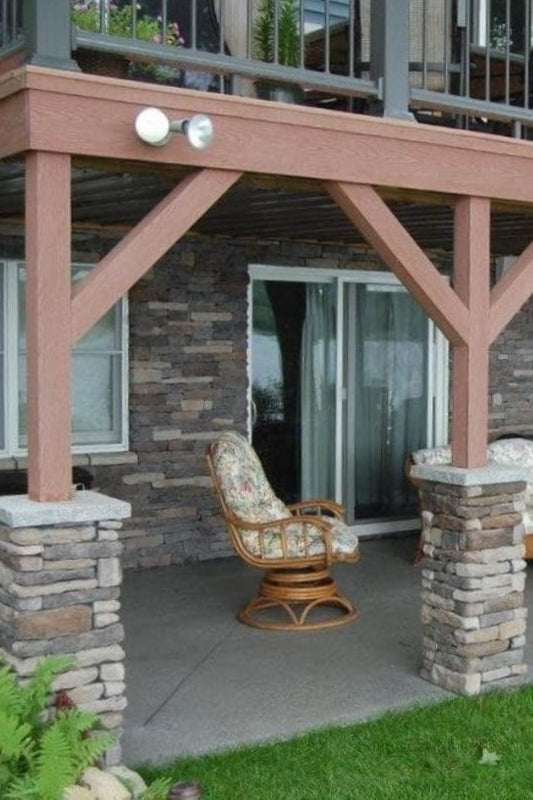
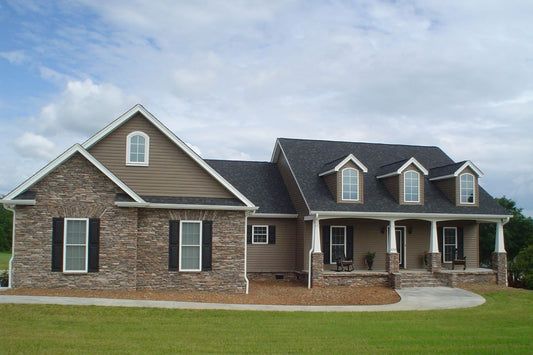
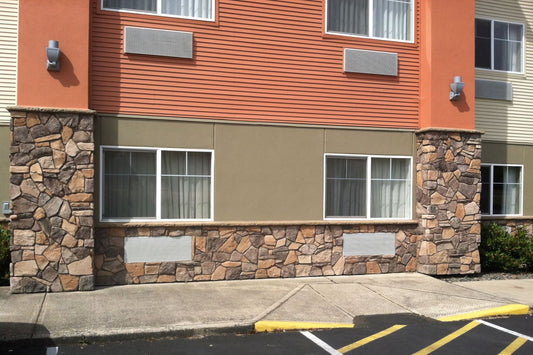
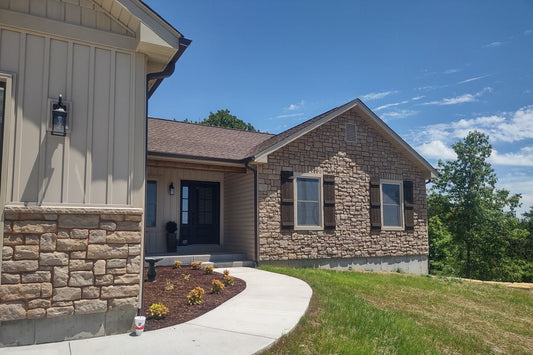
One of the most effective design approaches is combining large and small stone veneer profiles within the same project. This technique allows for greater depth, variation, and visual interest while maintaining a cohesive overall aesthetic.
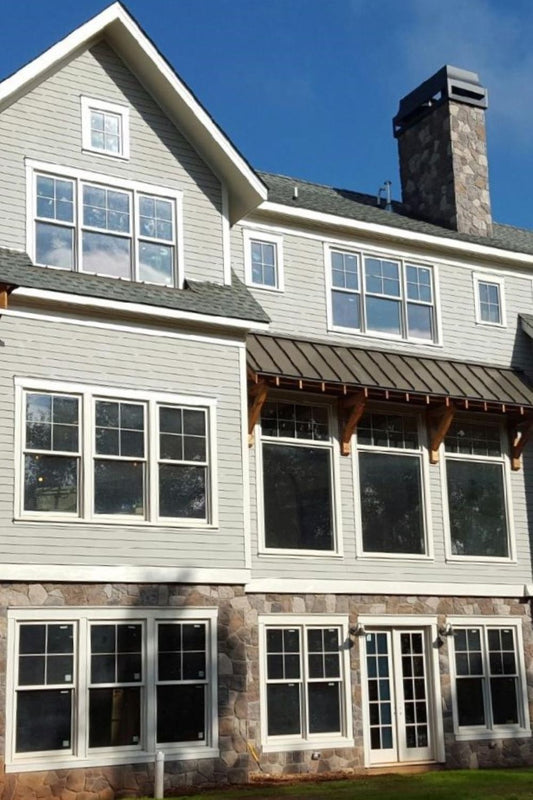
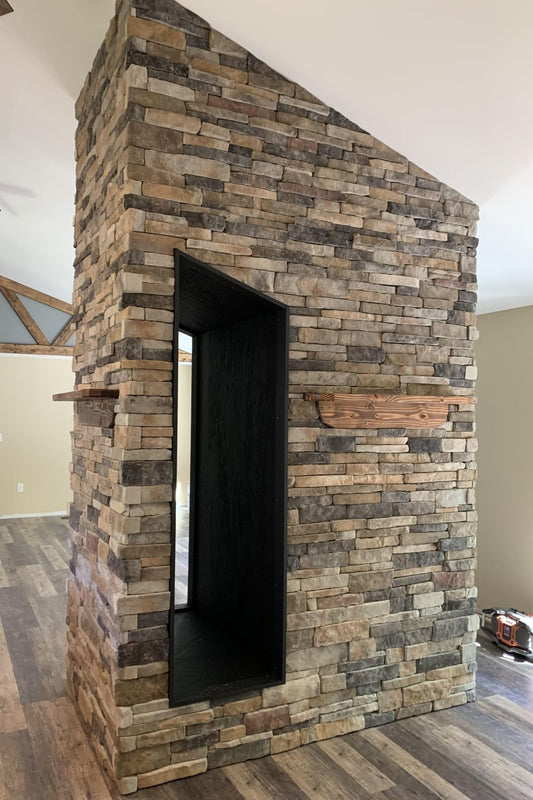
When used thoughtfully, larger stones can establish focal points such as fireplaces, entryways, or exterior accent sections, while smaller profiles can be used in surrounding areas to add texture and continuity. This contrast helps guide the eye through the space, creating a layered and dynamic design.
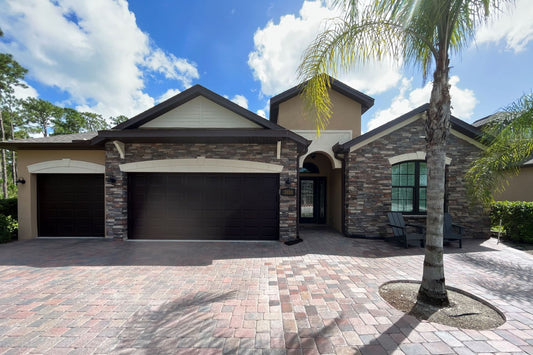
Blending profiles also allows for greater flexibility across different parts of a property. For example, a home might feature larger stone on exterior walls to emphasize strength and presence, while using smaller stone indoors to maintain a lighter, more refined atmosphere. The key is maintaining consistency in colour palette and material tone so the transition between sizes feels natural rather than abrupt.
Successful blending relies on thoughtful installation and design planning. When executed well, it creates a high-end, custom appearance that mimics the natural variation found in real stone formations.
How Stone Veneer Size Impacts Your Design
Manufactured stone veneer is a versatile design material, but its visual impact is heavily influenced by size selection. Larger profiles bring boldness, tradition, and architectural weight, while smaller profiles introduce refinement, modernity, and visual clarity. Understanding how each behaves in different environments allows you to make more intentional design choices that elevate your project.
The best results often come from aligning stone size with both the scale of the space and the desired architectural style. When chosen thoughtfully, stone veneer becomes more than just a surface finish, it becomes a defining design feature that shapes the entire look and feel of a structure.
From Mountain View Stone: What You Should Know
At Mountain View Stone, we often remind customers that stone size is just as important as colour when it comes to achieving the right final look. Larger profiles tend to create bold, traditional statements that work best on bigger surfaces, while smaller profiles bring a cleaner, more modern feel that can help balance tighter spaces or contemporary designs. The key is thinking about scale early in the planning process, because once installed, the size of the stone defines how the entire surface is perceived. Taking time to match the profile to the architecture, lighting, and proportions of your space will always lead to a more cohesive and intentional result.
Frequently Asked Questions About How Stone Veneer Size Impacts Your Design
How does stone veneer size affect the look of a home?
Stone size directly influences visual weight and style. Larger stones create a bold, rustic appearance, while smaller stones deliver a cleaner, more modern finish.
Is large stone veneer better for exterior or interior use?
Large stone veneer is often best suited for exterior facades, large fireplaces, and open spaces where its scale can be fully appreciated without overwhelming the design.
When should I use smaller stone veneer profiles?
Smaller profiles like ledgestone or stacked stone work best in modern interiors, smaller rooms, and areas where a refined, subtle texture is preferred.
Can I mix large and small stone veneer in one project?
Yes, combining both sizes can create a balanced and dynamic design. Larger stones are often used for focal areas while smaller stones add texture and continuity.
Does stone size affect installation difficulty?
Larger stones require more planning and careful placement due to their scale, while smaller stones typically install in more uniform patterns that are easier to manage.
Which stone veneer size is more modern in style?
Smaller stone profiles are generally associated with modern and contemporary design due to their clean lines and structured appearance.
What's Next?
Turn your vision into reality with our premium stone veneer! Shop now to find the perfect style or order a sample to experience the texture and colors up close. Get started today!
Have a Question?
Please see our full terms of service or check out our frequently asked questions.
For general information and questions please call: (864) 882-8960 Mon. - Fri. 8am - 5pm (EST) or email: info@mountainviewstone.net we are more than happy to help you.
Or you can submit your questions via our contact us page.
We look forward to working with you on your upcoming project.
The Mountain View Stone Team
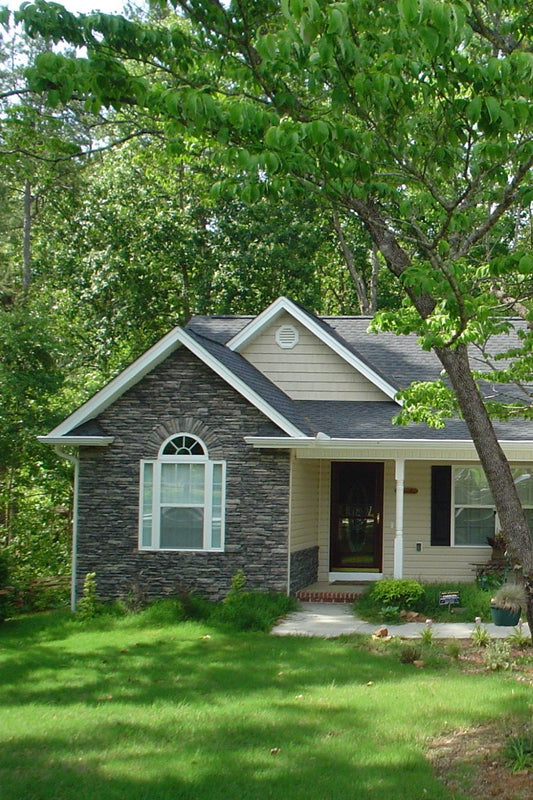
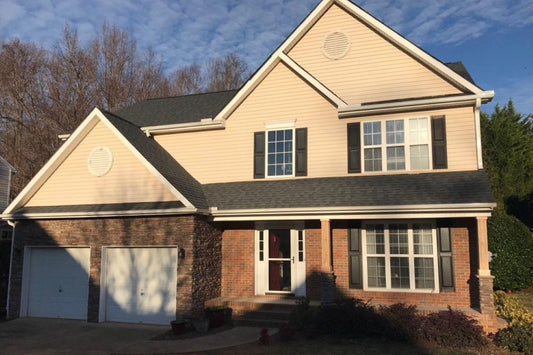
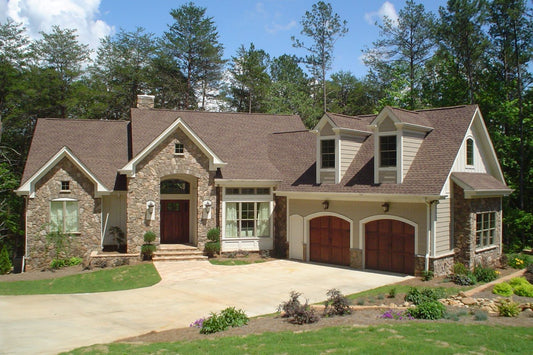
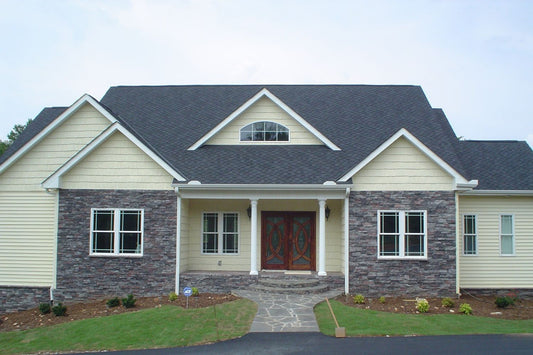
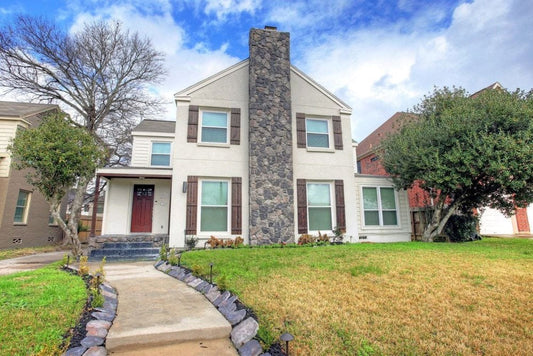
Pictured is field stone mossy creek blended with ledge stone tuscany.