
Manufactured Stone Veneer Profiles Guide: Shapes, Sizes, and Style Comparisons
Share
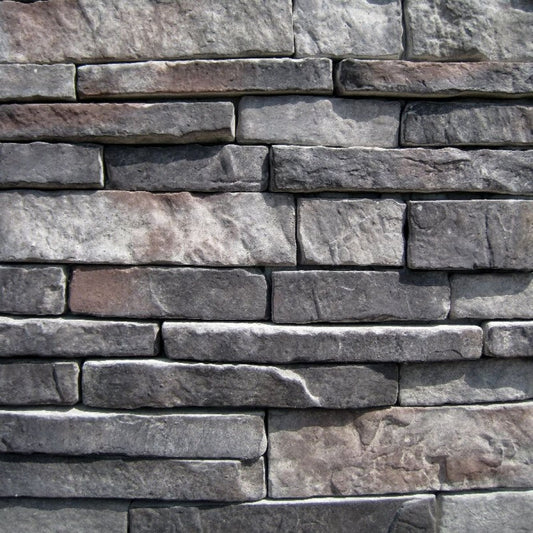
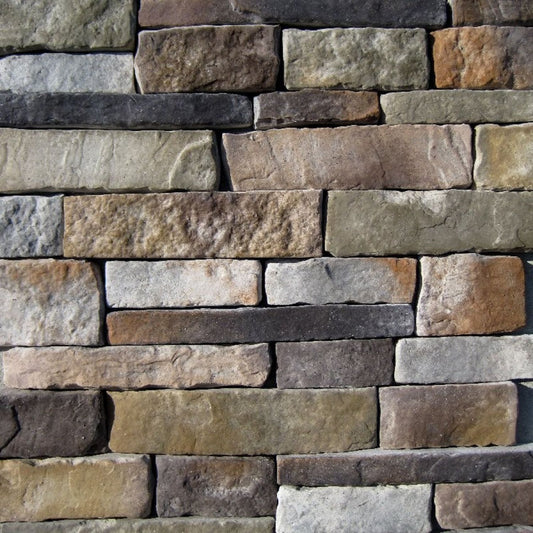
Manufactured stone veneer profiles refer to the shape, size, and arrangement of individual stones or panels, such as ledgestone, fieldstone, limestone, etc. Each profile has distinct characteristics that affect appearance, scale, and installation style. Choosing the right profile depends on the desired design aesthetic, surface area, and whether the installation is interior or exterior.
Manufactured stone veneer profiles define the overall shape, size, and layout of individual stone pieces, and they play the most important role in determining the final look of a finished installation. While color is often the first thing people notice, it is the profile, whether linear, structured, or highly organic, that ultimately sets the tone of the design.
From clean, horizontal stacked stone to highly irregular fieldstone and rounded river rock, each profile creates a distinct architectural style. Some emphasize order and precision, while others focus on natural variation and texture. Between these extremes are structured profiles like limestone and larger-scale options like hackett stone, each offering its own balance of form and visual weight.
Understanding these differences is essential when selecting stone veneer for fireplaces, exterior facades, accent walls, or commercial applications. This guide breaks down the most common manufactured stone veneer profiles, compares their shapes and sizes, and explains how each one influences overall design.
What Are Manufactured Stone Veneer Profiles?
Manufactured stone veneer profiles refer to the overall form and arrangement of the stones, including their shapes, sizes, and how they fit together on a wall surface. Unlike natural stone, which is cut or split directly from quarries, manufactured stone is cast in molds designed to replicate specific stone styles. This allows for a high degree of consistency while still maintaining a natural, textured appearance.
A profile is not just about the individual stones themselves. It also includes how those stones are grouped, how much variation exists between pieces, and how they are intended to be installed. Some profiles are made up of long, narrow stones stacked tightly together, while others feature a mix of large and small pieces arranged in a more random pattern.
Because of this, profiles play a central role in defining the architectural character of a space. A sleek, modern exterior might rely on a linear profile with minimal variation, while a rustic fireplace may use a rough, irregular profile that emphasizes depth and texture. Understanding these differences is key to making informed design decisions.
How Shapes and Sizes Influence Stone Veneer Design
The shapes and sizes of manufactured stone veneer pieces directly impact how a finished installation looks and feels. The shapes and sizes of manufactured stone veneer pieces directly impact how a finished installation looks and feels. Learn more about this in our post on how stone veneer size impacts design. Smaller stones tend to create a busier, more detailed surface, while larger stones produce a calmer, more grounded appearance. Similarly, uniform shapes lend themselves to contemporary designs, whereas irregular shapes evoke a more traditional or natural aesthetic.
Scale is one of the most important considerations when evaluating shapes and sizes. A profile that looks balanced on a large exterior wall may feel overwhelming or crowded on a small interior feature. Conversely, stones that are too small can appear visually noisy on expansive surfaces.
Shape also affects how light interacts with the surface. Profiles with deep textures and irregular edges create more shadow and contrast, adding depth and visual interest. Flatter, more uniform stones reflect light more evenly, resulting in a cleaner and more subdued look.
The relationship between shape and size ultimately determines how the veneer complements other design elements. Flooring, cabinetry, siding, and architectural details all interact with the stone, and choosing the right profile ensures that these elements work together rather than compete.
Combining Manufactured Stone Veneer Profiles and Colors
Manufactured stone veneer does not have to be limited to one profile or color throughout an entire project. Combining different profiles, colors, or both can create a more customized appearance while adding variation, contrast, depth, and visual interest.
Different profiles can be blended throughout the same installation to create a varied but cohesive surface. For example, a more linear profile can be combined with a more irregular profile to introduce contrast in shape and texture. The profiles can be used in relatively equal proportions, or one can remain dominant while the other is used as an accent. The proportion of each profile has a significant effect on the finished appearance.
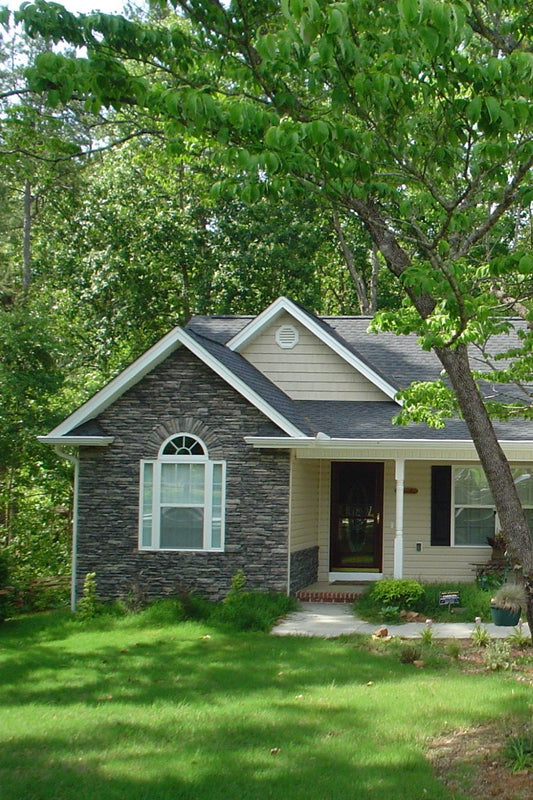
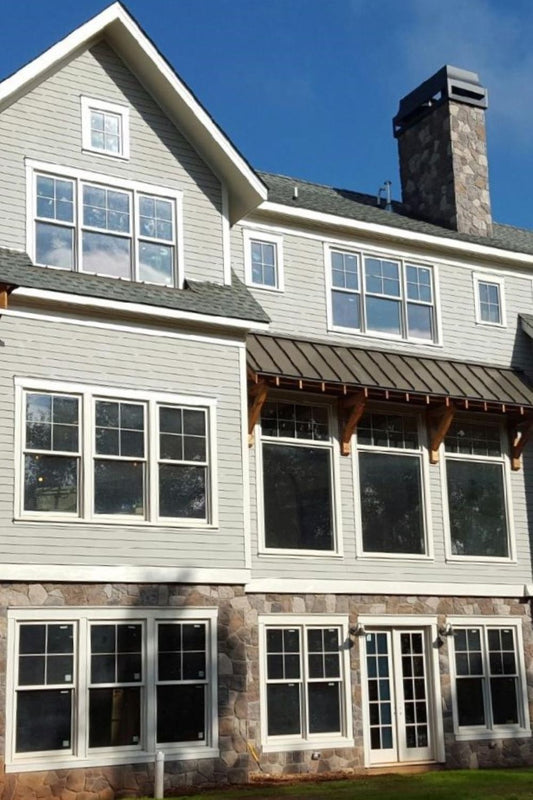
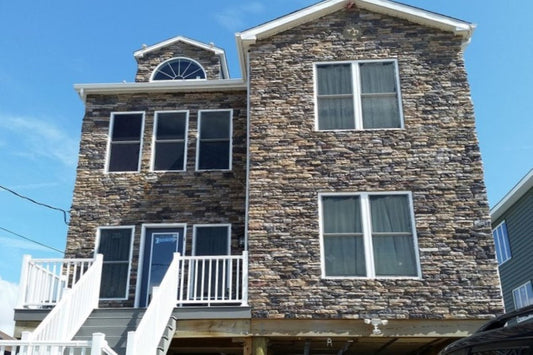
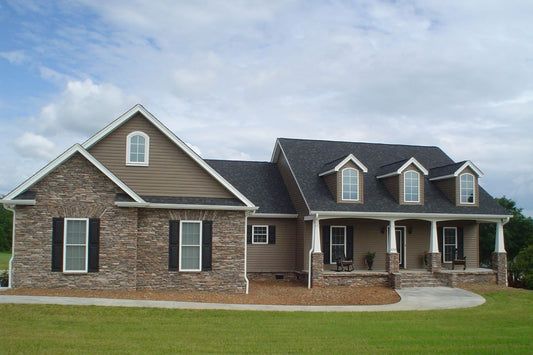
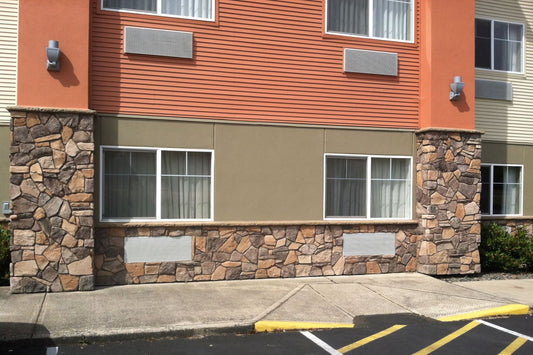
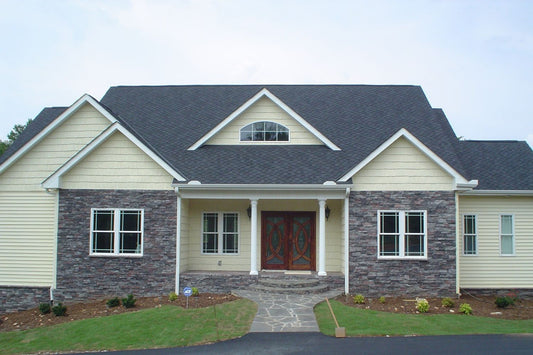
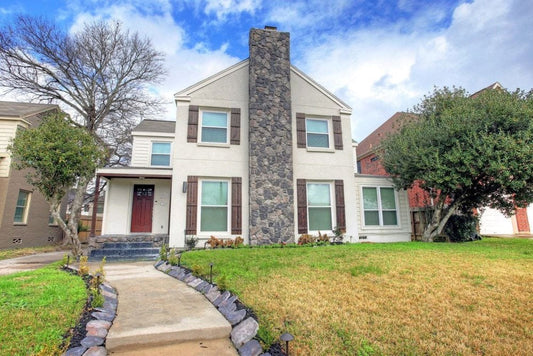
Another approach is to use different profiles in separate areas of the same project. One profile might cover the primary exterior walls while another is used around a fireplace, chimney, entryway, gable, or other architectural feature. This creates visual separation between areas while allowing specific parts of the architecture to stand out.
Colors can be combined in much the same way. Two complementary colors of the same profile can be blended throughout an installation to create subtle variation without changing the overall stone shape and pattern. Alternatively, a lighter color can be used across a primary wall while a darker color emphasizes an architectural feature. Closely related colors tend to create a more subtle transition, while stronger light-and-dark contrasts create more noticeable focal points.
Profiles and colors can also be varied at the same time. A lighter, more linear profile paired with a darker, more irregular profile creates contrast through both color and stone shape. Because there are more visual elements competing for attention, these combinations require greater consideration of scale, texture, proportion, and the surrounding materials.
The goal when combining profiles and colors is not necessarily to make every element match. Instead, the different materials should have enough visual connection to feel intentional and cohesive. Repeating a color, texture, or architectural element in another part of the project can help connect different stone choices and create a unified overall design.
For more ideas and examples of how different profiles and colors can work together, see our post on combining different stone veneer profiles and colors.
Ledgestone: Linear Form With Natural Irregularity
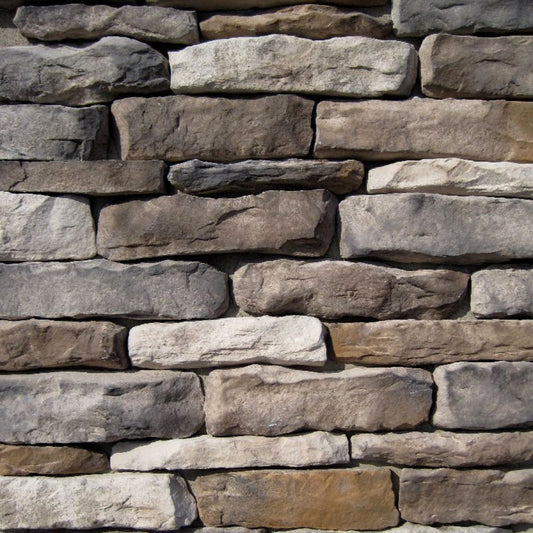
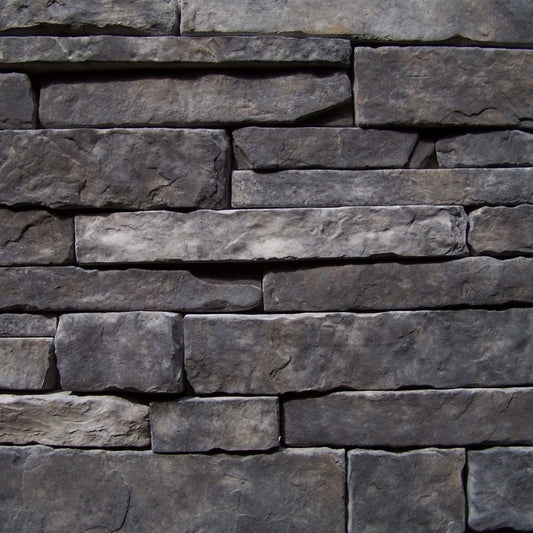
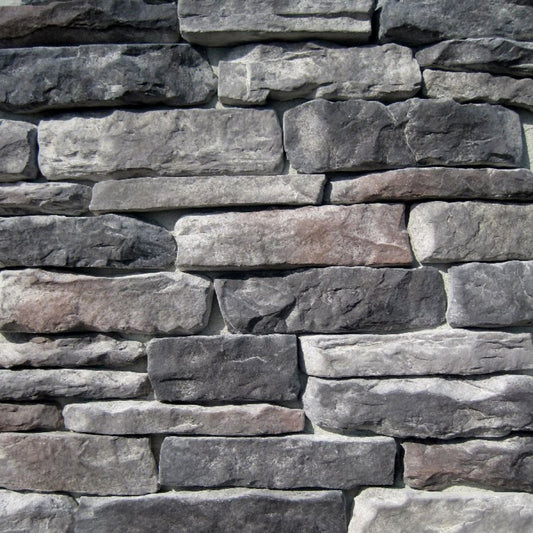
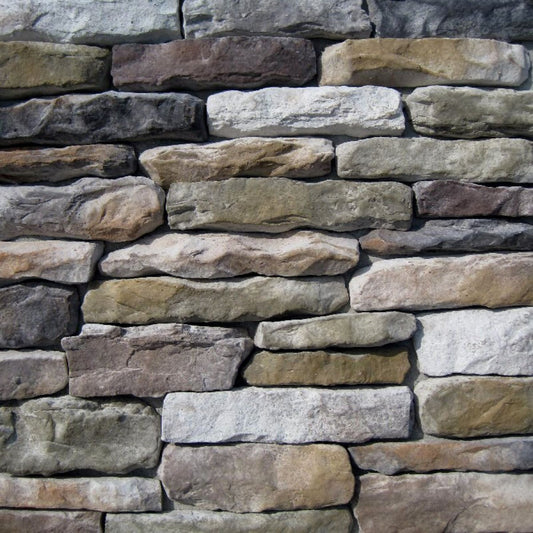
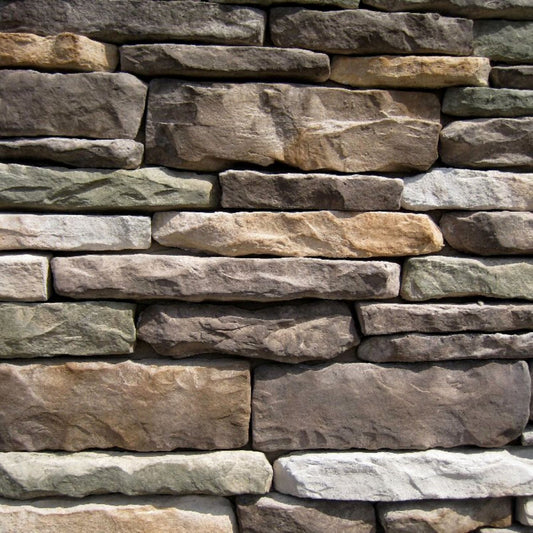
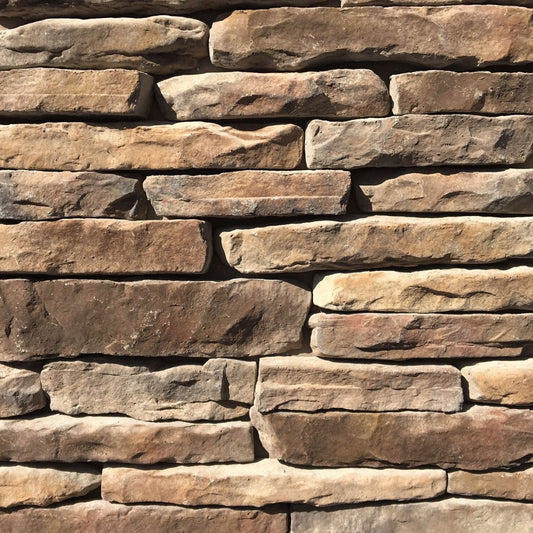
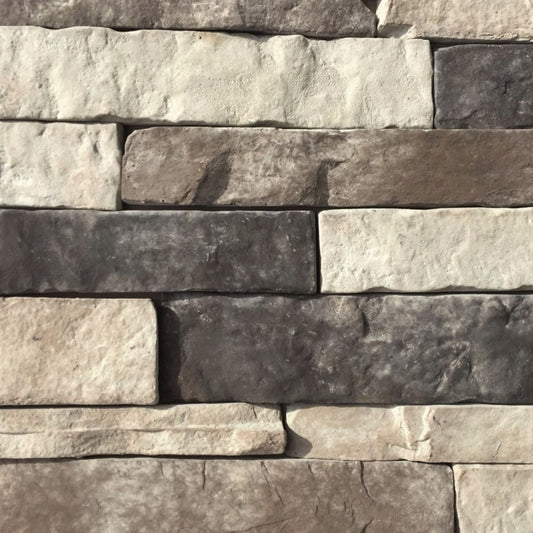
Our post on ledgestone manufactured stone veneer explains how this profile is defined by its generally linear layout combined with noticeable variation in stone height, length, and edge detail. While the pieces follow a horizontal orientation, they are not uniform, and their rough, broken edges create a more natural and textured appearance.
This variation is what gives ledgestone its character. Instead of forming perfectly straight lines, the stones shift subtly in size and alignment, producing depth and shadow that closely replicate natural split stone. The mix of shorter and longer pieces helps avoid repetition and results in a more organic, less structured finish.
Ledgestone can be installed in a dry-stacked format or with light grout joints, depending on the desired aesthetic. It is often used in designs that aim to balance a directional, linear look with a sense of natural randomness, making it a popular choice for fireplaces, accent walls, and exterior facades.
Stacked Stone: Clean Lines and Consistent Horizontal Layering
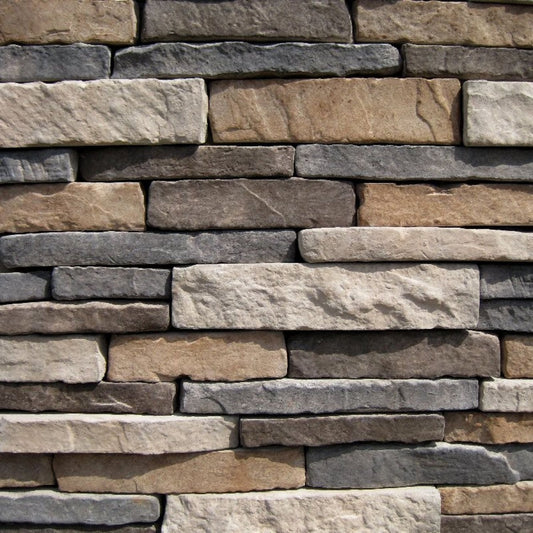
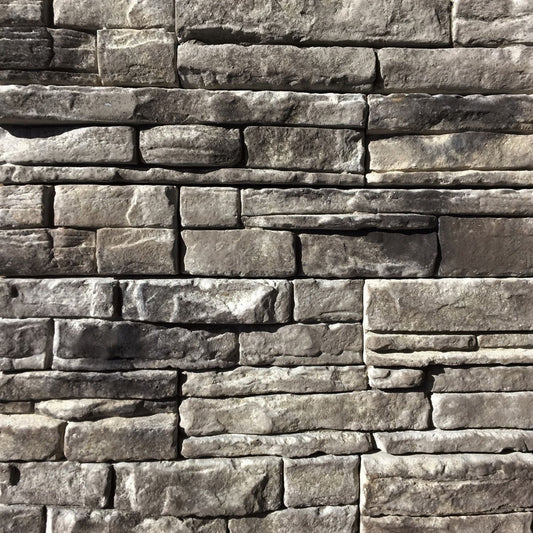
Our post on stacked stone manufactured stone veneer explains how stacked stone veneer is characterized by its tight, horizontal layering and more uniform stone dimensions. Compared to ledgestone, the individual pieces tend to have more consistent heights and cleaner edges, which allows them to fit closely together and create a more continuous surface.
This profile is typically installed in a dry-stacked format with minimal or no visible grout joints. The tight fit between stones emphasizes horizontal lines and produces a clean, streamlined appearance that works well in modern and contemporary designs. Read more in our post on the art of dry stacking.
While stacked stone is sometimes available in panelized systems, it is also commonly produced as individual stones. Regardless of format, the defining feature is its consistent, tightly fitted appearance rather than how it is packaged. Both formats are designed to create the tight, horizontal look associated with stacked stone, but they differ in how the material is supplied, installed, and arranged on the wall. Learn more about the differences in our post to stacked stone vs. ready stack.
Because of its uniformity, stacked stone creates a more controlled and architectural look than ledgestone, making it ideal for feature walls, exterior facades, and spaces where a refined, linear aesthetic is desired.
Stacked Stone vs. Ledgestone: Key Differences
Stacked stone and ledgestone are both linear manufactured stone veneer profiles, but they create noticeably different visual effects. The main difference comes down to uniformity versus variation. Our post on stacked stone vs. ledge stone explains this comparison in more detail.
Stacked stone features more consistent stone heights, tighter tolerances, and cleaner edges. The pieces fit closely together, creating strong horizontal lines and a smooth, continuous appearance. This gives stacked stone a more modern, architectural look that works well in contemporary designs.
Ledgestone, while still linear, is more irregular. The stones vary in height, length, and edge detail, with rougher, more natural edges that break up the lines. This creates more depth, shadow, and texture, resulting in a look that feels more organic and less structured.
Installation also plays a role. Stacked stone is almost always dry-stacked with no visible grout to maintain its clean lines. Ledgestone can be installed the same way or with light grout joints, depending on the desired finish.
In terms of design, stacked stone is best suited for clean, modern spaces where consistency is key. Ledgestone is more versatile and works well in rustic, transitional, or natural-looking designs where variation and texture are preferred.
Fieldstone: Rustic and Traditional Character
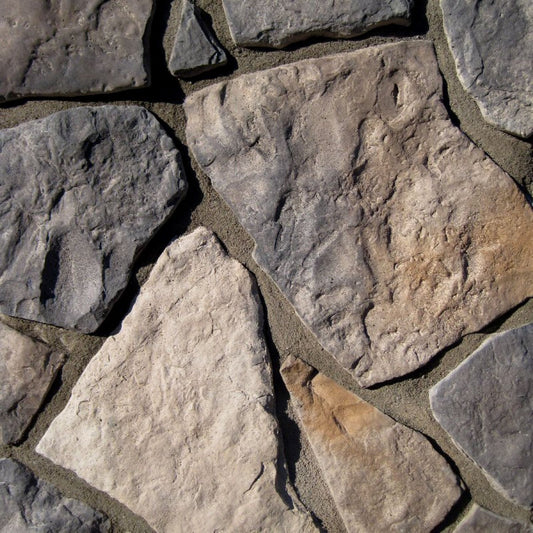
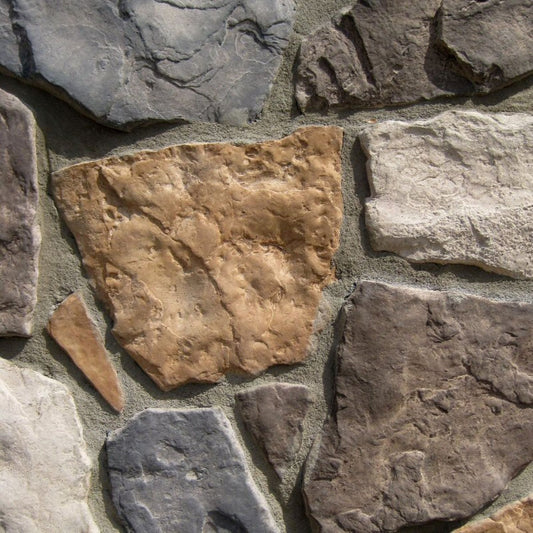
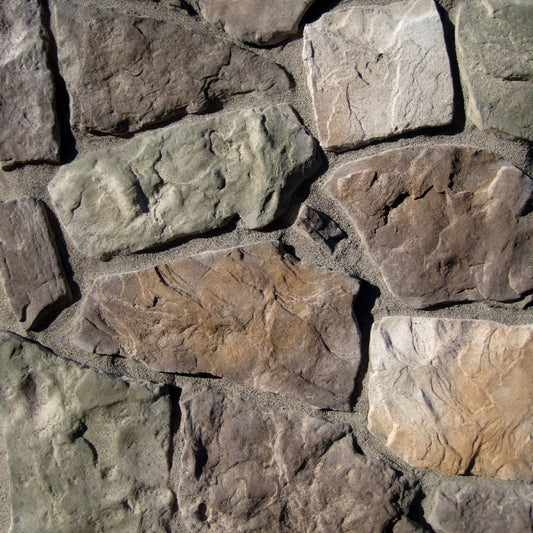
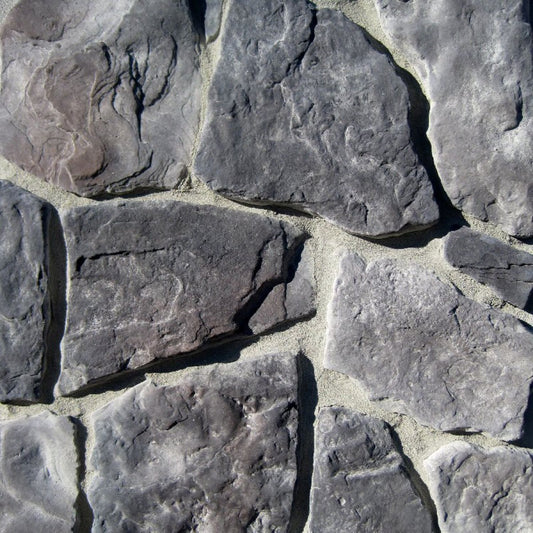
Fieldstone profiles are characterized by their irregular shapes and varied sizes, closely resembling stones found in natural landscapes. This profile often includes a mix of rounded and angular pieces, creating a highly textured and organic appearance. Our post on fieldstone manufactured stone veneer goes into more detail on this profile.
The size variation in fieldstone is one of its defining features. Larger stones are typically combined with smaller filler pieces, resulting in a pattern that feels random and natural. This variation adds depth and visual complexity, making fieldstone an excellent choice for rustic and traditional designs.
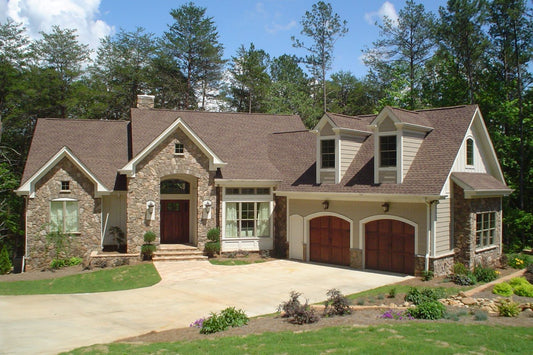
Fieldstone is commonly used in applications where a sense of warmth and authenticity is desired. Fireplaces, cottage-style exteriors, and garden walls benefit from the rugged charm of this profile. The stones are often installed with visible grout joints, which further enhances the traditional look and helps define each individual piece.
Because of its irregularity, fieldstone requires careful planning during installation to achieve a balanced composition. However, the end result is a surface that feels timeless and grounded, with a strong connection to natural stone aesthetics.
Fieldstone vs. Ledgestone: Differences in Shape, Size and Style
Fieldstone and ledgestone are two of the most popular manufactured stone veneer profiles, but they create very different visual effects. The key difference lies in linear structure versus natural randomness. Our post on fieldstone vs. ledgestone explores these differences in more detail.
Fieldstone is much more irregular. It features a mix of rounded and angular stones in a wide range of sizes, creating a pattern that feels organic and unstructured. There is little to no linear alignment, and the variation between stones produces a more rugged, traditional look often associated with rustic or cottage-style designs.
Ledgestone, by contrast, follows a horizontal layout with elongated stones, but still includes variation in height, length, and edge detail. This gives it a structured look with some natural texture, making it a versatile choice for both modern and transitional designs. The lines are visible, but not perfectly uniform, allowing for a balanced appearance.
Because of these differences, the two profiles serve different design goals. Fieldstone is better suited for projects that prioritize natural variation and a more aged, timeless feel, while ledgestone works well when you want directional flow and subtle texture.
Blending fieldstone and ledgestone is a common technique used to achieve a custom look that combines structure with randomness. The fieldstone breaks up the lines and adds depth and variation, while the ledgestone introduces horizontal movement. When done correctly, this creates a more natural transition between architectural elements and avoids the repetition that can occur with a single profile. This combination is especially effective on large surfaces, exterior facades, and feature walls where visual interest is important. The key is maintaining balance so that neither profile overwhelms the other, resulting in a cohesive design that feels both intentional and natural.
Limestone: Rectangular Stone With a Classic Masonry Look
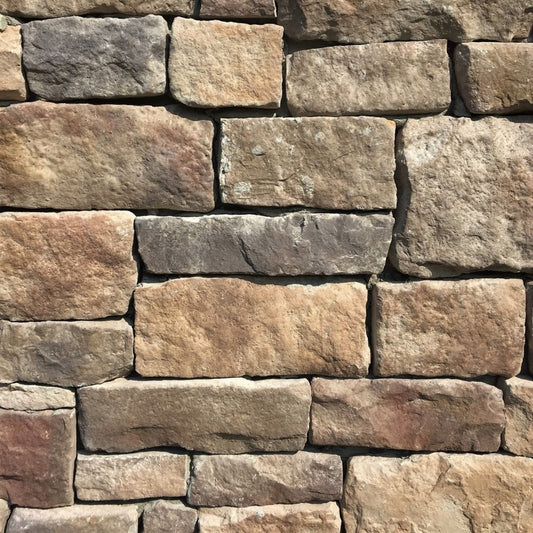
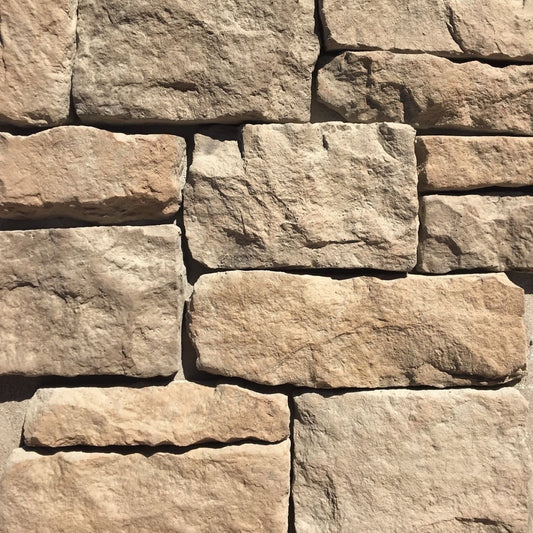
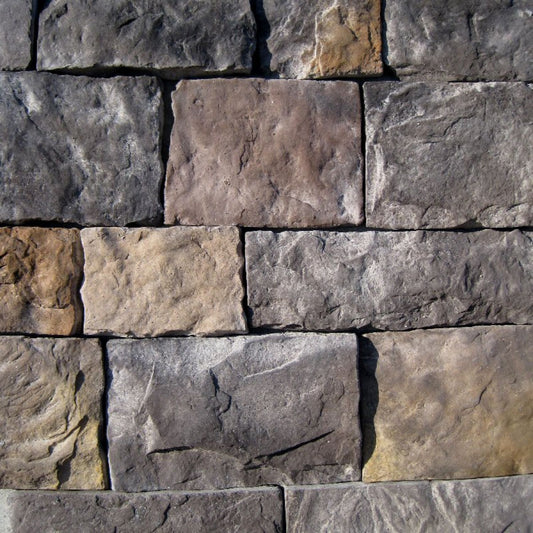
The Limestone profile, also commonly referred to in the industry as ashlar, is defined by its structured arrangement of rectangular stone shapes laid in a coursed, horizontal pattern. This profile emphasizes clean geometry and balanced proportions, creating a more refined and architectural appearance compared to more irregular stone styles.
Limestone features stones that are generally uniform in height with controlled variation in length, allowing the courses to stack in a visually consistent way. This creates a strong sense of order and rhythm across the surface, making it ideal for designs that call for a classic masonry look with a modern manufactured stone application.
Unlike more irregular profiles such as fieldstone or ledgestone, limestone has a more deliberate and structured layout. The edges are typically more defined, and the overall composition feels more engineered, which contributes to its polished and timeless aesthetic.
This profile is commonly used in both interior and exterior applications where a clean, traditional stone appearance is desired. It works particularly well on larger wall surfaces, fireplaces, and architectural features where its repeating horizontal structure can be fully appreciated.
Limestone can be installed with or without grout depending on the desired effect, but it is most often used in tighter, more controlled layouts that highlight its coursed stone pattern. The result is a versatile profile that bridges traditional masonry influence with the convenience and consistency of manufactured stone veneer. To learn more about this style and its benefits, see our limestone manufactured stone veneer post.
Hackett Stone: Large-Format Stone With Rustic Character
Hackett Stone, also commonly referred to as castle rock, is a manufactured stone veneer profile defined by its large, substantial stone units and its ability to create a tight-fitting, cohesive stone surface. While the stones feature natural variation in shape and texture, the profile is designed so the pieces fit together closely, allowing for either a dry-stacked or mortar-jointed installation. For a more detailed breakdown of this profile, see our post on castle rock manufactured stone veneer.
Unlike highly irregular fieldstone profiles, hackett stone maintains a more intentional structure. The stones are larger in scale and designed to interlock visually, creating a strong, continuous masonry appearance. This balance between irregular texture and controlled fit gives the profile a distinctive "old-world" stonework feel while still maintaining order in the overall layout.
Castle rock profiles are often characterized by their bold proportions and deep surface texture, which produce strong shadow lines and a sense of depth across large wall areas. Even though the stones are not linear like ledgestone, they are engineered to work together in a way that avoids excessive gaps or randomness, resulting in a more unified stone field.
Because of this tight-fit design, hackett stone can be installed in two primary ways. A dry-stack application emphasizes the clean, closely fitted edges and creates a more solid, monolithic appearance. Alternatively, a mortar-jointed installation highlights individual stones and enhances the traditional masonry character of the profile.
This flexibility makes hackett stone (castle rock) well suited for both rustic and refined architectural applications, including large exterior facades, statement fireplaces, and feature walls where a bold but controlled stone presence is desired.
Hackett Stone vs. Limestone: Shape vs. Scale
Hackett stone (castle rock) and limestone (often referred to as ashlar) share a similar design language, as both use structured, block-like stone shapes rather than linear or highly irregular profiles. The main difference between them is scale and visual weight. Our post on castle rock vs. limestone explores this comparison in more detail.
Hackett stone uses the same general block-style concept but at a much larger scale. The oversized stone units create a heavier, more dramatic appearance with stronger shadow lines and a more dominant presence on the wall surface.
Limestone features smaller, more refined rectangular stones arranged in consistent horizontal courses. This creates a clean, balanced appearance with a lighter visual rhythm, making it well suited for more detailed or traditional masonry looks.
While hackett stone feels bolder and more substantial, limestone feels more precise and controlled. Hackett stone is better suited for large feature walls, fireplaces, and exterior facades where impact and mass are the priority, while limestone works well for refined architectural detailing.
River Rock: Organic and Natural Flow
River rock profiles are inspired by stones shaped by water over time, resulting in smooth, rounded edges and a softer overall appearance. Unlike more angular profiles, river rock emphasizes curves and irregular contours, creating a gentle, flowing aesthetic.
The sizes of river rock stones can vary significantly, often including larger, more prominent pieces alongside smaller accents. This variation contributes to a natural, unstructured look that works well in outdoor environments and nature-inspired designs.
River rock is frequently used in applications such as garden walls, water features, and accent areas where a relaxed, organic feel is desired. The smooth surfaces reflect light differently than rougher profiles, producing a subtle sheen that enhances the overall texture.
Because of its distinctive shape, river rock tends to stand out more than other profiles. It is best used in spaces where its unique character can be appreciated without competing with other strong design elements. For a deeper look at how this style compares with other options, see our full post on manufactured stone veneer river rock.
Brick Veneer: Classic Brick Look With Modern Lightweight Design
Brick veneer manufactured stone is a type of stone veneer profile designed to replicate the appearance of traditional brick masonry while offering the benefits of lightweight, cement-based construction. Instead of using full clay bricks, this profile uses thin, individually cast units that mimic the size, texture, and layout of real brickwork. Our post on what is brick veneer siding? explains this profile in more detail.
These brick-style veneer profiles are typically made to follow standard brick proportions, with long rectangular shapes and consistent heights that allow them to be installed in traditional running bond or stacked brick patterns. The result is a familiar brick aesthetic with more flexibility in installation and design compared to full-depth masonry.
One of the key advantages of brick veneer manufactured stone is its versatility. It can be used in both interior and exterior applications, including feature walls, fireplaces, entryways, and commercial facades. Because the units are thinner and lighter than traditional brick, they are easier to install and can be applied to a wider range of substrates without requiring full structural brick support.
In terms of appearance, brick veneer manufactured stone offers a wide range of styles, from smooth, modern brick finishes to more weathered, rustic textures that replicate reclaimed or aged brick. Color variation is often built into the units to enhance realism and avoid a flat, uniform look, helping the finished surface resemble authentic brick masonry.
Unlike larger stone profiles such as ledgestone or castle rock, brick veneer focuses on uniformity and repetition. The consistent sizing of each unit creates clean horizontal lines and a predictable layout pattern, which contributes to its timeless and architectural feel. This makes it especially popular in both traditional home designs and modern industrial-style interiors.
Overall, brick veneer manufactured stone combines the classic look of brick with the practicality of veneer systems, offering a durable, lightweight, and design-flexible alternative to traditional masonry brick. For a deeper comparison of how these systems differ in structure, cost, and performance, see our post on brick veneer vs. real brick.
Comparing Profiles: Choosing the Right Look
Comparing manufactured stone veneer profiles comes down to understanding how each option aligns with your design goals. Ledgestone offers a clean, linear look that suits modern spaces, while fieldstone provides a rugged, traditional feel. Ashlar bridges the gap between these styles, and river rock introduces a softer, more natural aesthetic.
The choice of profile should reflect both the architectural style of the space and the scale of the installation. Larger walls can accommodate more variation and texture, while smaller areas benefit from simpler, more uniform patterns. Lighting conditions, surrounding materials, and intended use all play a role in determining which profile will work best.
It is also important to consider how the profile will age over time. Some styles, like fieldstone and river rock, tend to hide wear and weathering more effectively due to their irregular surfaces. Others, like ledgestone, maintain a more consistent appearance but may highlight imperfections if not installed carefully.
Ultimately, selecting a profile is about achieving the right balance between visual impact and cohesion with the overall design.
How Profile Choice Affects Interior and Exterior Applications
Manufactured stone veneer profiles behave differently depending on where they are used, and selecting the right profile is critical for achieving a balanced design. Interior applications tend to focus more on scale, texture, and how the stone interacts with surrounding finishes, while exterior applications must also account for architectural style, proportions, and visual impact from a distance.
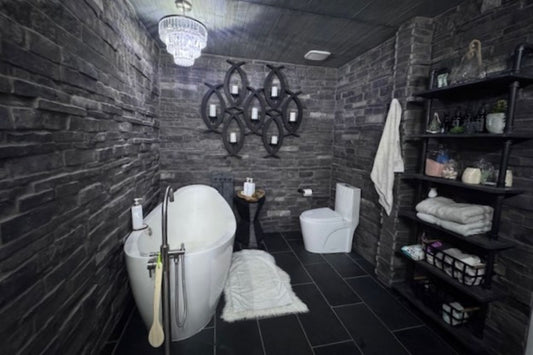
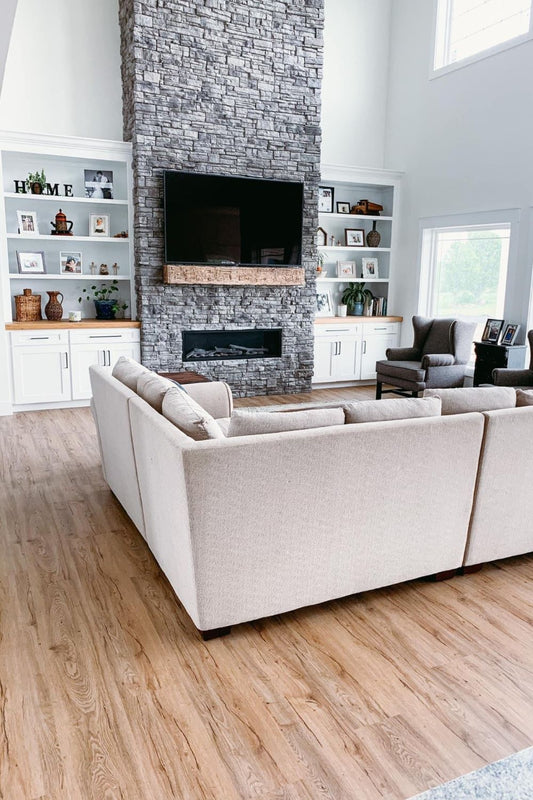
Inside the home, more structured and linear profiles such as stacked stone, ledgestone, and limestone are commonly used for fireplaces, feature walls, and entryway accents. These profiles help define focal points without overwhelming interior spaces. River rock and fieldstone are often used in more rustic or nature-inspired interiors where texture and organic variation are the primary design goals.
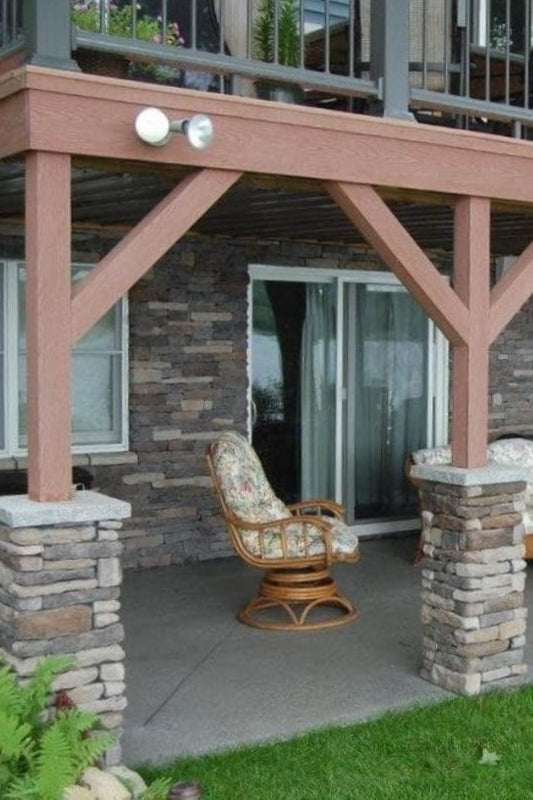
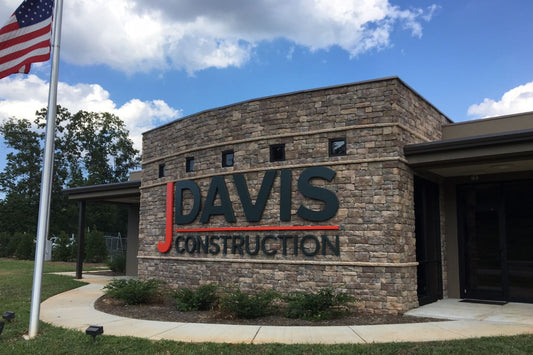
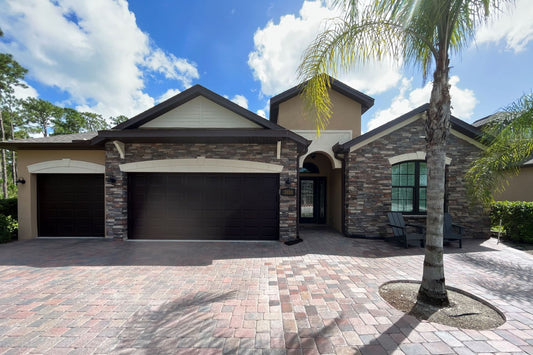
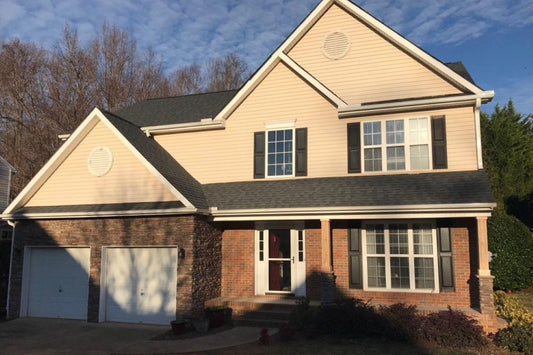
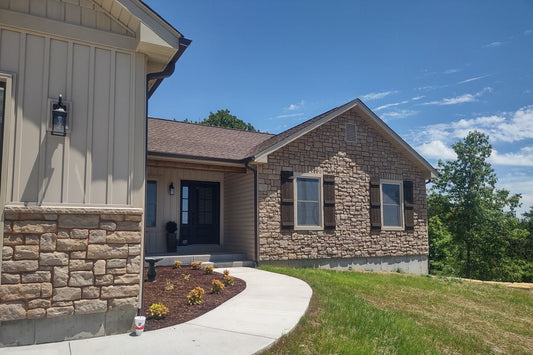
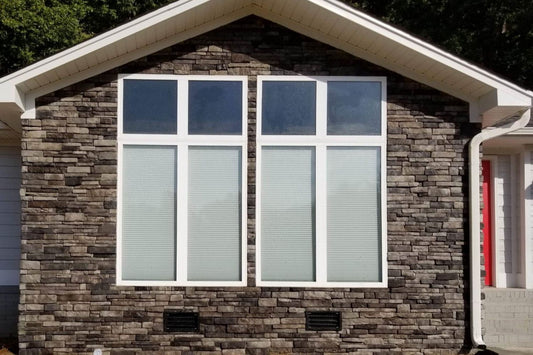
On exterior surfaces, profile selection becomes even more important due to scale and visibility. Larger, bolder profiles such as hackett stone and fieldstone help anchor a structure visually and create strong curb appeal. Limestone and stacked stone are often chosen for more refined architectural styles, while ledgestone provides a versatile middle ground that works across modern and transitional homes. Brick veneer is frequently used for full facades or accent sections where a traditional masonry look is desired.
In both interior and exterior applications, the key is matching the profile’s visual weight and structure to the architectural context of the space.
The Role of Size Variation in Visual Impact
Size variation is one of the most important factors in how manufactured stone veneer profiles are perceived once installed. Profiles with consistent sizing, such as stacked stone and brick veneer, create clean, orderly surfaces with strong horizontal or repeating patterns. These profiles tend to feel more controlled and architectural.
In contrast, profiles like fieldstone and river rock use a wide range of stone sizes and shapes to create a more natural, organic appearance. This variation adds depth and visual complexity, especially on larger surfaces where repetition would otherwise become noticeable. The irregularity helps the surface feel more authentic and less manufactured.
Profiles such as ledgestone and limestone fall between these extremes. Ledgestone introduces variation within a generally linear structure, while limestone maintains more consistency but still allows for subtle differences in course height and length. Hackett stone amplifies size and scale, using larger stone units to create a bold, heavy visual presence.
Understanding how size variation affects light, shadow, and scale helps ensure the chosen profile complements both the architecture and the surrounding design elements.
Stone Veneer Texture: How Surface Detail Impacts Design
Beyond shape and size, texture plays a major role in how manufactured stone veneer profiles look once installed. It affects how light, shadow, and depth are perceived across a surface. Learn more in our post on stone veneer texture.
Smoother textures, such as brick veneer and some limestone finishes, can reflect light more evenly and create a cleaner, more controlled appearance. These are often used in modern and transitional designs where simplicity and refinement are the goal.
More heavily textured profiles like fieldstone, river rock, and hackett stone can produce deeper shadows and stronger contrast, giving surfaces more depth and a more natural, organic feel. This makes them especially effective on larger exterior walls.
Ledgestone and stacked stone sit between these extremes, offering enough surface detail to create shadow lines while still maintaining a more structured, architectural look.
Overall, texture works together with shape and size to define the final visual character of each stone veneer profile.
Manufactured Stone Veneer Panels vs. Individual Stones
Manufactured stone veneer is installed either as individual stones or as panelized systems, and the format directly affects how each profile looks and performs. Most profiles are primarily installed using individual stones, which make up the majority of what is available in the market today. Our post on stone veneer panels or individual stones explains this in more detail.
Individual stones are installed piece by piece, allowing full control over layout, spacing, and variation. This is what gives profiles their natural randomness, depth, and realistic masonry appearance. It is especially important for irregular or highly textured profiles like fieldstone and river rock, as well as larger, heavier systems like hackett stone, which require manual placement.
Panelized manufactured stone veneer is less common and is typically used with more uniform profiles like stacked stone. Panels combine multiple stones into a single unit, which speeds up installation but reduces flexibility in layout. Because the pattern is partially fixed, panel systems tend to show more repetition and less variation compared to individual stone installation.
Overall, individual stones are used for most manufactured stone veneer profiles because they deliver more natural results and greater design control, while panel systems are limited to select, more uniform styles where speed is prioritized over customization.
Manufactured Stone Veneer Profiles Guide
Manufactured stone veneer profiles are defined by more than just shape, they are a combination of structure, scale, and visual rhythm. Each profile serves a specific design purpose, from the clean, modern lines of stacked stone to the organic randomness of river rock. Structured options like limestone and hackett stone offer architectural clarity and visual weight, while ledgestone provides a balanced linear texture. Fieldstone and river rock bring natural variation, and brick veneer delivers a timeless, uniform masonry aesthetic.
Choosing the right profile comes down to understanding how each one influences scale, proportion, and overall style. When selected thoughtfully, manufactured stone veneer can transform both interior and exterior spaces into cohesive, visually striking environments.
From Mountain View Stone: What You Should Know
At Mountain View Stone, we believe the most important thing to understand about manufactured stone veneer profiles is that the final result comes down to how shape, size, and installation format work together, not just color or texture. Whether you’re choosing ledgestone for a clean linear look, fieldstone for natural variation, limestone for structured masonry, hackett stone for bold large-scale impact, river rock for organic softness, stacked stone for tight modern lines, or brick veneer for a classic finish, each profile creates a very different architectural effect when installed. Most importantly, the majority of manufactured stone veneer is installed as individual pieces rather than panels, which allows for greater control, realism, and design flexibility across all profiles.
Frequently Asked Questions About Manufactured Stone Veneer Profiles
What are the main types of manufactured stone veneer profiles?
The main profiles include ledgestone, stacked stone, fieldstone, limestone, hackett stone, brick veneer, and river rock, each offering different shapes and visual styles.
What is the difference between stacked stone and ledgestone?
Stacked stone features more uniform shapes and cleaner lines, while ledgestone is more irregular with varied heights and a more natural linear appearance.
What is limestone stone veneer?
Limestone or ashlar refers to a structured, rectangular stone profile arranged in horizontal courses to create a clean, architectural masonry look.
When should you use river rock stone veneer?
River rock is best used in rustic or natural designs where rounded, organic stone shapes create a softer and more relaxed appearance.
What is hackett stone?
Hackett stone, also called castle rock, is a large-format, tightly fitting stone profile designed for bold, rustic applications with strong visual impact.
Can different stone veneer profiles be mixed?
Yes, profiles can be blended for custom designs, but they should be combined carefully to maintain visual balance and avoid competing textures.
What's Next?
Bring your vision to life with premium manufactured stone veneer. Shop now to find the perfect profile for your project or order a sample to experience the texture and color in person. Start building your space today.
Have a Question?
Please see our full terms of service or check out our frequently asked questions.
For general information and questions please call: (864) 882-8960 Mon. - Fri. 8am - 5pm (EST) or email: info@mountainviewstone.net we are more than happy to help you.
Or you can submit your questions via our contact us page.
We look forward to working with you on your upcoming project.
The Mountain View Stone Team
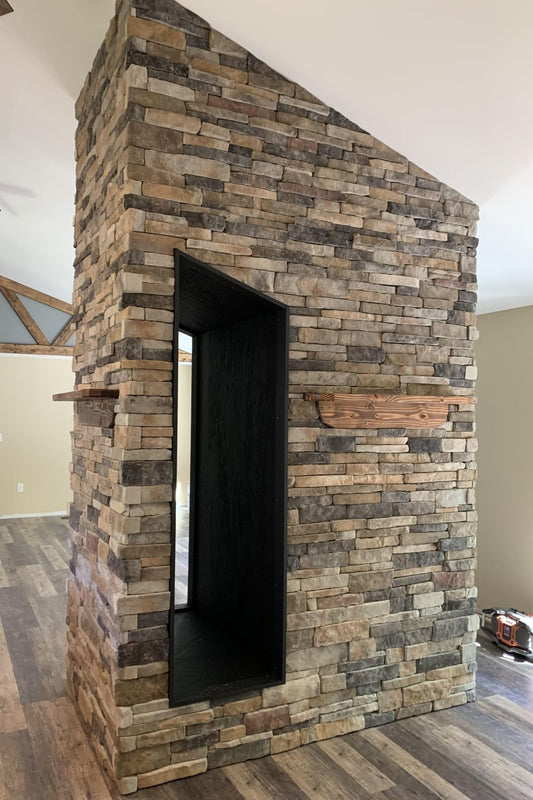
Pictured is lime stone tuscany enhanced with AI.