
Stone Veneer Texture: How Surface Detail Impacts Style, Light, and Design
Share
Originally posted May 5, 2025, updated July 9, 2026.
Manufactured stone veneer texture refers to the surface detail and finish of each stone piece, influencing realism, light and shadow, and overall design style. Common textures include rough-cut, split-face, smooth, and tumbled, each offering a distinct visual character suited to different architectural styles and applications.
Manufactured stone veneer delivers the authentic appearance of natural stone without the added weight, cost, and installation challenges of full-depth masonry. While colour and shape influence the overall design, stone veneer texture plays a key role in creating realistic depth, light variation, and architectural character. For a complete overview of stone veneer texture, dimensions, thickness, weight, coverage, and other important product details, see our stone veneer specifications guide.
In this post, we’ll take a closer look at manufactured stone veneer textures, how they’re made, and how to choose the right one for your project so you can achieve a design that feels natural, intentional, and visually balanced.
Why manufactured stone veneer texture matters
Texture is what gives manufactured stone veneer its depth and realism. Unlike flat building materials, stone is meant to be experienced visually and physically. The surface variation in each piece plays a major role in how convincing the finished installation looks once it’s on the wall.
Manufactured stone veneer is created using molds taken from real stone, meaning every ridge, indentation, and fracture line is captured and replicated in detail. These textural elements are not just decorative, they directly influence how the stone interacts with its environment.
One of the most important effects of texture is how it shapes light and shadow. Deep, rugged surfaces create dramatic contrast throughout the day as natural light shifts, while smoother finishes produce a more subtle and uniform appearance. This interplay can either make a surface feel bold and rustic or calm and refined.
Texture also contributes heavily to perceived authenticity. Even if two stones are the same color, the one with more natural variation and surface depth will almost always appear more realistic. Finally, texture helps define architectural style, ensuring that the stone complements the overall design rather than competing with it.
Rough-cut manufactured stone veneer texture
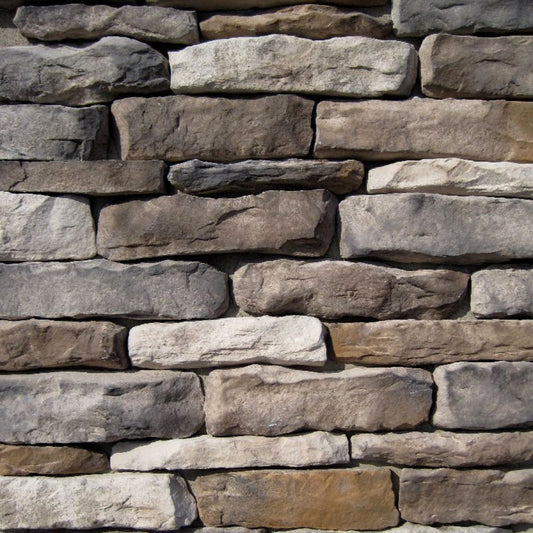
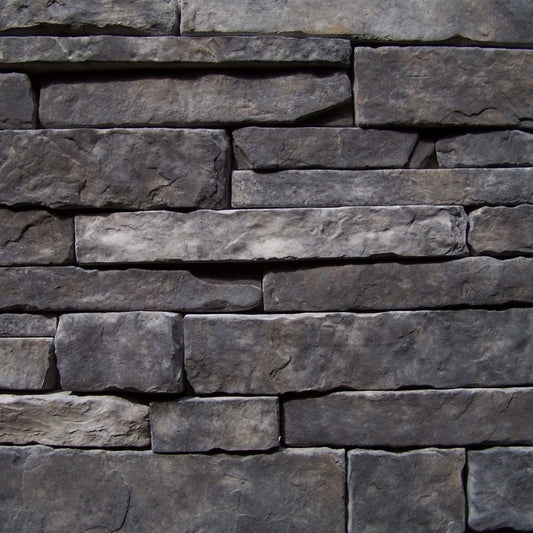
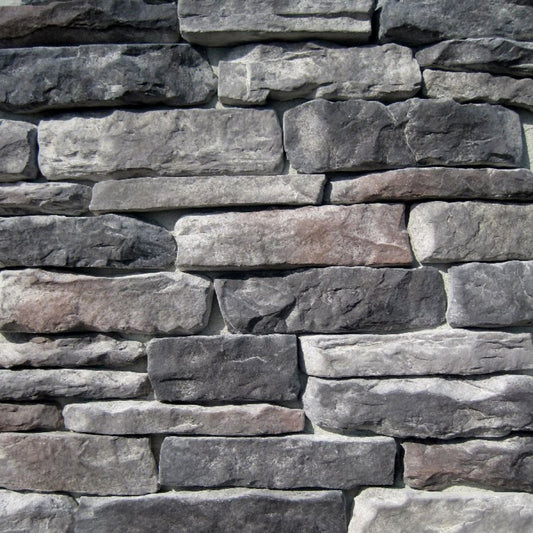
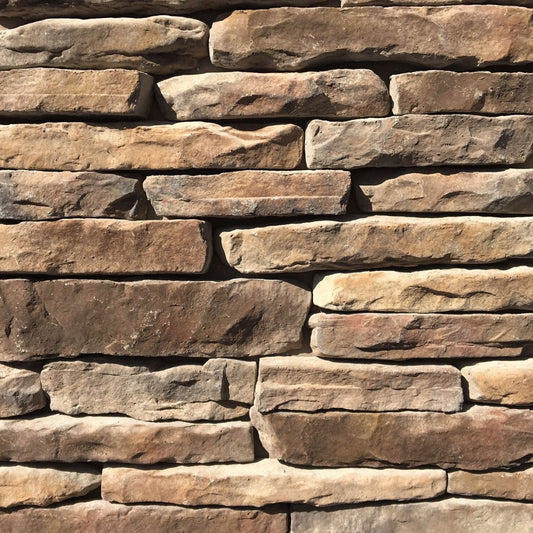
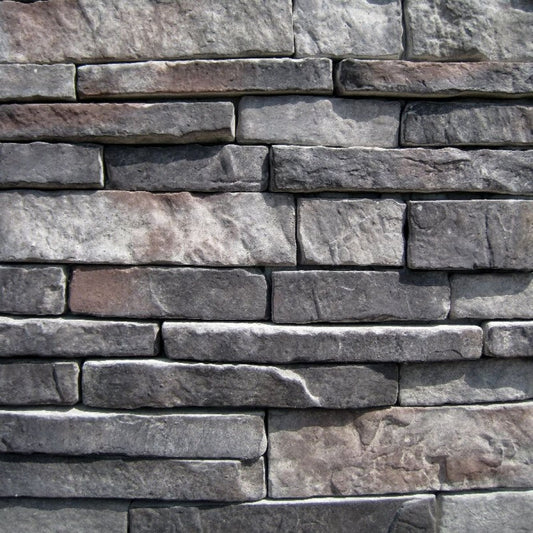
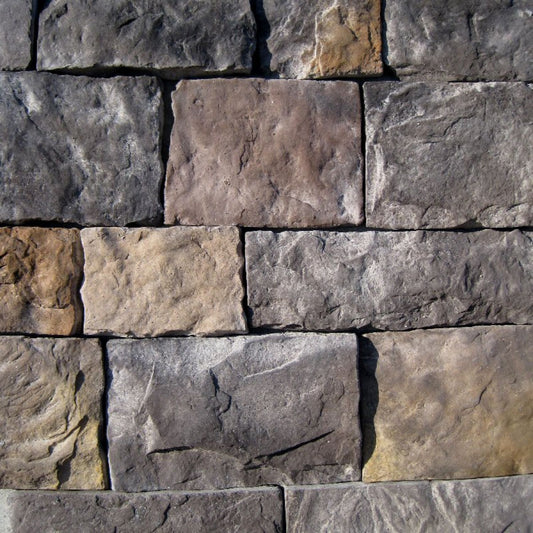
Rough-cut texture is one of the most visually striking options available in manufactured stone veneer. It is designed to replicate the appearance of stone that has been hand-chiseled or minimally processed, resulting in bold, irregular surfaces with strong depth and character.
This type of texture is often used in rustic and traditional architecture, where the goal is to create a sense of permanence and natural ruggedness. It works especially well in applications such as cabins, lodge-style homes, and farmhouse-inspired designs where a strong connection to natural materials is desired.
Because of its deep relief, rough-cut texture produces strong shadow lines that shift throughout the day, giving walls a dynamic, almost sculptural appearance. This makes it an excellent choice for feature walls or areas where you want the stone to become a focal point.
Split-face manufactured stone veneer texture
Split-face texture is designed to mimic stone that has been naturally broken along internal fault lines. The result is a surface that feels angular, raw, and highly dimensional, yet slightly more structured than rough-cut styles.
This texture is commonly used in both traditional and contemporary architecture because it strikes a balance between ruggedness and order. It has enough variation to feel natural, but still maintains a relatively consistent profile that makes it visually versatile.
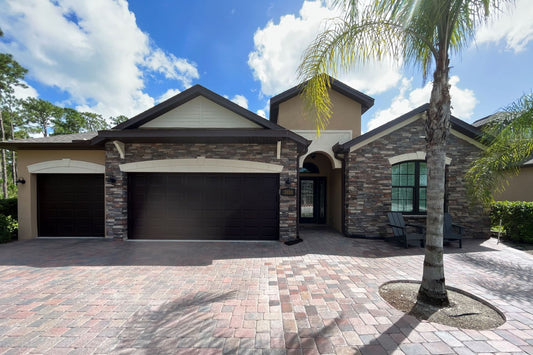
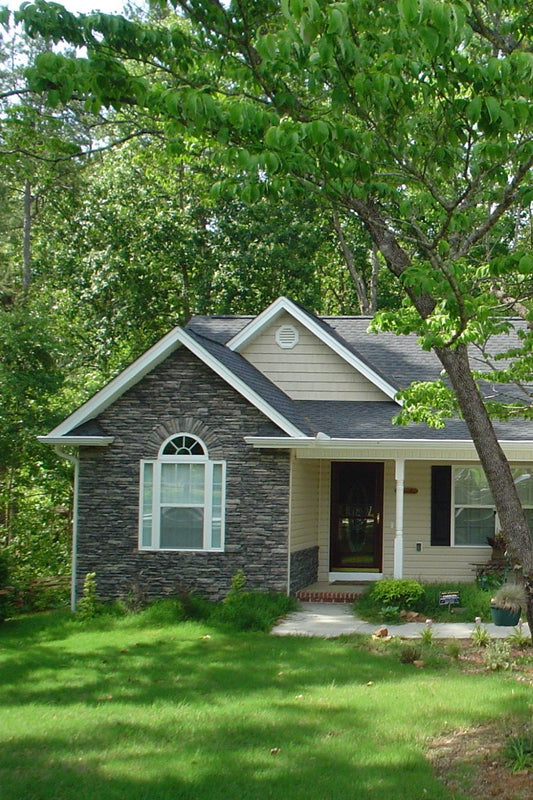
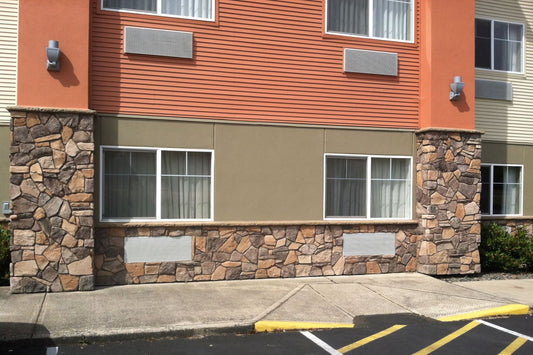
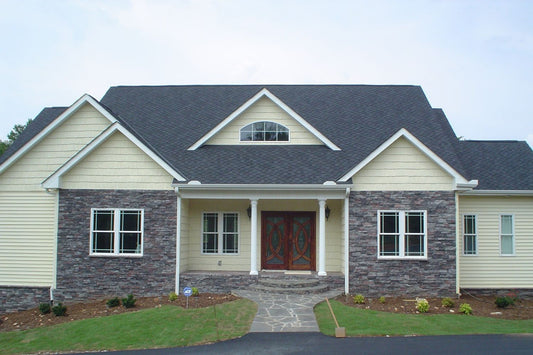
Split-face stone is especially effective on exterior facades, retaining walls, and commercial buildings where durability and visual strength are both important. Its strong lines and depth help create a grounded, architectural presence that holds up well across large surface areas.
Smooth and honed manufactured stone veneer texture
Smooth or honed textures represent a more refined approach to manufactured stone veneer. Instead of emphasizing deep grooves and rugged edges, this finish focuses on subtle surface variation and a more uniform appearance.
This type of texture is often used to replicate cut limestone or polished natural stone, making it ideal for modern, transitional, or minimalist design styles. It pairs well with clean architectural lines, large glass surfaces, and simplified building forms.
Because the surface is less irregular, smooth textures reflect light more evenly, creating a calm and controlled visual effect. This makes them particularly suitable for interior applications such as fireplaces, accent walls, and kitchens where a softer, more polished aesthetic is desired.
Tumbled and weathered manufactured stone veneer texture
Tumbled texture is designed to replicate the natural aging process of stone over time. Edges are softened, surfaces are slightly worn, and the overall appearance feels more relaxed and timeworn compared to freshly cut stone.
This texture is especially popular in classic and European-inspired architecture where a sense of history and character is important. It creates the impression that the stone has been in place for decades, even when newly installed.
Tumbled finishes work well in both interior and exterior applications, particularly where a welcoming, lived-in feel is desired. The softened edges also make this texture visually forgiving, blending naturally with surrounding materials like wood, brick, or stucco.
How to choose the right manufactured stone veneer texture
Selecting the right texture is not just about personal preference; it’s about how the material interacts with your architecture, lighting, and overall design goals.
One of the most important considerations is architectural style. Traditional homes often benefit from rougher, more irregular textures, while modern spaces typically pair better with smoother or more structured finishes. The goal is to ensure the stone feels like a natural extension of the building rather than an added layer.
Lighting is another key factor. Deep textures perform best in environments where light can move across the surface and highlight variation. In darker or low-light areas, smoother textures may be more effective because they do not rely as heavily on shadow to define their appearance.
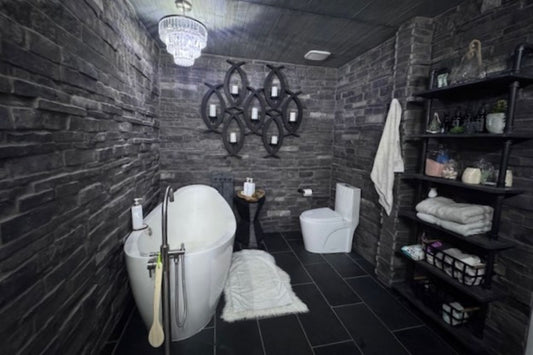
Maintenance should also be considered, especially for interior applications. Smoother textures are generally easier to clean because they do not trap dust or debris in deep grooves. This makes them ideal for kitchens, bathrooms, and high-traffic areas.
Whenever possible, viewing physical samples is highly recommended. Texture can look significantly different in person than it does in photos, and feeling the surface helps you better understand how it will behave in your specific environment.
How texture works with different stone profiles
Texture and stone profile work together to shape the overall appearance of manufactured stone veneer. Texture refers to the surface detail of each piece, while the profile defines the size, shape, and how the stones fit together on the wall. For a deeper breakdown of profile styles and how they influence design, see our manufactured stone veneer profiles guide. Considering both at the same time is key to achieving a cohesive and intentional design.
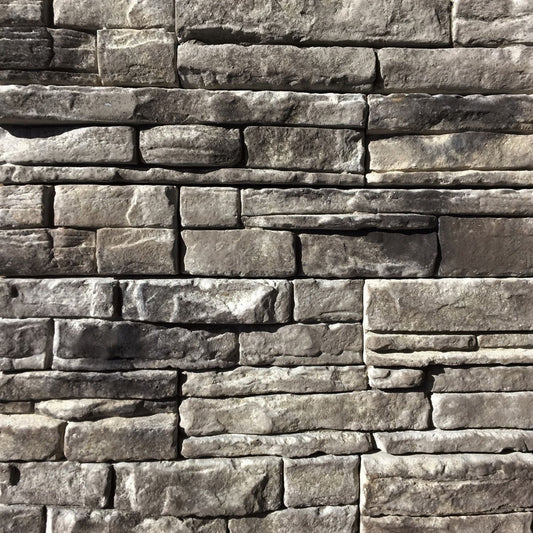
Larger and more irregular stone profiles tend to emphasize texture more strongly, especially when paired with rough-cut or heavily weathered finishes. This combination creates deep shadows and a bold, natural look that works well in rustic or traditional settings. Smaller or more modular profiles, on the other hand, distribute texture more evenly across the surface, resulting in a balanced appearance that suits a wide range of applications.
Smoother textures are typically best matched with more uniform profiles, helping create clean lines and a refined, modern aesthetic. In contrast, irregular profiles benefit from deeper, more varied textures, which enhance their organic feel and make the installation look more like natural stone. By choosing a texture and profile that complement each other, you can ensure the finished result feels visually consistent and aligned with your overall design vision.
How texture impacts overall design
Texture plays a critical role in how manufactured stone veneer integrates with other materials in a design. It can either act as a dominant visual feature or as a subtle supporting element depending on the finish chosen.
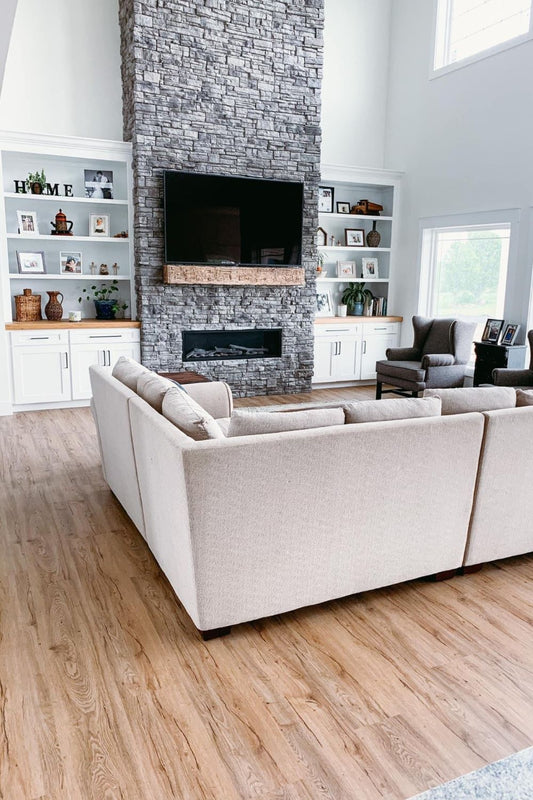
In bold, high-contrast designs, heavily textured stone can serve as the centerpiece of a space, drawing attention and anchoring the overall aesthetic. In more minimal designs, smoother textures help maintain balance and prevent visual overload.
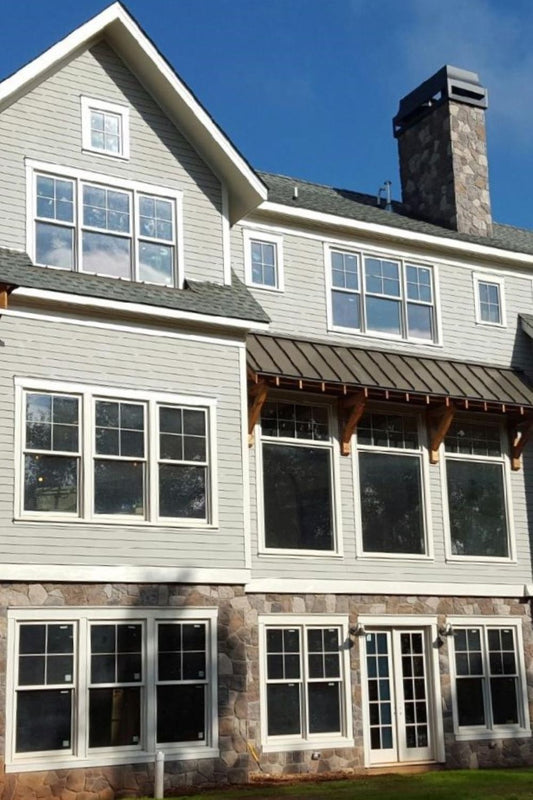
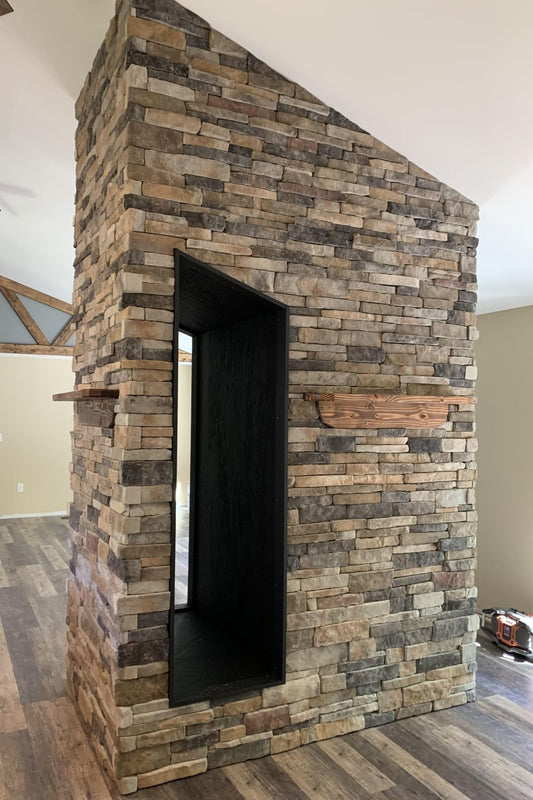
When paired with materials like wood, metal, or glass, texture helps create contrast and depth, ensuring that the design feels layered rather than flat. This interplay is one of the reasons manufactured stone veneer is so widely used in both residential and commercial architecture.
Stone veneer texture
Manufactured stone veneer texture is one of the most important design decisions you can make when planning a stone installation. It affects everything from realism and light behavior to architectural harmony and long-term visual impact.
By understanding the differences between rough-cut, split-face, smooth, and tumbled textures, you can choose a finish that enhances your project rather than simply covering a surface. The right texture brings depth, character, and authenticity to your space, whether it’s a modern home, rustic cabin, or commercial building.
If you’re unsure which texture best suits your project, reviewing samples and considering your architectural style will help guide the decision toward a result that feels both intentional and timeless.
From Mountain View Stone: what you should know
At Mountain View Stone, every piece of manufactured stone veneer we produce is made to order, which allows us to maintain strict quality control and deliver consistent, high-definition textures across every batch. Because texture plays such a critical role in the final appearance, we design our molds to capture the fine details found in natural stone, ensuring depth, realism, and long-term visual performance. It’s also important to understand that texture can appear different depending on lighting conditions, installation style, and grout choices, which is why we always recommend reviewing physical samples before making a final decision. By taking the time to evaluate texture up close, you can be confident that the finished installation will match your vision and perform exactly as expected.
Frequently asked questions
1. What is manufactured stone veneer texture? Manufactured stone veneer texture refers to the surface detail of each stone piece, including grooves, edges, and relief patterns that influence realism, light reflection, and overall appearance.
2. Which stone veneer texture looks most like natural stone? Textures with deep variation such as rough-cut and split-face tend to look the most like natural stone because they replicate irregularities found in quarried materials.
3. Is smoother stone veneer easier to maintain? Yes, smoother textures are generally easier to clean and maintain because they do not trap dust and debris in deep surface grooves.
4. Can I mix different stone veneer textures in one project? Yes, mixing textures can create visual interest, but it should be done carefully to ensure the design remains cohesive and balanced.
5. What texture is best for modern homes? Smooth or honed textures are typically best suited for modern and contemporary architectural styles.
What's next?
Bring your vision to life with our high-quality stone veneer! Shop now to browse our styles or order a sample to feel the texture and see the colors up close. Let’s get your project started!
Have a question?
Please see our full terms of service or check out our frequently asked questions.
For general information and questions please call: (864) 882-8960 Mon. - Fri. 8am - 5pm (EST) or email: info@mountainviewstone.net we are more than happy to help you.
Or you can submit your questions via our contact us page.
We look forward to working with you on your upcoming project.
The Mountain View Stone Team
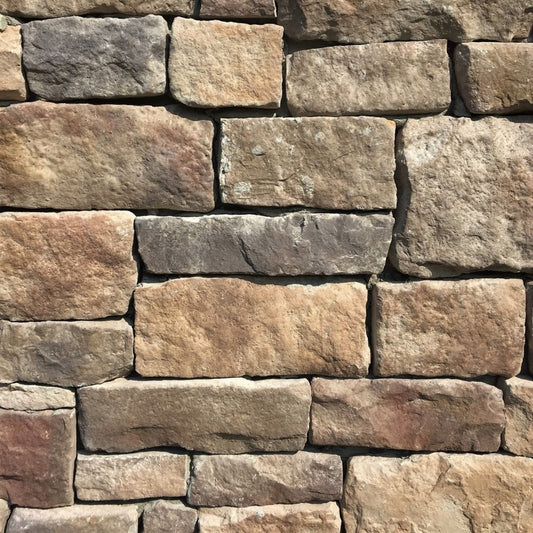
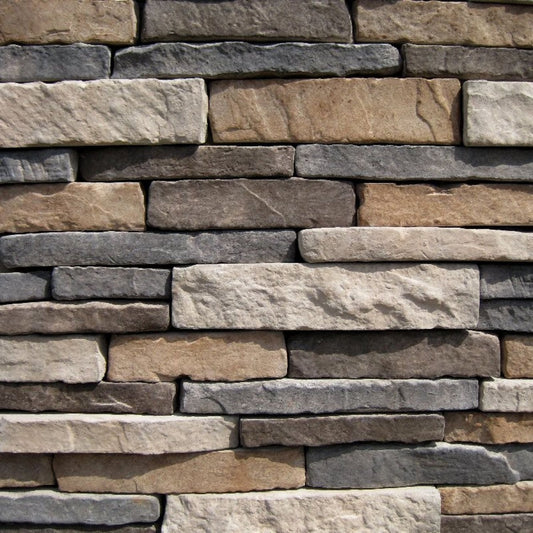
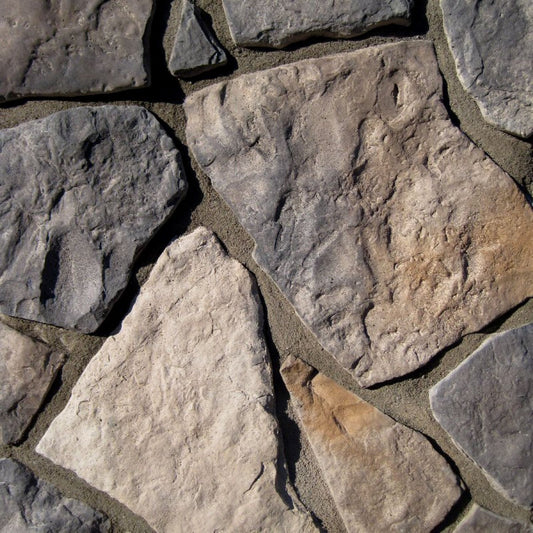
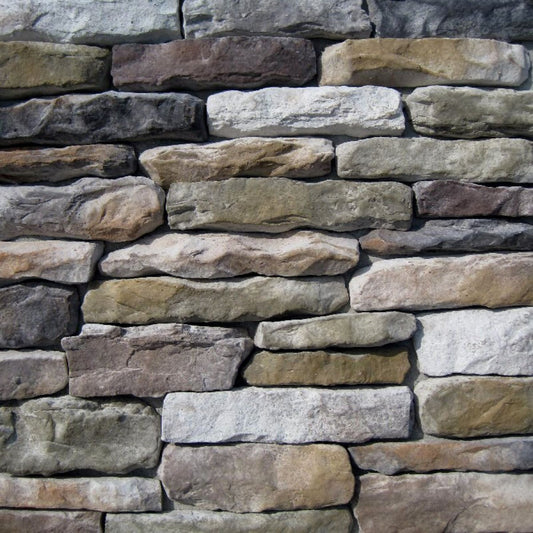
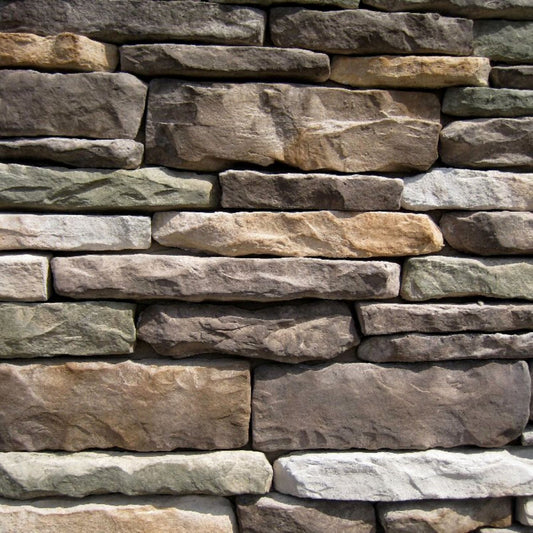
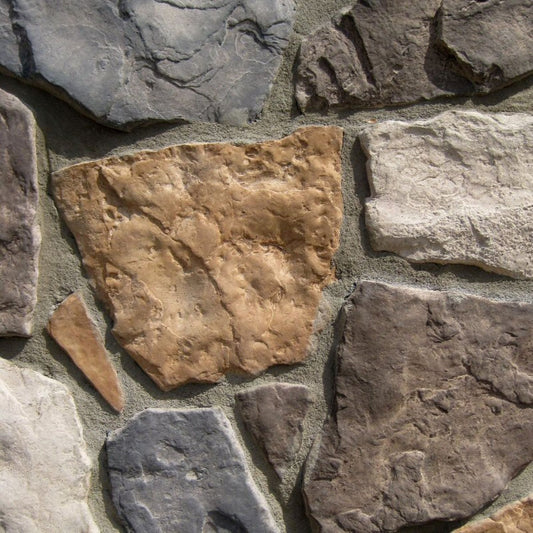
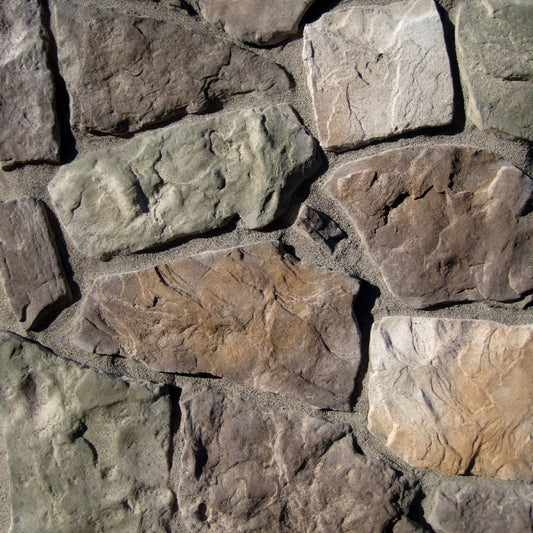
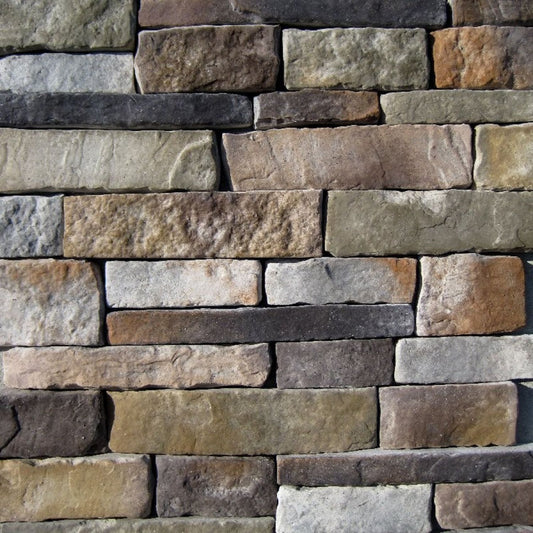
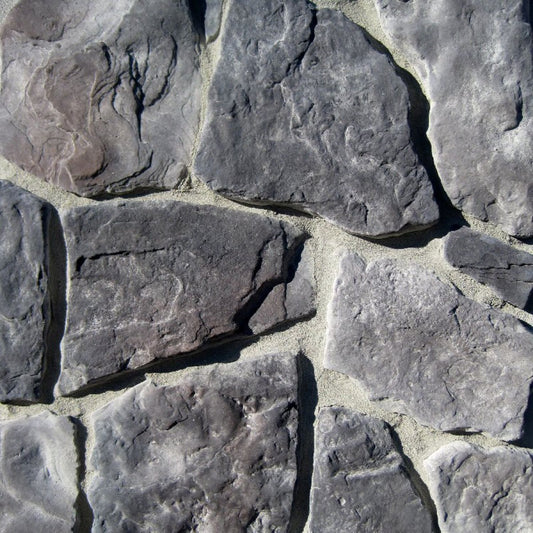
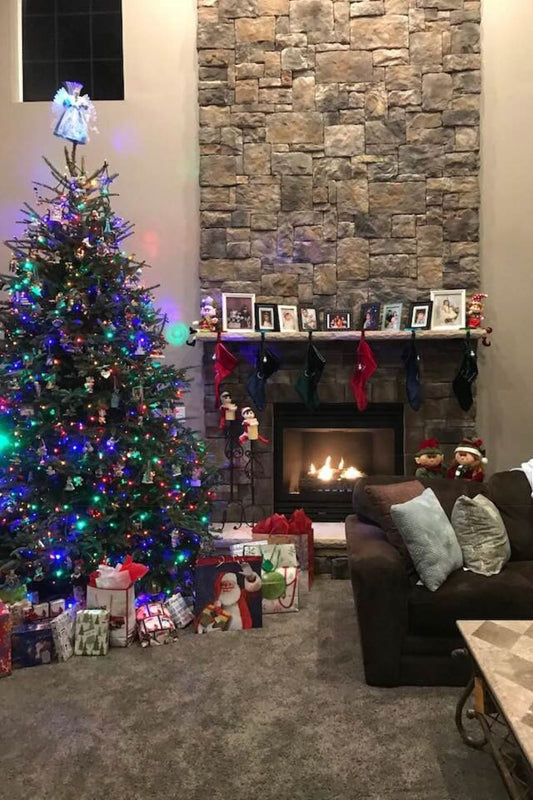
Pictured is field stone rustic.