
Stone Veneer and Gas Fireplaces: Style, Safety, and Durability
Share
Installing manufactured stone veneer over a gas fireplace creates a modern, elegant focal point. It’s heat-resistant, low-maintenance, and transforms your living space with minimal renovation.
Gas fireplaces have become increasingly popular for homeowners seeking the warmth and ambiance of a traditional fireplace without the hassle of wood. Many homeowners, however, want to elevate the look of their fireplace beyond standard metal surrounds or outdated brick. That’s where our complete guide on stone veneer fireplaces comes in. In it, we explore everything you need to know about installing, maintaining, and designing stone veneer surrounds, and here we’ll focus specifically on how manufactured stone veneer pairs perfectly with gas fireplaces, how to install it safely, design ideas, maintenance tips, and professional versus DIY considerations.
Stone veneer provides the timeless beauty of natural stone while being lightweight, heat-resistant, and easy to maintain, making it an ideal choice for transforming your living space into a stylish and inviting focal point. Whether you are renovating an existing fireplace or installing a new gas unit, stone veneer can dramatically elevate the aesthetic of your living room while providing durability and long-lasting appeal.
Why stone veneer works perfectly with gas fireplaces
Manufactured stone veneer is designed to mimic the appearance of natural stone while being lightweight and versatile. Unlike real stone, it can be installed directly over existing surfaces such as brick, drywall, or concrete. This makes it an excellent option for gas fireplaces, which often come with standard metal or plain surrounds.
The heat resistance of manufactured stone veneer is a key factor in its compatibility with gas fireplaces. High-quality veneer can withstand temperatures near the fireplace without cracking or discoloring, ensuring that your fireplace remains both safe and visually appealing. Additionally, stone veneer does not require intensive maintenance, making it ideal for homeowners who want the look of luxury with minimal upkeep.
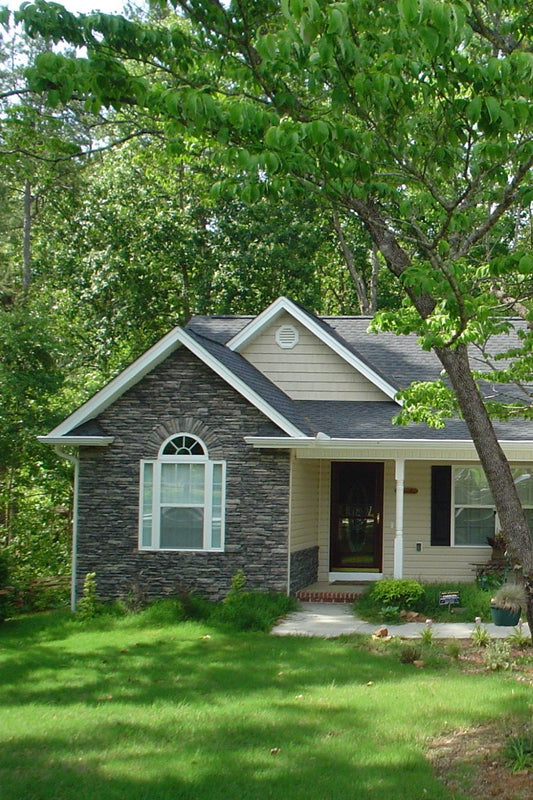
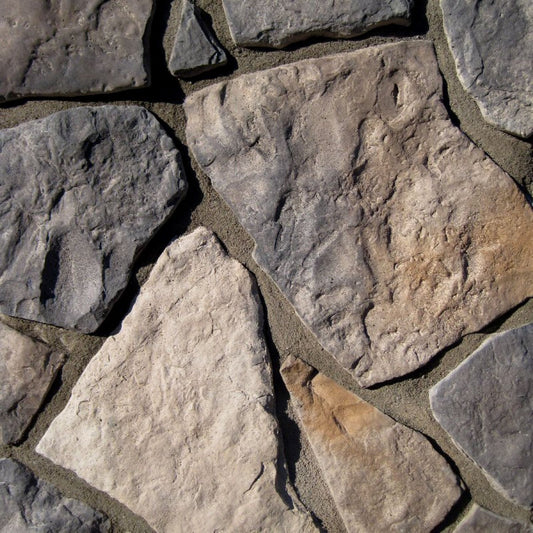
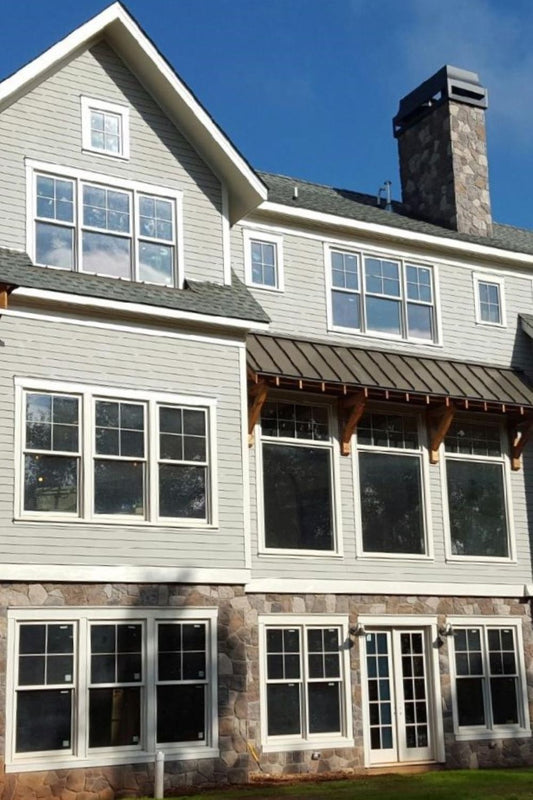
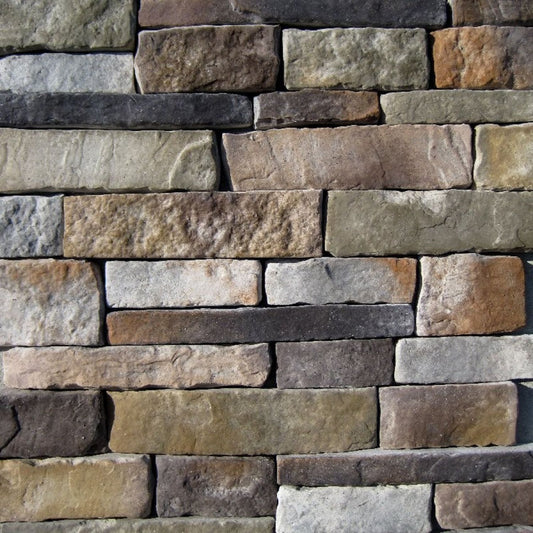
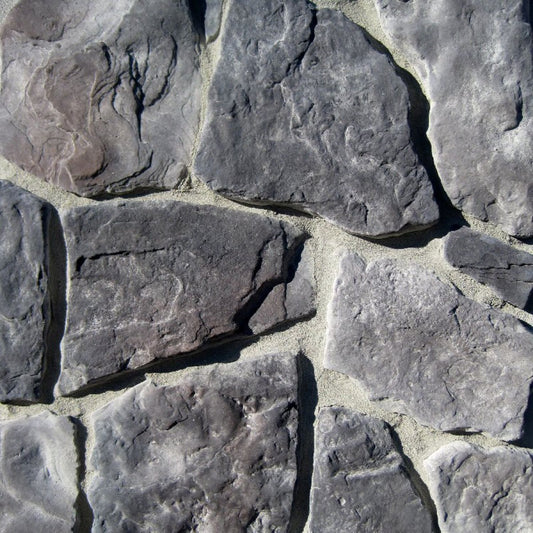
Stone veneer also offers flexibility in style. From rustic fieldstone to sleek, modern linear patterns, there are options that can match any interior design, whether you prefer a classic, cozy living room or a contemporary open-plan space.
Installation considerations for stone veneer over gas fireplaces
Installing stone veneer over a gas fireplace requires careful planning to maintain safety and performance. The first step is to ensure that your fireplace manufacturer’s guidelines allow for a veneer overlay. Most modern gas fireplaces provide specifications on the minimum clearances and materials allowed near the unit. Following these guidelines is critical to prevent heat damage and maintain your fireplace warranty.
The installation process generally starts with preparing the surface. Existing brick, concrete, or drywall must be cleaned and prepped with a scratch coat to ensure proper adhesion. Stone veneer is then applied using a high-heat mortar suitable for fireplace applications. Attention to detail during installation is essential to ensure that the veneer is level, properly bonded, and free of gaps that could compromise appearance or safety.
For many homeowners, hiring a professional installer is recommended, especially when dealing with gas fireplaces. Professionals can navigate manufacturer requirements, ventilation considerations, and proper mortar curing to achieve a flawless finish. However, skilled DIYers with experience in masonry can also achieve excellent results with careful planning and adherence to safety standards.
Design ideas for stone veneer fireplace surrounds
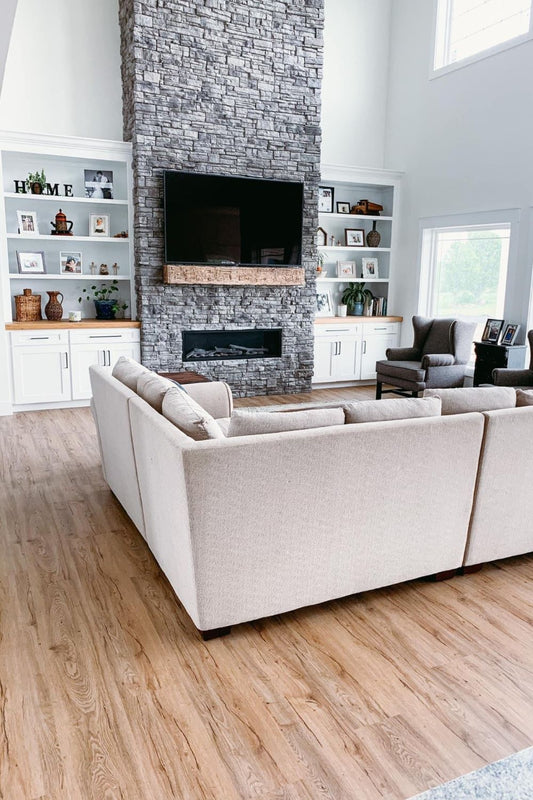
Stone veneer provides endless design possibilities for gas fireplaces. For a traditional look, consider stacked stone or river rock patterns in natural tones, creating a cozy and timeless atmosphere. For modern interiors, linear or large-format panels in gray, charcoal, or white can give the fireplace a sleek, contemporary appearance.
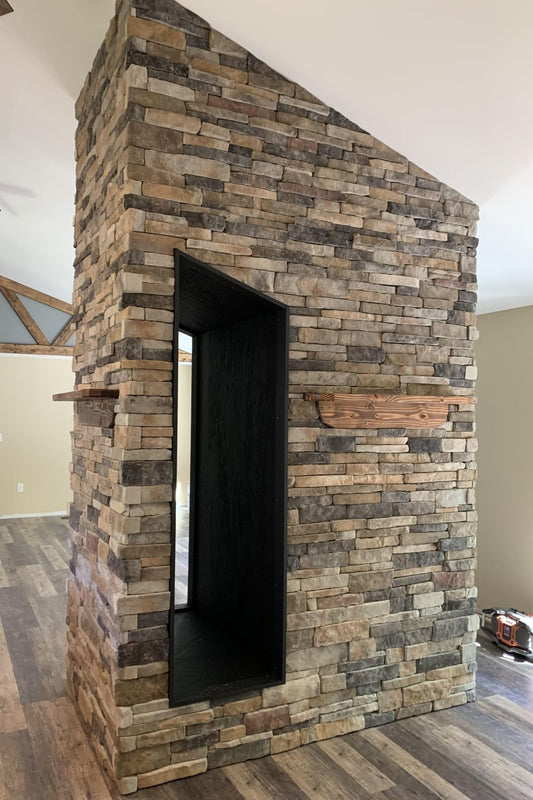
Combining stone veneer with other materials like reclaimed wood mantels, metal accents, or ceramic tiles can also create a layered, visually interesting focal point. Homeowners often choose contrasting textures to highlight the stone and enhance the overall room aesthetic. The size and shape of the fireplace can influence the design, as floor-to-ceiling stone surrounds create dramatic impact, while smaller veneers can accentuate a compact fireplace without overwhelming the space.
Lighting is another factor that can enhance the beauty of a stone veneer fireplace. Recessed lighting above the mantel or strategically placed wall sconces can highlight the stone’s texture and natural variation, making the fireplace the centerpiece of the room.
Maintenance and longevity of stone veneer on gas fireplaces
One of the advantages of manufactured stone veneer is its low maintenance requirements. Unlike real stone, which may need sealing and occasional cleaning, most veneers are highly durable and resistant to stains, heat, and minor scratches. A simple routine of dusting and wiping with a damp cloth is usually sufficient to maintain its appearance.
It is important, however, to inspect the veneer periodically for any cracks or loose stones, especially in high-traffic areas or after extreme temperature changes. If any damage is found, it should be repaired promptly using high-heat mortar or adhesive to prevent further issues. Sealing is optional but can provide additional protection against moisture or dust accumulation.
With proper installation and care, a stone veneer fireplace can last for decades, retaining its aesthetic appeal and complementing your gas fireplace’s modern efficiency.
DIY vs, professional installation: what you need to know
While DIY installation of stone veneer over a gas fireplace is possible, professional installation is often recommended for several reasons. Professionals bring experience in working with heat-sensitive areas, understanding clearances, and applying mortar in a way that ensures longevity. They can also help with complex designs, custom cuts, and integration with mantels or built-in shelving.
DIY installation can be suitable for homeowners comfortable with masonry work and attentive to manufacturer specifications. Choosing high-quality stone veneer and heat-resistant mortar is critical, as shortcuts can result in safety hazards or compromised aesthetics. Investing in professional installation may increase upfront costs but often results in a more polished, long-lasting finish that enhances home value.
Enhancing home value with stone veneer fireplaces
A gas fireplace finished with stone veneer is not only visually stunning but can also improve your home’s resale value. Buyers are often drawn to homes with modern, stylish focal points that combine functionality and aesthetic appeal. Stone veneer adds a layer of sophistication and permanence that elevates any living space.
Whether you choose a traditional ledge stone, contemporary stacked stone, or a mixed-material design, the fireplace becomes a statement feature that complements the overall interior. Beyond looks, the practical benefits of durability, heat resistance, and minimal maintenance make it a smart investment for any homeowner.
Stone veneer and gas fireplaces
Stone veneer and gas fireplaces form a perfect combination of style, durability, and convenience. Manufactured stone veneer offers the timeless beauty of natural stone while providing a lightweight, versatile, and heat-resistant solution for fireplace surrounds. Whether your goal is to modernize your living room, create a cozy atmosphere, or increase your home’s resale value, stone veneer can transform your gas fireplace into a stunning centerpiece.
By carefully considering installation, design, and maintenance, homeowners can enjoy a fireplace that not only enhances the room’s aesthetic but also provides years of reliable performance. With options for DIY or professional installation, a wide range of textures and colors, and minimal upkeep, stone veneer is a smart and stylish choice for any gas fireplace project.
From Mountain View Stone: what you should know
At Mountain View Stone, we know that a gas fireplace can be much more than a source of warmth, it can be the centerpiece of your living space. Manufactured stone veneer offers a lightweight, heat-resistant, and low-maintenance solution that elevates the look of any gas fireplace. Safety is key: always follow your fireplace manufacturer’s clearance requirements, use non-combustible substrates, and apply heat-rated mortar to ensure long-lasting performance. With the right planning and installation, whether DIY or professional. stone veneer transforms a standard fireplace into a striking focal point, enhances room aesthetics, and adds lasting value to your home, all while providing the timeless beauty of natural stone without the weight or cost.
Frequently asked questions
1. Can you safely install stone veneer over a gas fireplace? Yes, manufactured stone veneer can be safely installed over most gas fireplaces, but it’s essential to follow the fireplace manufacturer’s clearance requirements and installation guidelines to prevent heat damage and ensure safety.
2. Is stone veneer heat-resistant enough for gas fireplace surrounds? High-quality manufactured stone veneer is designed to withstand the heat generated by gas fireplaces. Using proper heat-rated mortar and following installation instructions ensures the veneer remains durable and safe over time.
3. How do you clean and maintain a stone veneer fireplace? Stone veneer fireplaces are low-maintenance. Regularly dust and wipe with a damp cloth, and periodically inspect for any cracks or loose stones. Applying a sealant can add extra protection against moisture and stains.
4. Should I hire a professional to install stone veneer on a gas fireplace? Hiring a professional is recommended, especially for gas fireplaces, to ensure proper clearances, adhesion, and heat safety. Experienced installers can achieve a polished, long-lasting finish that may be difficult for DIYers to replicate.
5. How does a stone veneer fireplace affect home value? A stone veneer fireplace can significantly boost home appeal and resale value. It serves as a stylish, functional focal point that enhances both traditional and modern living spaces, making homes more attractive to buyers.
6. What design styles work best with stone veneer on gas fireplaces? Stone veneer offers versatile design options, from rustic fieldstone to modern stacked stone. Pairing with wood mantels, metal accents, or layered textures can create a custom, visually striking centerpiece.
What's next?
Elevate your space with our beautiful stone veneer. Shop now or order a sample today to see the quality for yourself.
Have a question?
Please see our full terms of service or check out our frequently asked questions.
For general information and questions please call: (864) 882-8960 Mon. - Fri. 8am - 5pm (EST) or email: info@mountainviewstone.net we are more than happy to help you.
Or you can submit your questions via our contact us page.
We look forward to working with you on your upcoming project.
The Mountain View Stone Team
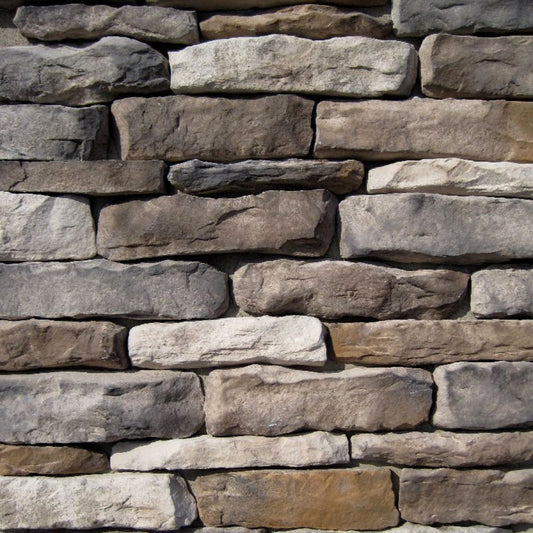
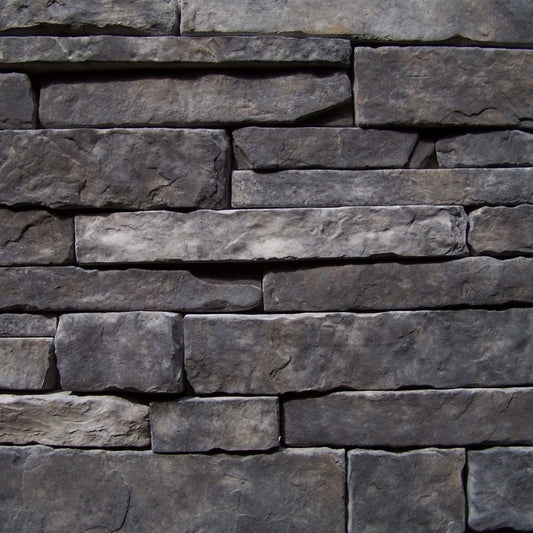
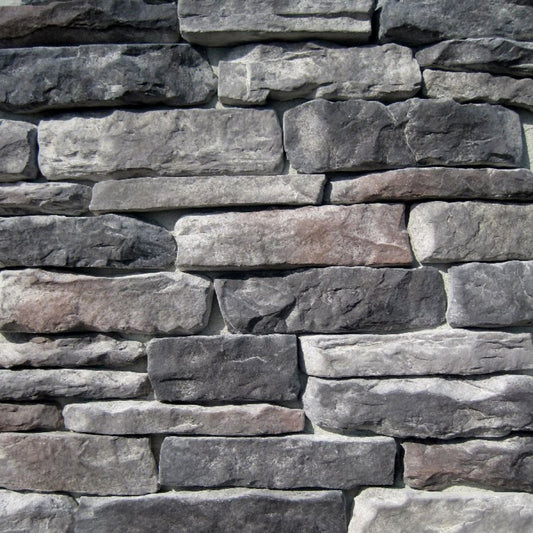
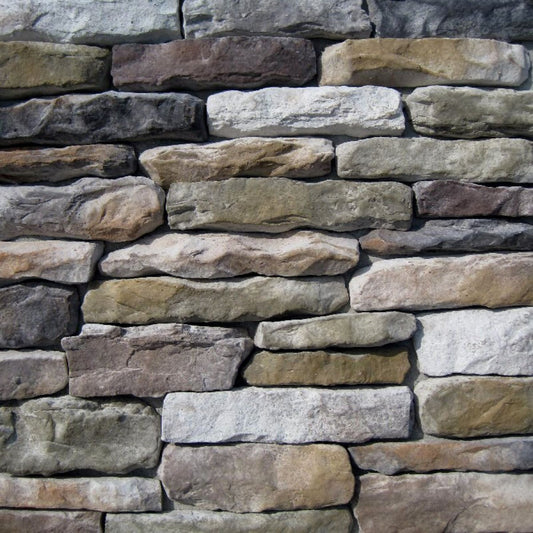
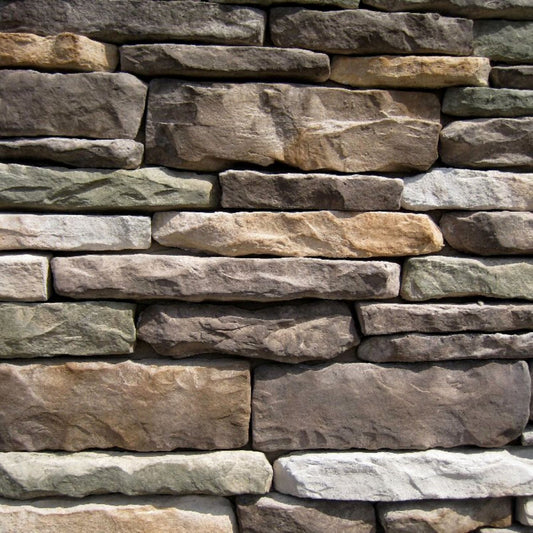
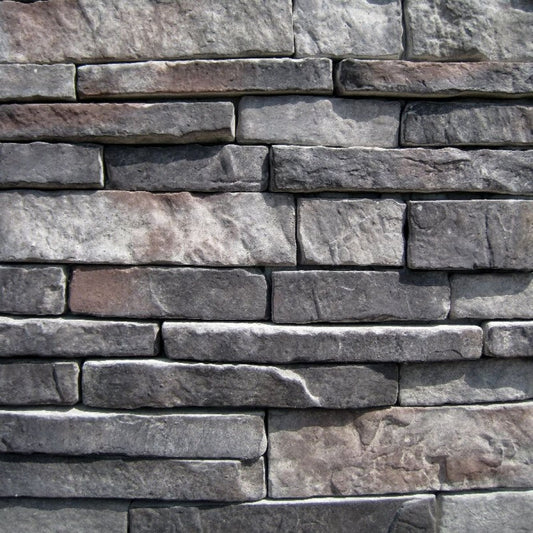
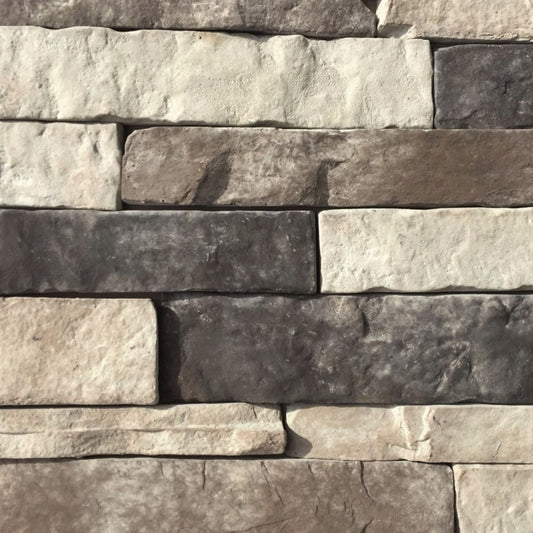
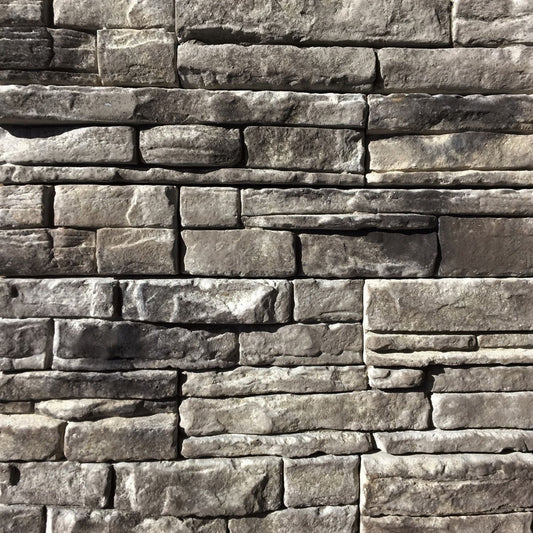
Pictured is stack stone glacier.