

Stacked Stone vs. Ledge Stone: Choosing the Right Stone Veneer
Share
Originally posted November 11, 2023, updated January 22, 2026.
Stacked stone offers a sleek, modern look with uniform layers, while ledge stone provides a rustic, textured charm. Choose the perfect stone veneer for your design goals.
When it comes to enhancing the beauty and value of a home, few materials offer the same blend of texture, depth, and versatility as stone veneer. Homeowners and designers often turn to it for everything from fireplaces and feature walls to full exterior facades. If you’re comparing styles, our manufactured stone veneer profiles guide is a helpful starting point for understanding how different profiles shape the final look and feel of a space. Among the most popular options are stacked stone and ledgestone, each delivering a distinct aesthetic defined by its texture, scale, and layout.
Choosing between these styles goes beyond appearance alone. The profile you select can influence how light interacts with the surface, how large or compact a space feels, and how well the design complements surrounding materials. Stacked stone is typically associated with clean lines and a more contemporary, streamlined look, while ledgestone leans into irregular shapes and layered depth for a more natural, rustic feel. Understanding these differences helps ensure your selection aligns with both your design vision and the practical demands of your project.
In this post, we’ll break down the key characteristics, applications, and design potential of stacked stone and ledgestone. You’ll see how each style performs in different settings, when it makes sense to combine them, and what to consider before installation. Whether you're aiming for modern simplicity, traditional warmth, or something in between, this guide will help you choose the right stone veneer profile with confidence.
Stacked Stone: Sleek and Modern Elegance
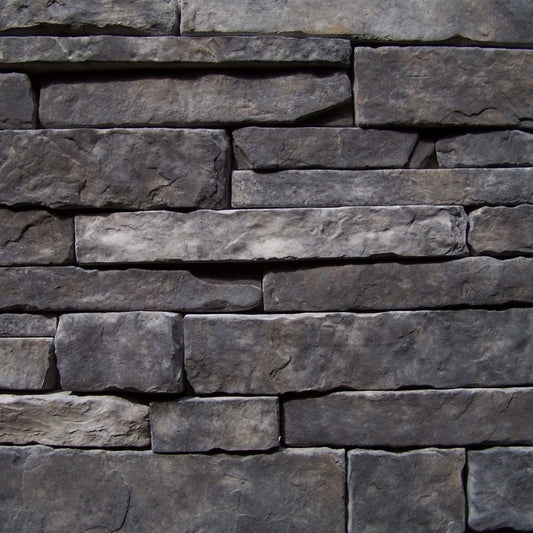
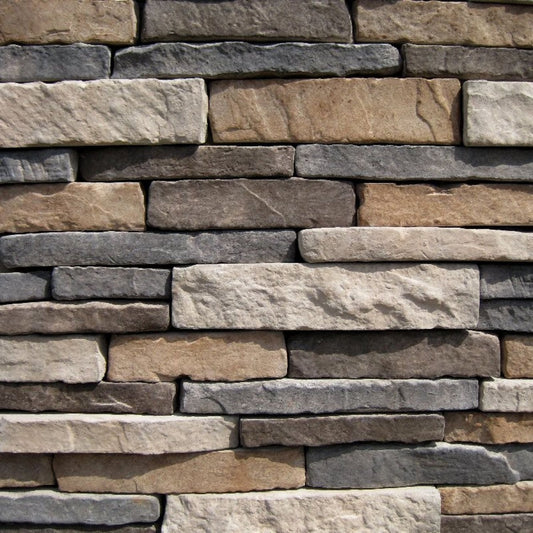
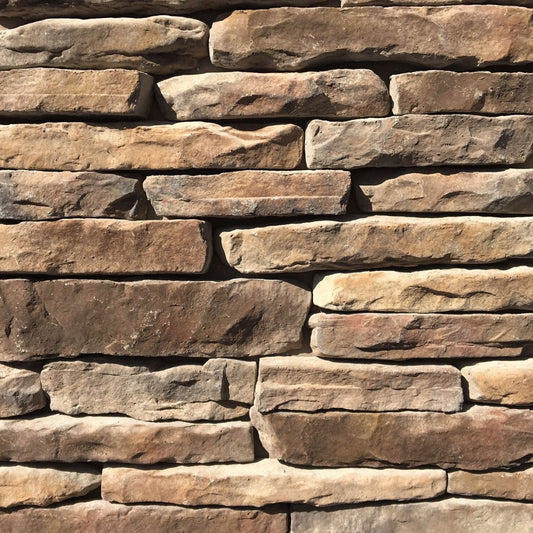
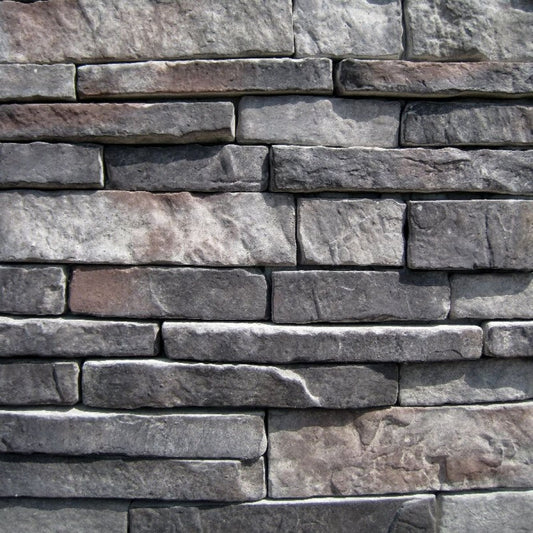
Stacked stone, also referred to as stack stone, ready stack stone, or dry stack stone, is a stone veneer style that emphasizes uniformity and structure. The stones are carefully stacked in layers to create clean lines and a highly organized appearance. This method of installation gives walls, fireplaces, and other architectural features a polished, contemporary finish that works exceptionally well in modern interiors.
One of the defining characteristics of stacked stone is its sleek texture and uniformity. Because each stone piece is carefully cut and arranged, stacked stone offers a controlled visual rhythm that can make even small spaces feel cohesive and well-designed. For homeowners looking to achieve a modern, minimalist aesthetic, stacked stone is ideal. It communicates sophistication while remaining versatile enough for various interior and exterior applications.
Despite its modern appeal, stacked stone may not always provide the rustic or natural charm that some homeowners desire. Its uniformity, while elegant, can appear too structured for spaces that aim to feel organic, cozy, or earthy. For projects that lean toward traditional, cottage-style, or rustic designs, another option such as ledge stone may be more appropriate. Nevertheless, stacked stone remains a go-to choice for those who value refinement, clean lines, and a contemporary edge.
Ledgestone: Natural Texture and Rustic Charm
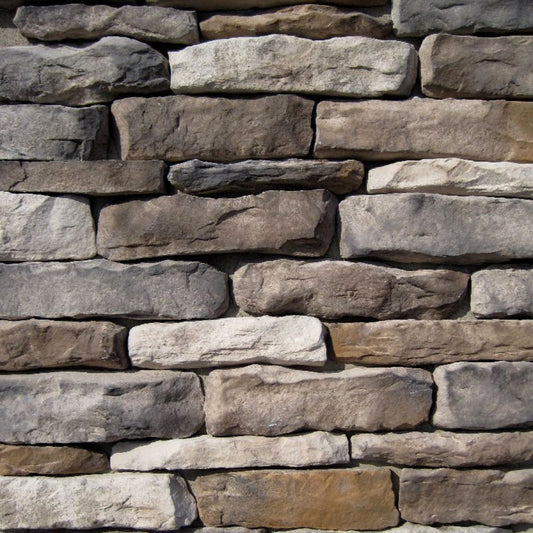
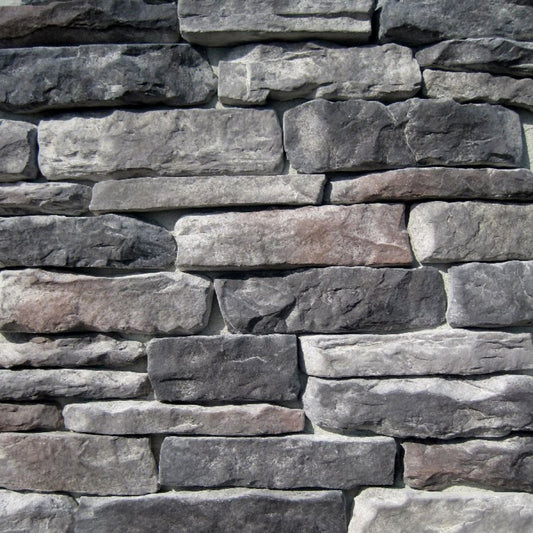
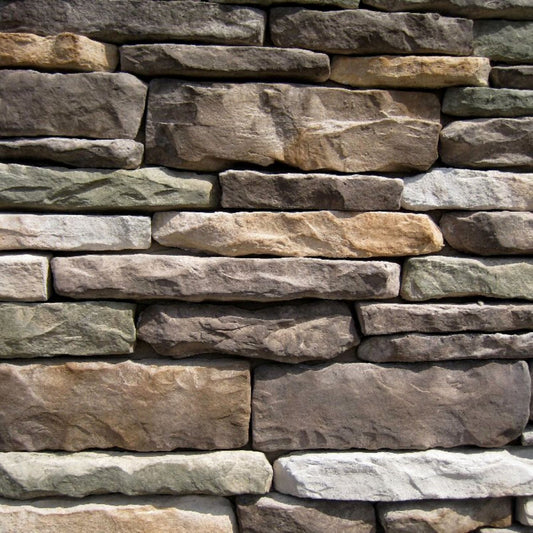
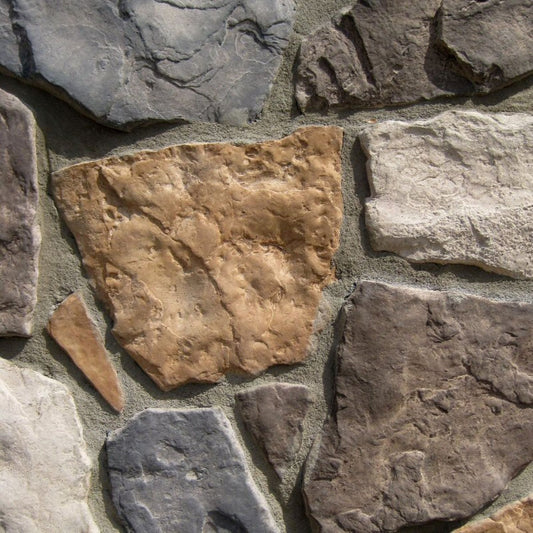
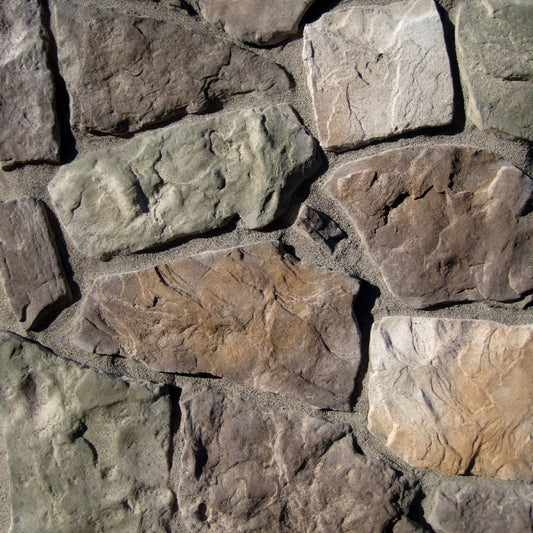
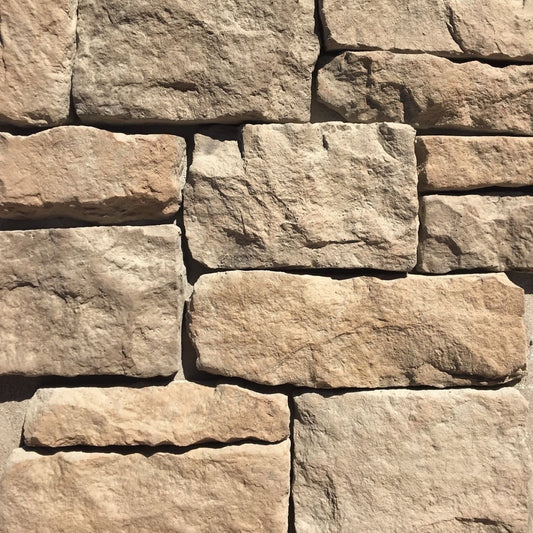
In contrast to the structured look of stacked stone, ledge stone embraces irregularity and natural variation. Often referred to as ledgestone or ledger stone, this style captures the essence of natural rock formations by featuring stones of varying lengths, depths, and thicknesses. This diversity creates a textured, layered appearance that adds warmth and character to any space.
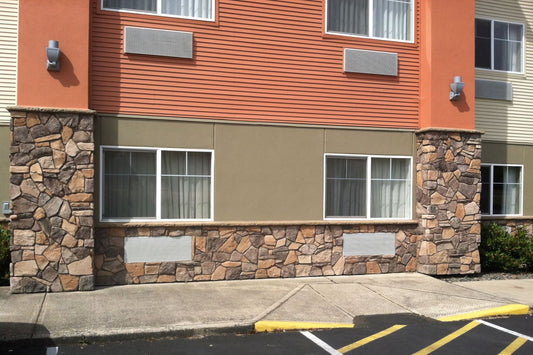
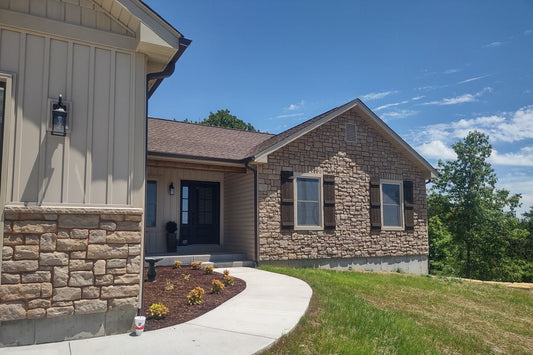
Ledge stone is particularly well-suited for homeowners who want to evoke a relaxed, rustic atmosphere. Its uneven edges and natural variation make it feel authentic, organic, and timeless. This type of stone veneer is perfect for traditional homes, cottages, or interiors aiming for a cozy and inviting ambiance. In addition to interior applications, ledge stone works beautifully on exterior walls, garden facades, and outdoor fireplaces, where its irregular texture can harmonize with the natural environment.
Unlike stacked stone, ledgestone does not rely on uniformity to achieve beauty. Instead, its irregular profile creates visual interest through diversity, depth, and dimension. This naturally rugged texture can make a statement in a room, offering a sense of authenticity that polished, modern materials sometimes lack. While ledge stone may not align with ultra-modern or minimalist designs, it excels in spaces that embrace natural materials, rustic aesthetics, and a touch of traditional charm.
Comparing Stacked Stone and Ledge Stone: What You Need to Know
When deciding between stacked stone and ledgestone veneer, it’s important to consider both aesthetics and function. Stacked stone veneer typically features shorter, narrower stones arranged in precise layers, producing a clean, linear appearance. This design is particularly effective for contemporary accent walls, sleek fireplaces, and exterior facades where a polished, modern look is desired. Its uniformity not only enhances visual appeal but can also simplify installation and maintenance, making it a popular choice for both DIY enthusiasts and professional installers.
Ledge stone veneer, by contrast, emphasizes variety and texture. Stones in a ledge stone installation vary in length, depth, and thickness, producing a natural, organic pattern that can give any wall a rustic, layered effect. This style works well for interior and exterior applications where a more casual, earthy ambiance is preferred. Because of its irregular shapes, ledge stone may require slightly more attention during installation to ensure alignment and stability, but the resulting texture and authenticity are often worth the extra effort.
Both stacked stone and ledge stone share certain advantages, especially when manufactured stone veneer is used. Lightweight yet durable, these veneers are easier to install than full-depth natural stone, reducing the need for heavy structural support and lowering labor costs. They are also low maintenance, typically requiring only periodic cleaning and protection from harsh chemicals to maintain their appearance.
Ultimately, the choice between stacked stone and ledge stone should be guided by your design goals. If your vision emphasizes modern sophistication, clean lines, and a polished finish, stacked stone is the preferred option. If your priority is warmth, texture, and a natural, rustic feel, ledge stone is likely the better fit. Both options provide a lasting, versatile solution that can elevate the aesthetic of walls, fireplaces, and facades throughout your home.
Blending Stacked Stone and Ledge Stone for Unique Design Impact
A growing trend in home design is combining stacked stone and ledge stone to create a visually dynamic and textured look. By blending the sleek, linear layers of stacked stone with the rugged, irregular texture of ledgestone, homeowners can achieve a design that balances modern elegance with rustic charm.
This approach works exceptionally well for accent walls, fireplaces, and exterior facades where visual depth and dimension are desired. The polished uniformity of stacked stone contrasts beautifully with the natural irregularity of ledge stone, resulting in a design that captures attention without overwhelming the space. Designers and homeowners appreciate this method for its versatility, as it allows creative freedom while maintaining the practical benefits of manufactured stone veneer, including lightweight construction, durability, and easier installation.
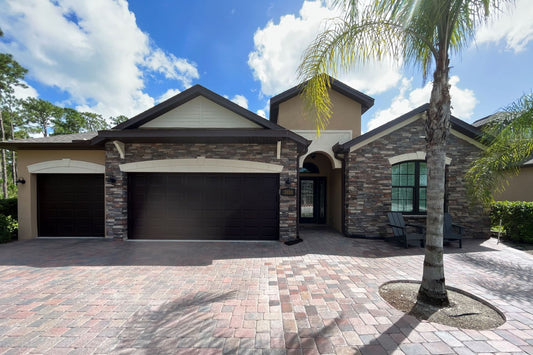
Using both styles together also enables customization to suit specific design goals. For example, a modern fireplace surround can feature a stacked stone base for sleekness, accented with ledgestone to introduce texture and warmth. Outdoor facades can similarly benefit from this hybrid approach, where architectural precision meets organic beauty, producing a sophisticated yet inviting exterior.
Practical Considerations for Installation and Maintenance
Whether you choose stacked stone, ledge stone, or a combination of both, understanding the installation process and maintenance requirements is key to long-term satisfaction. Both types of manufactured stone veneer are designed to be lightweight and durable, reducing the structural demands on walls and simplifying installation compared to full-depth natural stone.
Stacked stone’s uniform size and shape often make installation faster and more predictable, particularly for those less experienced with stone veneer work. Ledge stone, with its varied lengths and depths, may require extra planning to achieve a balanced, cohesive layout, but its irregularity is precisely what creates its visual appeal. Both styles should be installed with proper mortar, moisture barriers, and adherence to local building codes to ensure durability and performance.
Maintenance for stacked stone and ledge stone is generally low. Routine cleaning with mild soap and water is usually sufficient to preserve their appearance. Avoiding harsh chemicals and abrasive tools will help maintain the integrity of the stone surface over time. Regular inspections, particularly for exterior applications, can help prevent moisture issues, especially in climates prone to freeze-thaw cycles or heavy rainfall.
Design Inspiration and Applications
Stone veneer offers unmatched versatility in both interior and exterior design. Stacked stone works particularly well for contemporary feature walls, minimalist kitchens, modern fireplaces, and sleek outdoor patios. Its clean, linear patterns complement metal, glass, and neutral-toned finishes, enhancing a modern aesthetic.
Ledgestone, meanwhile, shines in spaces that aim to convey warmth and character. It is often used in rustic kitchens, cozy living rooms, traditional fireplaces, and exterior facades that blend with natural surroundings. Its textured appearance brings depth and dimension, making walls feel alive and inviting.
Combining both types of stone veneer provides even greater creative potential. Designers can craft spaces that transition seamlessly between modern and rustic elements, offering homeowners the best of both worlds. Whether indoors or outdoors, stacked stone and ledge stone can transform ordinary walls into standout architectural features.
Choosing the Right Stone Veneer for Your Home
When selecting stone veneer, consider the style, texture, and overall atmosphere you want to create. Stacked stone is best for homeowners seeking sleek, modern sophistication. Its uniformity and clean lines complement contemporary decor while providing a durable and low-maintenance solution. Ledge stone appeals to those who desire natural charm, warmth, and texture, making it ideal for rustic or traditional spaces.
For maximum impact, don’t hesitate to experiment with combining both styles. The interplay between linear and irregular patterns adds depth, interest, and versatility, allowing each space to feel custom-designed and uniquely yours.
Stacked Stone vs. Ledge Stone
Both stacked stone and ledge stone offer unique opportunities to enhance your home’s aesthetic and architectural appeal. Understanding their differences in texture, style, and application allows you to make an informed choice that aligns with your design vision. Whether you prefer modern elegance, rustic warmth, or a blend of the two, stone veneer is a durable, versatile, and visually stunning solution.
From Mountain View Stone: What You Should Know
At Mountain View Stone, we see firsthand how choosing between stacked stone and ledge stone can define the look and feel of a space. Stacked stone provides clean lines and a sleek, modern aesthetic, while ledge stone emphasizes texture, variation, and rustic charm. Both styles offer durability, low maintenance, and the flexibility to enhance interior or exterior applications, but the best results come from thoughtful selection and planning. Consider your design goals, the atmosphere you want to create, and how each style interacts with light, color, and surrounding materials. For those looking to make a statement, blending stacked and ledge stone can create a dynamic balance of modern elegance and natural warmth. Proper installation is key, choosing experienced professionals ensures a long-lasting, visually striking finish that elevates your home’s architectural appeal.
Frequently Asked Questions About Stacked Stone vs. Ledge Stone
What is the difference between stacked stone and ledge stone?
The main difference lies in appearance and texture. Stacked stone features uniform, neatly arranged stones that create a clean, structured look, while ledge stone has irregular sizes and depths that produce a more natural, rustic appearance.
Is stacked stone or ledge stone better for modern interiors?
Stacked stone is generally better suited for modern interiors due to its sleek lines and orderly layout. Its consistent texture and polished appearance complement contemporary design styles, whereas ledge stone tends to lean more traditional or rustic.
Which stone veneer is better for a rustic or traditional look?
Ledge stone is the preferred choice for rustic, cottage, or traditional spaces. Its uneven edges and varied depths mimic natural rock formations, adding warmth, character, and an organic feel to a room.
Can stacked stone and ledge stone be used on both interior and exterior walls?
Yes, both stacked stone and ledge stone can be used for interior and exterior applications. They are commonly installed on accent walls, fireplaces, entryways, and building facades, depending on the desired aesthetic and installation requirements.
Is one easier to install than the other?
Installation complexity can vary by product, but stacked stone often provide a more uniform installation due to their consistent shapes. Ledge stone may require additional attention to alignment because of its irregular pieces, though both can be efficiently installed by experienced installers.
Does stacked stone or ledge stone require more maintenance?
Both options are relatively low maintenance when properly installed. Routine cleaning and avoiding harsh chemicals are typically sufficient. Maintenance needs are similar for both styles and depend more on location (interior vs. exterior) than the stone pattern itself.
How do I choose between stacked stone and ledge stone?
Choosing between stacked stone and ledge stone depends on your design goals. If you prefer a clean, contemporary look, stacked stone is ideal. If you’re drawn to a cozy, natural, and textured appearance, ledge stone is the better fit.
What's Next?
Elevate your design with our beautiful stone veneer! Shop now to explore our collection or order a sample today to see and feel the quality for yourself!
Have a Question?
Please see our full terms of service or check out our frequently asked questions.
For general information and questions please call: (864) 882-8960 Mon. - Fri. 8am - 5pm (EST) or email: info@mountainviewstone.net we are more than happy to help you.
Or you can submit your questions via our contact us page.
We look forward to working with you on your upcoming project.
The Mountain View Stone Team
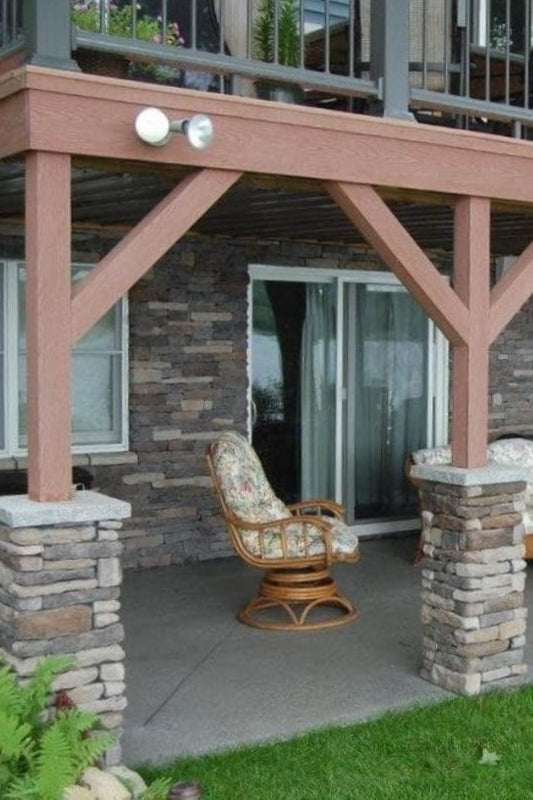
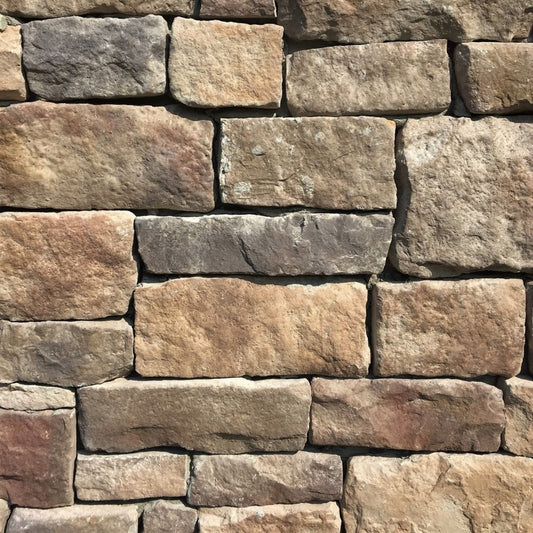
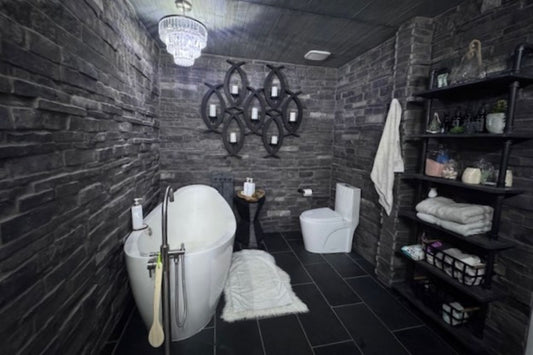
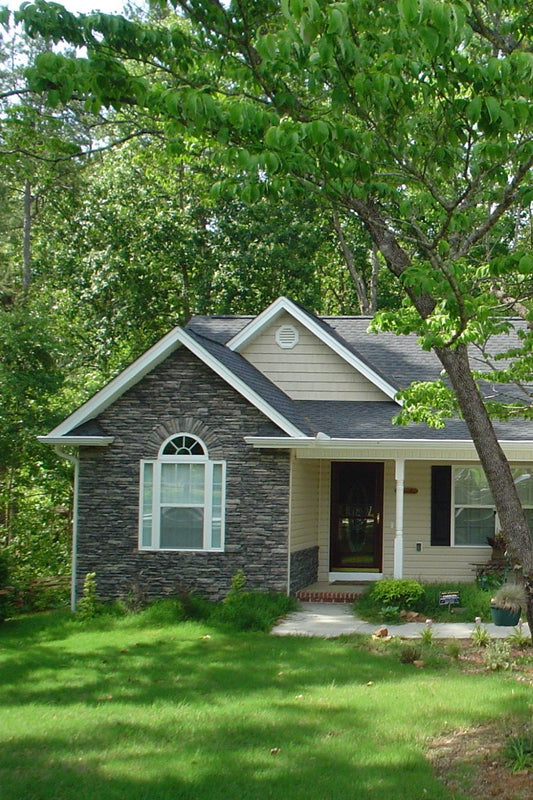
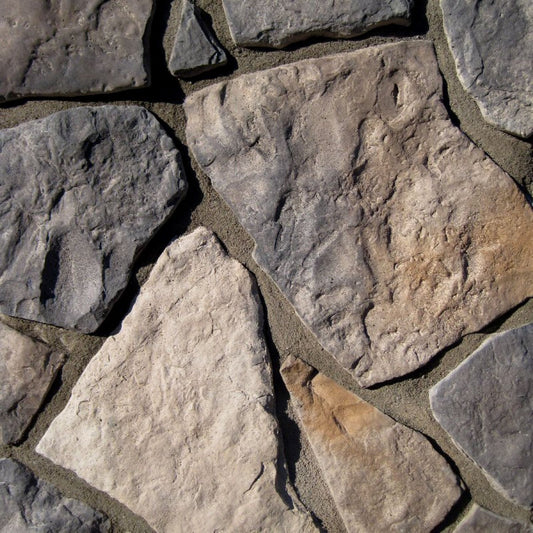
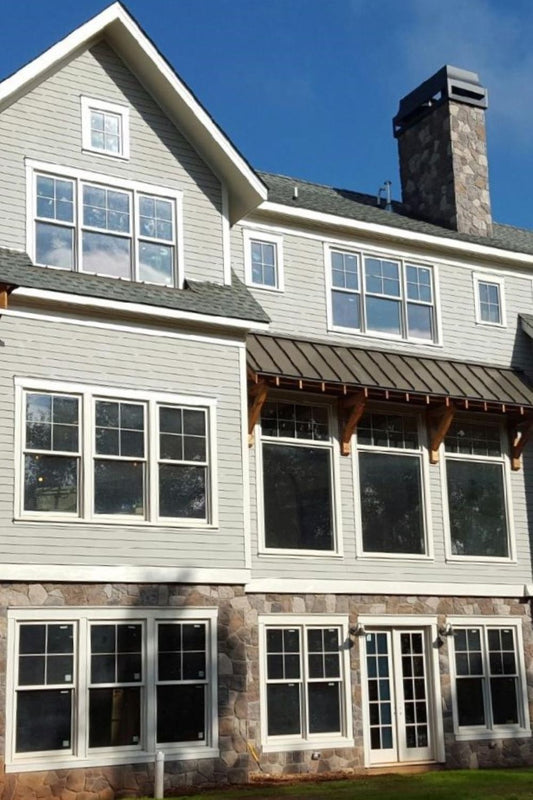
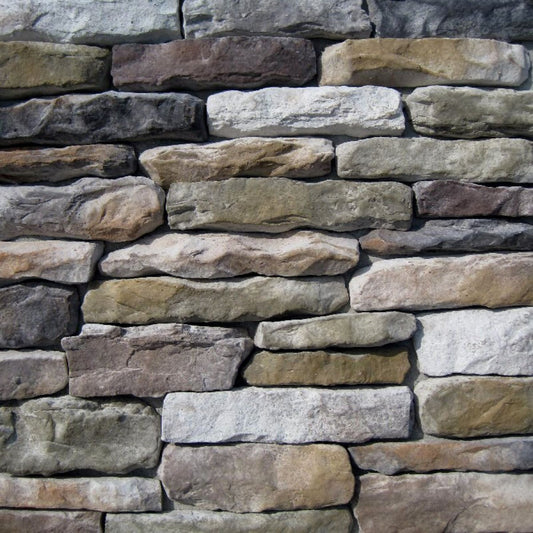
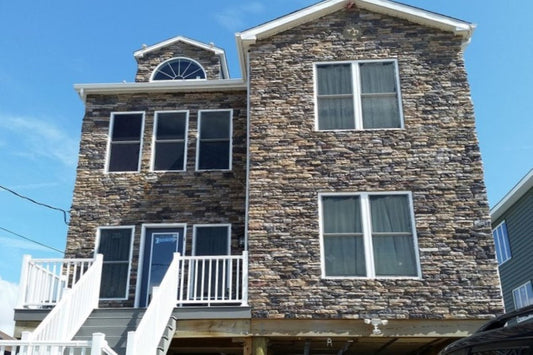
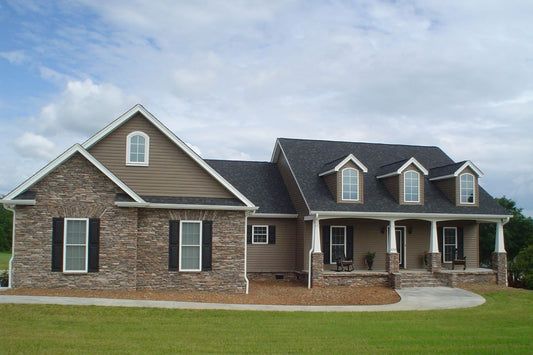
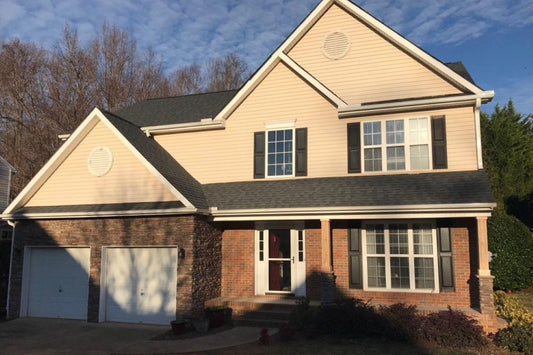
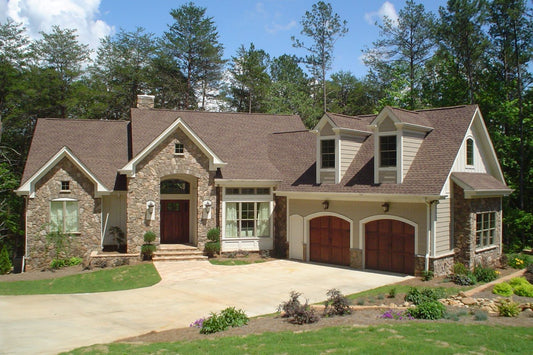
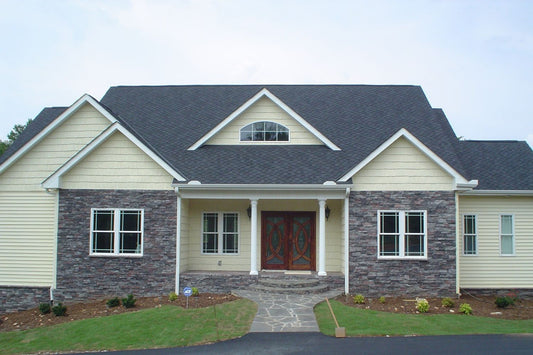
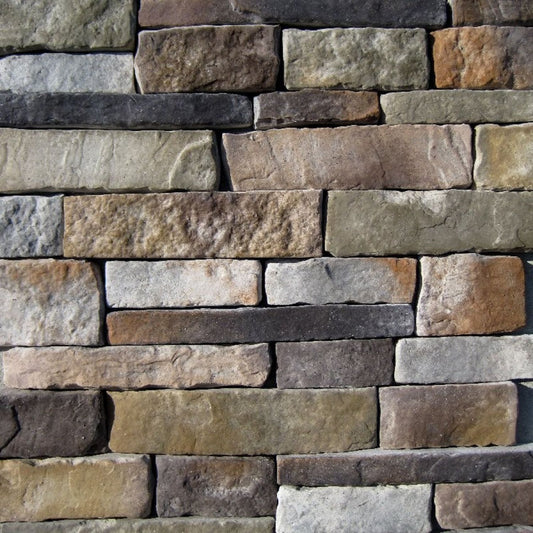
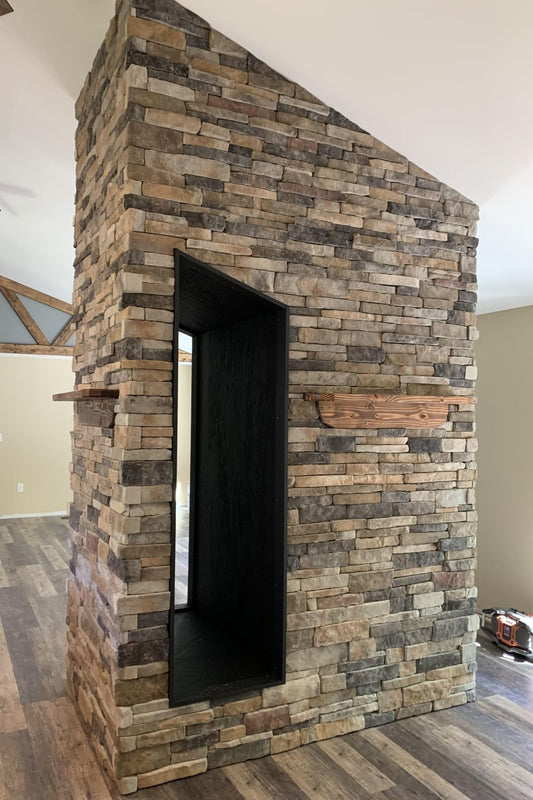
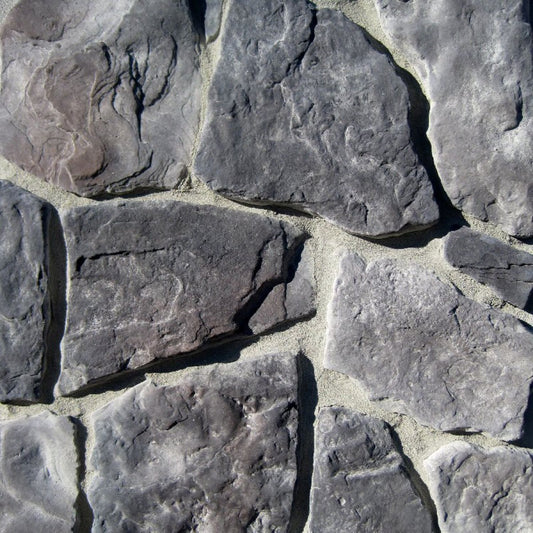
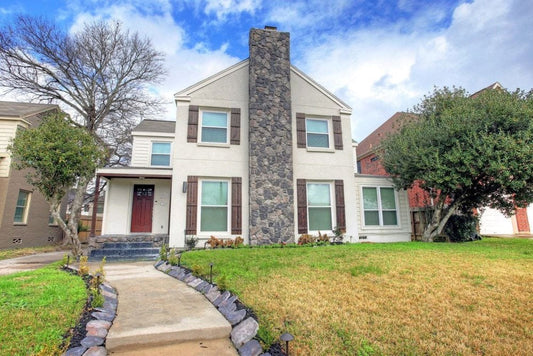
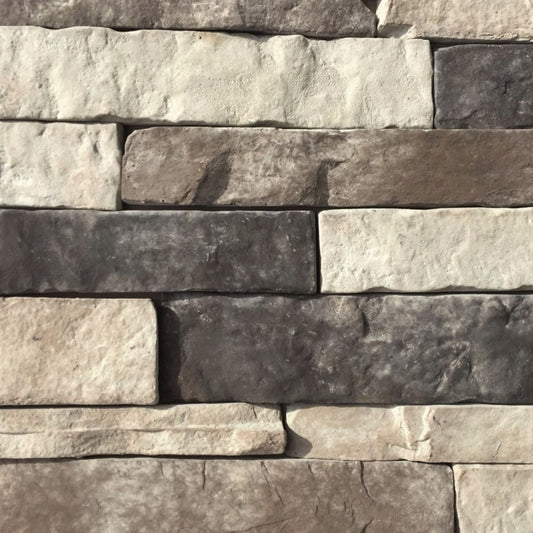
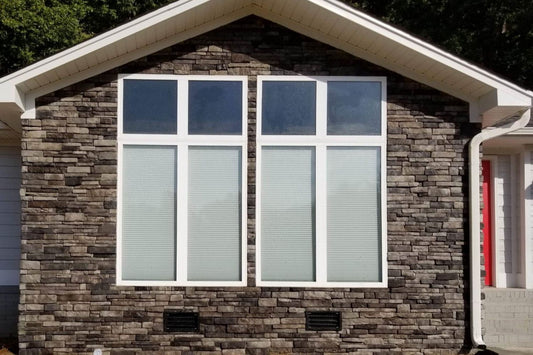
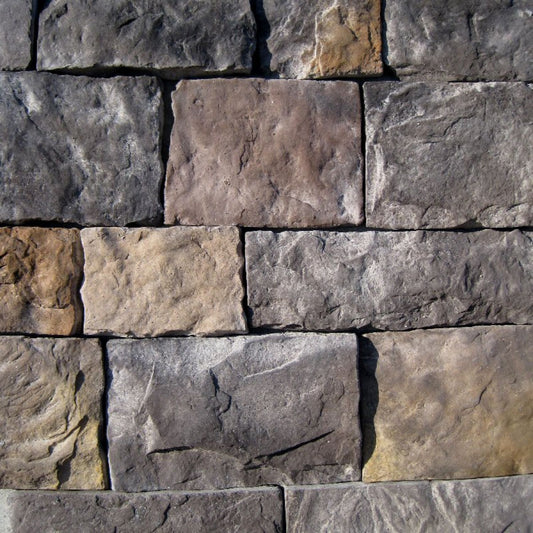
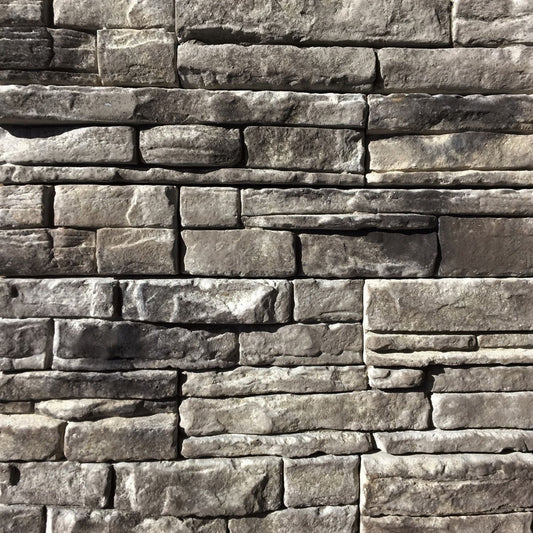
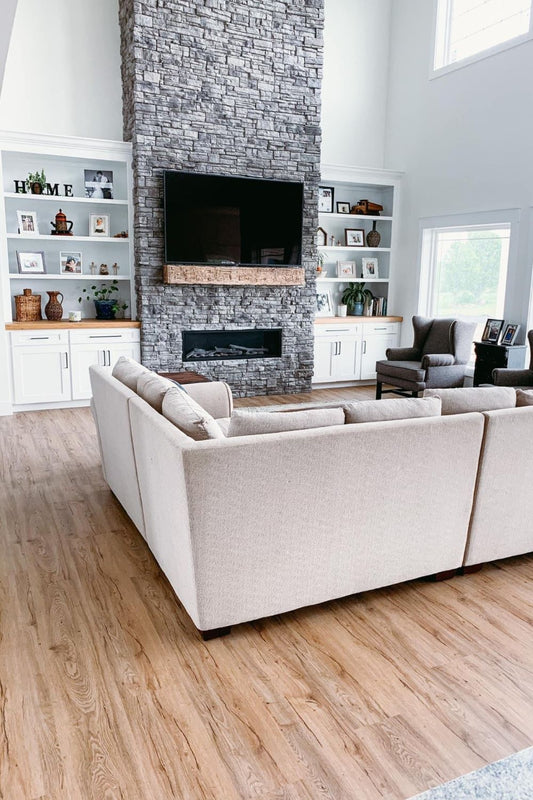
Pictured is ledge stone rustic blended with stack stone rustic.




2 comments
Updated May 5th, 2025:
Hi Nancy,
Thank you for your question and interest in our stone veneer.
The easiest way to determine the square footage of stone veneer flats you will need is to measure the length and to measure the height of the area you will be installing our stone veneer on and multiply them together to get the total square footage of stone veneer flats needed for your project.
Corners are not required but they offer a professional finish by wrapping perfectly around a 90 degree outside corner. If you decide to use corners you will need to calculate the lineal feet required by simply measuring the height of all outside corners as our corners are sold by the lineal foot. On each product page there are options for both flats and corners (to the right of the main product image). Outside corners are different from inside corners. For inside corners, our flats are used. Simply run a flat piece into the corner and then a flat piece on the adjacent side.
Please feel free to email us the dimensions of your project at info@mountainviewstone.net and we can help you estimate the number of corners and flats you will need to complete your project.
Important to note we always recommend adding 10% of what you think you will need as a waste factor.
Our stone veneer is not real stone, it is man-made and made of Portland cement. You can cut the stone veneer with a diamond cutting wheel, skill saw, or tile saw with a diamond cutting blade and grind the edges off with a side grinder.
Please let us know if you have any more questions!
Hello. I am so confused. I have two wall cutouts in my foyer with an arch on top, about 5 feet tall and 2-3 feet wide. I want to put imperfect stone there with a light on bottom shining up to see the rippled shadows up the wall. I want the brownish, tan, cream colors, not grey or white. Some or so thick. I just saw one that was thin – 1/4” porcelain which stones were too perfect. My neighbor is going to install. Do I need to rent a bigger cutting machine to get the look I want?