
What is Brick Veneer Siding? Costs, Benefits, and What to Know Before You Install
Share
Originally posted October 11, 2024, updated March 19, 2026.
Brick veneer siding is a lightweight, non-structural cladding that replicates real brick, offering a more affordable, easier-to-install option for both exterior and interior applications.
Brick has long been associated with durability, craftsmanship, and timeless architectural appeal. From historic homes to modern builds, its warm tones and textured surface continue to make it one of the most desirable finishes in residential design. However, traditional brick construction comes with significant cost, weight, and labor requirements. This is where brick veneer siding has emerged as a practical and increasingly popular alternative. For a closer look at how brick veneer compares to other stone alternatives, see our guide on comparing manufactured stone veneer.
For homeowners looking to achieve the classic look of brick without the complexity of full masonry, brick veneer siding offers a compelling solution. Understanding how it works, how it compares to traditional brick, and what to expect in terms of cost and performance can help you decide if it is the right choice for your project.
Understanding brick veneer siding
Brick veneer siding is a non-structural exterior or interior cladding designed to replicate the appearance of full brick construction. Unlike traditional brick walls, which are structural and support the weight of the building, brick veneer is applied as a surface layer over an existing wall system.
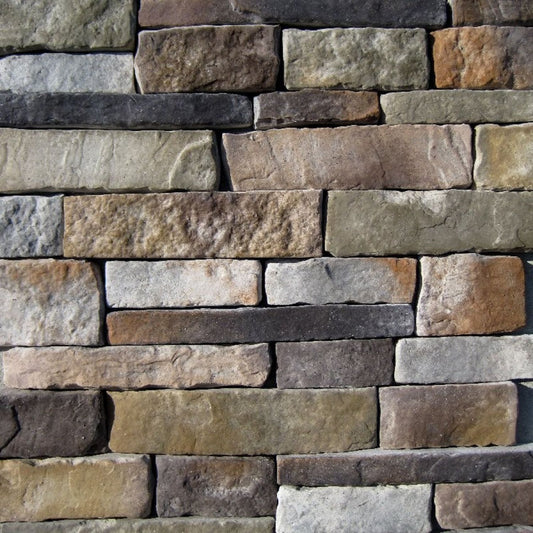
Most modern brick veneer products are manufactured using a blend of Portland cement, lightweight aggregates, and iron oxide pigments. These materials are molded and cured to create consistent brick shapes with realistic textures and color variation. The result is a product that closely resembles natural brick while being significantly lighter and easier to install.
Because it is not load-bearing, brick veneer siding can be installed over a variety of properly prepared substrates, including wood framing, concrete, or masonry surfaces. This makes it suitable for both new construction and renovation projects.
How brick veneer differs from traditional brick
The key difference between brick veneer and traditional brick construction lies in structure and thickness. Full brick walls are typically several inches thick and require a dedicated foundation to support their weight. They are part of the building’s structural system and involve more complex installation methods.
Brick veneer, by contrast, is much thinner and acts purely as a decorative cladding. It provides the same visual effect without adding significant structural load. This distinction allows for greater flexibility in design and makes brick veneer a more accessible option for a wider range of homes.
Another important difference is installation time and cost. Traditional brick construction requires skilled masons and extended labor, while brick veneer siding can often be installed more efficiently, reducing both time and overall expense.
Cost of brick veneer siding
One of the primary reasons homeowners choose brick veneer siding is its cost advantage over full brick construction. While it is generally more expensive than basic siding options such as vinyl, it remains significantly more affordable than traditional brick.
The savings come from multiple factors. The material itself uses less raw material than full brick, which reduces manufacturing and transportation costs. Its lighter weight also lowers shipping expenses and eliminates the need for additional structural reinforcement. Installation is typically faster and less labor-intensive, further contributing to overall cost savings.
Although the upfront investment may be higher than some alternative siding materials, many homeowners find that the long-term benefits in durability, aesthetics, and reduced maintenance justify the cost.
Installation and versatility
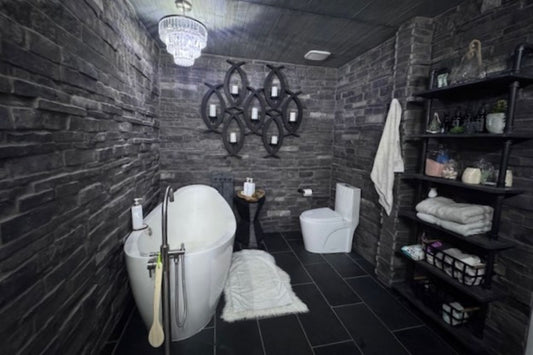
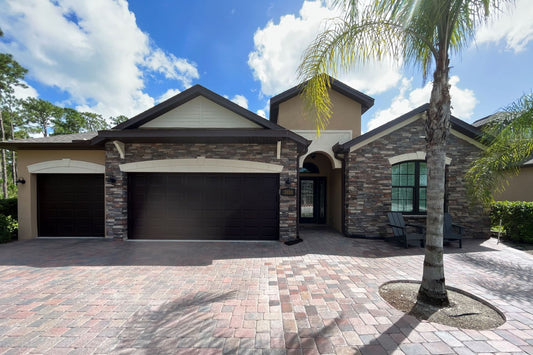
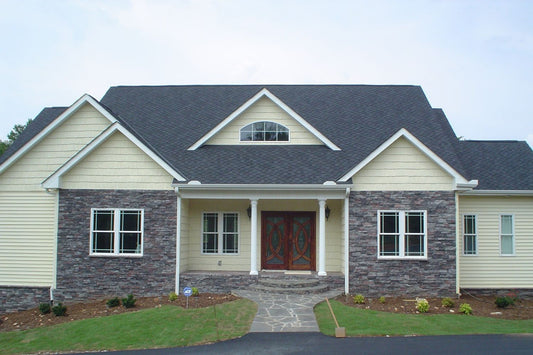
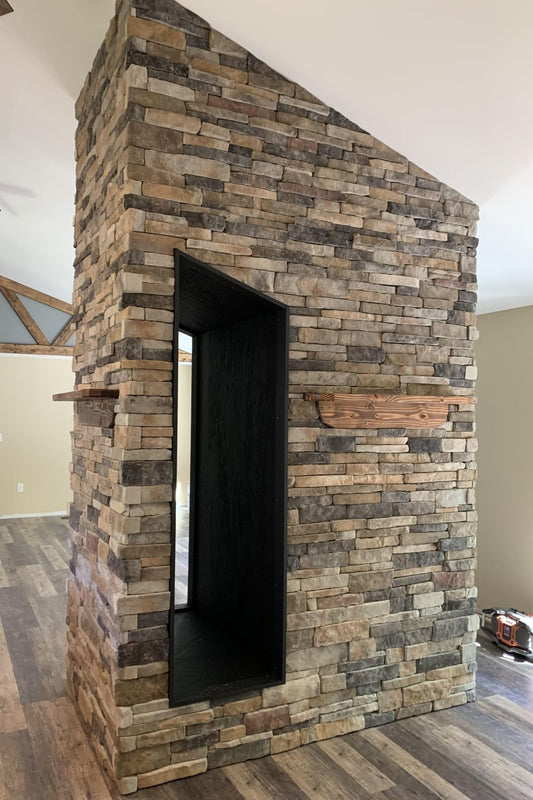
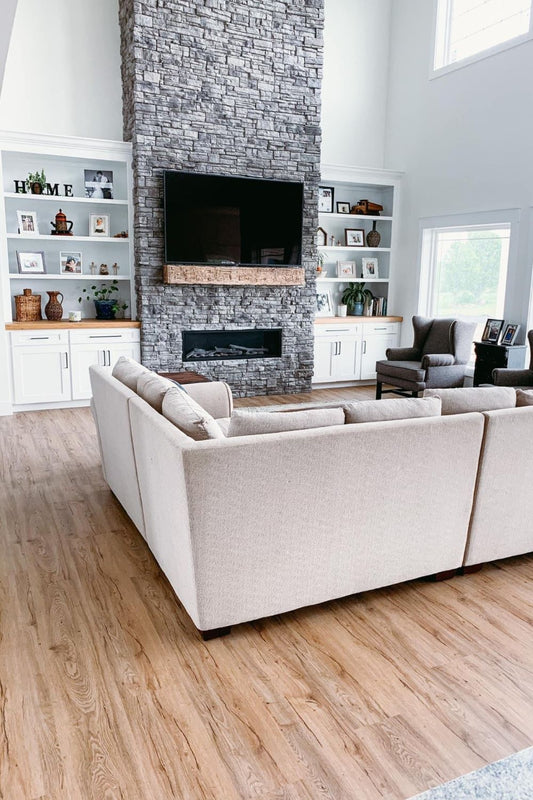
Brick veneer siding is designed for versatility, making it suitable for both exterior and interior applications. On the exterior, it is commonly used for full home facades, entryways, and foundation accents. Indoors, it can be applied to fireplaces, kitchen backsplashes, feature walls, and other design elements that benefit from added texture and character.
Because it is lightweight, brick veneer can often be installed over existing surfaces when proper preparation is completed. This makes it an excellent option for renovation projects where adding full brick would not be practical.
Proper installation remains critical to long-term performance. A well-designed system typically includes a moisture barrier, drainage plane, and appropriate mortar application to prevent water infiltration and ensure durability.
Durability and performance
Brick veneer siding is known for its durability and ability to withstand a range of environmental conditions. It performs well in climates with temperature fluctuations, including freeze-thaw cycles, when installed correctly with proper moisture management.
While it may not have the same lifespan as full-depth brick, high-quality brick veneer can last for decades with minimal maintenance. It is resistant to fire, pests, and rot, making it a reliable choice for both interior and exterior applications.
Long-term performance depends largely on installation quality. Proper detailing, including flashing and drainage, helps prevent moisture-related issues and ensures the veneer maintains its appearance over time.
Energy efficiency and insulation
Brick veneer siding can contribute to improved energy efficiency when installed as part of a properly insulated wall system. The air gap between the veneer and the wall can act as a buffer, helping to reduce heat transfer and maintain a more stable indoor temperature.
While the veneer itself is not a primary insulating material, it works in conjunction with insulation layers behind it to enhance overall thermal performance. This can contribute to increased comfort and potential energy savings over time.
Aesthetic appeal and design options
One of the strongest advantages of brick veneer siding is its aesthetic versatility. It captures the classic look of traditional brick while offering a wide range of colors, textures, and patterns to suit different architectural styles.
Whether you are aiming for a rustic, traditional appearance or a more modern, streamlined design, brick veneer can be tailored to match your vision. Consistent sizing and controlled manufacturing allow for greater uniformity, while still maintaining the natural variation that makes brick visually appealing.
The choice of mortar color and joint style also plays a significant role in the final appearance. Subtle changes in these elements can dramatically alter the overall look, making careful selection an important part of the design process.
Another important consideration in achieving the desired aesthetic is how the material’s profile influences the overall design. Similar to stone-based cladding options, brick veneer can be used to create different visual effects depending on pattern, depth, and installation style. If you’re comparing options or exploring how different profiles impact the final look of a project, our manufactured stone veneer profiles guide provides a helpful breakdown of how surface texture and layout choices shape architectural style and visual impact.
Maintenance and long-term care
Brick veneer siding is relatively low maintenance compared to many other exterior finishes. It does not require regular painting or sealing, and its durable surface resists common issues such as fading and weather damage.
Routine maintenance typically involves occasional cleaning to remove dirt and debris, along with periodic inspections to ensure mortar joints remain in good condition. Addressing minor issues early can help extend the lifespan of the installation and maintain its appearance.
Does brick veneer increase home value?
Brick has long been associated with quality and durability, and this perception extends to brick veneer siding. Homes with brick finishes often have strong curb appeal, which can make them more attractive to potential buyers.
While brick veneer may not carry the same structural value as full brick construction, it still offers a premium look that can enhance a home’s overall presentation. For many homeowners, this translates into improved resale potential and a worthwhile return on investment.
Is brick veneer siding right for you?
Brick veneer siding is an excellent choice for homeowners who want the timeless look of brick without the cost and complexity of traditional masonry. It offers a balance of affordability, durability, and design flexibility that makes it suitable for a wide range of projects.
However, it is important to consider your specific needs, budget, and long-term goals. Proper installation and material quality play a critical role in performance, so working with experienced professionals and selecting high-quality products is essential.
What is brick veneer siding?
Brick veneer siding offers a practical way to achieve the enduring beauty of brick without the challenges associated with full masonry construction. Its lighter weight, lower cost, and design flexibility make it an appealing option for both new builds and renovations.
By combining classic aesthetics with modern installation advantages, brick veneer siding continues to be a popular choice for homeowners seeking durability, style, and long-term value. When properly installed and thoughtfully designed, it can transform both interior and exterior spaces while maintaining the timeless character that has made brick a trusted material for generations.
From Mountain View Stone: what you should know
At Mountain View Stone, we’ve seen firsthand how brick veneer siding has become a go-to choice for homeowners who want the classic beauty of brick without the cost, weight, and labor of full masonry. While brick veneer offers many advantages, lighter weight, faster installation, and versatility for both interior and exterior applications, its long-term performance depends on proper installation, moisture management, and high-quality materials. Choosing the right product and planning your project carefully ensures durability, low maintenance, and lasting curb appeal. Whether you’re enhancing your home’s exterior, updating a fireplace, or adding an interior feature wall, understanding the differences between brick veneer and traditional brick helps you make the choice that balances aesthetics, cost, and functionality.
Frequently asked questions
1. Is brick veneer siding real brick? Brick veneer siding is designed to replicate the appearance of traditional brick but is not structural like full brick construction. It is typically manufactured from a mixture of cement, lightweight aggregates, and pigments that are molded to resemble natural brick. This allows homeowners to achieve the classic brick look with a lighter, more affordable material.
2. Can brick veneer siding be used indoors as well as outdoors? Yes, brick veneer siding can be installed on both interior and exterior surfaces. While it is commonly used for exterior siding to enhance curb appeal, it is also popular for interior applications such as fireplace surrounds, kitchen backsplashes, accent walls, and entryways. Its versatility makes it a popular design choice for many types of home renovations.
3. Is brick veneer siding cheaper than traditional brick? In most cases, brick veneer siding is significantly more affordable than full brick construction. Because it is lighter and non-structural, it requires fewer materials and less labor during installation. This makes it a cost-effective way for homeowners to achieve the timeless appearance of brick without the higher costs associated with traditional masonry.
4. How durable is brick veneer siding? Brick veneer siding is known for its durability and resistance to harsh weather conditions such as rain, heat, and freezing temperatures. When installed properly with appropriate moisture management, it can last for decades with minimal maintenance. Occasional cleaning and routine inspections are usually all that is needed to keep it looking its best.
5. Does brick veneer siding require maintenance? One of the advantages of brick veneer siding is its low maintenance requirements. Unlike wood siding, it does not need to be painted or sealed regularly. Most homeowners only need to perform occasional cleaning to remove dirt or debris and check that mortar joints remain in good condition.
6. Can brick veneer siding increase home value? Yes, brick veneer siding can improve a home’s curb appeal and may increase its market value. Many buyers view brick finishes as a premium design feature because of their timeless appearance and durability. Installing brick veneer can make a home more attractive to potential buyers while providing long-term aesthetic benefits.
What's next?
Transform your space with our exquisite brick veneer! Shop now to explore our collection or order a sample today to see and feel the quality for yourself!
Have a question?
Please see our full terms of service or check out our frequently asked questions.
For general information and questions please call: (864) 882-8960 Mon. - Fri. 8am - 5pm (EST) or email: info@mountainviewstone.net we are more than happy to help you.
Or you can submit your questions via our contact us page.
We look forward to working with you on your upcoming project.
The Mountain View Stone Team
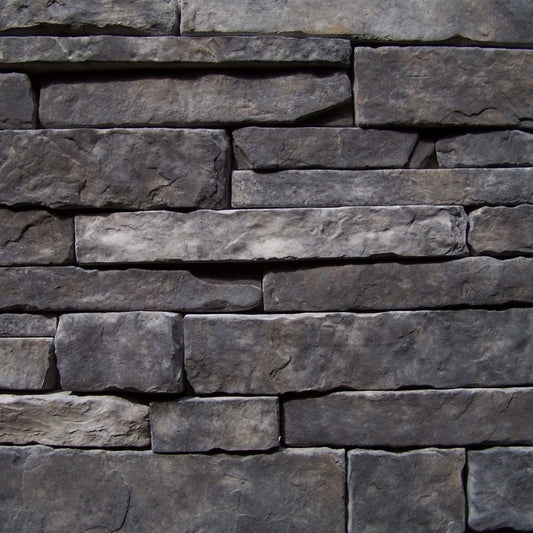
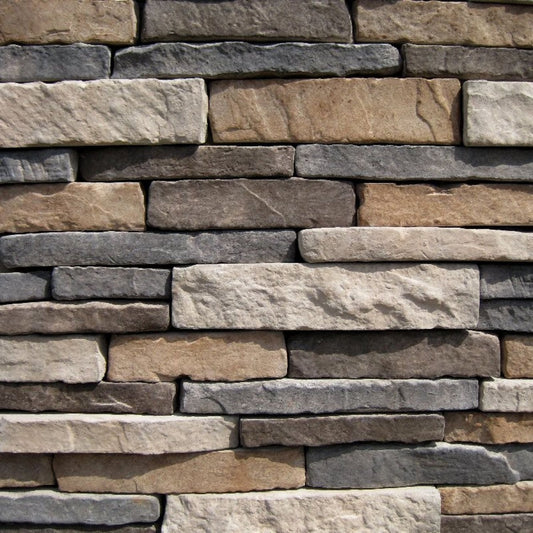
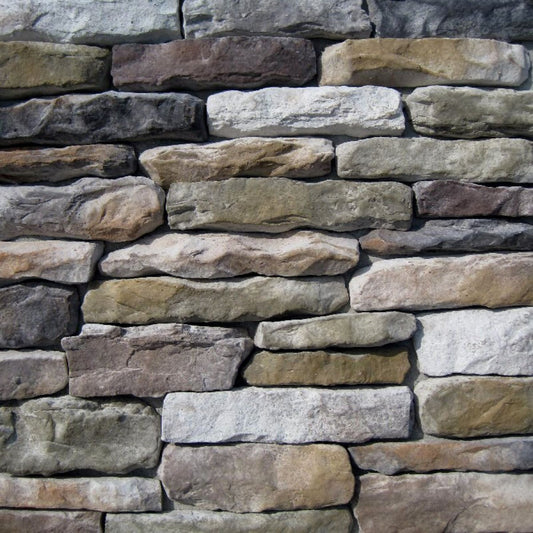
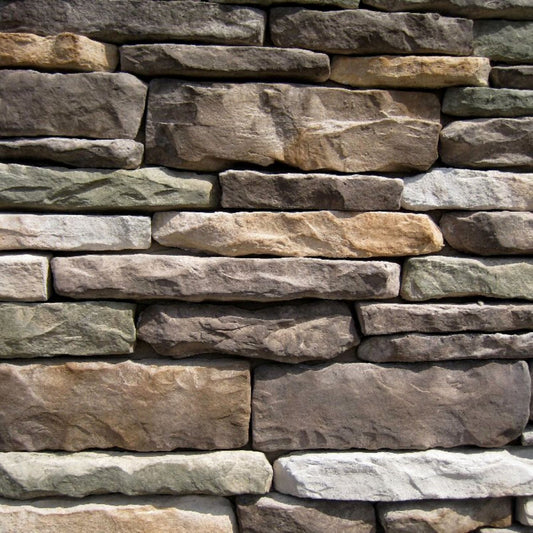
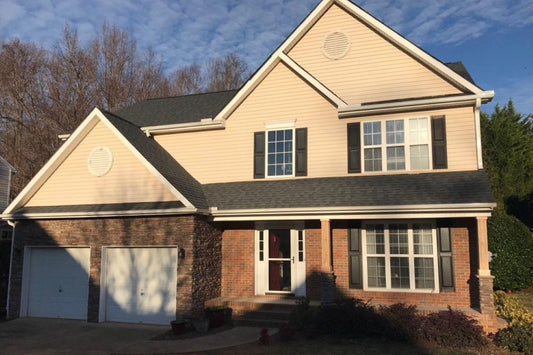
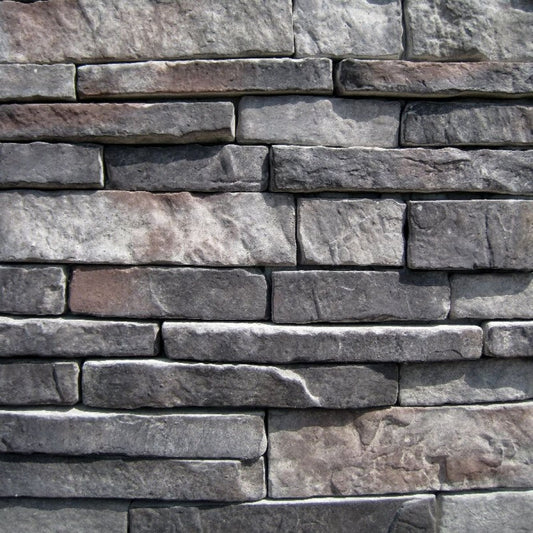
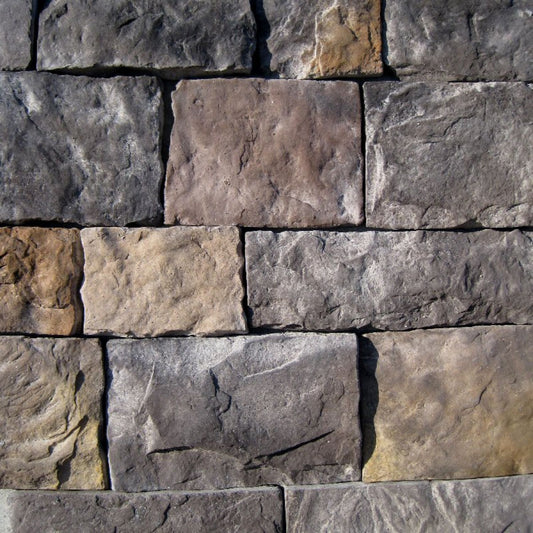
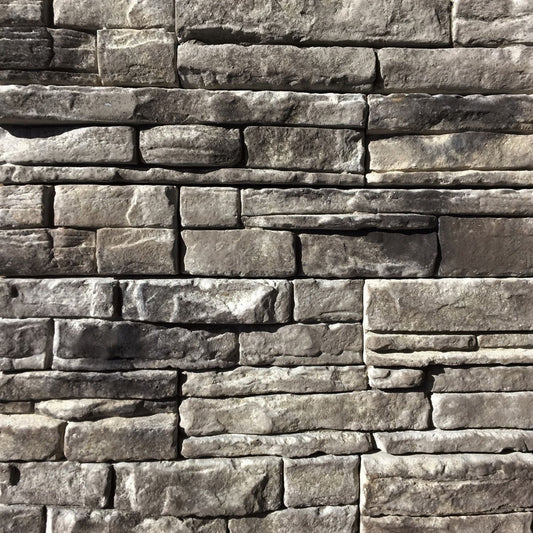
Pictured is brick veneer george town.