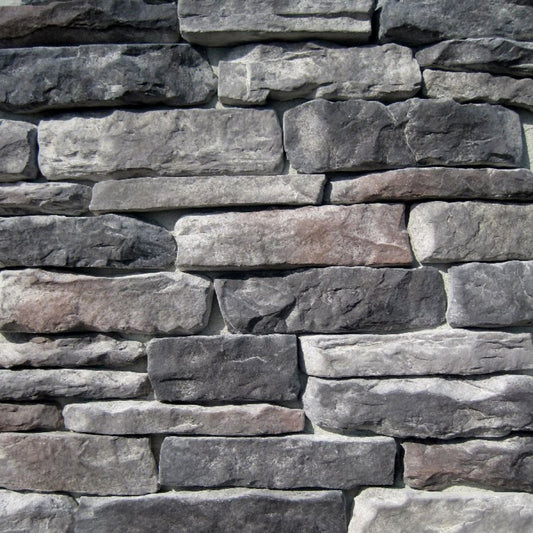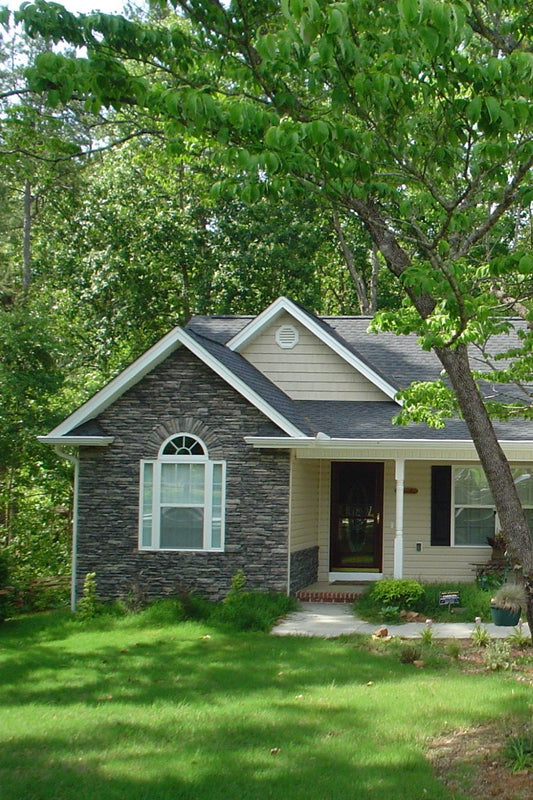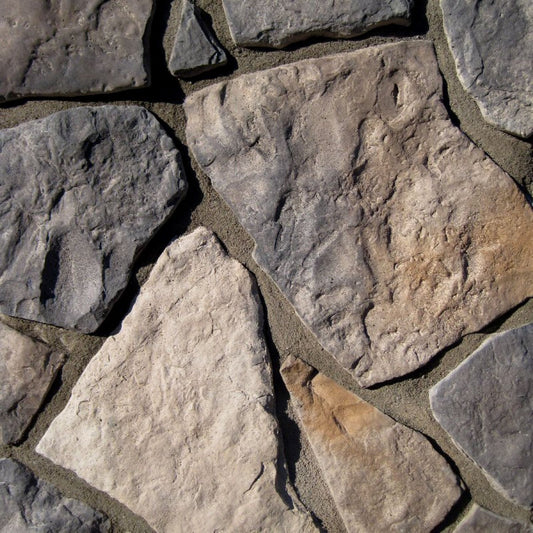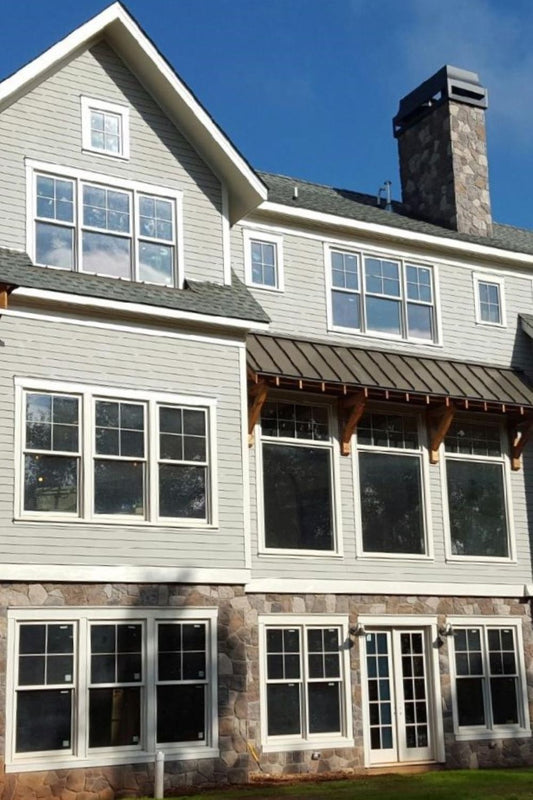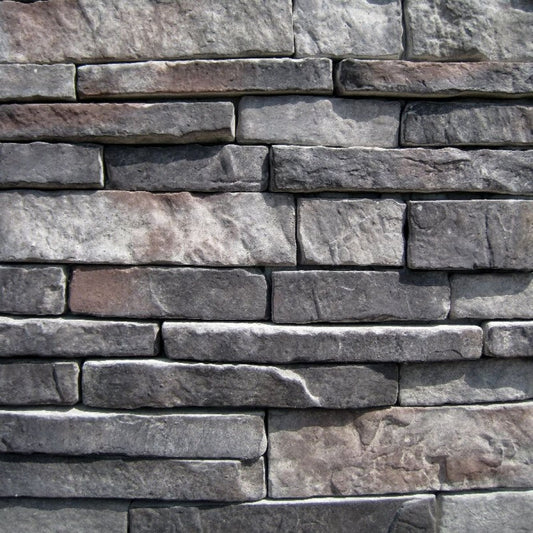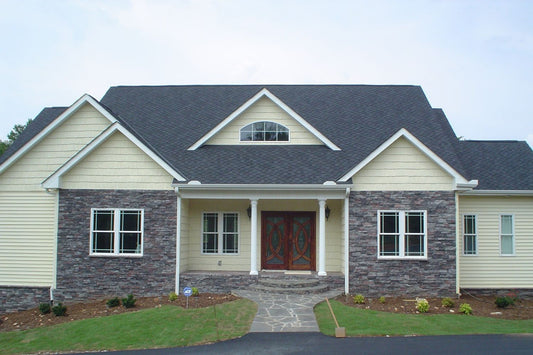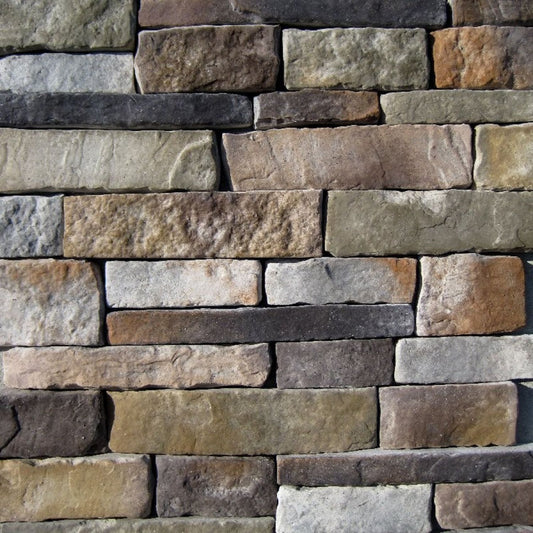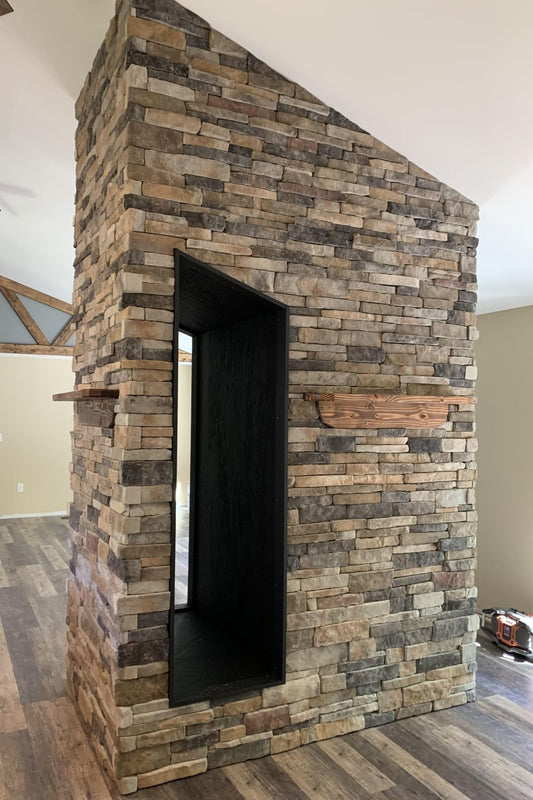

Stone Veneer for Foundation Walls: Durable, Stylish, and Easy to Install
Share
Originally posted November 26, 2024, updated April 14, 2026.
Manufactured stone veneer is a cost-effective way to upgrade foundation walls by improving curb appeal, adding weather resistance, and increasing durability. Proper installation over concrete or masonry creates a long-lasting, low-maintenance exterior finish that enhances both appearance and protection.
Foundation walls are essential to the strength and stability of any home, yet they are often left exposed, plain, and visually unappealing. While they perform a critical structural role, they also present an opportunity to enhance your home’s exterior in a meaningful way. Upgrading foundation walls with manufactured stone veneer is one of the most effective ways to combine durability with design. For a broader look at how stone veneer can elevate exterior projects beyond foundation applications, explore our ultimate guide to manufactured stone veneer for exterior spaces.
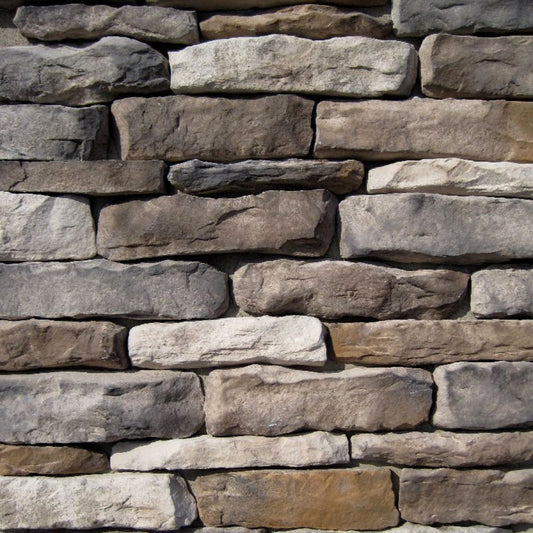
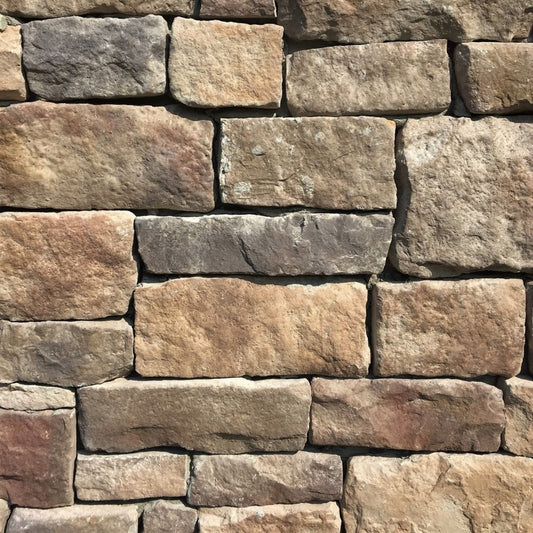
Manufactured stone veneer delivers the timeless look of natural stone without the weight, cost, or installation complexity. Whether your goal is to boost curb appeal, improve weather resistance, or create a more cohesive exterior design, this material offers a practical and visually striking solution. With proper planning and installation, foundation walls can become a standout feature rather than an afterthought.
Why manufactured stone veneer is ideal for foundation walls
As detailed in our guide where can you install manufactured stone veneer?, choosing the right material for foundation upgrades is about more than aesthetics. Manufactured stone veneer stands out because it balances performance, affordability, and design flexibility. It mimics the texture and variation of real stone while remaining lightweight and easier to handle during installation.
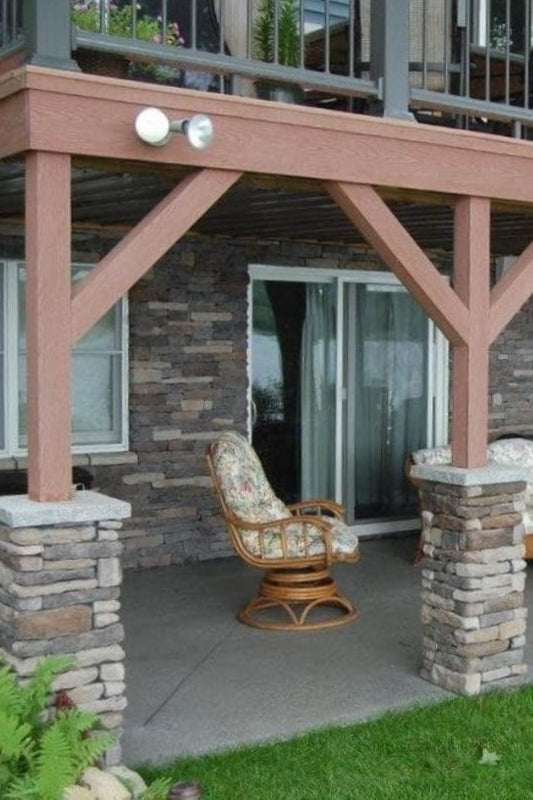
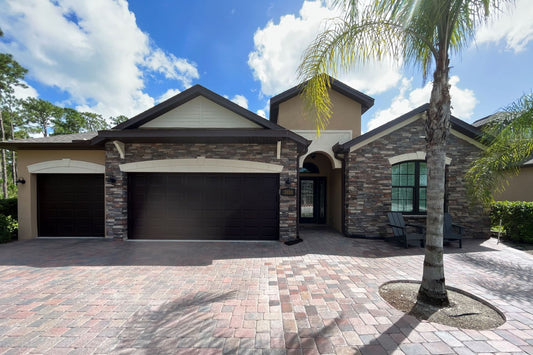
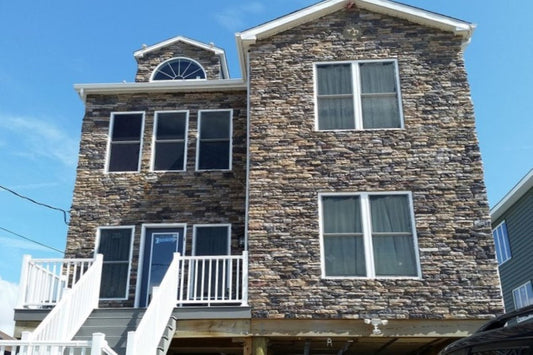
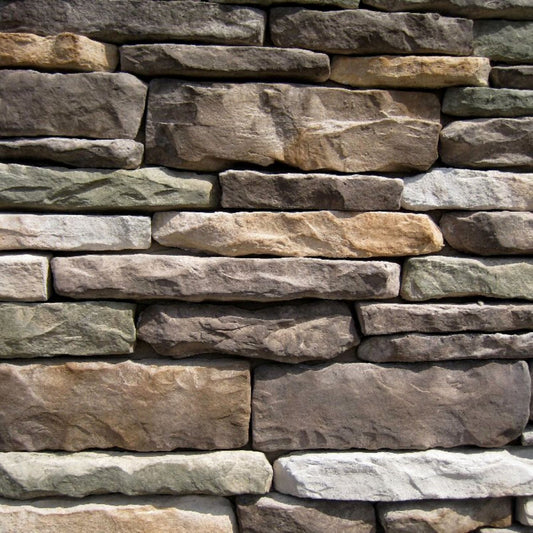
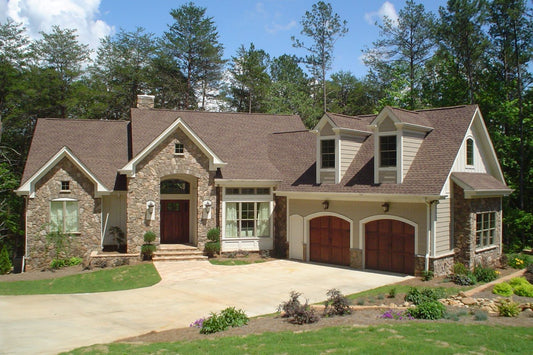
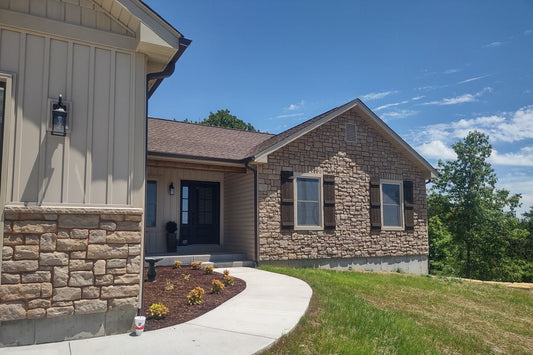
One of the most immediate benefits is the visual transformation. Plain concrete or block foundations can make even a well-designed home feel unfinished. Stone veneer adds depth, texture, and character, creating a polished look that ties the entire exterior together. With a wide range of colors and styles available, it’s easy to match existing siding, trim, or landscaping elements.
Beyond appearance, manufactured stone veneer provides an added layer of protection. Foundation walls are constantly exposed to moisture, temperature changes, and physical impact. A properly installed veneer system helps shield the underlying surface from these elements, reducing wear over time. In climates with frequent freeze-thaw cycles, this additional barrier can be particularly valuable in maintaining the integrity of the structure.
Cost is another major advantage. Natural stone installations can be expensive due to material weight, transportation, and labor requirements. Manufactured stone veneer offers a similar aesthetic at a fraction of the cost, making it accessible for a wider range of homeowners. Its lighter weight also simplifies installation, which can reduce labor time and overall project expenses.
Preparing foundation walls for installation
Successful installation begins with proper preparation. Foundation walls must be carefully assessed to ensure they are structurally sound and suitable for veneer application. Any cracks, loose materials, or signs of moisture intrusion should be addressed before moving forward. Ignoring these issues can compromise both the appearance and longevity of the finished surface. For a more detailed step-by-step breakdown of proper surface prep techniques, see our guide preparing your wall surface for stone veneer.
Cleaning the wall is an essential step in the process. Dirt, dust, grease, and debris can interfere with adhesion, so the surface must be thoroughly cleaned to create a solid bonding base. Depending on the condition of the wall, this may involve pressure washing or manual scrubbing.
The type of substrate determines the next steps. Concrete and masonry walls often allow for direct application with minimal preparation, while wood-framed surfaces require additional layers. In those cases, a weather-resistant barrier and metal lath are installed to provide support for the mortar and stone.
Applying a scratch coat is a key part of the process. This thin layer of mortar is spread over the surface and textured to create a rough base that helps the stones adhere securely. Allowing the scratch coat to cure properly ensures a strong bond and reduces the risk of shifting or detachment over time.
Planning the layout for a natural look
Achieving a professional finish with manufactured stone veneer depends heavily on layout planning. Before any mortar is applied, it’s important to visualize how the stones will fit together across the wall. This step helps prevent repetitive patterns and ensures a balanced, natural appearance.
Dry fitting the stones allows you to experiment with different arrangements and identify the best placement for each piece. Since manufactured stone is designed to replicate natural variation, mixing shapes, sizes, and colors is essential to avoid a uniform or artificial look. Taking the time to plan ahead can make a significant difference in the final result.
Cutting stones to fit edges, corners, and transitions is often necessary. Precise cuts help maintain clean lines and ensure a seamless installation. Attention to detail during this stage contributes to a more polished and cohesive finish.
Installing manufactured stone veneer on foundation walls
The installation process involves carefully applying each stone to create a durable and visually appealing surface. Mortar is applied to the back of each piece, ensuring full coverage for a strong bond. Pressing the stone firmly into place helps eliminate air pockets and secures it to the prepared wall.
Starting at the bottom of the wall and working upward provides stability and support as the installation progresses. Maintaining consistent spacing and alignment is essential for achieving a professional appearance. Regularly checking with a level helps prevent uneven lines and ensures the stones remain properly positioned.
Working in manageable sections allows the mortar to set at an appropriate pace. This approach helps maintain control over the installation and reduces the risk of errors. Once the stones are in place, joints are filled with mortar to create a finished look. Tooling the joints smooths the surface and enhances the overall aesthetic.
Finishing, cleaning, and sealing the surface
After installation, proper finishing techniques help preserve the appearance and durability of the veneer. Cleaning the surface before the mortar fully hardens prevents residue from staining the stone. A damp sponge is typically sufficient to remove excess material and keep the surface looking clean.
Applying a sealant is an optional but highly recommended step, especially for foundation walls exposed to moisture and environmental contaminants. A quality sealant helps protect against staining, water penetration, and weather-related wear. It also enhances the longevity of the installation, ensuring the stone maintains its appearance over time.
Regular maintenance is minimal, but occasional cleaning and inspection can help identify any areas that may need attention. With proper care, manufactured stone veneer can retain its beauty and performance for decades.
Long-term benefits of upgrading foundation walls
Investing in manufactured stone veneer for foundation walls offers both immediate and long-term advantages. From a design perspective, it creates a more cohesive and finished look that enhances the overall appearance of your home. This improvement in curb appeal can have a direct impact on property value, making it an attractive option for homeowners considering resale.
Functionally, the added layer of protection helps extend the lifespan of the foundation. By shielding the surface from moisture, impact, and temperature fluctuations, stone veneer contributes to the durability of the structure. This combination of form and function makes it a smart upgrade for both new builds and renovation projects.
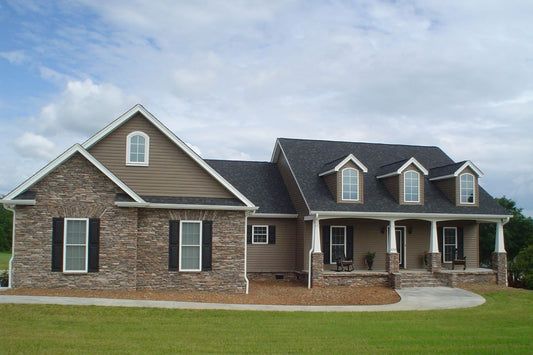
The versatility of manufactured stone veneer also allows it to be integrated with other exterior features. Whether paired with siding, brick, or landscaping elements, it creates a unified design that elevates the entire property. This flexibility makes it a popular choice for homeowners looking to achieve a high-end look without exceeding their budget.
Stone veneer & foundation walls
Upgrading foundation walls with manufactured stone veneer is a practical and visually impactful improvement that delivers lasting results. It transforms an often-overlooked part of the home into a defining feature while adding protection against the elements. With proper preparation, thoughtful design, and careful installation, this material offers a durable and cost-effective solution for enhancing your home’s exterior.
Whether you choose to take on the project yourself or work with a professional, the end result is a foundation that not only supports your home structurally but also contributes to its overall beauty and value.
From Mountain View Stone: what you should know
At Mountain View Stone, we know that foundation walls don’t have to be an afterthought, they can be a defining feature of your home’s exterior. Manufactured stone veneer offers a cost-effective way to enhance both appearance and performance, delivering the beauty of natural stone without the weight, expense, or installation challenges. When properly prepared and installed over concrete or masonry, stone veneer provides a durable, weather-resistant layer that protects your foundation while improving curb appeal. With minimal maintenance, long-lasting durability, and design flexibility, upgrading your foundation walls with stone veneer is a practical and stylish investment that enhances your home’s value and visual impact for years to come.
Frequently asked questions
1. Is manufactured stone veneer suitable for all foundation types? Manufactured stone veneer can be installed over most foundation types, including concrete and masonry. Additional preparation is required for wood-framed surfaces to ensure proper support and adhesion.
2. Does stone veneer help protect foundation walls from moisture? Yes, when installed correctly, stone veneer adds a protective layer that helps reduce moisture exposure. Using a proper drainage plane and optional sealant further improves performance.
3. How long does manufactured stone veneer last on a foundation? With proper installation and maintenance, manufactured stone veneer can last for decades. Its durability makes it a long-term solution for both aesthetics and protection.
4. Can I install stone veneer on foundation walls myself? Many homeowners choose to install manufactured stone veneer as a DIY project. However, proper preparation and technique are essential, so professional installation may be recommended for complex applications.
5. Does adding stone veneer increase home value? Enhancing foundation walls with stone veneer can improve curb appeal and perceived value, which may positively impact resale potential.
6. Do foundation walls with stone veneer require maintenance? Maintenance is minimal and typically involves occasional cleaning and inspection. Applying a sealant can further reduce upkeep and protect against staining.
What's next?
Enhance your space with our beautiful stone veneer! Shop now to explore our collections or order a sample to experience the quality firsthand!
Have a question?
Please see our full terms of service or check out our frequently asked questions.
For general information and questions please call: (864) 882-8960 Mon. - Fri. 8am - 5pm (EST) or email: info@mountainviewstone.net we are more than happy to help you.
Or you can submit your questions via our contact us page.
We look forward to working with you on your upcoming project.
The Mountain View Stone Team
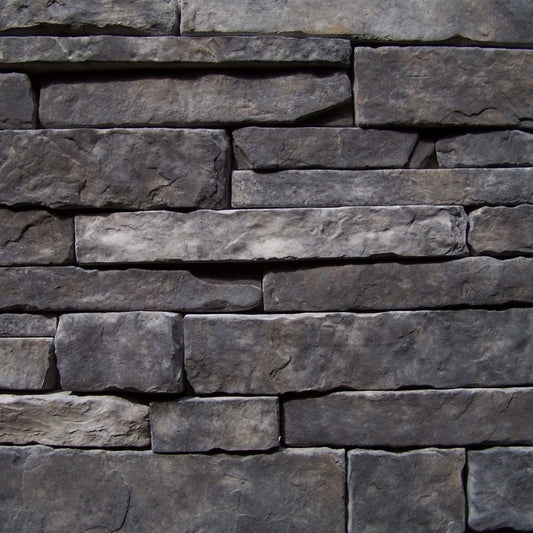
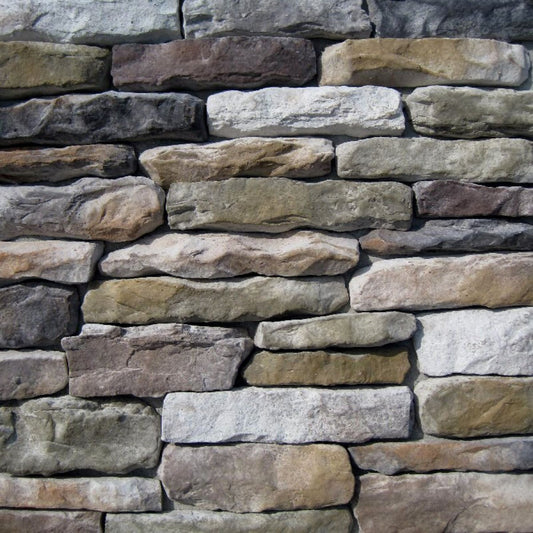
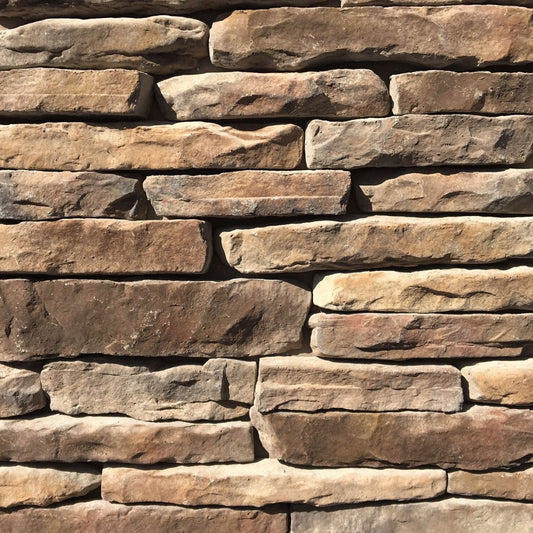
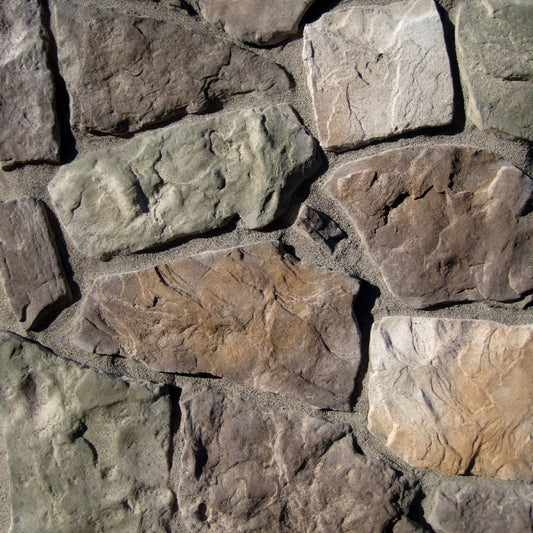
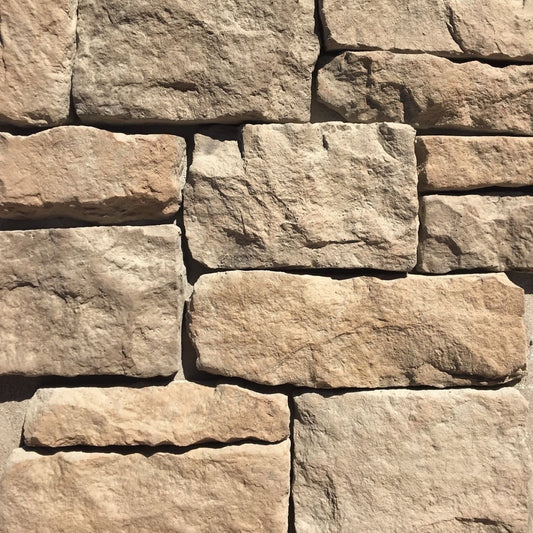
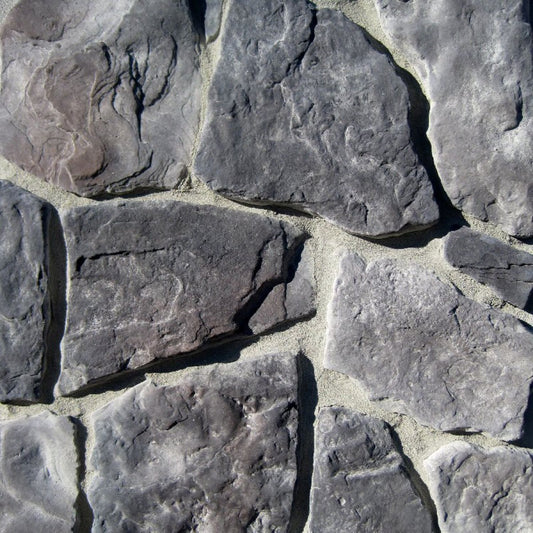
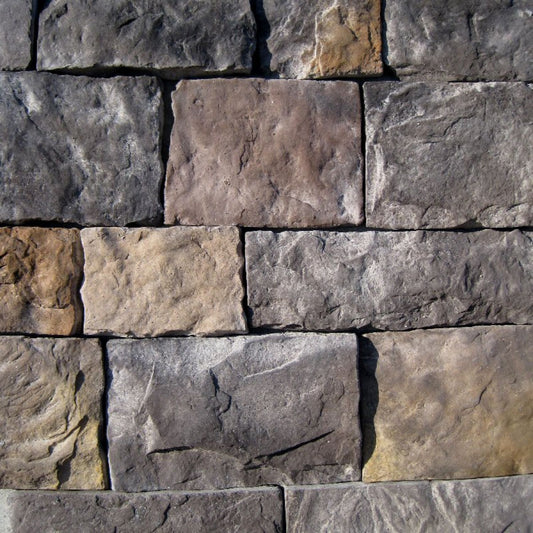
Pictured is hackett stone kona.