
How High Can You Install Stone Veneer? Installation Height Limits Explained
Share
Originally posted December 10, 2025, updated August 17, 2026.
There is no universal height limit for manufactured stone veneer. Manufactured stone veneer can be installed on two-story homes, tall interior walls, and multi-story commercial buildings when the substrate, installation system, moisture management, structural support, and local building codes are properly addressed. Exterior installations may require additional engineering or support as wall height, wind exposure, openings, and building movement increase.
Manufactured stone veneer is a versatile choice for residential and commercial projects, offering the look of natural stone with a lightweight design that works well on exterior walls, foundations, fireplaces, accent walls, and other vertical surfaces. While there is no universal height limit for manufactured stone veneer, taller installations require careful consideration of the substrate, installation method, moisture management, structural support, and local building codes. For a closer look at the requirements and specifications that should be considered when planning your project, see our complete stone veneer specifications guide.
A two-story residential exterior, a tall interior feature wall, and a multi-story commercial facade can all have very different requirements. Understanding those differences is important before beginning a tall stone veneer installation.
Is There a Height Limit for Manufactured Stone Veneer?
There is no universal product height limit for manufactured stone veneer. When properly installed over an approved substrate and in accordance with the applicable installation requirements, manufactured stone veneer can be installed on walls much taller than a single story.
The important distinction is between the height of the veneer product and the requirements of the wall assembly. The veneer itself is not necessarily what determines how high an installation can go. As the wall gets taller, factors such as wind loads, building movement, moisture exposure, structural support, and the condition of the substrate become increasingly important.
For exterior applications, the wall must be constructed and detailed so the entire veneer assembly can perform as intended. Depending on the project, this can involve a properly prepared substrate, weather-resistant barrier, metal lath, scratch coat, Type S mortar, flashing, drainage provisions, weep screeds, and structural support or engineered fastening where required.
For larger or unusually tall installations, the local building department, architect, contractor, or structural engineer may determine whether additional design or support is necessary.
How High Can You Install Stone Veneer on an Exterior Wall?
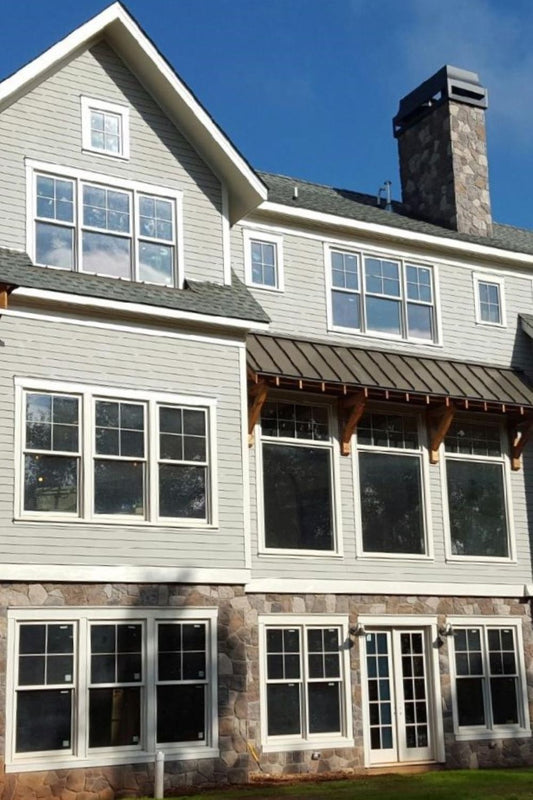
Manufactured stone veneer can be installed on two-story homes and much taller commercial structures. However, there is no single height that applies to every exterior installation.
Some building-code provisions and installation standards establish requirements for vertical sections and support as wall height increases. Depending on the construction system and jurisdiction, additional support may be required at certain elevations or transitions rather than simply allowing the veneer to continue uninterrupted from the ground to the top of a very tall wall.
This is particularly important on commercial buildings and multi-story structures. A tall facade may need engineered details that address the weight of the veneer, wind pressure, movement of the building, attachment to the structure, and transitions between floors.
For this reason, it is better to think of a tall stone veneer project as a complete wall assembly rather than simply asking how many feet of veneer can be installed vertically.
For homeowners planning a two-story residential project, understanding the basic installation process is an important part of preparing for the work. Our DIY stone veneer installation guide walks through the major steps involved in installing manufactured stone veneer, from surface preparation through the finishing details.
Building Codes and Tall Stone Veneer Installations
Building codes play an important role in determining how manufactured stone veneer can be installed on taller walls. Requirements can vary depending on the location, building type, construction method, wall height, exposure conditions, and other factors.
For some installations, additional support or structural detailing may be required as the veneer extends above a certain vertical distance. Support may take the form of structural ledges, shelf angles, brackets, or other engineered components designed to transfer loads back to the building structure.
Openings also require special attention. Stone veneer should not simply span large openings such as garage doors, oversized windows, and entryways without the appropriate structural detailing. The veneer above an opening must be supported by the wall assembly rather than relying on the opening itself to carry the weight.
On taller commercial buildings, the project engineer may also specify mechanical attachment or other engineered components based on the design of the building and the expected environmental loads.
Because requirements differ by jurisdiction and project, always verify the applicable building code and installation requirements before beginning a tall exterior stone veneer project.
Why Wind Load Matters on Tall Exterior Walls
Wind becomes an increasingly important consideration as the height of an exterior wall increases. A stone veneer installation that performs well on a sheltered single-story wall may have very different design requirements on a tall, exposed building.
Coastal locations, open terrain, high-wind regions, and taller structures can experience significantly greater wind pressures. The building's height, shape, location, and exposure all influence the design requirements.
This is one reason tall commercial stone veneer installations may require engineered attachment or additional structural detailing. The goal is not simply to support the weight of the veneer but also to ensure that the entire wall assembly can withstand the forces acting on it.
For particularly tall or exposed exterior walls, the project engineer should determine whether the standard installation system is appropriate or whether additional engineering is necessary.
Moisture Management Becomes More Important on Tall Walls
Proper moisture management is essential for any exterior manufactured stone veneer installation, regardless of height. However, taller walls and larger facades can make drainage, flashing, transitions, and weather protection even more important.
Exterior stone veneer should be installed as part of a properly designed wall assembly. Depending on the construction and applicable requirements, this may include a weather-resistant barrier, metal lath, scratch coat, flashing, weep screeds, and other drainage provisions.
The purpose of these components is to help manage water that may enter behind the veneer rather than allowing moisture to become trapped within the wall assembly.
Tall installations also contain more transitions, penetrations, windows, doors, roof intersections, and other areas where water management must be carefully considered. These details should be addressed as part of the overall building design rather than treated as an afterthought once the veneer installation begins.
Does Manufactured Stone Veneer Need Support on Tall Walls?
Additional support may be required on certain tall installations, but there is no universal rule that every tall wall needs the same support system.
Support requirements depend on the wall construction, height, substrate, building code, openings, and engineered design. Structural ledges, shelf angles, or other support components may be used when required to transfer the weight of the veneer to the building structure.
Support is especially important when stone veneer is installed above large openings or across multiple levels. The veneer should not be allowed to place unintended loads on unsupported portions of the wall.
For a typical residential installation, the required support may already be incorporated into the wall construction. Larger commercial projects, however, may require an architect or structural engineer to develop specific support and attachment details.
How High Can Manufactured Stone Veneer Be Installed Indoors?
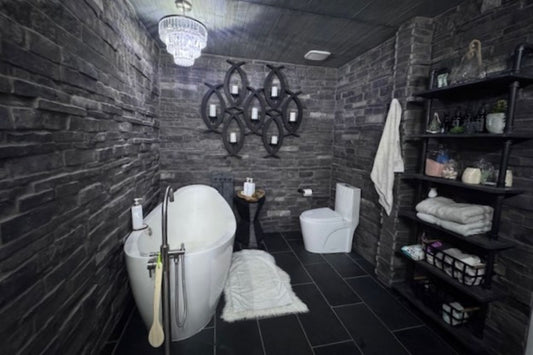
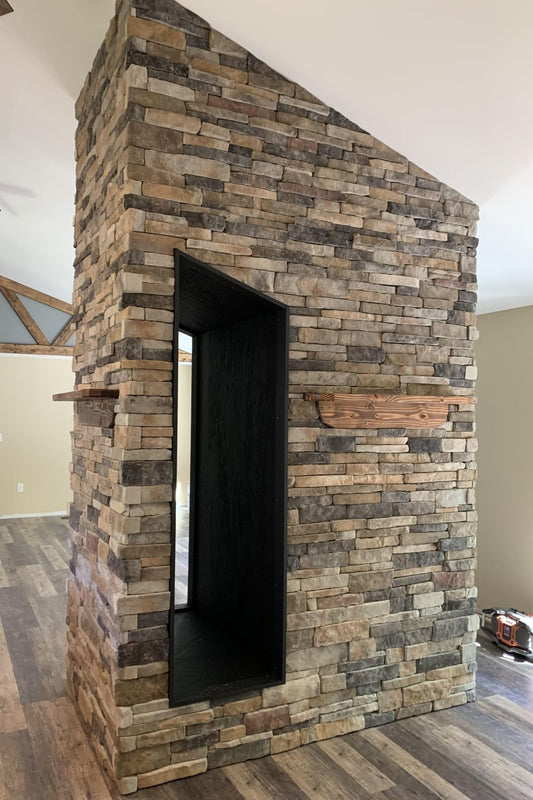
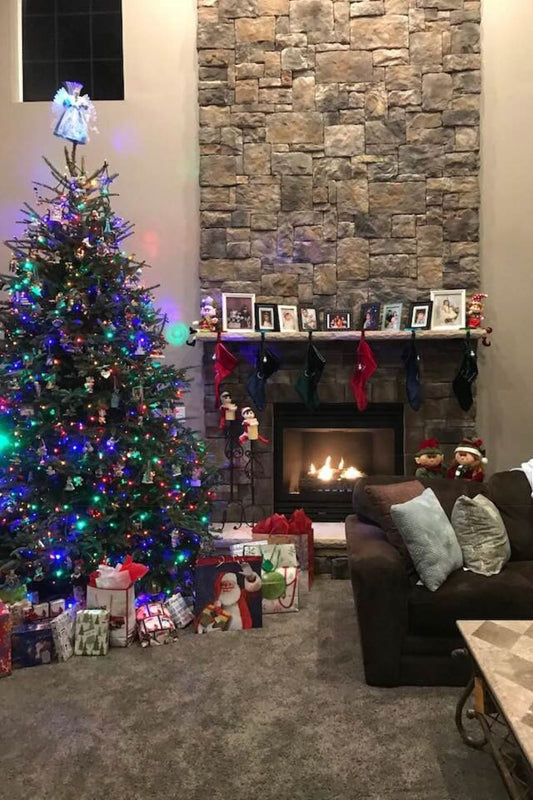
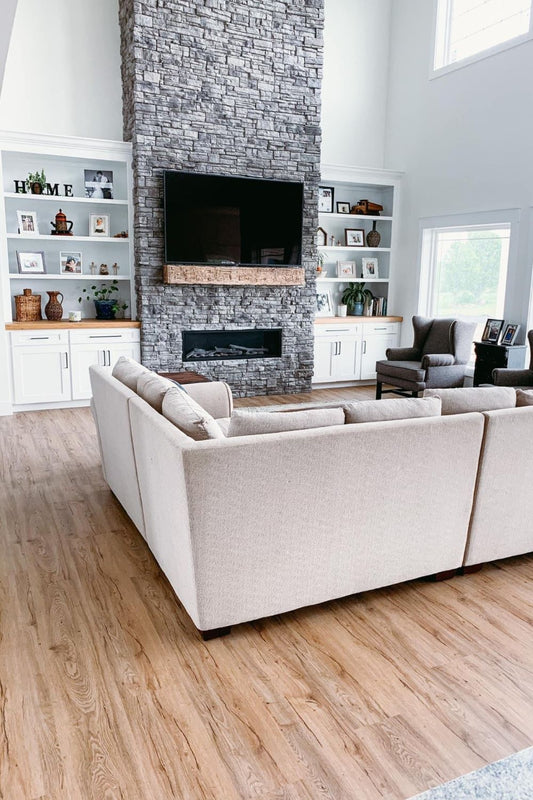
Interior manufactured stone veneer can be installed on very tall walls, including two-story fireplaces, cathedral ceilings, staircase walls, great rooms, entryways, and commercial feature walls.
Interior installations generally do not face the same wind and exterior moisture exposure as an outside wall. That can make tall interior applications considerably simpler from a building-envelope perspective.
However, height alone does not eliminate the need for proper installation. The substrate must still be suitable, properly prepared, and capable of supporting the veneer assembly. The manufacturer's installation requirements should be followed, including the appropriate mortar and substrate preparation.
Large interior feature walls should also account for fireplaces, heat sources, building movement, and any transitions between different materials. Manufactured stone veneer should never be installed inside a firebox or in direct contact with an open flame unless the entire assembly has been specifically designed and approved for that application.
Can Manufactured Stone Veneer Be Installed on a Two-Story House?
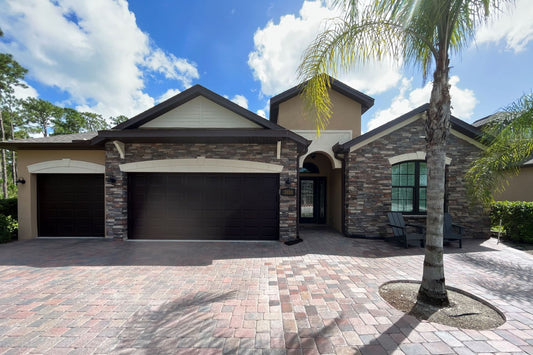
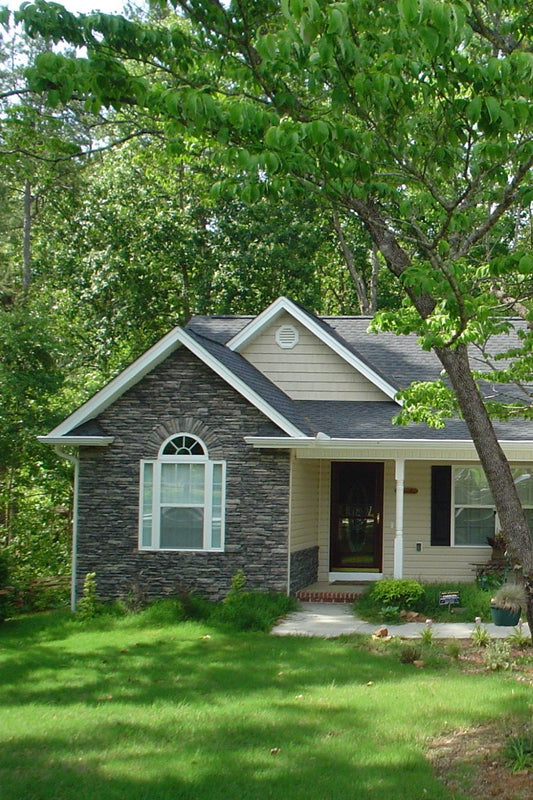
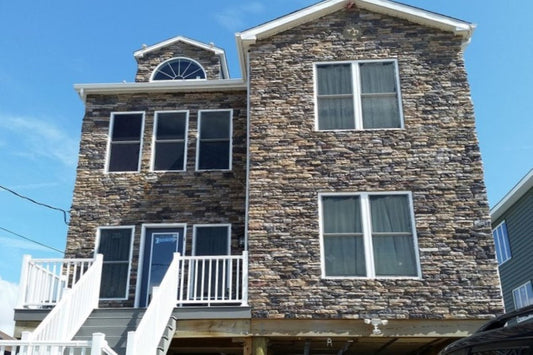
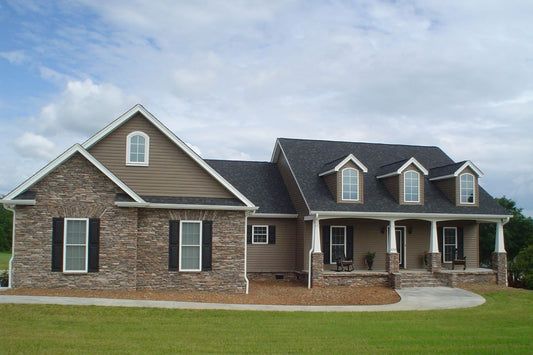
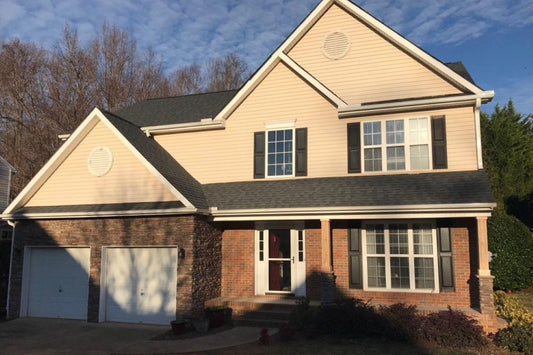
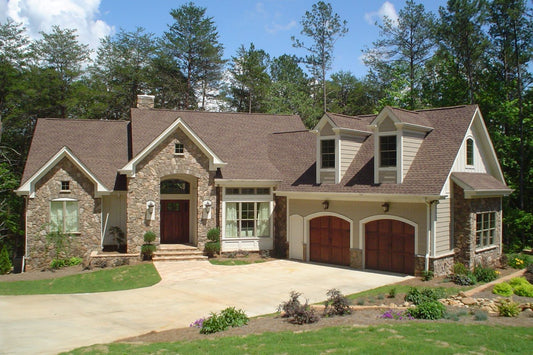
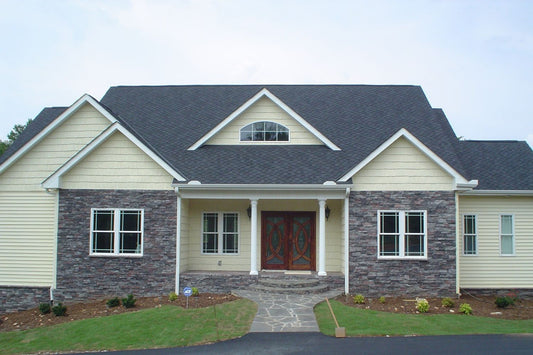
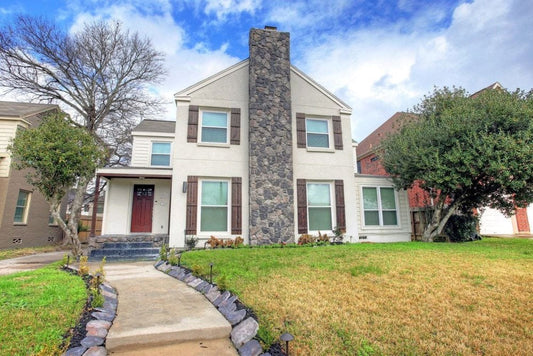
Yes. Manufactured stone veneer is commonly used on two-story residential exteriors and can cover everything from a small foundation section to large portions of the entire facade.
A two-story application does not automatically mean that the veneer will require a special height solution. What matters is whether the wall assembly meets the applicable installation and building-code requirements.
The substrate must be properly prepared, the veneer must be installed using the specified mortar and attachment system, and exterior walls must have appropriate moisture management. Openings and transitions between floors should also be properly detailed.
For homes with particularly tall walls, unusual architecture, significant wind exposure, or complex structural conditions, it is wise to have the installation reviewed by the appropriate building professional before work begins.
Does Height Affect Manufactured Stone Veneer Durability?
Height itself does not make properly installed manufactured stone veneer more likely to fail. Problems typically occur when the wall assembly is improperly prepared or installation requirements are not followed.
Using the wrong mortar, installing over an unsuitable substrate, failing to properly install metal lath and scratch coat where required, omitting necessary moisture-management components, or failing to provide appropriate structural support can create problems regardless of whether the wall is eight feet or forty feet tall.
As the project becomes taller and more complex, there are simply more factors that need to be considered. Proper planning and installation become increasingly important.
Proper installation is especially important as projects become taller and more complex. Our complete guide how to install manufactured stone veneer like a pro, provides a detailed look at the installation process and the considerations that can help ensure a successful finished project.
What About Very Tall Commercial Stone Veneer Projects?
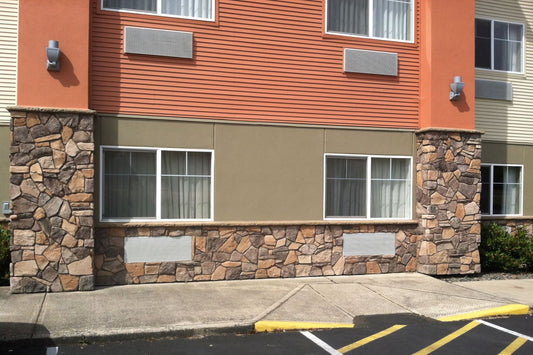
Commercial buildings can use manufactured stone veneer on facades that extend well beyond the height of a typical home. However, these projects should be approached as engineered building-envelope applications rather than oversized residential installations.
Architects, contractors, and engineers may need to evaluate the building's structural system, wind loads, substrate, attachment method, support locations, expansion or movement joints, moisture management, and other project-specific conditions.
A tall commercial facade may also have multiple floor transitions, large window openings, parapets, roof intersections, and other details that affect the veneer installation.
There is therefore no universal answer such as "manufactured stone veneer can only be installed 30 feet high" or "there is no limit whatsoever." The correct height and installation method depend on the complete project design and applicable requirements.
How High Can You Install Stone Veneer?
Manufactured stone veneer can be used on tall residential, interior, and commercial walls when the complete installation is properly designed and installed. Exterior projects become more complex as height increases because of wind loads, moisture management, structural support, openings, building movement, and local code requirements.
For a standard two-story home, manufactured stone veneer can be an excellent option when installed according to the manufacturer's requirements. For taller walls and commercial facades, the project may require additional structural engineering or support components.
The safest approach is to evaluate the entire wall assembly rather than the veneer alone. Always follow the applicable installation instructions and confirm local building-code requirements before beginning a tall or multi-story installation.
From Mountain View Stone: What You Should Know
When planning a tall manufactured stone veneer installation, the height of the wall is only one part of the equation. Proper substrate preparation, installation methods, moisture management, structural support, and local building codes all play an important role in long-term performance. While manufactured stone veneer can be installed on two-story homes, tall interior walls, and larger commercial projects, taller exterior installations may require additional engineering or support based on the specific building and site conditions. For any project with unusual height, large openings, multiple stories, or complex structural details, we recommend reviewing the installation requirements with your contractor, building department, architect, or engineer before beginning the project.
Frequently Asked Questions About How High Can You Install Stone Veneer?
Can manufactured stone veneer be installed on a two-story house?
Yes. Manufactured stone veneer can be installed on two-story homes when the wall assembly is properly prepared and the installation complies with applicable building codes and manufacturer requirements. Exterior installations should include the required substrate preparation and moisture-management components.
What is the maximum height for manufactured stone veneer?
There is no universal maximum height for manufactured stone veneer. The allowable height depends on the wall assembly, building code, structural design, wind exposure, substrate, and installation method. Taller exterior and commercial installations may require engineered support or attachment.
Does manufactured stone veneer need a support ledge?
A support ledge, shelf angle, bracket, or other structural support may be required for certain tall installations or where veneer is installed above large openings. The required support depends on the specific wall design and applicable building requirements.
Can manufactured stone veneer be installed all the way to a vaulted ceiling?
Yes. Manufactured stone veneer can be installed on tall interior walls and extend toward vaulted or cathedral ceilings. The substrate must be suitable and the veneer must be installed according to the manufacturer's requirements. Interior walls are generally not subject to the same wind and exterior moisture considerations as exterior walls.
Is exterior stone veneer more complicated to install than interior stone veneer?
Generally, yes. Exterior installations must account for weather exposure, moisture management, wind loads, flashing, drainage, and local building-code requirements. Interior installations do not face the same environmental conditions, although proper substrate preparation and installation remain essential.
Who determines whether engineering is required for a tall stone veneer wall?
The local building department, architect, contractor, or project engineer may determine what requirements apply to a particular project. For tall, multi-story, commercial, or structurally complex installations, a qualified design professional should evaluate the wall assembly and determine whether engineered support or attachment is necessary.
What's Next?
Elevate your home with premium manufactured stone veneer, showcasing authentic textures and natural color variations. Shop now to start your project and achieve a durable, timeless stone finish for any interior or exterior space or order a sample to see the detail up close.
Have a Question?
Please see our full terms of service or check out our frequently asked questions.
For general information and questions please call: (864) 882-8960 Mon. - Fri. 8am - 5pm (EST) or email: info@mountainviewstone.net we are more than happy to help you.
Or you can submit your questions via our contact us page.
We look forward to working with you on your upcoming project.
The Mountain View Stone Team
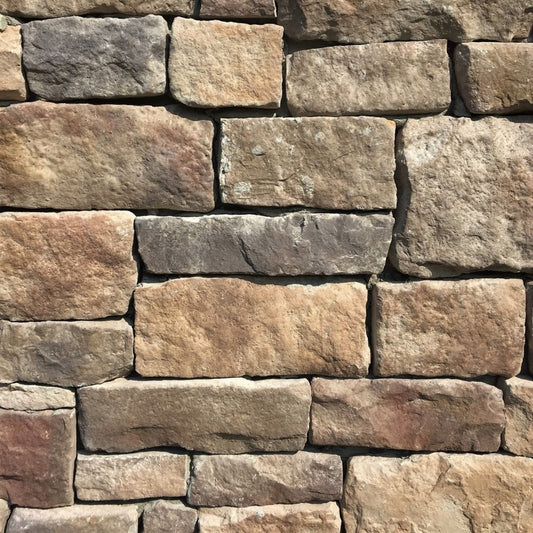
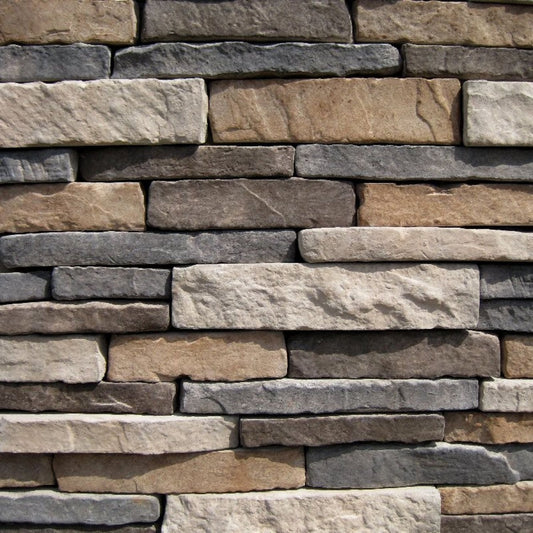
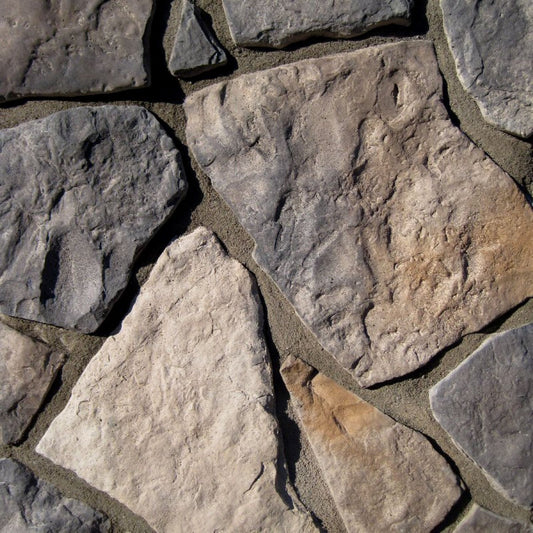
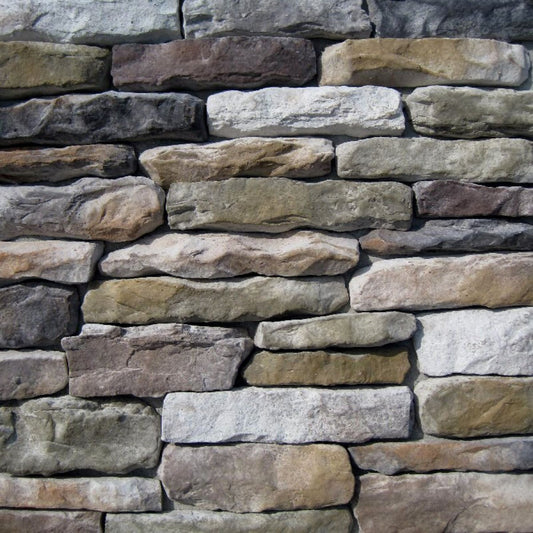
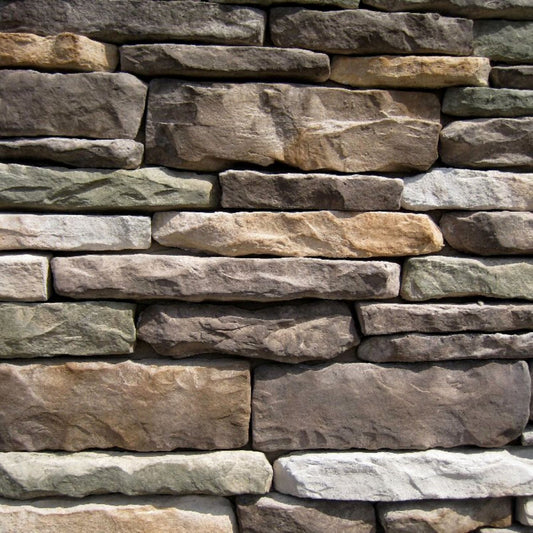
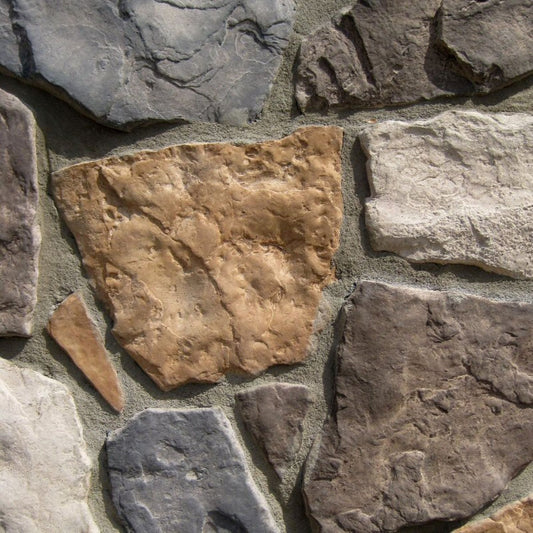
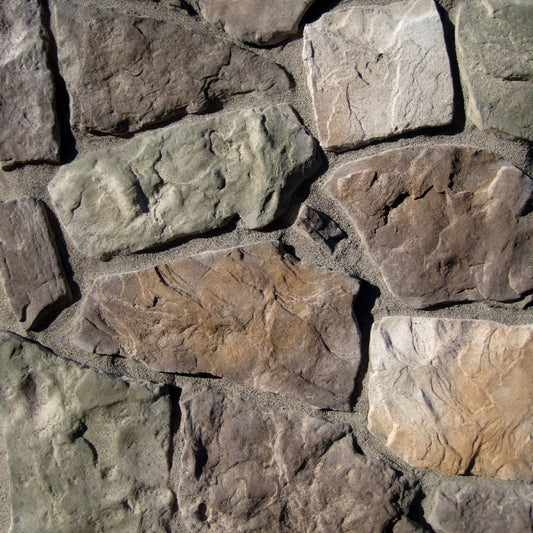
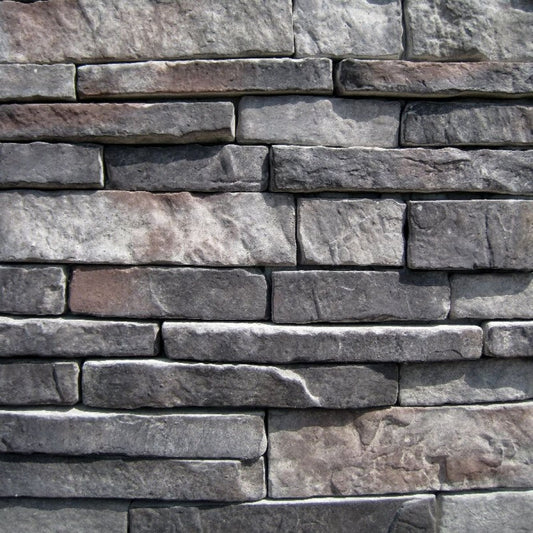
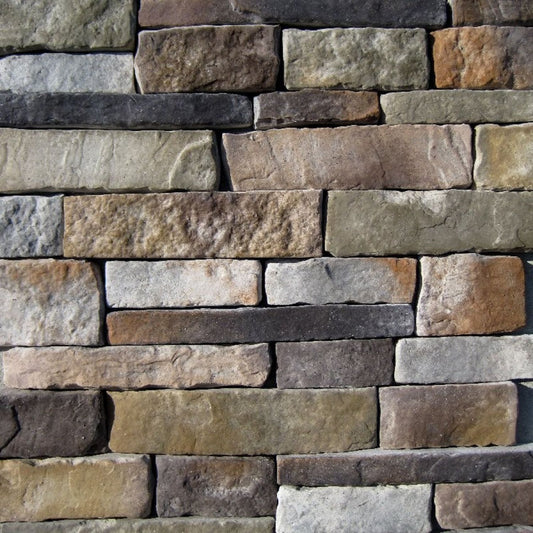
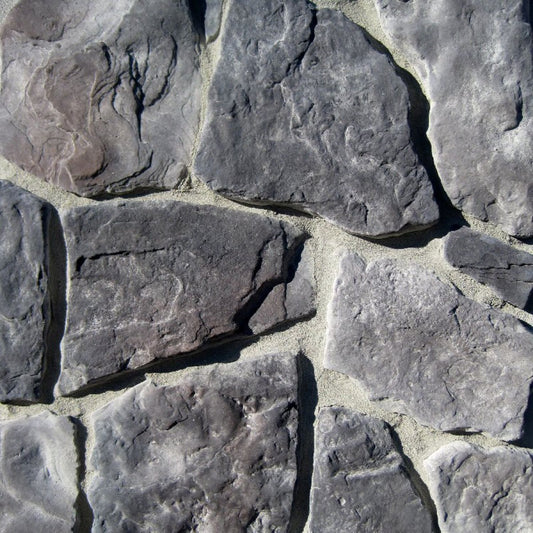
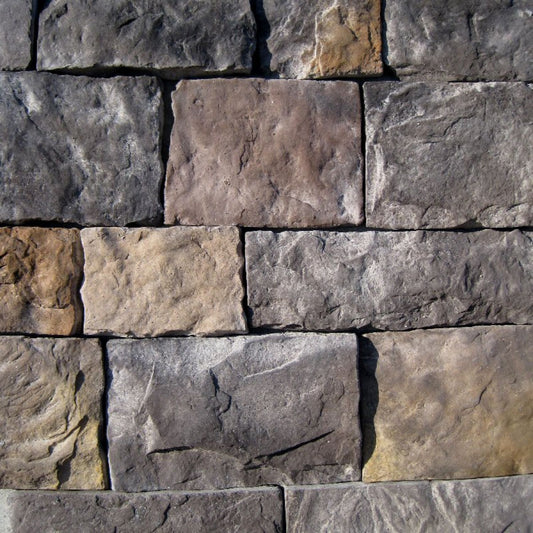
Pictured is field stone rustic.