
Is Stone Veneer Colored All the Way Through? Here's the Truth
Share
Originally posted September 5, 2025, updated October 5, 2026.
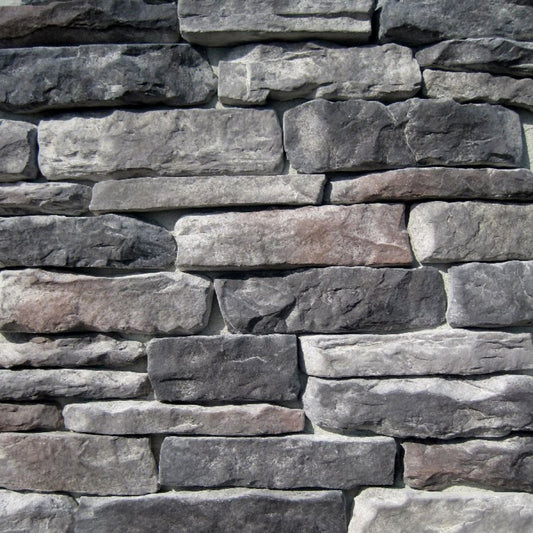
Manufactured stone veneer is not colored all the way through. The visible surface is colored using durable iron oxide pigments during manufacturing, while the interior remains a natural cement-based core, typically gray or tan. This industry-standard process creates realistic color variation, improves production efficiency, and keeps costs affordable. When cut during installation, professional techniques such as strategic placement and mortar coverage conceal exposed edges for a seamless appearance.
If you're considering manufactured stone veneer for your home, you've probably wondered whether the color extends all the way through each stone. It's a common question, especially for homeowners planning a DIY installation or anyone concerned about durability and long-term appearance. The simple answer is no. Manufactured stone veneer is designed with a colored exterior that replicates the rich textures and natural color variations found in real stone, while the interior remains a solid cement-based core. This isn't a flaw or shortcut, it's the standard manufacturing process used throughout the industry. For a complete overview of manufactured stone veneer composition, dimensions, weight, thickness, coverage, and other important product specifications, see our stone veneer specifications guide.
Understanding how stone veneer is made helps explain why this approach delivers exceptional realism, excellent durability, and outstanding value. In this post, we'll explain how manufactured stone veneer gets its color, why it isn't colored all the way through, what happens when stones are cut during installation, and how Mountain View Stone's Color Lock Technology helps maintain beautiful, long-lasting color.
Why Manufactured Stone Veneer Isn't Colored All the Way Through
Manufactured stone veneer is engineered to recreate the appearance of natural stone while remaining lighter, easier to install, and more cost-effective than full-thickness masonry. Part of achieving a realistic appearance comes from carefully controlling how color is applied during manufacturing. For a closer look at the available color options, see our complete guide to manufactured stone veneer colors.
Each stone begins as a carefully formulated cement-based mixture that is poured into molds taken from real pieces of natural stone. These molds capture every detail, including rough textures, split faces, weathered edges, and natural imperfections that give stone its authentic character.
Before the cement mixture fully cures, specialized mineral-based pigments are applied to the surface. Rather than coloring the entire stone, the pigments are concentrated on the visible face where they create realistic shading, highlights, and depth.
The interior remains a uniform cement core, usually gray or tan. This manufacturing method has become the industry standard because it produces highly realistic stone while avoiding the unnecessary expense of coloring material that will never be seen after installation.
If manufacturers colored every stone completely through, significantly more pigment would be required, increasing production costs without improving the finished appearance of the installed veneer.
Instead, the focus remains on producing an exceptionally natural-looking exterior that closely resembles quarried stone.
How Manufactured Stone Veneer Gets Its Realistic Color
One of the biggest reasons manufactured stone veneer looks so convincing is the sophisticated coloring process used during production.
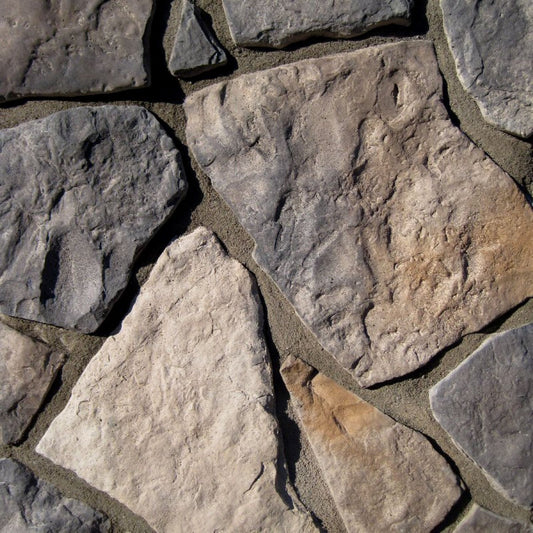
Instead of using ordinary paint or surface coatings, manufacturers rely on iron oxide pigments, which have been trusted throughout the masonry industry for decades. These mineral-based pigments produce rich, natural colors that closely resemble the tones found in limestone, granite, sandstone, fieldstone, and other natural materials.
The pigments are combined with water and specialized bonding agents to create a coloring slurry. During manufacturing, this mixture is carefully applied to the mold or directly to the stone's face before curing begins.
As the concrete cures, the pigments become permanently integrated with the outer surface rather than simply sitting on top like paint. This creates subtle variations in tone and shading that give every individual stone a unique appearance.
Because each stone receives slightly different pigment placement, the finished installation avoids the repetitive look that can occur with manufactured products. Instead, walls, fireplaces, entryways, and outdoor living spaces achieve the random beauty typically associated with natural stone.
Why Iron Oxide Pigments Are Used
Iron oxide pigments have become the preferred coloring material for manufactured stone veneer because they combine durability with outstanding color performance.
Unlike many synthetic colorants, iron oxides are naturally resistant to ultraviolet light, making them well suited for exterior applications that receive years of direct sunlight. They also withstand moisture, temperature fluctuations, and changing weather conditions without significant deterioration.
Another advantage is their ability to produce earthy, natural colors that complement virtually every architectural style. Browns, grays, tans, buffs, reds, and charcoal tones can all be created using carefully blended iron oxide pigments.
Because these pigments become part of the stone's surface during manufacturing, they continue providing attractive color year after year with very little maintenance.
Mountain View Stone's Color Lock Technology Protects Color
While high-quality pigments provide excellent long-term performance, Mountain View Stone enhances durability even further with its Color Lock Technology. Color Lock Technology mechanically bonds surface pigments to the stone during manufacturing, creating an exceptionally durable connection between the color layer and the cement base. This additional protection helps preserve the original appearance of the veneer even after years of exposure to challenging environmental conditions.
Homeowners benefit from improved resistance to ultraviolet fading, allowing colors to remain rich and vibrant despite prolonged sun exposure. The strengthened bond also improves durability during heavy rain, snow, freeze-thaw cycles, and seasonal weather changes.
Routine cleaning becomes less of a concern as well. When proper pressure washing techniques are followed, the bonded pigments remain securely attached to the surface, helping maintain the stone's original beauty for many years.
The result is manufactured stone veneer that continues to deliver outstanding curb appeal while protecting your investment over the long term.
What Happens When You Cut Stone Veneer?
Because manufactured stone veneer is not colored all the way through, cutting a stone during installation exposes the cement-colored interior. This often surprises first-time installers, but it is completely normal and expected.
Cuts are commonly required around windows, doors, electrical boxes, fireplaces, corners, and other architectural features. Fortunately, experienced installers know how to minimize the visibility of these exposed edges.
Proper planning before installation plays a major role. Many cuts can be positioned where they naturally disappear against trim boards, inside corners, or adjacent building materials.
Mortar joints also help conceal exposed edges. When cut faces are placed into mortar joints, much of the interior core becomes hidden once the installation is complete.
Professional installers often reserve cut stones for less noticeable locations, including lower portions of a wall or areas that will eventually be partially screened by landscaping, furniture, or decorative features.
With thoughtful planning, cut edges become virtually impossible to notice, allowing the finished project to maintain the authentic appearance of natural stone.
Does the Interior Color Affect Durability?
Some homeowners assume that because the stone isn't colored throughout, the exposed interior must be weaker than the exterior. Fortunately, this isn't the case.
The structural strength of manufactured stone veneer comes from its cement-based composition rather than its pigmentation. Iron oxide pigments contribute appearance, not strength.
Whether you're looking at the colored face or the interior core, the underlying material maintains the same structural properties. The exposed interior simply lacks the decorative coloring applied to the visible surface.
As long as the veneer is installed according to manufacturer guidelines using the proper substrate, water management system, and mortar, the absence of color within the core has no impact on performance or longevity.
Why Surface Coloring Makes Sense
Concentrating color only where it will actually be seen provides several practical benefits. Manufacturers can devote more attention to creating realistic textures, intricate color blending, and natural shading instead of using large quantities of pigment throughout every stone. This approach helps keep manufacturing costs reasonable while producing highly convincing architectural stone. It also allows homeowners to enjoy the appearance of premium natural stone at a significantly lower cost than traditional full-bed masonry.
The end result is a lightweight veneer that installs more efficiently while delivering the timeless beauty homeowners expect.
Is Manufactured Stone Veneer Still Durable?
Absolutely. Modern manufactured stone veneer is engineered for decades of performance when properly installed and maintained. High-quality products resist weather, moisture, ultraviolet exposure, freeze-thaw cycles, and everyday wear. The durable iron oxide pigments continue providing attractive color while the cement-based body maintains structural integrity.
Regular maintenance is minimal and usually consists of occasional cleaning with water and mild masonry-safe cleaners.
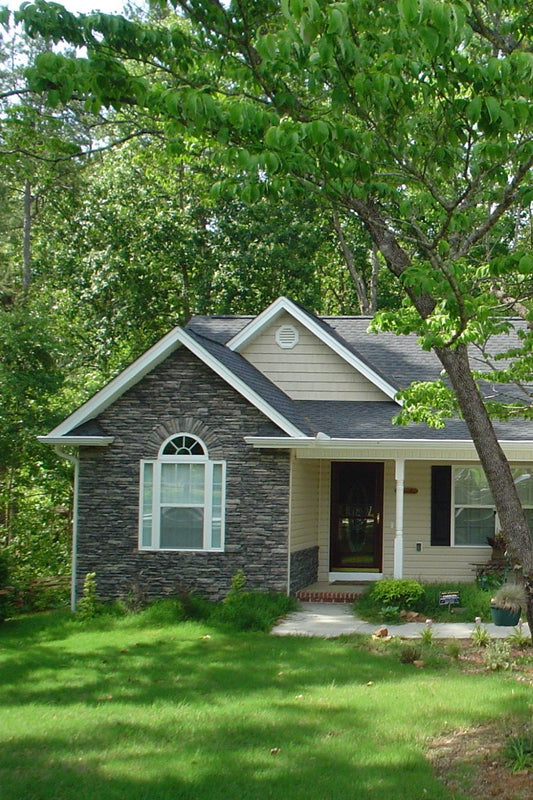
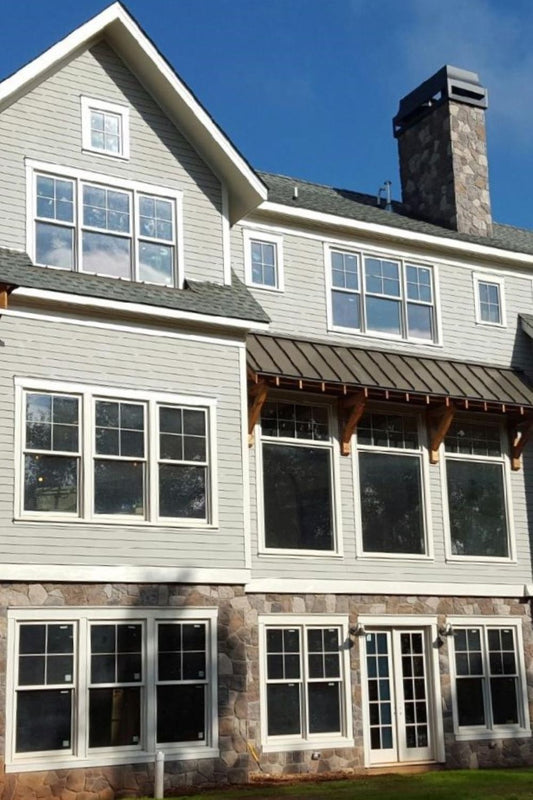
When installed by experienced professionals and paired with proper flashing and moisture management, manufactured stone veneer continues performing beautifully on fireplaces, exterior walls, entryways, chimneys, outdoor kitchens, retaining walls, and numerous other applications.
Is Stone Veneer Colored All the Way Through?
Manufactured stone veneer is not colored all the way through, and that's exactly how it's designed to be. The visible face receives carefully applied iron oxide pigments that create the realistic color variation and texture homeowners expect, while the interior remains a durable cement-based core.
This industry-standard manufacturing process delivers exceptional realism, outstanding durability, and excellent value without adding unnecessary production costs. Although cut edges reveal the uncolored interior, proper installation techniques, including thoughtful stone placement and mortar coverage, allow them to blend naturally into the finished project.
Whether you're upgrading a fireplace, enhancing your home's exterior, or creating an inviting outdoor living space, manufactured stone veneer remains one of the most attractive and durable ways to achieve the timeless appearance of natural stone.
From Mountain View Stone: What You Should Know
At Mountain View Stone, we understand that choosing manufactured stone veneer is an investment in the beauty, durability, and long-term value of your home. One important thing to know is that stone veneer is not colored all the way through, and that's completely normal. The surface coloring process is carefully designed to replicate the natural variation, depth, and character of real stone while maintaining a durable cement-based core. Our Color Lock Technology helps protect those surface pigments, providing long-lasting color retention and resistance to fading, weather exposure, and everyday wear. With proper installation techniques and thoughtful placement of cut pieces, manufactured stone veneer delivers a seamless, authentic appearance that can enhance fireplaces, exterior walls, entryways, and outdoor living spaces for years to come.
Frequently Asked Questions About is Stone Veneer Colored All the Way Through?
Is stone veneer colored all the way through?
No. Manufactured stone veneer has a colored exterior created with durable iron oxide pigments, while the interior remains a cement-based core. This is the standard manufacturing process used throughout the industry.
Why isn't manufactured stone veneer colored all the way through?
Coloring only the visible surface creates realistic natural stone appearance while reducing manufacturing costs. Since the interior is never visible after installation, adding pigment throughout the entire stone would provide little benefit.
What are iron oxide pigments?
Iron oxide pigments are mineral-based colorants commonly used in concrete, masonry, brick, and manufactured stone. They produce natural-looking colors while offering excellent resistance to sunlight, weather, and moisture.
What should I do if a cut edge is visible?
Professional installers typically place cut edges against mortar joints, trim, or corners where they're less noticeable. Strategic stone placement helps create a seamless, natural-looking installation.
What's Next?
Elevate your next project with premium manufactured stone veneer. Shop now to bring your design vision to life with confidence or order a sample to experience the authentic texture and vibrant colors up close.
Have a Question?
Please see our full terms of service or check out our frequently asked questions.
For general information and questions please call: (864) 882-8960 Mon. - Fri. 8am - 5pm (EST) or email: info@mountainviewstone.net we are more than happy to help you.
Or you can submit your questions via our contact us page.
We look forward to working with you on your upcoming project.
The Mountain View Stone Team
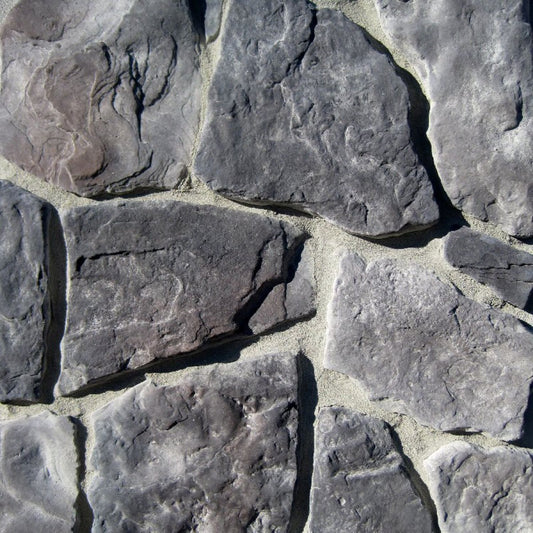
Pictured is an AI image of a stone veneer piece cut to show surface coloring.