
Can You Use Stone Veneer on Steps or Stairs? Benefits, Tips, and Installation Guide
Share
Originally posted December 30, 2024, updated April 26, 2026.
Stone veneer can be used on stair risers, sidewalls, and surrounding features to enhance appearance and durability, but it should never be used on stair treads due to safety and wear concerns.
As highlighted in our guide where can you install manufactured stone veneer? stairs are one of the most functional elements in any home or commercial space, yet they are often overlooked when it comes to design. While walls, floors, and kitchens tend to receive the most attention, a well-designed staircase has the potential to completely transform the look and feel of a space. One of the most effective ways to elevate a staircase is by incorporating manufactured stone veneer.
Stone veneer offers the timeless appearance of natural stone without the weight, cost, or installation complexity. Whether you are updating an indoor staircase or enhancing an outdoor entryway, stone veneer provides a versatile and durable solution that adds texture, depth, and architectural interest. When applied correctly, it can turn an ordinary staircase into a striking focal point that enhances the overall design of your property.
Why Stone Veneer is Ideal for Stairs
Manufactured stone veneer has become an increasingly popular choice for staircase upgrades because it combines visual appeal with practical performance. Designed to replicate the look of natural stone, it comes in a wide range of colors, shapes, and textures, allowing for seamless integration into virtually any design style. From rustic and traditional to sleek and modern, stone veneer can complement and elevate the surrounding environment.
Beyond aesthetics, durability is one of the key reasons homeowners and builders choose stone veneer for stairs. Staircases are high-traffic areas that require materials capable of handling daily wear. Stone veneer is engineered to withstand impact and environmental exposure, making it suitable for both interior and exterior applications. Its cement-based composition provides long-term reliability without the excessive weight associated with full-bed natural stone.
Another important advantage is its lightweight nature, which simplifies installation. Unlike natural stone, manufactured veneer does not typically require additional structural support, making it a practical option for retrofits and renovations. This ease of installation also contributes to its cost-effectiveness, allowing you to achieve a high-end look without significantly increasing project costs.
Where to Use Stone Veneer on Stairs
When incorporating stone veneer into a staircase design, it is important to understand where it performs best. Rather than being used on every surface, stone veneer is most effective when applied strategically to enhance visual impact while maintaining safety and functionality.
Risers are one of the most popular applications for stone veneer. Covering the vertical face of each step creates depth and texture, drawing attention to the staircase without interfering with foot traffic. This approach works particularly well in both indoor and outdoor settings, where it can add contrast and definition to the structure.
Sidewalls and stringers also provide an excellent opportunity to incorporate stone veneer. By cladding the vertical sides of a staircase, you can create a more cohesive and architecturally interesting design. This is especially effective in open-concept spaces or with floating staircases, where exposed sides play a larger visual role.
Landings can also benefit from the addition of stone veneer. Wrapping a landing area in stone creates a sense of continuity and adds a refined, finished appearance. In outdoor settings, this can help tie the staircase into surrounding features such as retaining walls, patios, or landscaping elements.
Exterior staircases, in particular, are ideal candidates for stone veneer. The material’s durability and resistance to weather conditions make it well-suited for entryways, garden paths, and patio transitions. When paired with proper installation techniques, stone veneer can maintain its appearance and performance even in challenging climates.
Why Stone Veneer Should Not Be Used on Treads
While stone veneer is highly versatile, it is not suitable for every part of a staircase. One of the most important considerations is that it should never be used on stair treads. Treads are the horizontal surfaces that bear the full weight of foot traffic, and they require materials specifically designed to handle constant impact and wear.
Manufactured stone veneer is not engineered for this type of use. Over time, the repeated pressure from walking can lead to cracking, chipping, or loosening of the material. Additionally, the irregular surface texture of stone veneer can create an uneven walking surface, increasing the risk of slips and trips.
For safety and performance, stair treads should always be constructed from materials designed for load-bearing and consistent traction, such as concrete, hardwood, or stone slabs. Stone veneer should be reserved for vertical and decorative applications where it can perform effectively without compromising safety.
Installation Considerations for Long-Term Success
A successful stone veneer staircase installation begins with proper preparation. The surface must be clean, dry, and structurally sound to ensure proper adhesion. Depending on the substrate, a scratch coat may be required to create a suitable bonding surface for the veneer.
Layout planning is another critical step. Because manufactured stone veneer is designed to look natural and non-repetitive, arranging the pieces beforehand helps achieve a balanced and visually appealing result. Dry laying allows you to distribute colors and shapes evenly, avoiding clusters of similar pieces and creating a more organic appearance.
Using the right mortar is essential for securing the stone in place. A high-quality mortar designed for stone veneer applications ensures strong adhesion and long-term durability. Proper installation techniques, including back-buttering and adequate joint spacing, further contribute to the stability of the finished product.
Sealing the stone veneer is an optional but beneficial step, particularly in high-traffic or outdoor areas. A breathable sealer can help protect against moisture and staining while preserving the natural look of the stone.
Maintaining Stone Veneer Stairs
One of the advantages of stone veneer is its relatively low maintenance requirements. With regular care, it can maintain its appearance and performance for many years. Routine cleaning is typically all that is needed to keep the surface looking its best.
For interior staircases, dust and debris can be removed with a soft brush or vacuum. Occasional cleaning with a mild detergent and water will help remove any buildup without damaging the material. Harsh or acidic cleaners should always be avoided, as they can compromise the integrity of the stone.
Outdoor staircases may require more frequent attention due to exposure to the elements. Dirt, debris, and organic growth can accumulate over time, so periodic cleaning is important. Ensuring proper drainage around the staircase will also help prevent water-related issues such as staining or freeze-thaw damage.
Regular inspections can help identify any minor issues early, such as loose stones or deteriorating mortar joints. Addressing these promptly will help maintain the structural integrity and appearance of the installation.
Designing a Staircase That Stands Out
Incorporating stone veneer into your staircase design is not just about material selection, but also about how it integrates with the overall space. The key is to use stone veneer in a way that enhances the architecture without overwhelming it.
Choosing the right color and profile can make a significant difference in the final result. Lighter tones can create a clean and modern look, while darker or more textured profiles can add warmth and rustic character. Coordinating the stone veneer with surrounding elements such as flooring, walls, and exterior features helps create a cohesive design.
Lighting can also play a role in highlighting the texture of stone veneer. Well-placed lighting can accentuate the natural variations in the material, adding depth and visual interest to the staircase.
Can You Use Stone Veneer on Steps or Stairs?
Stone veneer is a powerful design tool that can transform an ordinary staircase into a visually striking feature. Its combination of durability, versatility, and aesthetic appeal makes it an ideal choice for both residential and commercial applications. By understanding where and how to use it, as well as following proper installation and maintenance practices, you can achieve a result that is both beautiful and long-lasting.
Whether you are enhancing an indoor staircase or upgrading an outdoor entryway, stone veneer offers a practical and cost-effective way to elevate your space. With thoughtful planning and attention to detail, your staircase can become a standout element that adds value and character to your property.
From Mountain View Stone: What You Should Know
At Mountain View Stone, we understand that stairs are more than just a functional element, they’re a key design feature that can define the character of your home or commercial space. Using manufactured stone veneer on stairs offers a unique way to add texture, depth, and style while remaining durable and cost-effective. Because each stone is individually molded and colored, no two pieces are exactly alike, which is why we recommend dry-laying your stones before installation to plan a natural, seamless pattern. Manufactured stone veneer is perfect for risers, sidewalls, stringers, and landings, but it should never be used as stair treads due to heavy foot traffic, which can cause wear or cracking. With careful planning, proper installation, and minimal maintenance, stone veneer can transform your staircase into a striking focal point that enhances both the beauty and value of your space.
Frequently Asked Questions About Can You Use Stone Veneer on Steps or Stairs?
Can stone veneer be used on stairs?
Yes, stone veneer can be used on stair risers, sidewalls, and surrounding features, but it should not be used on stair treads.
Why can’t stone veneer be used on stair treads?
Stone veneer is not designed to handle heavy, repetitive foot traffic and may crack or create an uneven, unsafe surface.
Is stone veneer suitable for outdoor stairs?
Yes, manufactured stone veneer is durable and weather-resistant, making it a great option for exterior stair applications when installed properly.
How do you maintain stone veneer stairs?
Maintenance involves regular cleaning with mild detergent, avoiding harsh chemicals, and inspecting for any loose stones or mortar issues.
Do stone veneer stairs need to be sealed?
Sealing is optional but recommended, especially for outdoor stairs or high-traffic areas, as it helps protect against moisture and staining.
Is stone veneer expensive for stair projects?
Stone veneer is generally more cost-effective than natural stone, offering a similar appearance at a lower material and installation cost.
What's Next?
Are you considering a staircase makeover? Let us help you choose the perfect stone veneer for your project! Shop now to explore our styles or order a sample today to see the quality firsthand!
Have a Question?
Please see our full terms of service or check out our frequently asked questions.
For general information and questions please call: (864) 882-8960 Mon. - Fri. 8am - 5pm (EST) or email: info@mountainviewstone.net we are more than happy to help you.
Or you can submit your questions via our contact us page.
We look forward to working with you on your upcoming project.
The Mountain View Stone Team
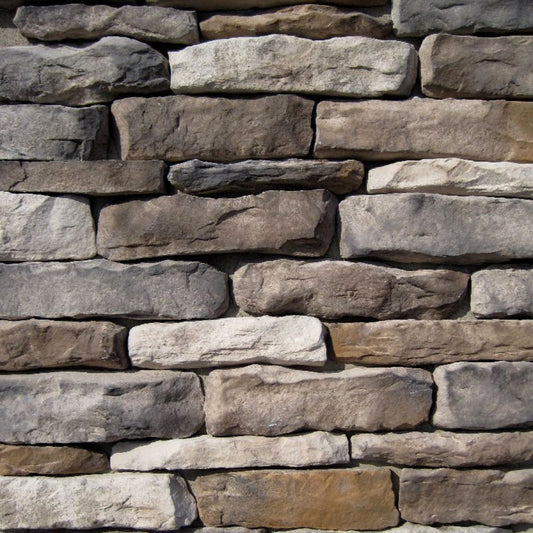
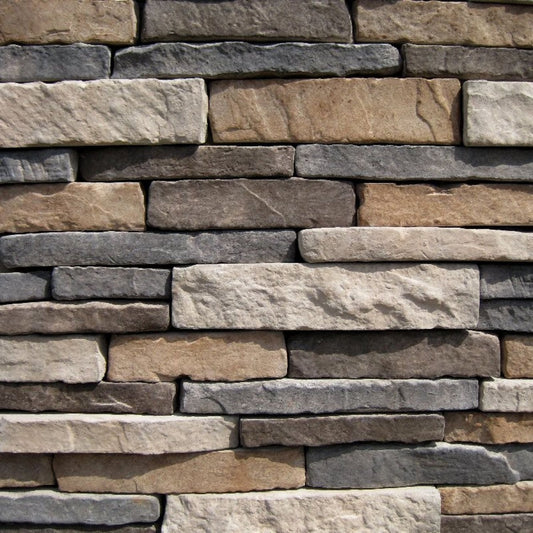
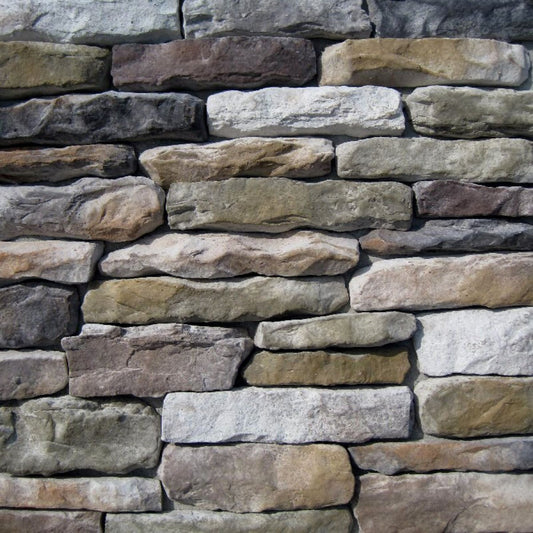
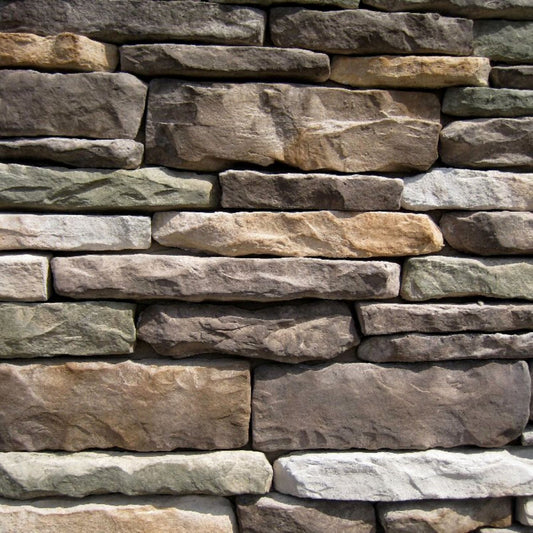
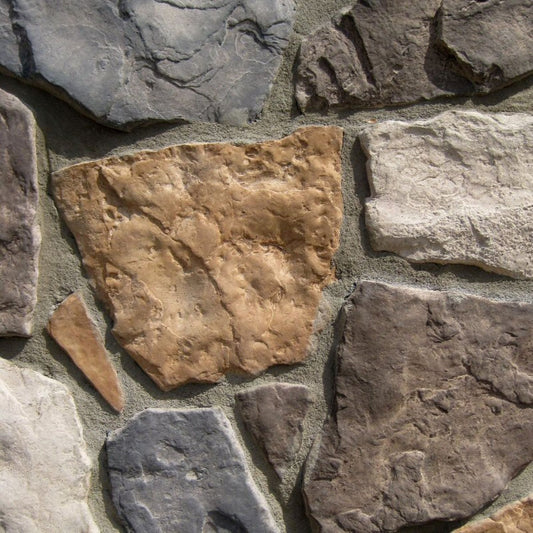
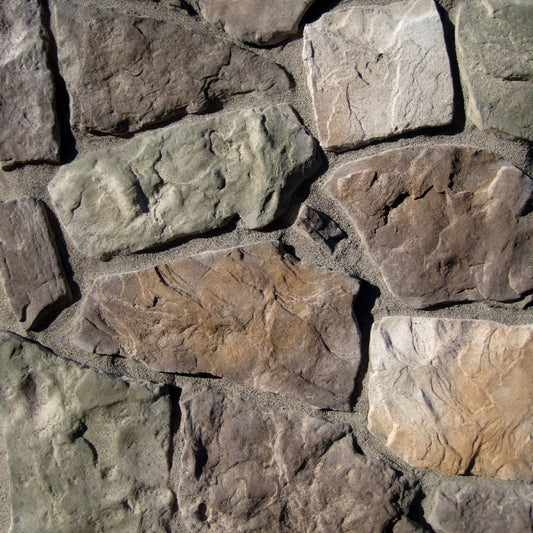
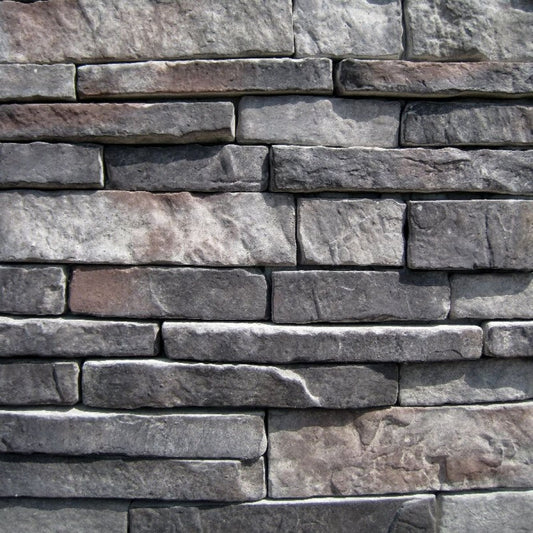
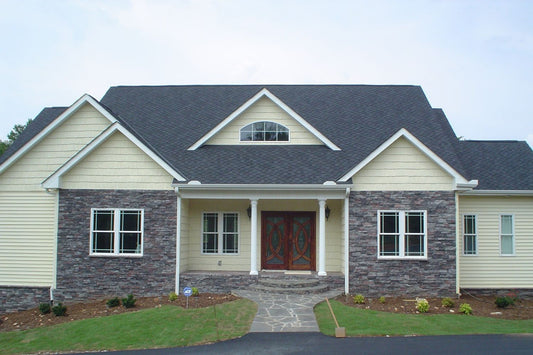
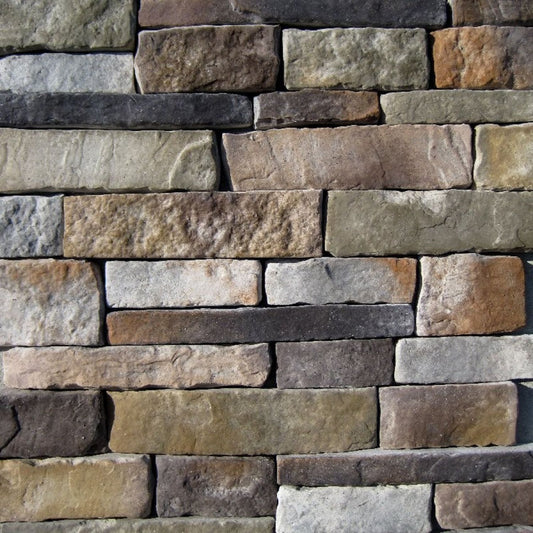
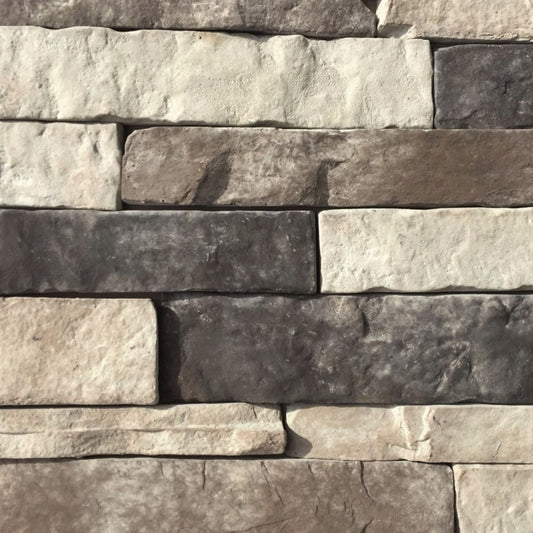
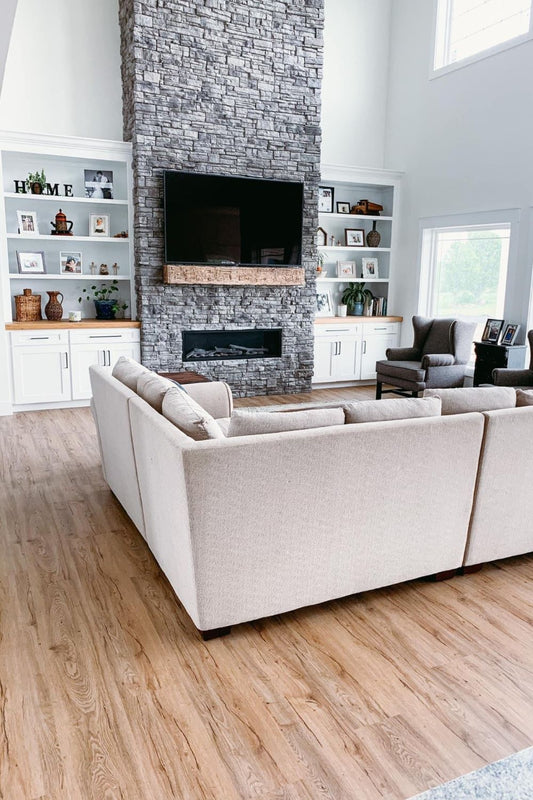
Pictured is ready stack tacoma.