
Do You Need Metal Lath for Stone Veneer Installation?
Share
Metal lath is typically required when installing manufactured stone veneer over wood-framed walls or other surfaces that do not provide a suitable masonry bond. It creates a reinforced base for mortar attachment and helps prevent cracking, shifting, and installation failures. Metal lath is generally not required when installing stone veneer directly over properly prepared concrete, masonry, or other approved solid surfaces.
Manufactured stone veneer offers the look of natural stone with lighter weight, easier installation, and greater design flexibility. However, a durable, professional-looking installation depends on more than the stone itself. Components like mortar, waterproofing, and metal lath play a critical role in long-term performance. One of the most common questions homeowners and contractors ask is whether metal lath is required. The answer depends on the installation surface. In many applications, metal lath is an essential part of the system, providing a strong mechanical bond for the mortar. However, installations over properly prepared masonry or concrete surfaces may not require metal lath when approved installation methods are followed. Proper surface preparation is the foundation of any successful installation, so be sure to review our complete guide on preparing your wall surface for stone veneer before beginning your project.
Understanding when metal lath is required, why it is used, and how it fits into a complete stone veneer installation system can help ensure a durable finish that performs for years.
What is Metal Lath for Stone Veneer?
Metal lath is a sheet of galvanized or corrosion-resistant metal mesh installed behind the mortar bed of a stone veneer application. It is commonly used as part of a wall preparation system when applying manufactured stone veneer over surfaces that do not naturally provide a strong bond with mortar.
During installation, metal lath is fastened to the wall surface and covered with a scratch coat of mortar. The mortar fills the openings in the lath, creating a mechanical connection between the mortar bed and the wall. The stone veneer is then installed into this mortar layer.
The purpose of metal lath is not to support the weight of the stone veneer by itself. Instead, it helps reinforce the mortar layer and provides a reliable surface for bonding the veneer. The combination of proper wall preparation, waterproofing, lath, mortar, and installation technique creates the complete veneer system.
For exterior applications, metal lath is especially important because walls are exposed to changing temperatures, moisture, and seasonal movement. A properly installed lath system helps reduce the risk of cracks, loose stones, and premature failures.
When is Metal Lath Required for Manufactured Stone Veneer?
Metal lath is commonly required when installing manufactured stone veneer over wood-framed walls. Many exterior walls use plywood, OSB sheathing, or other framed construction materials that are not suitable surfaces for directly applying mortar and stone.
Because wood framing naturally expands and contracts with changes in moisture and temperature, a direct mortar application is not recommended. Metal lath creates a reinforced transition layer between the building structure and the stone veneer, allowing the veneer system to perform properly.
Metal lath is also required over surfaces that do not provide a suitable direct bonding surface for mortar, including exterior sheathing systems, wood siding, plywood substrates, drywall, and cement board. While cement board provides a stable and durable backing material, metal lath helps create the proper mechanical connection for the mortar scratch coat and manufactured stone veneer installation.
In these applications, the installation typically includes additional components such as a weather-resistant barrier, flashing, corrosion-resistant fasteners, and a properly applied scratch coat. These layers work together to create a strong, durable veneer system that helps protect against cracking, movement, and moisture-related issues.
Following the correct installation process is important because manufactured stone veneer is a cladding system. The veneer itself is not structural and relies on the materials beneath it for support and long-term durability. For homeowners planning a stone veneer project themselves, understanding the complete installation process before getting started is essential Our DIY stone veneer installation guide walks through the tools, materials, wall preparation, mortar application, and installation steps needed to complete a successful project.
When Metal Lath May Not Be Needed
Not every stone veneer installation requires metal lath. When manufactured stone veneer is installed directly over properly prepared concrete, concrete masonry units (CMU), brick, or other approved masonry surfaces, the substrate may already provide a suitable bonding surface.
Solid masonry surfaces are stable and allow mortar to bond directly when properly cleaned, prepared, and installed according to manufacturer guidelines. In these cases, installers may apply a mortar scratch coat or bonding mortar directly to the masonry surface without the need for metal lath.
However, simply having a masonry surface does not automatically mean lath can be skipped. The condition of the wall, the type of surface, moisture conditions, and the stone veneer manufacturer’s requirements all need to be considered.
Painted concrete, sealed masonry, dirty surfaces, or deteriorated substrates may require additional preparation before stone veneer installation. In some situations, adding lath may still be recommended to create a better installation surface.
The safest approach is always to follow the installation instructions provided by the stone veneer manufacturer and applicable building codes.
Why Metal Lath is Important for Stone Veneer Installation
Metal lath serves several important purposes in a manufactured stone veneer system. Its primary function is creating a strong mechanical connection between the mortar and the wall surface.
Without the proper backing system, mortar may not adequately adhere to certain substrates. Over time, movement, moisture exposure, and temperature changes can cause cracking or separation between the veneer and the wall.
A properly installed lath system helps create a secure surface for the mortar scratch coat, improves mortar adhesion, distributes stress across the veneer system, reduces the risk of loose or shifting stones, and supports a more consistent, durable stone veneer installation.
Exterior stone veneer installations are particularly dependent on proper preparation because they must withstand rain, freezing temperatures, heat cycles, and other environmental conditions. Proper installation involves multiple steps that work together, from preparing the substrate and installing weather protection to applying mortar and setting the stone veneer. For a complete step-by-step walk through, see our guide on how to install manufactured stone veneer like a pro.
Skipping required wall preparation steps may save time during installation, but it can lead to expensive repairs later.
What Happens if You Install Stone Veneer Without Metal Lath?
Installing manufactured stone veneer without metal lath when it is required can create serious performance problems. The veneer may initially appear secure, but issues can develop over time as the wall experiences movement and weather exposure.
Common problems associated with improper installation include cracked mortar joints, loose stones, water intrusion, and sections of veneer separating from the wall.
Because stone veneer installation involves multiple layers working together, failure in one part of the system can affect the entire installation. A properly prepared substrate is just as important as selecting the right stone profile or mortar color.
For homeowners and builders, using the correct installation method from the beginning is usually far less expensive than repairing a failed veneer system later.
Do You Need Metal Lath for Interior Stone Veneer?
Interior stone veneer applications often have different requirements than exterior installations. Whether metal lath is needed depends on the surface being covered and the installation method being used.
For example, stone veneer installed over drywall, plywood, or other framed interior surfaces may require additional preparation, including lath and a mortar scratch coat. Installing directly over unsuitable interior surfaces can lead to adhesion problems or failure.
For installations over concrete fireplaces, masonry walls, or other approved solid surfaces, metal lath may not always be necessary.
Because fireplaces and interior stone features can involve heat exposure, weight considerations, and specific building requirements, installers should always follow the stone veneer manufacturer’s recommendations.
Do You Need Metal Lath for Stone Veneer Installation?
Metal lath is an important part of many manufactured stone veneer installations because it provides the reinforced surface needed for proper mortar adhesion and long-term performance. While the exact installation method depends on the substrate and project requirements, metal lath is commonly required over surfaces such as wood framing, exterior sheathing, drywall, cement board, and other materials that do not provide a suitable direct bond for mortar.
A successful stone veneer installation is about more than choosing the right stone profile or mortar color. Proper wall preparation, including the correct use of metal lath, weather protection, fasteners, and a properly applied scratch coat, helps create a durable veneer system that can withstand moisture, temperature changes, and everyday exposure.
By following recommended installation practices and using the correct materials from the beginning, homeowners, builders, and contractors can achieve a beautiful manufactured stone veneer finish that maintains its appearance and performance for years to come.
From Mountain View Stone: What You Should Know
At Mountain View Stone, we recommend focusing on the complete installation system rather than just the stone itself. A beautiful veneer wall starts with the right foundation, including proper substrate preparation, moisture management, mortar selection, and installation techniques. Following proven installation practices helps ensure your stone veneer looks great and performs for years. Metal lath is an important part of many manufactured stone veneer installations, but it is not required for every application. The right installation method depends on the surface behind the stone. Wood-framed walls and many non-masonry substrates typically require a properly installed lath system, while some solid masonry surfaces may allow direct mortar application with proper preparation.
Frequently Asked Questions About Do You Need Metal Lath for Stone Veneer Installation?
Do you always need metal lath for manufactured stone veneer?
No, metal lath is not required for every manufactured stone veneer installation. It is commonly required over wood-framed walls and other surfaces where mortar cannot properly bond. Solid masonry surfaces may not require lath when properly prepared and installed according to manufacturer guidelines.
Can you install stone veneer directly over plywood?
Manufactured stone veneer should not typically be installed directly over plywood. Wood sheathing requires proper preparation, including weather protection, metal lath, and a mortar scratch coat to create a suitable installation surface.
What type of metal lath is used for stone veneer?
Galvanized expanded metal lath or other approved corrosion-resistant lath products are commonly used for manufactured stone veneer installations. The specific product and installation method should follow manufacturer requirements and local building codes.
Does metal lath make stone veneer stronger?
Metal lath does not make the stone veneer itself stronger, but it improves the strength and stability of the overall installation system by creating a secure surface for mortar attachment and helping resist movement.
Can stone veneer be installed without mortar and metal lath?
Most manufactured stone veneer installations require mortar and proper wall preparation. Some proprietary systems may use alternative installation methods, but traditional adhered stone veneer generally relies on mortar and, when required, metal lath.
What happens if you skip metal lath?
If metal lath is required but skipped, the stone veneer installation may fail over time. Problems can include cracking, loose stones, mortar separation, and water-related damage. Proper preparation is essential for long-term performance.
What's Next?
Elevate your next project with premium manufactured stone veneer. Shop now to explore our collections and bring your design vision to life with confidence or order a sample to experience the authentic textures, natural details, and rich colors up close.
Have a Question?
Please see our full terms of service or check out our frequently asked questions.
For general information and questions please call: (864) 882-8960 Mon. - Fri. 8am - 5pm (EST) or email: info@mountainviewstone.net we are more than happy to help you.
Or you can submit your questions via our contact us page.
We look forward to working with you on your upcoming project.
The Mountain View Stone Team
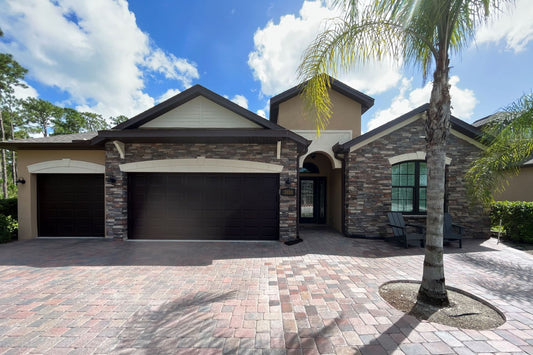
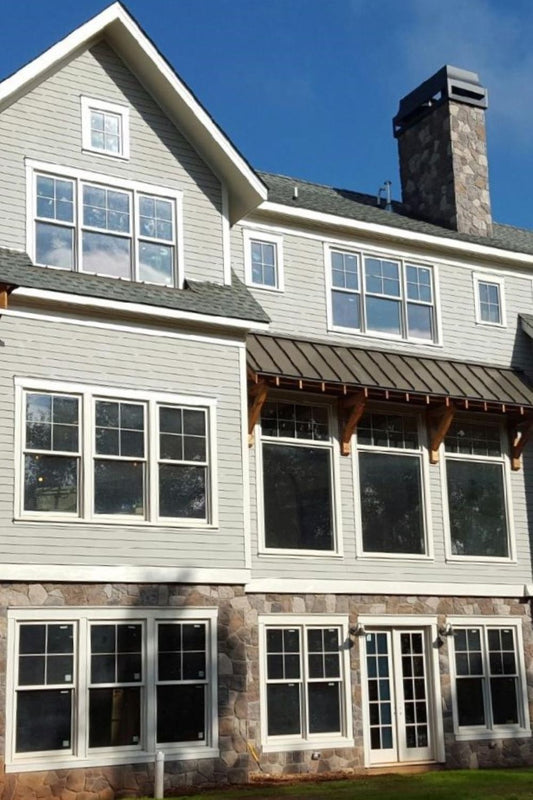
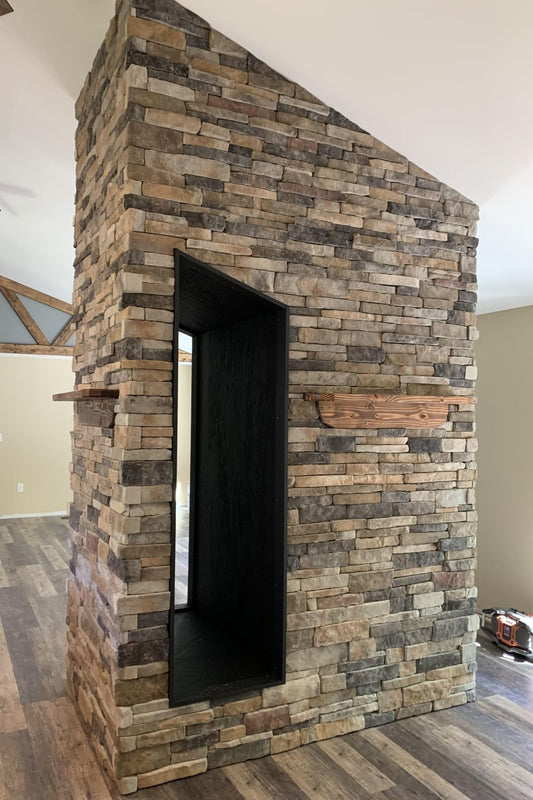
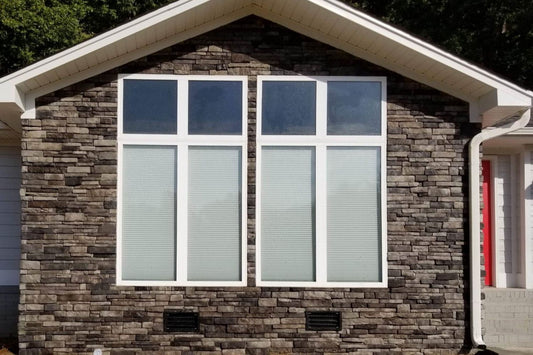
Pictured is an AI generated image of a stone veneer installation using a metal lath.