
Over Grouting Stone Veneer: Benefits, Techniques, and Design Ideas
Share
Originally posted September 24, 2025, updated July 13, 2026.
Over grouting stone veneer is a finishing technique where mortar is applied generously between and slightly over the edges of manufactured stone veneer to create a rustic, old-world appearance. Unlike recessed grout joints, over grouting produces a fuller, textured look that complements farmhouse, Mediterranean, cottage, and traditional architectural styles while maintaining the durability of a properly installed stone veneer system.
The grout style you choose can dramatically change the appearance of a manufactured stone veneer installation. Even when using the same stone profile and color, different grout techniques can create completely different architectural styles. One of the most popular methods for achieving a warm, handcrafted look is over grouting stone veneer. For a complete guide to the finishing details that can shape the appearance of your installation, see finishing manufactured stone veneer.
Rather than creating clean, recessed joints between individual stones, over grouting uses additional mortar to partially cover the stone edges, giving the finished wall the appearance of traditional hand-laid masonry. The result is a softer, more rustic aesthetic that has remained popular for decades in farmhouse, Tuscan, French Country, cottage, and old-world inspired homes.
Whether you're installing manufactured stone veneer on a fireplace, an exterior facade, an outdoor kitchen, or an interior accent wall, understanding how over grouting works can help you decide if it's the right finishing technique for your project.
What is Over Grouting Stone Veneer?
Over grouting is a masonry finishing technique where mortar is intentionally applied beyond the joints between individual stones. Instead of stopping flush with the edges, the grout is worked slightly onto the face of the stone veneer, partially covering the edges and creating a fuller, more organic appearance.
Unlike standard grouting, which emphasizes each individual stone with clean, recessed joints, over grouting softens the transitions between stones. The mortar becomes an important design element rather than simply filling the gaps.
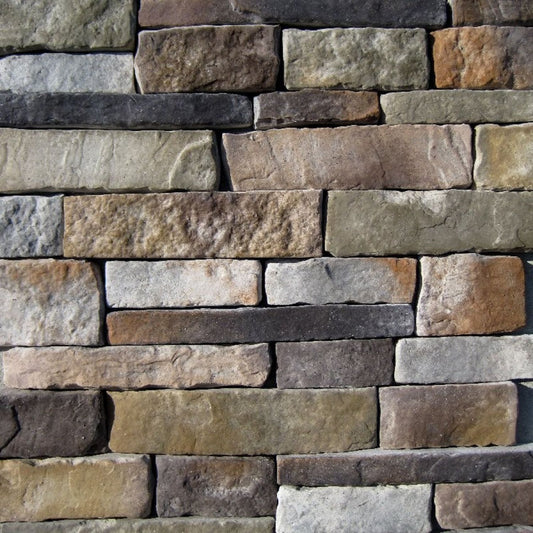
This technique mimics the appearance of historic European masonry where builders often used generous amounts of mortar to secure irregular natural stones. Today's manufactured stone veneer can recreate that same timeless appearance while offering easier installation and a lighter-weight product than natural stone.
The amount of mortar applied varies depending on the desired look. Some installations feature only slightly raised joints, while others intentionally cover a larger portion of each stone for a heavily textured, centuries-old appearance.
Why Homeowners Choose Over Grouting
Over grouting has become increasingly popular because it creates warmth and character that cannot be achieved with clean, modern grout joints. The softened transitions between stones produce a handcrafted appearance that feels authentic and inviting.
Many homeowners choose over grouting because it reduces the visual emphasis on individual stones and instead creates a unified masonry surface. This makes fireplaces feel more substantial, accent walls more dramatic, and exterior facades more established.
Another advantage is its ability to soften small variations in stone placement. Since the mortar overlaps the stone edges, slight differences in joint widths become less noticeable. This can create a more natural appearance while maintaining the beauty of the stone veneer.
The technique also enhances texture. The combination of raised mortar and varied stone surfaces creates additional depth, making the wall visually interesting from multiple viewing angles as natural light changes throughout the day.
Where Over Grouting Works Best
One of the reasons over grouting remains popular is its versatility. It complements both interior and exterior manufactured stone veneer applications while creating a distinctive architectural style.
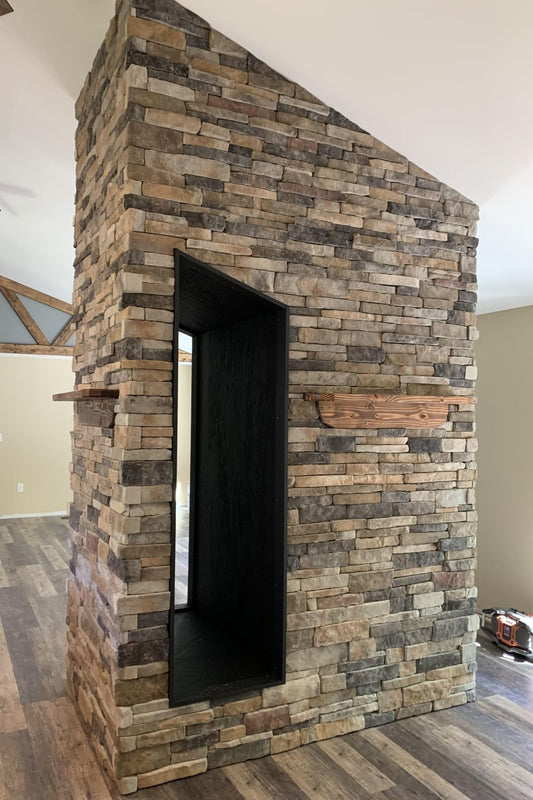
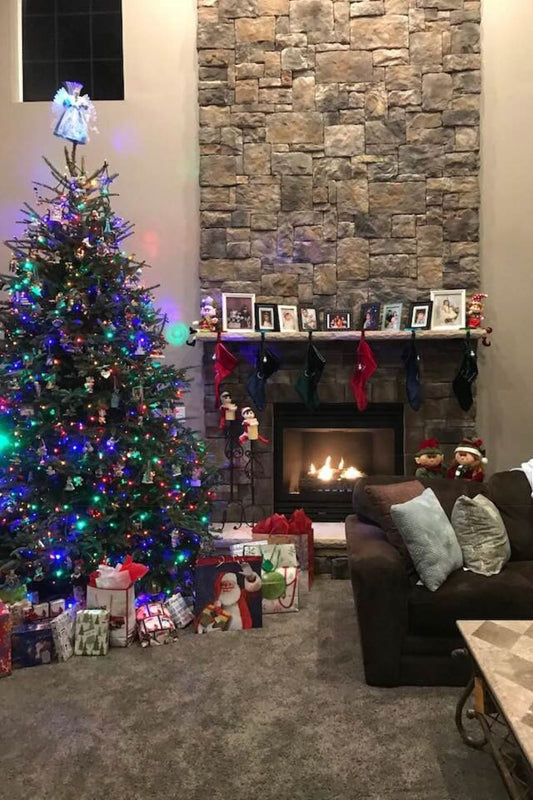
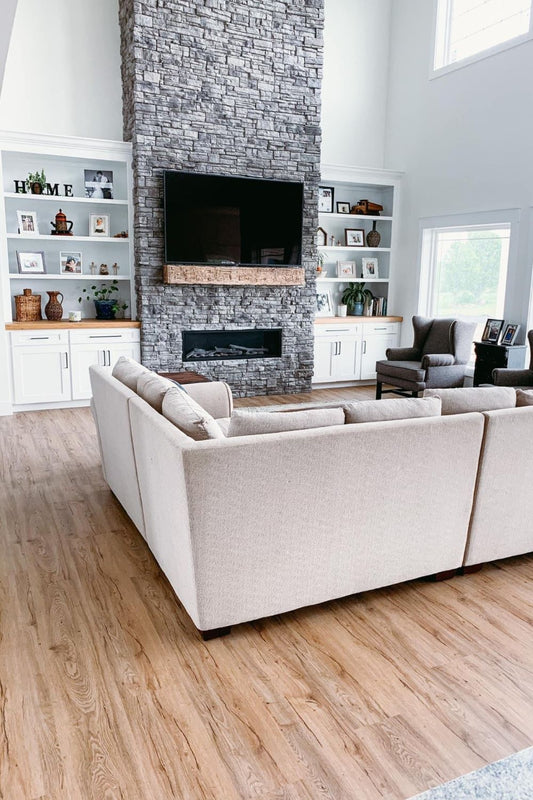
Fireplaces are among the most common places to use over grouting. The technique adds warmth and rustic charm, helping create a cozy focal point that feels handcrafted rather than manufactured.
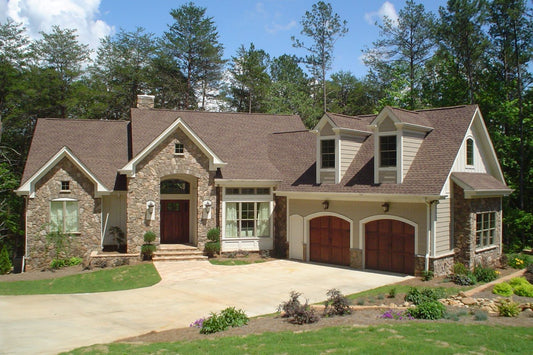
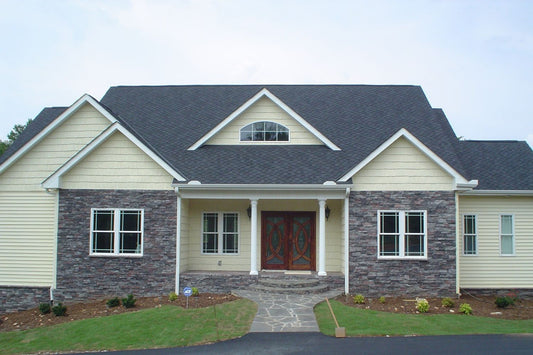
Exterior walls also benefit from over grouting, especially on homes inspired by European cottages, mountain lodges, farmhouses, or Mediterranean villas. The fuller mortar joints help create an aged appearance that blends naturally with surrounding landscaping.
Inside the home, over grouting works exceptionally well on accent walls in living rooms, dining rooms, entryways, and kitchens. It adds texture without overwhelming the space and pairs beautifully with wood beams, natural flooring, and neutral color palettes.
Outdoor kitchens, covered patios, outdoor fireplaces, and landscape features are also excellent candidates. The rustic finish complements natural outdoor environments while creating continuity between indoor and outdoor living spaces.
Architectural Styles That Complement Over Grouting
Although over grouting can be used with nearly any manufactured stone veneer profile, it naturally fits certain architectural styles better than others.
Farmhouse homes benefit from the relaxed, handcrafted appearance that over grouting creates. The softer mortar lines pair well with painted wood, exposed beams, and traditional finishes.
Mediterranean and Tuscan-inspired homes often feature generous mortar joints that emphasize warmth and age. Over grouting helps recreate this timeless masonry appearance without requiring natural stone construction.
French Country homes also incorporate irregular masonry textures that make over grouting an excellent design choice. Likewise, cottages, mountain cabins, and traditional homes often look more authentic with fuller mortar joints.
Modern and contemporary homes generally favor cleaner grout lines or dry-stack installations that emphasize the geometry of each individual stone. While over grouting can certainly be used creatively, recessed joints are often a better fit for minimalist designs.
Over Grouting vs. Standard Grouting
The primary difference between over grouting and standard grouting is the finished appearance.
Standard grouting fills the joints between stones while leaving the edges fully visible. The mortar is typically recessed or tooled neatly within the joints, creating sharp definition between each individual stone. This produces a cleaner, more contemporary look that highlights the shape, texture, and color of every stone.
Over grouting intentionally softens those edges. Mortar extends beyond the joints and partially covers the perimeter of each stone, creating a more continuous masonry appearance. Instead of drawing attention to individual pieces, the finished wall appears unified and handcrafted.
Neither technique is inherently better than the other. The right choice depends entirely on the architectural style you want to achieve and the overall design vision for your project.
The Best Mortar for Over Grouting Stone Veneer
Using the proper mortar is critical for both appearance and long-term performance.
For manufactured stone veneer, Type S mortar is the recommended choice for installation and grouting. It provides the strength, workability, and durability needed for vertical veneer applications while creating attractive grout joints.
Type S mortar maintains good adhesion and can be tooled to achieve the desired texture before curing. Whether you're applying traditional recessed joints or creating a heavily over-grouted finish, using the correct mortar helps ensure consistent results.
Following the manufacturer's installation guidelines and using approved installation materials also helps maintain product performance and warranty coverage.
Tips for Achieving a Professional Over Grouted Finish
Successful over grouting depends on consistency more than speed. Working in manageable sections allows the mortar to remain workable long enough to tool the joints properly before it begins to harden.
A grout bag provides excellent control when placing mortar between stones. Once applied, the mortar can be shaped using a tuck pointer, jointing tool, or masonry brush depending on the desired texture. Some installers prefer lightly brushing the mortar after it begins to firm up, creating an aged appearance that blends naturally with the stone surface.
It's important to avoid applying so much mortar that it completely hides the beauty of the manufactured stone veneer. The goal is to soften the edges while still allowing each stone's texture, shape, and color variation to remain visible.
Protecting nearby finishes is equally important. Mortar can be difficult to remove once cured, so masking adjacent materials and cleaning excess mortar promptly helps ensure a professional result.
Should You Seal Over Grouted Stone Veneer?
Many homeowners ask whether sealing is necessary after installation.
While manufactured stone veneer does not always require sealing, applying a breathable masonry sealer can provide additional protection in certain situations, particularly for exterior installations or areas exposed to moisture, dirt, or staining.
Sealing can help reduce water absorption, minimize staining, and simplify routine cleaning while preserving both the mortar and stone appearance. If you choose to seal your installation, be sure the mortar has fully cured and use a sealer recommended for manufactured stone veneer.
Is Over Grouting Right for Your Project?
Over grouting isn't simply a construction technique, it's a design choice that influences the entire character of a finished space.
If you're looking for crisp lines, modern styling, and clearly defined stones, standard grouting or dry-stack installation may better suit your project.
However, if your goal is to create warmth, texture, and timeless character, over grouting is one of the best ways to achieve that appearance. It transforms manufactured stone veneer into a feature that looks handcrafted, inviting, and rich with architectural personality.
Because the technique works equally well on fireplaces, accent walls, exterior facades, outdoor kitchens, and landscape features, it's one of the most versatile finishing options available for manufactured stone veneer.
Over Grouting Stone Veneer
Over grouting stone veneer is an excellent way to create a timeless, handcrafted appearance that enhances both interior and exterior spaces. By allowing the mortar to overlap the edges of the stone, this technique produces a fuller, more textured finish that complements farmhouse, Mediterranean, cottage, and traditional architectural styles.
When installed using Type S mortar and proper stone veneer installation practices, over grouting delivers the same long-lasting durability as standard grout joints while offering a completely different visual impact. Whether you're designing a dramatic fireplace, upgrading your home's exterior, or creating an inviting outdoor living space, over grouting can help bring warmth, character, and authentic masonry style to your project.
From Mountain View Stone: What You Should Know
At Mountain View Stone, we recommend using Type S mortar for all manufactured stone veneer installations, including over grouting applications. The amount of grout applied is ultimately a design preference, but proper installation practices are essential for long-term performance. Whether you choose recessed joints or a heavily over-grouted finish, be sure to follow the manufacturer's installation instructions, allow the mortar to cure properly, and consider applying a breathable masonry sealer in exterior or moisture-prone areas to help protect both the stone and grout for years to come.
Frequently Asked Questions About Over Grouting Stone Veneer
What is over grouting stone veneer?
Over grouting is a finishing technique where Type S mortar is applied generously between manufactured stone veneer pieces and slightly over their edges to create a rustic, old-world masonry appearance instead of clean recessed joints.
Can you over grout manufactured stone veneer?
Yes. Manufactured stone veneer is well suited for over grouting when installed according to the manufacturer's instructions using the proper materials, including Type S mortar.
Does over grouting make stone veneer more durable?
The over grouting technique itself does not significantly change durability. A properly installed over-grouted stone veneer system is just as durable as a standard grouted installation when the correct installation methods and materials are used.
What type of mortar should be used for over grouting?
Type S mortar is the recommended mortar for manufactured stone veneer installations, including over grouting applications, because it provides the strength and workability needed for vertical veneer systems.
Is over grouting better than standard grouting?
Neither is universally better. Over grouting creates a rustic, handcrafted appearance, while standard grouting produces a cleaner, more defined look. The best choice depends on your home's architectural style and personal design preferences.
Should over grouted stone veneer be sealed?
Sealing is recommended for many exterior applications and areas exposed to moisture or staining. A breathable masonry sealer can help protect both the mortar and manufactured stone veneer while making routine maintenance easier.
What's Next?
Enhance your space with high-quality manufactured stone veneer. Shop now to achieve a timeless, durable design with confidence or order a sample to see the rich textures and vibrant color variations up close
Have a Question?
Please see our full terms of service or check out our frequently asked questions.
For general information and questions please call: (864) 882-8960 Mon. - Fri. 8am - 5pm (EST) or email: info@mountainviewstone.net we are more than happy to help you.
Or you can submit your questions via our contact us page.
We look forward to working with you on your upcoming project.
The Mountain View Stone Team
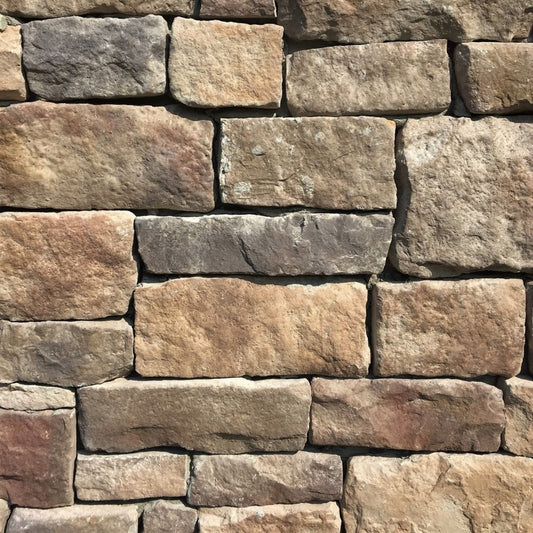
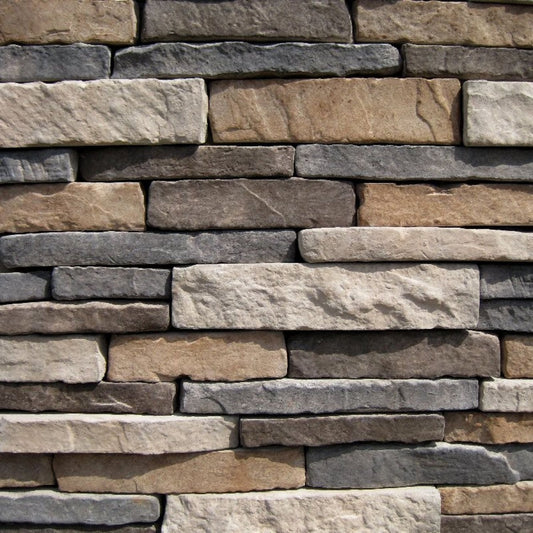
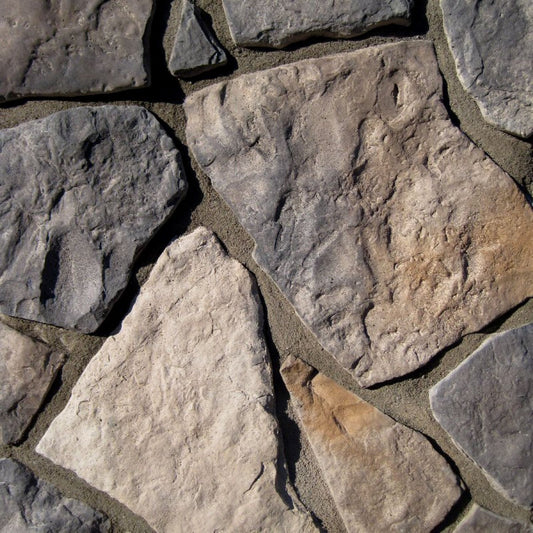
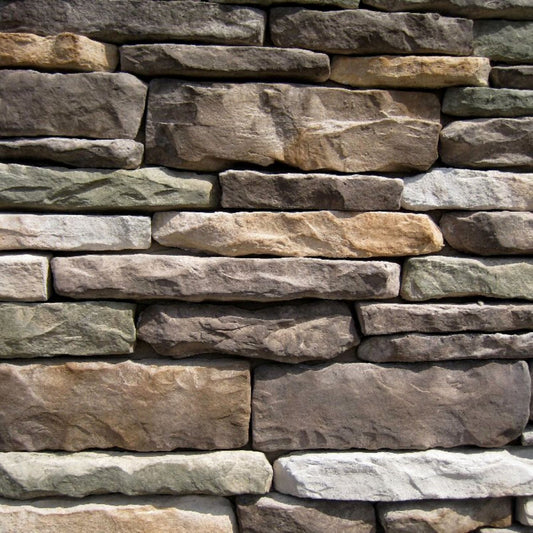
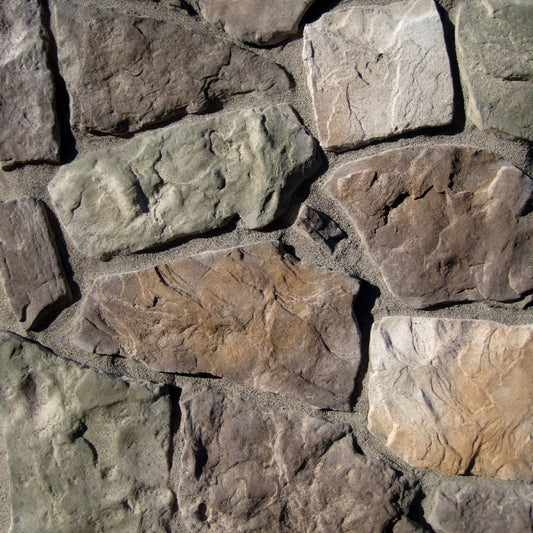
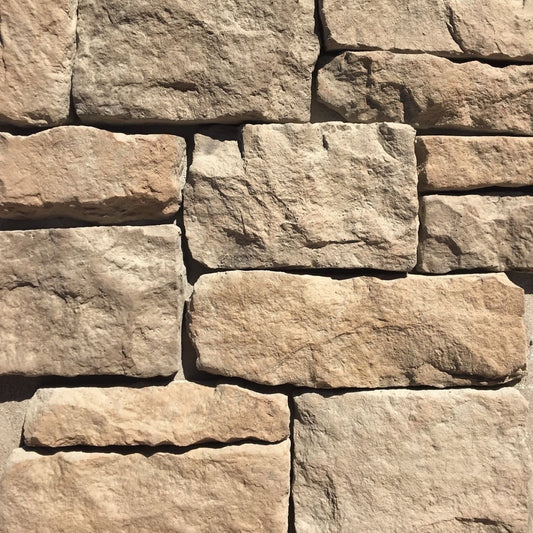
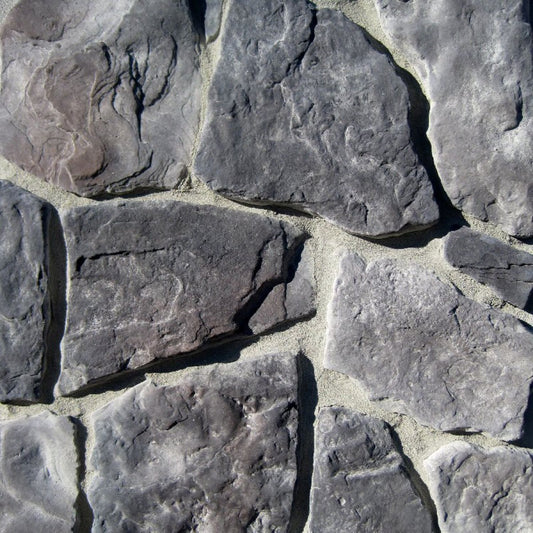
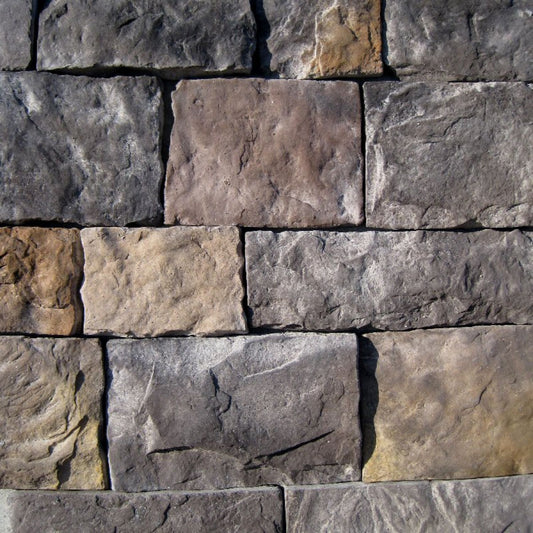
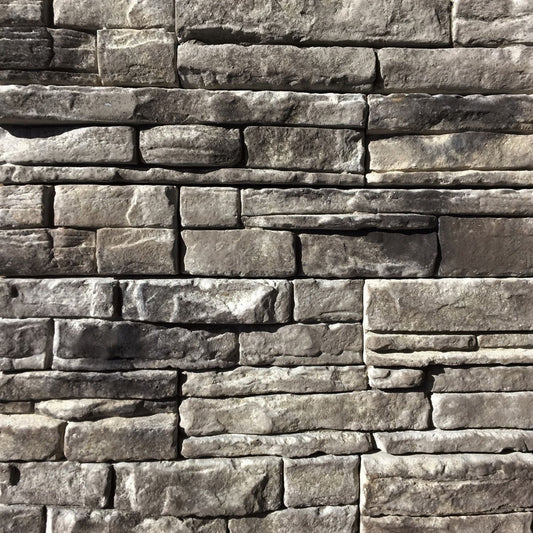
Pictured is field stone mossy creek.