
Stone Veneer Grills and BBQs: Design Ideas, Installation Tips, and Heat Safety Guide
Share
Originally posted May 8, 2025, updated July 16, 2026.
Manufactured stone veneer can be used around a BBQ or grill if installed correctly. While the material is non-combustible, it must be applied over a non-combustible substrate with proper heat clearances, ventilation, and often an insulated grill jacket to prevent heat damage such as cracking or discoloration.
Outdoor kitchens and backyard BBQ stations have become a defining feature of modern outdoor living design. Homeowners are investing more into creating spaces that feel like a natural extension of their indoor kitchens, combining functionality with strong visual appeal. One material that consistently stands out in these designs is manufactured stone veneer. As we explore in the ultimate guide to manufactured stone veneer for exterior spaces, its natural appearance, lightweight composition, and design flexibility make it a go-to choice for BBQ surrounds and outdoor kitchen islands.
However, when fire and high heat enter the equation, it raises an important and valid question: is manufactured stone veneer actually safe to use around a BBQ or grill? The answer is yes, but only when it is installed with proper planning and attention to heat management. Understanding how the material behaves and how to design around heat exposure is essential to achieving a long-lasting and safe result.
Why manufactured stone veneer is popular for BBQ surrounds
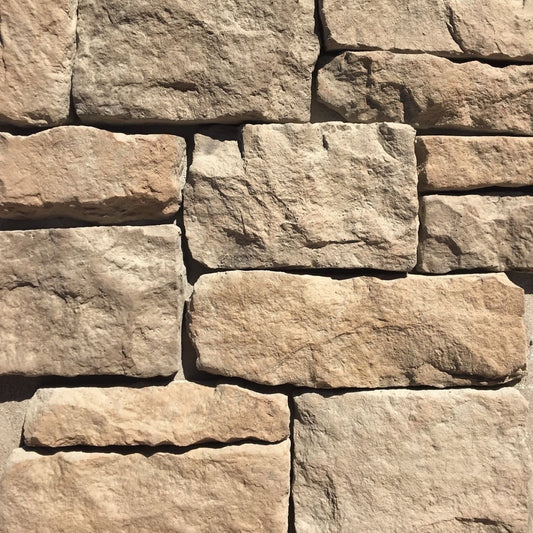
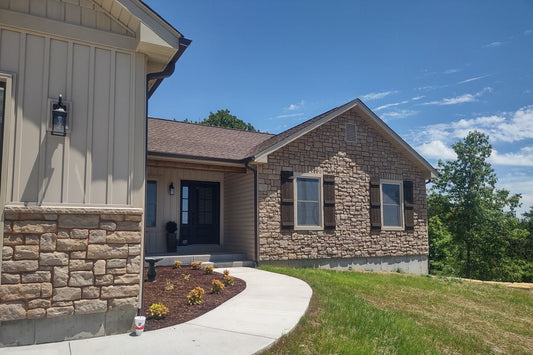
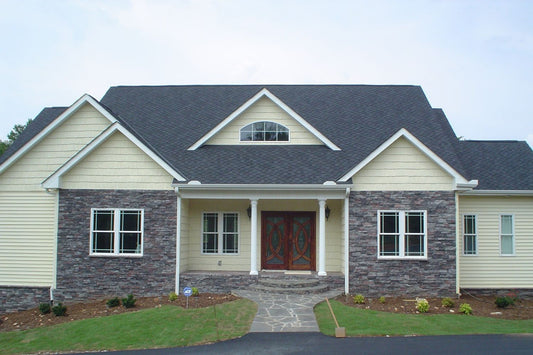
Manufactured stone veneer offers a balance of aesthetics and practicality that is hard to match with other materials. Its ability to replicate the look of natural stone while being easier to install makes it especially appealing for outdoor projects where both appearance and efficiency matter. You can explore more ways this material is used across different applications in our stone veneer inspiration guide, where we highlight design ideas, styles, and real-world uses to help guide your project decisions.
One of the biggest reasons homeowners choose stone veneer for BBQ surrounds is its visual impact. The texture, depth, and variation in color create a warm and inviting atmosphere that enhances patios, decks, and backyard entertaining areas. Whether the goal is a rustic outdoor retreat or a more contemporary design, stone veneer adapts easily to different styles.
Durability is another major advantage. High-quality manufactured stone veneer is built to withstand outdoor conditions, including rain, UV exposure, and freeze-thaw cycles. This makes it well suited for climates where temperatures fluctuate throughout the year. When installed correctly, it maintains its appearance and structural integrity over time.
Flexibility in design also plays a key role. Manufactured stone veneer can be applied to a wide range of surfaces and structures, including curved BBQ islands, custom enclosures, and outdoor kitchen features. This allows homeowners and designers to create unique layouts without being limited by heavy or difficult-to-cut materials.
Understanding heat tolerance and safety
While manufactured stone veneer is considered non-combustible, that does not mean it can handle unlimited heat exposure. This distinction is critical. Non-combustible means the material will not ignite or burn, but it can still be affected by high temperatures over time.
Direct flame contact or prolonged exposure to intense heat can cause issues such as cracking, discoloration, or even adhesive failure. This is why proper installation methods are essential when using stone veneer around a BBQ or grill. The goal is not just to prevent fire hazards, but also to preserve the appearance and durability of the finished surface.
The key principle is separation. The heat generated by the grill should never be transferred directly to the stone veneer system. Instead, layers of heat-resistant materials and air space are used to manage and dissipate that heat before it reaches the veneer.
The importance of non-combustible construction
A safe BBQ surround begins with the structure behind the stone veneer. Using non-combustible framing materials is essential to reducing fire risk and ensuring long-term performance. Steel studs and concrete block construction are commonly used because they can withstand high temperatures without degrading.
Wood framing should be avoided in BBQ islands or grill surrounds. Even if the stone veneer itself is non-combustible, the materials behind it could still pose a fire risk if exposed to excessive heat. Building with non-combustible materials ensures that the entire system is designed for safety, not just the visible surface.
The substrate, or base layer where the veneer is applied, is equally important. Cement board rated for high heat applications is typically used as a backing material. This provides a stable and heat-resistant surface that supports the stone veneer and helps protect the underlying structure.
Managing heat with proper clearances and barriers
One of the most important factors in using stone veneer around a BBQ is maintaining proper clearance between the grill and surrounding materials. Every grill manufacturer provides specific clearance-to-combustibles guidelines, and these should always be followed carefully.
Even though stone veneer itself is non-combustible, the system as a whole includes adhesives, mortar, and structural components that can be sensitive to heat. Maintaining proper spacing ensures that heat does not build up in a way that could compromise the installation.
In many cases, built-in grills require an insulated jacket or liner. These stainless steel components are designed to act as a barrier between the grill and the surrounding structure. They help contain and redirect heat, protecting both the framing and the stone veneer finish. Using an insulated jacket is often not just recommended, but required by the grill manufacturer.
Airflow is another critical component of heat management. Proper ventilation allows heat to escape from inside the BBQ island rather than becoming trapped. Without adequate ventilation, temperatures can rise quickly, increasing the risk of damage to both the structure and the veneer.
Installation considerations for long-term performance
As highlighted in our guide where can you install manufactured stone veneer? installing manufactured stone veneer around a BBQ requires attention to detail beyond standard wall applications. Every element of the installation should be approached with heat exposure in mind.
The placement of the stone veneer is important. It should never extend into areas where it could be exposed to direct flames or extreme heat. Keeping the veneer outside of the grill cavity helps prevent thermal stress that could lead to cracking or discoloration over time.
Adhesion is another factor that must be considered. Mortar and setting materials should be suitable for exterior and heat-exposed environments. Using the right products ensures that the bond between the veneer and substrate remains strong even with temperature fluctuations.
Some homeowners choose to apply a breathable masonry sealer to their stone veneer. While this step is optional, it can help protect the surface from grease, smoke, and soot, which are common around BBQ areas. A sealer can make cleaning easier and help maintain the appearance of the stone over time.
Special considerations for built-in grills
Built-in grills introduce additional variables that must be addressed during design and installation. Unlike freestanding grills, built-in units are enclosed within a structure, which can trap heat if not properly managed.
Radiant heat and hot airflow are the primary concerns. Radiant heat can affect nearby surfaces even without direct contact, while hot air circulating within the enclosure can raise internal temperatures significantly. Both factors must be accounted for to prevent damage to the stone veneer and surrounding materials.
Using an insulated grill jacket is one of the most effective ways to manage these challenges. It creates a protective buffer that reduces heat transfer and helps maintain safe operating conditions within the BBQ island. Combined with proper ventilation and clearance, it plays a critical role in ensuring a successful installation.
Building codes and professional guidance
Before starting any outdoor kitchen or BBQ project, it is important to check local building codes and fire regulations. Requirements can vary depending on location, and compliance is essential for both safety and legal reasons.
In some cases, working with a professional mason or contractor is the best approach. Experienced installers understand how to design and build BBQ surrounds that account for heat exposure, structural integrity, and long-term durability. Their expertise can help avoid costly mistakes and ensure that the finished project performs as expected.
Stone veneer grills and BBQs
Manufactured stone veneer is an excellent choice for BBQ surrounds and outdoor kitchens, offering a combination of beauty, durability, and design flexibility. When installed correctly, it can safely coexist with high-heat cooking environments and elevate the overall look of your outdoor space.
The key to success lies in proper planning. Using non-combustible materials, maintaining appropriate clearances, incorporating heat barriers, and ensuring adequate ventilation all work together to protect the stone veneer and the structure behind it. By following these best practices and adhering to manufacturer guidelines, homeowners can enjoy a safe and visually stunning BBQ setup for years to come.
From Mountain View Stone: what you should know
At Mountain View Stone, we recommend using manufactured stone veneer around BBQs and outdoor kitchens only when proper heat-safe installation methods are followed. This means building with non-combustible materials, maintaining correct clearances, and using components like insulated grill jackets where required. While stone veneer is durable and non-combustible, it’s not designed for direct or prolonged high-heat exposure. Taking the time to plan your build correctly will help ensure your outdoor space looks great and performs reliably for years to come.
Frequently asked questions
1. Can manufactured stone veneer catch fire around a BBQ? No, manufactured stone veneer is non-combustible and will not catch fire. However, improper installation can still lead to heat damage or structural issues.
2. Do I need an insulated jacket for my built-in grill? In most cases, yes. Many grill manufacturers require an insulated jacket to protect surrounding materials and manage heat safely.
3. Can heat damage stone veneer over time? Yes, prolonged exposure to high heat can cause cracking, discoloration, or adhesive failure if proper clearances and heat barriers are not used.
4. Is sealing stone veneer around a BBQ necessary? Sealing is optional but recommended. A breathable sealer can help protect against grease, smoke, and staining.
5. What materials should be used behind stone veneer near a grill? Non-combustible materials such as steel studs, concrete block, and heat-rated cement board should always be used for safety and durability.
6. Do I need ventilation in a BBQ island with stone veneer? Yes, proper ventilation is essential to prevent heat buildup inside the structure, which could damage both the framing and the veneer.
What's next?
Bring your vision to life with our high-quality stone veneer! Shop now to explore our styles or order a sample to feel the texture and see the colors up close. Let’s start your project today!
Have a question?
Please see our full terms of service or check out our frequently asked questions.
For general information and questions please call: (864) 882-8960 Mon. - Fri. 8am - 5pm (EST) or email: info@mountainviewstone.net we are more than happy to help you.
Or you can submit your questions via our contact us page.
We look forward to working with you on your upcoming project.
The Mountain View Stone Team
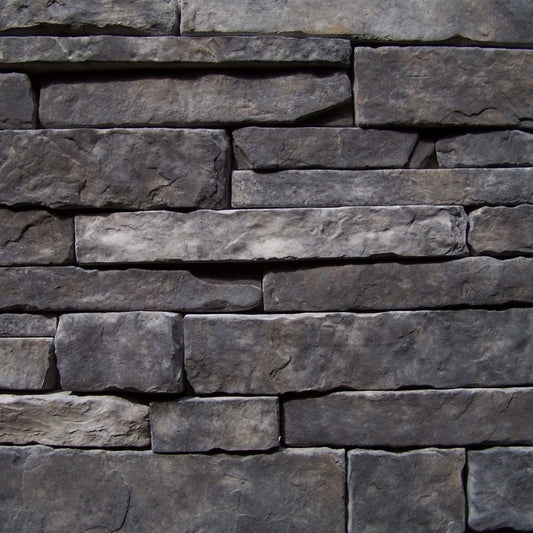
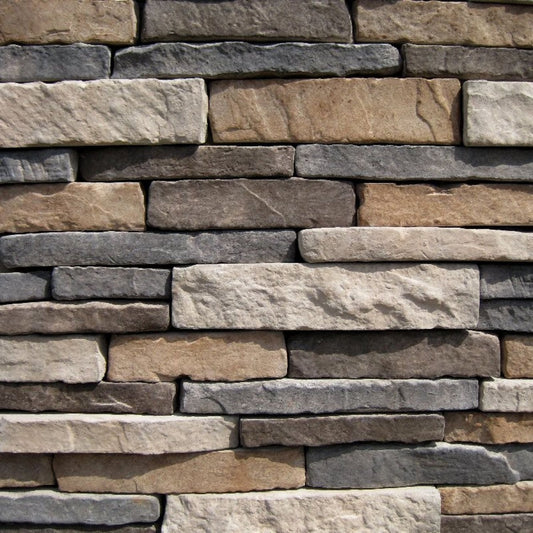
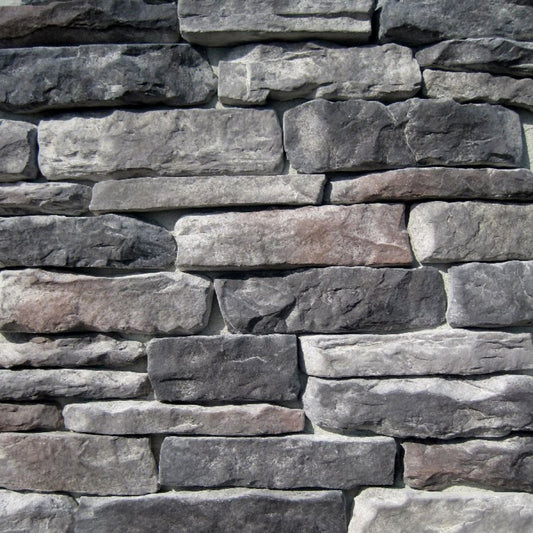
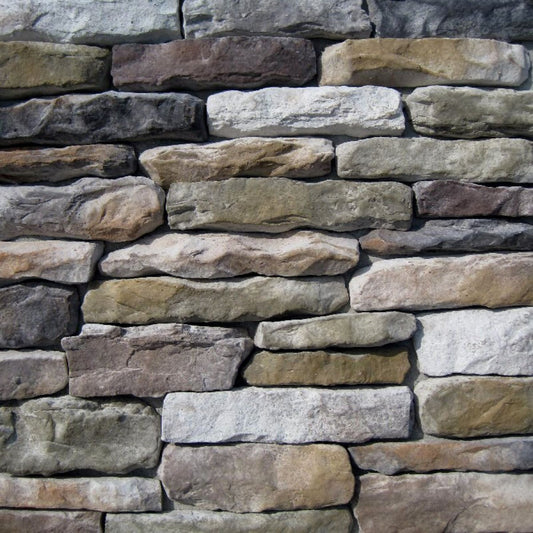
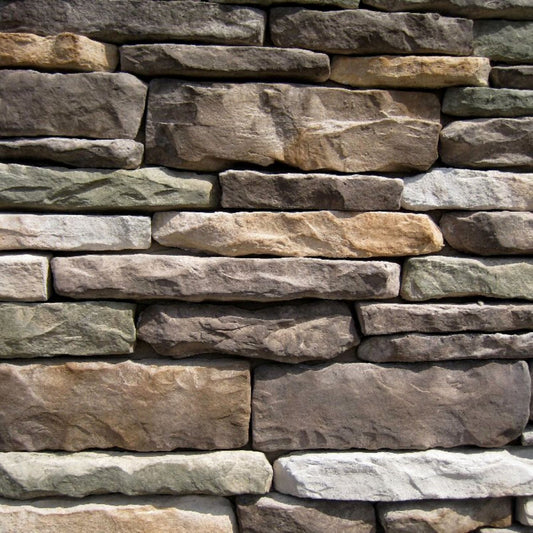
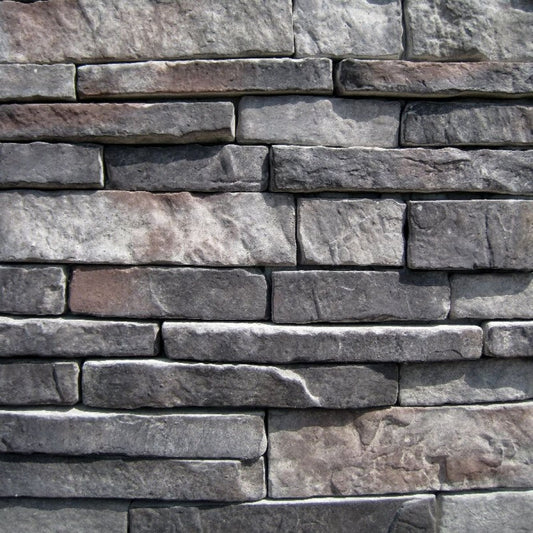
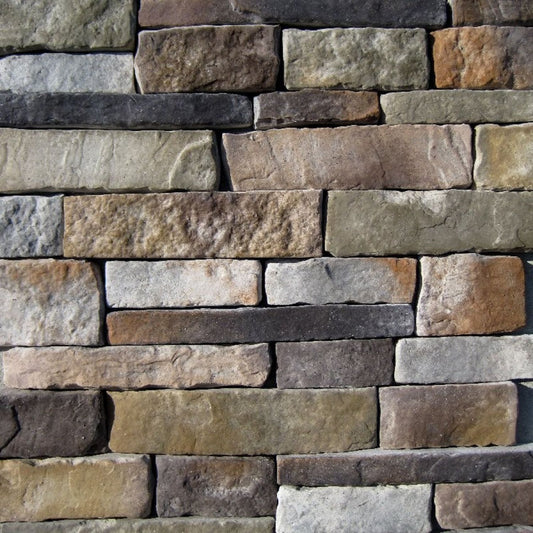
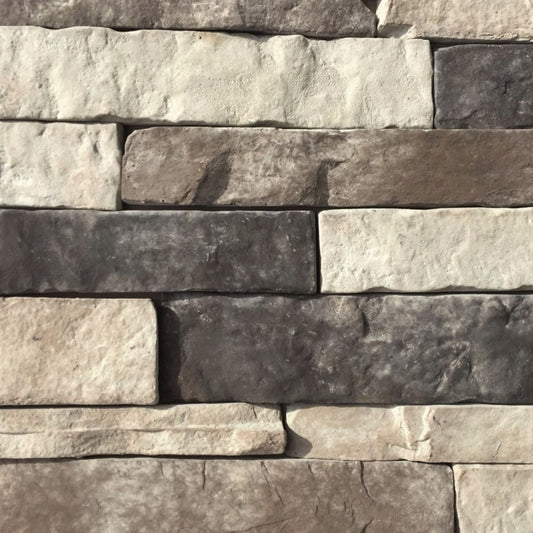
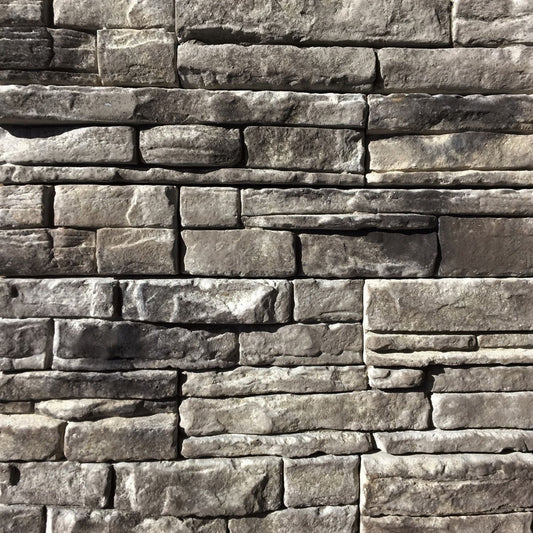
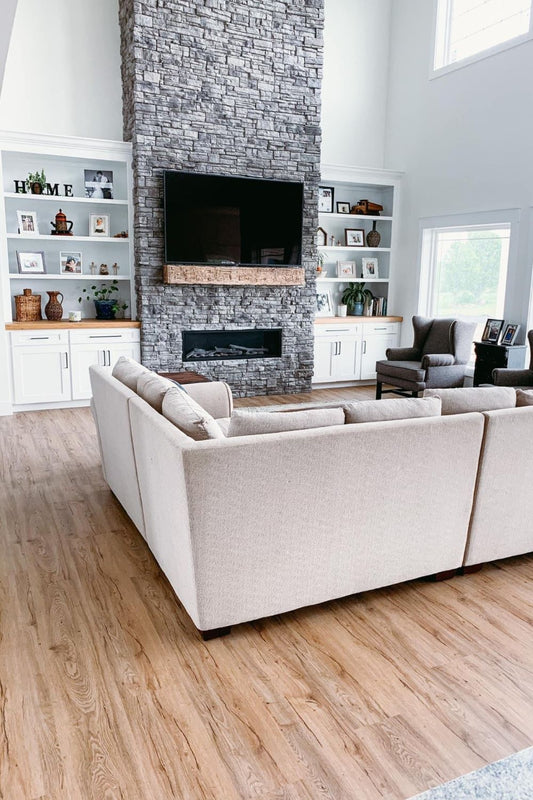
Pictured is stack stone cool gray.