
Stone Veneer for Small Spaces and Compact Homes: Smart Design with Big Impact
Share
Stone veneer for small spaces and compact homes is a design strategy that adds texture, depth, and architectural character without overwhelming limited square footage. When used thoughtfully on feature walls, fireplaces, entryways, or exterior accents, it creates visual impact while maintaining balance, scale, and functionality in modern residential design.
Designing small spaces and compact homes comes with a unique challenge: every material choice has an outsized effect on how the space feels, functions, and flows. When square footage is limited, homeowners and designers often default to minimalism out of necessity, avoiding anything that might feel heavy or visually overwhelming. Yet this approach can sometimes leave interiors feeling flat or unfinished. For a broader breakdown of applications across the home and exterior, see our complete guide on where can you install manufactured stone veneer?
Stone veneer offers a compelling alternative. It introduces texture, depth, and architectural presence without the bulk and structural demands of full-thickness natural stone. In compact homes, this makes it an especially powerful design material. Whether used indoors or outdoors, stone veneer can create focal points, define zones, and add a sense of permanence that elevates even the smallest living environments.
When applied correctly, it doesn’t reduce the feeling of space. Instead, it enhances proportion and visual interest in a controlled, intentional way.
Why Stone Veneer Works So Well in Small Spaces
Small spaces require materials that contribute to the design without visually crowding it. Stone veneer achieves this balance because it delivers the aesthetic richness of natural stone while maintaining a much thinner profile and lighter installation footprint.
In compact homes, walls often serve multiple purposes: they define space, guide sightlines, and influence mood. A plain painted wall may recede into the background, but it can also lack personality. Stone veneer introduces subtle shadowing and texture that responds to both natural and artificial light, which helps create depth even in tight areas.
Another reason stone veneer works well is its versatility. It can be used in small doses to highlight specific architectural features rather than dominate an entire room. This controlled application is key in compact design, where restraint often leads to stronger visual outcomes than abundance.
Enhancing Perception of Space Through Texture and Contrast
One of the most overlooked advantages of stone veneer in small homes is its ability to alter spatial perception. Texture plays a major role in how humans interpret depth and distance. Smooth, uniform surfaces tend to flatten a room visually, while textured surfaces introduce variation that tricks the eye into perceiving greater dimensionality.
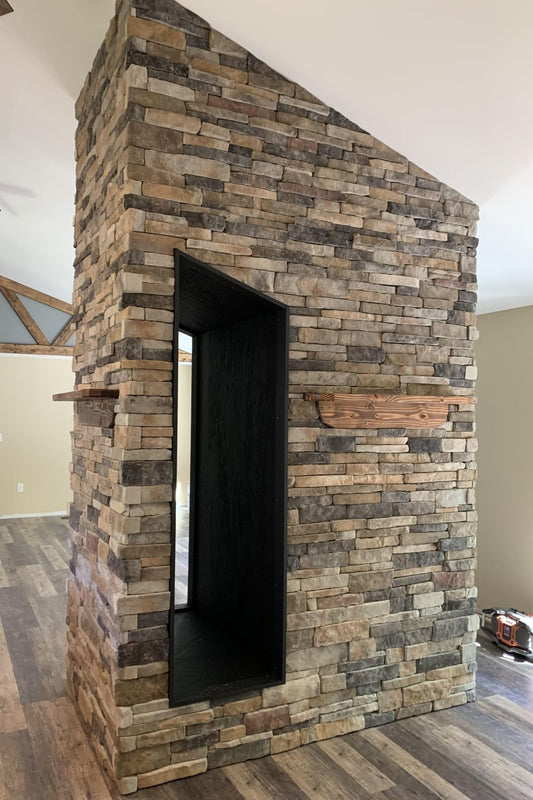
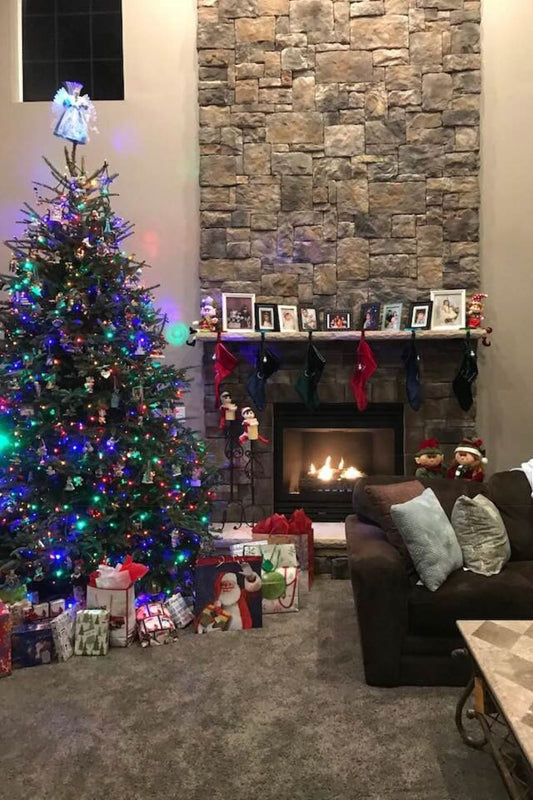
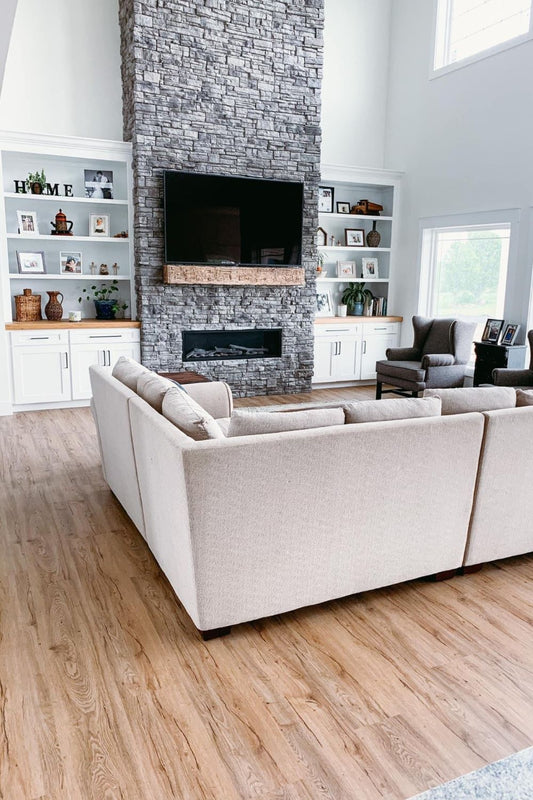
A well-placed stone veneer feature wall can make a small living room feel more layered and intentional. Similarly, using stone around a fireplace or media wall helps anchor the space, giving the eye a natural focal point. This reduces visual clutter because the room no longer feels like every surface is competing for attention.
Contrast is equally important. When stone veneer is paired with lighter painted walls, wood accents, or large windows, it enhances the perception of openness. Instead of shrinking a space, it defines it, making the room feel structured rather than constrained.
Ideal Applications in Compact Homes
In small homes, the most effective use of stone veneer is strategic rather than extensive. It performs best when used to highlight architectural moments rather than blanket entire interiors. For additional design ideas and inspiration, explore our complete stone veneer inspiration guide, which showcases creative ways to incorporate manufactured stone veneer throughout both interior and exterior spaces.
Interior feature walls are one of the most common applications. In living rooms, a stone veneer wall behind a sofa or entertainment unit can create a strong focal point without requiring additional decor. In bedrooms, it can be used behind the headboard to introduce warmth and texture without overwhelming the rest of the room.
Fireplaces are another natural fit. In compact homes, fireplaces often serve as both functional and visual anchors. Cladding them in stone veneer elevates their importance in the space while keeping proportions visually grounded.
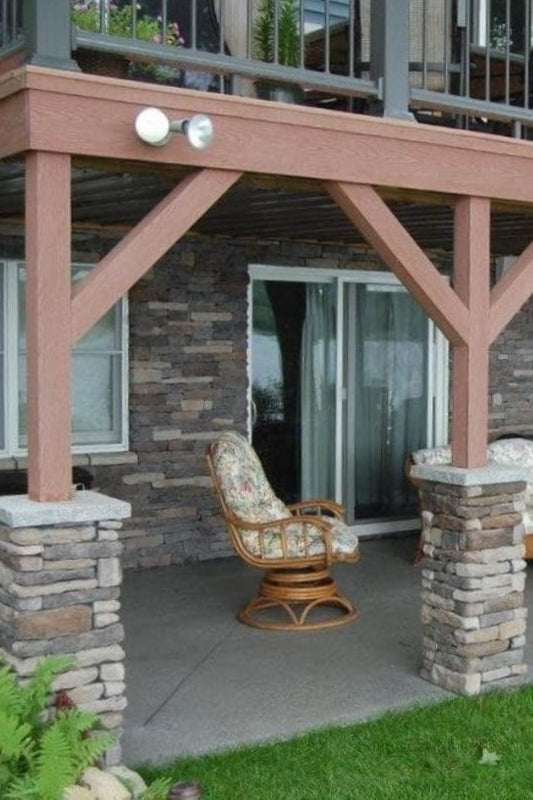
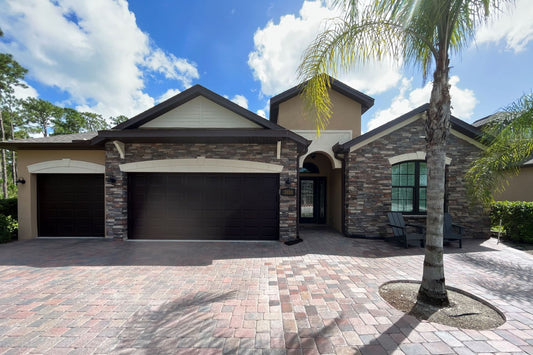
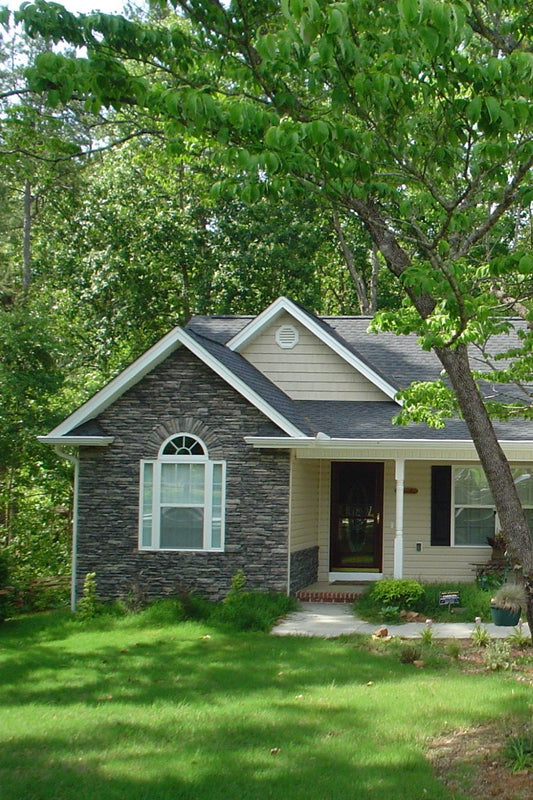
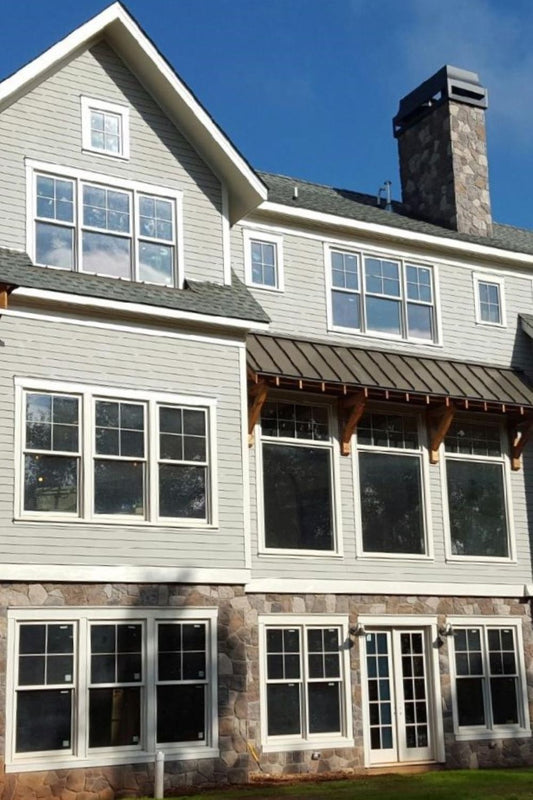
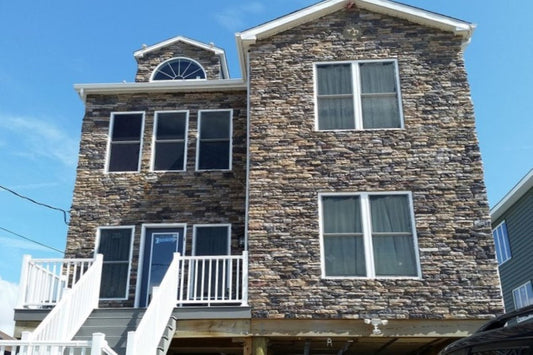
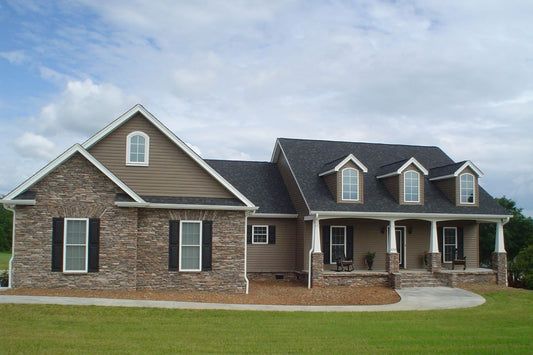
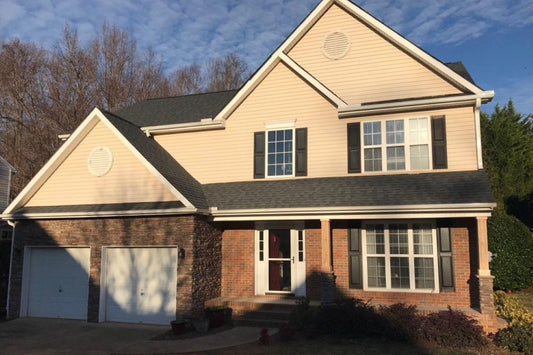
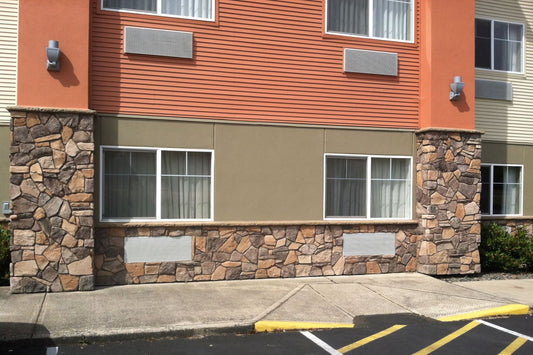
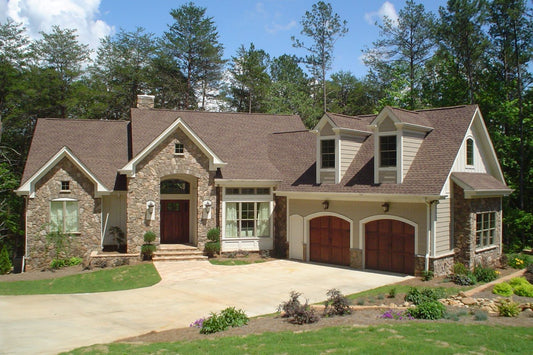
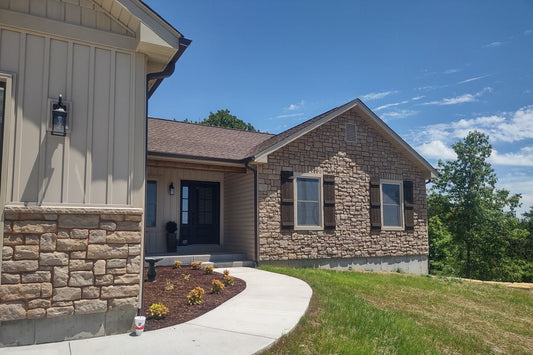
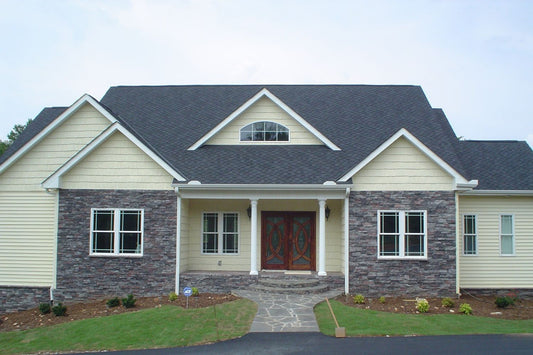
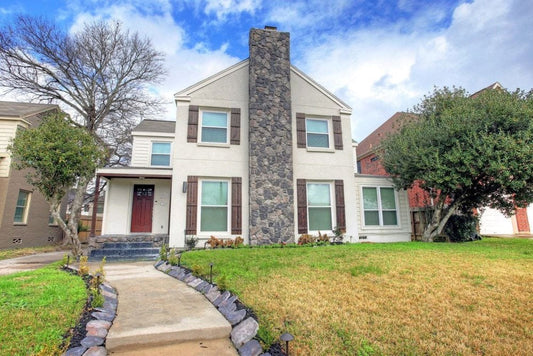
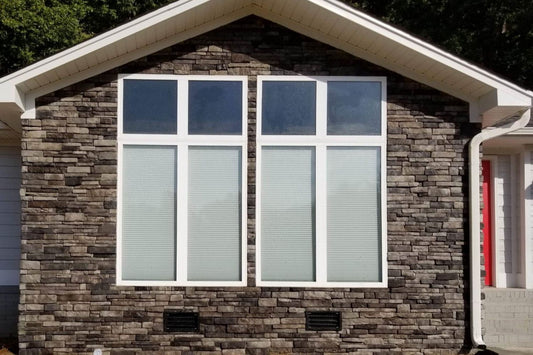
On the exterior, stone veneer can be used around entryways, garage surrounds, or foundation lines to give even small homes a sense of architectural weight. This is especially effective in compact urban builds where curb appeal needs to be strong without relying on large-scale structural features.
Choosing the Right Colors and Textures for Small Spaces
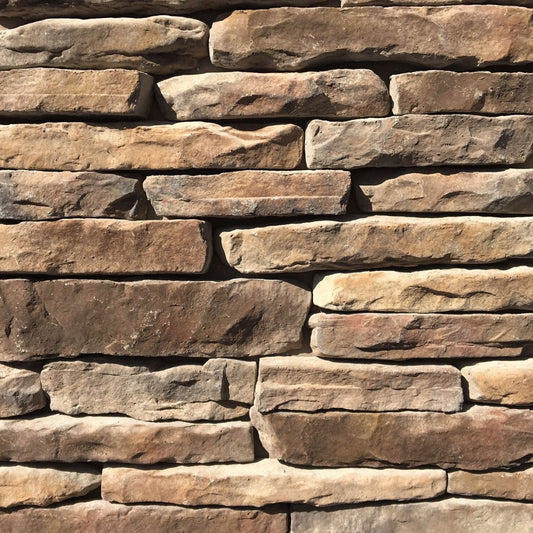
Colour selection is critical when working with stone veneer in compact homes. Lighter tones such as soft greys, creams, and warm neutrals tend to reflect light and help maintain a sense of openness. These shades work particularly well in smaller interiors where natural light may be limited.
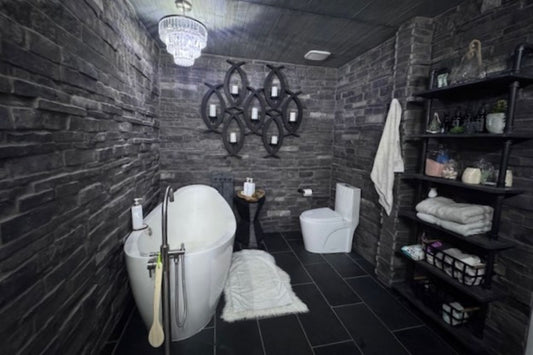
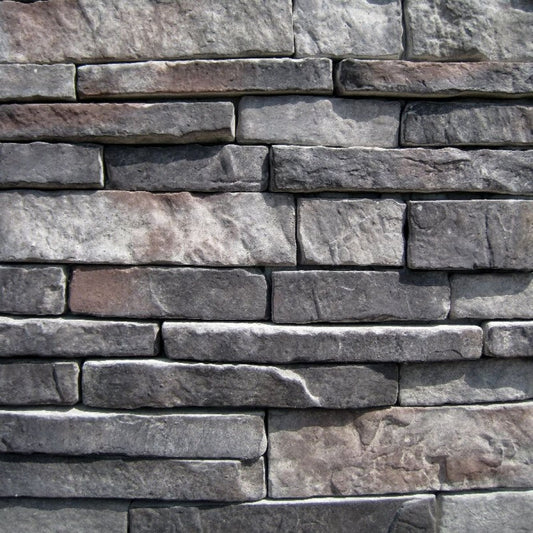
Darker stone veneers can also be effective, but they require more intentional placement. When used in small spaces, deeper tones should be reserved for accent areas rather than large surface coverage. A dark stone feature wall, for example, can create a dramatic focal point, but using it on multiple walls may reduce the feeling of openness.
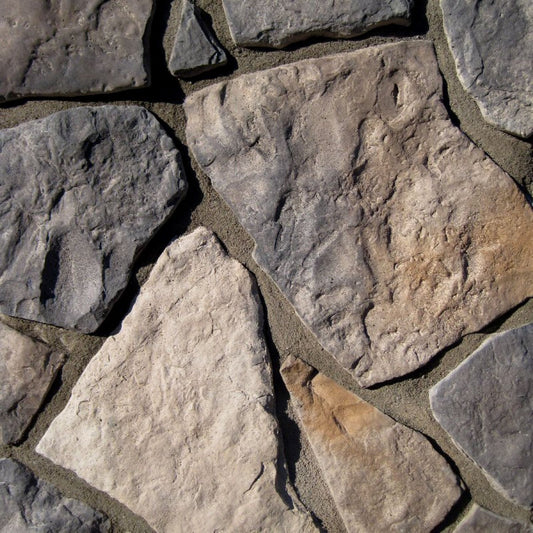
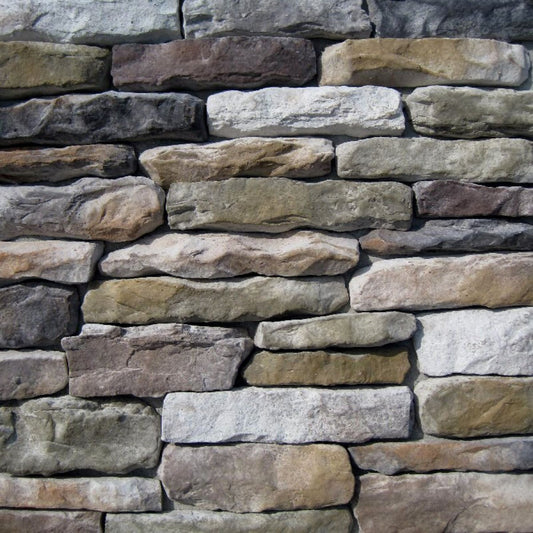
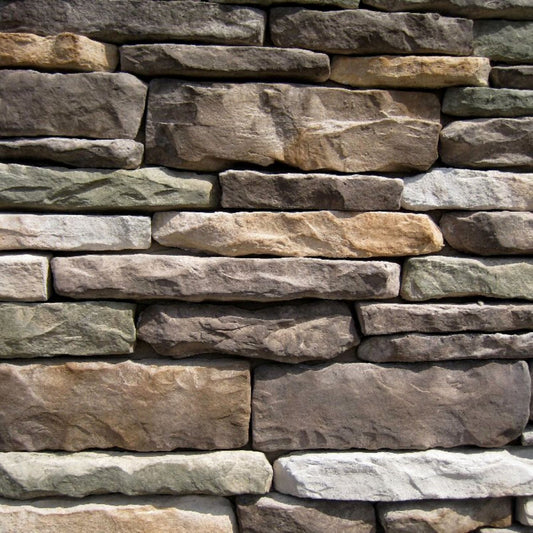
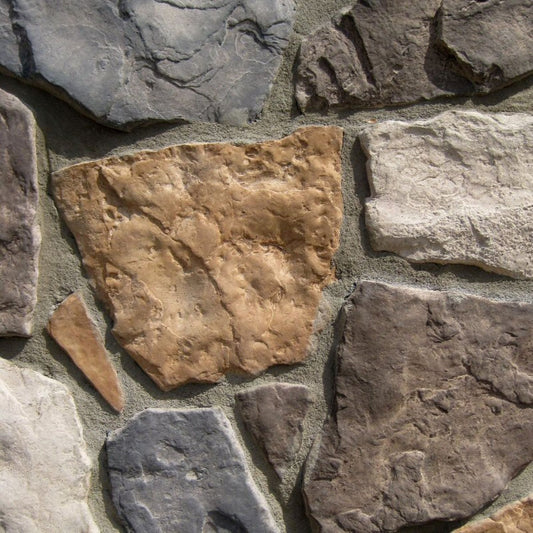
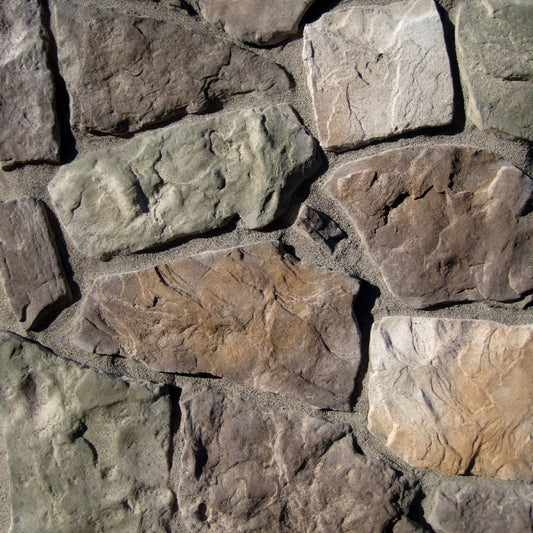
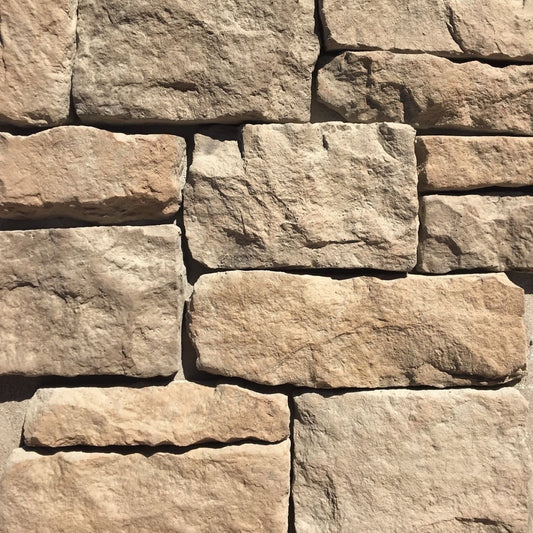
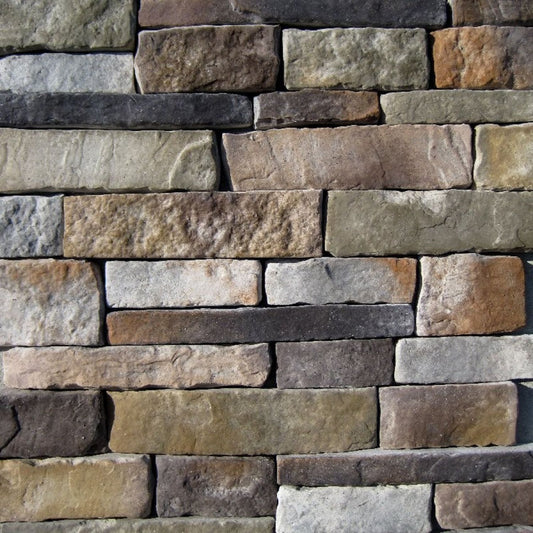
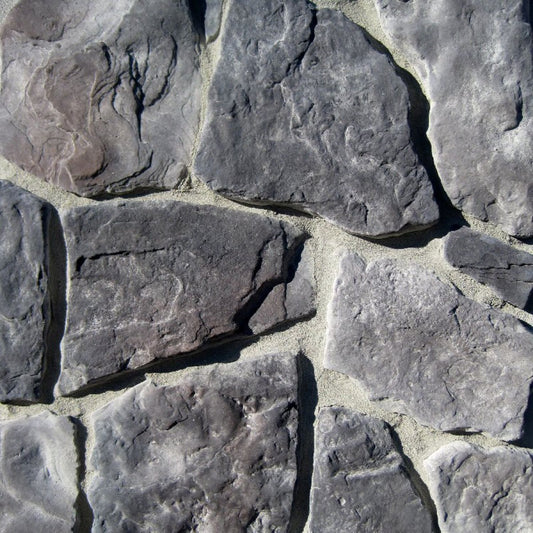
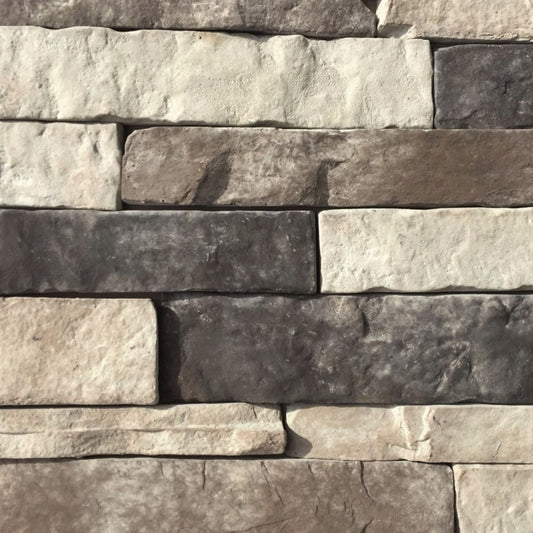
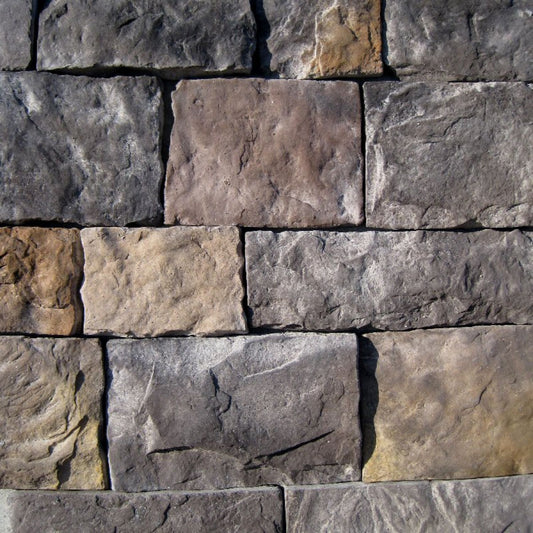
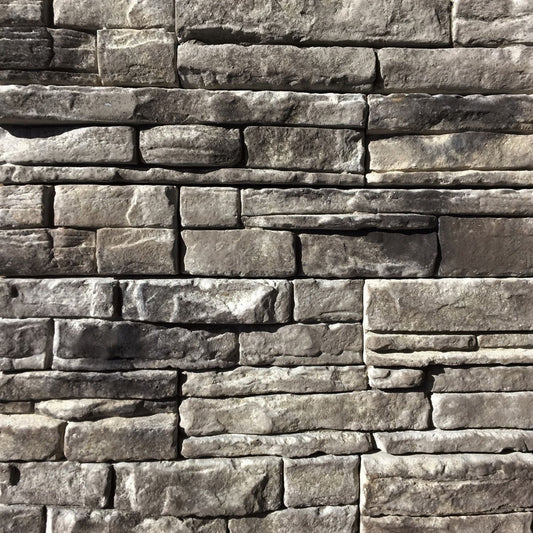
Texture should also be considered carefully. Highly irregular stone patterns can add richness, but in very small rooms they may feel visually busy. More refined, linear stone profiles often work better in compact environments because they add structure without excessive visual noise.
Ultimately, the goal is not to avoid bold choices, but to ensure that scale and proportion are aligned with the size of the space.
Installation Considerations in Small or Tight Areas
Installing stone veneer in compact homes requires careful planning, especially when working around existing finishes, limited access points, or structural constraints. Because stone veneer is lighter than natural stone, it is often suitable for interior applications where weight limitations might otherwise be a concern.
However, substrate preparation becomes even more important in small spaces where imperfections are more noticeable. Walls must be properly leveled and sealed to ensure consistent adhesion and long-term durability. In tighter rooms, uneven surfaces or poor installation techniques become visually amplified because the viewer is always closer to the finished surface.
Transitions between materials also require attention. In small homes, stone veneer often meets painted drywall, wood trim, or tile within a short visual range. Clean transitions help maintain a cohesive design language and prevent the space from feeling fragmented.
Lighting is another factor that should not be overlooked. Because stone veneer relies heavily on shadow and texture, strategic lighting can dramatically enhance its effect. Even simple directional lighting can bring out depth that would otherwise remain unnoticed in low-light conditions.
Maintenance and Longevity in Compact Living Environments
One of the advantages of stone veneer in small homes is its relatively low maintenance requirements. Once installed correctly, it performs well in both interior and exterior environments with minimal upkeep.
In interior settings, occasional dusting or light cleaning is usually sufficient. Because compact homes tend to have higher interaction with walls and surfaces, especially in high-traffic areas, durability becomes an important factor. Stone veneer holds up well against everyday wear compared to painted drywall or softer finishes.
On exterior surfaces, periodic inspection ensures that joints, sealants, and surrounding materials remain in good condition. This is particularly important in climates with fluctuating temperatures or moisture exposure. When properly maintained, stone veneer retains its appearance for many years without significant fading or structural degradation.
Stone Veneer for Small Spaces and Compact Homes
Stone veneer offers a rare combination of aesthetic impact and practical adaptability, making it especially valuable in small spaces and compact homes. Rather than overwhelming a limited footprint, it enhances it by adding depth, texture, and architectural definition in controlled, intentional ways.
When used thoughtfully, it transforms ordinary surfaces into focal points and helps small interiors feel more structured, layered, and visually balanced. Whether applied indoors as a feature wall or outdoors as an accent, stone veneer proves that compact living does not require design compromise, it simply requires smarter material choices.
From Mountain View Stone: What You Should Know
At Mountain View Stone, we know that stone veneer performs best in small spaces when it is treated as a design accent rather than a full surface finish. In compact homes especially, scale, lighting, and placement matter just as much as the product itself. Even a high-quality veneer can feel overwhelming if it is installed across too many adjacent surfaces or paired with overly heavy textures and dark tones without balance. Proper substrate preparation, thoughtful transitions to surrounding materials, and careful attention to proportion are what separate a visually refined installation from one that feels visually crowded. When planned correctly, stone veneer should enhance the architecture of the space, not compete with it, creating depth and character while still preserving openness and flow.
Frequently Asked Questions About Stone Veneer for Small Spaces and Compact Homes
What makes stone veneer suitable for small spaces?
Stone veneer is thin, lightweight, and highly versatile, allowing it to add texture and depth without reducing usable space or making rooms feel crowded.
Can stone veneer make a small room look smaller?
It can if overused or applied in overly dark tones, but when used as a feature wall or accent, it typically enhances depth and improves spatial perception.
Where should stone veneer be used in a compact home?
It works best on focal points such as fireplace surrounds, entryway walls, media walls, and selective exterior accents rather than full-room coverage.
Is stone veneer a good choice for modern small home design?
Yes, it pairs well with modern minimalism by adding natural texture and warmth while maintaining clean lines and controlled visual structure.
Does stone veneer require special maintenance in smaller homes?
No special maintenance is needed beyond routine cleaning and occasional inspection, making it practical for both small interiors and exterior applications.
What's Next?
Transform your space with premium manufactured stone veneer. Shop now to bring your design vision to life with confidence or order a sample to see the authentic texture and rich colour variation up close.
Have a Question?
Please see our full terms of service or check out our frequently asked questions.
For general information and questions please call: (864) 882-8960 Mon. - Fri. 8am - 5pm (EST) or email: info@mountainviewstone.net we are more than happy to help you.
Or you can submit your questions via our contact us page.
We look forward to working with you on your upcoming project.
The Mountain View Stone Team
Pictured is an AI generated image of a stone veneer installation in a tiny home.