
Stone Veneer Chimneys: Design Ideas, Installation Tips, and Upgrade Inspiration
Share
Originally posted December 19, 2025, updated August 19, 2026.
Manufactured stone veneer can be installed on both interior and exterior chimney surfaces when the proper substrate, mortar, moisture management, fire clearances, and building code requirements are followed. It is a lightweight alternative to natural stone that can provide a durable, attractive finish for chimney chases and fireplace surrounds.
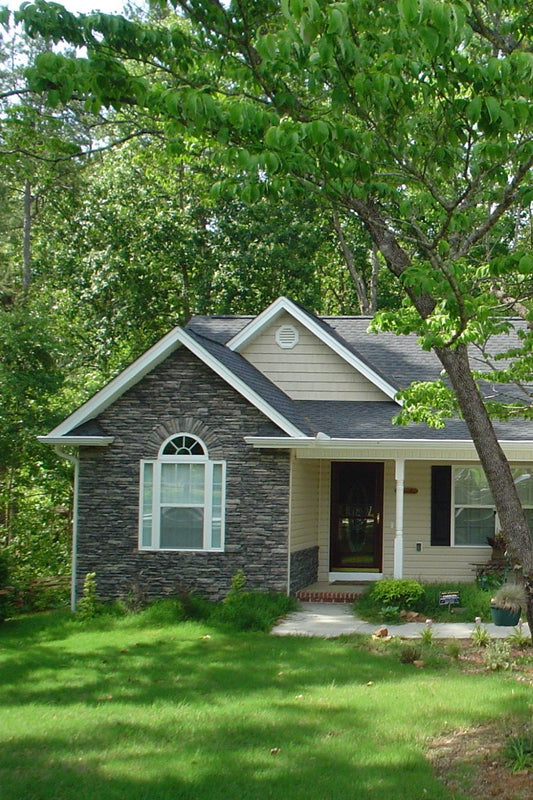
A stone-clad chimney can become one of the most distinctive architectural features of a home. The natural texture, depth, and color variation of stone can add character to an otherwise simple exterior while helping a chimney feel like an intentional part of the home's overall design. For more ideas and guidance on using manufactured stone veneer outdoors, see the ultimate guide to manufactured stone veneer for exterior spaces.
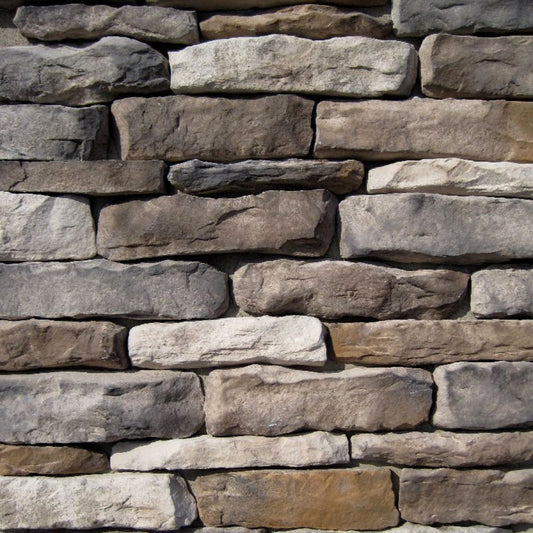
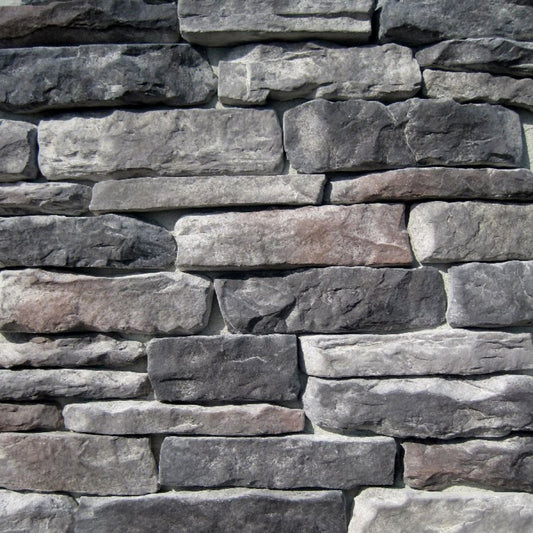
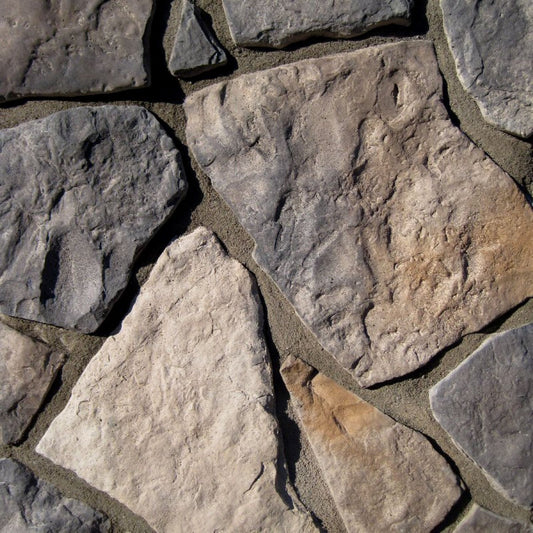
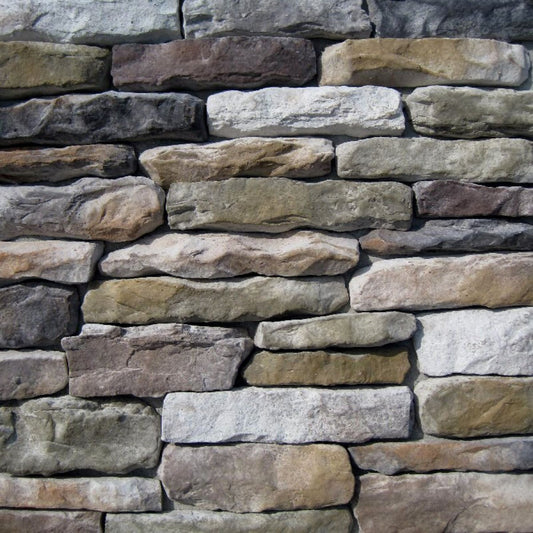
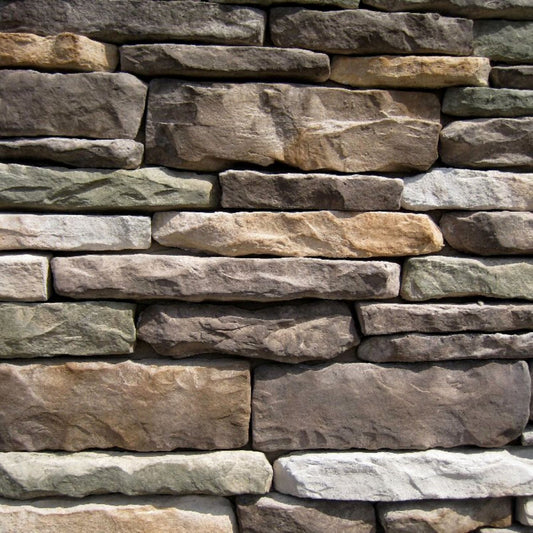
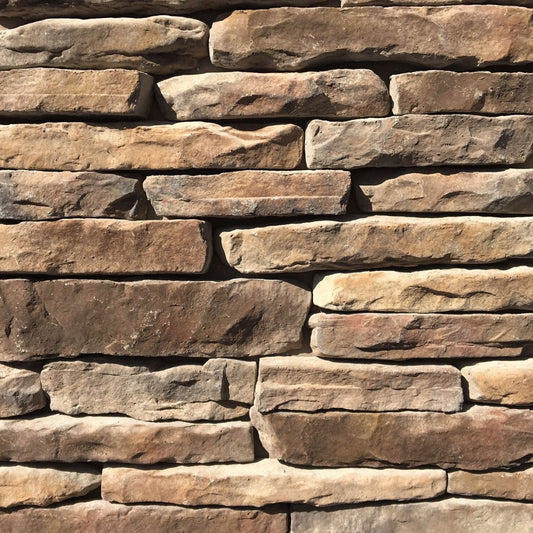
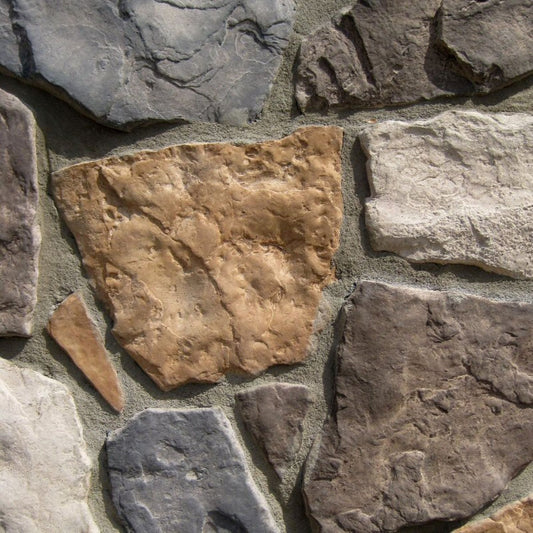
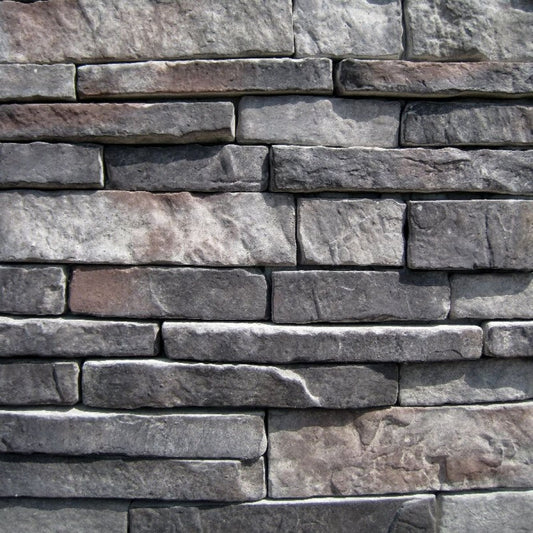
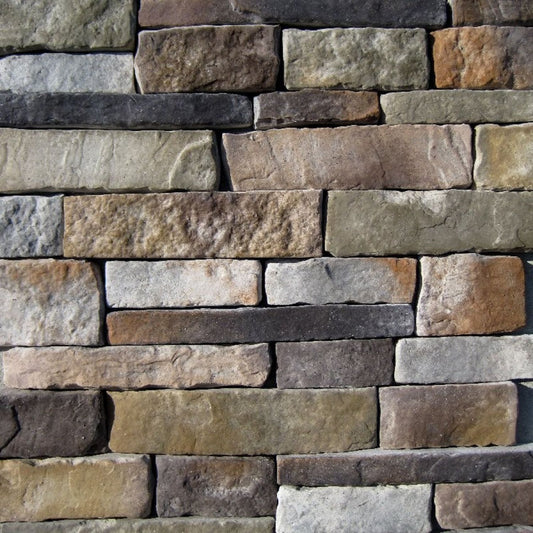
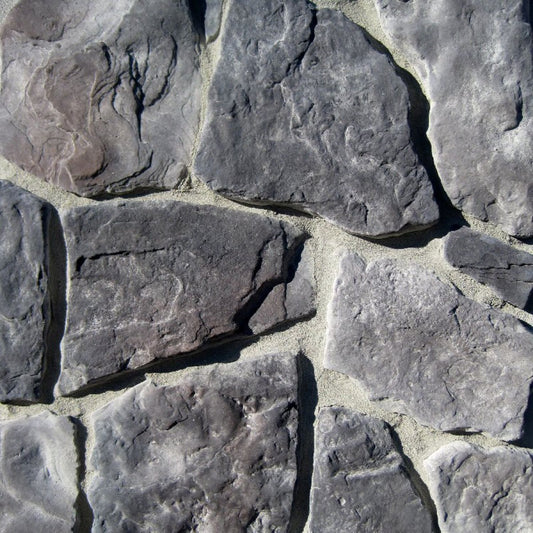
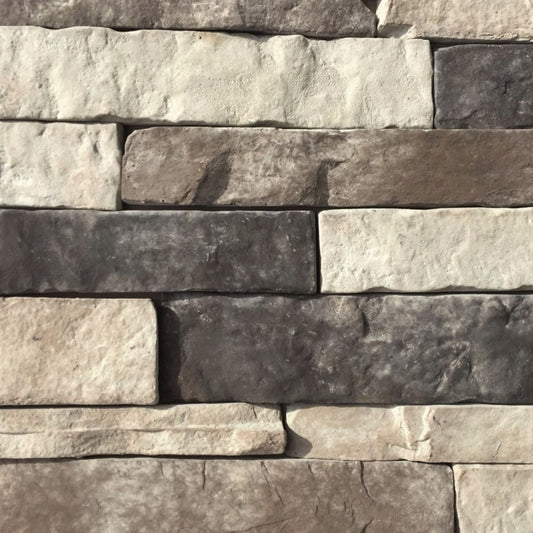
Manufactured stone veneer is a popular choice for chimney projects because it provides the appearance of natural stone without the weight and cost associated with full-depth stone masonry. Available in styles ranging from rustic fieldstone and ledgestone to more structured limestone and stacked stone, manufactured stone veneer can complement virtually any architectural style.
But chimneys require more consideration than a typical accent wall. Exterior chimneys are exposed to rain, snow, wind, and temperature changes, while interior chimney and fireplace applications can involve significant heat. Proper installation is therefore essential for both appearance and long-term performance.
Here is what homeowners, builders, and contractors should know about using manufactured stone veneer on chimneys.
Can Manufactured Stone Veneer Be Used on a Chimney?
Manufactured stone veneer can be used on chimney exteriors and many interior fireplace chimney applications when it is installed according to the veneer manufacturer's requirements, fireplace manufacturer's instructions, and applicable building codes.
Manufactured stone veneer is a lightweight concrete-based product designed to replicate the appearance of natural stone. Unlike full-depth masonry, it does not carry the same structural load and is intended as a veneer installed over an appropriate supporting surface.
The key is that the stone veneer itself is only one part of the finished chimney system. The substrate, weather-resistant barrier, metal lath, scratch coat, mortar, flashing, chimney cap, and surrounding heat-producing components all play a role in the performance of the installation. For a broader look at suitable applications and surfaces, see our complete guide to where can you install manufactured stone veneer?
For that reason, a chimney should be evaluated as a complete system rather than simply asking whether stone veneer can adhere to the surface.
Manufactured Stone Veneer on Exterior Chimneys
Exterior chimneys are particularly well suited to manufactured stone veneer when they are properly prepared and detailed. Because the chimney is constantly exposed to the weather, moisture management is one of the most important considerations.
Rainwater should be prevented from entering behind the veneer, and the installation should provide a way for incidental moisture to drain away rather than becoming trapped within the wall assembly. Flashing and properly designed chimney caps are especially important because water intrusion around the top of a chimney can cause problems far beyond the visible stone surface.
When manufactured stone veneer is installed over a framed wall or another non-masonry substrate, the wall must be prepared using the appropriate weather-resistant barrier, metal lath, and reinforced scratch coat system. The surface should be stable, clean, and capable of supporting the veneer system.
For exterior applications, proper mortar installation is equally important. Type S mortar is always recommended for installing manufactured stone veneer. Installation should follow the product's installation instructions and applicable local requirements.
Cold climates require additional attention because repeated freezing and thawing can make moisture problems more serious. A properly detailed drainage and weather-management system helps reduce the potential for water-related damage over time.
Manufactured Stone Veneer on Interior Chimneys and Fireplace Chases
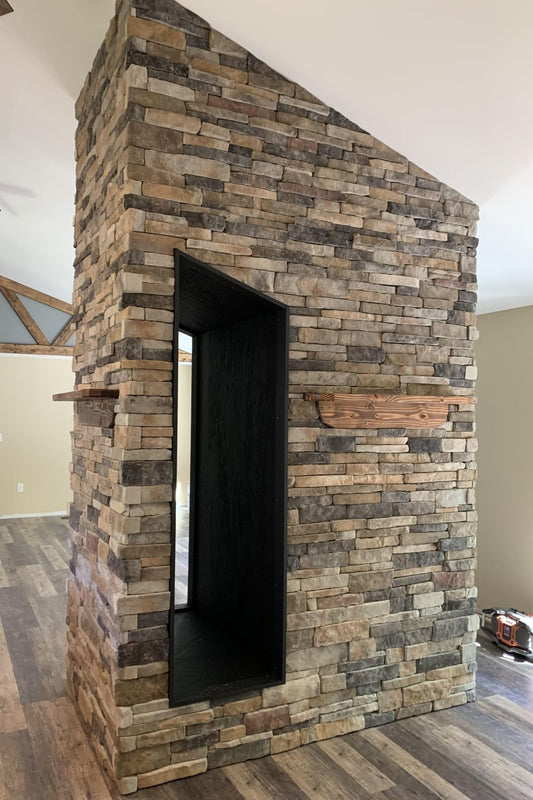
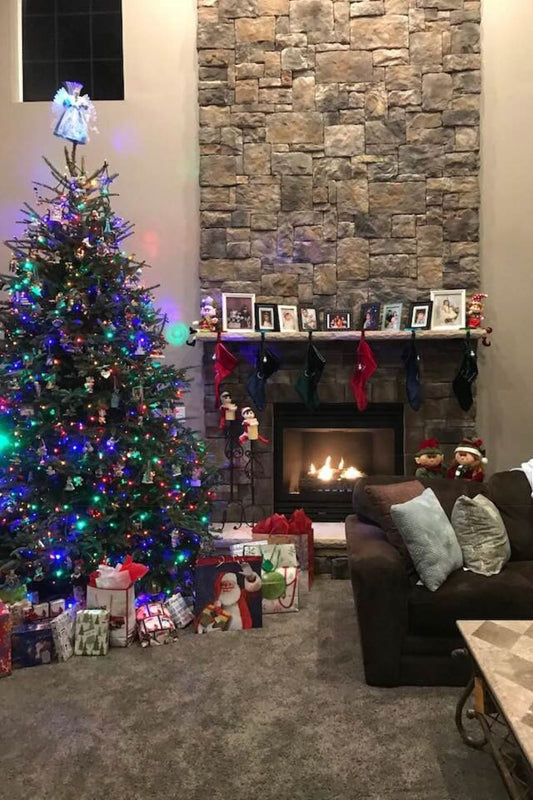
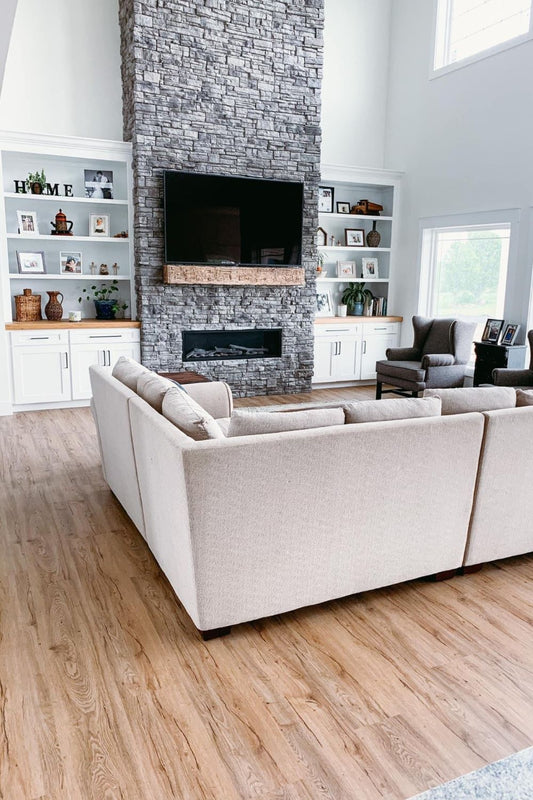
Manufactured stone veneer is also an attractive option for interior chimney chases, fireplace surrounds, and other vertical areas surrounding a fireplace.
Because interior applications are generally protected from rain and other weather conditions, moisture management is usually less complicated than it is outdoors. Heat, however, becomes a more important consideration.
Manufactured stone veneer is non-combustible, but that does not mean it can be installed anywhere around a fireplace without regard to clearance requirements. The complete fireplace assembly, including the firebox, flue, framing, substrate, and surrounding materials, determines the required clearances and fire performance.
Always follow the fireplace, stove, or insert manufacturer's installation instructions and applicable building codes. The veneer should not be installed inside a firebox or flue, and it should not be assumed that a non-combustible veneer eliminates the required clearance around a heat source.
For a wood-burning fireplace, gas fireplace, or wood stove, the specific appliance manufacturer's requirements should take precedence over general stone veneer guidelines.
Is Manufactured Stone Veneer Fire Rated?
Manufactured stone veneer is generally considered non-combustible, but fire safety is determined by the complete wall or fireplace assembly rather than the veneer alone.
This distinction is particularly important when installing stone veneer around fireplaces, wood stoves, chimneys, and other heat-producing appliances. The substrate behind the veneer may have different heat and fire-resistance characteristics than the stone itself.
Clearances around fireplace openings, flues, vents, and other heat-producing components must be maintained according to the appliance manufacturer's specifications and local building codes. Additional heat-rated or fire-resistant materials may also be required depending on the construction.
Manufactured stone veneer should never be installed inside a flue or directly against a component that reaches temperatures beyond the product's approved application. When there is any question about a fireplace or chimney installation, consult the appliance manufacturer and a qualified professional.
Installing Manufactured Stone Veneer on a Chimney
Proper surface preparation is one of the most important factors in a successful chimney veneer installation. The installation method depends on the existing substrate.
Masonry surfaces such as structurally sound brick can often provide a suitable base when properly prepared. Framed walls, cement board, drywall, stucco, ICF walls, and other substrates require the appropriate preparation system rather than having stone veneer installed directly onto the surface.
For applications requiring lath, a weather-resistant barrier should be installed behind the metal lath on exterior walls. The lath is then properly fastened and covered with a scratch coat before the manufactured stone veneer is applied with mortar.
The chimney itself must also be structurally sound. A veneer is not a structural component and should not be used to correct movement, deterioration, or structural problems in an existing chimney.
Tall chimneys can require additional planning because wind exposure, structural movement, and the height of the installation can affect the overall wall assembly. Local building requirements should always be considered for unusually tall or complex installations.
Chimney Caps, Flashing, and Moisture Protection
One of the most overlooked parts of a stone veneer chimney is the top of the chimney. The chimney cap and flashing system must be designed to keep water from entering the wall assembly.
A properly installed cap extends beyond the chimney walls and helps direct water away from the veneer. Flashing should also be properly integrated wherever the chimney intersects the roof.
This matters because manufactured stone veneer itself is not intended to serve as the primary waterproofing layer of a wall. Water management should occur behind the veneer, while the visible stone provides the finished architectural surface.
Good moisture management is particularly important around roof intersections, chimney caps, corners, and other areas where water can collect or be directed toward the wall.
Does Stone Veneer Crack on Chimneys?
Manufactured stone veneer can crack if an installation experiences significant structural movement, improper substrate preparation, inadequate mortar application, or other installation problems. However, cracking is not an inevitable result of installing stone veneer on a chimney.
A stable substrate and properly installed veneer system help minimize the risk of cracking. Exterior chimneys also experience temperature changes throughout the year, so movement and weather exposure need to be considered during construction.
If an existing chimney has cracks, movement, water damage, or other structural concerns, those issues should be addressed before installing a new veneer. Covering an underlying problem with stone veneer will not correct the problem and can make future repairs more difficult.
Design Benefits of Stone Veneer on Chimneys
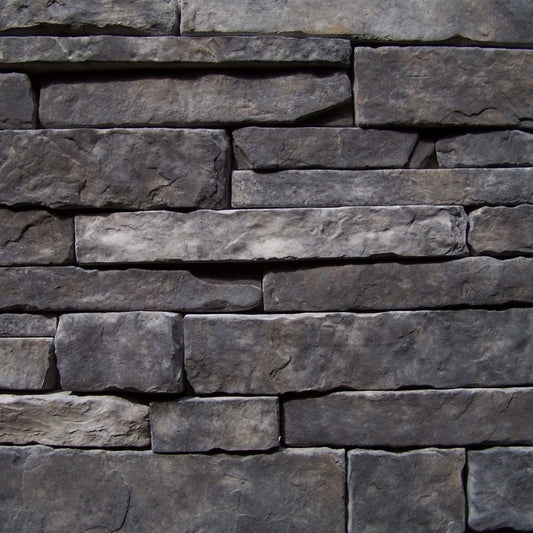
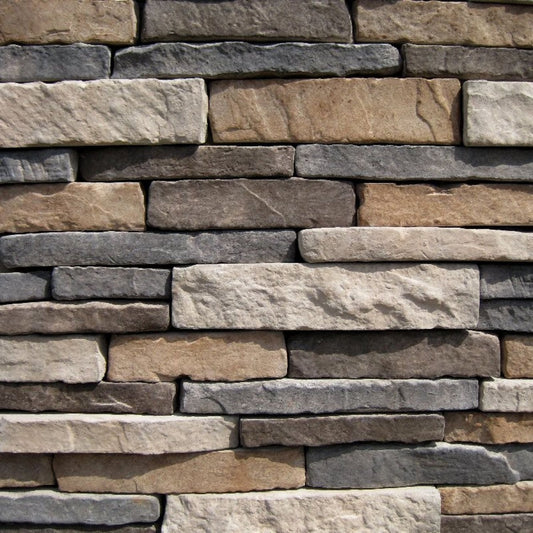
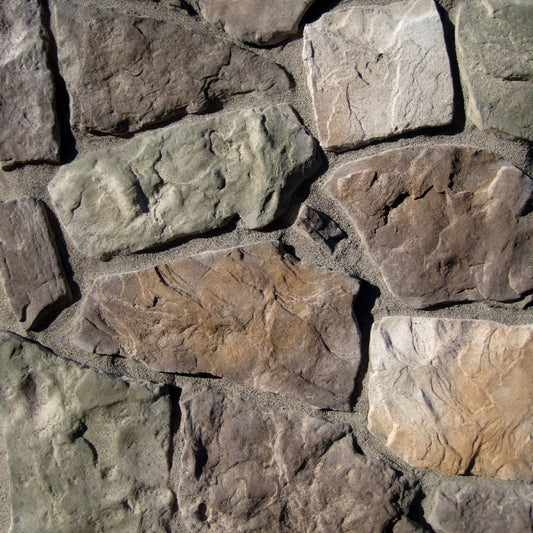
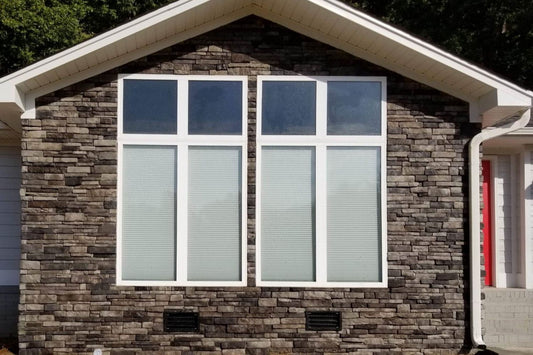
One of the biggest advantages of manufactured stone veneer is the range of design options available. A chimney can be finished in a rustic fieldstone style for a traditional or cottage-inspired home, while a linear stacked stone profile can create a more contemporary appearance.
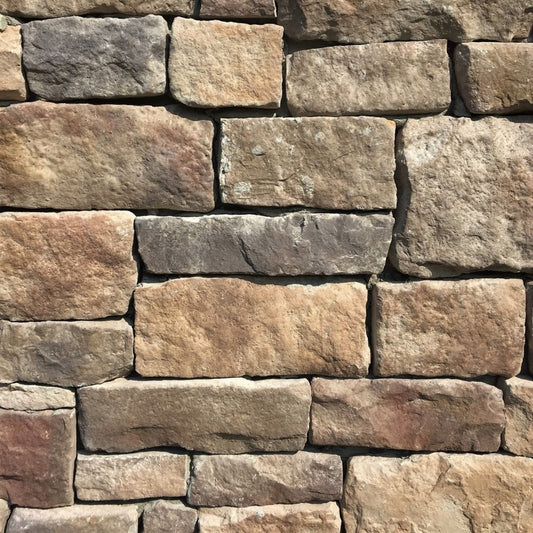
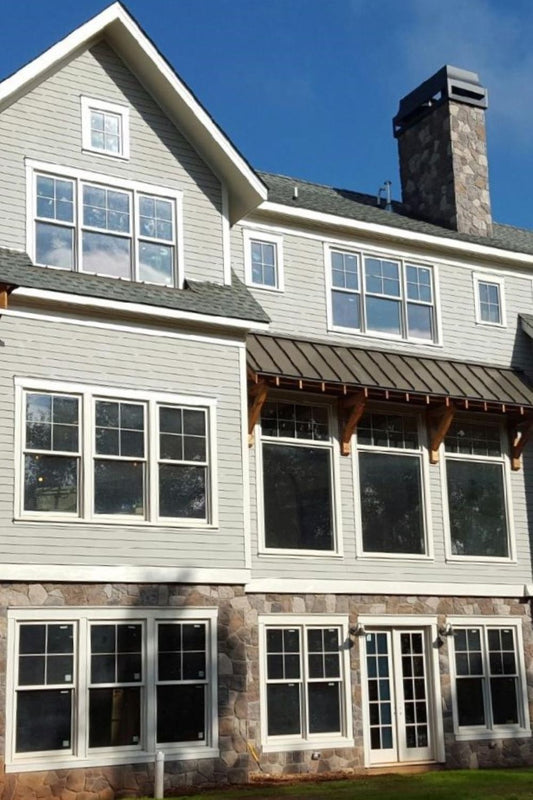
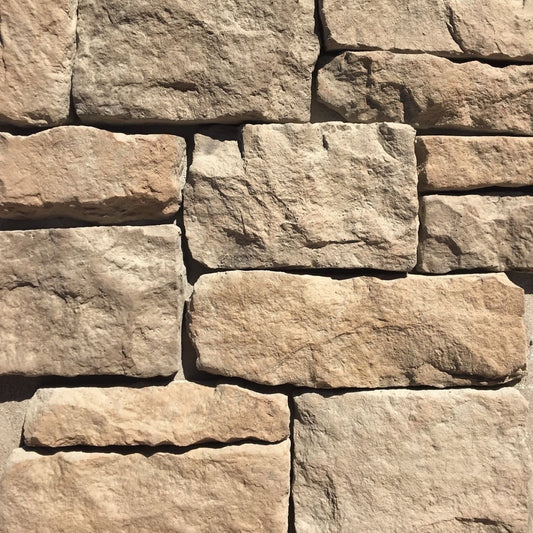
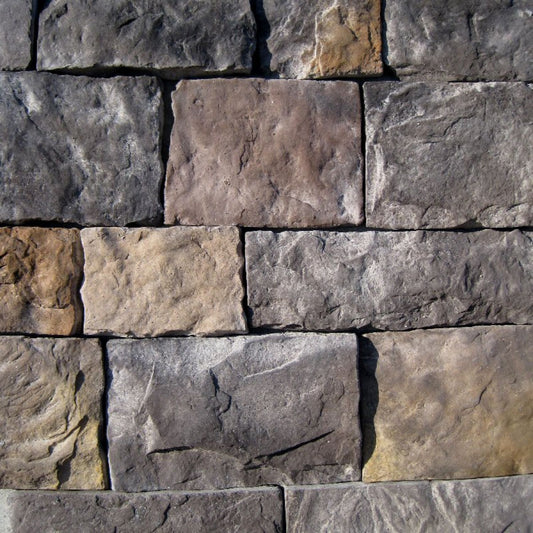
Limestone-style profiles can provide a clean, architectural look, while larger-format stone can make a chimney appear substantial without the weight associated with full-depth natural stone.
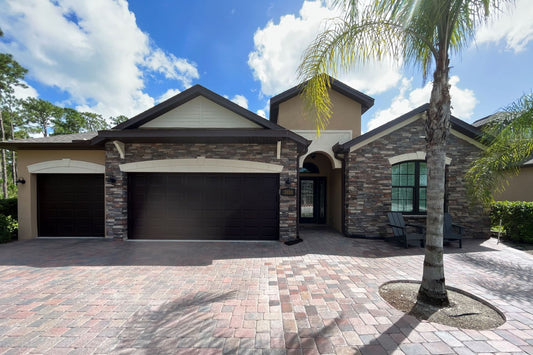
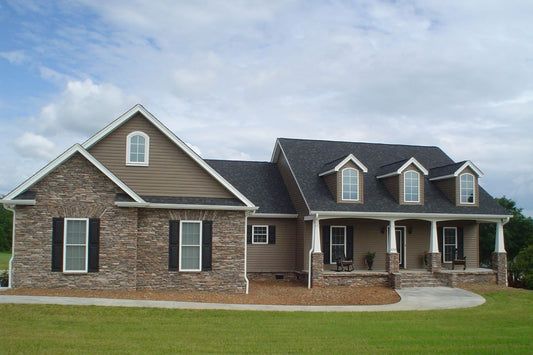
Color selection is another important consideration. Chimney stone should generally complement the home's existing exterior rather than compete with it. Roof color, siding, trim, doors, windows, and other permanent finishes can all influence which stone colors look best.
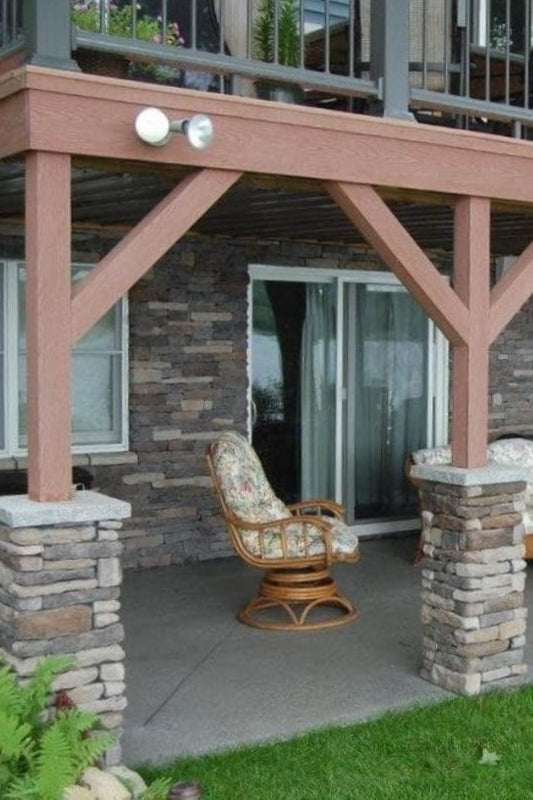
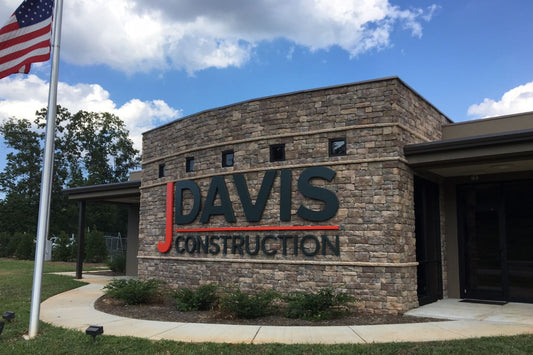
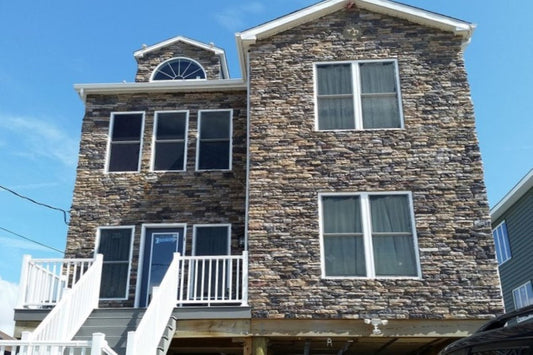
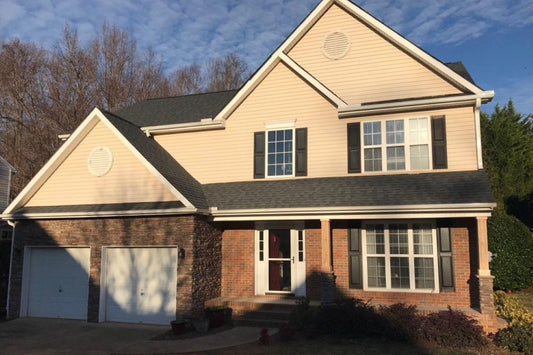
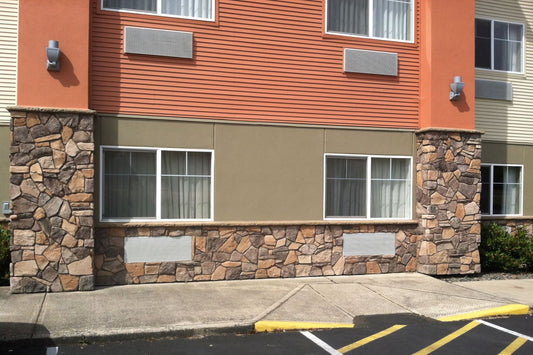
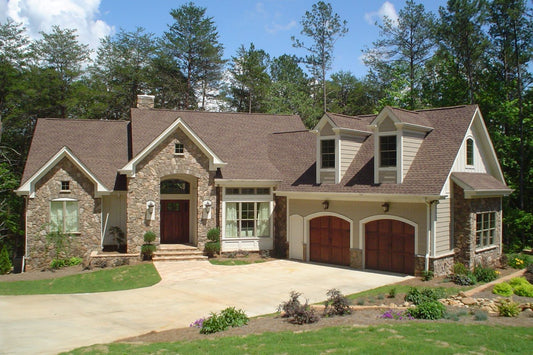
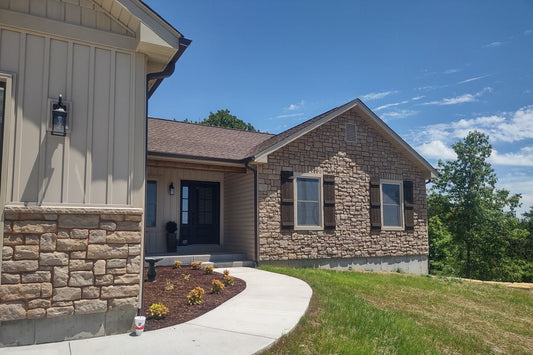
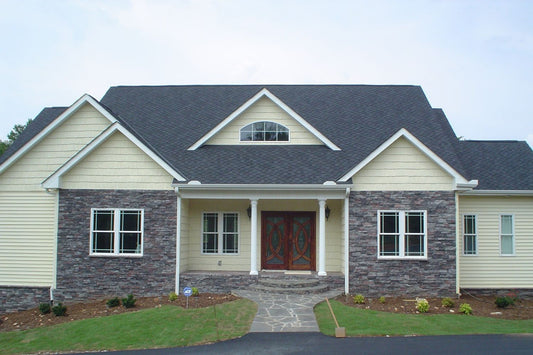
Because chimneys are often highly visible from the front of a home, they can also serve as a focal point. Extending the same stone from the chimney onto an entry column, foundation, porch, or other architectural feature can create a more cohesive exterior.
Stone Veneer Chimneys
Manufactured stone veneer is an excellent choice for creating a beautiful chimney without the weight and expense of full-depth natural stone. It can be used on exterior chimneys, interior fireplace chases, and other vertical chimney applications when the installation is properly designed and constructed.
The most important considerations are not simply the stone itself, but the complete installation system. Exterior chimneys require effective moisture management and flashing, while interior fireplace applications require careful attention to heat clearances and appliance requirements. A stable substrate and proper mortar installation are essential in either situation.
With the right preparation, manufactured stone veneer can transform an ordinary chimney into a durable architectural focal point that complements the style of the home for years to come.
From Mountain View Stone: What You Should Know
At Mountain View Stone, we recommend treating a chimney as more than just another surface for manufactured stone veneer. Proper substrate preparation, moisture management, and mortar installation are essential for exterior applications, while fireplace and interior chimney projects require careful attention to heat clearances and building codes. Our manufactured stone veneer should be installed with Type S mortar over a properly prepared substrate and should never be installed inside a firebox or flue. Taking the time to prepare the chimney correctly helps ensure a beautiful, durable finished installation.
Frequently Asked Questions About Stone Veneer Chimneys
Can manufactured stone veneer be installed over an existing brick chimney?
Yes, manufactured stone veneer can often be installed over an existing brick chimney when the brick is structurally sound and the surface is properly prepared. The appropriate installation method depends on the condition and type of masonry and should follow the veneer manufacturer's requirements.
Is manufactured stone veneer safe around a fireplace?
Manufactured stone veneer is non-combustible, but fireplace safety depends on the complete installation. Required clearances around the fireplace opening, flue, and other heat-producing components must be maintained according to the fireplace manufacturer's instructions and local building codes.
Can manufactured stone veneer be used on an outdoor chimney?
Yes. Manufactured stone veneer is commonly used on exterior chimneys. Proper moisture management, flashing, weather-resistant barriers, substrate preparation, and mortar installation are particularly important because exterior chimneys are exposed to weather year-round.
How long does manufactured stone veneer last on a chimney?
When properly installed and maintained, manufactured stone veneer can provide decades of service. Long-term performance depends heavily on correct substrate preparation, moisture management, mortar installation, and protection from structural movement and water intrusion.
Does stone veneer need to be sealed on a chimney?
Sealing is not always required, but an appropriate masonry sealer may be beneficial on some exterior chimney installations, particularly where the veneer is exposed to significant moisture or staining. If a sealer is used, it should be compatible with manufactured stone veneer and applied according to the manufacturer's recommendations.
How high can manufactured stone veneer be installed on a chimney?
Manufactured stone veneer can be installed on tall chimneys, but height, substrate, structural movement, wind exposure, and local building requirements should be considered. Particularly tall or unusual chimney installations may require additional engineering or structural review.
What's Next?
Enhance your home with premium manufactured stone veneer, showcasing authentic textures and rich, natural color variations. Shop now to start your project and achieve a durable, timeless stone finish for any interior or exterior space or order a sample to see the detail up close.
Have a Question?
Please see our full terms of service or check out our frequently asked questions.
For general information and questions please call: (864) 882-8960 Mon. - Fri. 8am - 5pm (EST) or email: info@mountainviewstone.net we are more than happy to help you.
Or you can submit your questions via our contact us page.
We look forward to working with you on your upcoming project.
The Mountain View Stone Team
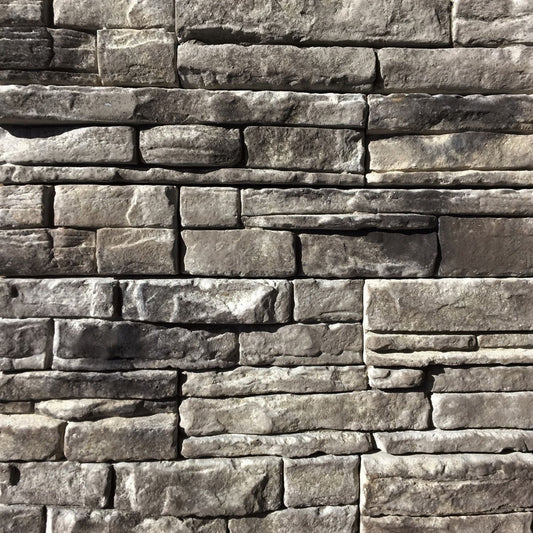
Pictured is lime stone adaline.