
Stone Veneer and Wood Mantels: Timeless Fireplace Design
Share
Originally posted December 3, 2024, updated April 19, 2026.
A manufactured stone veneer fireplace paired with a wood mantel creates a timeless focal point by combining natural texture with warmth. This cost-effective upgrade enhances style, durability, and home value while offering versatile design options for both modern and rustic interiors.
A fireplace has always been more than just a source of heat. It serves as the emotional and visual centerpiece of a home, bringing people together while defining the character of a living space. When designed thoughtfully, it can transform an ordinary room into something warm, inviting, and memorable. One of the most effective ways to achieve this transformation is by combining manufactured stone veneer with a wood mantel. If you’re planning a fireplace upgrade or exploring design ideas, be sure to check out our complete guide on stone veneer fireplaces for a deeper look at styles, installation, and inspiration.
The pairing of stone veneer and a wood mantel blends rugged texture with natural warmth, creating a balance that feels both grounded and refined. Manufactured stone veneer introduces depth and visual interest, while a wood mantel softens the look and adds a sense of craftsmanship. Whether your home leans modern, rustic, or somewhere in between, this combination offers a versatile and enduring solution that enhances both style and function.
Why Manufactured Stone Veneer is a Smart Choice for Fireplaces
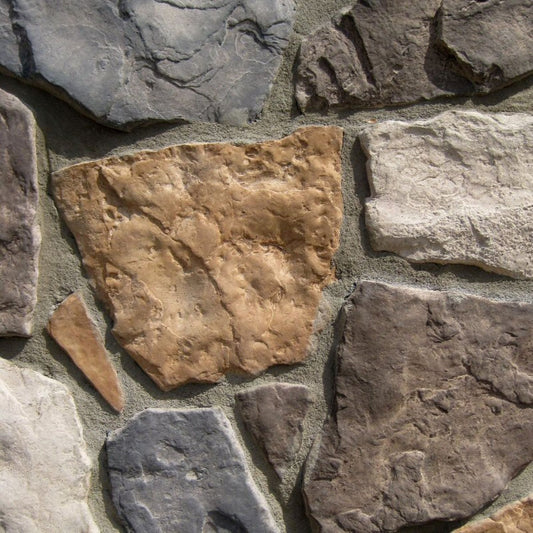
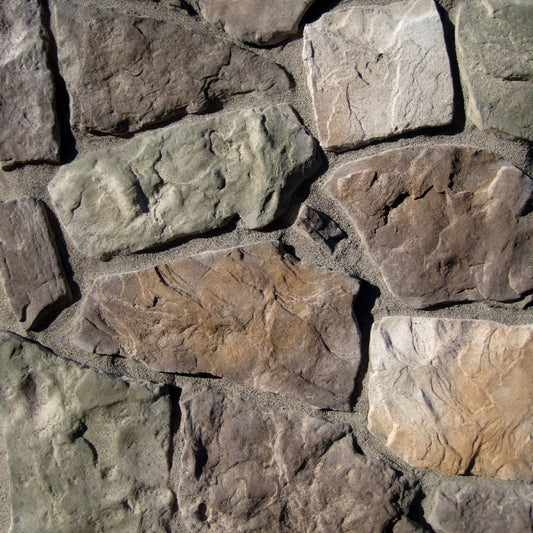
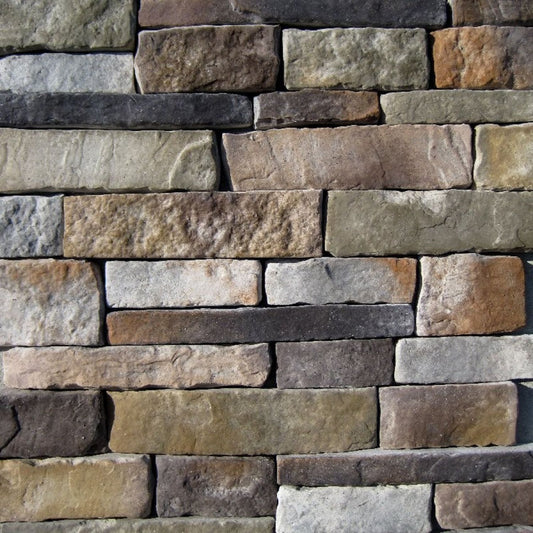
Manufactured stone veneer has become one of the most popular materials for fireplace upgrades, and for good reason. It offers the look of natural stone without the challenges typically associated with weight, cost, and installation. Designed using concrete and carefully selected aggregates, it replicates the texture, color variation, and character of real stone with impressive realism.
One of the most compelling advantages is affordability. Natural stone installations can quickly become expensive due to material sourcing, transportation, and labor requirements. Manufactured stone veneer provides a similar aesthetic at a significantly lower cost, making it accessible for a wide range of homeowners looking to upgrade their interiors without exceeding their budget.
Ease of installation is another key benefit. Because it is lighter than natural stone, it can often be installed more efficiently and with less structural reinforcement. This reduces both labor time and overall project complexity, which is especially valuable for renovation projects where minimizing disruption is important.
Durability also plays a major role in its appeal. Fireplaces are exposed to heat and regular use, so materials must be able to withstand these conditions over time. Manufactured stone veneer is designed for this purpose, maintaining its appearance and structural integrity even in high-temperature environments when installed correctly.
The Role of Wood Mantels in Fireplace Design
While stone veneer creates the foundation of a striking fireplace, the wood mantel introduces contrast and warmth that completes the look. A mantel acts as both a visual anchor and a functional feature, framing the fireplace while providing space for décor and personal expression. For additional ideas on combining stone veneer with other design elements across fireplaces, accent walls, and exterior features, explore our stone veneer inspiration guide.
Wood brings a natural softness that balances the rugged texture of stone. This contrast is what makes the pairing so visually appealing. The grain, tone, and finish of the wood can dramatically influence the overall style of the fireplace, allowing homeowners to tailor the design to their specific preferences.
A reclaimed wood beam can create a sense of history and character, making the space feel lived-in and inviting. On the other hand, a sleek, smooth mantel with clean lines can reinforce a modern aesthetic, adding sophistication and simplicity. Custom mantels offer even more flexibility, allowing for unique shapes, finishes, and detailing that reflect personal taste.
Beyond aesthetics, wood mantels serve a practical purpose. They provide a place to display artwork, seasonal décor, or everyday items that make a house feel like home. This combination of function and style makes them an essential component of a well-designed fireplace.
Designing a Fireplace That Fits Your Space
Creating a cohesive fireplace design begins with understanding how the materials will interact within your space. Manufactured stone veneer and wood mantels offer a wide range of possibilities, making it important to consider proportions, colors, and overall layout.
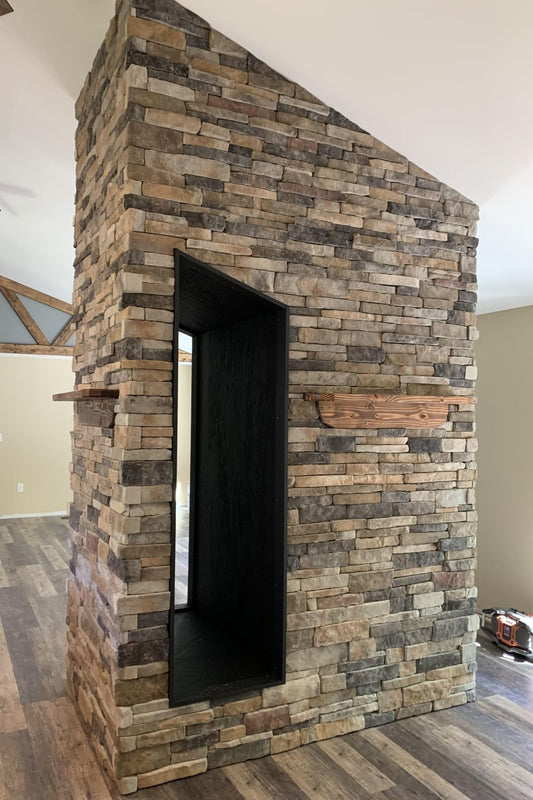
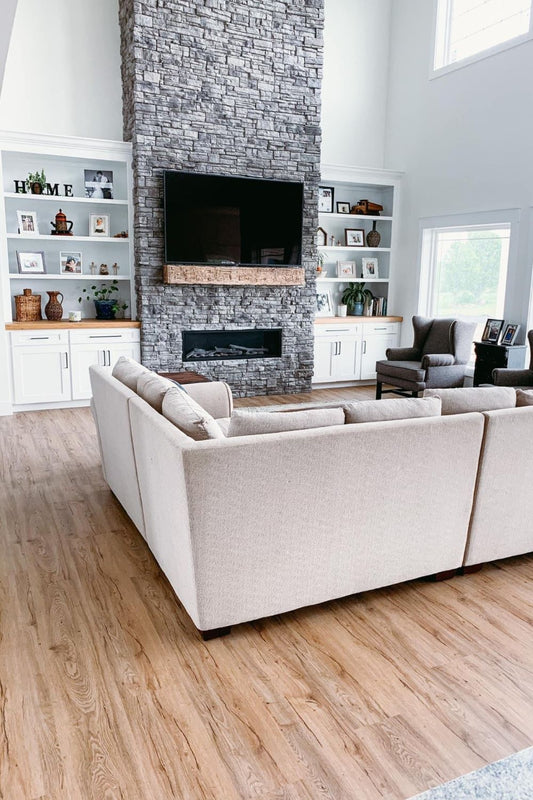
A floor-to-ceiling stone installation can create a dramatic focal point, especially in rooms with high ceilings. This approach emphasizes vertical space and adds a sense of grandeur. Alternatively, a more contained installation around the firebox can provide a subtle yet impactful upgrade that complements the surrounding walls without overwhelming the room.
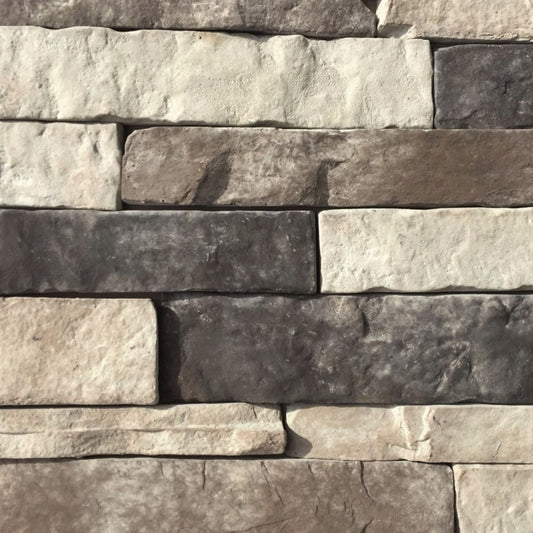
Color selection plays a critical role in achieving the desired look. Neutral tones such as grays, beiges, and soft browns tend to create a timeless and versatile foundation. These shades pair well with both light and dark wood mantels, allowing for flexibility in design. Darker stones can add depth and contrast, while lighter tones can make the space feel more open and airy.
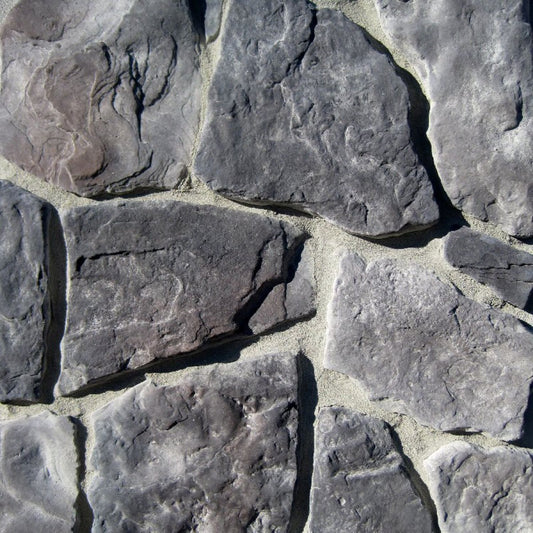
Texture is equally important. Mixing different stone shapes and sizes helps create a natural, authentic appearance. When paired with the right mantel, the result is a balanced design that feels intentional and cohesive rather than overly uniform.
Installation Considerations for a Lasting Finish
Achieving a professional-quality result requires careful attention to preparation and installation. The surface behind the fireplace must be properly prepared to ensure the stone veneer adheres securely. This may involve cleaning the wall, applying a suitable backing material, and ensuring the structure can support the installation.
The placement of the wood mantel should be carefully planned before installing the stone veneer. Proper mounting is essential to ensure the mantel is level, secure, and positioned at the correct height relative to the fireplace opening. It’s important to note that a wood mantel should never be anchored directly to the manufactured stone veneer itself, as the veneer is not structural and cannot support the load. Instead, the mantel must be securely fastened to the underlying wall framing or structural backing to ensure long-term stability and safety. Depending on the design, the mantel may be installed before or integrated during the stone installation process, with the veneer carefully cut and fitted around it for a clean, finished look.
Stone veneer installation typically involves arranging the pieces in a dry layout first. This allows for adjustments and ensures a natural pattern before mortar is applied. Taking the time to plan the layout helps avoid repetition and creates a more authentic appearance once the stones are permanently set.
Finishing touches, such as cleaning the surface and applying a sealant if needed, help protect the installation and maintain its appearance over time. These final steps contribute to the longevity and overall quality of the finished fireplace. For a more detailed look at the final steps, protective treatments, and other details that complete a stone veneer project, see our complete guide to finishing manufactured stone veneer.
The Benefits of Combining Stone Veneer and Wood Mantels
The appeal of this combination goes beyond aesthetics. It offers a range of practical benefits that make it a worthwhile investment for homeowners. One of the most significant advantages is its timeless nature. Trends in interior design come and go, but the pairing of stone and wood has remained consistently popular due to its natural and balanced look.
A well-designed fireplace naturally becomes the focal point of a room. It draws attention and creates a sense of comfort that enhances the overall atmosphere of the space. This makes it an ideal feature for living rooms, family rooms, and even bedrooms where a sense of warmth is desired.
From a financial perspective, upgrading a fireplace with manufactured stone veneer and a wood mantel can also increase home value. Potential buyers often view fireplaces as desirable features, and a professionally finished design can leave a lasting impression. This makes the upgrade not only a design improvement but also a strategic investment.
Stone Veneer and Wood Mantels
The process of designing and installing a fireplace with manufactured stone veneer and a wood mantel is an opportunity to express your personal style while enhancing your home’s functionality. By carefully selecting materials, planning the layout, and ensuring proper installation, you can create a feature that stands out and adds lasting value.
Whether you are updating an existing fireplace or building a new one from scratch, this combination offers a proven way to achieve a high-end look without unnecessary complexity. The result is a space that feels warm, inviting, and uniquely yours, anchored by a fireplace that serves as both a visual centerpiece and a gathering place for years to come.
From Mountain View Stone: What You Should Know
At Mountain View Stone, we know that a fireplace is more than just a heat source, it’s the heart of a room. Pairing manufactured stone veneer with a wood mantel is one of the most effective ways to create a warm, timeless focal point that balances texture, style, and function. Manufactured stone veneer provides the natural look and durability of real stone while remaining lighter, easier to install, and cost-effective. A wood mantel adds warmth, contrast, and a practical display space, completing the design. When planning your fireplace, proper installation is key: the mantel should always be anchored to the wall structure, never to the veneer itself, and stone layout should be carefully planned for a natural, polished appearance. With thoughtful selection, preparation, and installation, this combination delivers long-lasting beauty, versatility across interior styles, and potential home value enhancement.
Frequently Asked Questions About Stone Veneer and Wood Mantels
Is manufactured stone veneer safe for use around fireplaces?
Yes, manufactured stone veneer is designed to withstand heat when installed according to manufacturer guidelines. Proper clearances and installation practices are essential.
Can I install a wood mantel on an existing stone veneer fireplace?
Yes, a wood mantel can be added to an existing installation, provided it is securely anchored and meets local building codes for clearance and safety.
Does stone veneer require maintenance around a fireplace?
Maintenance is minimal. Occasional cleaning and inspection are typically sufficient, and sealing may be recommended depending on the product and environment.
What type of wood is best for a fireplace mantel?
Hardwoods such as oak, maple, and reclaimed timber are popular choices due to their durability and appearance. The best option depends on your design preferences.
Will this upgrade increase my home’s value?
A well-designed fireplace can enhance curb appeal and interior aesthetics, which may positively impact resale value.
Can I install stone veneer and a mantel as a DIY project?
While many homeowners take on this project themselves, professional installation is recommended for the best results, especially when working with structural elements and heat sources.
What’s Next?
Bring your vision to life with our premium stone veneer! Shop now to explore our collection or order a sample today to experience the quality firsthand!
Have a Question?
Please see our full terms of service or check out our frequently asked questions.
For general information and questions please call: (864) 882-8960 Mon. - Fri. 8am - 5pm (EST) or email: info@mountainviewstone.net we are more than happy to help you.
Or you can submit your questions via our contact us page.
We look forward to working with you on your upcoming project.
The Mountain View Stone Team
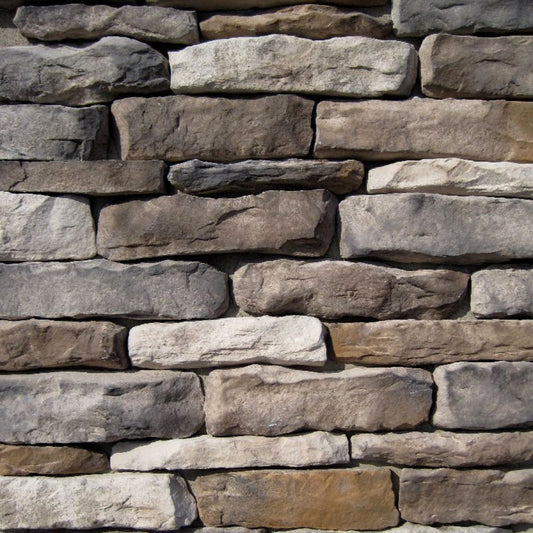
Pictured is lime stone white oak.