
Can Stone Veneer Fall Off? Causes, Prevention, and Long-Term Durability
Share
Originally posted December 4, 2025, updated August 14, 2026.
Yes, manufactured stone veneer can fall off, but it is uncommon when the veneer is properly installed. Improper installation, moisture intrusion, freeze-thaw cycles, structural movement, and impact damage are the most common causes of loose or detached stones.
For a closer look at its longevity, performance, and what homeowners can expect over time, read our complete guide is manufactured stone veneer durable? Still, one question homeowners often ask before starting a project is, can stone veneer fall off?
The short answer is yes. Like any wall finish, manufactured stone veneer can become loose or detach if installation requirements are not followed or if the wall is exposed to conditions that compromise the mortar bond. Fortunately, complete or widespread failure is not typical when the appropriate materials, installation methods, and moisture-management practices are used.
Understanding why stone veneer may come loose is important for both homeowners and installers. Recognizing early warning signs, repairing individual stones correctly, and addressing the underlying cause can help protect the rest of the installation and keep the finished wall looking its best.
Improper Installation Can Cause Stone Veneer to Fall Off
One of the most common reasons manufactured stone veneer becomes loose is improper installation. The mortar must establish adequate contact between the back of the stone and the prepared installation surface. Insufficient mortar coverage, an improperly prepared substrate, incorrect materials, or failure to follow the manufacturer's installation instructions can reduce the strength and longevity of the bond.
Using the wrong mortar can also create problems. Manufactured stone veneer should be installed with the mortar specified by the manufacturer and applicable installation requirements. Type S mortar is always recommended. Construction adhesives, mastic, and thin-set products are not recommended and can compromise the installation and warranty.
Proper installation also involves preparing the wall correctly. Depending on the substrate and application, this can include a weather-resistant barrier, metal lath, and scratch coat before the veneer is installed. Skipping required preparation can create a weak foundation for the mortar bond.
Water and Moisture Can Weaken Stone Veneer
Water is another important factor in stone veneer failures. Exterior manufactured stone veneer installations must be designed to manage moisture rather than simply preventing water from reaching the wall entirely.
If water becomes trapped behind the veneer, it can contribute to deterioration of the installation materials and weaken the conditions necessary for a durable mortar bond. Proper flashing, weather-resistant barriers, drainage considerations, and other moisture-management details are particularly important around windows, doors, rooflines, penetrations, and other areas where water may enter.
A missing stone can also expose the underlying wall to additional moisture, making prompt repair important.
Freeze-Thaw Cycles Can Loosen Exterior Stone Veneer
Freeze-thaw conditions can be especially challenging for exterior stone veneer installations in colder climates. When moisture enters an area behind or around the veneer and subsequently freezes, the water expands. Repeated freezing and thawing can place stress on the mortar and surrounding materials.
This does not mean manufactured stone veneer is unsuitable for cold climates. Proper installation and moisture management are critical in areas where freezing temperatures are common. Keeping water from becoming trapped behind the veneer can significantly reduce the potential for freeze-thaw-related problems.
Structural Movement Can Cause Stone Veneer to Crack or Detach
Manufactured stone veneer is a finish material, not a structural component of the wall. If the underlying wall, foundation, or substrate moves significantly, the veneer can be affected.
Settlement, structural movement, or movement between different building materials can create stress within the veneer installation. Cracks, gaps, or loose stones may sometimes indicate movement in the structure rather than a problem with the stone itself.
If stones repeatedly become detached or large cracks appear throughout an installation, repairing individual stones without investigating the underlying cause may not solve the problem.
Impact and Physical Damage Can Dislodge Stone Veneer
Manufactured stone veneer is durable, but it can still be damaged by significant impact. Construction equipment, landscaping equipment, falling objects, or other heavy impacts can dislodge an individual stone.
Damage is more likely to be localized when impact is the cause. If only one area has been affected after a known impact, replacing the damaged stone may be all that is necessary. If multiple stones are becoming loose without an obvious impact, however, the installation should be evaluated for another underlying issue.
What Happens When a Stone Falls Off?
A missing stone is more than a cosmetic issue. While one detached stone does not necessarily indicate that the entire veneer installation is failing, the exposed area should be inspected and repaired as soon as practical.
The first concern is the exposed substrate and mortar behind the missing stone. On an exterior wall, leaving the area unrepaired can make it easier for water to reach portions of the wall that were intended to be protected by the veneer system.
A missing stone also changes the appearance of the wall. Because manufactured stone veneer is installed to create a continuous pattern of individual stones, even a small missing section can be noticeable.
There can also be a safety concern if stones are becoming loose overhead or in areas where people frequently walk. If additional stones appear unstable, the affected area should be treated cautiously until it can be properly inspected.
How to Repair a Fallen Stone
A single detached stone can often be repaired, provided the underlying installation is sound and the cause of the failure has been addressed.
Begin by removing loose mortar and debris from the wall and from the back of the stone. Both surfaces need to be clean and suitable for establishing a new mortar bond. If the substrate or surrounding installation appears damaged, simply reinstalling the stone may not be enough.
Next, use the appropriate mortar for the manufactured stone veneer installation. Type S mortar is always recommended. The replacement stone should be positioned so that it makes proper contact with the mortar and matches the surrounding installation.
Once the stone has been reinstalled, allow the mortar to cure according to the applicable installation requirements and environmental conditions. Avoid exposing the repair to unnecessary moisture, impact, or pressure while the mortar is curing.
The surrounding stones should also be checked. If several nearby stones are loose, the problem may extend beyond the individual stone that fell. Repeated failures are a good reason to have the installation evaluated by an experienced professional rather than repeatedly repairing individual stones.
How to Prevent Stone Veneer From Falling Off
The best way to prevent stone veneer from becoming loose is to start with proper installation. Following the manufacturer's installation instructions and using the correct mortar and substrate preparation are essential for creating a durable installation.
Exterior installations also require careful attention to moisture management. Weather-resistant barriers, flashing, proper transitions, and other water-management details help protect the wall system from moisture-related problems.
Routine inspection is another simple way to identify potential problems early. Look for stones that appear loose, cracked mortar joints, unusual gaps, or areas where water may be entering the wall. Catching a problem while a stone is still partially attached can make repair easier and may prevent additional damage.
Homeowners should also avoid unnecessary impact to the veneer. Landscaping equipment such as string trimmers can damage the lower portions of a stone veneer installation, while heavy objects or equipment can damage stones anywhere on the wall.
Sealing may be appropriate for some applications, particularly where additional protection from moisture is desired, but it should not be viewed as a substitute for proper installation and moisture management. A sealer does not repair an inadequate mortar bond or correct an improperly constructed wall assembly.
Does Manufactured Stone Veneer Require Maintenance?
Manufactured stone veneer generally requires relatively little maintenance, but occasional inspection is worthwhile. Exterior walls should be checked periodically for signs of damage, loose stones, deteriorating mortar, excessive moisture, or other changes.
Regular cleaning can help preserve the appearance of manufactured stone veneer over time. Use cleaning methods recommended for the specific stone product, and avoid harsh techniques that could damage the stone surface, mortar joints, or overall finish. For more information about cleaning, sealing, inspections, repairs, and protecting your veneer over time, read our complete stone veneer care and maintenance guide.
If a problem is discovered, addressing it early is usually preferable to allowing the issue to continue. A small repair may be considerably simpler than correcting a larger area affected by moisture, structural movement, or improper installation.
Can Stone Veneer Fall Off?
Yes, manufactured stone veneer can fall off, but properly installed veneer should not routinely detach from the wall. When stones become loose or fall, the most important step is determining why the failure occurred.
Improper installation, inadequate mortar coverage, moisture intrusion, freeze-thaw conditions, structural movement, and impact damage can all contribute to stone veneer detachment. A single damaged stone can often be repaired, but repeated failures may indicate a larger installation or substrate problem.
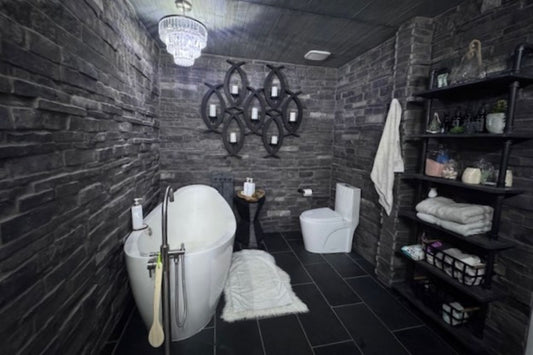
With proper installation, appropriate moisture protection, regular inspection, and timely repairs, manufactured stone veneer can provide a durable and attractive finish for both interior and exterior applications.
From Mountain View Stone: What You Should Know
At Mountain View Stone, our manufactured stone veneer is designed for long-term durability when installed according to our installation requirements. While properly installed veneer should not routinely fall off, installation quality, proper substrate preparation, mortar coverage, and moisture management all play an important role in the performance of the finished installation. If you notice a loose or detached stone, addressing it promptly can help prevent additional problems and keep your veneer looking its best for years to come.
Frequently Asked Questions About Can Stone Veneer Fall Off?
Do stones often fall off manufactured stone veneer?
No. Properly installed manufactured stone veneer is designed to be durable, and stones should not routinely fall off. When detachment occurs, it is important to determine whether improper installation, moisture, structural movement, freeze-thaw conditions, or impact damage caused the problem.
What causes manufactured stone veneer to come loose?
Common causes include improper substrate preparation, inadequate mortar coverage, incorrect installation materials, moisture intrusion, freeze-thaw cycles, structural movement, and impact damage. Repeated failures should be evaluated to identify the underlying cause.
Can I repair a fallen stone myself?
A small, isolated repair may be possible for a homeowner with the appropriate materials and installation knowledge. The area and back of the stone should be cleaned, the correct mortar should be used, and the stone should be properly reinstalled and allowed to cure. Repeated or widespread failures should be evaluated by a qualified installer.
Does sealing prevent stone veneer from falling off?
Sealing does not directly strengthen the mortar bond or correct improper installation. However, an appropriate sealer may help manage moisture in certain applications. Proper installation and moisture management should always come first.
How can I tell if my stone veneer is coming loose?
Look for stones that move when lightly touched, visible gaps behind stones, cracked or deteriorated mortar, unusual separation from adjacent stones, or stones that appear to have shifted. Any significant or repeated movement should be investigated before additional stones become detached.
Is manufactured stone veneer durable outdoors?
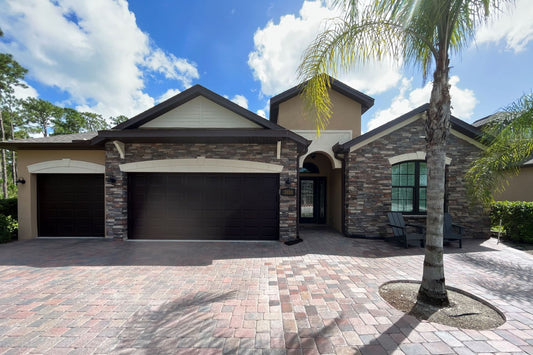
Yes. Manufactured stone veneer is commonly used for exterior applications and can provide a durable finish when it is installed according to the manufacturer's requirements and appropriate building practices. Proper substrate preparation and moisture management are especially important for exterior installations.
What's Next?
Enhance your home with premium manufactured stone veneer featuring realistic textures and natural color variations. Shop now to begin your project and create a durable, timeless stone finish for any interior or exterior space or order a sample to see the detail up close.
Have a Question?
Please see our full terms of service or check out our frequently asked questions.
For general information and questions please call: (864) 882-8960 Mon. - Fri. 8am - 5pm (EST) or email: info@mountainviewstone.net we are more than happy to help you.
Or you can submit your questions via our contact us page.
We look forward to working with you on your upcoming project.
The Mountain View Stone Team
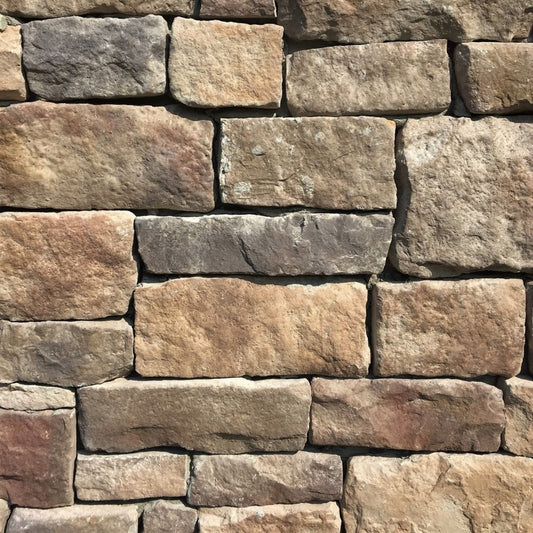
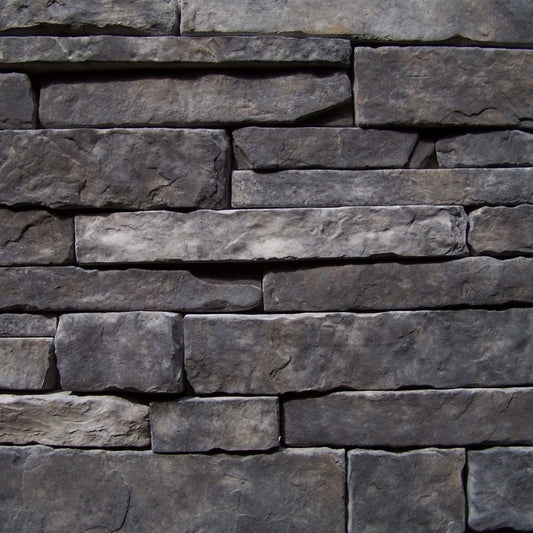
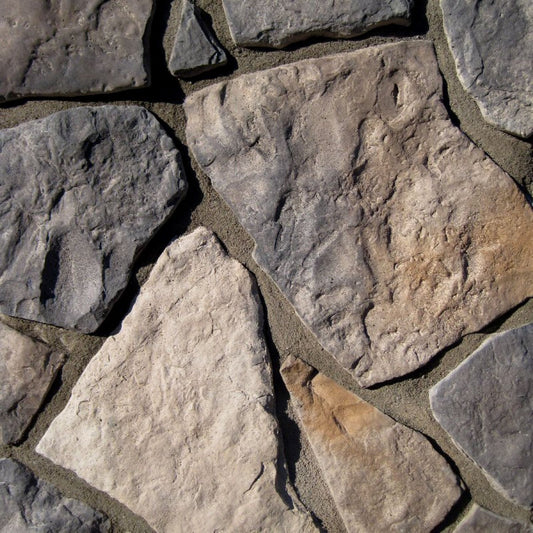
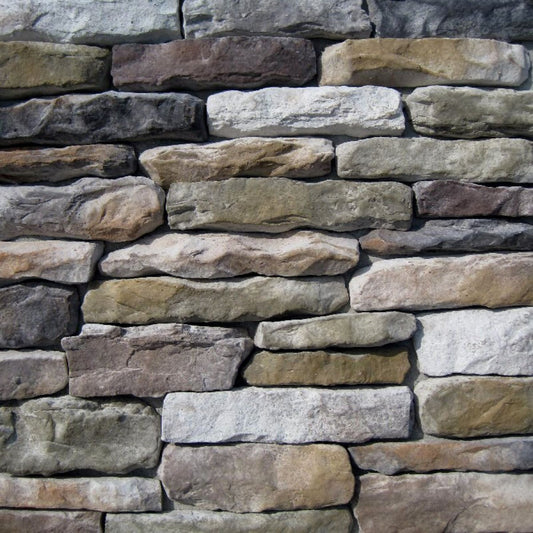
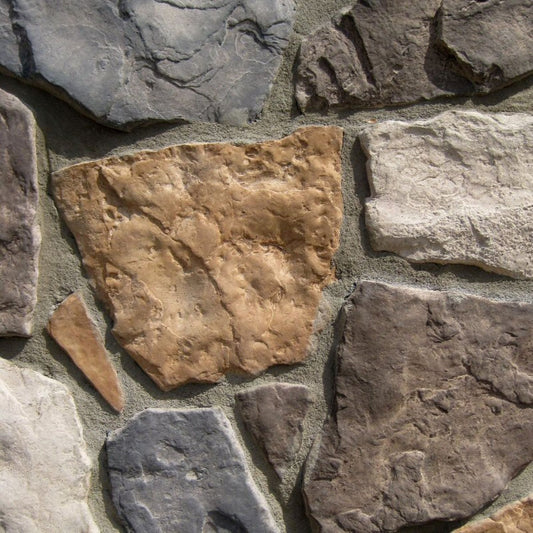
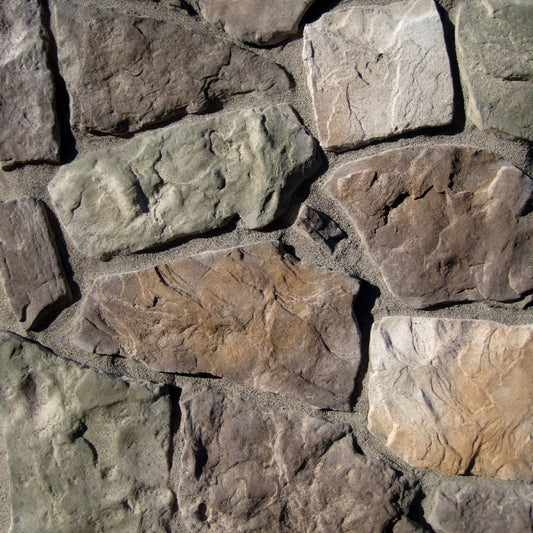
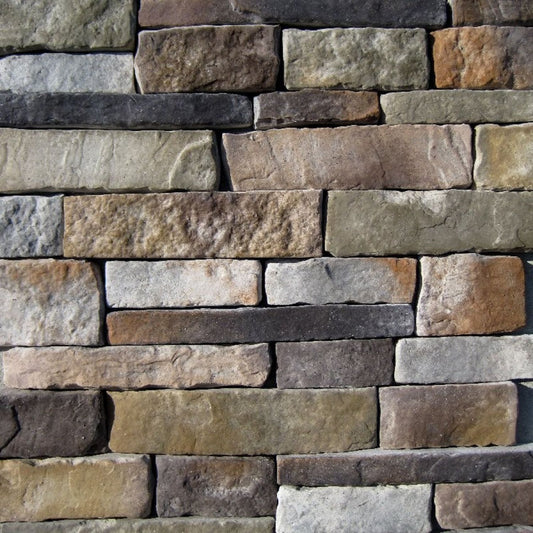
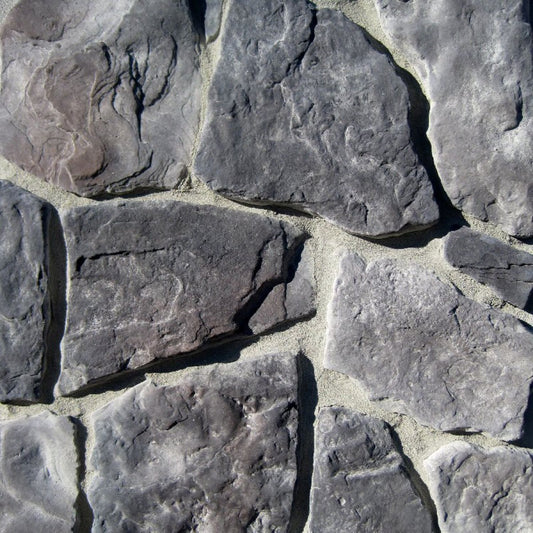
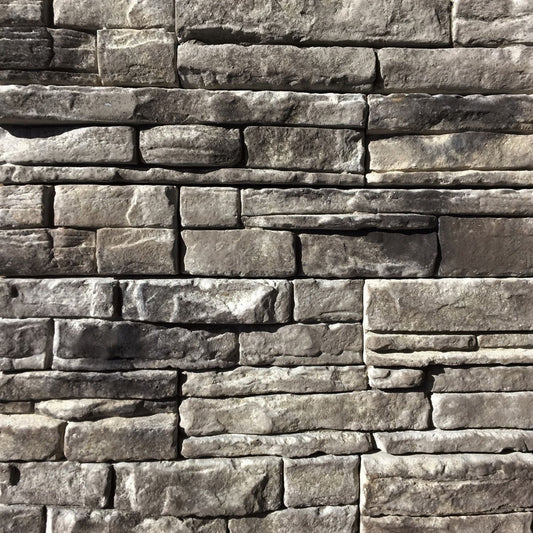
Pictured is field stone kona.