
Stone Veneer and Pressure Washing: What Homeowners Need to Know
Share
Pressure washing stone veneer requires a low-pressure setting, proper distance, and gentle technique to safely remove dirt without damaging the stone or mortar joints.
Manufactured stone veneer is celebrated for its durability, low maintenance, and natural stone appearance, making it a favorite for both interior and exterior projects. Over time, however, even the most resilient veneer can accumulate dirt, dust, algae, and other environmental buildup, especially in outdoor settings. Many homeowners consider pressure washing as a solution, but it’s not as simple as blasting away grime. Using too much pressure or the wrong technique can damage the stone surface or the mortar that holds it in place. For homeowners seeking a complete guide to caring for their stone veneer, our stone veneer care and maintenance guide provides detailed tips, best practices, and expert advice to ensure lasting beauty and durability.
When done correctly, pressure washing can be an effective way to restore the look of stone veneer, removing surface dirt and organic growth without compromising its structural integrity. Understanding the proper approach, including pressure settings, nozzle choice, and cleaning solutions, is essential for maintaining the veneer’s appearance and longevity. With the right care, stone veneer can remain striking and durable for decades, keeping your home looking its best.
Can you pressure wash stone veneer?
Pressure washing stone veneer is possible, but it requires a controlled and gentle approach. Unlike natural stone or poured concrete, manufactured stone veneer is lighter and often more porous. It is adhered to a surface using mortar, which can be vulnerable to high-pressure water.
Excessive pressure can erode mortar joints, loosen stones, or force water behind the veneer system. This can lead to moisture problems, including mold growth or freeze-thaw damage in colder climates. Because of this, pressure washing should always be approached as a light cleaning method rather than a heavy-duty blasting solution.
When done correctly, pressure washing can remove surface dirt, mildew, and light stains without harming the material. The key lies in using the proper settings, maintaining distance, and avoiding aggressive techniques.
Understanding the risks of high pressure
One of the biggest mistakes homeowners make is assuming that more pressure equals better cleaning. In reality, high pressure is one of the fastest ways to damage stone veneer.
The mortar joints between stones are especially vulnerable. These joints are critical for holding the veneer in place and preventing water intrusion. High-pressure streams can chip away at the mortar, weakening the installation over time. Even if the damage isn’t immediately visible, repeated exposure can lead to long-term deterioration.
Another risk involves water penetration. Manufactured stone veneer systems are designed to shed water, but they are not completely waterproof. Forcing water deep into the surface can overwhelm drainage systems behind the veneer, increasing the risk of trapped moisture.
Additionally, aggressive pressure can strip away protective sealers if they have been applied, leaving the surface more susceptible to staining and weathering.
Best practices for pressure washing stone veneer
To safely pressure wash stone veneer, it is essential to focus on technique rather than force. A low-pressure setting is always recommended, typically under 1,500 PSI. This level is strong enough to remove dirt while minimizing the risk of damage.
Distance also plays a major role. Keeping the nozzle at least 12 to 18 inches away from the surface helps diffuse the pressure and prevents concentrated impact. Spraying at a downward angle rather than directly into the joints further reduces the risk of water infiltration.
Using the correct nozzle tip is equally important. A wider spray pattern distributes water more evenly, making it safer for delicate surfaces like stone veneer. Narrow, concentrated streams should be avoided entirely.
Cleaning solutions can enhance the effectiveness of pressure washing. A mild detergent or a cleaner specifically formulated for stone can help break down dirt, algae, and organic stains. Harsh chemicals, especially acids, should be avoided as they can damage both the stone and mortar.
When to avoid pressure washing
There are situations where pressure washing is not recommended at all. If your stone veneer shows signs of loose pieces, cracked mortar, or previous water damage, pressure washing can make these issues worse.
New installations should also be left alone for a period of time. Mortar needs adequate time to cure fully, and introducing pressurized water too soon can compromise the bond between the stone and the substrate.
In colder climates, timing is another important factor. Pressure washing just before freezing temperatures can introduce moisture that expands as it freezes, leading to cracks and long-term damage. It is best to clean stone veneer during mild, dry conditions to allow for proper drying.
Alternative cleaning methods
For many homeowners, pressure washing may not even be necessary. In most cases, stone veneer can be effectively cleaned using simpler, gentler methods.
A garden hose combined with a soft-bristle brush is often enough to remove surface dirt and debris. This approach gives you greater control and significantly reduces the risk of damage. It is especially useful for interior applications or areas with minimal buildup.
For tougher stains like algae or mildew, a mild cleaning solution applied with a brush can provide excellent results. Allowing the solution to sit briefly before rinsing helps break down organic material without the need for high pressure.
Spot cleaning is another effective strategy. Instead of washing the entire surface, focusing on problem areas can help maintain the overall appearance while minimizing wear on the material.
Maintaining stone veneer after cleaning
Cleaning is only one part of maintaining stone veneer. Regular inspection and preventative care play a crucial role in preserving its appearance and durability.
After cleaning, it is a good idea to check for any signs of wear or damage. Addressing small issues early, such as minor cracks in mortar, can prevent more serious problems down the line.
Proper drainage is also essential. Ensuring that water flows away from the surface reduces the likelihood of staining and moisture-related issues. This is particularly important for exterior applications exposed to rain and snow.
In some cases, applying a breathable sealer can provide additional protection. Sealers help repel water and reduce staining, but they should be used carefully to avoid altering the natural look of the stone.
Routine cleaning, combined with thoughtful maintenance, will keep your stone veneer looking its best without the need for aggressive methods.
Interior vs. exterior stone veneer cleaning
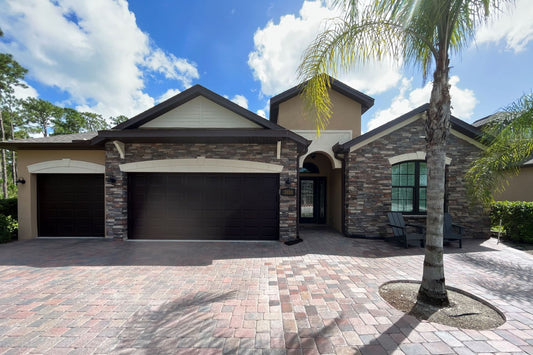
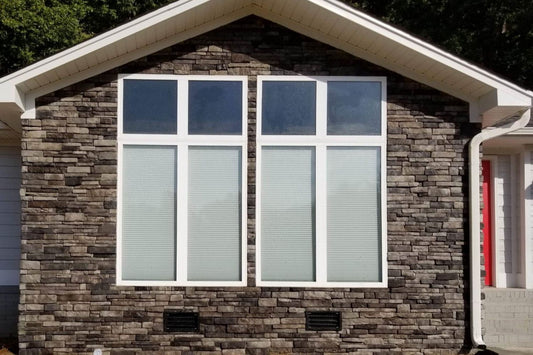
The approach to cleaning stone veneer can vary depending on where it is installed. Exterior surfaces are more likely to encounter dirt, algae, and weather-related buildup, making occasional pressure washing more practical when done correctly.
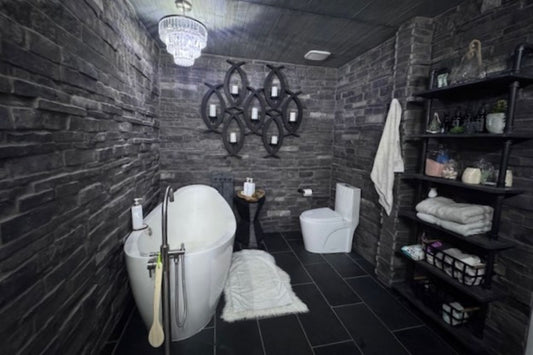
Interior stone veneer, on the other hand, typically requires much less maintenance. Dusting and occasional wiping with a damp cloth are often sufficient to keep it clean. Pressure washing is generally not suitable for indoor applications due to the risk of water damage and mess.
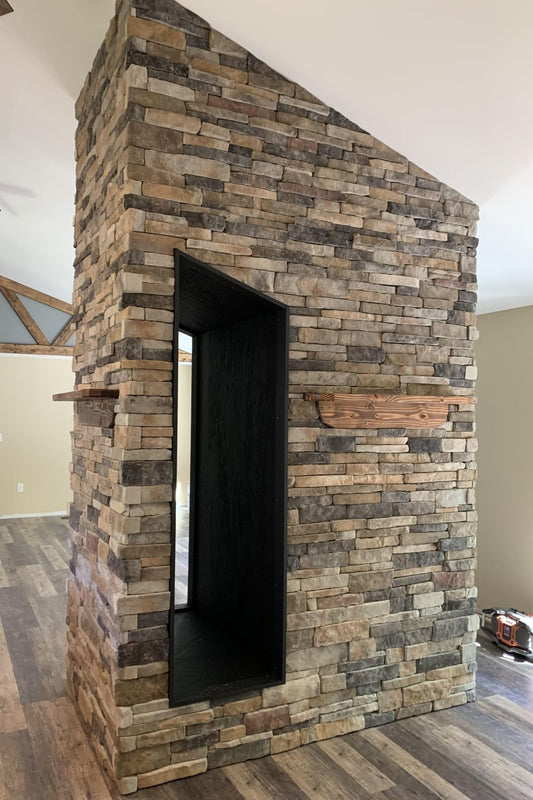
Fireplaces, accent walls, and kitchen features benefit from gentle cleaning methods that preserve both the material and the surrounding space. Understanding the environment in which your stone veneer exists helps determine the most appropriate cleaning approach.
Long-term care and longevity
One of the biggest advantages of manufactured stone veneer is its longevity. When properly installed and maintained, it can last for decades while retaining its visual appeal.
Avoiding harsh cleaning methods is a key part of ensuring this longevity. While pressure washing can be a useful tool, it should always be used sparingly and with caution. Overuse or improper technique can shorten the lifespan of the installation.
Consistency is more important than intensity. Regular, gentle cleaning prevents buildup from becoming severe, reducing the need for aggressive methods. This approach not only protects the material but also saves time and effort in the long run.
By treating your stone veneer with care and attention, you can enjoy its beauty and performance for many years.
Stone veneer and pressure washing
Pressure washing can be an effective way to maintain the appearance of your stone veneer, but it must be approached carefully. Using low pressure, maintaining proper distance, and employing gentle techniques are essential to prevent damage to the stone or mortar. Regular maintenance, spot cleaning, and proper care routines can reduce the need for aggressive cleaning and help your stone veneer look its best for years to come.
From Mountain View Stone: what you should know
At Mountain View Stone, we understand that keeping your stone veneer looking its best doesn’t have to be complicated, but it does require care. Pressure washing can be a safe and effective way to remove dirt, algae, or environmental buildup from exterior stone veneer, but only when done gently. Always use a low-pressure setting (under 1,500 PSI), maintain proper distance from the surface, and avoid spraying directly into mortar joints to prevent damage. For most maintenance, regular light cleaning with a soft brush or garden hose is enough to preserve appearance and durability. With the right technique and routine care, your stone veneer can stay beautiful for decades while maintaining its structural integrity, letting you enjoy both the aesthetics and long-term performance of your investment.
Frequently asked questions
1. Can I safely pressure wash manufactured stone veneer? Yes, manufactured stone veneer can be pressure washed safely if you use low pressure, maintain proper distance, and avoid spraying directly into mortar joints. Using the correct technique prevents damage while effectively removing dirt, dust, and algae buildup.
2. What is the recommended PSI for pressure washing stone veneer? For stone veneer, a pressure washer setting under 1,500 PSI is recommended. This low-pressure approach is strong enough to clean the surface without chipping stone or eroding mortar.
3. Which cleaning solutions are safe for stone veneer? Mild detergents or cleaners specifically formulated for stone veneer are safe for use. Avoid harsh chemicals or acidic cleaners, as they can damage both the stone and mortar over time.
4. How often should I clean exterior stone veneer? Most exterior stone veneer installations benefit from cleaning once or twice a year, depending on exposure to dirt, pollen, and environmental conditions. Regular light cleaning prevents heavy buildup and reduces the need for aggressive methods like pressure washing.
5. Can I pressure wash interior stone veneer walls or fireplaces? No, pressure washing is not recommended for interior stone veneer. The high moisture and potential water intrusion can damage surrounding materials. Gentle dusting or wiping with a damp cloth is sufficient for indoor applications.
6. Should stone veneer be sealed after cleaning? Sealing is optional but recommended for added protection. A breathable sealer helps repel water and reduce staining without trapping moisture behind the stone. Proper sealing can extend the life and appearance of your stone veneer.
What's next?
Transform your space with our stunning stone veneer. Shop now or order a sample today to experience the quality firsthand.
Have a question?
Please see our full terms of service or check out our frequently asked questions.
For general information and questions please call: (864) 882-8960 Mon. - Fri. 8am - 5pm (EST) or email: info@mountainviewstone.net we are more than happy to help you.
Or you can submit your questions via our contact us page.
We look forward to working with you on your upcoming project.
The Mountain View Stone Team
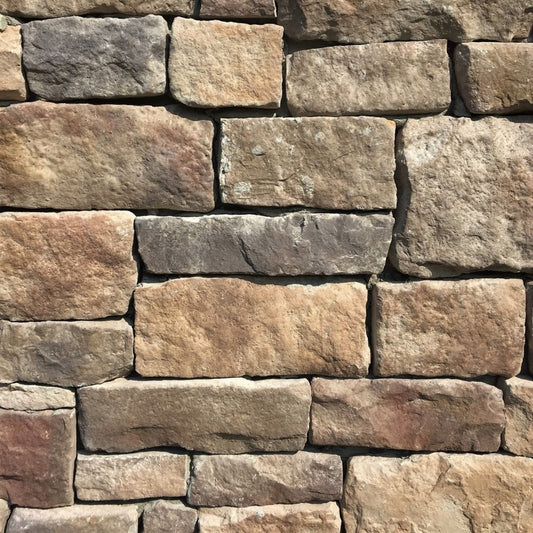
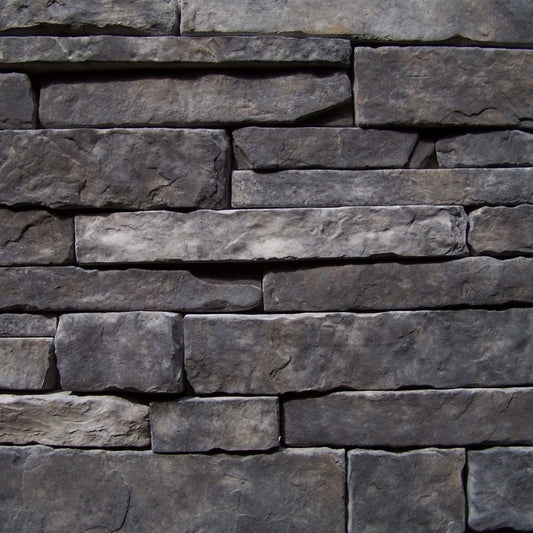
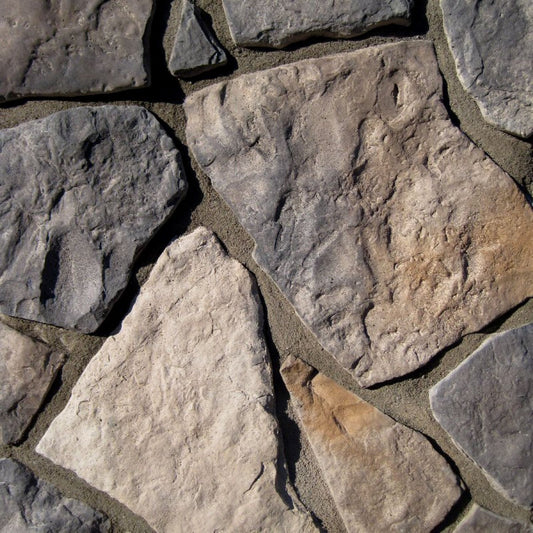
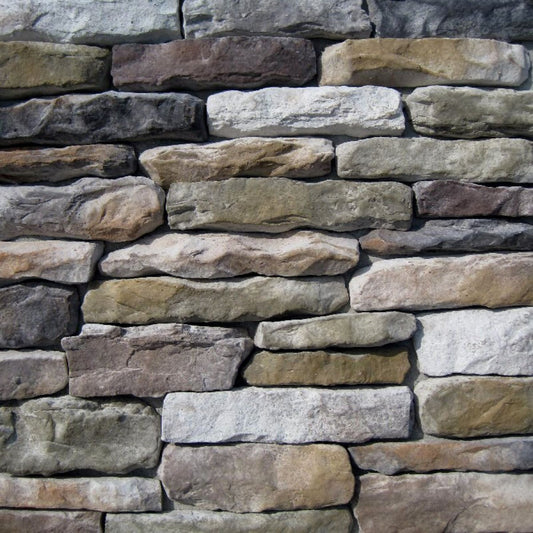
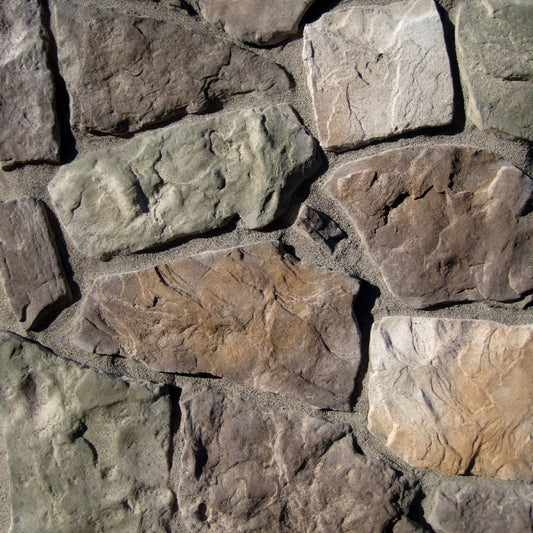
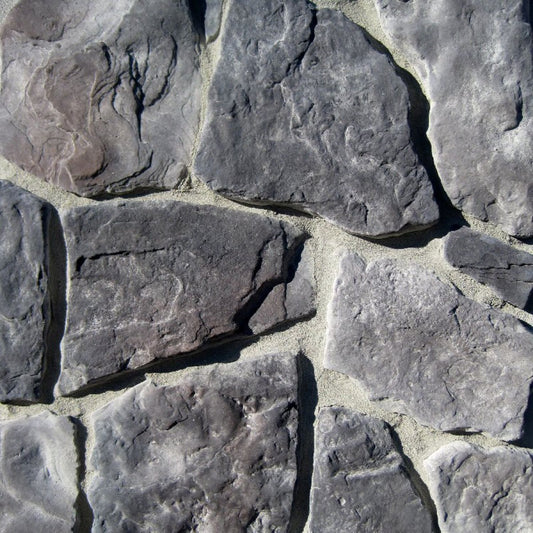
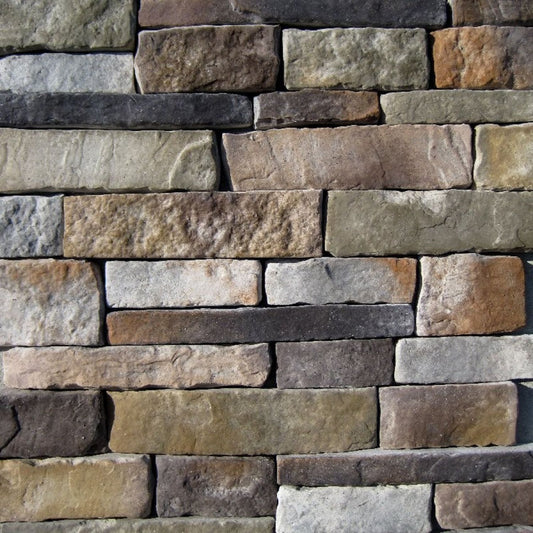
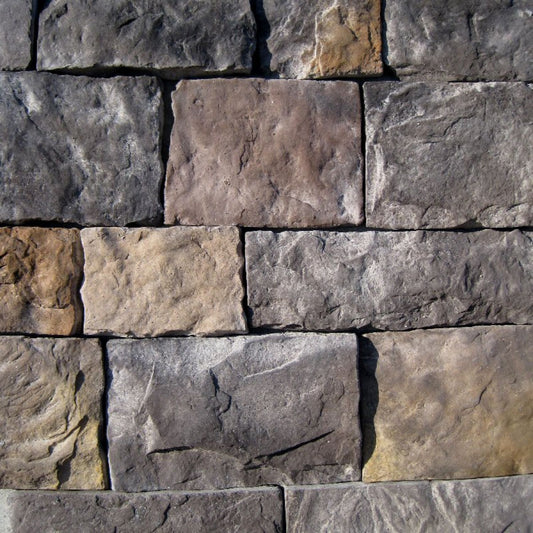
Pictured is field stone mossy creek.