
Stone Veneer Driveway Pillars and Gateposts: Design, Installation, and Long-Term Value
Share
Stone veneer driveway pillars and gateposts are exterior entrance structures built on a load-bearing core and finished with manufactured stone veneer. They provide structural support for gates or lighting while improving curb appeal, offering the look of natural stone at lower cost and weight.
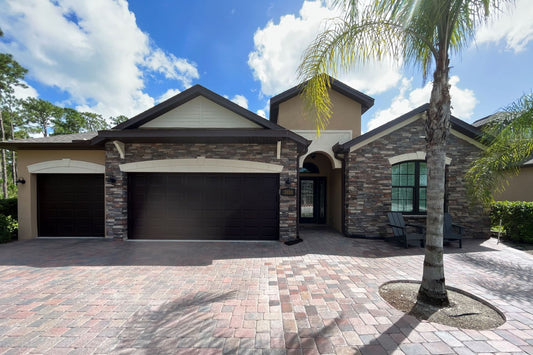
Stone veneer driveway pillars and gateposts are among the most impactful architectural features a property can have. Positioned at the entrance to a driveway, they establish identity, define boundaries, and create a sense of permanence that sets the tone for the rest of the home or commercial site. For a deeper breakdown of design options, materials, and applications, see our complete guide on stone veneer columns, posts, pillars, and arches.
These structures combine function and aesthetics in a way few exterior elements can. They may support gates, lighting, address signage, or simply frame an entryway, but their primary role is always visual: to create a strong, intentional entrance. By using manufactured stone veneer instead of full natural stone, builders and homeowners can achieve a high-end appearance with significantly less cost, weight, and installation complexity.
Stone veneer pillars and gateposts have become a standard feature in residential developments, rural estates, commercial entrances, and custom homes because they deliver architectural presence without requiring full masonry construction.
What Are Stone Veneer Driveway Pillars and Gateposts?
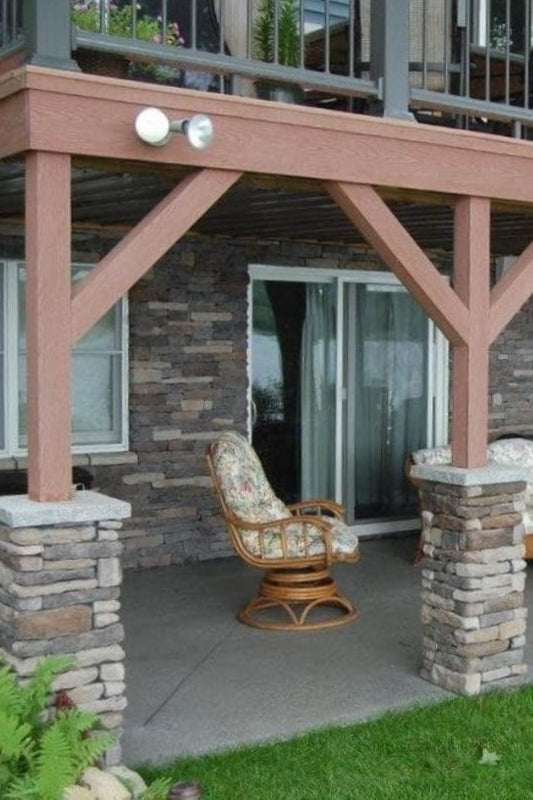
Stone veneer driveway pillars and gateposts are built using a structural core that provides strength and stability, then finished with a manufactured stone veneer surface that mimics the look of natural stone.
The structural core is typically made from concrete block, poured concrete, or engineered framing systems designed to handle both vertical load and lateral forces. Gateposts in particular must be engineered to withstand repeated mechanical stress from swinging or sliding gates, while decorative pillars may only need to support light fixtures or signage.
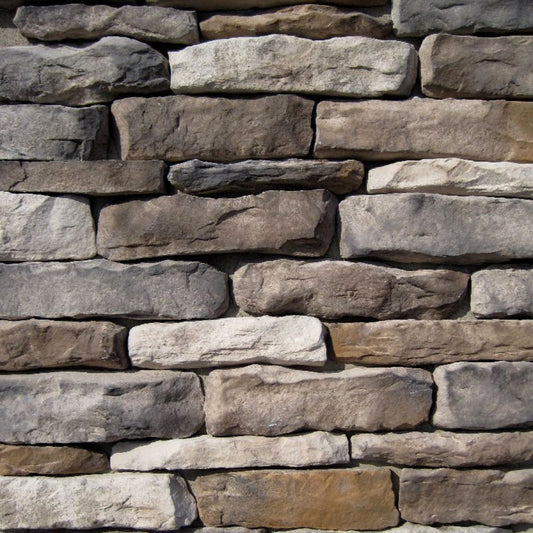
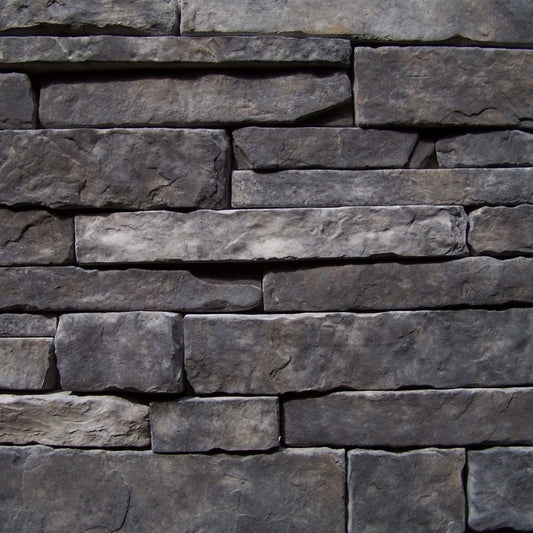
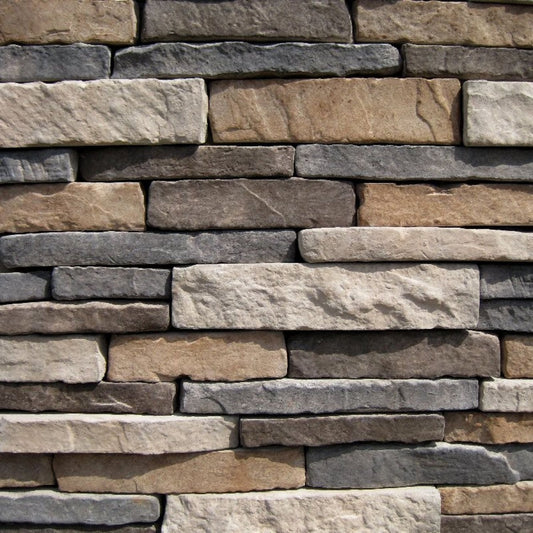
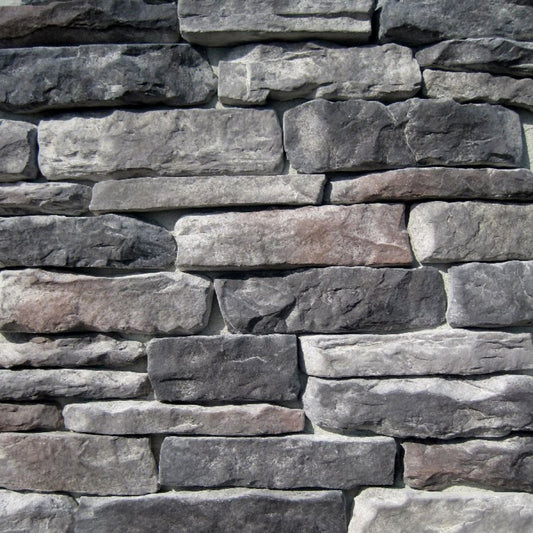
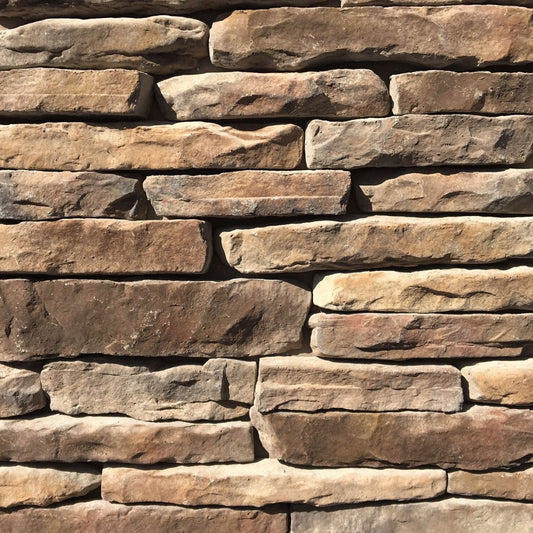
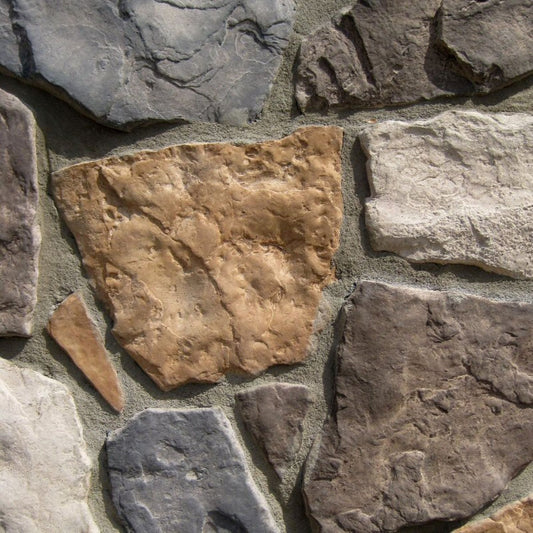
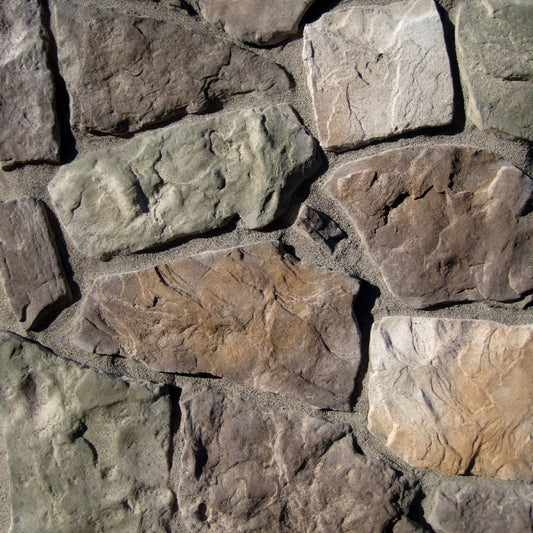
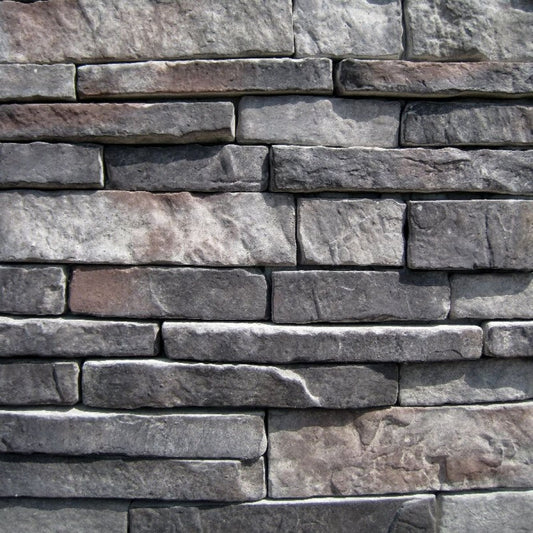
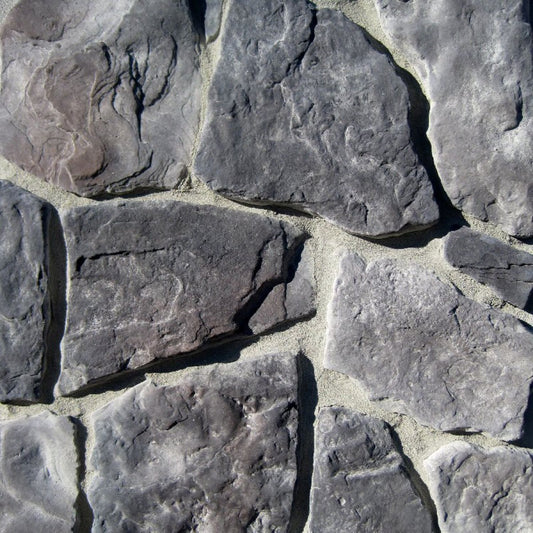
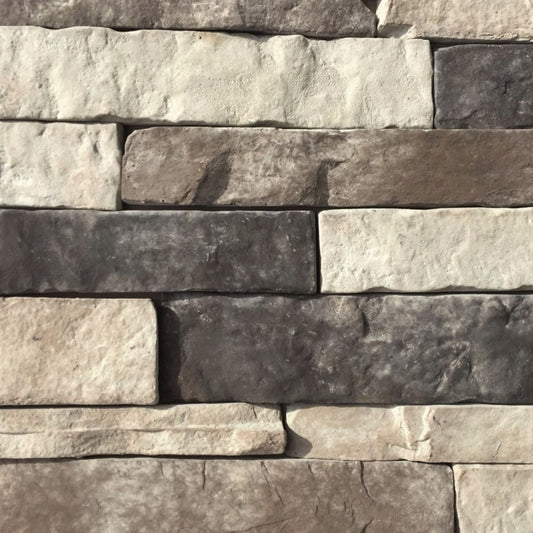
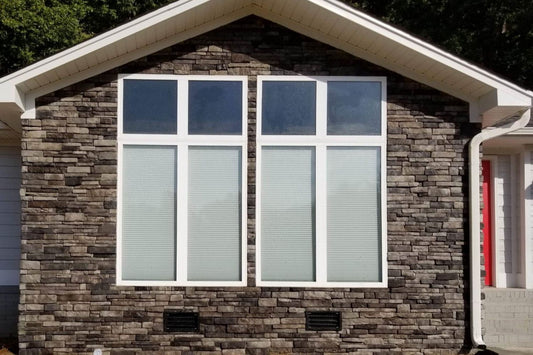
Once the core is complete, stone veneer is applied as a facing material. This thin layer of manufactured stone is cast from cement-based mixtures and molded from real stone textures, giving it a realistic appearance while maintaining consistency in size and installation performance.
The result is a durable, visually appealing entrance feature that performs like masonry but installs more efficiently.
The Role of Entrance Pillars in Curb Appeal and Property Value
Driveway pillars are often the first architectural element a visitor or passerby notices. Because of their position at the edge of a property, they act as visual anchors that frame the entrance and create a sense of arrival.
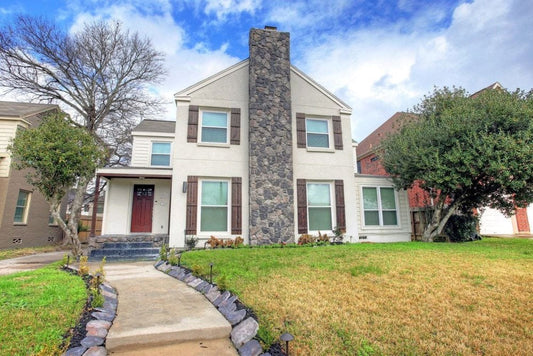
Stone veneer enhances this effect by adding texture, depth, and shadow variation that flat materials cannot replicate. Even simple pillar designs can feel substantial and high-end when finished with stone veneer.
From a real estate perspective, entrance features like gateposts and pillars contribute significantly to curb appeal, which is one of the most influential factors in perceived property value. A well-designed entrance suggests care, permanence, and investment in the property, all of which shape first impressions before someone even reaches the front door.
Design Styles and Architectural Applications
Stone veneer driveway pillars and gateposts can be adapted to a wide range of architectural styles, which is one of the reasons they are so widely used.
In traditional home designs, pillars often feature heavier proportions, earth-toned stone colors, and detailed capstones that resemble classic masonry. These designs work well with brick homes, colonial architecture, and rural estates.
In modern applications, the design tends to be cleaner and more minimal. Larger stone faces, tighter joint lines, and neutral color palettes are common. Some designs even combine stone veneer with metal, wood, or smooth stucco to create contrast and visual interest.
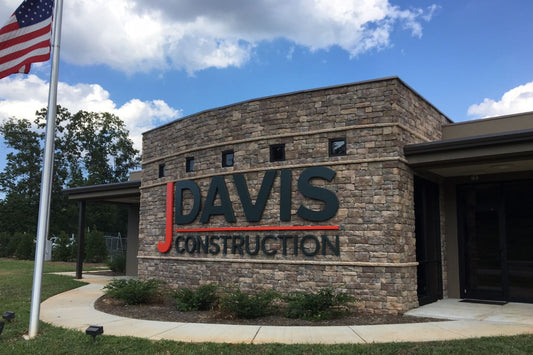
Commercial properties often use larger-scale gateposts to establish a sense of permanence and authority. These may incorporate signage, lighting, or security systems, making them both functional and architectural.
Capstones are an essential design element across all styles. They complete the visual structure while also serving a practical purpose by shedding water away from the pillar surface, reducing staining and moisture penetration over time.
Structural Requirements and Engineering Considerations
While stone veneer provides the exterior finish, the true strength of driveway pillars and gateposts comes from the internal structure. This distinction is critical, especially for gateposts that support moving hardware.
Concrete block construction is one of the most common methods used because it offers high compressive strength and long-term durability. Reinforced steel rebar is often added inside the core to improve resistance to lateral loads and gate movement stress.
For lighter-duty decorative pillars, framed systems with cement board and reinforced sheathing may also be used, although these still require a properly engineered foundation.
A stable footing is essential in all cases. Because driveway pillars are exposed to ground movement, vehicle vibration, and seasonal temperature changes, the foundation must be designed to prevent shifting or settling over time.
Proper engineering ensures that the stone veneer remains stable and free from cracking, even under long-term environmental and structural stress.
Installation Process and Moisture Protection
Installing stone veneer driveway pillars and gateposts involves several critical layers, each contributing to durability and performance.
After the structural core is completed, a weather-resistant barrier is applied to protect against moisture intrusion. This step is especially important because water is one of the primary causes of long-term veneer failure if not properly managed.
A drainage plane is typically included behind the veneer system to allow any moisture that does enter the assembly to escape safely rather than becoming trapped.
The stone veneer is then installed using mortar or manufacturer-approved adhesives, with careful attention to alignment, spacing, and joint consistency. Because driveway pillars are highly visible, installation quality has a direct impact on the overall appearance of the entrance.
Finally, capstones are installed to protect the top surface of the pillar and complete the system both functionally and visually.
Durability and Performance Across Different Climates
Stone veneer is designed to perform in a wide range of environmental conditions.
In freeze-thaw climates, the key concern is moisture management. If water becomes trapped behind the veneer and freezes, it can expand and cause damage. Proper drainage and installation techniques prevent this issue.
In hot and dry regions, UV exposure and thermal expansion are more relevant considerations. High-quality manufactured stone veneer is engineered to resist fading and maintain structural integrity under temperature fluctuations.
In areas with heavy rainfall or humidity, long-term durability depends on ventilation behind the system and proper sealing of vulnerable joints and caps.
When installed correctly, stone veneer pillars and gateposts are designed to last for decades with minimal deterioration.
Maintenance and Long-Term Care
One of the advantages of stone veneer is its relatively low maintenance requirements. Unlike natural stone that may require more frequent sealing or repair, manufactured stone veneer is engineered for stability and color retention.
Routine care typically involves occasional washing to remove dirt buildup and organic material. Periodic inspections are also recommended to check for minor mortar wear or movement around joints and caps.
Vegetation and landscaping should be maintained in a way that avoids trapping moisture against the base of the pillars. Proper grading and drainage around the driveway entrance significantly improve long-term performance.
If damage does occur, repairs are usually localized and straightforward, since individual veneer pieces can be replaced without rebuilding the entire structure.
Cost Factors and Return on Investment
The cost of stone veneer driveway pillars and gateposts varies based on size, structural complexity, material selection, and labor requirements. Gateposts that support heavy automated gates tend to be more expensive due to additional reinforcement needs.
Compared to full natural stone construction, manufactured stone veneer generally offers a more cost-efficient alternative while still delivering a comparable visual effect. This cost advantage is one of the primary reasons for its widespread adoption.
From an investment standpoint, entrance features often provide strong returns in terms of curb appeal and perceived property value. Because they are highly visible and define the entry experience, they influence how a property is evaluated both emotionally and financially.
Stone Veneer Driveway Pillars and Gateposts
Stone veneer driveway pillars and gateposts offer a powerful combination of strength, durability, and architectural impact. They serve as both functional entrance structures and defining design features that shape the identity of a property.
When properly engineered and installed, they provide long-term performance with minimal maintenance while delivering the timeless appearance of natural stone at a more accessible cost. Whether for residential homes, estates, or commercial entrances, they remain one of the most effective ways to enhance curb appeal and create a lasting impression.
From Mountain View Stone: What You Should Know
At Mountain View Stone, we see stone veneer driveway pillars and gateposts succeed or fail based almost entirely on what’s behind the stone, not the stone itself. The veneer is a finish layer, so long-term performance depends on a properly engineered structural core, correct moisture management, and details like capstones and flashing that protect the system from water intrusion. When those elements are done right, stone veneer performs extremely well and delivers a durable, high-end entrance feature with lasting curb appeal. When those details are overlooked, even a visually well-executed installation can develop problems over time.
Frequently Asked Questions About Stone Veneer Driveway Pillars and Gateposts
What are stone veneer driveway pillars made of?
Stone veneer driveway pillars typically consist of a structural core made from concrete block, poured concrete, or framing, finished with a manufactured stone veneer exterior for appearance and protection.
Are stone veneer gateposts strong enough for heavy gates?
Yes, when properly constructed with reinforced concrete or masonry cores, stone veneer gateposts are fully capable of supporting heavy driveway gates, including automated systems.
How long do stone veneer driveway pillars last?
With correct installation and moisture protection, stone veneer pillars can last several decades, often matching or exceeding the lifespan of surrounding exterior materials.
Do stone veneer pillars require a lot of maintenance?
No, maintenance is minimal. Occasional cleaning and periodic inspections are usually sufficient to keep them in good condition over time.
Can stone veneer be used in cold weather climates?
Yes, stone veneer performs well in cold climates when installed with proper drainage, weather barriers, and freeze-thaw resistant detailing.
Is stone veneer cheaper than natural stone for pillars?
Generally yes. Manufactured stone veneer offers a more cost-effective alternative to natural stone while still achieving a similar high-end appearance.
What's Next?
Transform your vision with our premium stone veneer. Shop now to discover the ideal style or order a sample to experience the texture and see the color in person. Start your project today.
Have a Question?
Please see our full terms of service or check out our frequently asked questions.
For general information and questions please call: (864) 882-8960 Mon. - Fri. 8am - 5pm (EST) or email: info@mountainviewstone.net we are more than happy to help you.
Or you can submit your questions via our contact us page.
We look forward to working with you on your upcoming project.
The Mountain View Stone Team
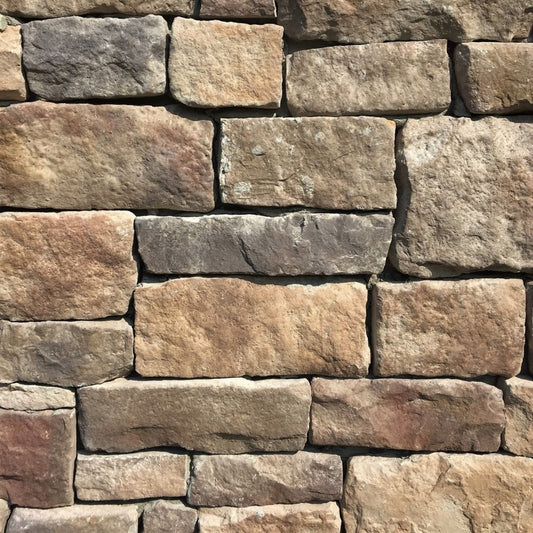
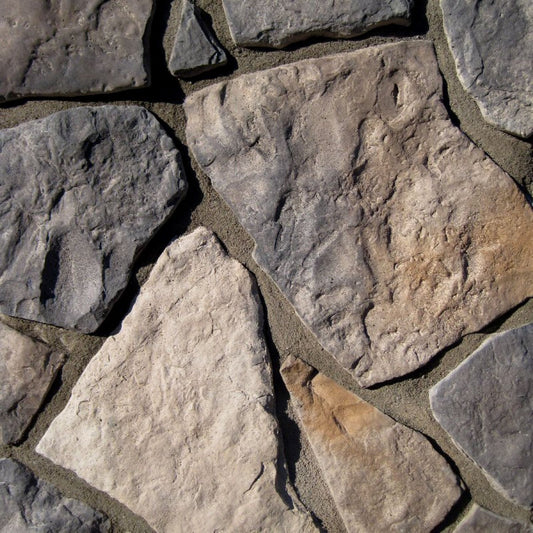
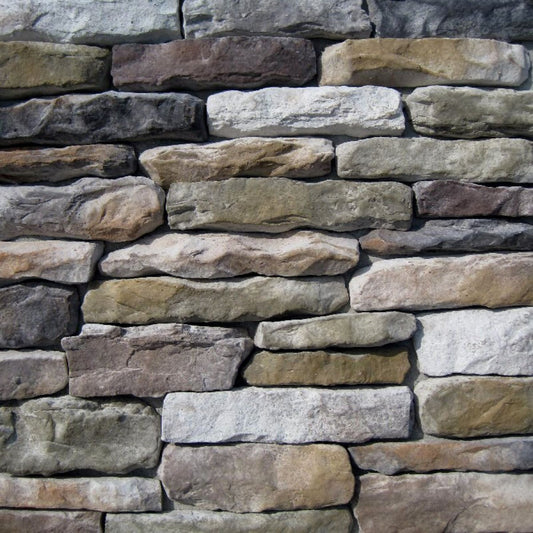
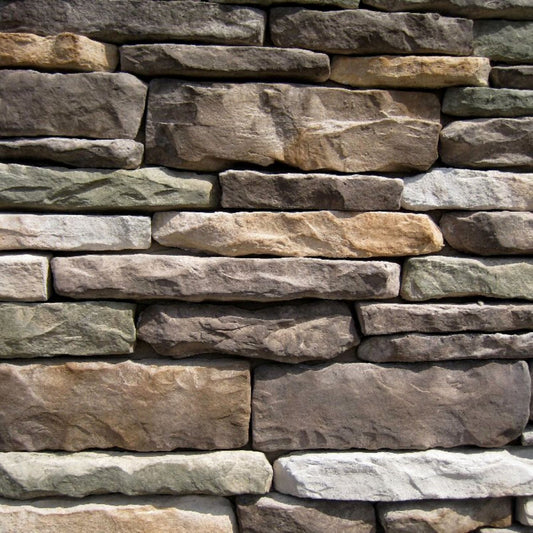
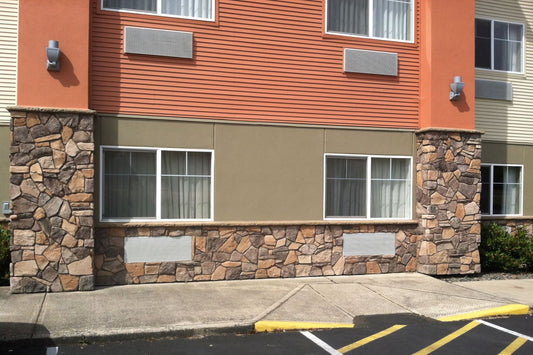
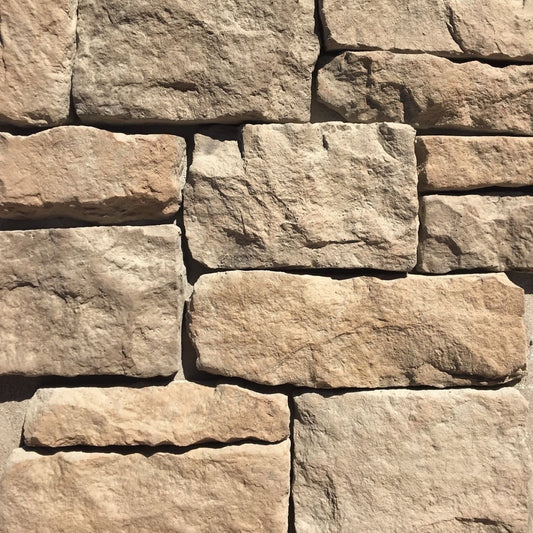
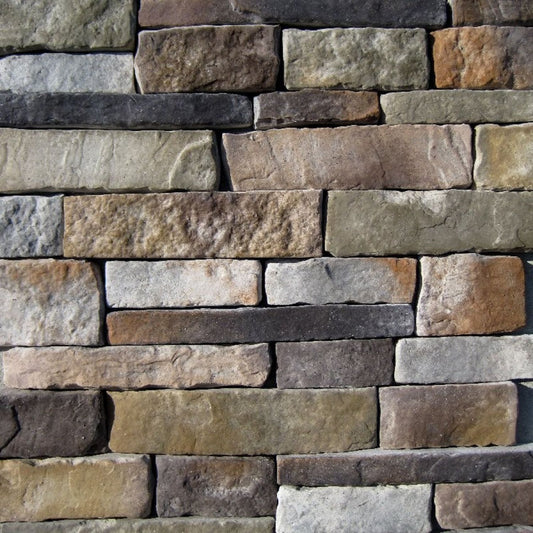
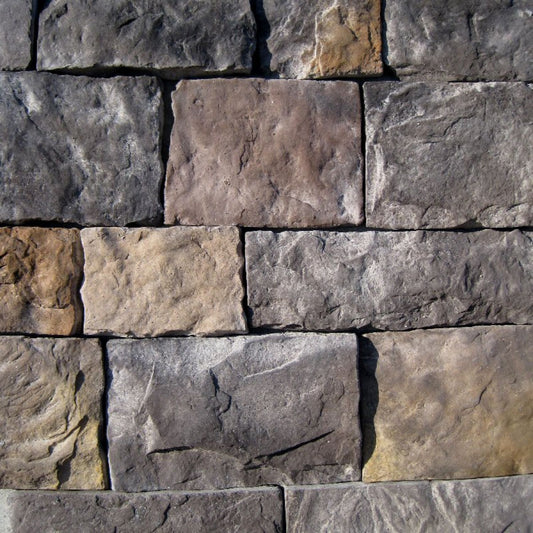
Pictured is lime stone tuscany.