
What is Cultured Stone? Is it the Same as Manufactured Stone Veneer?
Share
Originally posted March 20, 2025, updated April 22, 2026.
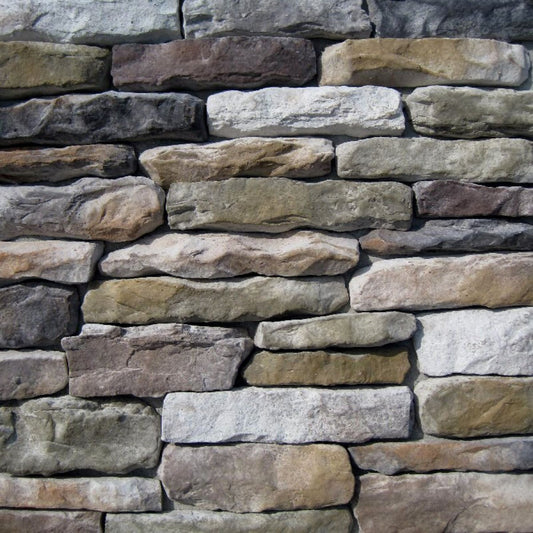
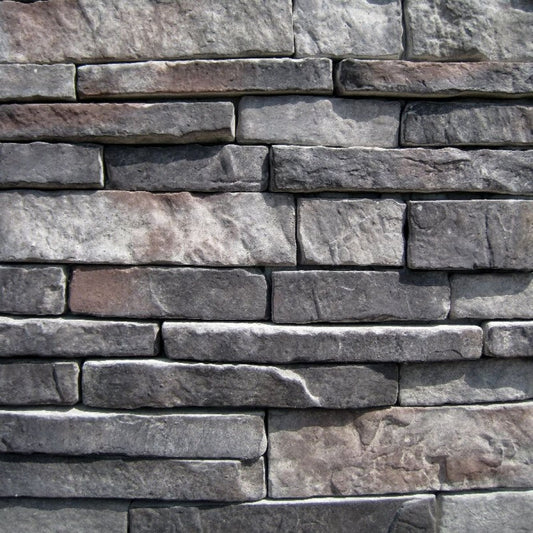
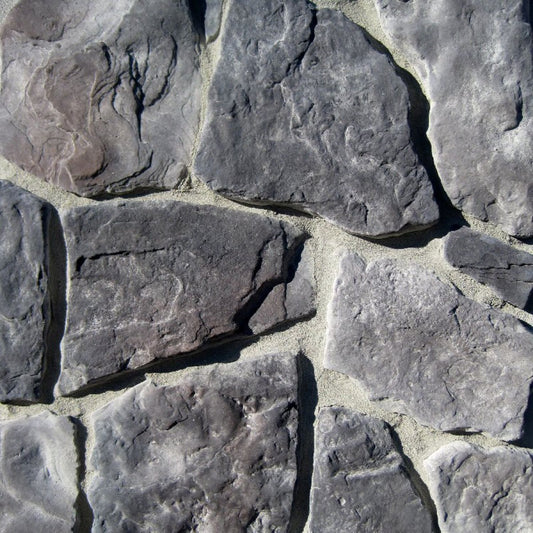
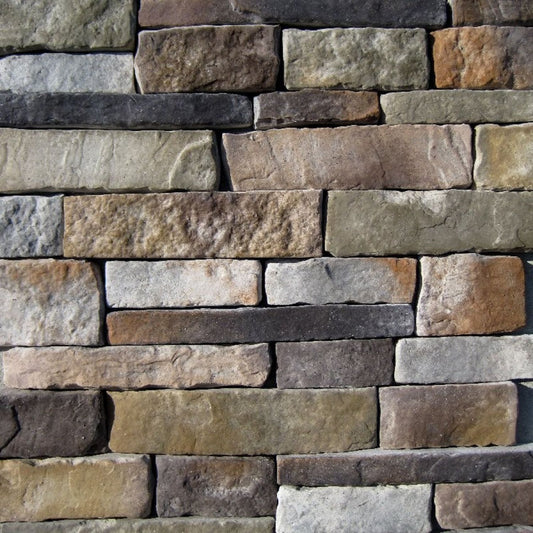
Cultured stone is a brand of manufactured stone veneer. It is often used to refer to all manufactured stone veneer products, which are man-made stone alternatives designed to replicate natural stone using cement, aggregates, and iron oxide pigments.
If you’ve been researching natural-looking finishes for a home exterior, fireplace, or feature wall, you’ve likely come across the term "cultured stone". At first glance, it sounds like a distinct type of building material. In reality, it is often misunderstood. Many people assume cultured stone is its own category of product, when in fact it is a brand name that has become widely used across the construction and design industries. Over time, the term has become so common that it is often used interchangeably with manufactured stone veneer itself.
Understanding the difference between cultured stone and manufactured stone veneer is important if you are planning a project. It helps clarify what the product actually is, how it is made, and why it has become such a popular alternative to natural stone.
This post explains what cultured stone really means, how manufactured stone veneer is produced, and why it has become a go-to material for both residential and commercial applications.
Cultured stone vs. manufactured stone veneer explained
The first thing to understand is that cultured stone is not a material category on its own. It is a brand of manufactured stone veneer that helped define and popularize the product type in the building industry.
Because it was one of the earliest and most widely recognized brands, the name "cultured stone" became commonly used as a general reference for all manufactured stone veneer products. This is similar to how certain brand names become shorthand for entire product categories in everyday language.
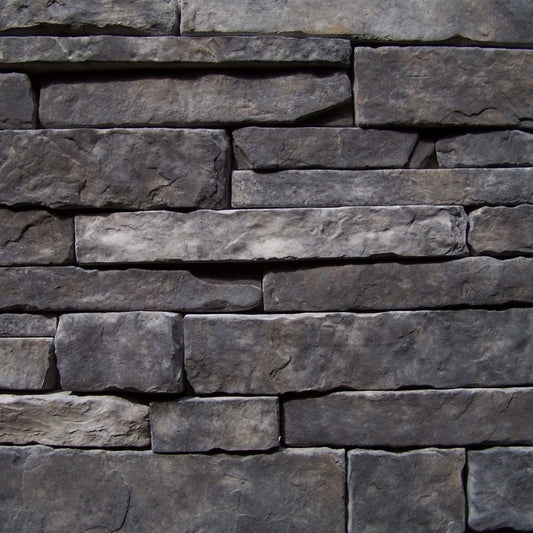
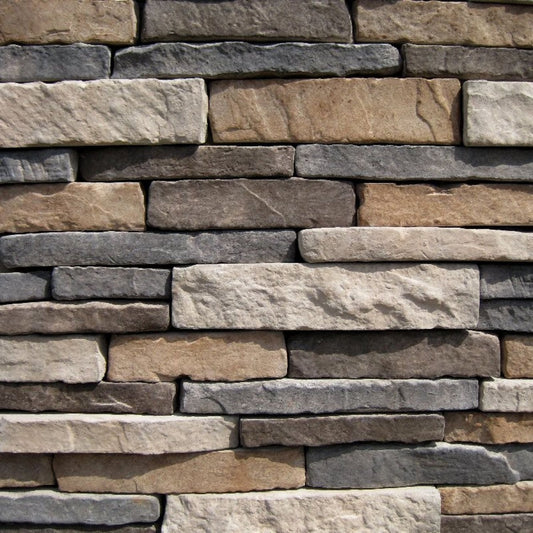
Manufactured stone veneer is the correct and broader term for this type of material. It refers to any man-made product designed to replicate the appearance of natural stone. It is often also referred to as faux stone, artificial stone, or stone veneer, depending on the context.
What makes manufactured stone veneer appealing is that it delivers the visual characteristics of natural stone while offering more control over consistency, weight, and installation requirements. Unlike natural stone, which is quarried and shaped from raw material, manufactured stone veneer is engineered for design flexibility and ease of use.
What is manufactured stone veneer made of
Manufactured stone veneer is created using a carefully formulated blend of materials designed to replicate the look and feel of real stone. The primary components include cement, lightweight aggregates, and iron oxide pigments.
Cement serves as the structural foundation of the product, giving it strength and durability once cured. Lightweight aggregates are added to reduce the overall weight, making it significantly easier to handle and install compared to natural stone. Iron oxide pigments are responsible for the realistic color variations that mimic the natural tones found in stone formations.
Because these materials are combined in a controlled manufacturing environment, the finished product can be produced in a wide range of colors, textures, and profiles. This allows for a high level of design flexibility across different architectural styles.
How stone veneer is manufactured
The manufacturing process behind stone veneer is designed to replicate the appearance of natural stone as closely as possible while improving usability and consistency.
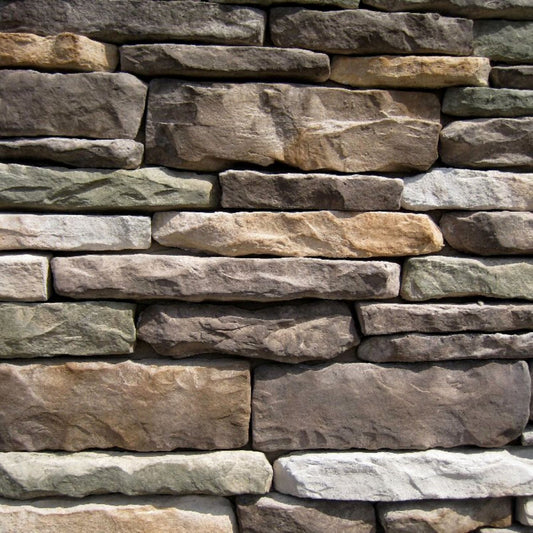
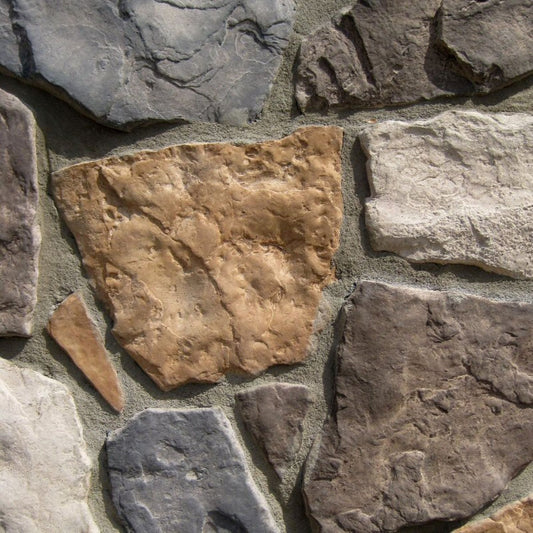
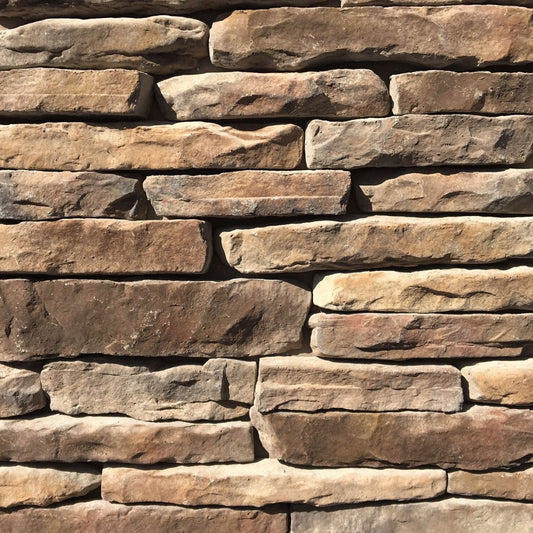
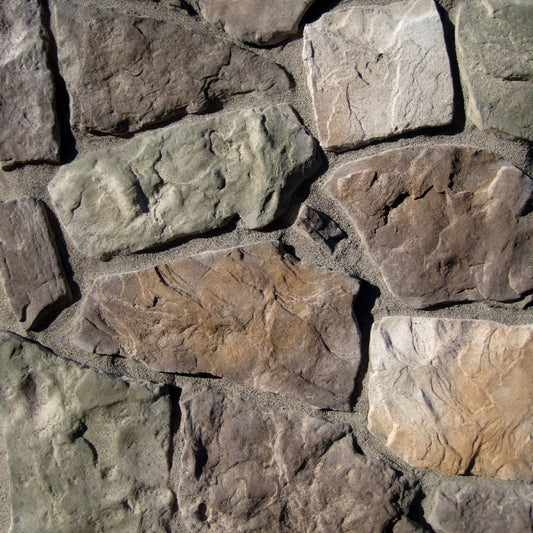
It begins with molds that are created from real stone. These molds capture every detail of natural stone surfaces, including texture, grain, and irregular edges. This step is essential because it ensures the final product has an authentic and natural appearance.
Once the molds are prepared, a mixture of cement, lightweight aggregates, and iron oxide pigments is poured into them. The pigments are integrated into the mix to create realistic, stone-like coloration and variation on the surface of each piece, rather than a solid, uniform coloration throughout the material. This helps achieve a natural appearance while ensuring long-lasting visual durability.
After the mixture is poured, it is left to cure and harden. During this stage, the material gains strength while maintaining a relatively lightweight structure. Once fully cured, the pieces are removed from the molds and prepared for packaging and distribution.
The result is a product that closely resembles natural stone but is significantly more consistent and easier to install.
Why cultured stone and stone veneer are so popular
The popularity of cultured stone, and manufactured stone veneer more broadly, comes from its ability to balance aesthetics, practicality, and cost efficiency.
One of the key advantages is its reduced weight. Natural stone is heavy and often requires additional structural support, which can increase both material and labor costs. Manufactured stone veneer avoids much of this complexity, making it suitable for a wider range of applications.
Cost efficiency is another major factor. Natural stone involves quarrying, transportation, cutting, and specialized installation, all of which contribute to higher overall project costs. Manufactured stone veneer provides a similar visual result at a more accessible price point.
Design flexibility also plays a significant role in its popularity. Because it is manufactured, it can be produced in consistent styles or highly varied designs depending on the desired aesthetic. This makes it suitable for both traditional and modern architecture.
Durability is another reason it is widely used. Manufactured stone veneer is designed to withstand exposure to weather conditions such as rain, snow, and temperature fluctuations. It resists common issues like fading, cracking, and chipping when properly installed.
Common applications for manufactured stone veneer
Stone veneer is used in a wide variety of residential and commercial applications due to its versatility and visual impact.
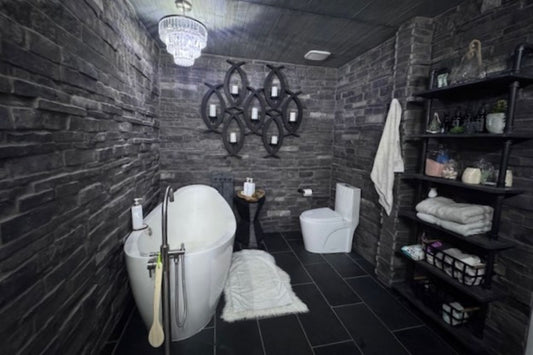
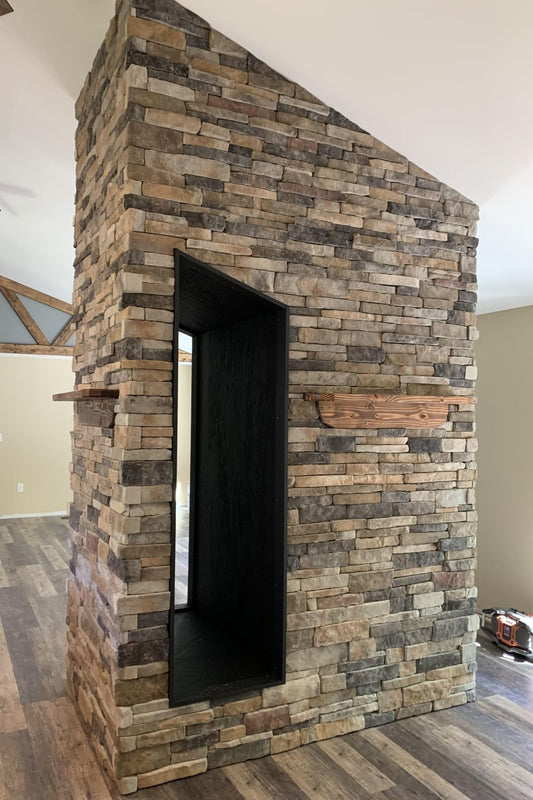
Inside the home, it is often used for fireplaces where it creates a strong focal point and adds warmth to the space. It is also frequently used for accent walls to introduce texture and architectural depth without overwhelming the room.
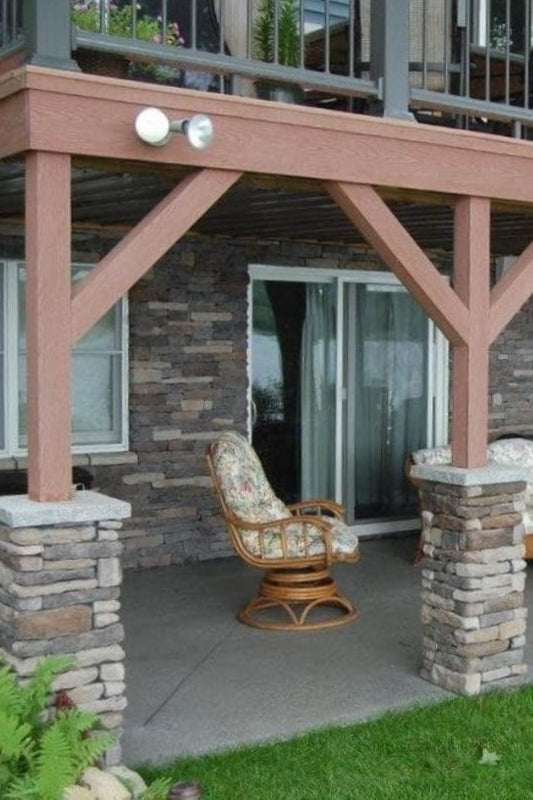
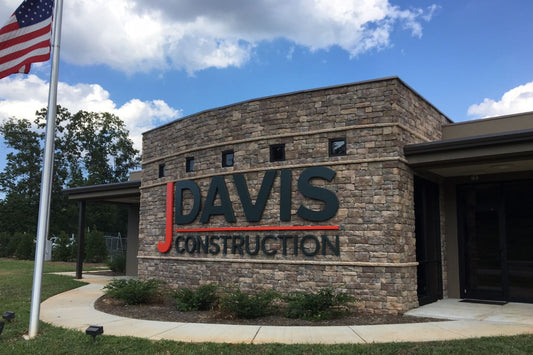
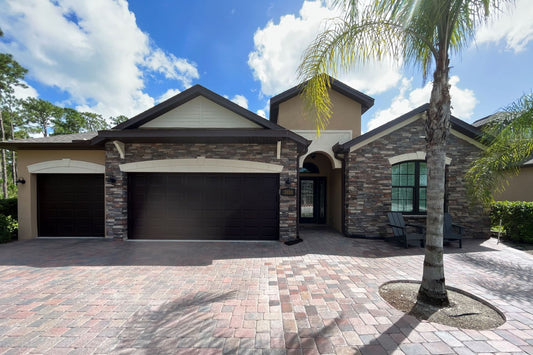
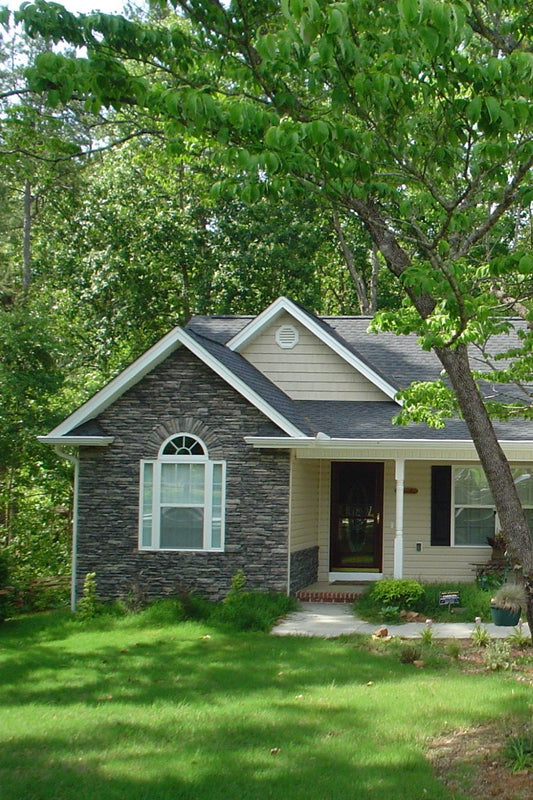
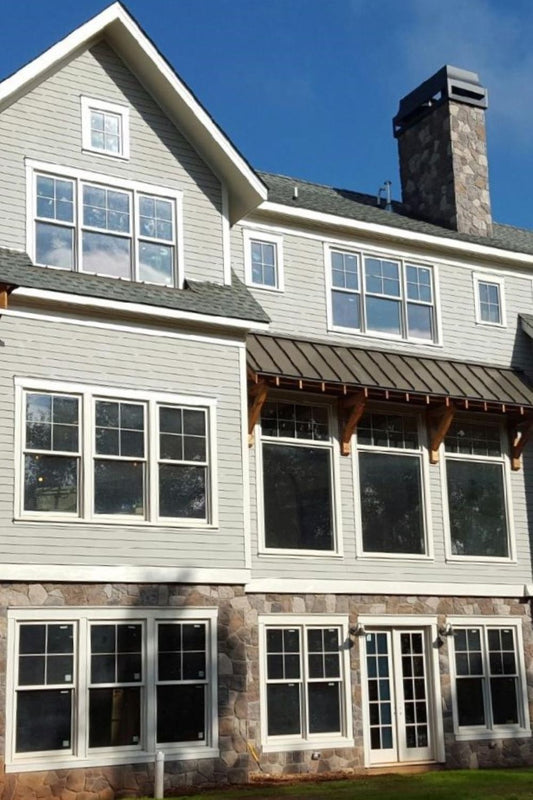
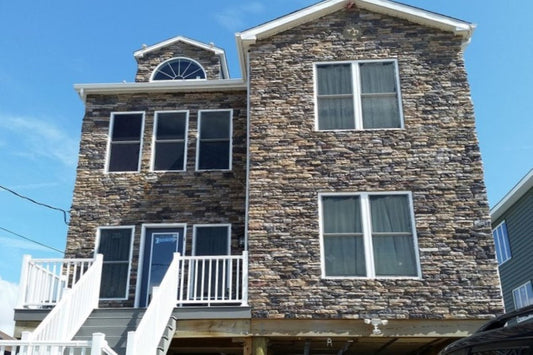
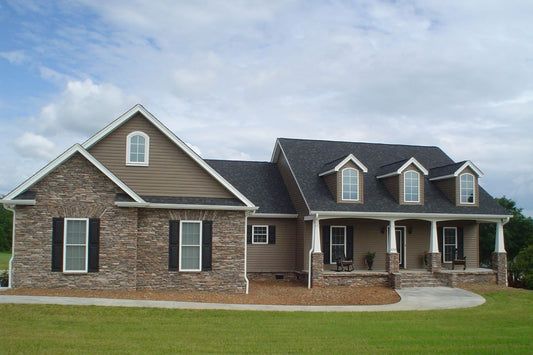
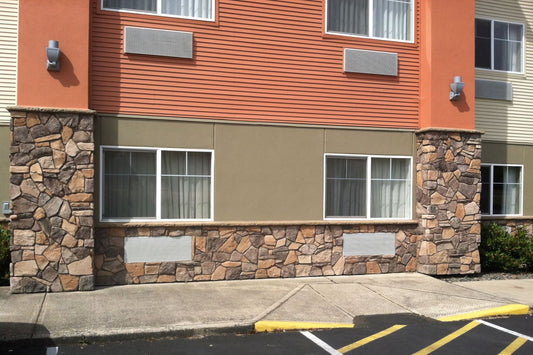
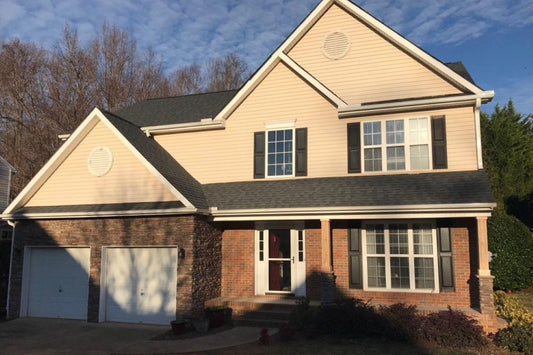
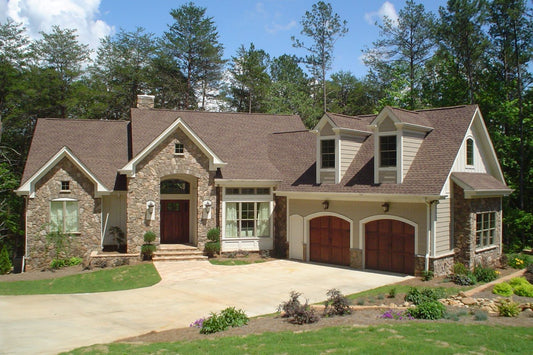
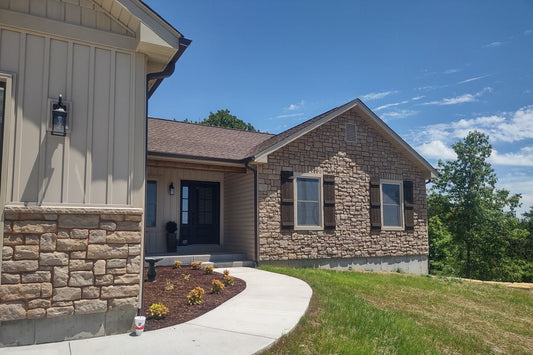
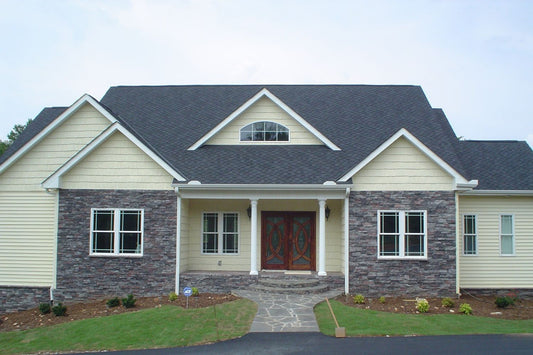
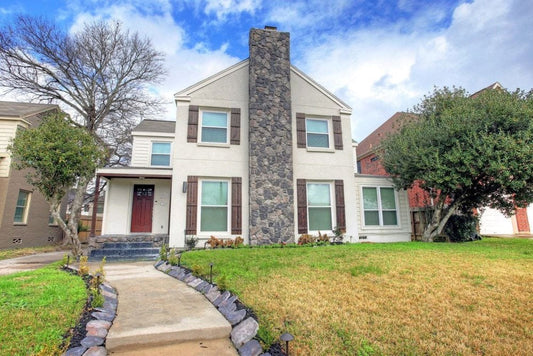
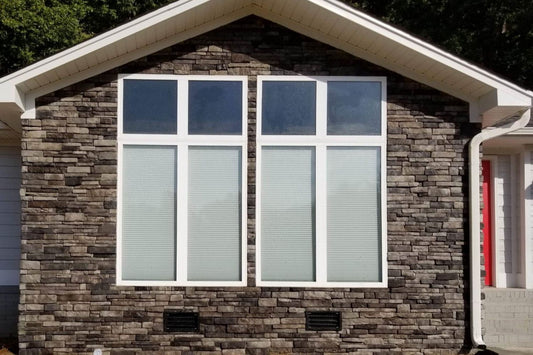
On the exterior, stone veneer is commonly applied as siding or cladding to enhance curb appeal. It can be used across entire facades or as an accent to highlight specific architectural features such as entryways, columns, or garage surrounds.
It is also widely used in outdoor living spaces. Fire pits, outdoor kitchens, and entertainment areas benefit from its durability and natural stone appearance. These environments require materials that can handle exposure to the elements while maintaining their aesthetic appeal.
Because of its adaptability, stone veneer has become a preferred choice for designers and builders looking to create cohesive indoor and outdoor design continuity.
What is cultured stone?
Cultured stone is not a separate material, but rather a brand that played a major role in popularizing manufactured stone veneer. Today, the term is often used interchangeably with the broader category, even though manufactured stone veneer is the correct technical description.
This material continues to grow in popularity because it combines the natural look of stone with improved affordability, easier installation, and greater design flexibility. Whether used indoors or outdoors, it provides a practical way to achieve the timeless appearance of stone without the challenges associated with natural materials.
For anyone considering stone finishes for a project, understanding the relationship between cultured stone and manufactured stone veneer is an important first step in making an informed decision.
At Mountain View Stone: what you should know
At Mountain View Stone, we understand that the term "cultured stone" is often used generically in the industry, even though it originally refers to one of the earliest and most recognized brands of manufactured stone veneer. Over time, it has become common shorthand for manufactured stone veneer products regardless of manufacturer. In our experience, what matters most is the performance and versatility of the material itself, which is why manufactured stone veneer is widely used in both residential and commercial applications such as fireplaces, accent walls, exterior siding, and outdoor living spaces, delivering the look of natural stone with reduced weight, easier installation, and improved cost efficiency.
Frequently asked questions
1. Is cultured stone a type of natural stone? No, cultured stone is not natural stone. It is a brand of manufactured stone veneer designed to replicate the look of natural stone using man-made materials.
2. What is the difference between cultured stone and manufactured stone veneer? Cultured stone is a brand name, while manufactured stone veneer is the general category of man-made stone products. Both refer to similar materials, but at different classification levels.
3. Is manufactured stone veneer durable enough for long-term use in both interior and exterior applications? Yes, manufactured stone veneer is designed to be durable and weather-resistant. When properly installed, it performs well in both interior and exterior applications.
4. Can stone veneer be used outside? Stone veneer is commonly used on exterior walls, facades, and outdoor living spaces. It is designed to withstand exposure to rain, snow, and temperature changes.
5. How closely does stone veneer replicate the look and texture of real natural stone? Yes, high-quality stone veneer is made using molds from real stone, allowing it to closely replicate natural textures and color variations.
6. Why is cultured stone so commonly used as a term? Cultured stone became widely recognized early in the industry, so the brand name is often used generically to refer to all manufactured stone veneer products.
What's next?
Bring your vision to life with our premium stone veneer! Shop now for the perfect style or order a sample to see the texture and colors up close. Start your project today!
Have a question?
Please see our full terms of service or check out our frequently asked questions.
For general information and questions please call: (864) 882-8960 Mon. - Fri. 8am - 5pm (EST) or email: info@mountainviewstone.net we are more than happy to help you.
Or you can submit your questions via our contact us page.
We look forward to working with you on your upcoming project.
The Mountain View Stone Team
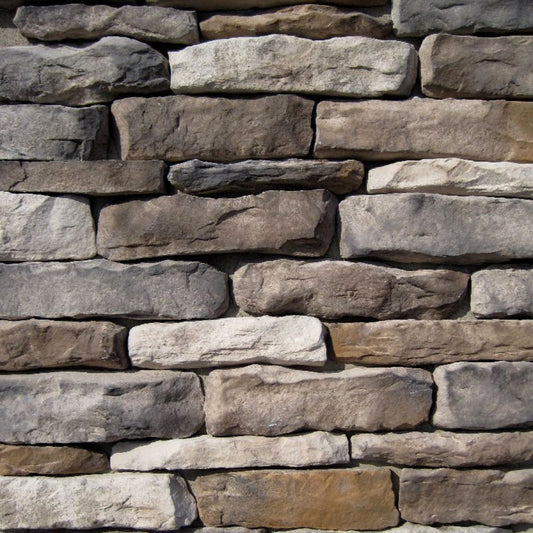
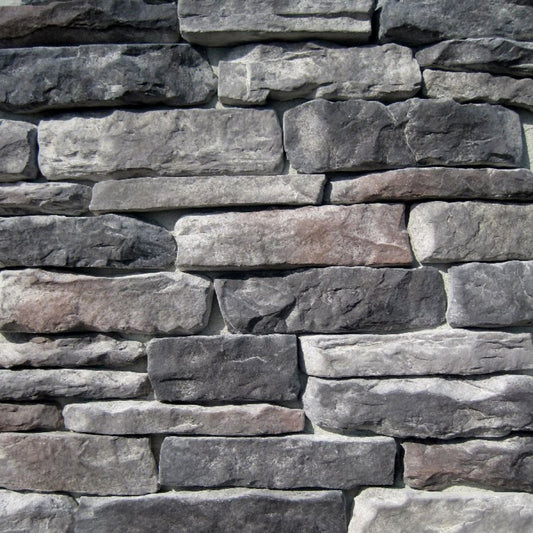
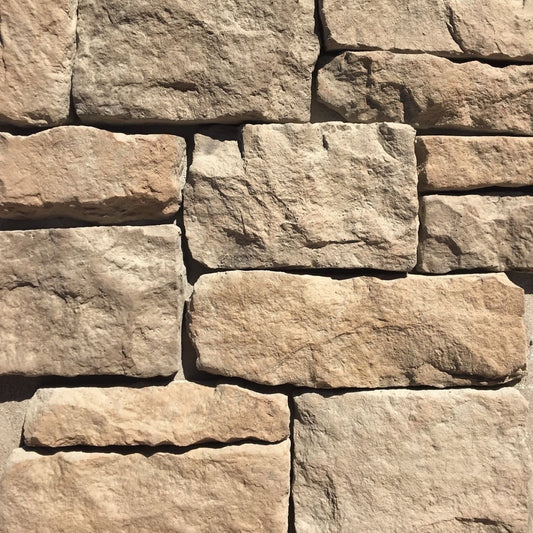
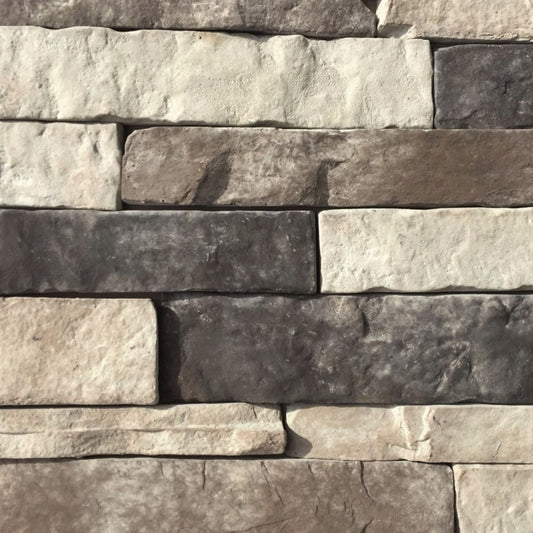
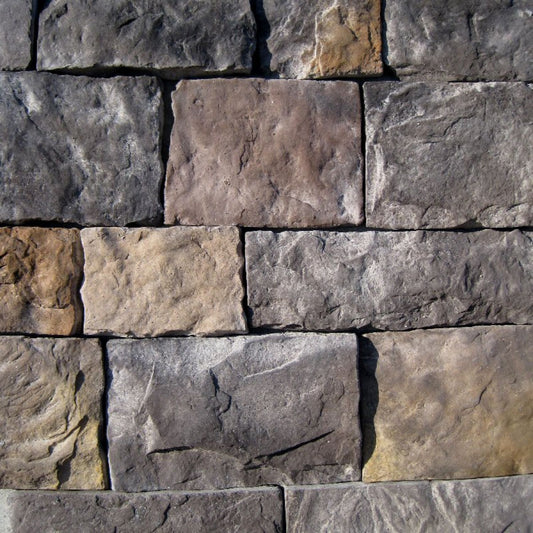
Pictured is lime stone tuscany.