
Applying a German Smear Finish to Stone Veneer: Creating a Rustic European Finish
Share
Originally posted July 3, 2025, updated May 25, 2026.
German smear is a mortar-based finishing technique applied over stone or brick to create a rustic, whitewashed European look. On manufactured stone veneer, it softens color variation, adds texture, and gives the surface an aged, handcrafted appearance. The effect is achieved by spreading and partially wiping off wet mortar so portions of the stone remain visible, resulting in a custom, timeworn finish.
Manufactured stone veneer has become a go-to material for homeowners and designers seeking the look of natural stone without the weight or cost. While modern veneer profiles already offer rich color and texture, many projects call for something more aged, softer, and historically inspired. That’s where the German smear finish comes in.
Also known as German schmear, this technique has grown in popularity for its ability to transform new stone veneer into something that looks like it has been in place for decades. It blends mortar and texture in a way that feels handcrafted, imperfect, and deeply architectural. Whether used on fireplaces, feature walls, or exterior facades, German smear offers a distinctive aesthetic that bridges rustic charm with modern design.
Before committing to this finish, however, it’s important to understand how it interacts with manufactured stone veneer, how it is applied, and what long-term implications it may have for performance and warranty coverage.
What is a German Smear finish?
A German smear is a masonry finishing technique that involves applying a thin layer of wet mortar over stone or brick and then partially removing it before it fully sets. The result is a soft, irregular coating that clings to the surface while still allowing portions of the original material to show through.
Unlike paint or limewash, which sit on the surface as a coating, mortar physically adheres and hardens, creating a more textured and dimensional finish. On manufactured stone veneer, this produces a layered effect where edges are softened, color variation is muted, and the overall appearance becomes more cohesive and aged.
The finish is often associated with old European cottages and historic masonry buildings where years of weathering naturally produced similar effects. Today, it is intentionally recreated for design purposes.
Why German smear works so well on stone veneer
Manufactured stone veneer already provides strong visual realism, but it is often designed with crisp edges and defined color contrasts. While this works for many architectural styles, it may not suit designs that lean toward rustic farmhouse, old-world European, or cottage-inspired aesthetics.
German smear helps bridge that gap by reducing contrast and introducing a more organic, weathered feel. It allows the installer or designer to control how much of the original stone remains visible, which means the final look can be subtle or heavily aged depending on preference.
Another reason this finish is so widely used is its ability to visually unify mixed stone colors. Many veneer products include multiple tones to replicate natural stone variation, but in certain lighting conditions or design schemes, that variation can feel too bold. A mortar smear softens those differences and brings the entire surface into a more cohesive visual language. The result is a surface that feels intentionally aged rather than factory-finished.
How German smear is applied to stone veneer
Applying a German smear to manufactured stone veneer requires careful surface preparation and attention to timing. The process begins with ensuring the surface is clean, dry, and free of dust, debris, or any coatings that might prevent proper adhesion.
Mortar is then mixed to a thick, workable consistency that allows it to cling to vertical surfaces without sliding. Once prepared, it is applied in sections using a grout bag or trowel, focusing on both the joints and portions of the stone face.
At this stage, the key technique is control. The mortar is not meant to fully cover the stone but rather to be spread and manipulated while still wet. Using a damp sponge, brush, or trowel, the installer smears and wipes away portions of the mortar, revealing the stone beneath and creating natural-looking variation in coverage.
Timing is critical because the mortar begins to set relatively quickly. As it stiffens, additional brushing can be used to refine the texture, remove excess buildup, and enhance the depth of the finish. Once the desired look is achieved, the surface is left to cure fully before being exposed to moisture or further treatment.
The final appearance is highly dependent on technique, which is why small test sections are often recommended before committing to an entire surface.
Important considerations before applying German smear
While German smear is visually striking, it is also a permanent alteration to the surface of the veneer. Once cured, the mortar bonds firmly to the stone and cannot be removed without risking damage to the underlying material.
One of the most important considerations is manufacturer warranty coverage. In most cases, applying mortar, paint, or similar coatings to manufactured stone veneer will void the original warranty. This is because such treatments change the surface characteristics and can impact moisture behavior and long-term performance.
Another factor is permanence. Unlike decorative finishes that can be changed over time, German smear is effectively irreversible. Adjusting the look afterwards typically requires mechanical removal, which may damage the veneer surface.
For this reason, many homeowners choose to consult a masonry professional before proceeding, especially on large exterior applications or high-visibility interior features like fireplaces.
Design alternatives to German smear for stone veneer
Not every project requires a surface-altering finish to achieve a refreshed or rustic look. There are several design strategies that can enhance manufactured stone veneer without permanently changing its surface.
Lighting is one of the most effective tools. Warm directional lighting can dramatically enhance texture, emphasizing depth and shadow without altering the material itself. Similarly, adding natural wood elements such as mantels, beams, or shelving can soften the visual impact of stone and create a more balanced, organic aesthetic.
Another approach is selective design integration, where stone veneer is paired with contrasting materials like smooth plaster, metal accents, or painted drywall. This creates intentional visual breaks that can make the stone feel more curated and less uniform.
In some cases, homeowners choose to refresh the overall design by incorporating a different veneer profile in adjacent areas rather than altering the existing installation. This allows for contrast while preserving the original surface integrity.
Each of these alternatives offers a way to evolve the look of stone veneer without affecting warranty or permanence.
Applying a German smear finish to stone veneer
A German smear finish on manufactured stone veneer is one of the most effective ways to achieve a rustic, old-world aesthetic. It adds depth, texture, and character that can completely transform both interior and exterior spaces.
However, it is also a permanent modification that requires careful consideration. Between warranty implications, application technique, and long-term design goals, it is important to weigh the visual benefits against the structural and maintenance realities.
When used thoughtfully, German smear can elevate manufactured stone veneer into a highly customized architectural feature that feels timeless and intentional.
From Mountain View Stone: what you should know
At Mountain View Stone, what you should know is that a German smear finish is a permanent alteration to the surface of manufactured stone veneer and should be approached with care and planning. While the look can dramatically enhance rustic and old-world design styles, it typically involves applying mortar directly to the stone face, which may affect the original finish and can void manufacturer warranties. Because every product line and installation environment is different, results and long-term performance can vary depending on application technique, exposure conditions, and substrate preparation. For best outcomes, we always recommend reviewing installation guidelines in advance and consulting with a qualified masonry professional when considering surface modifications like German smear, especially for exterior applications or high-visibility feature areas.
Frequently asked questions
1. What is German smear made of? German smear is typically made from a thin mix of mortar that is applied to stone or brick and then partially wiped away to create a textured, aged finish.
2. Can German smear be removed from manufactured stone veneer? Not easily. Once cured, mortar bonds strongly to the surface and removal usually requires abrasive methods that can damage the veneer.
3. Does German smear affect stone veneer durability? It does not typically affect structural durability, but it does change the surface and may impact moisture behavior depending on application quality and conditions.
4. Can I apply German smear myself? It is possible for experienced DIYers, but it requires masonry skills and careful timing. Many homeowners choose a professional installer for consistent results.
5. Will German smear void my stone veneer warranty? In most cases, yes. Applying mortar or similar coatings typically voids manufacturer warranties on manufactured stone veneer products.
6. Is German smear suitable for exterior use? Yes, it can be used outdoors, but proper application and curing are critical to ensure long-term performance in varying weather conditions.
What's next?
Elevate your space with our premium stone veneer! Shop now or order a sample to see the authentic texture and vibrant color up close. Start your project with confidence and turn your design vision into reality today.
Have a question?
Please see our full terms of service or check out our frequently asked questions.
For general information and questions please call: (864) 882-8960 Mon. - Fri. 8am - 5pm (EST) or email: info@mountainviewstone.net we are more than happy to help you.
Or you can submit your questions via our contact us page.
We look forward to working with you on your upcoming project.
The Mountain View Stone Team
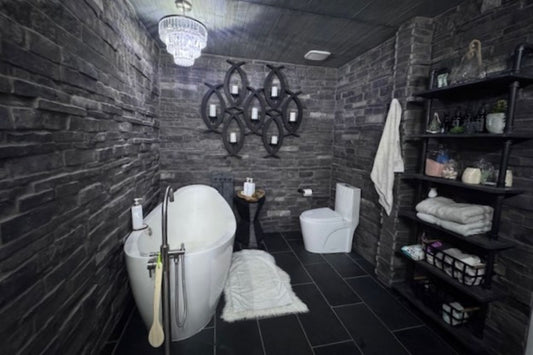
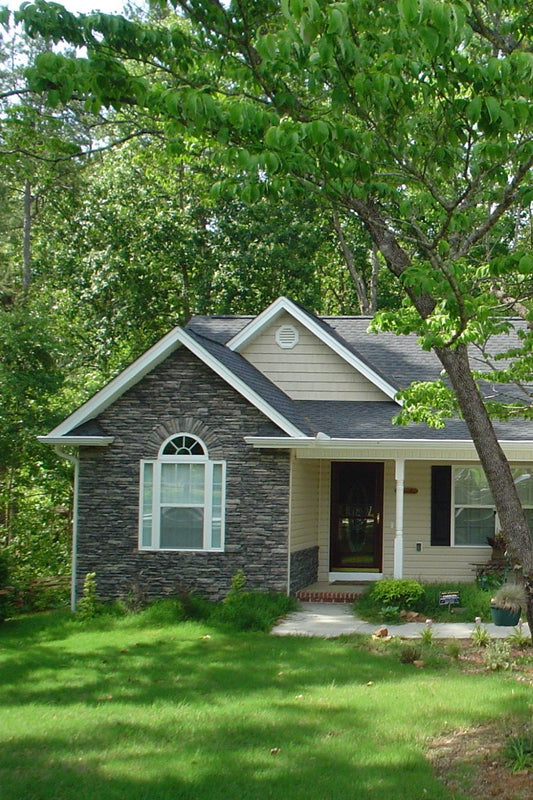
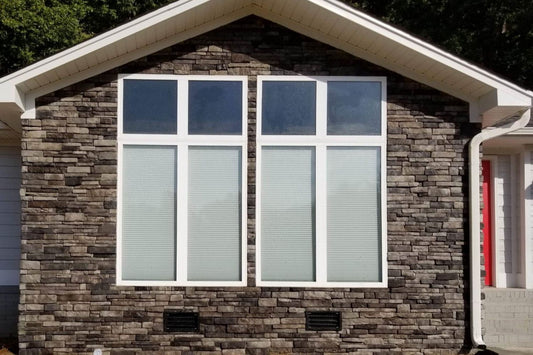
Pictured is brick veneer charleston with a German smear.