
Brick Veneer vs. Real Brick: What’s the Difference and Which is Better?
Share
Brick veneer is a non-structural brick cladding installed over a framed wall, while real brick is a structural masonry system that supports building loads. Brick veneer is lighter, more affordable, and easier to install, while real brick offers greater structural strength, longevity, and traditional masonry performance. The right choice depends on budget, design goals, and construction needs.
Brick has been one of the most trusted building materials for centuries, valued for its durability, fire resistance, and timeless architectural appeal. It continues to be widely used in residential and commercial construction for exterior facades, interior feature walls, fireplaces, and structural systems. However, not all brick is the same. When comparing brick veneer vs. real brick, many homeowners are surprised to learn that the two systems differ significantly in how they are built, how they perform, and what they cost. While both can deliver the classic brick aesthetic, they serve very different structural purposes. For a deeper look at how different masonry aesthetics compare across products, you can also reference our manufactured stone veneer profiles guide.
Understanding the differences is essential before starting a renovation or new build. The choice affects everything from installation complexity and foundation requirements to long-term maintenance, energy performance, and overall budget. This guide combines key insights from real-world construction practices to clearly explain the differences between brick veneer and real brick, helping you make an informed decision for your project.
What is Brick Veneer?
Brick veneer is a non-structural cladding system designed to replicate the appearance of traditional brick masonry without functioning as part of the building’s structural framework. It is installed as a single outer layer over a framed wall, concrete backup wall, or other structural substrate.
Because brick veneer does not carry structural loads, it serves primarily as a protective and aesthetic exterior finish. The actual weight of the building is supported by wood framing, steel framing, or concrete structures behind the veneer.
Modern brick veneer systems are engineered with drainage planes, flashing, and air gaps to manage moisture and improve long-term performance. This makes it highly compatible with modern building codes and energy-efficient wall assemblies.
What is Real Brick?
Real brick, often called structural brick or full brick masonry, is a load-bearing construction material made from fired clay units. Unlike veneer systems, real brick is used to build structural walls that support floors, roofs, and other building loads.
Traditional brick construction often involves thick multi-wythe walls designed to distribute weight through masonry. This type of construction has been used for centuries and is still found in historic buildings and high-end architectural projects.
Because real brick is structural, it requires stronger foundations, skilled masonry labor, and more extensive engineering. However, it is also known for exceptional durability, fire resistance, and long service life that can span generations when properly maintained.
Structural Differences Between Brick Veneer and Real Brick
The most important difference between brick veneer and real brick is structural function. Brick veneer is not load-bearing, meaning it does not support the weight of the building. Instead, it is anchored to a structural wall system behind it.
Real brick, on the other hand, is the structure itself. It transfers loads from the building above down through the masonry system and into the foundation.
This fundamental difference affects everything from wall thickness and engineering requirements to foundation design and construction timelines. While both systems may look nearly identical from the outside, their internal performance and structural roles are completely different.
For a broader look at how different masonry-style finishes compare across product types, you can also refer to our guide on comparing manufactured stone veneer.
Appearance and Design Flexibility
From a visual standpoint, both brick veneer and real brick can achieve a highly authentic and traditional brick look. Modern manufacturing and masonry techniques allow veneer systems to closely replicate the color variation, texture, and mortar detailing of full brick construction.
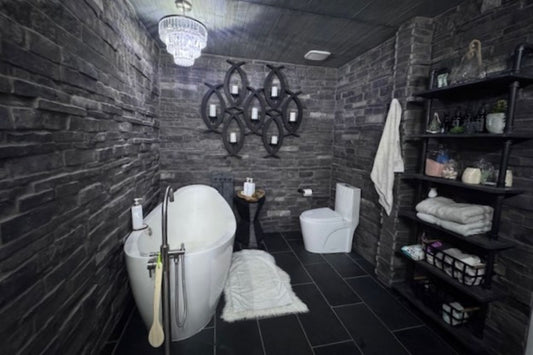
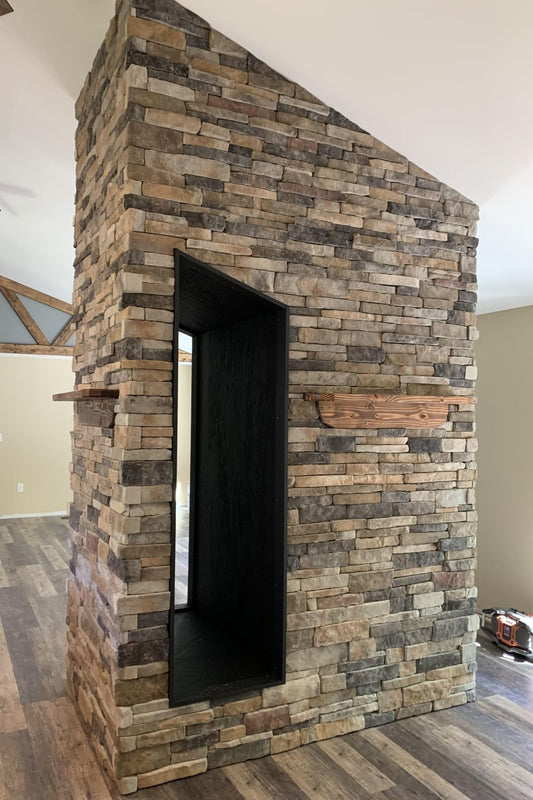
Brick veneer often provides greater design flexibility because it can be installed on a wide range of surfaces and in locations where full brick would be impractical. This includes interior feature walls, fireplaces, and lightweight exterior renovations.
Real brick delivers unmatched authenticity, especially in historic or traditional architecture. Over time, real brick can develop natural patina and character that many homeowners find desirable.
Cost Comparison Between Brick Veneer and Real Brick
Cost is one of the main reasons brick veneer is more commonly used in modern construction.
Brick veneer is generally more affordable because it uses fewer materials, requires less structural support, and involves less labor-intensive installation. It also reduces foundation and engineering requirements, which can significantly lower total project costs.
Real brick is more expensive due to the amount of material required, the structural engineering involved, and the skilled labor needed for installation. Foundations must also be designed to support the full weight of the masonry system.
While real brick has a higher upfront cost, it is often viewed as a long-term investment due to its durability and structural performance.
Installation Process and Complexity
Brick veneer is significantly easier and faster to install than real brick. Since it is non-structural, it can be applied over existing wall systems with proper moisture barriers, flashing, and anchoring systems.
Installation typically involves a backup wall, drainage cavity, and exterior brick layer. This makes it highly adaptable for both new construction and renovation projects.
Real brick construction is more complex and time-consuming. Each brick is laid individually in a structural system that requires precise alignment, mortar application, and continuous support. The process demands skilled masons and more extended construction timelines.
Durability and Long-Term Performance
Real brick is widely recognized for its exceptional durability. Properly constructed brick buildings can last for generations and withstand harsh weather, fire exposure, and physical wear.
Brick veneer is also highly durable when properly installed with correct moisture management systems. However, because it relies on a backup structure, its long-term performance depends heavily on installation quality and wall assembly design.
Both systems can provide decades of service life, but real brick offers inherent structural longevity, while veneer durability depends more on system integration.
Energy Efficiency and Insulation
Neither brick veneer nor real brick provides high insulation value on its own. However, their performance differs within modern wall assemblies.
Brick veneer is commonly used in combination with insulated framed walls, allowing builders to meet modern energy efficiency standards more easily. This layered system helps reduce thermal bridging and improves overall efficiency.
Real brick provides thermal mass, meaning it can absorb and slowly release heat, helping moderate indoor temperature swings. However, older solid brick walls often lack insulation compared to modern framed systems.
In many cases, modern brick veneer systems outperform traditional brick walls in energy efficiency due to improved insulation integration.
Maintenance Considerations
Both brick veneer and real brick are low-maintenance materials compared to many exterior cladding options.
Brick veneer typically requires periodic inspection of flashing, mortar joints, and moisture management systems. When properly installed, maintenance needs are minimal.
Real brick may require repointing of mortar joints over time, especially in older structures exposed to harsh environmental conditions. However, the brick itself is extremely resistant to wear.
In both cases, proper installation is the key factor in minimizing long-term maintenance.
Advantages of Brick Veneer in Modern Construction
Brick veneer has become the preferred choice in many modern residential and commercial projects due to its balance of aesthetics, cost efficiency, and installation flexibility.
It allows homeowners to achieve the traditional brick look without the structural requirements of full masonry construction. It is especially popular for exterior upgrades, interior feature walls, fireplaces, and remodeling projects where weight and cost limitations are important considerations.
Its compatibility with modern building systems makes it one of the most practical masonry-style finishes available today.
When Real Brick Is the Better Choice
Real brick remains the superior choice in projects where structural performance, historical authenticity, or maximum durability is required.
It is commonly used in high-end architectural designs, heritage restorations, and load-bearing masonry construction. While more expensive and labor-intensive, it offers unmatched structural integrity and long-term value.
For projects prioritizing permanence and traditional craftsmanship, real brick continues to be a premium building material.
Brick Veneer vs. Real Brick
When comparing brick veneer vs. real brick, the decision ultimately comes down to function versus form. Brick veneer provides the appearance of brick as a lightweight, cost-effective cladding system. Real brick serves as both structure and finish, offering greater strength but at a higher cost and complexity.
Both systems deliver the timeless appeal of brick, but they serve different roles in modern construction. Understanding these differences helps ensure the right material is chosen for the right application.
For many homeowners and builders, brick veneer offers the best balance of aesthetics, practicality, and affordability. For specialized projects where structural masonry is required, real brick still has its place.
Choosing the right option depends on your budget, building design, performance goals, and construction method.
From Mountain View Stone: What You Should Know
At Mountain View Stone, we often get asked whether brick veneer or real brick is the better choice, and the honest answer is that it depends on how the material is being used and what the project is trying to achieve. In today’s construction, brick veneer is the most common choice for residential and light commercial builds because it delivers the timeless look of brick while working efficiently with modern framed wall systems. It’s lighter, more cost-effective, and easier to install without compromising on curb appeal when properly detailed. Real brick, on the other hand, remains a proven structural masonry system valued for its strength and traditional craftsmanship, but it comes with higher material and labor demands that aren’t always necessary for modern builds. What matters most is proper installation and moisture management in either system, since long-term performance depends far more on detailing than appearance alone. Choosing between the two isn’t just about aesthetics, it’s about balancing design goals, building method, and long-term performance expectations.
Frequently Asked Questions About Brick Veneer vs. Real Brick
Is brick veneer real brick?
Brick veneer often uses real brick material, but it is not a structural brick wall. It is installed as a facing over another wall system rather than supporting the building itself.
Is brick veneer cheaper than real brick?
Yes, brick veneer is usually less expensive than structural brick construction because it uses less material, requires less labor, and reduces structural foundation requirements.
Does brick veneer last as long as real brick?
Brick veneer can last for decades when installed correctly, but its performance depends on proper moisture management and wall system design. Real brick walls can last for generations because the masonry itself is structural.
Can you tell the difference between brick veneer and real brick?
Visually, brick veneer and real brick can look very similar. In many finished applications, the difference is difficult to detect without examining the wall construction.
Is brick veneer good for exterior walls?
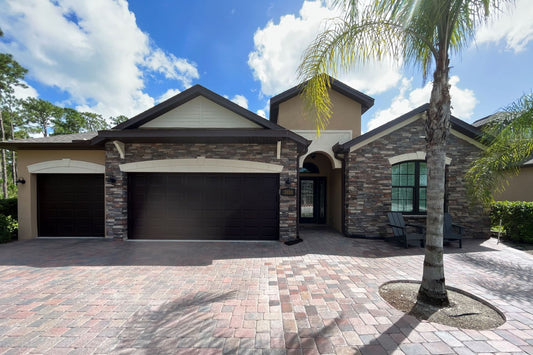
Yes, brick veneer is widely used for exterior walls because it offers the appearance and weather resistance of brick while working with modern framed construction systems.
Does real brick insulate better than brick veneer?
Not necessarily. Brick has thermal mass but limited insulation value. Brick veneer over insulated framed walls often performs better in modern energy-efficient construction.
What's Next?
Upgrade your space with our premium stone veneer, designed to deliver authentic texture and rich, natural color in any setting. Shop now or order a sample to see and feel the quality in person before you commit. Start your project with confidence and bring your design vision to life.
Have a Question?
Please see our full terms of service or check out our frequently asked questions.
For general information and questions please call: (864) 882-8960 Mon. - Fri. 8am - 5pm (EST) or email: info@mountainviewstone.net we are more than happy to help you.
Or you can submit your questions via our contact us page.
We look forward to working with you on your upcoming project.
The Mountain View Stone Team
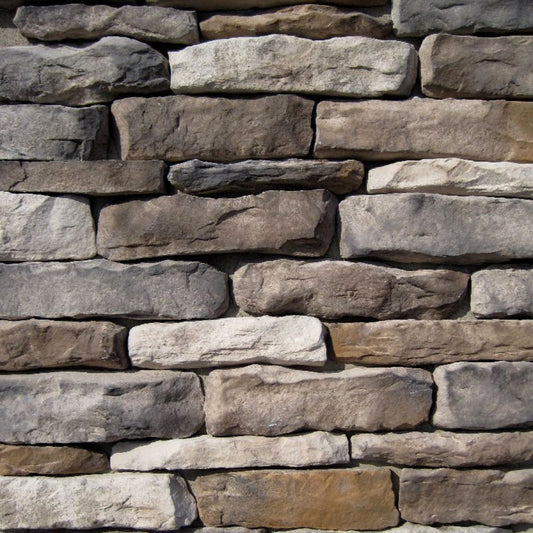
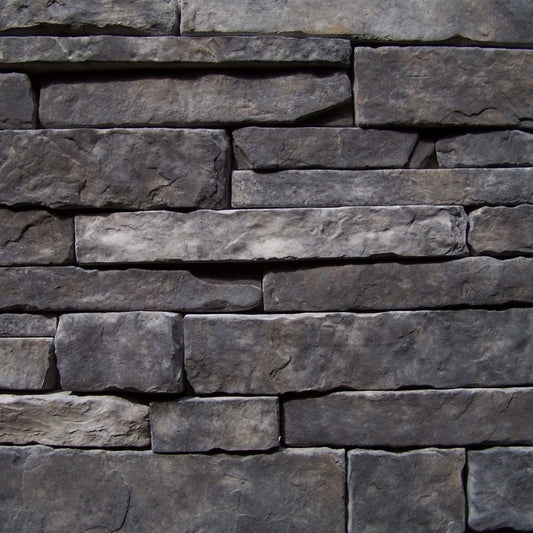
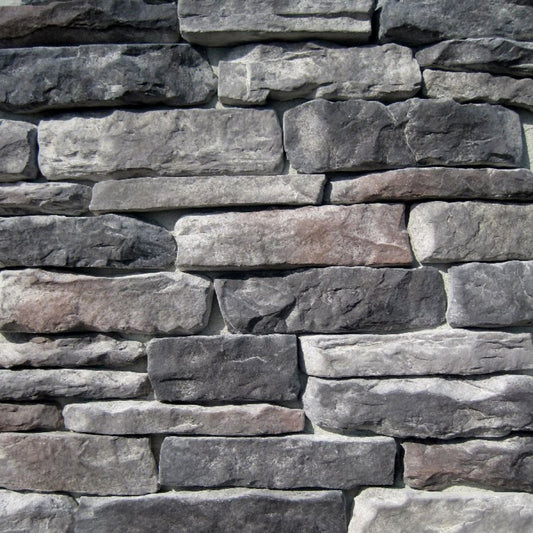
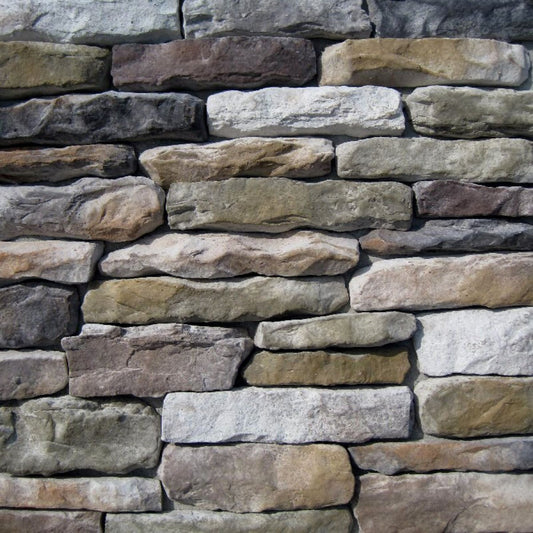
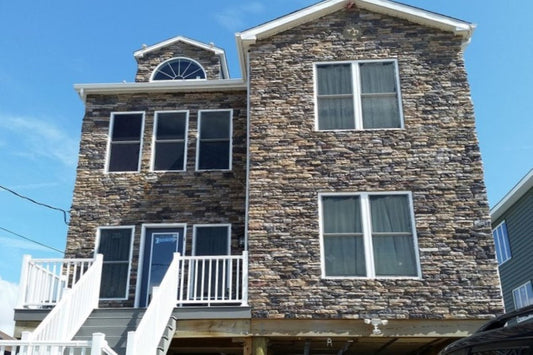
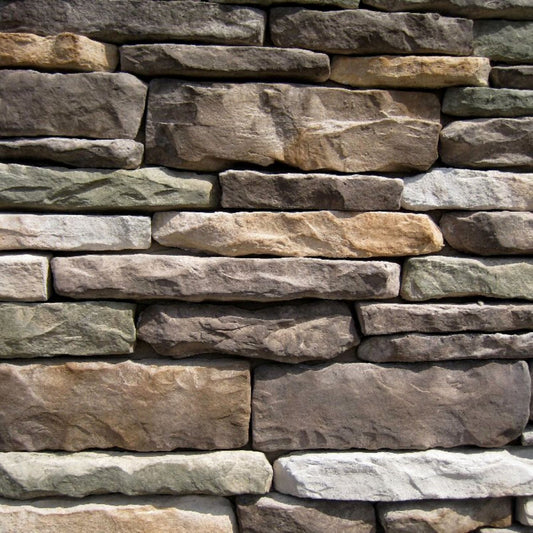
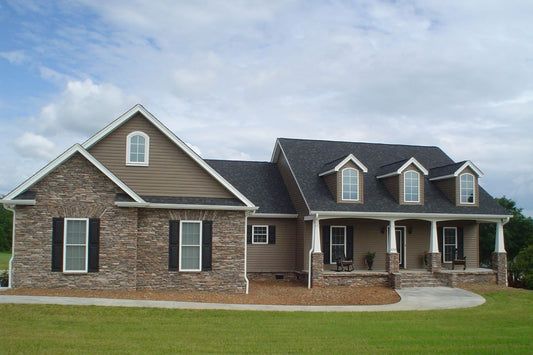
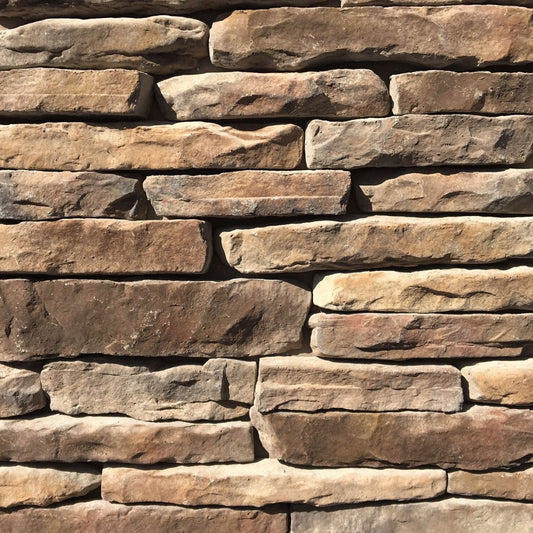
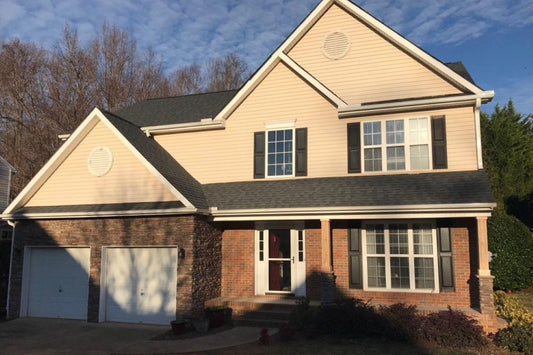
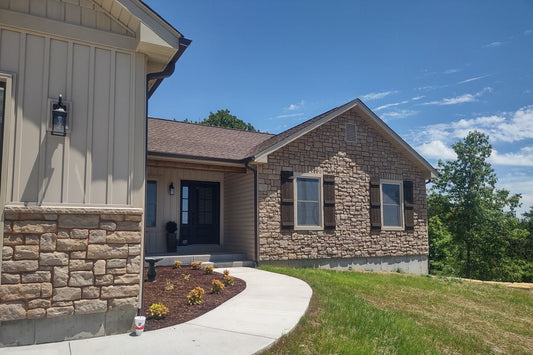
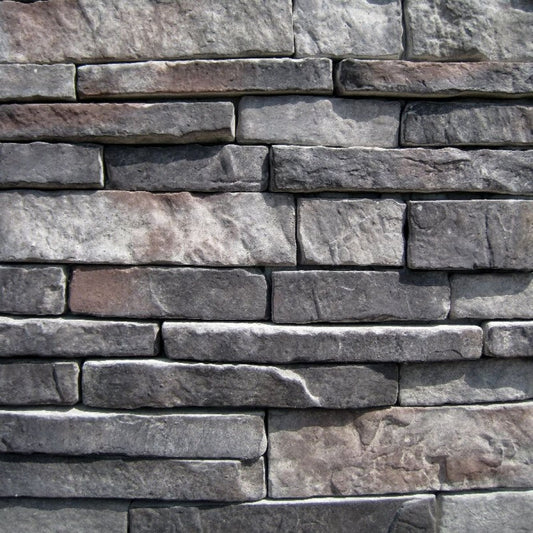
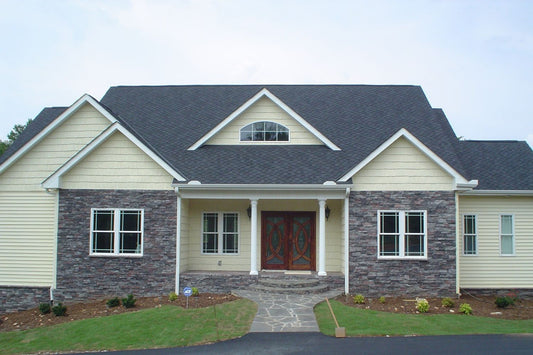
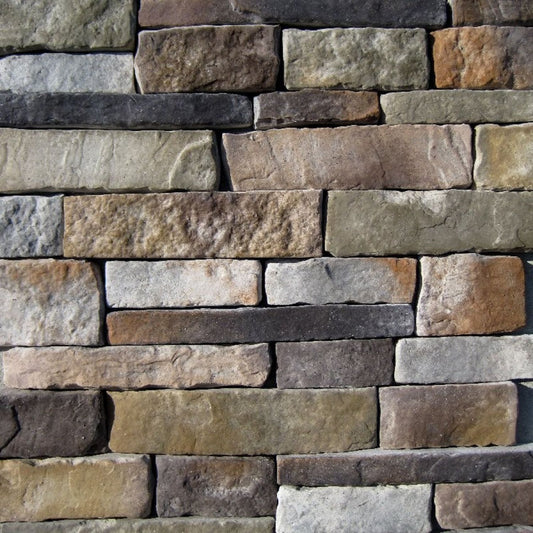
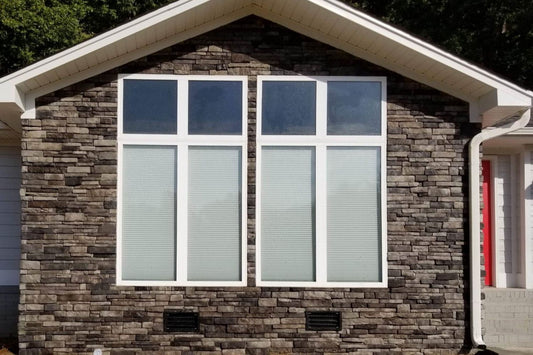
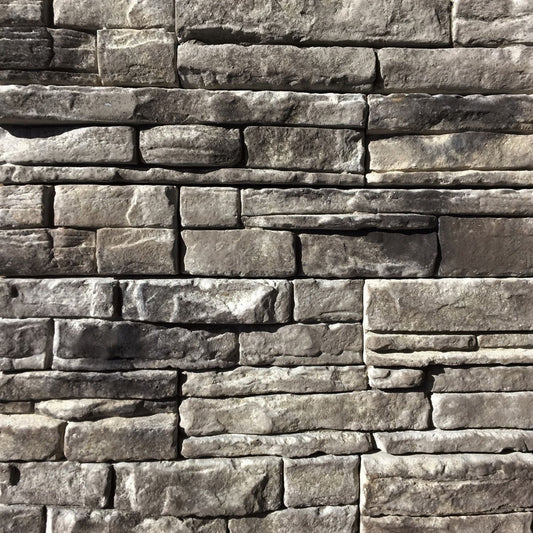
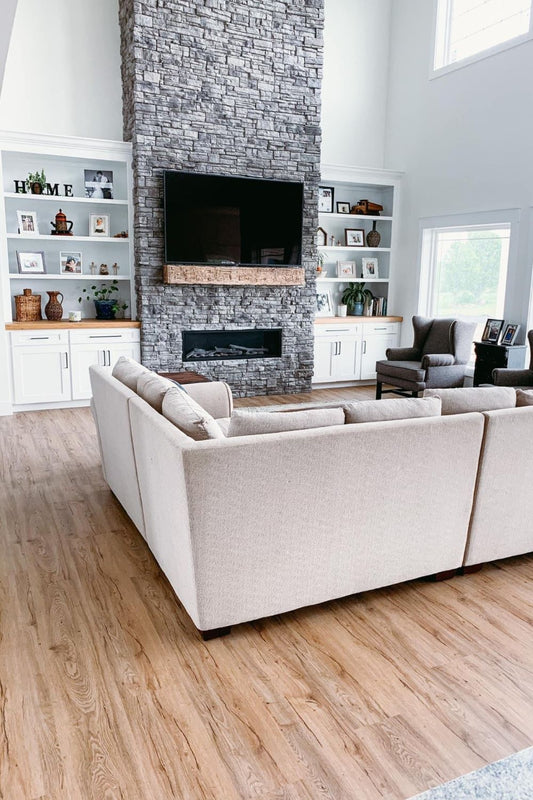
Pictured is brick veneer old towne.