
Can You Install Stone Veneer on ICF Walls? Everything You Need to Know
Share
Originally posted June 30, 2025, updated May 24, 2026.
Manufactured stone veneer can be installed on ICF (Insulated Concrete Form) walls, but never directly onto foam. A proper installation requires a weather-resistant barrier, a metal lath system, and a reinforced scratch coat to ensure long-term adhesion, durability, and moisture protection.
Finishing insulated concrete form walls with manufactured stone veneer is one of the most effective ways to combine high-performance construction with timeless architectural appeal. ICF walls are widely recognized for their exceptional energy efficiency, strength, and sound insulation. When paired with manufactured stone veneer, they also deliver the aesthetic warmth and visual depth of traditional masonry without the cost and structural limitations of natural stone provided the substrate is properly prepared as outlined in our guide on preparing your wall surface for stone veneer.
This combination has become increasingly popular in residential and commercial construction because it bridges the gap between modern building science and classic design. However, while the pairing is highly effective, it also requires careful installation methods to ensure performance, durability, and compliance with building standards. Understanding how manufactured stone veneer interacts with ICF systems is essential before beginning any project.
Understanding ICF walls and stone veneer compatibility
Insulated Concrete Forms, commonly known as ICF walls, are constructed using expanded polystyrene (EPS) foam blocks that are filled with reinforced concrete. The result is a strong, continuous wall system with excellent thermal performance. While the surface is structurally robust in terms of load-bearing capacity, the exterior foam layer is not designed to bond directly with finishes such as manufactured stone veneer.
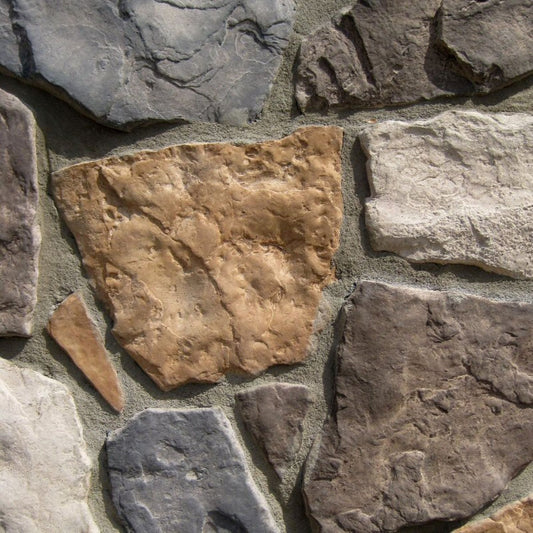
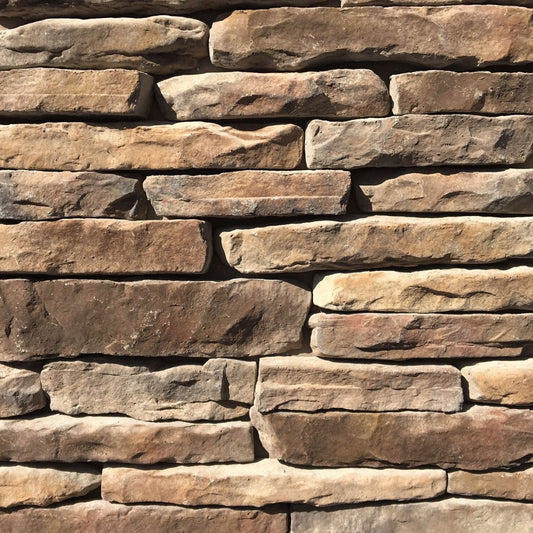
Manufactured stone veneer is a lightweight concrete product designed to replicate the appearance of natural stone. Although significantly lighter than full-bed stone, it still requires a mechanically secure substrate for proper installation. Because EPS foam lacks the necessary surface texture and structural grip, it cannot be used as a direct bonding surface for veneer systems. This is why additional preparation layers are required when installing stone veneer on ICF walls.
Benefits of using stone veneer on ICF construction
One of the primary reasons builders and homeowners choose manufactured stone veneer for ICF walls is the balance between performance and aesthetics. ICF systems already provide superior insulation and structural integrity, and adding stone veneer enhances the exterior finish without compromising those advantages.
The visual transformation is one of the most immediate benefits. Manufactured stone veneer introduces texture, depth, and character that elevates the appearance of foundations, exterior walls, fireplaces, and outdoor living spaces. Whether the design goal is rustic, modern, or traditional, there are numerous profiles and color blends available to achieve the desired architectural style.
Cost efficiency is another important factor. Natural stone requires significant labor, structural support, and material cost, while manufactured stone veneer offers a similar visual impact at a fraction of the expense. The reduced weight also simplifies handling and installation logistics, especially on large ICF wall surfaces.
Finally, compatibility with modern building systems makes manufactured stone veneer an adaptable choice. When installed correctly, it integrates seamlessly with high-performance wall assemblies, maintaining durability while enhancing curb appeal.
Why you cannot install stone veneer directly on ICF
A critical point in any ICF stone veneer installation is understanding that direct application is not permitted or recommended. EPS foam does not provide the mechanical bond required for mortar adhesion, and attempting to install veneer directly onto foam can lead to system failure over time.
Instead, a layered approach is required to create a suitable substrate. This includes a weather-resistant barrier, a metal lath system, and a reinforced mortar scratch coat. These components work together to create a stable, bonded surface that can properly support the weight and long-term performance of the stone veneer.
Skipping this preparation process not only risks detachment but can also compromise moisture management and potentially violate local building codes. For these reasons, professional installation practices always include a properly engineered support system.
Proper installation approach for stone veneer on ICF walls
The installation process for manufactured stone veneer on ICF walls follows a structured sequence designed to ensure adhesion, stability, and moisture protection.
The process begins with preparation of the ICF surface. The wall must be clean, dry, and free of dust, debris, or any substances that could interfere with mechanical fastening or barrier adhesion. Once the surface is properly prepared, a weather-resistant barrier is applied. This layer serves as the first line of defence against moisture intrusion and is essential in exterior applications.
Following the moisture barrier installation, a galvanized metal lath system is secured over the wall. This lath is mechanically fastened through the foam into the structural concrete core of the ICF wall. The lath provides the necessary grip for the mortar system and acts as the structural backbone for the veneer installation.
Once the lath is in place, a mortar scratch coat is applied over the entire surface. This coat is typically built to a substantial thickness and is scored or textured while still wet to create a strong bonding surface for the veneer stones. The scratch coat must be allowed to cure fully before stone installation begins, as this curing stage is essential for long-term stability.
After curing, the manufactured stone veneer is installed using a high-quality Type S mortar. Each stone is back-buttered with mortar before being pressed firmly into the scratch coat. A slight twisting motion during placement helps ensure full contact and eliminates voids behind the stone, which could otherwise weaken the bond.
Once all stone units are installed, joints are filled where applicable. The mortar is tooled to achieve the desired depth and finish, contributing to the overall aesthetic and structural integrity of the installation. Excess mortar is carefully cleaned from the stone surface before it fully sets to maintain a clean appearance.
Moisture management and long-term performance
Moisture control is one of the most important aspects of installing manufactured stone veneer on ICF walls. Even though ICF systems are inherently resistant to air and moisture infiltration, the addition of exterior cladding introduces new considerations that must be addressed.
A properly installed weather-resistant barrier helps redirect moisture away from the wall assembly, while flashing details ensure that water does not become trapped behind the veneer system. Drainage pathways must be maintained so that any incidental moisture can exit the assembly without causing damage.
Breathable sealers may be applied in some cases, depending on manufacturer recommendations and climate conditions, but the goal is always to allow the wall system to manage moisture naturally while preventing water intrusion.
Building codes, warranty considerations, and common issues
Local building codes play an important role in determining how manufactured stone veneer can be installed on ICF walls. Requirements for lath fastening, barrier materials, and mortar application can vary depending on jurisdiction, making it essential to verify compliance before beginning installation.
Warranty considerations are equally important. Many manufactured stone veneer warranties require strict adherence to installation guidelines. Deviating from approved methods, such as attempting direct adhesion to foam, can void product coverage and lead to costly repairs
Common installation issues typically arise from improper lath attachment, insufficient scratch coat curing time, or inadequate moisture management. Each of these factors can compromise the integrity of the system over time, highlighting the importance of following established best practices.
Can you install stone veneer on ICF walls?
Installing manufactured stone veneer on ICF walls is an effective way to combine modern building performance with timeless architectural design. When properly installed using a weather-resistant barrier, metal lath system, and reinforced mortar layers, the result is a durable and visually striking exterior finish.
While the system requires careful attention to detail, the long-term benefits in energy efficiency, durability, and curb appeal make it a highly worthwhile investment for both residential and commercial projects.
From Mountain View Stone: what you should know
At Mountain View Stone, what you should know is that installing manufactured stone veneer over ICF walls is not a direct-to-foam application and should always be approached as a complete wall assembly, not just a finish layer. Proper moisture management, correct fastening methods, and a well-installed lath and scratch coat system are critical to long-term performance. While manufactured stone veneer is an excellent choice for ICF construction because it delivers the beauty of natural stone without excessive weight, the success of the project depends on following proven installation practices, manufacturer guidelines, and local building code requirements. For more complex ICF applications, we always recommend working with a qualified installer who understands both stone veneer systems and high-performance wall assemblies to ensure a durable, code-compliant result.
Frequently asked questions
1. Can you install manufactured stone veneer directly on ICF walls? Manufactured stone veneer should never be installed directly on ICF foam surfaces. The foam does not provide adequate bonding strength for mortar systems, which is why a metal lath and scratch coat are required to create a stable installation surface.
2. What is the best substrate for stone veneer on ICF construction? The best substrate is a properly installed system that includes a weather-resistant barrier, galvanized metal lath, and a cured mortar scratch coat. This layered approach ensures both mechanical strength and moisture protection.
3. Do ICF walls require a moisture barrier under stone veneer? Yes, a weather-resistant barrier is essential when installing manufactured stone veneer on ICF walls. It helps manage moisture movement and protects the wall assembly from water intrusion behind the veneer.
4. Is manufactured stone veneer heavy enough to affect ICF walls? Manufactured stone veneer is significantly lighter than natural stone and is generally well-suited for ICF construction when installed correctly. The key factor is ensuring the load is transferred through proper mechanical fastening into the structure.
5. Can stone veneer void the warranty on ICF or veneer products? Improper installation methods can void warranties for both ICF systems and manufactured stone veneer products. Following manufacturer guidelines and local building codes is essential to maintain warranty coverage.
6. How long does stone veneer last on ICF walls? When properly installed with correct moisture management and substrate preparation, manufactured stone veneer on ICF walls can last for decades with minimal maintenance, offering long-term durability and aesthetic performance.
What's next?
Transform your space with our premium stone veneer! Shop now or order a sample to experience the authentic texture and rich color in person. Start your project with confidence and bring your vision to life today.
Have a question?
Please see our full terms of service or check out our frequently asked questions.
For general information and questions please call: (864) 882-8960 Mon. - Fri. 8am - 5pm (EST) or email: info@mountainviewstone.net we are more than happy to help you.
Or you can submit your questions via our contact us page.
We look forward to working with you on your upcoming project.
The Mountain View Stone Team
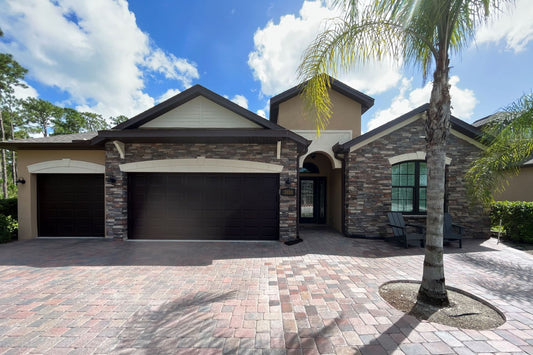
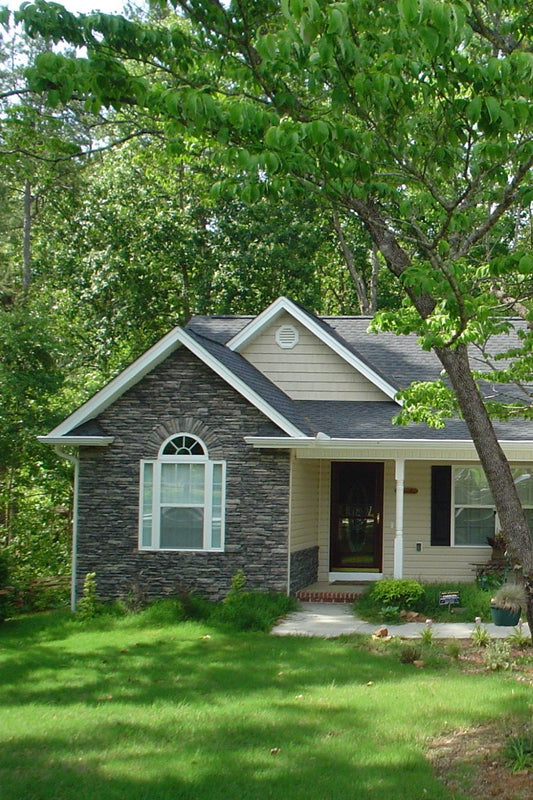
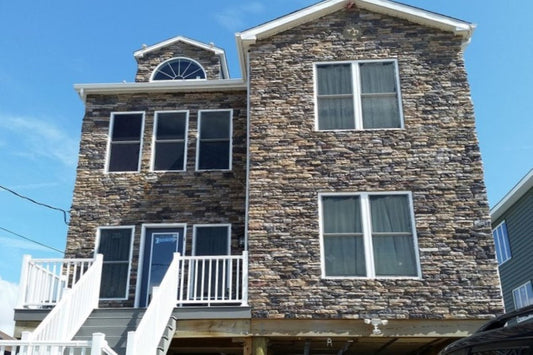
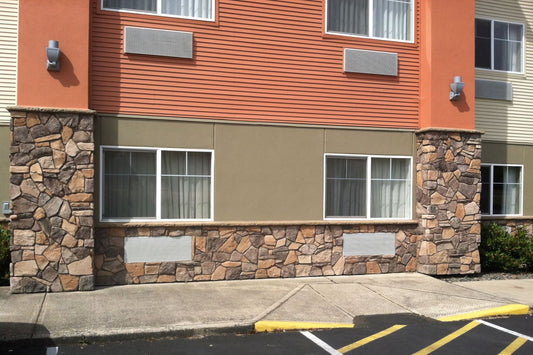
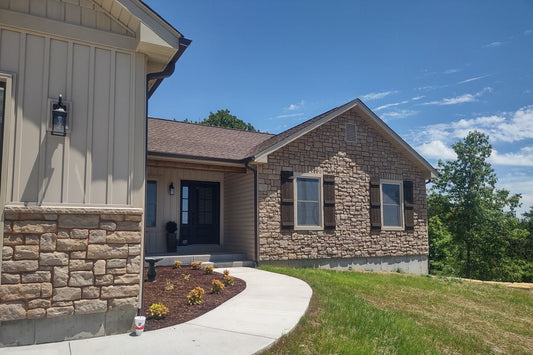
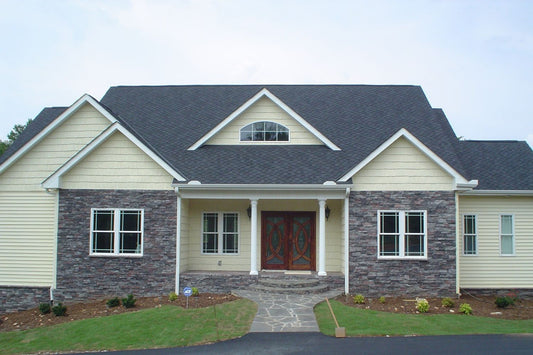
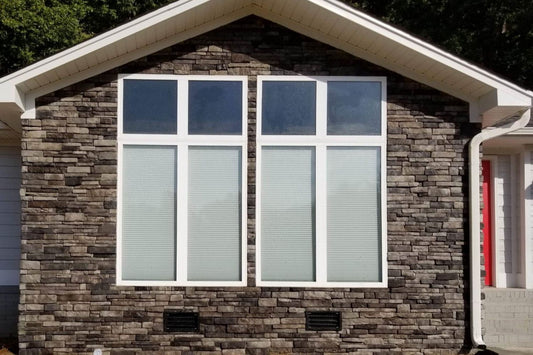
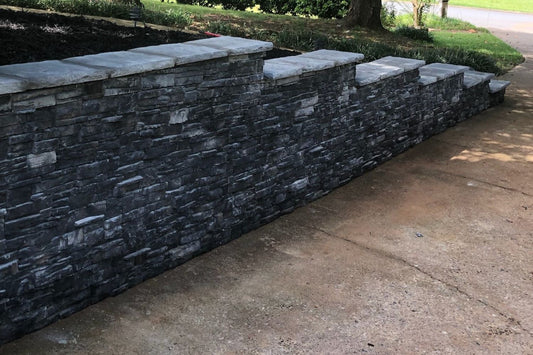
Pictured is an AI generated image of a stone veneer installation on an ICF wall.