
Can You Repair Stone Veneer? Common Issues and Effective Fixes
Share
Yes, manufactured stone veneer can be repaired. With proper cleaning, patching, reattachment, and sealing, minor cracks, chips, and loose stones can be restored, preserving both beauty and durability.
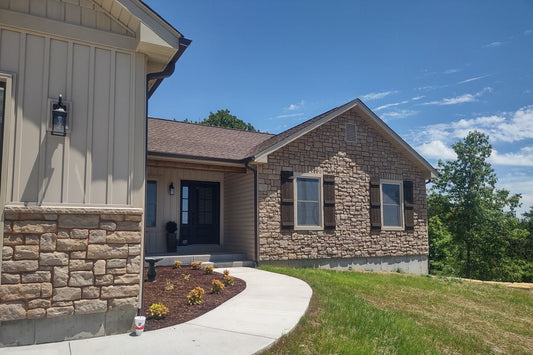
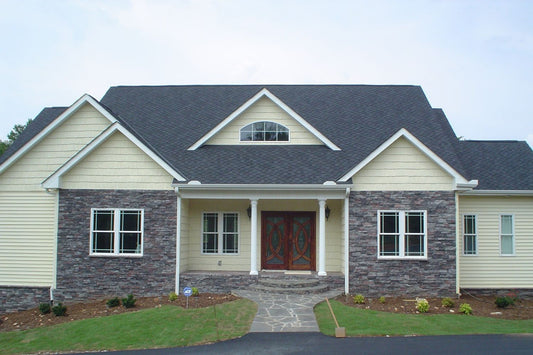
Manufactured stone veneer has become a popular choice for homeowners and builders who want the beauty of natural stone without the heavy weight or high cost of traditional stone. Its realistic textures and colors make it perfect for exterior facades, fireplaces, accent walls, and other design features. While manufactured stone veneer is durable, it can still experience wear, minor cracks, or chips over time, which is why understanding proper upkeep is crucial. Our stone veneer care and maintenance guide covers essential tips for cleaning, sealing, and routine inspections to keep your stone looking vibrant and structurally sound for years. By following these maintenance practices, homeowners can prevent small issues from turning into more costly repairs while preserving the long-term beauty and value of their stone veneer investment.
Understanding manufactured stone veneer
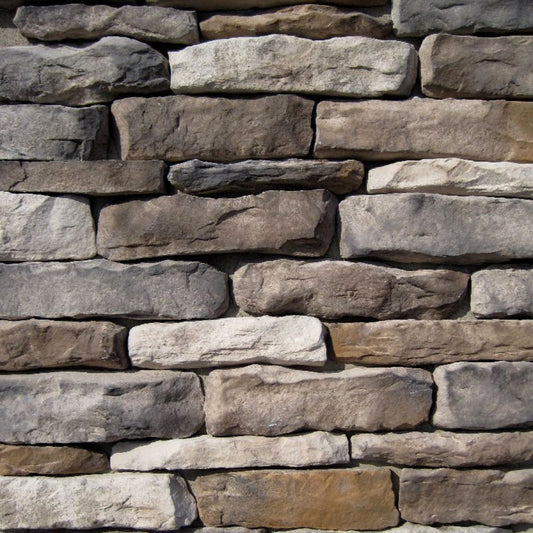
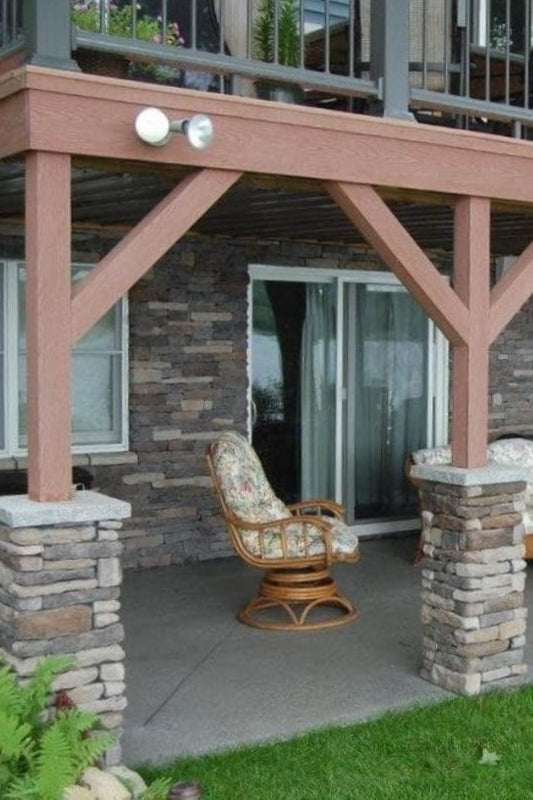
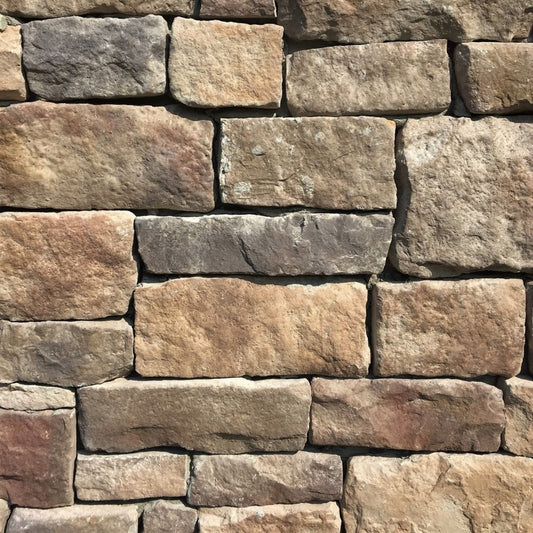
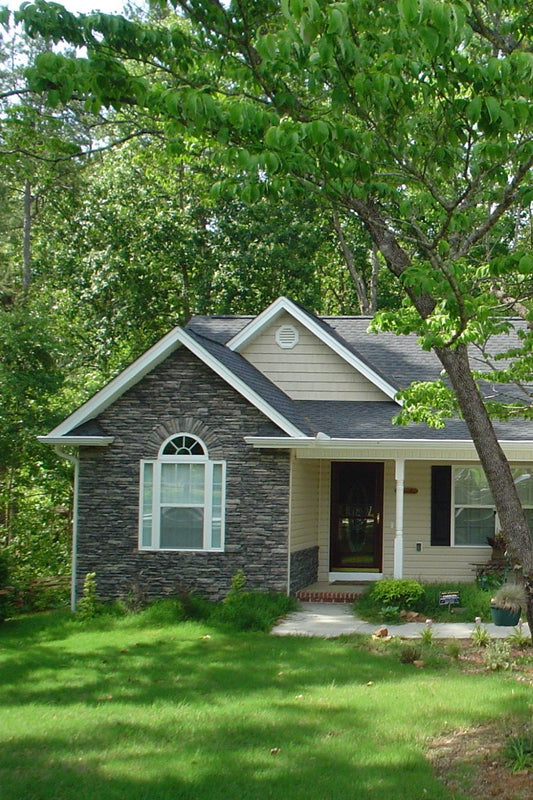
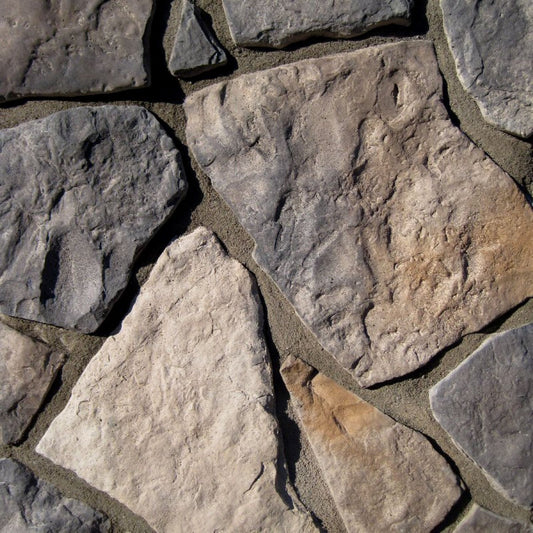
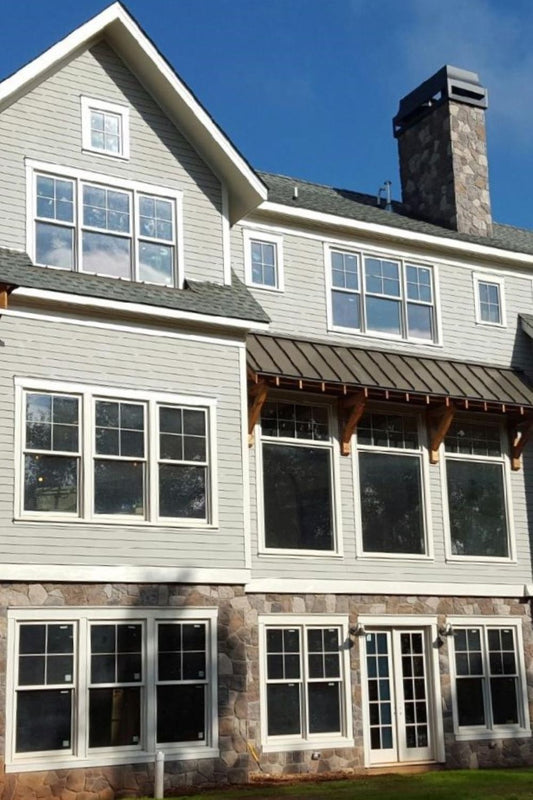
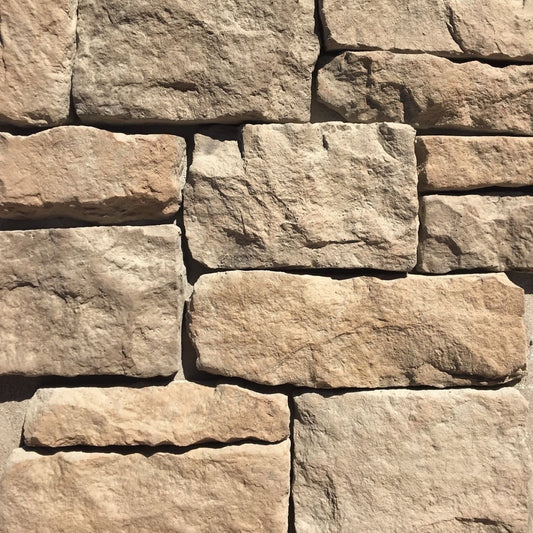
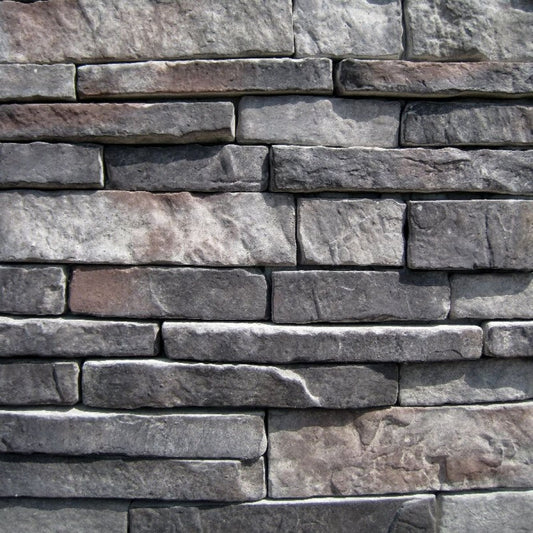
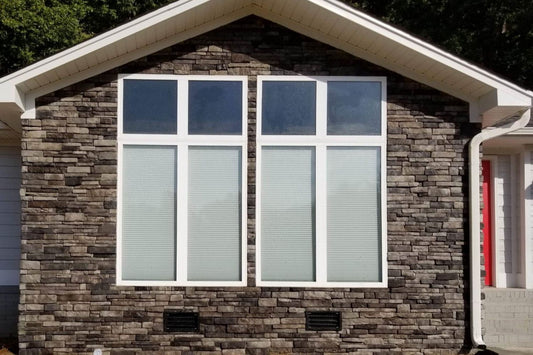
Manufactured stone veneer is crafted from a combination of cement, aggregates, and iron oxide pigments, then molded to replicate the shape, texture, and color variations of natural stone. Unlike full-bed natural stone, manufactured veneer is thinner and lighter, which allows for easier installation on interior walls, exterior facades, fireplaces, and accent features. Despite its durability, manufactured stone veneer is not impervious to damage. Cracks, chips, and loose stones can occur, particularly in high-traffic areas or regions exposed to severe weather conditions. Understanding the material and how it behaves over time is the first step in maintaining and repairing your stone veneer.
Common issues that require stone veneer repair
Even high-quality manufactured stone veneer can develop problems that affect both its appearance and structural integrity. Cracks and chips often appear from accidental impacts or settling of the structure. These minor damages may seem cosmetic, but if left unaddressed, they can worsen over time.
Loose or detached stones are another common issue. Mortar bonds may weaken due to age, water intrusion, or improper installation, leading to stones that feel unstable or even fall off. This not only compromises aesthetics but can pose safety concerns.
Water damage is a particularly critical concern for exterior installations. When moisture penetrates behind the veneer, it can deteriorate both the stone and the underlying substrate. This can eventually lead to more extensive damage if the source of moisture is not corrected.
Surface staining is another factor that can make stone veneer look aged or faded. Dirt, algae, efflorescence (white mineral deposits), and environmental pollutants can accumulate over time, reducing the vibrancy of the stone. Fortunately, these stains are often removable through proper cleaning, highlighting the importance of regular maintenance. Understanding these common issues helps homeowners plan for repairs and preserve the long-term value of their investment.
How to repair manufactured stone veneer
Repairing manufactured stone veneer can be straightforward when approached carefully. The first step is cleaning the damaged area. Dirt, loose mortar, and debris should be removed using a soft brush and mild detergent. This ensures that the repair materials adhere properly and form a strong bond with the existing veneer.
Minor cracks and chips can be addressed using a color-matched stone veneer patch or repair compound. These products are designed to blend seamlessly with the stone’s surface. Applying the compound with a putty knife, smoothing it, and allowing it to cure per the manufacturer’s instructions ensures a natural-looking repair.
For loose or detached stones, the old mortar must be removed before reattachment. A fresh layer of mortar should be applied, and the stone pressed firmly into place. In larger repair areas, using a trowel to apply mortar behind each stone ensures a stable and secure fit.
Severely damaged stones may need complete replacement. Carefully remove the damaged piece without disturbing surrounding stones and install a replacement stone using mortar. Matching the new stone’s color and texture to the existing veneer is crucial for a uniform look.
Finally, sealing the repaired area is recommended. A compatible sealer protects the stone from moisture, UV damage, and staining, helping the repair blend seamlessly with the rest of the installation.
Tips for maintaining repaired stone veneer
Maintenance is key to ensuring that your repaired stone veneer continues to look great and last for years. Annual inspections can catch early signs of cracks, loose stones, or mortar deterioration, allowing for prompt attention before issues escalate.
Regular cleaning removes dirt, mold, algae, and other buildup that can dull the stone’s appearance. Using a mild detergent and a soft brush is typically sufficient, and harsh chemicals or high-pressure washing should be avoided to prevent damage.
Sealers play a critical role in protecting the stone veneer, especially after repairs. Reapplying a high-quality sealer every few years provides a protective barrier against moisture and UV rays, helping maintain color vibrancy and surface integrity.
Addressing minor issues quickly is one of the most effective ways to extend the life of your stone veneer. Small cracks, chips, or loose stones left unattended can develop into larger problems, resulting in more expensive repairs and a diminished aesthetic. Proactive maintenance ensures that your veneer remains durable, attractive, and a long-lasting investment in your property.
When to DIY vs. hire a professional
Many homeowners can tackle small repairs like minor cracks, chips, or a few loose stones. DIY repairs can save money and are feasible if you have basic masonry tools, follow manufacturer instructions, and are comfortable working on your home’s surfaces.
However, more extensive damage, structural issues, or water intrusion problems are best handled by a professional. Experienced installers can assess underlying causes, ensure proper bonding, and restore both appearance and durability. Hiring a professional can save time, prevent further damage, and provide peace of mind that the repair will last.
Can you repair stone veneer?
The answer is a definitive yes. Manufactured stone veneer can be repaired whether the damage is minor, like a chip or small crack, or more significant, such as a detached or broken stone. By cleaning the area, patching cracks, reattaching or replacing stones, and sealing the surface, you can restore both beauty and durability. Regular maintenance and timely repairs ensure that your stone veneer continues to add value and aesthetic appeal to your home for decades.
Investing in proper repairs preserves not only the appearance of your stone veneer but also the financial and functional value it adds to your property. With the right techniques, tools, and materials, maintaining your manufactured stone veneer is a manageable task that keeps your investment looking its best over time.
From Mountain View Stone: what you should know
At Mountain View Stone, we know that even durable stone veneer can experience minor cracks, chips, or loose stones over time. The good news is that most issues are repairable with the right approach, cleaning, patching, reattaching, and sealing can restore both beauty and longevity. Timely repairs and regular maintenance protect your investment, preserve the appearance of your stone veneer, and help ensure it continues to enhance your home for years to come.
Frequently asked questions
1. Can manufactured stone veneer be repaired if it’s cracked? Yes. Small cracks or chips can be repaired using color-matched patching compounds designed specifically for manufactured stone veneer. Proper cleaning and surface preparation ensure a durable repair.
2. What do I do if a stone becomes loose or falls off? A loose or fallen stone can usually be reattached with mortar. Make sure to remove old mortar, clean the surface, and press the stone firmly into place.
3. Can water damage be repaired in stone veneer? Yes, but the underlying cause of water intrusion must be addressed first. Repairing the stone alone won’t prevent future damage if moisture continues to penetrate behind the veneer.
4. Do I need to seal repaired stone veneer? Applying a compatible sealer after repairs is recommended. It protects against moisture, UV damage, and staining, helping the repaired area blend seamlessly with the existing veneer.
5. How long does a stone veneer repair last? When properly performed, repairs can last for many years. Longevity depends on quality materials, proper installation, and regular maintenance.
6. Can I repair manufactured stone veneer myself or should I hire a professional? Small cracks, chips, or loose stones can often be repaired by a confident DIYer with the right tools. However, larger structural issues, extensive damage, or moisture problems are best handled by a professional to ensure long-term results.
What's next?
Transform your space with our beautiful stone veneer! Shop now or order a sample today to experience the color, texture, and quality firsthand.
Have a question?
Please see our full terms of service or check out our frequently asked questions.
For general information and questions please call: (864) 882-8960 Mon. - Fri. 8am - 5pm (EST) or email: info@mountainviewstone.net we are more than happy to help you.
Or you can submit your questions via our contact us page.
We look forward to working with you on your upcoming project.
The Mountain View Stone Team
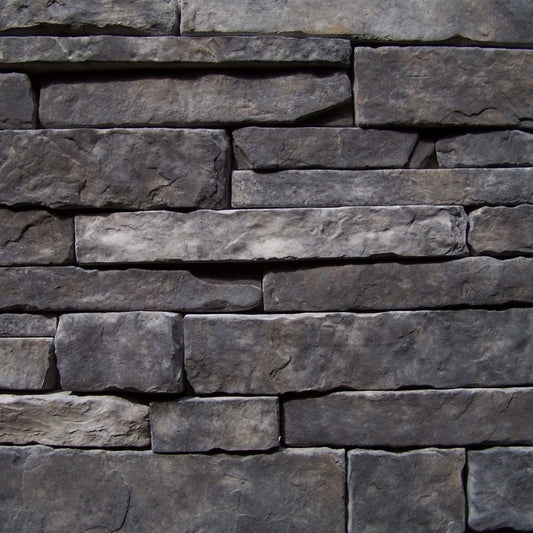
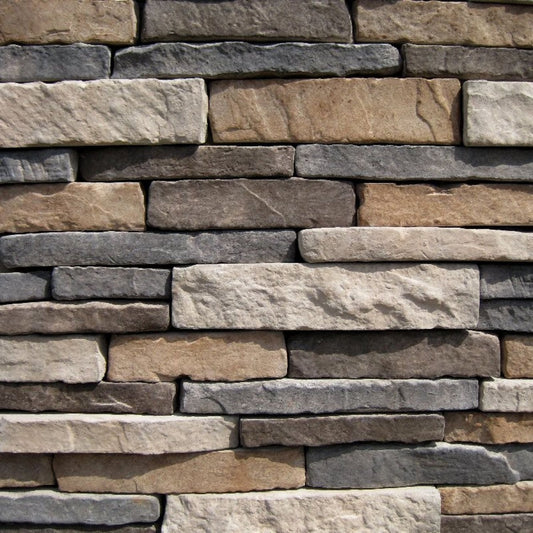
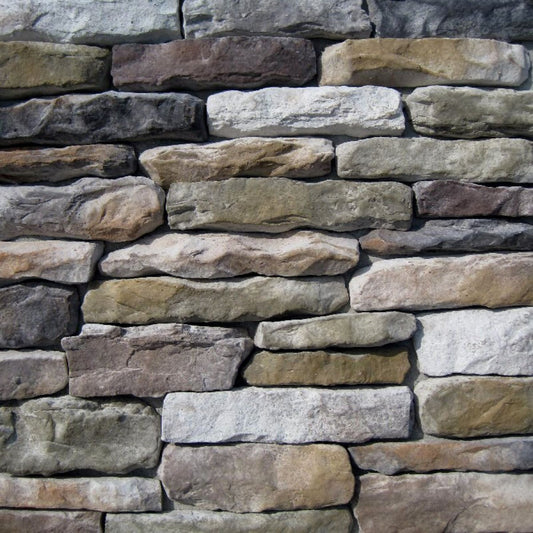
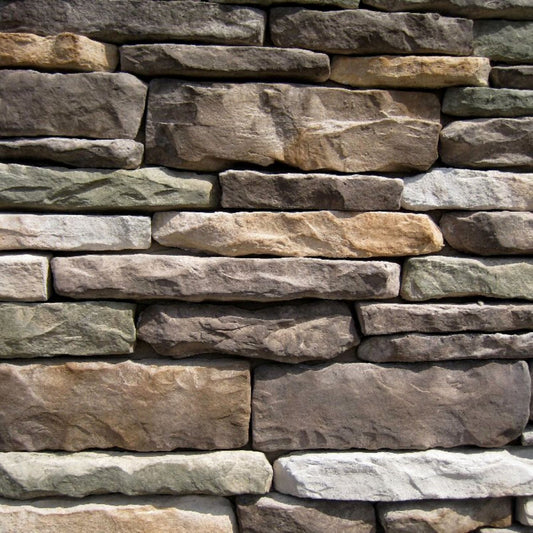
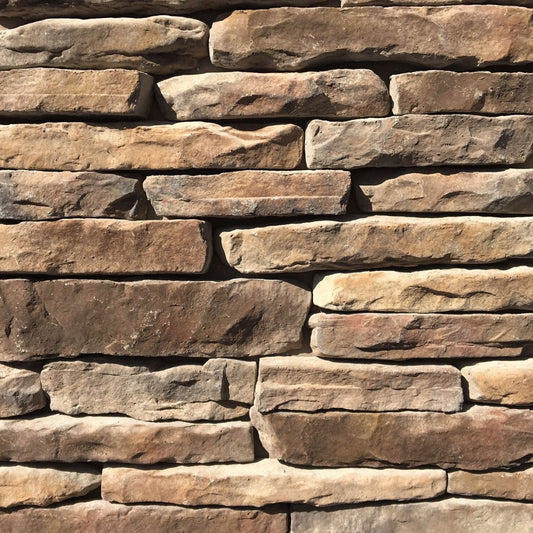
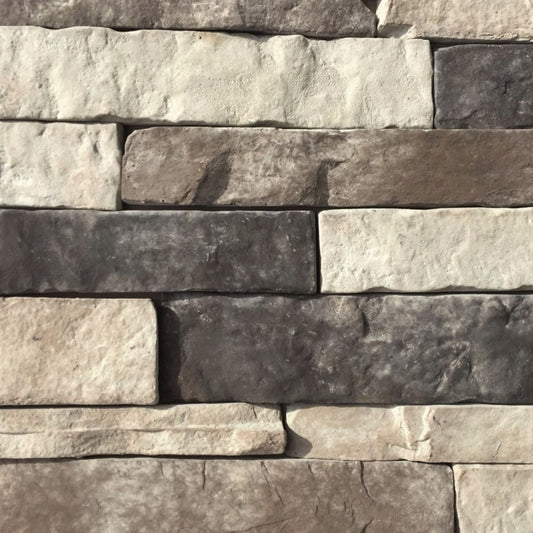
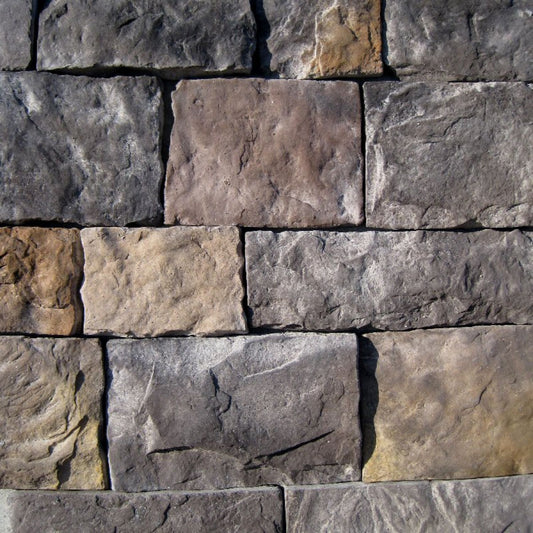
Pictured is lime stone adaline.