
Cold Weather Stone Veneer Installations: Tips, Techniques, and Best Practices
Share
Originally posted February 10, 2025, updated May 20, 2026.
Installing manufactured stone veneer in cold climates requires careful planning to prevent freeze/thaw damage. Use proper drainage, sealants, and temperature precautions for lasting results.
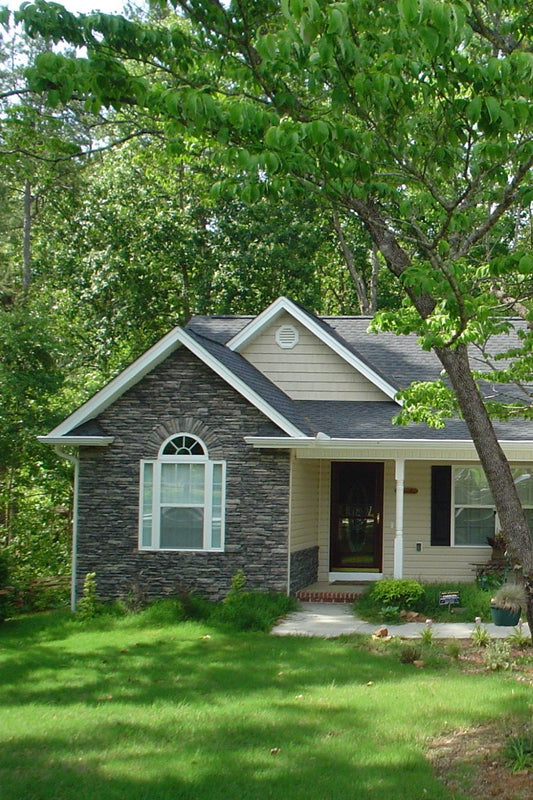
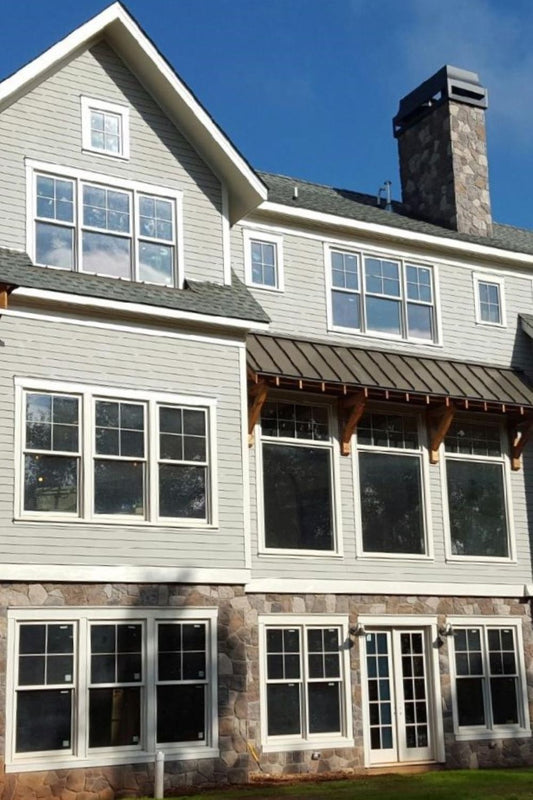
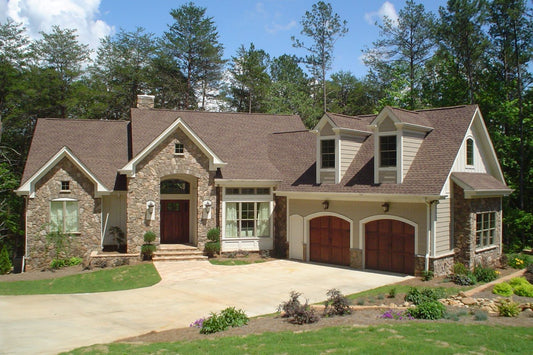
Manufactured stone veneer offers the timeless beauty and texture of natural stone without the weight or cost, making it a popular choice for both residential and commercial projects. However, colder climates introduce challenges that can affect both the installation process and the long-term durability of your stone veneer. Understanding how freeze/thaw cycles, low temperatures, and moisture interact with your stone installation is critical to achieving a finish that lasts for decades. If you’re looking for a comprehensive overview of stone veneer options and best practices, check out the ultimate guide to manufactured stone veneer for exterior spaces, which covers everything from material selection to installation techniques.
Understanding the challenges of cold weather installations
One of the primary issues when installing stone veneer in cold climates is adhesion. Mortar and adhesive curing can slow dramatically when temperatures drop, making it harder for the veneer to bond securely to the substrate. If proper curing does not occur, the stone may loosen over time, reducing both the aesthetic appeal and structural integrity of your wall.
Freeze/thaw cycles also pose a significant risk. Water can seep behind the veneer through tiny cracks or improperly sealed joints. When temperatures fall below freezing, this trapped moisture expands, potentially cracking the stone, loosening panels, or even causing long-term damage to the underlying structure. Manufactured stone veneer, while durable, can also become brittle in extreme cold. Handling panels in these conditions without care can result in chipping or breakage, adding unexpected costs and delays to your project.
Best practices for stone veneer installation in cold climates
Planning is crucial for successful installation in cold weather. Whenever possible, schedule installation during milder periods, ideally when temperatures are above 40°F (4°C). If installation during colder months is unavoidable, consider creating a controlled environment using temporary enclosures or heaters. These measures help maintain a stable temperature, ensuring that mortar and adhesives cure properly and that the stone panels remain easier to handle.
Moisture prevention is another key factor. Installing a water-resistant barrier behind the veneer provides essential protection against trapped water, helping to prevent freeze/thaw damage. Additionally, proper flashing around windows, doors, and other penetrations ensures water is directed away from vulnerable areas. Combining these measures with a breathable masonry sealant further protects the stone, allowing vapor to escape while keeping moisture out. This step is essential for cold climates, where even small amounts of trapped water can lead to cracking and long-term deterioration.
Allowing for material expansion and contraction is another important consideration. Stone veneer, like most building materials, reacts to temperature changes by expanding and contracting. Including control joints and leaving appropriate spacing ensures that your installation can move without causing cracks or dislodging stones. Neglecting this aspect can lead to costly repairs over time, particularly in regions that experience wide temperature swings between day and night or across seasons.
Long-term maintenance for cold weather installations
Maintaining manufactured stone veneer in cold climates requires ongoing attention. Regular inspections are essential to identify any cracks, loose stones, or damaged mortar. Prompt repairs prevent moisture infiltration, which can worsen during winter freeze/thaw cycles. Snow and ice should be removed carefully, and de-icing salts should be avoided, as they can chemically damage the veneer. Sand or non-corrosive deicers are safer alternatives for maintaining safe walking surfaces without compromising your stone.
Sealants also require periodic reapplication. Even the highest-quality masonry sealers will wear over time, particularly in areas exposed to harsh weather. Reapplying a protective coating every few years ensures that the stone veneer remains resistant to moisture, preserving both its appearance and structural integrity. By keeping up with these maintenance practices, homeowners and builders can extend the life of their installation while maintaining its visual appeal.
Cold weather stone veneer installations
While installing manufactured stone veneer in cold climates demands more planning and care, the result can be just as stunning and durable as installations in milder regions. By addressing the challenges posed by freeze/thaw cycles, temperature fluctuations, and moisture, you can protect your investment and enjoy a beautiful stone finish for years to come. The combination of proper installation techniques, high-quality materials, and consistent maintenance is the key to long-term success.
From Mountain View Stone: what you should know
At Mountain View Stone, we know that installing manufactured stone veneer in cold climates requires extra planning and care. Always consider moisture control, proper flashing, and high-quality sealants to protect your investment from freeze/thaw damage. Handling stone carefully in low temperatures and allowing for material expansion will help ensure a strong, lasting installation. Regular inspections and maintenance are essential to keep your stone veneer looking its best for years to come. By following these guidelines, you can enjoy the beauty and durability of stone, even in the harshest winter conditions.
Frequently asked questions
1. Can I install stone veneer in freezing temperatures? Yes, but extra precautions are required. Use temperature-controlled environments, proper sealants, and allow materials to cure correctly to prevent adhesion and freeze/thaw issues.
2. How do freeze/thaw cycles affect stone veneer? Water trapped behind the veneer can expand when it freezes, potentially causing cracks, loose stones, or structural damage over time. Proper barriers and sealants help prevent this.
3. What maintenance is necessary in cold climates? Regular inspections, careful snow and ice removal, avoiding corrosive salts, and reapplying sealants every few years are essential for longevity.
4. What is the best way to prevent moisture behind the veneer? A water-resistant barrier behind the stone and proper flashing around windows and doors ensure that water is directed away from the installation.
5. Are there specific adhesives or mortars recommended for cold weather? Cold-weather-rated adhesives and mortars are available and should be used to ensure proper curing and bonding in lower temperatures.
6. How do I handle stone veneer in very cold conditions? Stone can become brittle in freezing temperatures. Handle panels carefully, avoid dropping or forcing them into place, and maintain a stable installation environment whenever possible.
What's next?
Bring the beauty of stone to your space! Shop now or order a sample to see the quality up close. Start your project today!
Have a question?
Please see our full terms of service or check out our frequently asked questions.
For general information and questions please call: (864) 882-8960 Mon. - Fri. 8am - 5pm (EST) or email: info@mountainviewstone.net we are more than happy to help you.
Or you can submit your questions via our contact us page.
We look forward to working with you on your upcoming project.
The Mountain View Stone Team
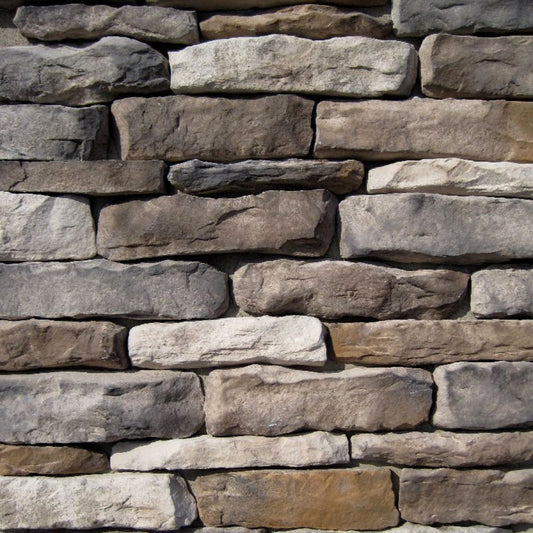
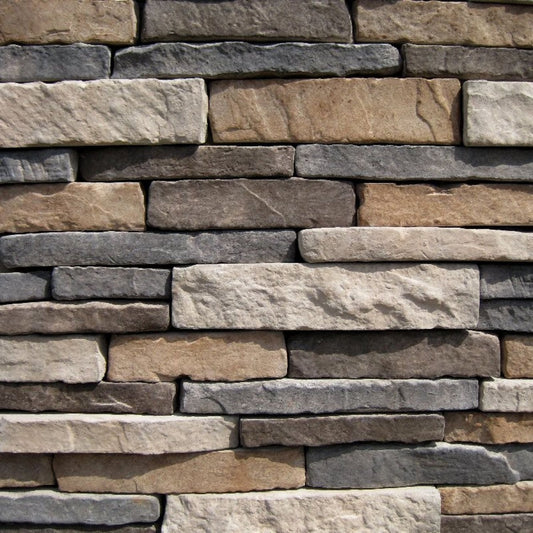
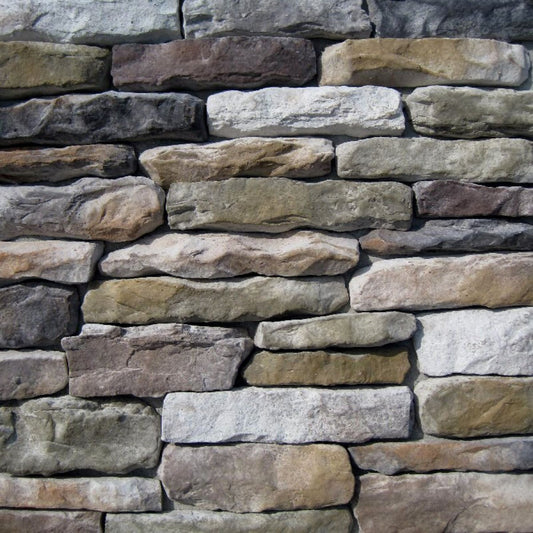
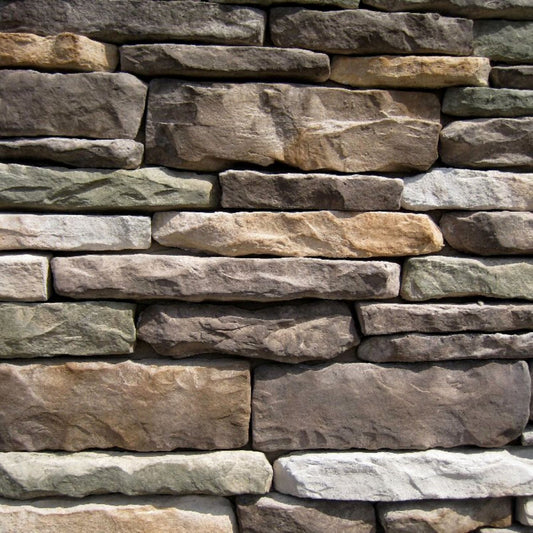
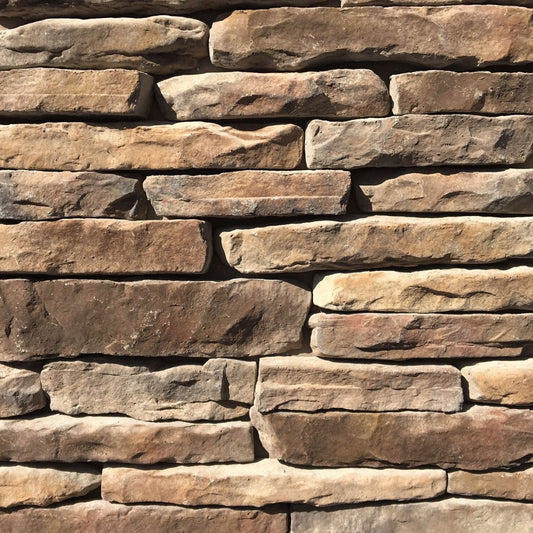
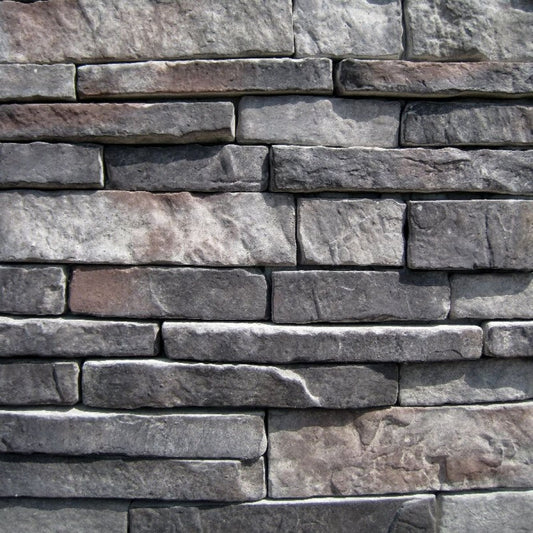
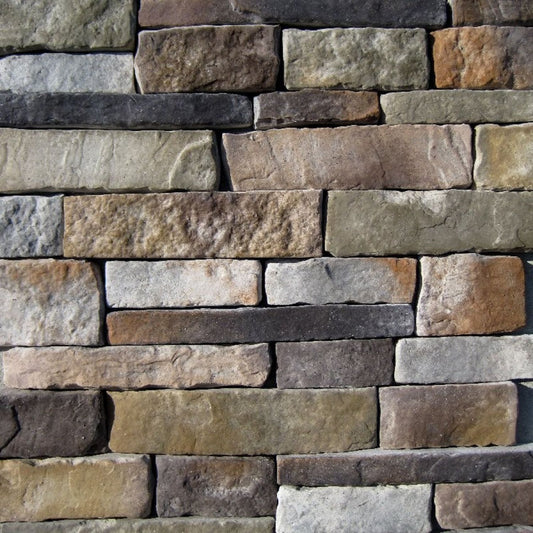
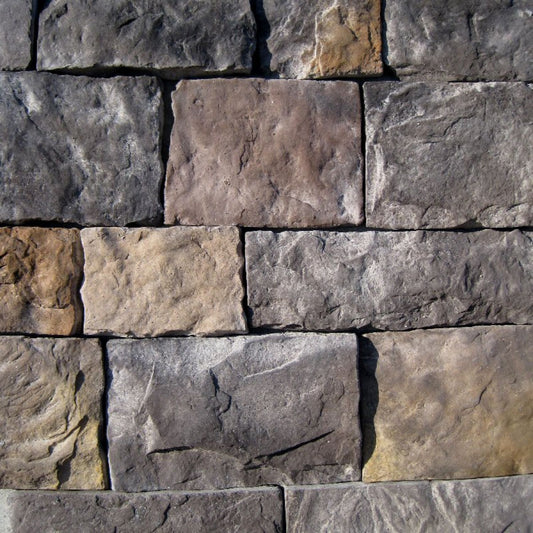
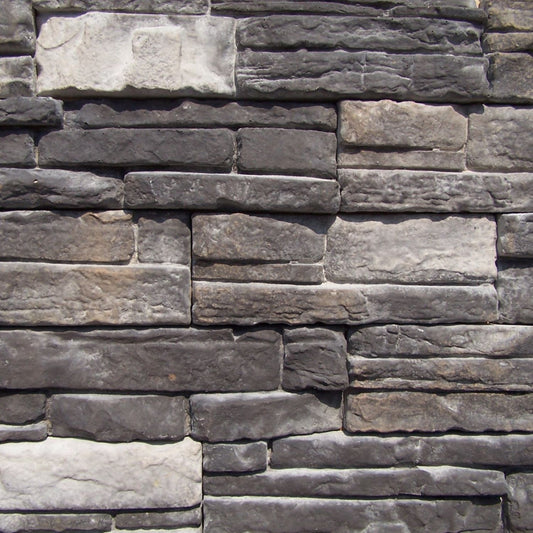
Pictured is ready stack mossy creek.